As summer approaches we kick off the start of vacation season. We’ll soon be taking advantage of warm weather, sunshine, and school getting out to take off to the beach, camping in the mountains, or just visiting out of town relatives. But people aren’t the only ones hitting the road – pests take advantage of our travels to hitch a ride back home with us too! What can you do to keep these pests from turning your home into an insect’s paradise? Check out these tips to keep your home pest free this summer.
In The Car:
Bed bugs, fleas, ticks, spiders, and roaches like to catch a ride with you from destination to destination, especially on road trips.
Keep car windows closed as much as possible when you’re on the road, especially when you drive through wooded areas.
Keep the interior of your car clean and dehumidified.
Clean up any food and drink spills immediately.
When you arrive at your destination check the sheets, carpet, curtains, and bathrooms for any signs of pests.
Elevate your bags in the room and keep them sealed tightly when they’re not in use.
Check your socks and the inside of your shoes every morning before you put them on.
On A Plane:
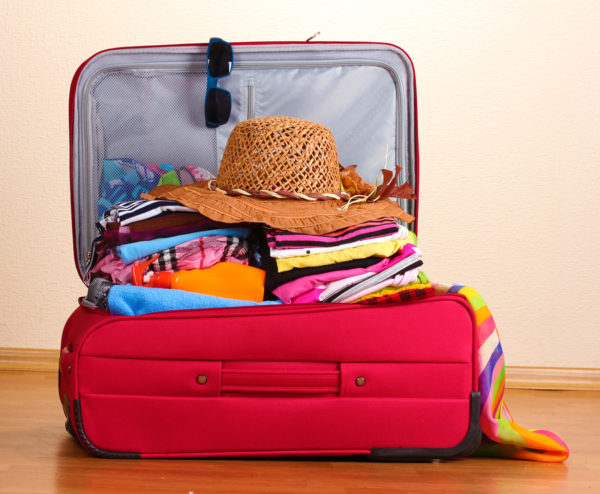
Silverfish, bed bugs, and even moths can hitch a ride in your suitcase. You can pick these up in hotels, your relatives’ homes, and even in the airport.
Keep your bags sealed when you’re not using them, whether it’s in a hotel, in your car, in the airport, or on a plane).
Wash and dry your clothes as soon as you get home.
Don’t keep food in your carry-on bags.
Don’t take any trash off the plane when you disembark.
Once you unpack, put your bags in the dryer for at least 20 minutes.
Inspect everything you bring home for pests, even after you wash and dry it.
In The Woods:
Camping is one of the most challenging environments for pest control. Let’s face it – pests live outdoors!
Keep your food in sealed containers and make sure to store them at least 10 feet from your camp site and at least 8 feet in the air.
Make sure you store your firewood at least 20 feet away from your camp site.
Seal your sleeping bags inside your tent when you’re not using them.
Check your sleeping bags for pests every night before getting in them.
Sleep under a mosquito net.
Wear bug spray.
Dispose of any food scraps immediately.
Wash and dry all of your things as soon as you get home, including your tent, your sleeping bags, your clothes, and even yourself).
Check your whole body, especially any skin folds for ticks.
In Someone’s Home:
One place we don’t often think about picking up unwanted pests is in the homes of our relatives. Pests, however, don’t discriminate – they can be found in even the cleanest of homes.
Inspect the furniture where you’re staying as soon as you arrive for signs of pests.
Change the sheets upon arrival.
Don’t hang your clothes up in the closet.
Elevate your bags and keep them tightly sealed when they’re not in use.
Wash and dry your clothes and bags immediately when you get home.
If you suspect a pest problem when you get back from vacation, contact a pest control professional for a thorough inspection.
Some bugs are excellent travelers. They’ll hitchhike into your home on clothes, in luggage, on pets, in boxes, newspapers, magazines, or bags, on furniture, and even in your kids’ hair! Here are 5 well-traveled pests and tips on keeping them out of your home:
Bed Bugs
With summer vacations in full swing, out-of-town relatives visiting, and students coming home from college – now is the time to worry about bed bugs! They’ll sneak into your home unnoticed – most often in luggage and clothes – hide out during the day, and then creep out at night to feed (bite!).
Prevent bed bugs by being vigilant when traveling – check your accommodations for signs of bed bugs (dark spots on mattress corners and/or bedding), avoid putting luggage directly onto hotel beds and furniture, wash all of your clothes in hot water immediately when returning home, and leave luggage outside of your home, if possible (seal in plastic bags and leave in outdoor storage or your garage). Same applies to visiting relatives and students returning home from college. Also, remove any under-bed storage to reduce areas bed bugs are likely to hide out.
If you suspect you have bed bugs, contact an exterminator immediately. Because of the elusive nature of bed bugs and their ability to survive in extreme conditions (bed bugs can live for a year or more without eating and can withstand a wide range of temperatures from nearly freezing to 113 degrees Fahrenheit), they can’t be eliminated through do-it-yourself methods. A proper inspection is needed to identify all areas of infestation. After an in-depth inspection, a treatment and control plan can be implemented, usually including multiple chemical and/or heat treatments and inspections over several weeks. As part of the treatment plan, you may be asked by your exterminator to remove or reduce clutter, install protective encasements to your mattresses and/or boxsprings, and launder bedding and/or clothing. You should also be advised not to throw out any infested furniture, clothes or other items; this can cause the spread of bed bugs to other locations. It’s also not recommended to purchase new furniture throughout the treatment process as these items will likely become infested with bed bugs.
Lice
Once school starts back, lice infestations will be on the rise. Prevent the spread of lice by limiting shared clothing, hats, hair brushes, and other belongings, avoiding head-to-head contact, and by vacuuming carpet and furniture often. For existing lice infestations, use a lice treatment as soon as they’re discovered, disinfect combs, brushes, or towels that have come in contact with lice by soaking them in hot water for 5-10 minutes, disinfect bedding by removing it and washing in a hot water cycle, and wash and dry clothing, linens, or towels that have come into contact with a person infected with lice during at least 2 days prior to treatment.
Ticks
Lookout for ticks as we move into Fall. They attach themselves to humans and pets, making transport inside easy and often unnoticed, and can even infest your home (with the case of the brown dog tick). Their bites are painful and can cause skin irritations, but they also transmit several diseases including Lyme disease and Rocky Mountain spotted fever, which can cause serious illness or even death.
Prevent ticks by checking pets often and treating them with a tick control product, commonly included in topical flea treatments, keeping pets out of wooded areas or overgrown vegetation, by cutting your grass regularly, keeping plants and shrubs trimmed, and by clearing out leaves and other yard debris.
If you find a tick, safely remove it using a tick removal tool or with tweezers, only applying a small amount of pressure until the tick lets go. Any other method can be painful for your pet (or humans!) and cause skin irritations.
Fleas
Fleas thrive in hot, humid conditions. They can cause a lot of discomfort for your pets, even severe allergic reactions, and are easily transported into your home. Avoid a flea infestation by checking your pets often with a flea comb, applying topical or oral flea medication regularly, and limiting your pets’ time outside during warmer months.
If you have a flea infestation in your home, getting rid of them can be difficult and time-consuming. It’s best to contact a pest control company to establish a treatment schedule for both inside and outside the home. Your pet will need to be removed from the house during flea treatments and for a specified length of time afterwards. You can also help to get rid of fleas and prevent a future infestation by vacuuming regularly and removing old pet bedding, blankets, toys, and any other items regularly used by your pet.
Cockroaches
German cockroaches are among one of the most prevalent pest issues in residential structures, and often the hardest to control. A common misconception is that roaches only infest homes with unsanitary conditions. While they thrive in filth, even the cleanest, tidiest homes are at risk. To prevent this, avoid bringing items into your home that roaches often travel in – boxes, newspapers, grocery bags, food cartons, pet food, furniture – and remove & wash any clothing and/or luggage immediately if you’ve encountered another home or accommodation where roaches were present.
Once inside, roaches can contaminate food, trigger allergies and asthma, create an unpleasant odor, and just altogether create an undesirable living environment. They’ll hide out in damp, dark areas during the day and come out at night in search of food. Keep your home as clean as possible to remove potential food sources eliminate any areas with excessive moisture (repair those leaky faucets!), and de-clutter.
If you’re seeing cockroaches, it’s best to contact an exterminator for a pest control treatment plan. Infestations develop quickly and roaches can become immune to OTC products, especially if used incorrectly or too often.
While many of us are planning vacations or trips to visit family for the upcoming holiday season, bed bugs are planning their vacation too, as unwanted guests that hitchhike their way into your home from hotel rooms, rented houses & condos, families’ houses, and college dorms. So what can you do to minimize your risk? Follow these bed bug prevention tips:
Inspect your accommodations. Check your hotel room or rental for signs of bed bugs before bringing your luggage in. From high end hotels to small B&Bs or rental homes, any property has the potential to be bed bug infested – so it’s important to check every type of accommodation. Bed bugs can be found in furniture (usually cracks & crevices), including beds, end tables, sofas & chairs, dressers, etc. Be especially sure to check around mattress corners, looking for evidence of bed bugs – usually distinguished by very small, dark-colored stains. Another indication of bed bugs is skin shells that have been shed during their growth phases.
If you suspect that your room has bed bugs, ask to be moved or consider another hotel or rental.
Even if you find no traces of bed bugs, be careful when unpacking your clothing. Use provided luggage racks rather than placing suitcases on the beds or furniture or thoroughly inspect dressers before placing clothing in drawers.
Don’t unpack when you return home. Resist the urge to bring your luggage inside your home when returning from a trip. Instead, unpack outside of your home, wash all clothing right away and be sure to run everything through a high-heat dryer cycle (bed bugs cannot withstand high temperatures). Then store suitcases outside if possible, like in your garage or a storage closet. Another option, if you don’t have anywhere to keep luggage outside your home, is to seal suitcases in large, plastic storage bags before bringing inside.
If you’re experiencing bed bug bites or seeing evidence of bed bugs, contact a professional bed bug control company to access the situation. DIY bed bug control is not recommended; an exterminator can determine the best treatment plan and give you recommendations to prevent future infestations.
Before making spring break or summer travel plans, consider checking the bed bug registry to see if your hotel is on the list.
The Bed Bug Registry is a website dedicated to reporting bed bug activity across the United States and Canada, for both hotels and other travel accommodations, as well as rental properties. The site offers a free, neutral platform where travelers can report bed bugs in a public environment. Since 2006, the Bed Bug Registry collected over 20,000 reports of bed bugs in 12,000 locations.
Because bed beds are excellent travelers, it’s likely you’ll bring them back home with you if staying in a bed bug infested hotel. So the first step in bed bug prevention is being able to find and identify them. Bed bugs are red to brown in color, depending on when their last blood meal was, flat and oval in shape, and about 1/4 inch in size or smaller. They like to hide in dark, undisturbed areas like the cracks and crevices of bed frames, headboards, mattresses, box springs, furniture, and upholstered items like chairs and storage benches. They can also be found behind baseboards, under carpet, behind electrical switch plates, and in under-bed storage containers. A sure sign of bed bugs are small, dark spots on sheets and pillowcases. If beds bugs are found are suspected, ask to be moved to another room or consider getting a refund and moving to another hotel.
Even if you don’t find bed bugs in your hotel room, there are steps you can take when you get home to prevent a bed bug infestation. Don’t bring your luggage inside your home. Instead, remove all of your clothing, wash immediately and run through a high-heat dryer cycles (bed bugs can’t survive in high temperatures), and then vacuum your suitcase and store outside your home in sealed bags or containers, like in the garage or a storage closet.
If you suspect a bed bug problem in your home, contact an exterminator immediately. Bed bugs are best eliminated when the infestation is identified and controlled early and DIY bed bug treatments are not recommended.
Bed bugs are an ongoing problem in the pest industry with no foreseeable changes in the near future. Infestation cases are on the rise and will most likely increase with the upcoming holiday season. So as your family makes plans for traveling, relatives visiting, and students coming home from college, it’s important to know how to keep your home protected from the ultimate hitchhiker: the bed bug.
If you’ve never seen a bed bug, you may have a hard time finding or identifying one. Keep reading to find out what bed bugs look like, where to find them, what threats they pose, and how to prevent and control them.
Bed Bug Identification
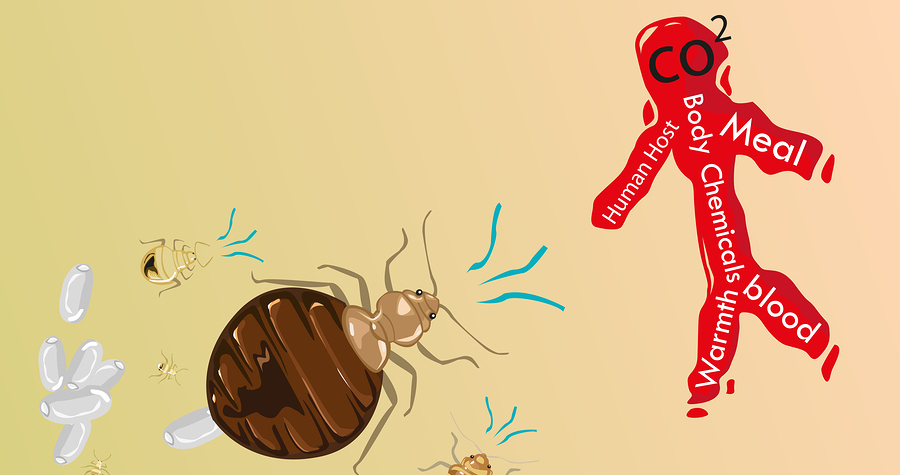
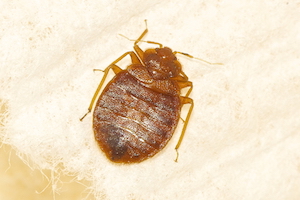
Red to brown in color (red after they’ve had a blood meal), six legs, flat and oval in shape, about 1/4″ in size or smaller
Bed Bug Environment
Cracks and crevices close to a human food source – behind baseboards, in furniture, bed frames, mattresses & boxsprings, suitcases, boxes (like shoe boxes or under bed storage), behind electrical switch plates
Bed Bug Threats
Bed bugs are excellent travelers and often go unnoticed since they’re nocturnal. They typically appear at night once you’re sleeping to feed and often leave behind red, itchy welts on the skin when bitten. Although they don’t transmit diseases, bed bugs are extremely elusive and hard to get rid of once an infestation occurs and can’t be eradicated with do-it-yourself treatments.
Bed Bug Prevention
Don’t bring suitcases inside your home after traveling. Remove all clothes first, wash them, and run through a high heat dryer cycle. Bed bugs cannot withstand high temperatures so this ensures you’re killing any that may have travelled back with you from trips, relatives’ homes, school, etc. Vacuum suitcases and leave them somewhere outside your home, preferably in sealed bags or containers, until you need them again. Also, make a habit of inspecting your bed for signs. Dark (blood) spots on sheets, pillows or other bedding is the most obvious indicator of a bed bug infestation. If you’re seeing this, call an exterminator immediately that specialized in bed bug treatment and control.
Bed Bug Control
Because of the elusive nature of bed bugs and their ability to survive in extreme conditions (bed bugs can live for a year or more without eating and can withstand a wide range of temperatures from nearly freezing to 113 degrees Fahrenheit), they can’t be eliminated through do-it-yourself methods. If you’ve identified a bed bug infestation in your home or business, or suspect bed bug activity, call a professional pest control company. A proper inspection is needed to identify all areas of infestation. After an in-depth inspection, a treatment and control plan can be implemented, usually including multiple chemical and/or heat treatments and inspections over several weeks. As part of the treatment plan, you may be asked by your exterminator to remove or reduce clutter, install protective encasements to your mattresses and/or boxsprings, and launder bedding and/or clothing. You should also be advised not to throw out any infested furniture, clothes or other items; this can cause the spread of bed bugs to other locations. It’s also not recommended to purchase new furniture throughout the treatment process as these items will likely become infested with bed bugs.