Jul 5, 2022 | Pest Control
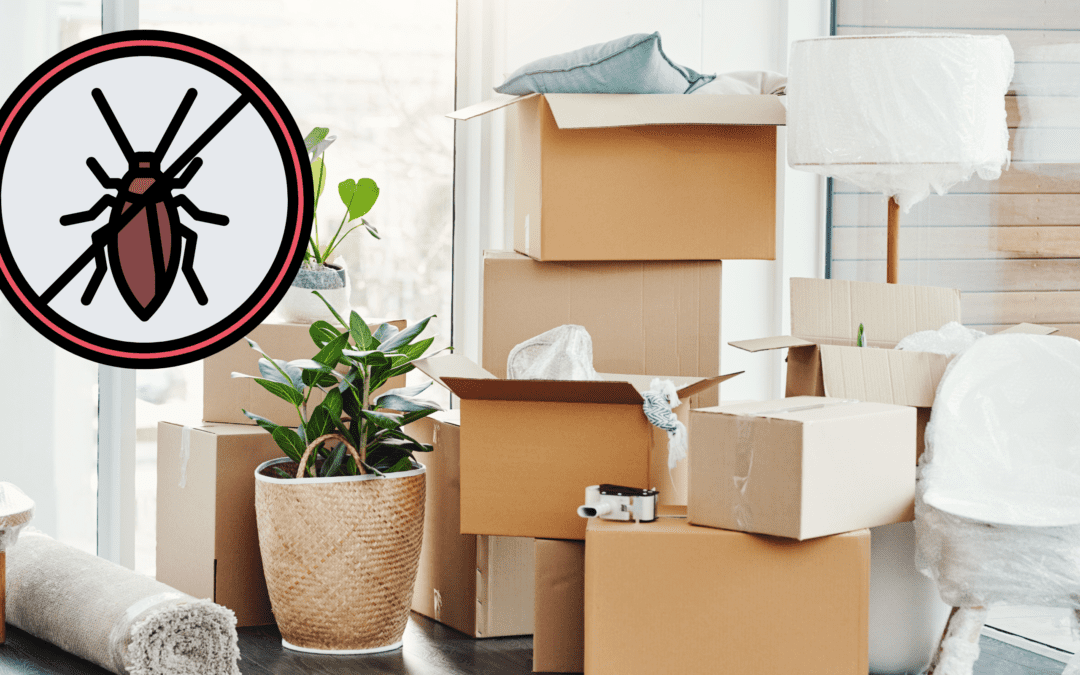
Packing is typically the most dreaded part when it comes to moving. Some popular pests that can be present at your current or new home include roaches, bed bugs, and fleas. It’s important to know how to avoid them when you’re moving out or in. Whether it’s a cockroach sneaking into your home, a bed bug hitchhiking from a recent hotel stay, or fleas leftover at your new home, we can help!
Discover how to avoid each pest and get rid of these unwanted roommates!
Cockroaches
Cockroaches can be difficult to get rid of, so being adept at keeping them away is key. To prevent these nasty pests in your new home, thoroughly inspect all boxes before packing away your belongings. Once moved into your new home check the perimeter of your new house for small cracks and crevices and seal them off with caulk to keep the roaches from being able to enter.
Bed Bugs
Bed bugs are the type of pest that warrant a call to a pest control company. These invasive pests can be difficult to remove yourself, and you don’t want to wait for the removal process to start. If you need to stay in a hotel while moving be sure to inspect any furniture or bedding you sleep on or bring into your home. This means checking the bed frame, mattress, and even headboard for bed bugs or the telltale brownish-red spots they leave behind.
Fleas
Fleas are normally looked at as a pet-based pest, but they can lay their eggs on the carpet and can remain dormant before you realize it’s too late. Consider your vet’s recommendation for flea control medication for your pet. At home, look to keep your carpet vacuumed regularly. If you see a flea, the best plan of action is to act immediately!
Remember these tips when it’s time to make the big move. If the problem becomes more than you can handle, be sure to reach out to your local pest control company to learn the best option in getting your new home back from these nasty roommates.

Apr 28, 2022 | Pest Control
Spring marks the beginning of the season for many common household pests. Mice, ants, wasps, roaches, bed bugs, and more increase their activity when the weather warms up. While a pest sneaking into your home here and there is normal, how do you know when it’s time to call in the professionals? Here are 5 signs it may be time to call an exterminator.
The Problem is Intensifying
A random pest sighting here and there in your home is normal. They can sneak in through open doors and windows or through the tiniest gaps and holes in the exterior of your home. They can also hitch a ride on luggage or boxes that are brought in from outside. There is a difference, however, between an occasional sighting and a daily presence. Seeing 2 to 3 ants in your kitchen once isn’t a big deal; seeing a trail of hundreds of ants going from the wall to the pantry is. Seeing one mouse outside in your yard isn’t a big deal; seeing multiple in your home, trapping several, or seeing the presence of droppings is. If the pest problem is escalating, it may be time for an exterminator.
Your Best Efforts Aren’t Working
Once you identify the pest problem, the next step is to try and get rid of them. Many homeowners prefer to try DIY pest control methods first before calling in a pro. If you continue to have a problem with pests despite your best efforts, it may be time to call an exterminator.
Concern for Safety
Pests can pose serious health risks to your family, your pets, and even your home. Termites can cause structural damage that can compromise the integrity of your house. Rodents are known to chew through electrical wires putting you at risk for a fire. Rodent feces contains harmful pathogens that can make your family sick. Cockroaches are known to trigger allergies and asthma. Some homeowners aren’t comfortable using DIY methods or have concerns about using over-the-counter chemicals around their children or pets. For these reasons, it may be time to call an exterminator.
The Problem Requires an Expert
Some pests are nearly impossible to eradicate on your own or require professionals to get rid of them. Bees are protected and must be relocated appropriately. Some bird species are protected, as well, and bird nest removal must be handled professionally. Roaches, termites, and bed bugs can be extremely difficult to eradicate on your own. If you have an issue with any of these pests, it may be time to call an exterminator.
The Signs Are There
When the signs of an infestation become too big to ignore, it may be time to call in a professional. Some common signs of pests in your home include:
- Unusual noises (scratching, flapping, whining, gnawing), especially at night.
- Gnaw or scratch marks on wood, wires, or fabric.
- Feces or urine present in the home.
- Dead pests.
- Live pests.
- Unusual or musty smells.
- The presence of nests.
- Pets start behaving oddly, especially at night.
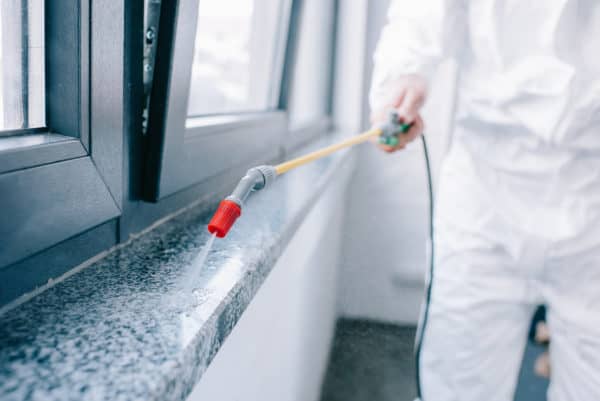
If you have a problem with any kind of pest, contact a professional pest control company for an inspection to help identify what kind of pest you are dealing with, how they are getting in, and how to get rid of them quickly and safely.
You May Also Be Interested In:
The Return of Mosquitoes
Flowers and Plants That Attract Honeybees
Spider Control for Spring
DIY vs Professional Pest Control
Does Hot Weather Bring Out Cockroaches?
Mar 1, 2022 | Bed Bug
The old saying “don’t let the bed bugs bite” shouldn’t instill fear into your nighttime sleep. These fearsome insects bring itchy bites, crawling hordes, and ruined furniture. Bed bugs are one of the most difficult pests to get rid of. Identifying them and acting quickly is the first step in your plan of action. Let’s break down the basics of bed bugs and discover what to do if you suspect you have a bed bug infestation.
What Do Bed Bugs Look Like?
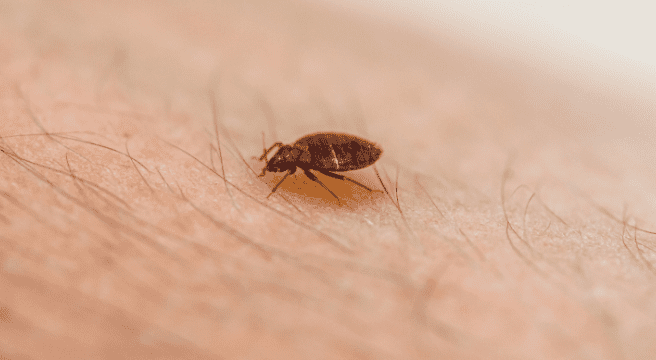
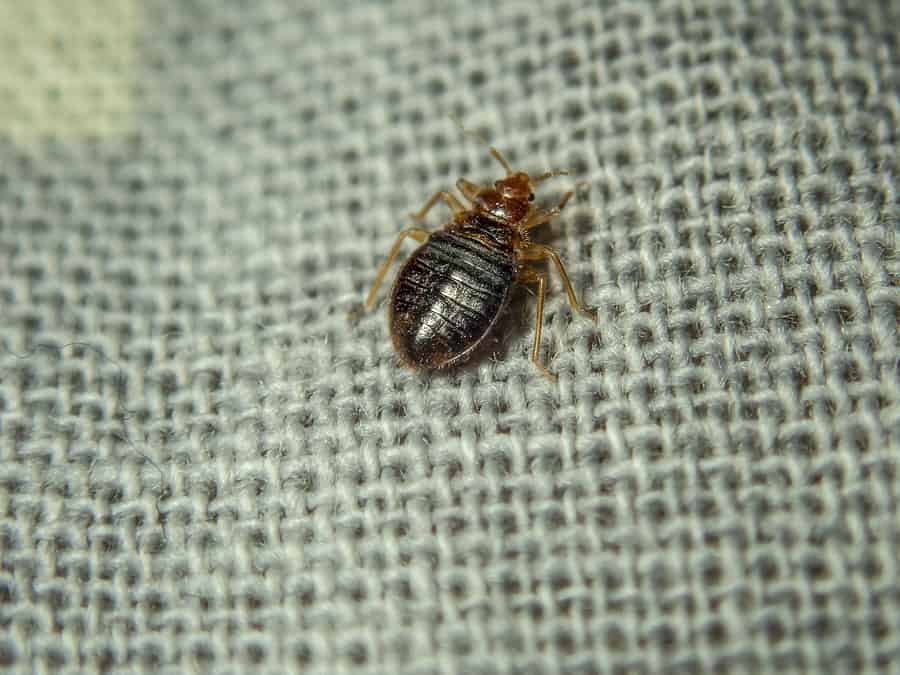
If you’re waking up finding mosquito-like bites all over, then that can be a tell-tale sign that you have bed bugs. But what does the culprit look like? Bed bugs are tiny, appleseed-sized insects. They are flat and oval-shaped with horizontal ridges across their bodies. Bed bugs don’t have wings, but they are extremely fast movers. Adult bed bugs are visible to the human eye and can be detected by sight. Bed bug nymphs can be harder to identify, as they are smaller in size and paler in color.
Where Do They Come From?
Bed bugs are notorious hitchhikers, allowing them to travel long distances. They latch onto suitcases, clothes, and linens, ending up wherever these items are taken. Therefore, the spread of bed bugs comes easily. A common place that bed bugs are found is in hotel rooms. It’s important to lookout for bed bugs when visiting a hotel. Before sleeping, thoroughly inspect hotel beds and pillows. Since they tend to travel easily, be sure to vacuum suitcases and inspect for any signs of bed bugs upon returning from a vacation.
I Have Bed Bugs, Now What?
If you have confirmed that you have bed bugs, you’ll want to act fast to get rid of them. Try a combination of these methods: heat and chemicals. This is considered one of the best ways to get rid of bed bugs. Bed bugs don’t like hot temperatures, so throwing items infested by bed bugs in the dryer on high heat for 20 minutes will remove them. If you travel often, you may want to start doing this with your belongings when you return home.
While throwing affected items in the dryer is an excellent choice to eliminate them, it doesn’t address a larger infestation, and it won’t find them in all their hiding places.
If you suspect a bed bug infestation in your home, it’s best to contact a professional pest control company to assess the situation. A trained professional can help decide the best plan of action, treatment, and prevention plan for your home.
Nov 17, 2021 | Bed Bug
With the long-awaited holiday season approaching, many of us plan to travel and visit friends and family. Unfortunately, bed bugs are notorious for hitchhiking their way into hotel rooms, rented houses, family houses, and college dorms. Check out our top tips for preventing bed bugs before you travel this holiday season.
Inspecting Your Room
Before bringing your luggage into the room you are staying in, check thoroughly for signs of bed bugs. It’s more common for hotels to have issues with bed bugs, so it’s important to check each room. Inspect all furniture such as sofa cushions, chairs, and around mattresses corners. One sign of a bed bug infestation is seeing small, dark-colored stains on bedding and the skin shells they’ve shed.
If you suspect a bed bug infestation, ask to be moved or consider another place to stay.
Unpacking Luggage
Bed bugs are small and nocturnal, often allowing them to go unnoticed. Even after inspecting your room without finding any signs of bed bugs, continue to be cautious when unpacking your clothes. It’s recommended that you use the luggage racks instead of placing bags and suitcases on furniture or tables.
Returning Home
Once you have returned home, don’t bring the luggage and bags you traveled with inside. Instead, unpack your items outside the home and thoroughly inspect them. After inspecting your items, wash all your clothes immediately, making sure to run them through a high-heat dryer cycle, as bed bugs cannot withstand high temperatures.
After you have unpacked and washed your clothes, store your suitcases in your garage or storage closet. To be extra cautious, you can also seal your luggage in large, plastic storage bags before bringing them inside.
If you suspect a bed bug infestation in your home, it’s best to contact a professional bed bug control company to assess the situation. A trained professional can help determine the best plan of action, treatment, and prevention plan for your home.
Aug 4, 2021 | Bed Bug
Our summer travels will soon end and the start of the school season begins for many families. As our travel season slows down, that doesn’t mean bed bug season will end anytime soon. Bed bugs are active year-round and they’re always looking for an opportunity to hitchhike into homes! It’s essential to know how bed bugs enter homes to help prevent and treat them before an infestation occurs.
Traveling season is the perfect time for bed bugs to make their way into your home. Bed bugs are notorious for latching on to bags, purses, luggage, and even wheelchairs. Before entering your home after travel, unpack your luggage outside instead of bringing it inside. Take all your clothes and wash them immediately, making sure to run them through a high-heat dryer cycle. The high heat helps to kill bed bugs as they cannot withstand high temperatures.
Before storing your suitcases, vacuum them out and leave them outside of your house. Consider storing them in outside places such as in a garage or storage closet. An alternative option is to seal suitcases in large plastic storage bags before bringing them in.
Another common, lesser-known way bed bugs can enter homes is through second-hand furniture that is already infested. Before purchasing, make sure to inspect used couches, mattresses, or box-springs for these pests.
If a bed bug infestation occurs, it can often require a very intense treatment to eliminate them. If you suspect that you have bed bugs, call your licensed pest control company as soon as possible. They will provide you with the best treatment plan and give recommendations to prevent future infestations.