Jun 13, 2023 | Pest Control
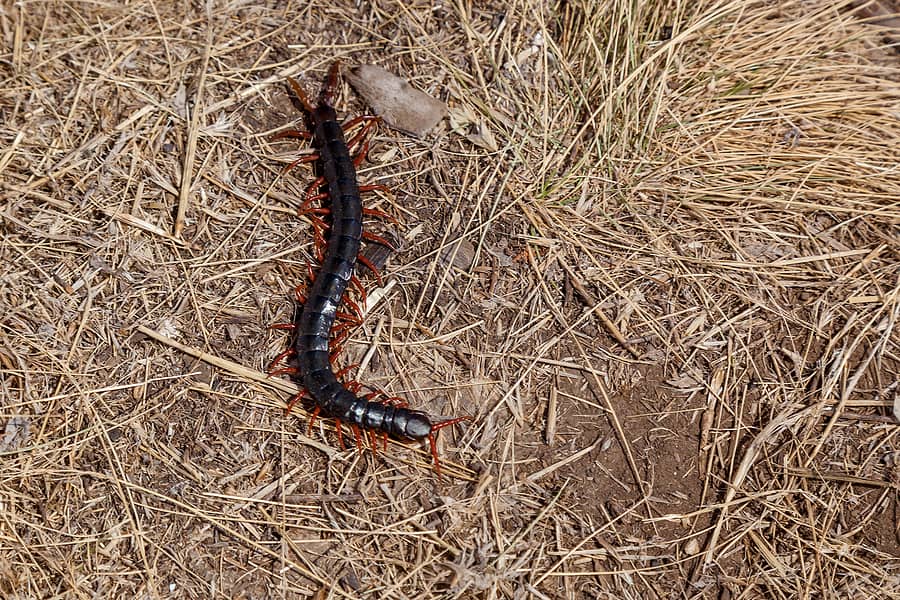
Centipedes are one of the most common household pests. Reaching lengths of 1 to 2 inches, these creepy looking critters also have 15 sets of legs. While it can be startling to find one in your home, they aren’t harmful to humans. They don’t carry disease, don’t damage homes, and don’t consume human food. They will, however, bite if they feel threatened, although this is rare.
Centipedes can be very beneficial to have around. In fact, they are considered a form of natural pest control. They feed on other pests, such as roaches, spiders, termites, and ants.
Centipedes come into our homes in search of dark, humid environments in which they thrive. They will also seek access to food sources (like other pests commonly found in your home).
Get rid of centipedes in your home by:
- Controlling other pests. This is the #1 food source of centipedes. Maintain routine pest control both inside and outside your home to help keep them (and other pests) at bay.
- Dehumidifying. Centipedes thrive in moist, humid environments. Use a dehumidifier to reduce moisture levels in your home.
- Using bathroom fans. This is another way of reducing moisture in your home. Utilizing bathroom fans, especially when showering, helps keep things drier.
- Sealing them out. Inspect the exterior of your home and seal any cracks or crevices with caulk, including doors and windows.
- Cleaning up outside. Get rid of any piles of leaves or other debris that could be holding moisture around your home.
If you have a problem with centipedes or any other household pests, contact your local pest control company for an evaluation.

May 22, 2023 | Pest Control
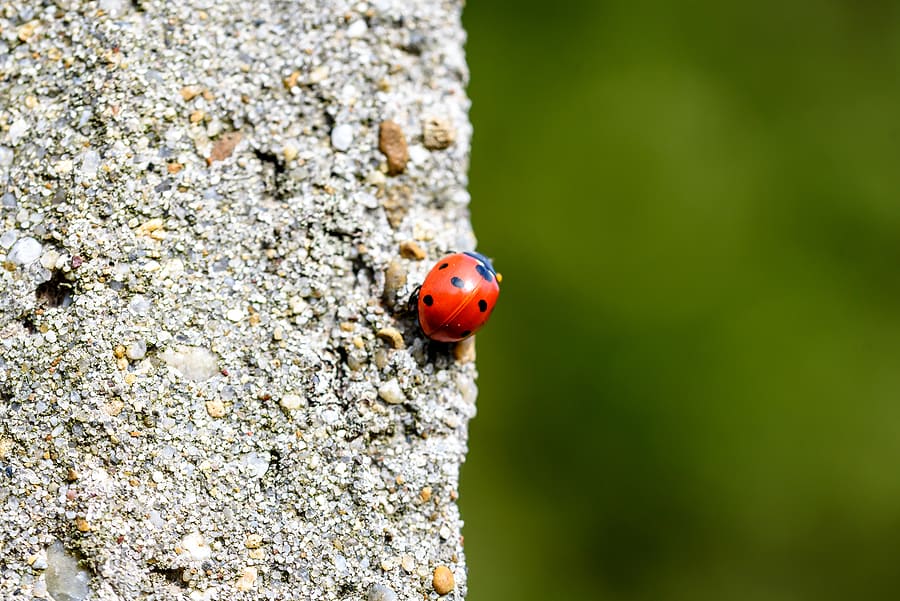
During the spring and fall you will often see an influx of ladybugs in your home. While they don’t pose a real health threat to you, they can stain carpets, upholstery, and walls. Why are these pests invading your house and how can you get rid of them?
Ladybugs will make their way indoors in the fall to overwinter in the warm shelter of your home. Once inside, they will hide until the warm weather of spring comes back around. It is at this time they will reemerge to try and return outdoors to reproduce.
Once inside, you will often find them clustered together in the corners of attics and basements or near doors and windows, especially those with large amounts of light. Once they make their way indoors, ladybugs will release a pheromone that signals other ladybugs to follow them.
Although they aren’t harmful, ladybugs can be a nuisance, especially when they invade in large numbers. You can prevent ladybugs by:
- Winterizing your home using weatherstripping on doors and windows, using tight fitting screens, and caulking or sealing any cracks or other potential openings.
- Vacuuming. You can use a vacuum cleaner to safely relocate live ladybugs outside. Put a rag between the dust bag and the hose to catch them, then release them once you get them outdoors. You can also vacuum dead bugs so they don’t stain paint and fabric.
- Using natural repellents to deter them. You can put a small bag of bay leaves or cloves near areas of your home where you often see them gathering. You can also use essential oils sprayed in populated areas to repel them. Some scents include citronella, menthol, peppermint, clove, and citrus.
If your DIY efforts are futile or you just want the help of a professional, contact your local pest control company for an analysis.
May 16, 2023 | Pest Control
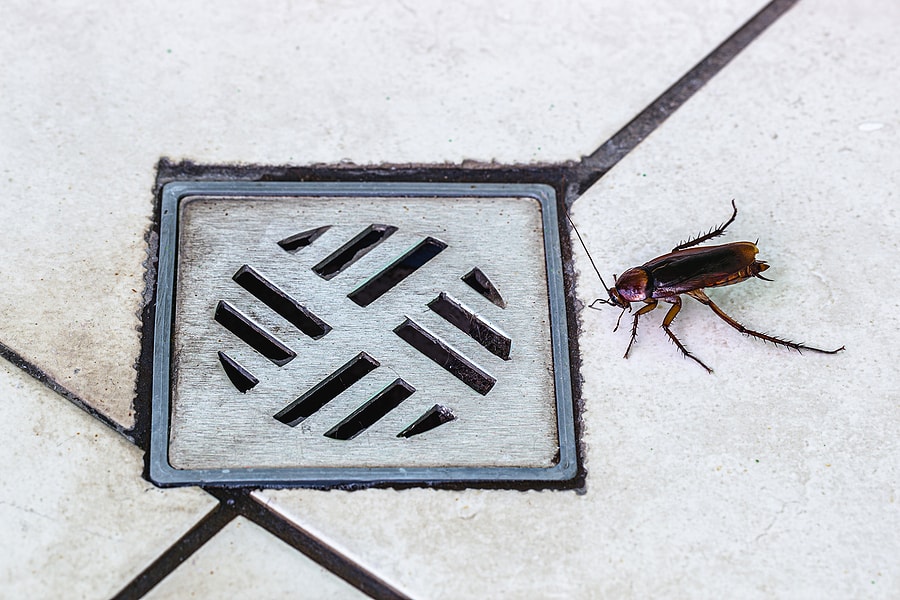
It’s quite common to see an influx of roaches after a heavy rain. American cockroaches and Oriental cockroaches are commonly found outdoors. Heavy rain flushes them out of sewers and other hiding spots and sends them scurrying for a dry place to escape, often inside your home. Once inside, they’ll seek out dark, warm, moist hiding spots to take refuge. Cockoaches can be quite a problem when they infest your home. They contaminate any surfaces they touch and can trigger allergies and asthma. What can you do to keep these pests out of your home after a rain? Here are 10 roach prevention tips to utilize this season.
- Install screen drains in sinks and tubs.
- Keep your water traps full.
- Don’t leave any food out overnight, including pet food.
- Store food in sealed containers.
- Don’t leave dishes out overnight.
- Clean out sink drains regularly.
- Take the trash out often.
- Regularly inspect pipes to clear any blockages and help prevent leaks and/or bursts.
- Keep gutters clear of debris.
- Ensure weatherstripping is used on doors and windows.
If you implement these roach prevention tips and still have a problem with roaches or any other household pests, contact your local pest control company for an evaluation.
May 2, 2023 | Pest Control
Flies are one of the most common household pests that can be found almost everywhere in the world. They are not only annoying but can also carry a variety of diseases, including typhoid, cholera, and dysentery. Therefore, it’s important to properly identify the common types of flies in order to prevent them. In this blog, we’ll discuss how to identify and prevent different types of common flies.
House Fly
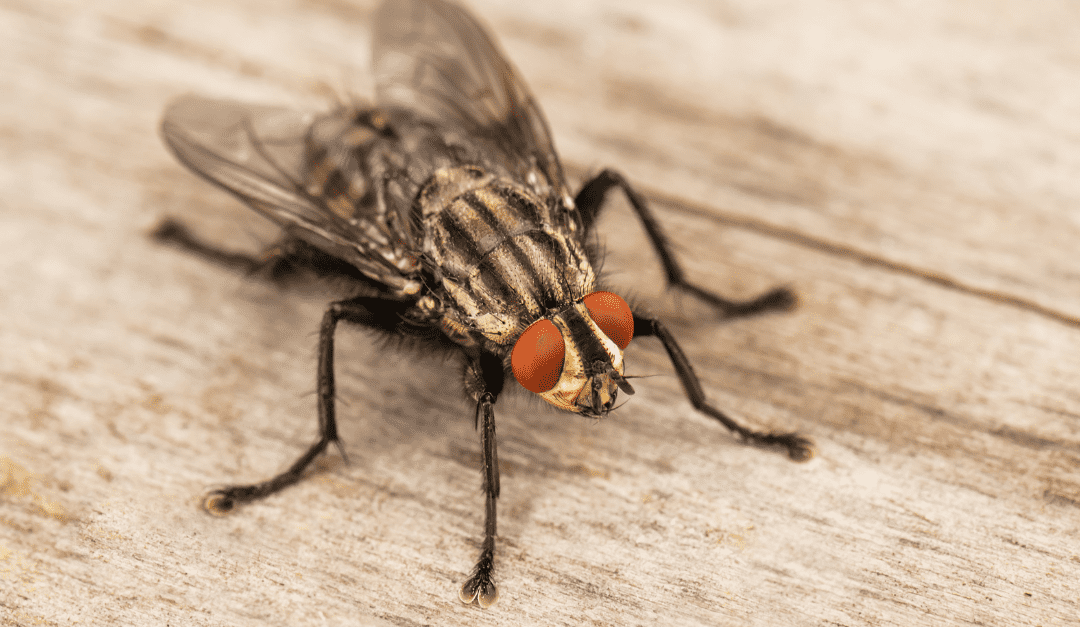
The house fly is the most common type of fly found in homes. They are gray in color and have four black stripes on their thoraces. These pests are attracted to food, garbage, and feces, and can transmit bacteria and viruses that cause diseases.
Fruit Fly
Fruit flies are small, brownish-yellow flies with red eyes. They are attracted to ripening fruits and vegetables, as well as fermented liquids such as wine and vinegar.
Drain Fly
Drain flies are small, moth-like flies that are commonly found in bathrooms and kitchens. They are gray or black in color and have hairy wings. They breed in organic matter that accumulates in drains and pipes, as well as in standing water.
How to Prevent Flies:
- Keep drains clean and clear of debris
- Fix any leaks promptly
- Use drain cleaners regularly
- Keep kitchen clean and free of any ripe fruit or vegetables
- Clean up spills promptly
- Store food in sealed containers
- Use garbage cans with tight-fitting lids
By following these tips, you can enjoy a fly-free home. If you begin to see an influx of flies in your home, give your local pest control company a call for a personalized plan.
Apr 20, 2023 | Florida Pest Control
Hurricanes are bound to happen, especially in Florida. These natural phenomena can cause severe damage to our community, homes, and the environment around us. Unfortunately, hurricanes will also affect pest activity, as homeowners might see the emergence of even more pests. After a hurricane, we will often experience a population increase of pests that thrive in warm, moist environments. Check out our list of pests to look out for after a hurricane and what you can do for hurricane pest control.
Mosquitoes
One of the most common pests that emerge after a hurricane is mosquitoes. The water that’s left behind by the storm will provide the perfect breeding ground for these pests. While mosquitoes are a nuisance, they can spread diseases such as the West Nile virus, Zika virus, and dengue fever. To prevent these pests, remove objects that can collect rainwater, including toys, buckets, tarps, old tires, and more. Likewise, look to remove all leaves and yard debris to keep mosquitoes from invading your yard.
Ants
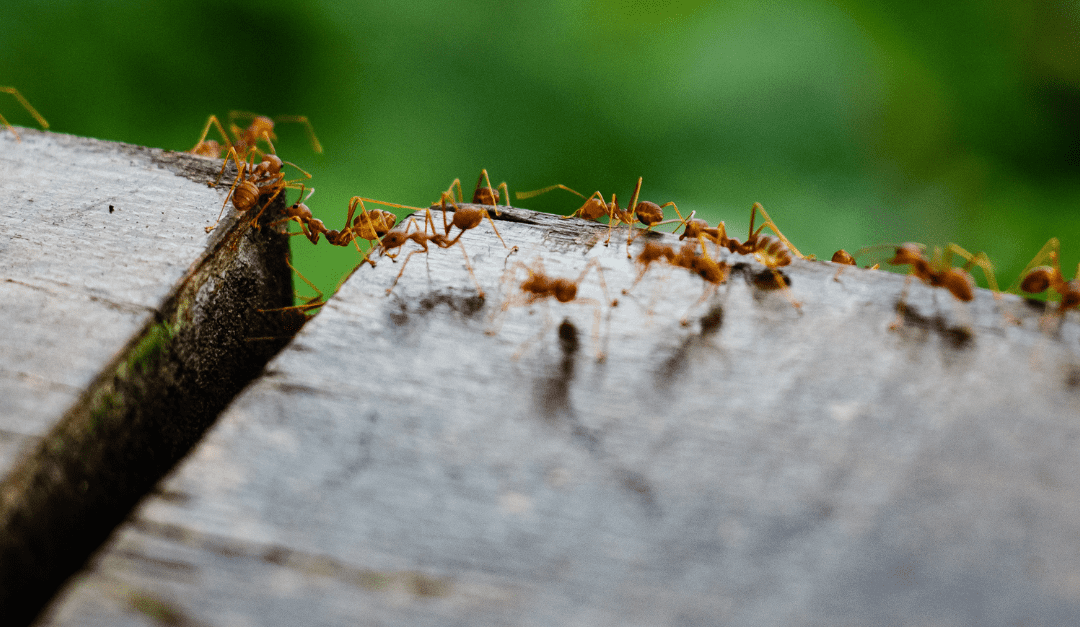
Other pests that will emerge after a hurricane are ants. When an area becomes flooded, it forces ants to seek out a new place to inhabit, often leading them to our homes. Ants, such as fire ants, pavement ants, and carpenter ants, can all be difficult to control, as they can establish their new colony quickly and are highly adaptable. To keep ants from invading your home after a storm, seal all cracks or gaps found on the interior and exterior of the home. Remove and clean up any food source that may attract ants inside.
Roaches
Cockroaches will thrive in the aftermath of a hurricane. A home or building that’s flooded provides the perfect environment for these pests, where they can settle, breed, and multiply. Roaches are known to carry diseases and even trigger allergic reactions. To deter roaches from your home, eliminate as much moisture as possible by regularly checking for leaky faucets or sinks. Take the trash out on a regular basis, placing it in a tightly sealed trashcan with a lid.
Hurricanes can have a significant impact on our environment and the activity of household pests. Utilizing hurricane pest control measures throughout your home before a hurricane or rainstorm will help to prevent a full-blown pest infestation. If you’re still seeing pests after taking precautions, it could be time to contact your local pest control company for help. These professionals will inspect your home, identify the pest, identify areas of entry, and provide you with a treatment and prevention plan that’s fit for your home.