Jul 13, 2021 | Going Green, Mosquito
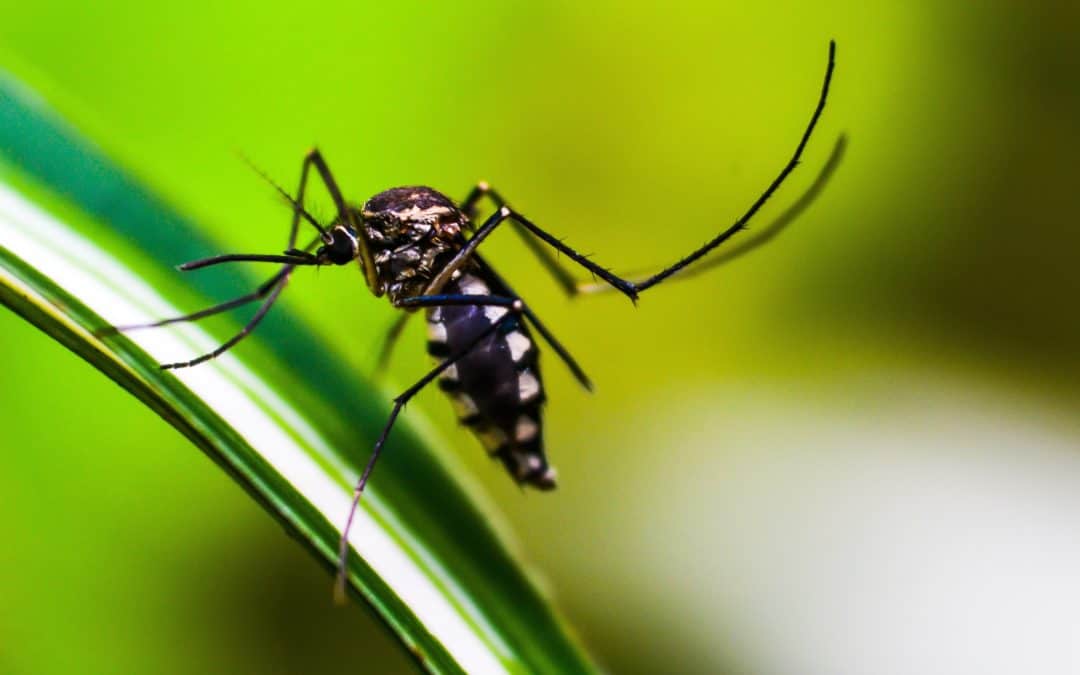
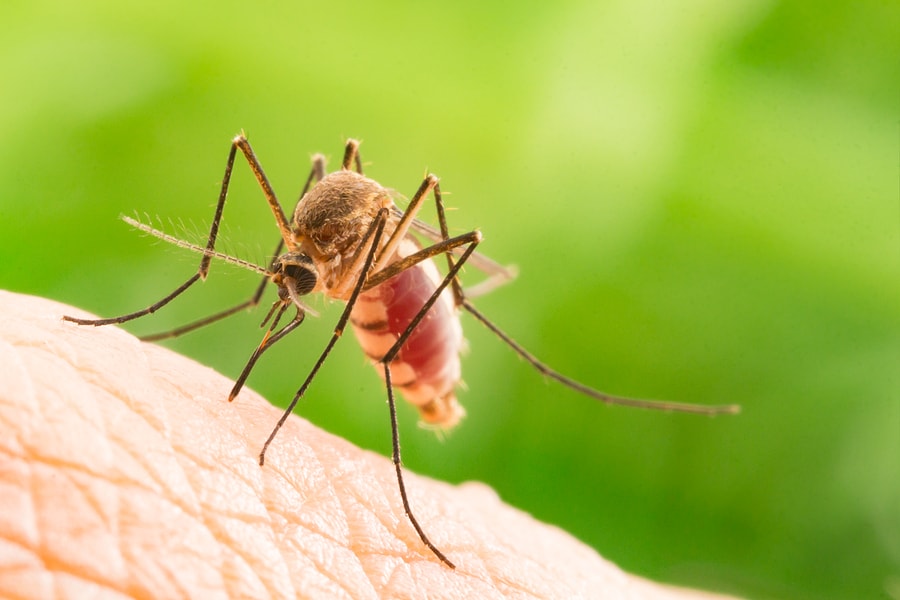
Mosquitoes thrive off heat and humidity! With summer officially here, mosquito season is in full swing, making your chances of getting bit by one of these pests very high. Mosquitoes are small and annoying and their bites can pose a serious health threat to both humans and animals. Every homeowner wants to protect their family and pets from these pests and what better way to do so with a green alternative via the In2Care Mosquito Trap!
How In2Care Works
In2Care is a perfect solution to help prevent and eliminate mosquitoes throughout your home and property. This trap is unique as it lures in mosquitoes with a special green treatment inside the trap. Once mosquitoes enter the trap, the treatment transfers to the mosquito’s legs, where it is then spread to other breeding sites, like standing water or flower saucers. The spread of the treatment eliminates adult mosquitoes but also prevents the larva mosquitoes from developing further.
The In2Care Benefits

This trap is perfect for every residential home looking for a new, alternative green mosquito control method. Instead of spraying product around your yard, the trap is placed in a shaded, vegetated area where mosquitoes are likely to breed. The green treatment used to eliminate mosquitoes does not target beneficial pests and remains environmentally and pet friendly. In2Care provides your property:
- A no spray, discrete system.
- Elimination of all mosquito life stages – from larva to adult.
- Strategic placement around the home so the trap is always working.
Instead of constantly battling mosquitoes this summer, consider a new way in In2Care to rid mosquitoes and take back your yard!
If you’re interested in the In2Care System or would like more information, call 866-480-0947.
May 14, 2021 | Mosquito
Your backyard is a great place to hang out, especially during warmer weather. One pest that can really ruin your good time is a mosquito. Besides being a nuisance, mosquitoes can transmit serious diseases to not only humans but also dogs, cats, and horses. Peak mosquito season runs from April to October. Help keep your family and pets safe with these mosquito prevention tips for warmer weather.
Get Rid Of Standing Water
Mosquitoes breed in standing water and only need a thimbleful to start the process. Eliminating potential breeding sites (also known as source reduction) will help keep mosquitoes out of your yard. Identify any low areas that are prone to flooding or pooling water and fill them in with dirt or remulch them. Empty birdbaths daily and refill them. Keep gutters clear of debris. Turn over and remove water from anything that can collect it including pots, tarps, toys, furniture, old tires, pet bowls, etc. Fix any leaky faucets, sprinklers, and hoses that can cause water to pool up. Check AC drip pans for standing water. Keep pools maintained and cover or fill hollow tree stumps.
Clean The Gutters
Clogged gutters can lead to standing water, attracting mosquitoes who are looking for a place to lay eggs. Keep your gutters clear of debris or consider installing gutter guards to help prevent clogs. This can also help prevent other pests, as well.
Don’t Forget Your Water Features
For larger water features that can’t be eliminated, treat them with larvacide that will eliminate any mosquito larvae that is present. Use it in any areas of standing water such as ponds, water features, and swimming pools.
Keep Your Yard Maintained
Mosquitoes love to hide in tall grass, shrubbery, and damp woodpiles. Keep your grass mowed short and your landscaping well maintained. Keep wood piles covered or store wood in containers with lids.
Crank Up The Fans
Mosquitoes are attracted to carbon dioxide and body heat. If you have to spend any time outdoors, consider using outdoor fans to help dissipate and redirect the carbon dioxide and body heat you emit. This helps make you less attractive to mosquitoes in the area.
Landscape With Mosquito-Repelling Plants
Some common flowers and plants actually make great natural mosquito repellent. Planting these flowers around your home will help keep mosquitoes at bay. Marigold is one of the most common mosquito-repelling plants. Others include lavender, rosemary, basil, catnip, lemon balm, peppermint, and pennyroyal. Citronella grass is also a good option as it is extremely easy to maintain and can be used to fill in large areas.
Attract Bats
Yes, you read that correctly! Bats eat thousands of mosquitoes each day. While this may not be an ideal solution if you live in a neighborhood or in close proximity to your neighbors, it is a great alternative for those with larger properties. You can build a bat house to attract them to your yard and watch the mosquitoes disappear.
Consider Professional Service
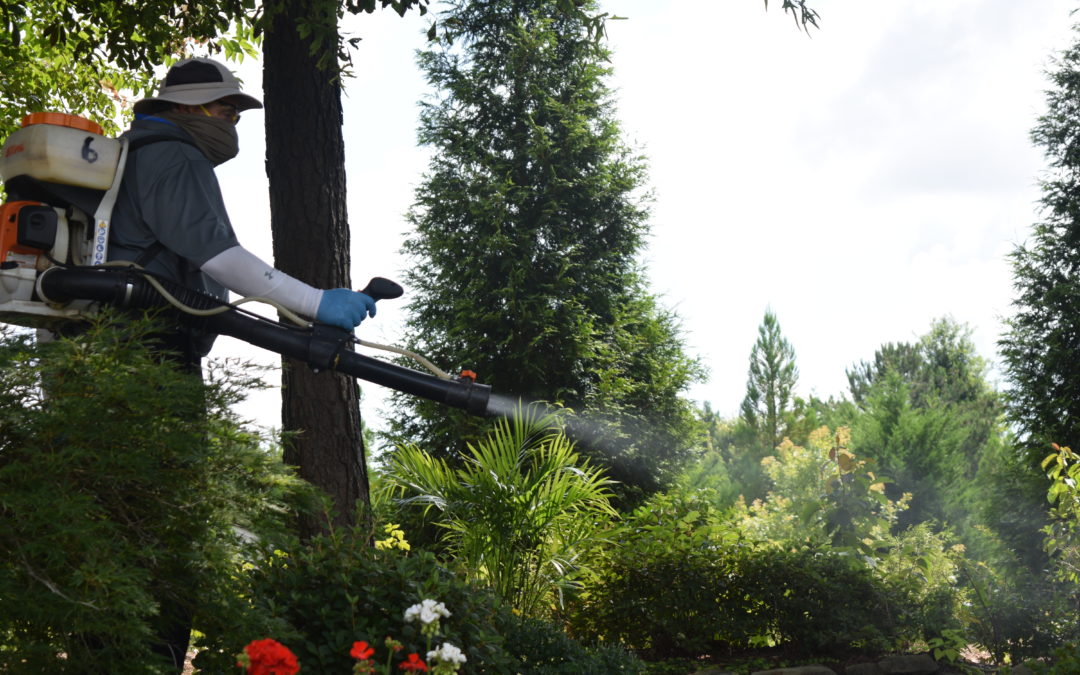
Fighting mosquitoes can seem like a never-ending battle despite your best efforts. There are traditional and green mosquito control options available today. Most professional mosquito elimination services will include treatments that target both adult and larvae, as well as source reduction and elimination techniques. These services are typically monthly during peak mosquito season. If you have a problem with mosquitoes, contact a professional pest control company for a free estimate.
You May Also Be Interested In:
Preventing Common Wildlife
Avoiding Cockroaches This Spring
Spring Swarmers: How to Prepare for Termite Season
Protecting Your Garden From Birds
When Is Snake Season?
Mar 12, 2021 | Going Green, Mosquito
Mosquito season is right around the corner! Heat and humidity during these months combine to provide an ideal environment for mosquitoes to thrive. The season usually starts in the spring and peaks over the summer. Besides leaving behind itchy, red welts, these nuisance pests are dangerous to humans by vectoring serious diseases like Zika virus, West Nile virus, and chikungunya. Fortunately, there are several green pest control options you can utilize as an eco-friendly alternative to control mosquitoes. Here are 3 steps you can take for green mosquito control.
Identify Nesting and Resting Sites
The first step to controlling mosquitoes is identifying and eliminating what attracts them in the first place. Mosquitoes will come around in search of two things: nesting sites and resting sites.
Where do mosquitoes breed? Every species of mosquito lays its eggs in water. While the type of water source may vary between species, it only takes a minute amount of water for mosquitoes to hatch and develop. Get rid of any potential breeding sites by:
- Cleaning up debris around your home. Moisture can accumulate under piles of leaves, boards, mulch, rocks, and other outdoor items.
- Walking around your yard and identify any items that can hold water – pots, cans, bird baths, lids, toys, and planters. Empty them or store them upside down when not in use.
- Inspecting your gutters for clogs and keep them cleaned out. Watch out for sagging gutters or low spots where the water can accumulate.
- Repairing any poor drainage sites in your yard as these can lead to standing water. Consider leveling your yard or installing a french drain.
Once mature, adult mosquitoes will often rest in shady areas that are protected from the wind. Some common resting sites include trees, shrubs, potted plants, patios, and front entryways.
Protect Yourself From Bites
Any time you can protect yourself from mosquito bites you should. Prevent mosquito bites by:
- Blowing them away. Any breeze above 1 mph will make it difficult for mosquitoes to fly. If you have to spend time outdoors, consider using fans, whether battery powered, plug in or ceiling. Try to keep the air flow from the fans pointed at the lower half of your body as mosquitoes tend to fly closer to the ground to avoid said wind.
- Avoiding peak mosquito hours. Mosquitoes tend to feed at dawn and dusk as the wind typically dissipates around these times. Try to stay indoors during these times, especially during the warmer months.
- Applying insect repellent before going outdoors. When applying repellent, spray it onto your hands and rub it onto your skin rather than spraying it directly onto the skin. Repellents with DEET block the mosquitoes’ CO2 receptors, making them especially effective.
- If you are opposed to DEET, there are other natural mosquito repellents you can use instead.
- Picaridin is CDC approved and the most broadly used repellent outside the United States.
- IR 3535 is CDC approved and also repels deer ticks.
- 2-undecanone is CDC approved and is found naturally in cloves.
- Oil of lemon eucalyptus is CDC approved and has been proven in studies to repel as well as DEET.
- Avon Skin so Soft was shown in a 2015 study to repel mosquitoes for up to 2 hours.
- Permethrin fabric spray can be used on clothes, shoes, tents, and netting.
- Essential oils containing eucalyptus, rosemary, cloves, basil, and peppermint have also been shown to repel mosquitoes and are even used in many commercial products.
- Covering up when outdoors. Wear tightly woven, light colored clothing. The synthetic fibers in athletic wear are especially good at repelling mosquitoes. Dark colors stand out to mosquitoes, while lighter colors are less attractive.
- Considering the use of plants that repel mosquitoes around your home such as citronella, lavender, lemongrass, marigolds, and basil.
Applying Green Mosquito Treatments
Yards and climates vary across the region so the effectiveness and longevity of mosquito treatments will vary from home to home. Regardless of where you live or what kind of home you have, a green mosquito control program can be effective at helping control mosquito populations. Green mosquito control utilizes eco-friendly products that are just as effective as traditional products.
A complete green reduction program includes monthly mosquito treatments during mosquito season. Green treatments use products that are derived from flowers and botanicals and area only applied to the areas where they are needed instead of over the entire yard. They are effective at reducing both adult and larvae populations.
The green mosquito reduction program includes an inspection to identify resting and nesting sites; larvacide and adulticides to target all aspects of the population; source reduction and elimination by removing any areas of standing water; and a service guarantee where they will come back between treatments if needed, usually at no cost.
If you have a problem with mosquitoes or any other pests, contact a professional pest control company who can provide you with a thorough inspection and the most up to date traditional pest control and green treatment options available for you.
You May Also Be Interested In:
Termites: Prevent Before They Infest!
When Is Millipede Season?
Spring Cleaning to Keep Pests Out
Is There A Cockroach Season?
Orb Weaver Spiders: Dangerous or Not?
Feb 23, 2021 | Mosquito
Mosquitoes are known to be a nuisance. With the warmer weather upon us, taking the necessary steps to avoid these pests is extremely important. Mosquito control treatments performed by professionals can help reduce these pests by targeting adult mosquitoes and larvae throughout your property. There are several factors that determine how these treatments can help protect you, your family, and your property.
Mosquito season typically runs from April to October, with warm seasons being a major factor in their activity. Mosquitoes are highly attracted to standing water. They will usually lay their eggs in water for survival, only needing a small amount of water to do so. Once these eggs hatch, it can be difficult to try and control them.
If mosquitoes have hatched and are roaming your property, they can find their way inside your home. Mosquitoes are small, measuring only 1/8 – 3/8” long. They can easily fit inside small holes or gaps leading into your house. Ensuring that your windows and doors have screens in good repair is essential for keeping them out. If inside, mosquitoes will search for a perfect place to lay eggs, including in areas with house plants and water trays. These nuisance pests will lay their eggs in water trays and even feed off the plants for energy.
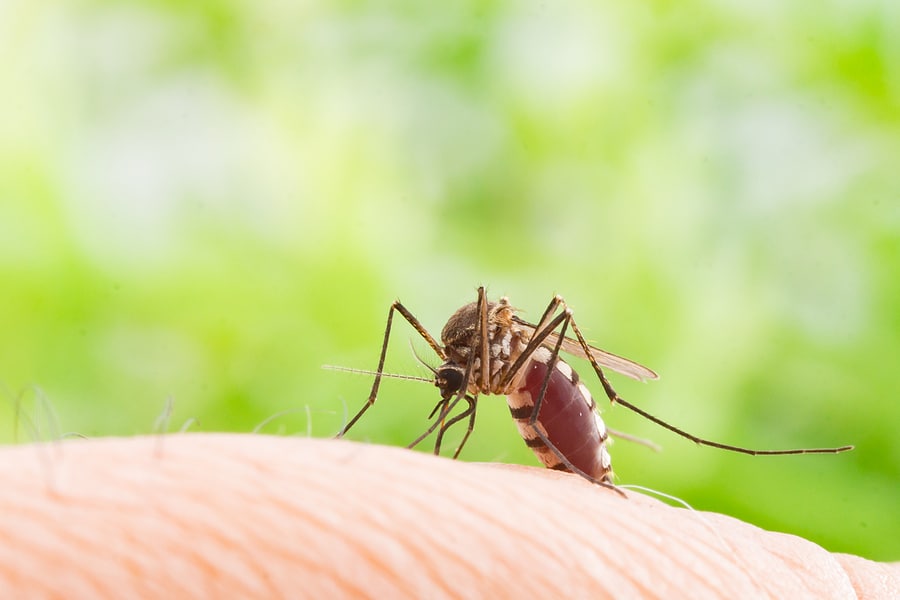
Female mosquitoes will bite and feed on humans and animals, as they require a blood meal to lay fertile eggs. These bites can become red, itchy, and irritating for both humans and animals. Mosquito bites are equally dangerous; mosquitoes can spread viruses such as West Nile or dengue fever through their bites. To avoid mosquito bites, take precautions when you know you’ll be outside during the peak season. Use EPA-registered mosquito repellants, wear long-sleeved shirts and pants, and avoid using scented lotions or bath products.
With mosquito treatments, a pest professional can inspect your property and identify the resting and breeding areas to more effectively eliminate these pests. These services are recommended monthly during peak mosquito season so you can have a bite-free spring and summer! If you are concerned with mosquitoes on your property, contact your local pest control company for a free inspection!
Jan 31, 2020 | Mosquito
While we don’t often think of mosquitoes in the cold winter months, don’t let them stray too far from your mind. Although they might not be active this time of year, it’s never too early to start preparing for the start of mosquito season. Prevention is key in mosquito control. While most male mosquitoes die off when colder weather moves in, female mosquitoes go into a state similar to hibernation called diapause. They are oftentimes fertilized just before they enter diapause so that they are ready to lay eggs as soon as the weather warms up in the spring. Mosquito eggs can also go into diapause. Female mosquitoes will often lay eggs in standing water just before the weather cools down for winter. These eggs will then go into diapause and then hatch once the temperatures increase to above 50 degrees Fahrenheit consistently. Because of this, winter is a great time to perform some do-it-yourself mosquito prevention techniques.
- Mosquitoes will look to overwinter in sheltered areas on your property. These often include garbage, yard debris, old tires, bins, piles of leaves, logs, and tree trunks. Make sure to keep your yard clean and get rid of any objects that might house mosquitoes through the winter.
- Mosquitoes will also look for standing water to lay their eggs in before winter sets in. If this water goes undisturbed throughout the winter, those eggs will then hatch once temperatures warm up. If you notice any standing water on your property, even during the wintertime, get rid of it to get rid of those resilient mosquito eggs. Remove or overturn buckets, wheelbarrows, unused flower pots, or anything else that can hold water after rain or snow. Rake up any leaves that fall during the season. Make sure patio furniture, play equipment, and outdoor toys aren’t collecting water, as well. Make sure gutters stay clear and consider installing gutter guards to help prevent clogs. Repair any leaky pipes and keep trash cans sealed tightly.
- Mosquitoes will also look to stay in tall grass and overgrown vegetation. It provides good cover for them to enter diapause through the winter. Make sure to keep your grass mowed and clear out any overgrown vegetation on your property.
- Consider planting mosquito-repelling plants such as rosemary, mint, and lavender on your property.
- Check the Mosquito Activity Forecast from weather.com before spending any time outdoors and dress accordingly. Wear appropriate clothing and apply insect repellent as needed.
- Invest in a professional mosquito treatment from a licensed pest control company. In our area, mosquito service starts in March so go ahead and schedule your service before mosquito season starts in the spring.
You May Also Be Interested In:
Where Did These Ants Come From?
Keep Your Lawn Healthy This Winter
How to Deal With Moles This Winter
Are Termites Active In Fall and Winter?
Which Season is Worst for Bed Bugs?