Sep 28, 2012 | Wildlife
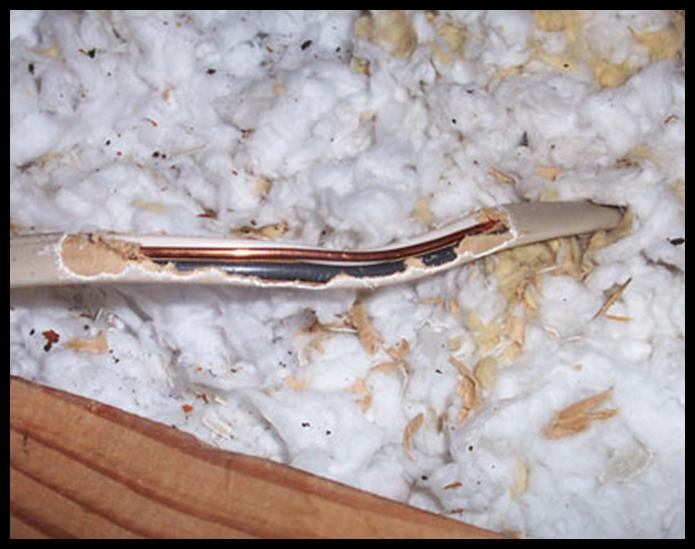
 Do you have trees near your home? If so, then you have a threat of squirrels getting into your attic. They may look cute with their furry little bodies but don’t let them fool you, they can cause some major damage. When they live in your home they damage insulation, electrical cables (potential fire hazard) and can be unsanitary by leaving urine and droppings throughout your attic.
One of the first clues that people experience is the sound of scratching, clawing, gnawing, or scurrying noises. If you think that you may have squirrels in your attic, call a professional. Squirrel removal is not recommended for amateurs.
Things that you can do to prevent squirrels from getting into your attic:
- Block off all potential entrances along your roofline.
- Caulk any openings or crevices.
- To keep squirrels from using utility wires as a way to your attic, slit a 2-foot section of 2-inch PVC pipe lengthwise and slip it over the wire. This makes squirrels unable to maintain their footing when the pipe rotates.
- Look for signs of chewed wood near your roof. This is a sign that something is in or has attempted to get into your attic.
- Cut back tree limbs that are close to your structure.
- Call a wildlife removal professional. They will be able to remove the animal humanely.
Chewed electrical wire
All of these things can help but squirrels are excellent climbers and will sometimes find alternate ways to get into your home to feed and give birth. The best solution is to call Northwest Exterminating to remove the squirrels in your attic.
Sep 26, 2012 | DIY, DIY Pest Control, Pest Control
There are over 700 species of ants in the US so it is no surprise that ants are the number 1 reported nuisance pest in the US. But according to Pestworld.org there are 6 simple steps that can help you reduce the invasion of ants in your home. Click on the links for more explanation from pestworld.org.
- Know the popular hangouts – mostly found in kitchens for food and water, ants can also be found in bathrooms, bedrooms, living rooms, basements, inside walls, and around heating and air structures.
- Eliminate water sources – rid your property of standing water and excessive moisture. Use a dehumidifier in moist places like crawl spaces, attics, and basements. Repair leaky pipes in and around tubs and sinks.
- Eliminate food sources – cleaning up spills and crumbs, sealing foods, and taking out the trash regularly will discourage ants from coming into your kitchen looking for food.
- Don’t discount your pets – pet food and water can attract ants if left out. Clean up pet food and water and wash bowls when they are finished eating. Make sure that pet food is stored in a properly sealed container.
- Block off or eliminate access points – cut back foliage from property and seal any cracks or crevices that can be used as entrances.
- Don’t go it alone – without proper knowledge of ants your problem can grow. Calling in the pest experts will help identify your problem and create a plan to solve it.
Read the full article HERE and contact a licensed pest professional to get rid of ants in your home. Call Northwest Exterminating to get rid of ants and other pests that are invading your home or business.
Source http://www.pestworld.org/news-and-views/pest-articles/articles/six-steps-to-an-ant-free-home/
Sep 19, 2012 | Wildlife
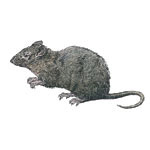
Did you know that the Norway rat is the largest commensal (def’n: living with, on, or in another, without injury to either) rodent in the US?
Norway rats enter homes in the fall when food sources outside of a structure are scarce.
Identification
- Usually gray in color
- Smaller eyes and ears
- Tail is short relative to the head and body
- Droppings are 3/4 inch and blunt on the ends
Environment
- Can exist in large numbers in and around residences, basements, stores, warehouses, docks, sewers, or dumpsters
- Outside of a structure they can be found in fields, farm land, and wood piles
- Burrow to make nests under buildings, beneath concrete slabs, around ponds, in and around garbage and other locations suitable for food, water, and shelter
- Nests may be lined with shredded paper, cloth or other fibrous materials
- Usually become active at dusk to begin seeking water and food
- Eats nearly any type of food but prefers a nutritionally balanced diet, consisting of cereal grain, meats, fish, nuts, and some fruits
Threats
- Likes to burrow and can form extensive galleries
- Have litters of 6 to 12 young that can eat solid food within 2 to 3 weeks
- Young become completely independent at about 4 weeks and reach reproductive maturity as early as 3 months
- Can enter a structure through an opening the size of a quarter
- Can chew through wiring, causing fire
- Spread numerous diseases
Treatment
- Traps placed indoors near entrance points and known runways
- Burrows outdoors may be baited
- Exterior bait stations may be placed on the perimeter of the structure
For rat control or other animal removal services, call Northwest Exterminating. Our Wildlife Control and Animal Removal Services team will inspect your home and property for signs of wildlife and points of entry. We specialize in the exclusion, removal, and control of wildlife nuisances.
Sep 14, 2012 | Dr. Goo's Corner, Wildlife
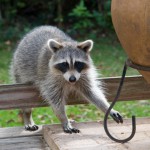
With cooler weather moving in it is the time of year where wildlife such as squirrels, rodents, raccoons, etc, begin to take refuge in your home. Animal control is important for the health of your home. Rodents make for unsanitary conditions by urinating, leaving droppings, chewing on wires, insulation, and other items in the attic, and can often carry disease. Some rodents can be dangerous and will attack if they feel that they or their young are in danger.
A common concern for wildlife is the threat of rabies. Rabies is a serious illness so we went to our health expert, Dr. Goo. Below, Dr. Goo talks about the risk rabies:
Rabies is a viral illness that can cause death and serious illness if untreated. If treated quickly and appropriately almost everyone can be cured of rabies.
The most important way to avoid rabies is to not be bitten or exposed to animals that potentially may have the rabies virus.
The most common animal exposures to rabies are from wild animals. Bats, raccoons, skunks, foxes and coyotes are the primary animals that carry rabies in the United States.
Pets can be protected from rabies by getting their rabies shots annually. Domestic animals rarely transmit rabies.
If you think you may have been exposed or bitten by an animal that has rabies you should call the Georgia Poison Center at 1-800-222-1222. You should also notify your doctor.
Remember, prevention and avoidance are the best defense against rabies.
Northwest Exterminating offers Wildlife Control for you and your family. The Wildlife Services Team specializes in the exclusion, removal, and control of wildlife nuisances like bats, raccoons, skunks, foxes and coyotes – the most common causes of rabies exposure.
For more detailed information about rabies exposure, treatment, prevention, and protection, please visit the Center for Disease Control and the Georgia Poison Center.
Dr. Goo
Sep 12, 2012 | Pest Control
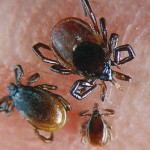
We know that bugs are gross and unsanitary but did you also know that they can be bad for our health. WebMD discusses some of the worst bugs and the potential harm they can do to our health:
- Ticks –Lyme disease, Rocky Mountain spotted fever, and allergic reactions.
- Black Widow Spiders – Poisonous.
- Brown Recluse Spiders – Poisonous, can cause serious wounds, infection, and in some cases can be deadly.
- Head Lice – Itchiness can lead to infection, loss of hair.
- Fleas – Itchiness can lead to infection.
- Bee, Wasp, Hornet, Yellow Jacket – Painful sting, and can cause allergic reaction.
- Fire Ants – Painful sting, venomous, red bumps that burn and itch, and can cause allergic reaction.
- Chiggers – Itchy red welts.
- Scabies – Itchiness, sores.
- Bedbugs – Itchy, red bumps, can develop infection from scratching, and can cause allergic reaction.
- Puss Caterpillar – Poisonous, painful sting, rash, fever, vomiting, and muscle cramps.
- Scorpions – Poisonous, painful, and can be deadly.
- Deerflies – Infection, and Tularemia.
- Mosquitoes – West Nile virus, dengue fever, other diseases, and scratching can cause skin infection.
- Houseflies – Carries more than 1 million bacteria, intestinal infections by contaminating food.
- Cockroaches – Salmonella and other diseases, dead carcasses can trigger allergic reactions and asthma.
Tips to prevent feeling the sting of these health issues:
- Make sure your home is treated by a professional exterminator. A professional can diagnose current problems, and prevent new issues from coming into your home efficiently and effectively.
- Wear long clothing when outdoors.
- Wear DEET repellant when outdoors.
- Keep a clean, sanitary home and yard. This will prevent insects from seeing your home as a place for them to call home.
For more information on these insects and their health hazards, visit WebMD: Bad Bugs Slideshow: Identifying Bugs and Their Bites.
If you think you may have been bitten or stung by any of the insects above, please take note of your body’s reaction and seek medical assistance immediately.

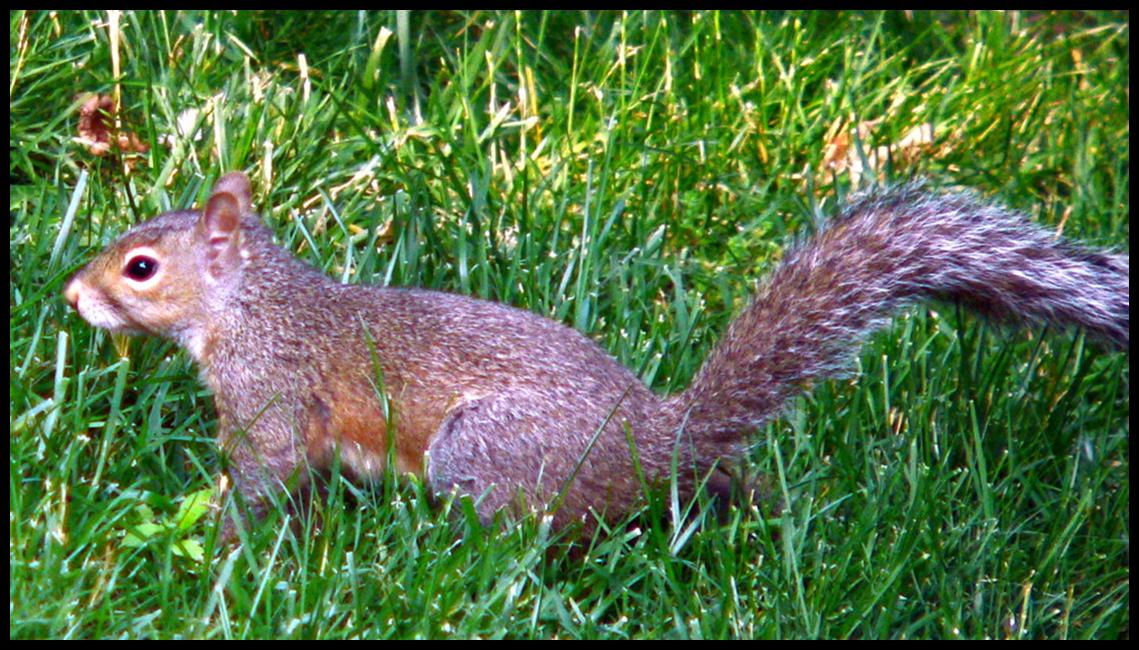 Do you have trees near your home? If so, then you have a threat of squirrels getting into your attic. They may look cute with their furry little bodies but don’t let them fool you, they can cause some major damage. When they live in your home they damage insulation, electrical cables (potential fire hazard) and can be unsanitary by leaving urine and droppings throughout your attic.