Dec 18, 2020 | Pest Control
As we gear up for the holidays, we all start to see ourselves spending more time in the kitchen. The kitchen, often the central gathering spot for many families across the country, is a place where finding pests is certainly not ideal. While you continue cooking and gathering with your family this holiday season, keep in mind some of these tips to keep your kitchen pest-free!
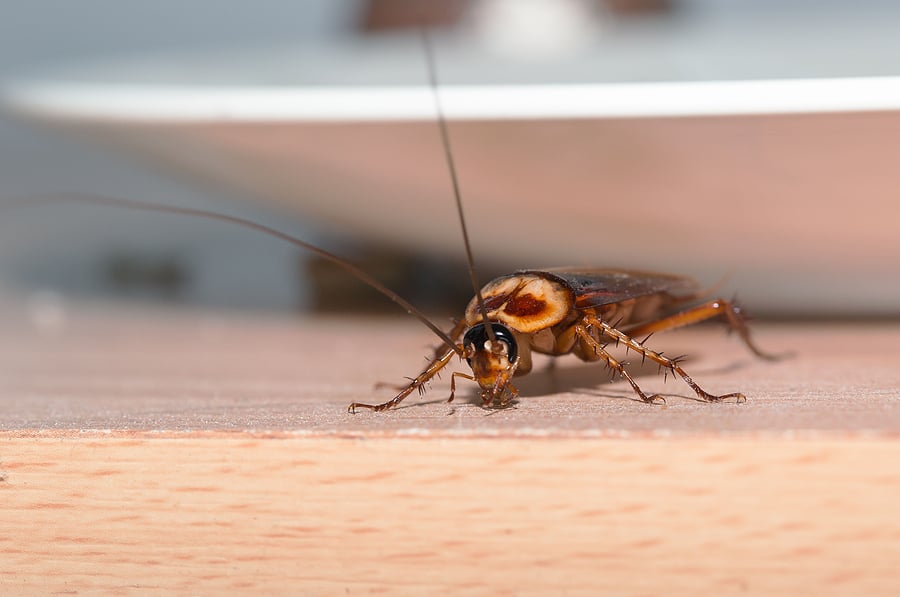
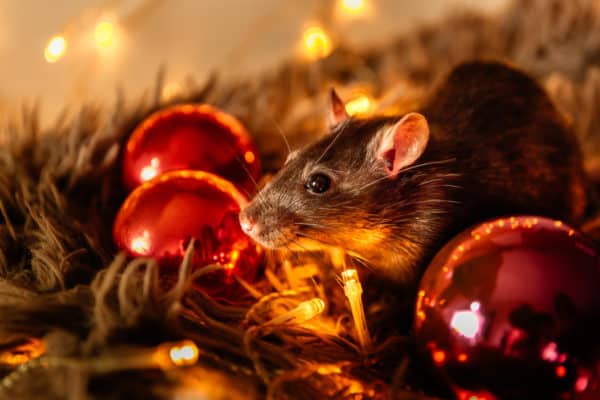
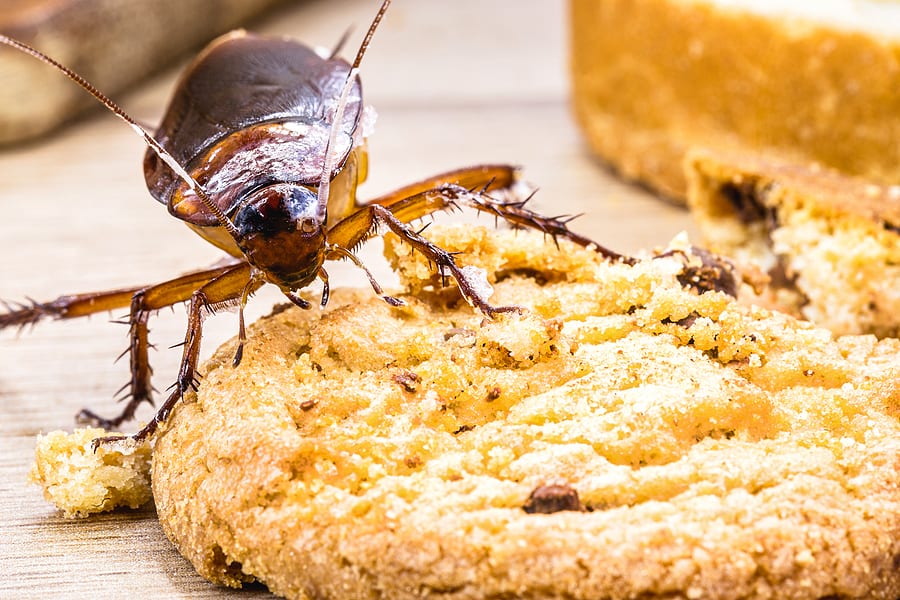
Most pests, like cockroaches and rodents, are searching for both moisture and a food source; and during the colder months they also look for a warm place. If food is left out, it’s likely a pest will contaminate it. Roaches can be dangerous as they can spread bacteria and human pathogens when leaving their fecal matter and other debris in or around food.
After cooking and eating, wipe down any crumbs and spills from your countertops, tables, floors, and even shelves. Wash all dirty dishes and drain the dirty dishwater after each use.
Keeping your home well ventilated and dry can help tremendously with keeping pests out. As most pests are attracted to moisture, certain areas of the house can provide the ideal breeding ground for them such as basements, attics, and crawlspaces. They can then migrate to your kitchen in search of food. Try using a dehumidifier in these areas to help decrease the moisture throughout. You may also consider a crawlspace enclosure to help with eliminating moisture and increasing energy savings for your home.
While we can do all the cleaning in the world to keep pests out, sometimes they still find their way inside, even in a clean home! Pests like spiders, fruit flies, and ants can easily sneak inside through the tiniest of gaps and holes. To prevent them, inspect the outside of your home for any potential entry points and seal them up with caulk or steel wool. Don’t forget to repair any broken windows and screens too.
If you feel overwhelmed with the holidays and having to deal with pests in the kitchen, consider reaching out to your local pest control company where they can identify entry points and set up a customized treatment plan.

Dec 10, 2020 | Pest Control
December is here, officially kicking off the holiday season! Celebrating the holidays with loved ones is important to many families across the country. While we gear up for family get togethers and putting up our favorite decorations, it’s important to remember that even those beloved decorations can allow pests to enter your home!
Holiday Decorations
Many of us store our decorations in attics, basements, and garages. These places are cold and dark, and if there’s a leak, provide water sources, making them ideal habitats for pests! Your stored decorations also provide an undisturbed hiding place for mice, rodents, spiders, and more, who crawl into the storage boxes you put away last holiday season!
To make sure you don’t bring them into your living space, carefully inspect and unpack these items outside first. Keep decorations like foliage, potpourri, and Indian corn in air-tight containers during off-seasons to help prevent pests for next year.
Christmas Tree
If celebrating Christmas, many homeowners buy a real Christmas tree and wreath each year. Unfortunately, pests like spiders, mites, moths, and even squirrels will hitchhike on these decorations and into your home!
Before bringing any of these items in, ensure that you’re inspecting for overwintering pests outside by shaking them. You can also check for any droppings, gnaw marks, or other damage from these creatures before bringing them into your home.
Firewood
With the holidays comes colder weather. Some of us are lucky enough to have a fireplace to keep warm and cozy throughout the winter season. It’s important to be cautious when bringing firewood indoors. Pests like spiders, termites, and ants will hide out on the firewood and hitch a ride indoors. Make sure you inspect the wood before bringing it inside and keep it stored at least 20 feet from your home on a raised platform.
If you suspect you have a holiday pest problem, consider reaching out to your local pest control company who can provide you with an evaluation and prevention plan.
Dec 2, 2020 | Pest Control
Some pests hibernate when the weather gets colder, while others seek out warmth inside of our homes. These overwintering pests will sneak through any open crevice or gap from the exterior of your home and can stay there all winter long undetected. Here are a few crawly pests that could be hiding out in your house!
German Cockroaches
The German cockroach is a common roach species found throughout the world. These roaches range from 1/2 to 5/8 inches and are brown with two-longitudinal stripes running down the thorax. They prefer to live in smaller areas close to food and moisture, such as inside pantries, basements, and bathrooms. Roaches are dangerous as they can contaminate food sources, spreading bacteria and human pathogens by leaving their fecal matter and other debris in and around food and food preparation areas.
To prevent cockroaches, make sure you keep your kitchen counters clean and free of crumbs. Vacuum frequently and always dispose of the garbage regularly. Look out for any leaks in the kitchen and bathrooms, as this moisture will attract roaches.
Brown Recluse Spider
Measuring the size of a quarter, the brown recluse spider can exist in large numbers. These spiders have six eyes arranged in three pairs, which is quite different from other species of spiders that have eight eyes arranged in two rows. The brown recluse prefers to live in dark areas such as under furniture, in wall voids, basements, crawl spaces, and in closets. While these spiders typically spin their webs in darker places, they can also found in cardboard boxes, along window molding, and even in shoes. The brown recluse can be dangerous to humans, as they will bite and inject venom if disturbed or threatened.
To prevent these spiders from entering your home, keep the trees and shrubs trimmed away from the house and roof. Repair any loose siding or shingles as they can easily sneak in through any gaps and openings. Consider installing a mesh cover or cap over chimneys to prevent entry.
Bed Bugs
Bed bugs are 3/16” to 1/4” in length or about the size of an apple seed or a pencil eraser. They are long and brown, flat in shape with an oval-shaped body, and brown in color. These pests enjoy harboring in cracks and crevices during the day and will come out at night to feed. You will typically find them in beds, mattresses, box springs, rails, headboards, and footboards. Bed bugs will bite humans on areas of skin that are exposed during sleep. Bed bugs are also notorious for hitchhiking from place to place through luggage, following you back home after traveling.
To prevent bed bugs, routinely check linens, mattresses, and even pet beds for live bugs. Thoroughly inspect any used furniture before bringing it inside your home. If you have recently travelled, inspect your luggage before bringing it inside your home, immediately take your clothes out and wash them in hot water, and dry them on high heat.
If you suspect that you have any of these pests inside your home, consider reaching out to your local pest control company where they can help identify, inspect, and provide a prevention plan.
Feb 28, 2020 | DIY, DIY Pest Control, Pest Control
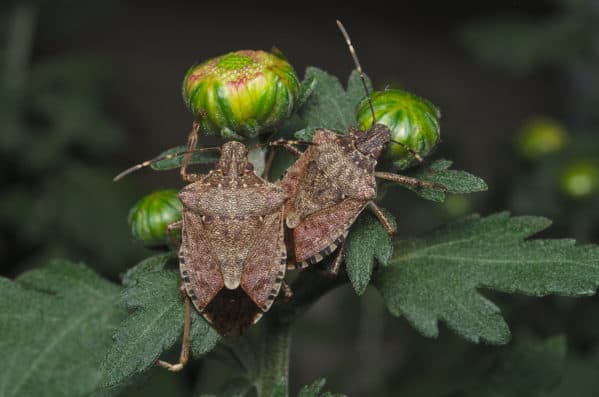
As the weather warms up overwintering pests will begin to wake up and make their way outdoors. One of these is the brown marmorated stinkbug. While these household pests don’t sting, bite, or carry any diseases, they can become a nuisance when they get inside your home. In fact, once you see stinkbugs inside, it’s usually too late to do anything to keep them out.
The brown marmorated stinkbug is native to Asia but was later introduced in the United States. They prefer moist, temperate climates like those of the Eastern US and the Pacific Northwest. Stinkbugs feed on soybeans, corn, fruit, vegetables, and ornamental plants that grow close to homes. Stinkbugs spend the spring and summer seasons outdoors then will seek shelter from the winter elements indoors – often entering your home through cracks, crevices, gaps or holes in your foundation, through chimneys, air conditioning vents, or underneath siding. The prefer homes with lots of trees around and will gravitate to the upper floors of a home.
During the winter months, stinkbugs go into a phase known as diapause, which is similar to hibernation, where the bugs go inactive during the cold weather. When the stinkbugs find a spot to overwinter, they release a pheromone that attracts other stinkbugs to their location. While they typically stay dormant until spring, unusually warm spells during the winter can bring them out full force.
If you encounter stinkbugs in your home, the best way to get rid of them is to vacuum them up and immediately dispose of the bag. When stinkbugs are threatened, disturbed, or squashed, they emit a smell that has been described as anything from cilantro to rotting almonds to spoiled fruit.
The best way to control stinkbugs is to prevent them from getting into your home in the first place. Here are 9 prevention tips for keeping stinkbugs out.
- Seal Them Out. Carefully inspect the exterior of your home to identify potential entry points for stinkbugs. Check around siding and utility pipes, behind chimneys, and under fascia. Seal any problem spots with silicone or silicone-latex caulk. Close chimney flues when not in use.
- Repair. Check doors and windows for any damage. Repair or replace damaged screens. Check weatherstripping and replace if necessary. Check for loose mortar. Install door sweeps if possible.
- Turn Off Lights. Stinkbugs are attracted to light. Try to keep outdoor lighting to a minimum. After dark, turn porch lights off and pull down blinds in your home to reduce the amount of light spilling out from indoors.
- Keep It Dry. Stinkbugs, like other seasonal pests, need water to survive. Check carefully for leaking pipes and faucets and repair them immediately.
- Get Rid of Food. Keep food stored in airtight containers. Dispose of your garbage regularly. Wipe down countertops daily and sweep and mop often.
- Air It Out. Keep areas that stinkbugs can use as a harborage point (garages, crawlspaces, attics, and basements) well ventilated. Consider using a dehumidifier in these areas. Install screens over chimney and attic vents.
- Check It Out. Stinkbugs can hitch a ride into your home in boxes and bags. Carefully inspect any boxes you are bringing in from storage and any grocery bags before you bring them into your home.
- Landscaping. Keep branches and shrubbery well trimmed so they are not in contact with the house. Keep grass mowed and leaves raked. Store firewood at least 20 feet from the house and at least 5 inches off the ground.
- Call A Pro. If you suspect you have a problem with stinkbugs, contact a professional pest control company who can help identify any entry points the bugs may be using and help to eliminate them. They can also use a preventative spray in the late summer/early fall to help keep them out before overwintering season sets in.
You May Also Be Interested In:
10 Common Myths About Pest Control
Is Orange Oil Effective As A Treatment For Termites?
How Do You Get Your Lawn Ready For Spring?
What Pests Are Active In Your Area?
Keeping Wildlife Out This Spring
Dec 2, 2019 | Pest Control
You’ve managed to fight all the early holiday decorating urges and now it’s time! Before you rush off to start decking the tree and hanging the mistletoe, follow these tips to make sure pests aren’t spending the holidays indoors with you and yours.
Check Your Tree Before Bringing It Home
- Pests like spiders, mites, moths, squirrels, and many others have been known to make trees and wreaths their temporary home. Before bringing these items in your home, inspect for overwintering pests and thoroughly shake them to free any pests residing inside.
Even Your Old Decorations Aren’t Safe
- Although your decorations have been stored away throughout the year, pests flock to attics, basements, and garages. They will crawl into the storage boxes you have put away. When unpacking these boxes, inspect them before bringing them into the main living areas.
Keep Warm Without Pests
- The sudden cold weather may signal the need to utilize your fireplace and snuggle up with a cup of hot cocoa. Use caution when bringing firewood indoors, as pests such as spiders, termites, and ants can tag along. Inspect all firewood thoroughly before bringing it indoors and store firewood on a raised platform at least 20 feet from your home.
The holidays really are best enjoyed pest-free. If you find yourself dealing with uninvited holiday guests, call your licensed pest control company to schedule an inspection.