Nov 26, 2019 | Pest Control
Cooler weather is finally here! Time for sweaters, boots, and cozy nights inside. While you and your family are spending more time inside, pests are looking to wait out the cold in your home as well. Here are a few tips you can use now before you end up with overwintering pests that overstay their welcome.
- Before unboxing decorations from the garage or attic, inspect the boxes thoroughly. Pests may have taken up residence inside and look to use these storage materials as an entry point into your home.
- Be sure to store any firewood at least 20 feet away from the exterior of your home. The firewood can act as a hiding place for pests. By moving the wood away from your home, it will reduce incident of invasions.
- Kitchens are huge entry points for pests. Keep counters free of crumbs and spills, utilize airtight containers to store open food, and use lids on garbage cans.
- Look to screen vents and chimneys, seal cracks and crevices, install door sweeps, and replace weather-stripping to cut down on pests looking to make your home their winter hideout.
With these tips you will hopefully be able to enjoy your holidays pest free. If you have an issue with pest invasions, reach out to your local pest control company to schedule an inspection.

Nov 22, 2019 | Pest Control
Winter can be a difficult time for cockroaches. While they are adapted to thrive in warm temperatures, these cold-blooded pests cannot survive environments that are too hot or too cold. In fact, some species stop growing and reproducing when exposed to colder temperatures, usually consistently below 45 degrees, for extended periods of time. As temperatures drop, roaches will seek out shelter in warm places, most often in our homes and offices. These buildings provide them with everything they need to survive the winter – warmth, access to water, and an abundant supply of food.
Prevention is key when it comes to roaches. Here are 5 tips to prevent cockroaches from taking over your home this winter.
1. Clean Thoroughly.
Roaches are attracted to dirt and crumbs as a source of food Make sure to always wash dishes after a meal and put them away. Clean up any crumbs and spills immediately. Take out the garbage before going to bed. Clean any grease from your stovetop. Keep food sealed in airtight containers. Sweep, mop, and vacuum on a regular basis. Don’t leave pet food, treats, and water out overnight.
2. Declutter
Clearing out clutter gets rid of places roaches can use to hide. Keep rooms clutter free and dusted often. Use plastic storage bins with lockable lids versus cardboard boxes. Eliminate newspapers and cardboard altogether as roaches love to breed in these materials.
3. Seal It Up
Roaches get into homes under doors and through cracks. Identifying these and sealing them up helps eliminate points of entry for cockroaches and other pests. Thoroughly inspect around windows and doors, along foundations and the roof, in attics and crawlspace vents, and around holes used for utility and plumbing lines. For small holes and cracks, use caulk to seal them. For larger holes, especially around pipes, use steel wool and foam to seal. Fine mesh wire can be used to seal around attic vents and chimneys.
4. Fix Leaks
Roaches, like most pests, need water and moisture to survive. Therefore, standing water or excessive moisture can attract roaches to your home. Regularly inspect your plumbing for leaks and repair them immediately. Make sure to check faucets, sinks, refrigerators, and appliances for leaks and excessive moisture. Crawlspaces are also a common source of excess moisture in homes. Consider crawlspace enclosure to help minimize moisture under your home.
5. Call A Pro
A cockroach infestation can be extremely difficult to control. Prevention can only go so far in the battle against roaches. If you suspect you have a problem with cockroaches, contact a professional pest control company who can help identify the type of roach you have, thoroughly inspect your home to identify points of entry or food sources, and help set you up with a comprehensive roach control treatment and prevention plan.
You May Also Be Interested In:
Is That Bird’s Nest Dangerous?
The Myth of the Granddaddy Long Legs
Bed Bug Holiday Surprise
Venomous vs Poisonous Spiders – What’s the Difference?
Mice, Rats, and Other Problem Rodents
Sep 23, 2019 | Pest Control
As temperatures start to cool off, panic can overtake pests who need to seek out shelter from the impending cold weather. They will often, unfortunately, set their sights on your warm, cozy home. Here are a few of the most common overwintering pests and what you can do to prevent them.
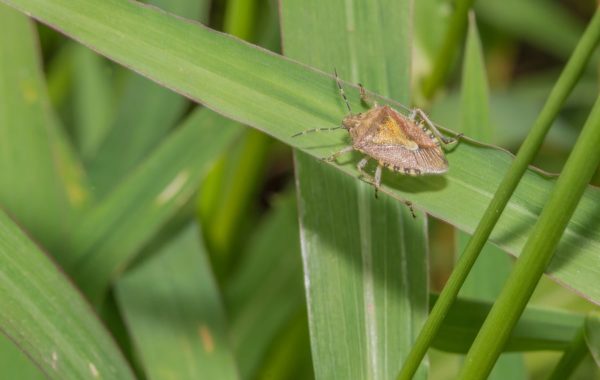
STINK BUGS
Stink bugs flock to homes in large numbers during the fall. They position themselves on the side of your home that receives the most sunlight in an attempt to keep warm. A thorough inspection for possible entry points is key in prevention of an invasion.
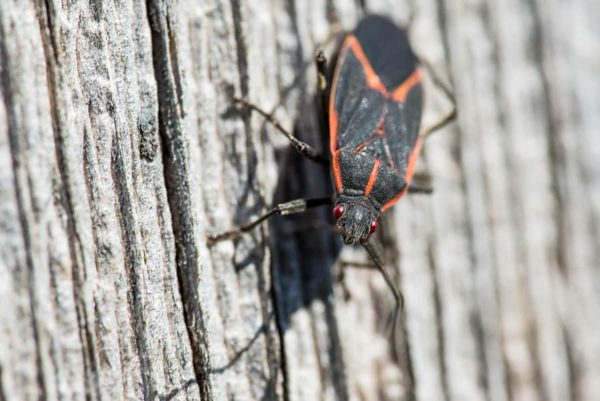
BOXELDER BUGS
Boxelder bugs are one of the more aggressive species of overwintering pests. Like the stink bug, they will make use of the sunny side of your home and cars. They will utilize openings they find and gather by the hundreds. Crushing these pests is not recommended as their remains can attract carpet beetles. Vacuuming should be used to remove them from the home.
LADY BUGS
As universally adored as they are, lady bugs are an overwintering pest that can take over your home in a matter of days. They utilize windows and door openings to enter; therefore, checking and replacing weather-stripping and sealing with silicone-based caulk can help keep them out before fall starts.
If you have an issue with overwintering pests, reach out to your local pest control company to schedule an inspection.
Dec 18, 2018 | Pest Control
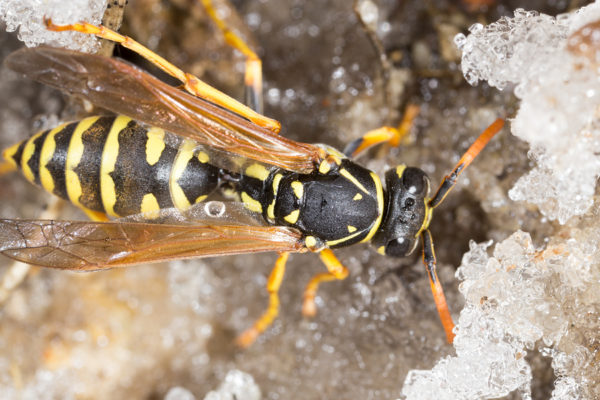
It’s the middle of December and you are cuddled up with your favorite book and a warm blanket. Unfortunately, this peaceful moment is interrupted by a buzzing sound followed by the sighting of a wasp! And while you might be thinking “This is odd! It’s winter!”, this occurrence is quite common.
As fall starts, paper wasps will start to die off. However, there are select females who will search for a safe place to overwinter. These safe places can be inside chimneys, behind the siding of your home, and around windows and door frames.
Since winter weather in the south is very unpredictable, bouncing from 20 degrees one week to 72 the next, that random warm weather can trigger the wasps to become active and search for exits to begin making nests; thus the cause of wasp sightings in the month of December. How can you prevent these wasps from overwintering?
Steps to Prevent Wasps Overwintering:
- Look to fill cracks and holes found around the foundation of your home.
- Invest in updating weather-stripping around windows and door frames.
- Inspect around the outside of your home: roof eaves, porch ceilings, and attic rafters
If you spot a wasp in your home, don’t hit the panic button. In the winter months, wasps tend to move slower than normal and your licensed pest control professional can remove the nests with ease.
Dec 7, 2018 | Pest Control
No matter what season it is, pests will always be in search of 2 things: shelter and food. One place that provides both of these is your home! Pests are influenced by the seasons so their threats change as the weather changes. Different seasons bring different pests in varying stages of their life cycles. It is important to know seasonal pest patterns for your area to make the proper preparations for your home. What can you expect as each season changes throughout the year?
WINTER
Winter is a time of hibernation and survival for pests. Colder weather triggers a need for most pests to find shelter; some seek shelter outdoors while others will seek shelter indoors. Bees, wasps, and other stinging insects will seek out places in logs or in the eaves of your home. Ants will seek shelter in their nesting sites. Overwintering pests like cockroaches, spiders, and rodents will seek shelter indoors, sometimes in our homes. The key to prevention of winter pests is to prepare your home in the fall.
SPRING
Spring is a time of awakening and mating for most pests. As the weather warms, pests will emerge from their winter shelters and increase their activity. Pests that hibernate over winter will awaken from their dormant states. The spring rains will drive ants from their nesting sites in search of higher ground. Spring also marks the beginning of swarming season for termites. Most pests will move outdoors in the spring in search of mates.
SUMMER
Summer brings the height of backyard pests that put a damper on our outdoor fun. While we tend to see fewer pests inside our homes, we do tend to see larger numbers of pests in our yards and other outdoor areas. Mosquitoes are especially active in the summer months because of the moisture from spring and summer rains. Bees, wasps, and other stinging insects are also more active in the summer; their nests can often be found on our near our homes.
FALL
Fall is a time of preparation for most pests as they get ready for the harsh winter months. Common fall pests include ladybugs, box elders, and spiders. These pests will often invade your home at this time of the year in search of shelter for the coming months. Fall is a good time to prepare your home for those overwintering pests seeking shelter from the winter weather also, like cockroaches and rodents.
No matter the season, there are steps you can take to protect your home from pests year-round:
- Keep your grass mowed and shrubbery trimmed away from the sides of your home.
- Keep your yard clear of debris and standing water.
- Store firewood away from the home and elevated off the ground.
- Inspect the outside of your home for cracks and holes that pests can use as entry points and seal them.
- Use weatherstripping around doors and windows and make sure screens are in good repair.
- Cap your chimney.
- Make sure gutters are clear of debris or install gutter guards.
- Consider enclosing your crawlspace.
- Keep food and pet food stored in airtight containers.
- Don’t leave pet food and water bowls out overnight.
- Clean up crumbs and spills immediately.
- Vacuum often.
- Repair any leaky faucets.
If these steps aren’t enough or if you already have a pest problem, call a pest control professional who can come and give your home a thorough inspection and help you with a treatment and prevention plan.