Jul 13, 2021 | Commercial, Wildlife
Wildlife creatures can bring a host of issues to your business. Some of these can disrupt your business, create unsanitary conditions, and drive customers away. The first step in dealing with these nuisance pests is knowing the type of animal you are dealing with and how to prevent them. We break down which ones to watch out for around your business and give some easy wildlife prevention tips.
Birds
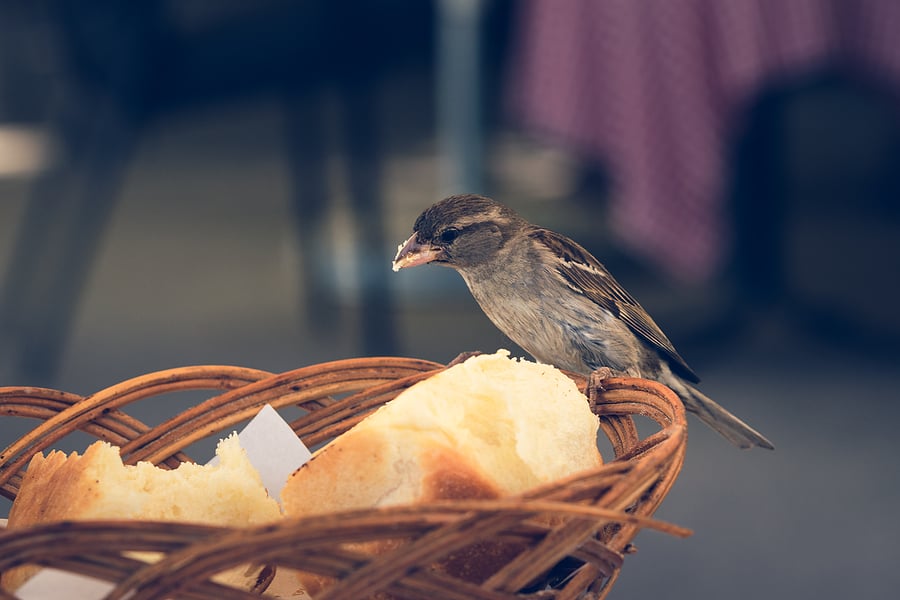
Birds can pose a major health threat to your business as they can spread diseases and contaminate your business space. Their droppings can cause quite a mess and harbor diseases and parasites. These acidic droppings can corrode and ruin your business roof, walkways, windows, ledges, signage, and even your customers’ vehicles. These pests can also easily access and damage the roofline and chimney, which can lead to problems with your electrical wiring.
Rats & Mice
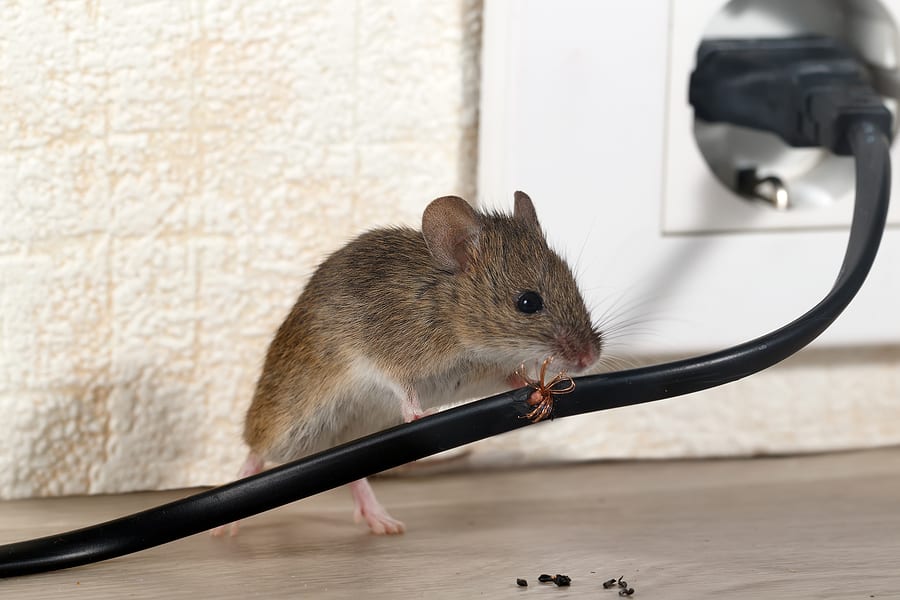
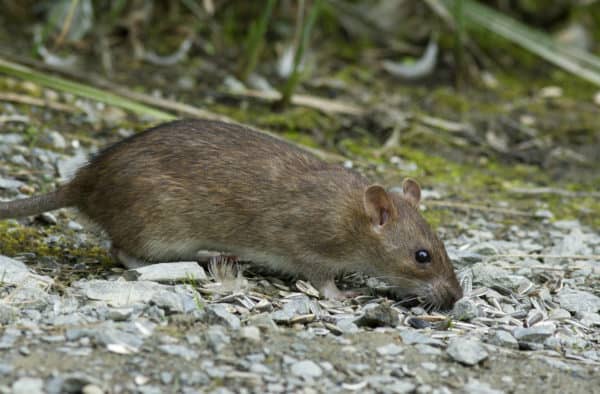
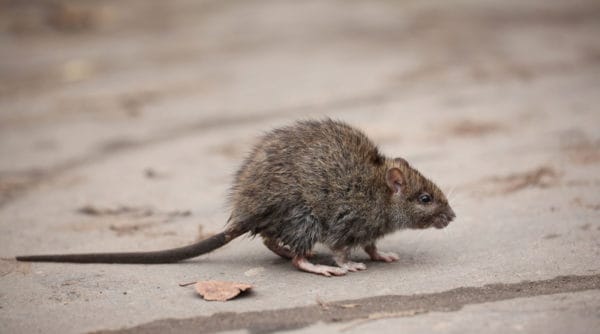
Rats and mice are looking for a place to eat and sleep. They can easily invade your business by entering through the smallest crack or hole that is unsealed. Just like birds, rodents can spread disease throughout your business, making it unsafe for both your customers and team members. These creatures are also known to gnaw on merchandise, packaging, equipment, and electrical wiring.
Squirrels
Squirrels can look cute and cuddly, but they are also known to create structural damage and disturbances at businesses. These creatures are in search of a food source, and you can tell if they have been searching around in your property by seeing uprooted plants and flowers, dug up holes, and eaten nuts or fruits. Squirrels are also known to create holes in roofs, chew on wires, damage vents, and create a musty smell from their urine if they’ve infested inside the building.
Utilizing preventative measures is the key to ensuring wildlife don’t infest your business and disturb your customers!
- Inspect the foundation for small holes and gaps, sealing them up as you find them.
- Inspect the roof and siding to make sure there are no openings to access your attic.
- Secure all trash containers, making sure they are tightly sealed and not overflowing.
- If you have an outside area where customers eat, make sure all food is frequently cleaned up and thrown out.
- Consider Commercial Wildlife Control for your business as service professionals can set your business up with a customized prevention and treatment plan fit for your business.

May 12, 2021 | Wildlife
It’s true – many wildlife creatures invade and infest homes during the colder months of the year. However, there are still plenty of pests that are active and looking for a place to inhabit. Knowing which types are prevalent this season and how to prevent them can help you protect your home and family.
Snakes
As coldblooded animals, snakes get their energy from the sun. Because of this, snakes are more active during the warmer months as they require more energy to mate. You’ll typically see snakes out in the early morning and late evenings to avoid the high heat of midday. When they aren’t out, snakes like to hide out in cool, dark places such as underneath rocks and decks. You could also find them hiding out in your basement if they’ve gained access.
To keep nuisance pests from infesting your property it’s important to keep your lawn neat and clean. Clean up any yard clutter, such as piles of leaves and wood. Keep your grass mowed to eliminate coverage and trim bushes and hedges regularly. Always check your garage, garage doors, windows, and exterior doors for gaps and seal any openings.
Opossums
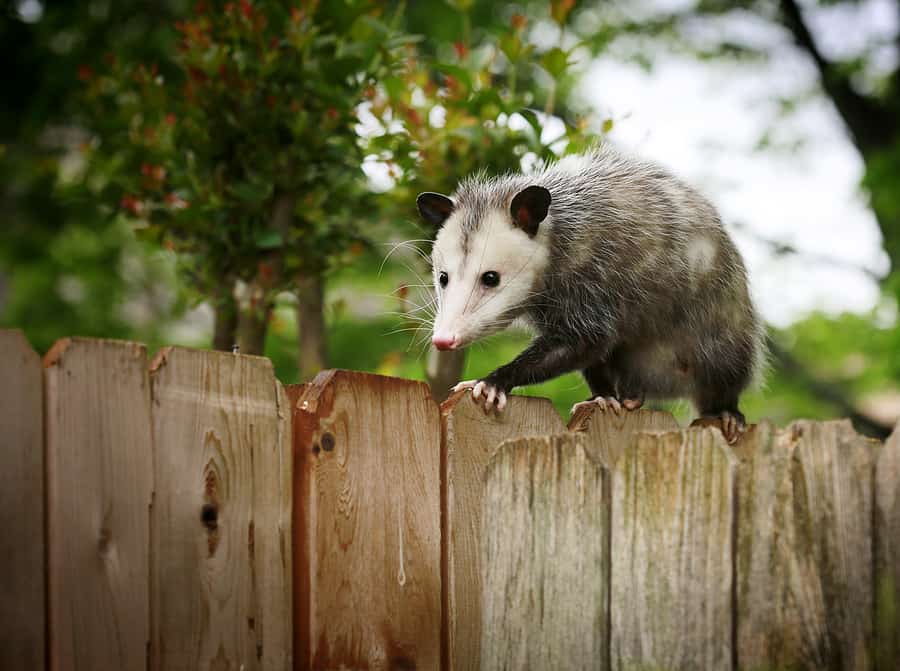
During the spring and summer, opossum females care for their young, meaning they are more active in searching for food to nourish them with. These animals are nocturnal and search for food at night. During the day, possums will hide in trees where they will stay until the evening. While they eat unwanted pests such as snails, cockroaches, spiders, and rats, they also eat garbage, fruit, grass, and roadkill.
To prevent opossums, keeping food from being left out outside your house is crucial. Make sure you bring in pet food and water from outside. Pick up any fruit that might have fallen from trees, including tossing out the rotten ones. It’s equally important to keep your garage doors, pet doors, or unscreened windows closed during the night.
Rats
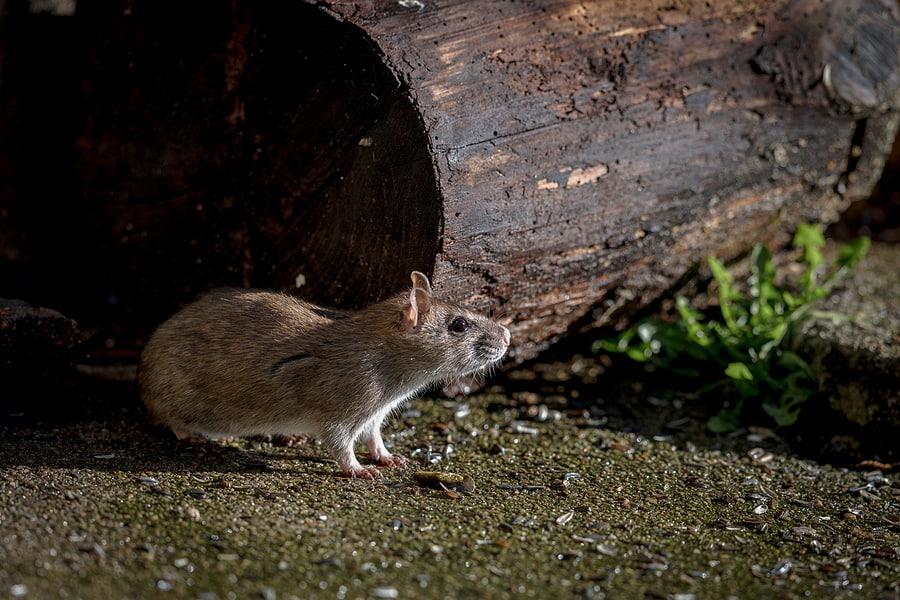
Rats are active year-round, but the warmer weather provides them with more sources of food. These rodents can reproduce very quickly and controlling them can become difficult once they’ve infested. Rats will typically make burrows before wintertime, building these under buildings, concrete slabs, around lakes and ponds, and even near the garbage. These wildlife creatures can be a risk to humans as they can contaminate food, chew wires causing fire hazards, and their urine and feces can cause health concerns.
Taking necessary precautions before you start seeing rats is the key to preventing them. Check around the exterior of your home and seal up any cracks, crevices, and holes found in the foundation or siding. Remove clutter throughout your garages and storage areas, along with using plastic storage instead of cardboard. Keep your kitchen clean from any crumbs and spills and take your trash out regularly.
If you’ve taken the necessary steps to prevent these common wildlife but are still seeing them, it might be time to call your local pest control company. They’ll be able to assess the wildlife issue and provide you with the best wildlife control and wildlife exclusion options.
Apr 28, 2021 | Pest Control
While rodents will typically infest your home during the colder months of the year, it is still possible for these pests to be found inside the home during the warmer months too. If a rodent, like a mouse or rat, is found inside a house during spring and summer months, it’s likely that they’ve been there since winter! Rodents can cause expensive damage to your property. Learning some common signs of rodents in your home is the first step in identifying an infestation and establishing a rodent control plan.
One of the most common and telling signs that a rodent is in your home is finding their droppings. Measuring around 1/8 to ¼” long, droppings are left behind in places where food is stored, such as the kitchen and pantries. Rodent feces can be dangerous as it can carry harmful bacteria and transmit dangerous diseases such as salmonella. When looking for these droppings, make sure to check under the sink, in pantries, in cabinets, along baseboards, and on top of wall beams.
Mice and rats are always in search of food and water and will often chew their way to it. Both rodents can cause serious damage by chewing through materials found throughout the house, such as plastic and lead pipes. House mice and Norway rats are known to gnaw on wires that are behind walls, causing the dangerous risk of a fire. Check throughout the house for any suspicious chewing marks on wires, pipes, or even plastic containers as these can be an indication that a rodent is inside your home.
Hearing strange noises at night is always concerning, but it’s also a common indicator that rodents have made their way inside. These pests are typically active during the night and, if inside, hearing them scurry around the house is common. Rodents usually prefer dark, secluded spots to build their nests, such as in attics or in between walls. Checking these areas could give you the answer on whether rodents have been infesting!
If you suspect a rodent infestation in your house, contact your local pest control company who can safely remove them from your home.
Apr 15, 2021 | Wildlife
Warmer weather triggers the emergence of animals from hibernation. What many homeowners don’t realize is that wildlife will sometimes take refuge inside your home during the cold winter months. Once the weather starts warming up, these overwintering pests will start waking up and come out in droves looking for food and water. While some wildlife may be harmless, others can cause significant damage to both your home and your health. Some pests leave feces behind that can contaminate your food, kitchen surfaces, and even the air inside your home. Other pests can chew through wood and wires in your attic and walls, putting you at risk for fires.
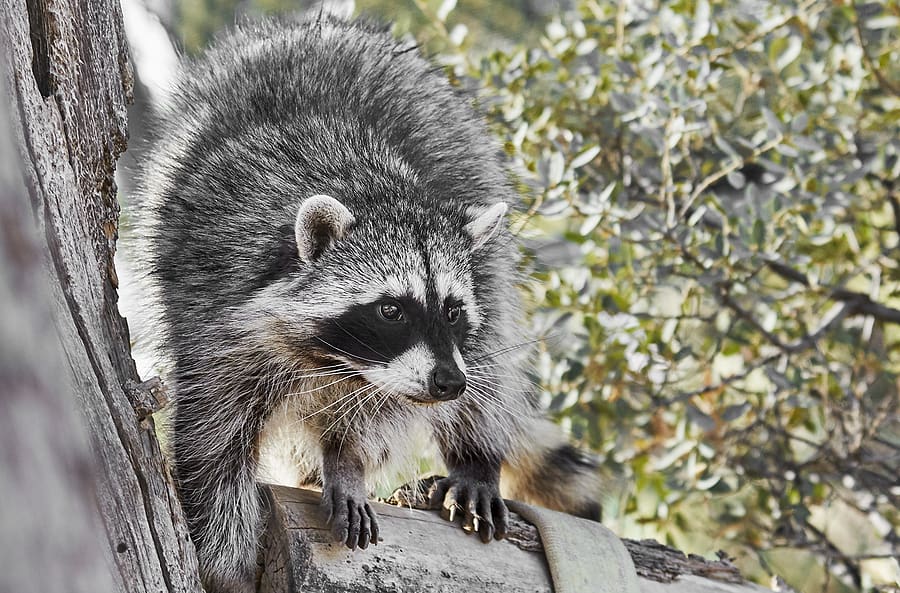
Some common spring wildlife that can cause issues for homeowners include birds like swallows and sparrows; rodents like rats and mice; bats; squirrels; and raccoons. Birds use eaves, vents, and holes in the roof to make nests. Bird nest removal and bird control is regulated and usually best left to professionals. Rodents are some of the most common nuisance pests, getting inside through tiny spaces and reproducing quickly. Chewing and contamination are huge problems with rodents. While not as common as some of the other wildlife mentioned previously, bats can cause problems for you in the springtime. Bats will usually roost in gable vents and soffits but can also get into your home through the chimney or holes that they can use to access the attic. Larger mammals like squirrels and raccoons can get into attics and chimneys and even crawlspaces and basements. They are some of the most destructive spring wildlife, chewing through materials in your home and leaving behind huge messes.
So what can you do to keep these animals from seeing your home as a safe haven? Check out these tips to help control wildlife this spring.
- Check the outside of your home for any possible entry points and seal them.
- Repair any leaks or damaged and rotted wood around your home.
- Repair or replace damaged window and door screens.
- Use chimney caps.
- Use screens over dryer vents, air vents, and stove vents.
- Trim back trees from your roof line and shrubs from the sides of your home.
- Seal trash in containers with lids and don’t put it out until the day of trash pickup.
- Don’t leave pet food or water out overnight.
- Store unused pet food in sealed containers.
- Empty bird feeders daily.
- Keep your gutters clear or consider installing gutter guards.
- If you suspect you have a wildlife problem, contact a professional wildlife control company to safely remove any animals you may have.
You May Also Be Interested In:
What Attracts Millipedes?
What to Know About Fleas & Ticks
Commercial Mosquito Control: A No Spray Way for Your Business
How Do You Get Your Lawn Ready For Spring?
Sneaky Wildlife: Possums and Raccoons
Feb 10, 2021 | Pest Control
Unfortunately, we haven’t quite gotten over the cold weather yet. Lower temperatures means there are plenty of pests and wildlife creatures looking for warmth inside your home. Common wildlife, such as rodents, can be a major nuisance during the colder seasons. If found inside, these pests can damage electrical wires, insulation, and even spread disease. Identifying the type of rodents that have entered your home is the first step in the wildlife exclusion process.
Norway Rats
Norway rats are known as one of the largest species of rats, measuring about 10 inches in body length. These rats have thicker bodies with fur that’s usually brown with black shading. In addition to having a pale color underneath their tails, the tail itself is shorter in length when compared to their bodies. Norway rats, if desperate enough, will eat just about any food source they can find, although they prefer to eat meat. If they find food in a particular place, they will continue to return to that same spot. This can make baiting and removing them easier. These rodents make their habitats in burrows but can also be found throughout buildings and in sewer systems.
Roof Rats
Roof rats have gray fur with black shading and smooth coats. They are about 8 inches long with slender bodies. They have darker tails than Norway rats and they are usually hairless and scaly. These rodents are extremely agile and are skilled climbers. They often prefer higher levels of buildings or homes, hence their name “roof rat.” While they prefer to eat fruit, roof rats will eat any available food source they can find. Unlike the Norway rat, the roof rat will not go back to the same location for food, making them much harder to bait.
Prevention is the key to making sure these rodents don’t enter your home. Use these rodent prevention tips throughout your home to ensure these creatures stay out.
- Repair any roof damage such as broken tiles or gaps under the eaves.
- Seal around utility pipes with steel wool and use either caulk or concrete.
- Declutter any areas where rats may hide out, including your garages, attics, gardens, storage sheds, and even warehouses.
- Apply weather stripping to your doors and windows throughout your house.