Sep 14, 2012 | Dr. Goo's Corner, Wildlife
 With cooler weather moving in it is the time of year where wildlife such as squirrels, rodents, raccoons, etc, begin to take refuge in your home. Animal control is important for the health of your home. Rodents make for unsanitary conditions by urinating, leaving droppings, chewing on wires, insulation, and other items in the attic, and can often carry disease. Some rodents can be dangerous and will attack if they feel that they or their young are in danger.
A common concern for wildlife is the threat of rabies. Rabies is a serious illness so we went to our health expert, Dr. Goo. Below, Dr. Goo talks about the risk rabies:
Rabies is a viral illness that can cause death and serious illness if untreated. If treated quickly and appropriately almost everyone can be cured of rabies.
The most important way to avoid rabies is to not be bitten or exposed to animals that potentially may have the rabies virus.
The most common animal exposures to rabies are from wild animals. Bats, raccoons, skunks, foxes and coyotes are the primary animals that carry rabies in the United States.
Pets can be protected from rabies by getting their rabies shots annually. Domestic animals rarely transmit rabies.
If you think you may have been exposed or bitten by an animal that has rabies you should call the Georgia Poison Center at 1-800-222-1222. You should also notify your doctor.
Remember, prevention and avoidance are the best defense against rabies.
Northwest Exterminating offers Wildlife Control for you and your family. The Wildlife Services Team specializes in the exclusion, removal, and control of wildlife nuisances like bats, raccoons, skunks, foxes and coyotes – the most common causes of rabies exposure.
For more detailed information about rabies exposure, treatment, prevention, and protection, please visit the Center for Disease Control and the Georgia Poison Center.
Dr. Goo
Jul 4, 2012 | Community/Events, Pest Control
Happy 4th of July!! We’d like to take a second to say how proud we are to be Americans!! We’re proud to live in the country of the land of the free and the home of the brave!! And like always, we’d like to thank all of the brave men and women and their families that have given so much for this great country!!
But before you go enjoy those fireworks…here are some tips to stay bug free this 4th of July:
- Avoid standing water in areas like flower pots, bird baths, buckets, barrels, etc. Areas like these are breeding spots for mosquitoes that can carry diseases like West Nile and encephalitis.
- Wear an insect repellant, such as DEET, to protect against mosquitoes and other bugs.
- Keep food covered when possible to avoid attracting mosquitoes, flies, and ants.
- Tightly seal garbage and put it in a sealed garbage container on the outside of your home. Make sure that the lid to the trash can is on securely to avoid rodents from getting in and going through the trash.
- Keep your lawn mowed and clear of debris.
- Protect your pets from fleas and ticks by using a preventative. These can be purchased over the counter or by your veterinarian.
- Have your exterminator treat your yard and home for insects and other rodents that could BUG you this summer! (Get it, BUG you!)
What other tips do have for staying bug free this 4th of July?
Jun 13, 2012 | Pest Control
We recently discussed the importance of having an inspection prior to receiving a pest control treatment (HERE). We thought we would continue with the discussion by letting you know what you should expect during a pest control inspection from an exterminator.
What to expect during a pest control inspection:
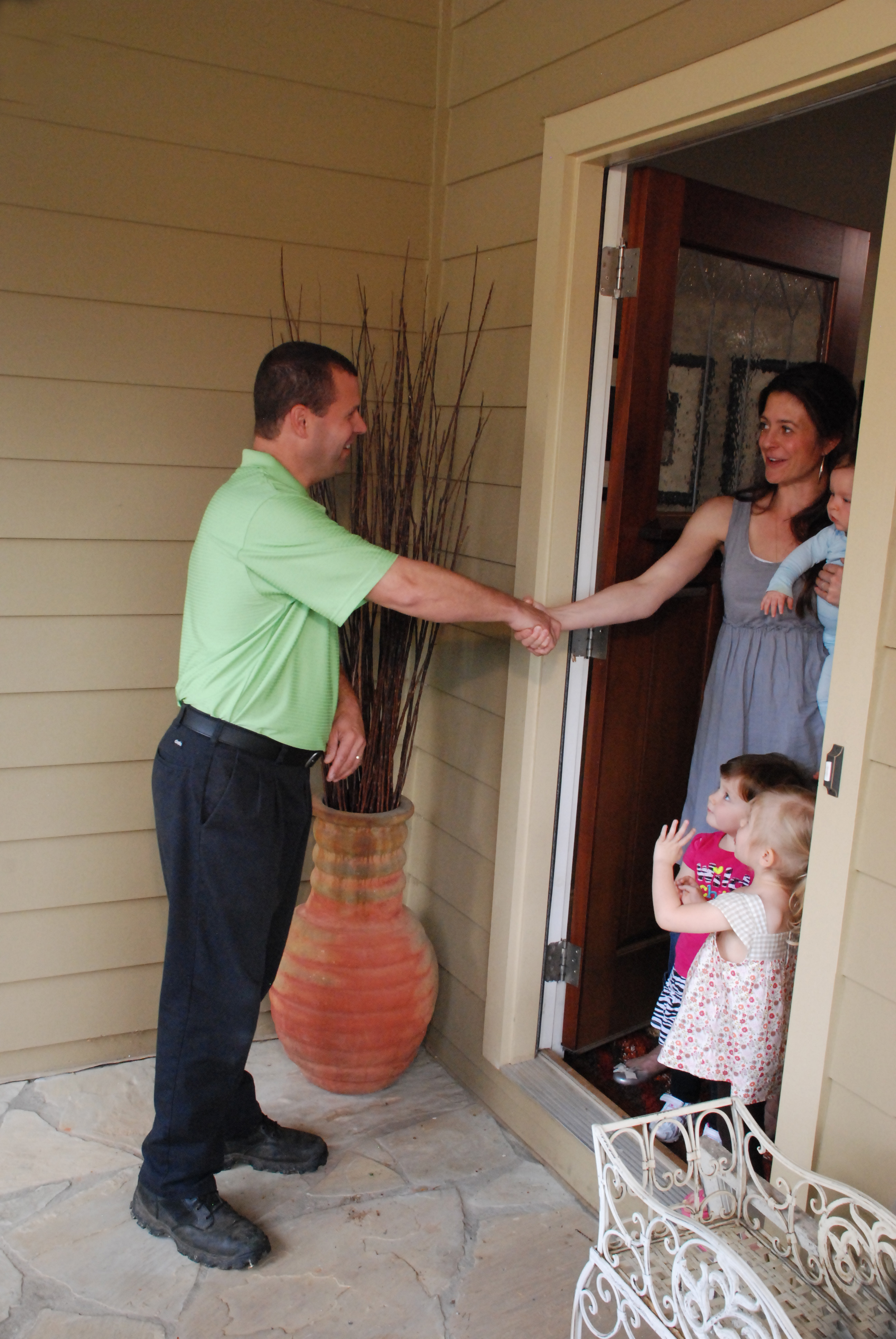
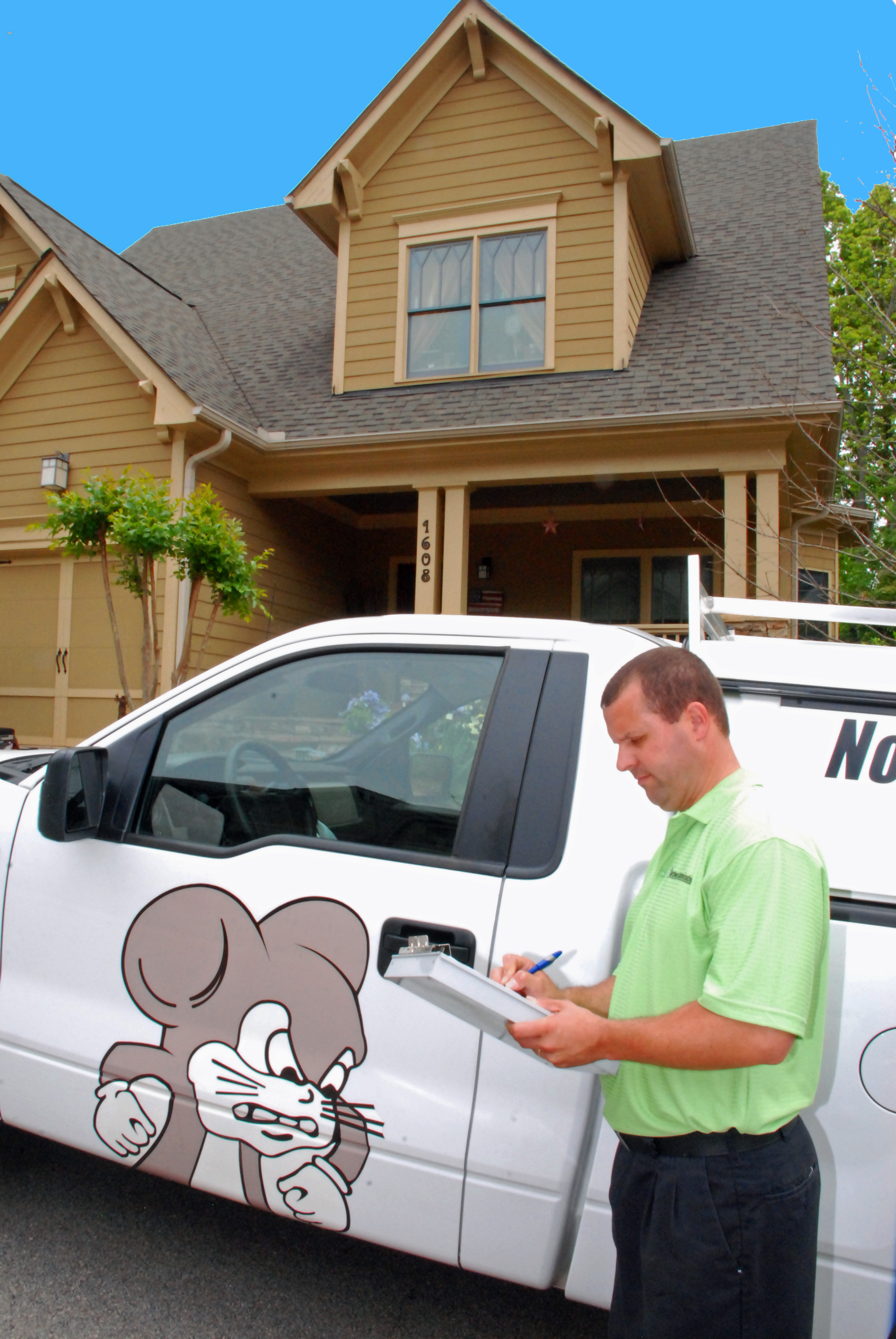
- A highly trained pest management professional should be neatly and professionally dressed.
- The exterminator should arrive in a well marked vehicle that clearly states what pest management company they are representing.
- A thorough pest control inspection should include both inside and outside inspection of the structure. This will target common “hot spots”, or entry points, for insects, rodents, and other pests. Common entry points are bathrooms, kitchens, garages, attics, and crawlspaces.
- Along with checking for entry points, the pest control representative will check for conducive conditions that would attract pests.
- An exterminators best friend is their flash light. The flashlight helps them to locate and see insects and harborage areas around the structure. Other common tools that may be used: telescope mirror, moisture meter, and a probing tool.
- Following the inspection, the inspector will review their findings and create a customizable treatment plan that is best suited for the needs of the structure. The customized treatment plan will include how to exclude points of entry, eliminate conducive conditions, and a personalized pest control management plan for ongoing protection.
Getting rid of bugs is important to you and Northwest Exterminating. We want you to know what you should expect out of our highly trained technicians when they inspect your home or business. For more information about pest control visit us online at www.callnorthwest.com.
Northwest Exterminating offers FREE inspections. Call 888.466.7849 or visit our website for your FREE, no obligation inspection.
Apr 13, 2012 | Mosquito, Pest Control, Termite Control
The early spring has brought pests out in full force and we suspect that they will not be slowing down anytime soon. Not only are bugs annoying but they’re a health concern as well.
- West Nile Virus, Encephalitis, dog heartworm – mosquitoes
- Lyme disease – ticks
- Rabies – rodents
- Allergies & Asthma – cockroaches
- Food Contamination – cockroaches, mice/rats
- Salmonella – cockroaches, house flies
- Skin irritation and rashes – lice, fleas, bed bugs, mites
- Venomous bites & stings (that can be accompanied by severe or life threatening reactions) – black widow, brown recluse, scorpion, snakes
- Painful stings (that can be accompanied by severe or life threatening reactions) – fire ants, yellow jackets, hornets, wasps
Pests can carry diseases and cause areas to be unsanitary. These are issues of concern for both homes and businesses. Even the cleanest homes can have bug problems in an environment like this. Carpenter bees, mosquitoes, ants, yellow jackets, silverfish, and other pests have recently been invading properties. If you’re in the Atlanta, Columbus, Savannah, or Nashville area, call Northwest Exterminating. Our NorPest Green program was developed exclusively by Northwest Exterminating to get rid of pests using the lowest environmental impact possible. A Northwest representative will develop a customized plan to target those pests while maintaining the health of your home.
We are strategically placed throughout Georgia and Tennessee to service all areas of Georgia as well as parts of Tennessee, Alabama, and South Carolina. Visit us online or call 888.466.7849 to find the location nearest you.
Apr 6, 2012 | DIY, DIY Pest Control, Pest Control
It is a common misconception that if you don’t have animals in your home that you can’t get fleas…FALSE. Fleas can be an issue in homes both with and without pets. They often attach themselves to rabbits, skunks, possums, and other rodents or wildlife that can be found living in wooded areas around a structure. Their 6”-8” vertical jump gives them the ability to attach themselves to humans and animals.
The thought of fleas creates a sense of uneasiness…and with good reason; fleas can carry several diseases like plague, tapeworm, and murine typhus that effects humans and pets alike. Flea prevention is much easier and less expensive than flea treatment.
Flea Prevention Tips:
- Clean your home regularly – Regular cleaning prevents fleas and many other pests from being attracted to your home. Make sure that spills and crumbs are cleaned up quickly, vacuum floors and upholstery*, and wipe down counters and furniture. Regular maintenance will make a huge difference against pests. (*Immediately empty, seal, remove, and dispose of the vacuum bag outdoors for your trash provider to retrieve.)
- Wash and treat pets – Bathe your pets on a regular basis. Wash any bedding the pet is allowed to sleep on. Treat your pets with flea prevention by taking them to your veterinarian, the groomer, or using over the counter medication. When cleaning, special attention should be paid to areas where pets often spend time.
- Shampooing carpet – Shampooing carpet can be more beneficial than vacuuming alone.
- Keep out wild animals – Wild animals such as rodents and opossums should be prevented from entering the structure and appropriately trapped.
- Wear light colors when outdoors – Wearing light colors enables you to spot fleas more easily.
- DEET – Apply DEET, an insect repellant, when outside.
- Make a fashion statement – Wear long pants and hiking boots when you are outside. It is also best to tuck pant legs into your socks. A look that your neighbors will surely follow!
Do it yourself flea treatments can be effective. However, we would like to warn you that flea exterminating is a difficult task and more often than not should be done by a professional exterminating company like Northwest Exterminating. When getting rid of fleas yourself, keep in mind that fleas can lay up to 50 eggs per day. Only 5% of the flea population is on your dog or other household pets, the rest have fallen off in and around your home.
DIY Flea Treatments:
Disclaimer: Northwest Exterminating does not encourage the use of the following treatments. We strongly recommend that all instructions are carefully followed on packaging of the following products and hold no liability for the following DIY treatments. Please contact a doctor, veterinarian and a professional pest control company before trying any of these treatments.
- Borax powder – Sprinkle borax powder on your carpet (always do a test patch before treating your whole carpet) and let sit for approximately 24 hours. Vacuum and immediately seal and dispose of vacuum bag. Repeat until fleas are gone.
- Water & Dish Soap – Put ½”-1” of water in shallow dish with a squirt of liquid dish soap. Put the dish directly under a lamp or some other form of light. The fleas are drawn to the light and heat which causes them to jump in the water. The soap makes it difficult for the fleas to move and they will eventually drown. Do this for several days until there are no new fleas found in your dish. Continue for a few days to make sure they are gone. Placing several soap and water dishes around the home where fleas are suspected gives you a better chance of getting rid of the fleas faster.
If you have tried DIY flea control methods without any luck, a pest control professional is your best option. A good exterminating company will be knowledgeable about flea prevention and treatment and should treat your home until fleas are gone.
If you’re looking for flea control in the Atlanta, Savannah, Nashville, or Columbus areas Northwest Exterminating is your best choice. Visit us at callnorthwest.com or call at 888.466.7849
Have you tried any of these DIY flea treatments?
Additional links:
https://www.callnorthwest.com/2011/08/facts-about-ticks-and-fleas/
https://www.callnorthwest.com/2011/06/dog-fleas/

 With cooler weather moving in it is the time of year where wildlife such as squirrels, rodents, raccoons, etc, begin to take refuge in your home. Animal control is important for the health of your home. Rodents make for unsanitary conditions by urinating, leaving droppings, chewing on wires, insulation, and other items in the attic, and can often carry disease. Some rodents can be dangerous and will attack if they feel that they or their young are in danger.