Dec 15, 2021 | Pest Control
The holiday season is a time to enjoy family, eat delicious food, and not worry about pests! Unfortunately, overwintering pests such as spiders, rodents, ants, ticks, and more are looking indoors for food, water, and shelter. During the holiday season, Christmas trees, wreaths, firewood, decorations, and storage boxes provide the ideal opportunity for these pests to hitchhike inside.
Check out our top 3 pest prevention tips for holiday pest control.
Check Your Decorations
Attics, basements, and garages provide perfect storage spaces for our holiday decorations. These areas in your home are dark and secluded, making them the perfect place for pests to invade. Stored decorations provide an undisturbed hiding place for pests such as mice, rats, spiders, and more. These creatures will often crawl into the storage boxes you put away last season, contaminating and destroying your decorations.
To ensure that you do not bring these pests into your main living space, inspect and unpack these items outside first. After the holiday season has ended, pack your decorations like foliage, potpourri, and Indian corn in air-tight containers to help prevent pests for next year.
Check Your Firewood
With colder weather here, many homeowners start utilizing their fireplace, bringing in more firewood from outside. However, it’s crucial to inspect firewood before bringing it inside the home. Pests like spiders, termites, and ants are often found on firewood. Consider placing the firewood outside 20 feet from your home and on a raised platform.
Check Your Christmas Tree & Wreaths
If your family celebrates Christmas, you might opt to buy a real Christmas tree and wreath. While both can showcase the authentic look of Christmas, they also tend to carry pests such as spiders, moths, mites, and even squirrels!
To prevent these unwanted pests from hitchhiking indoors, inspect both items outside and then shake them. Also, check these items for any droppings, gnaw marks, or other damage before bringing them inside.
If you suspect that you have a holiday pest problem, consider reaching out to your local pest control company. These professionals will be able to inspect your home, provide the best pest control plan, and recommend prevention techniques for your home.
Nov 5, 2021 | Pest Control
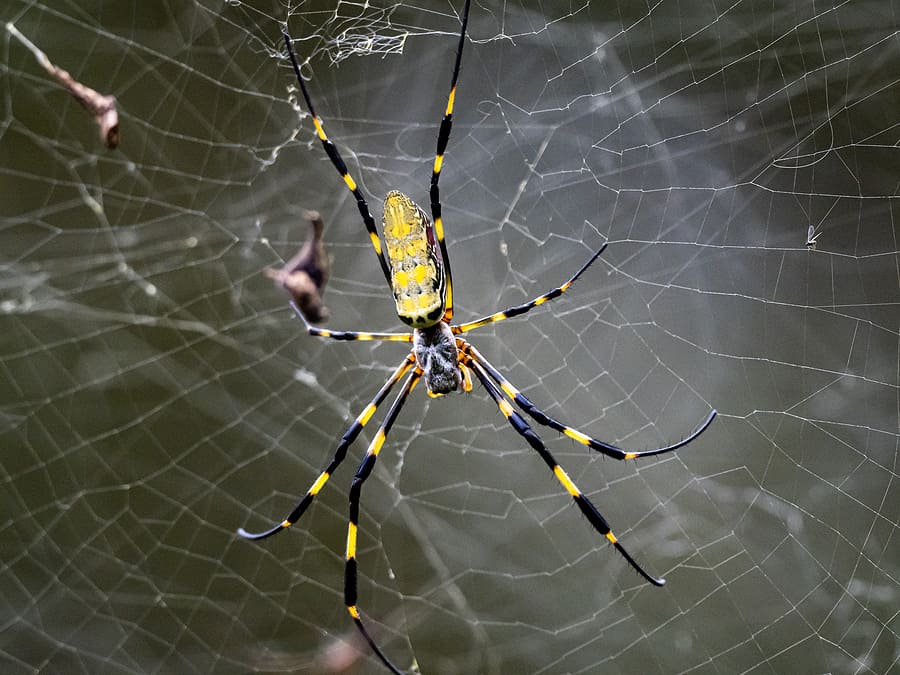
The Joro spider, also known as Trichonephila clavata, is a member of the recognizable orb weaver family. These particular spiders are characterized by their large size (up to 3 inches in length with their legs extended) and yellow and blue-black striped backs with red undersides. Joro spiders are known for constructing large, wagon-wheel shaped webs that are a golden color. These webs can be several feet in length.
Joro spiders are native to Asia, particularly Japan, China, Korea, and Taiwan. In 2014, the first instance of the Joro spider in North America was confirmed in North Georgia. Subsequent sightings have been confirmed as far away as Greenville, South Carolina. It is unclear how and when these spiders first arrived here in Georgia but researchers believe they are here to stay. In fact, researchers have confirmed their presence in at least 25 counties in the state.
Joro spiders are not considered harmful to humans or pets. They will bite when provoked but are not considered a threat. Joros are beneficial to have around as they are one of the only species known to eat adult brown marmorated stinkbugs. They also help keep mosquito and other nuisance pest populations in check. Joro spiders do have predators in our area; both birds and wasps will eat them.
The jury is still out on whether or not there will be any long-term ramifications on local ecosystems. One thing all the researchers agree on is that the Joro spider is likely here to stay.
You May Also Be Interested In:
Are Carpenter Ants Active During the Winter?
Why Do I Have Centipedes?
Why Identifying Spiders is Important for Prevention
5 Pests That Can Destroy Your Lawn
Which Season is Worst for Bed Bugs?
Oct 27, 2021 | Pest Control
Nothing says “Halloween” like spotting a few cobwebs around the house! While it’s always fun to see cobweb decorations during this time of year, it’s not as fun having to deal with them year-round. Since the temperatures have cooled off, many spiders are looking indoors to inhabit a warmer environment. It’s important to understand common types of spiders in order to provide the best treatment if they’ve infested your home.
Brown Recluse
The brown recluse spider is light to dark brown, with a signature brown violin shape on its backs. If threatened, these spiders will bite, which can be painful and leave an open sore. If bitten, some can experience fever, restlessness, and difficulty sleeping. Brown recluse spiders can be found in debris and woodpiles. If they’ve snuck inside your home, they can often be found under furniture, inside storage items, in baseboards, closets, and crawlspaces.
Wolf Spider
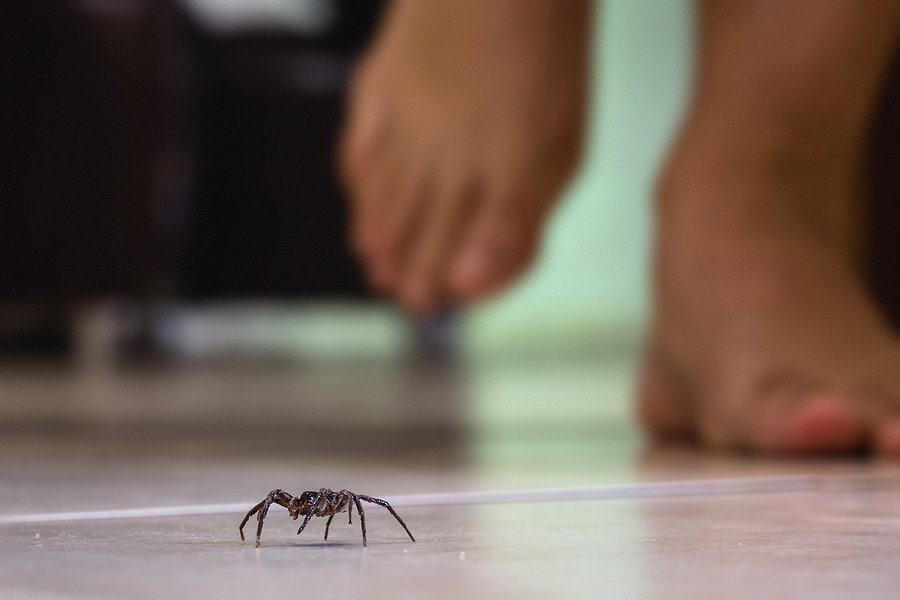
Wolf spiders are dark brown with paler stripes or markings and long, spiny legs. These spiders are large and hairy across their bodies. While these spiders will bite, it’s rare that they do and are not a significant threat to humans. Inside homes, wolf spiders tend to stay near or on the floor, especially along walls and under furniture where they chase their prey instead of capturing them in their webs. If outside, they like to inhabit firewood piles, leaves, yard debris, and stones.
Common House Spider
House spiders can vary in color but are usually yellow to brown with elongated abdomens. Although not a threat to humans, they are a nuisance to have in the home as they can produce and leave behind webs throughout the house. They can often be found in ceiling corners, under furniture, and inside closets, basements, garages, and crawlspaces. If outside, you will commonly find them spinning webs around windows, under eaves, and near light sources that attract food.
By recognizing each spider species and knowing where they most often inhabit, you can utilize the correct preventative measures to eliminate the chance of an infestation. Check out some of these easy do-it-yourself spider prevention tips:
- Keep garages, attics, and basements clutter-free.
- Avoid leaving clothes and shoes on the floor.
- Seal any cracks and crevices around the home.
- Call a professional pest control company. They will perform an inspection and provide you with the correct treatment and prevention plan for any spiders seen throughout your property.
Oct 20, 2021 | Commercial
We know your business, customers, and team are at the top of your mind; so when you spot a pest problem, you will likely ask two questions: How can you get rid of them, and where did they come from? Every business owner must be aware of what is attracting and drawing pests inside. Here we break down certain factors that could make your business vulnerable to pest invasions and some commercial pest control tips you can utilize.
Garbage & Trash
Pests need a food source to survive and trash is the perfect way for them to get it! Common pests like rodents and roaches will often seek these areas. It’s extremely important to empty the trash multiple times a day, along with keeping your business’s dumpster cleaned and maintained throughout the week. Place your trash receptacles and dumpster far away from your business building. Always make sure that the container lids are tightly sealed and always kept closed.
Irregular Cleaning
A clean business is not only appealing to customers but will also help to avoid a pest infestation. Throughout each week, regularly sweep and vacuum up food crumbs and debris from the dining areas, kitchens, break rooms, and entryways. Make sure to pay attention to areas behind furniture and appliances, as well.
Deliveries & Shipments
Packages, boxes, and containers will often host hitchhiking pests! Pests like roaches or spiders will latch onto these deliveries and easily make their way inside your business. If you can, dedicate a space inside, away from your customers, to inspect these deliveries. Some great ways to tell if there is a pest infestation, besides seeing the actual pest, is noticing any rips, tears, or holes, or seeing droppings. If you notice any of these signs of pests, take the packages outside immediately and make sure to discard the boxes away from your business.
Sep 22, 2021 | Pest Control
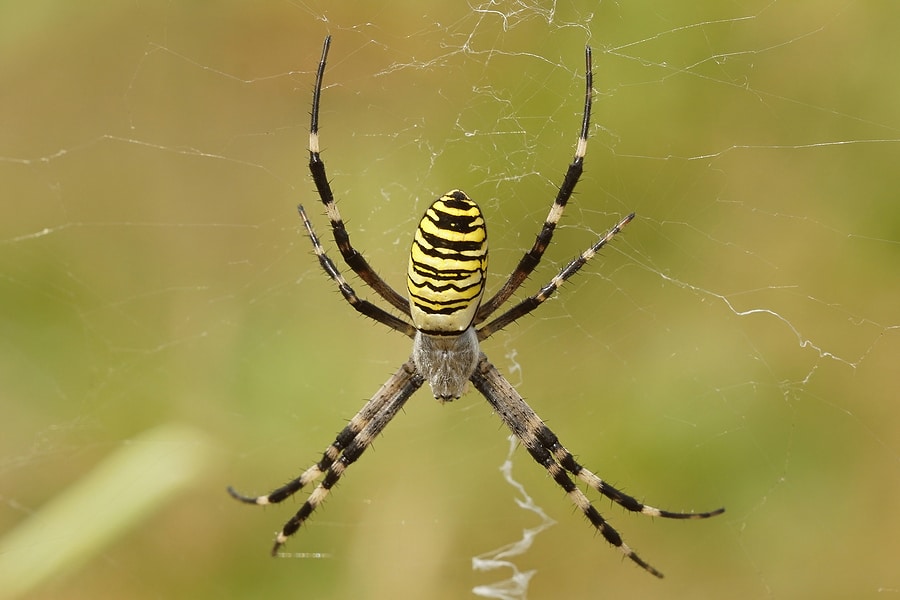
Orb weaver spider is the collective name for a group of spiders in the family Araneidae. This diverse group of arachnids are famous for the large, Halloween-inspired webs they create. Are orb weavers venomous? Should we be concerned when we encounter one in our yard or garden? The short answer to these questions is yes, they are venomous but no, they aren’t dangerous to humans. Let’s take a closer look at this fascinating species of spider.
Orb weavers are large spiders that are most commonly seen in late summer and early fall. They eat small insects like flies, moths, wasps, mosquitoes, and beetles. Around your home, orb weavers can often be found near outdoor lights, in tall grass and weeds, on tree branches, fences, walls, and bushes. There are 180 species of orb weaver spiders in North America alone. They are found throughout the world on every continent except Antarctica. Many species of orb weavers are bright yellow or orange in color while others are a dull gray or brown.
Orb weavers are not hunters or wanderers. They are typically nocturnal spiders and will build or repair their webs at night. Many species will tear down and eat their webs at dawn to both consume the dew that catches on them for hydration and to keep larger animals like birds from tearing down their webs. Orb weaver webs are large, circular grid webs that look like the spokes of a wagon wheel connected by concentric circular strands. These webs can measure up to 3 feet in diameter. These spiders will sit in their webs and wait for prey. Once captured, they will bite and paralyze their victim and warp them in silk to consume later.
While orb weaver spiders can bite and are venomous, they are not considered a threat to humans. In fact, they are beneficial to have around your home as they eat other nuisance pests and help keep their populations under control. These spiders are very docile and non-aggressive. They will usually flee when threatened but will bite if necessary. The bite of an orb weaver has been compared to a bee sting.
While they don’t threaten humans or structures, they can be unsightly and their webs can be a hindrance if built in a high traffic area. If you have a problem with spiders or any other pests, contact your local pest control company for assistance with pest control and prevention.
You May Also Be Interested In:
What to Know About Overwintering Pests
Protecting Your Business’s Outside Space
When Does Snake Season End?
Are Termites Active In Fall and Winter?
Don’t Let the Bed Bugs Bite: Prevention & Control