Aug 27, 2021 | DIY Pest Control, Pest Control
The last thing any homeowner wants to deal with is pests. A household pest is any insect or animal that is commonly found in a household structure that can cause destruction to the property or to your health. While the occasional critter can make its way inside, routine occurrences indicates the likelihood of an infestation. Fortunately there are some DIY pest control tips you can use at home to help prevent these pests from taking over. Here are a few of the most common household pests and how to prevent them.
Ants
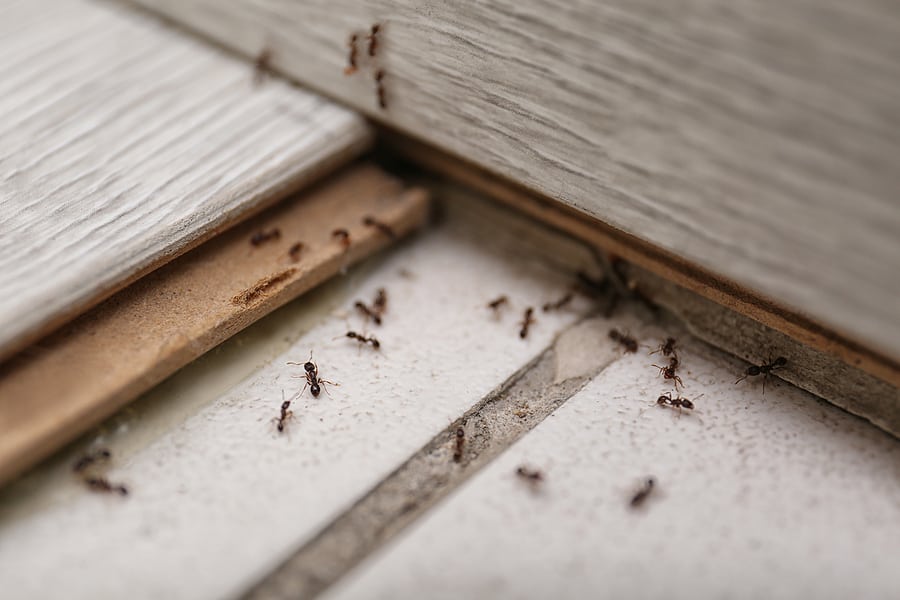
Most ants don’t cause any structural damage to your home (with the exception of carpenter ants). They are, however, the #1 nuisance pest in the United States. Ants are difficult to control because their colonies are so large. These pests typically come indoors in search of food and water and can usually be found near these sources in your home – especially in kitchens and bathrooms. Prevent ants by:
- Keeping your home clean.
- Wiping countertops daily.
- Cleaning up crumbs and spills immediately.
- Cleaning appliances regularly.
- Emptying trash daily and keep trash containers clean.
- Keeping food in sealed containers.
- Getting rid of overripe fruit.
- Repairing leaky pipes.
- Keeping gutters clear.
- Keeping shampoo and soap containers sealed and clean.
- Sealing any exterior holes, gaps, and cracks.
- Trimming back trees and shrubs from the house.
- Clearing your yard of debris.
- Using screens on doors and windows.
Birds
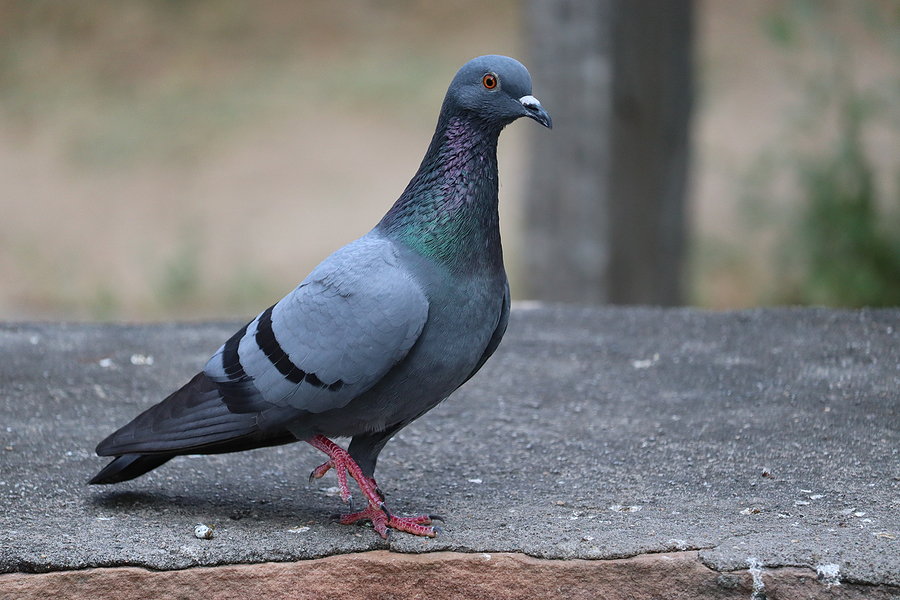
Birds are not usually considered nuisance pests but their nests can obstruct common areas of your home and their droppings can contaminate or damage other areas. Birds usually enter your home in search of food and shelter. Prevent birds by:
- Using saltwater vs freshwater in fountains and water features.
- Not leaving pet food out overnight.
- Keeping grass mowed and hedges trimmed.
- Dismantling nests IF they are actively being built (bird nest removal laws prevent touching nests that are already built or occupied).
- Sealing exterior gaps, cracks, etc. as birds can use these to access attics.
- Hanging strips of aluminum foil from trees or other high places to deter birds.
- Installing predator decoys (like owls and snakes) to scare off birds, moving them frequently.
Cockroaches
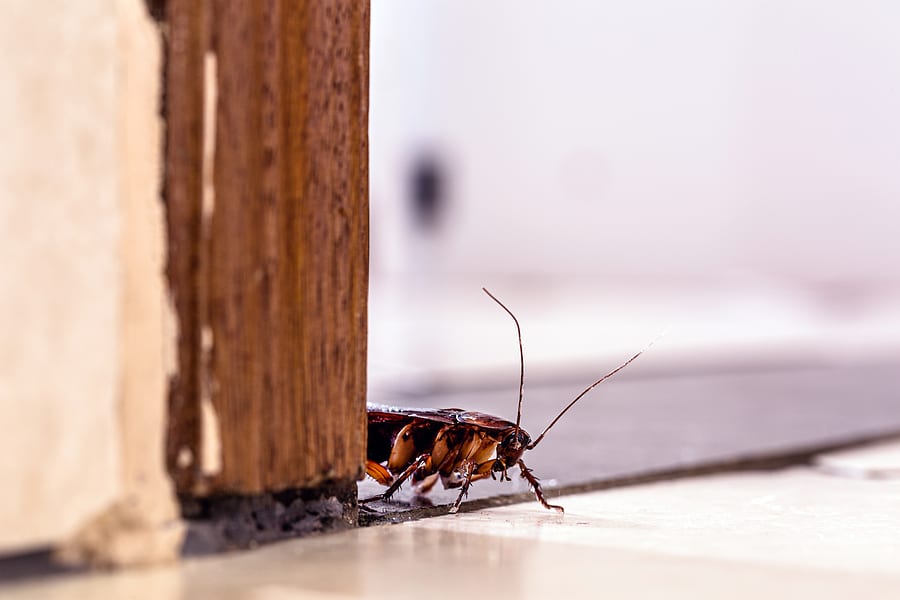
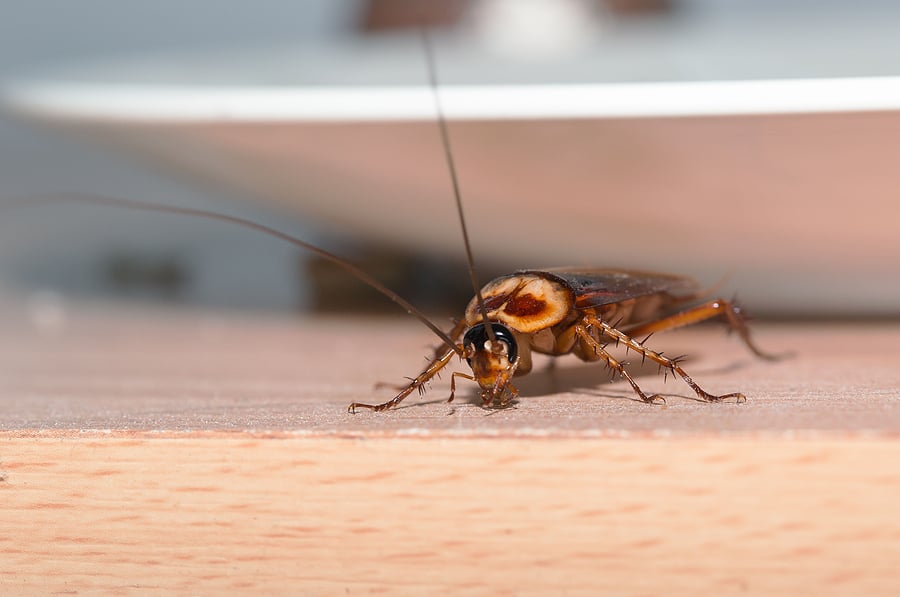
Cockroaches are dangerous to humans as they are known to carry serious diseases and trigger both allergies and asthma. These pests multiply quickly, making them very difficult to control. Roaches will come into homes in search of food, water, and shelter, with them often found in kitchens, bathrooms, and laundry rooms. Prevent roaches by:
- Cleaning up crumbs and spills immediately.
- Throwing away or storing leftover food at night.
- Cleaning surfaces nightly.
- Rinsing food cartons before throwing them away.
- Emptying trash nightly.
- Storing food and pet food in airtight containers.
- Not leaving pet food and water out overnight.
- Using plastic storage rather than cardboard.
- Getting rid of old newspapers and magazines.
- Sealing any exterior gaps and crevices.
- Using weatherstripping.
- Using stoppers or metal baskets in sink drains.
- Repairing leaks.
- Caulking around tubs and sinks to seal them.
- Hanging wet towels up after use.
- Keeping kitchen sponges dry and not storing them on the counter.
Termites
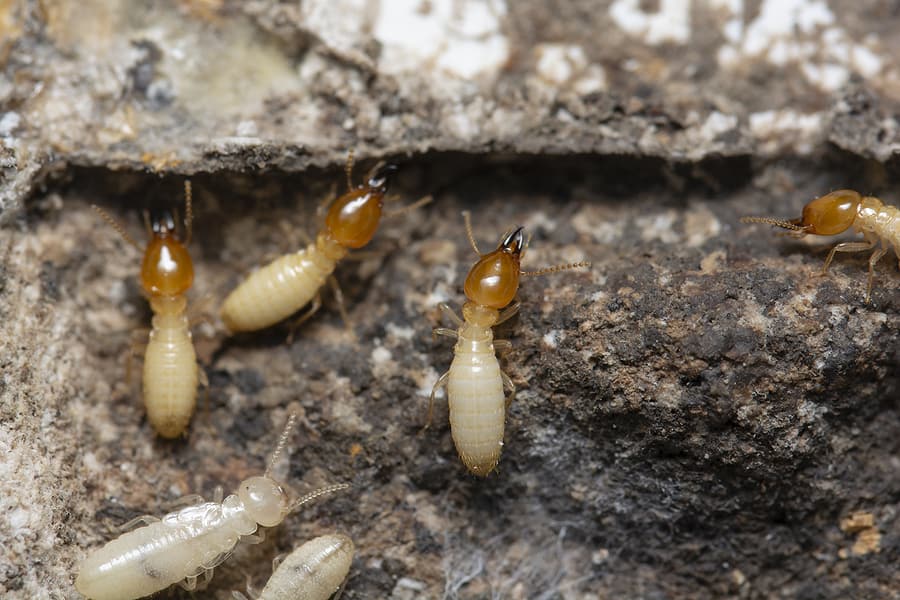
Termites are known as silent destroyers, eating wood from the inside out and going undetected for long periods of time. Common signs of termites include swarms; mud tubes; discarded wings; discolored drywall; peeling paint; wood with a hollow sound when tapped; squeaky floorboards; doors and windows that stick; damaged wood; loose tiles; and buckling floors. Prevent termites by:
- Using concrete foundations when building your home.
- Covering exposed wood with sealant or metal barrier.
- Keeping soil around foundations dry.
- Keeping gutters and downspouts clear and functioning.
- Filling cracks in cement foundations.
- Filling in gaps around where utilities come into your home.
- Fixing leaks immediately.
- Keeping vents unblocked.
- Keeping landscaping trimmed away from the sides of homes and foundations.
- Not storing firewood next to the house.
- Getting an annual termite inspection.
Rodents
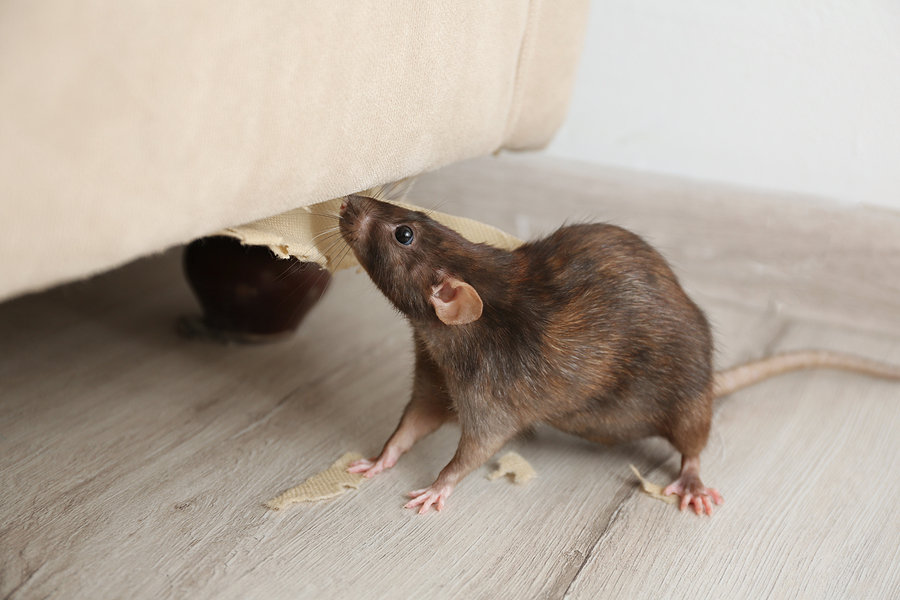
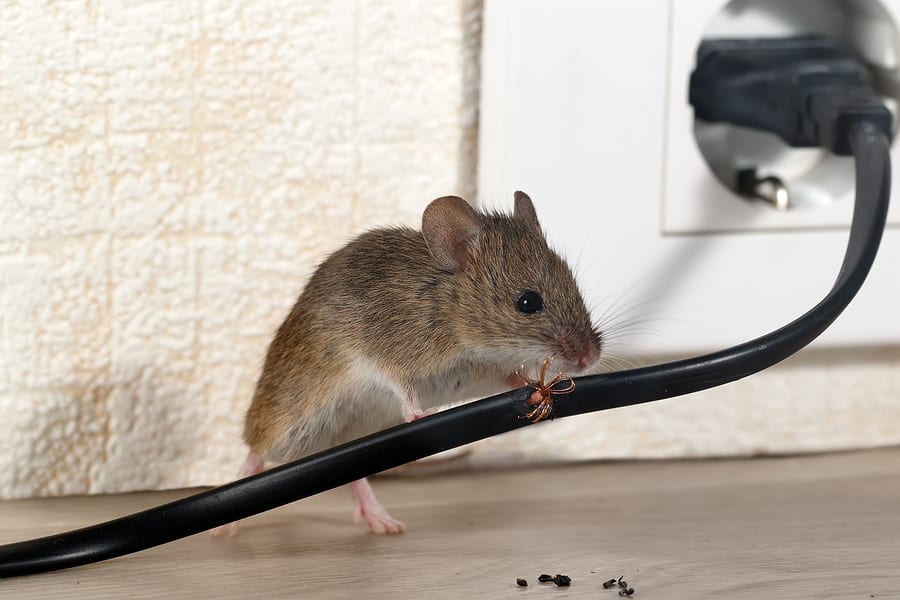
Rodents are common household pests and include rats, mice, squirrels, and raccoons. Rodents can cause significant damage to your property by chewing through electrical wires and insulation. They can also contaminate food and spread disease. Prevent rodents by:
- Using metal trashcans with tight-fitting lids.
- Storing pet food and birdseed in glass or metal containers with sealing lids.
- Picking up fallen fruit and birdseed from the ground.
- Removing standing water from bird feeders.
- Storing firewood away from the home and elevating it.
- Storing boxes in the garage off the ground.
- Storing food in containers.
- Cleaning up crumbs nightly.
- Sealing exterior openings.
- Keeping gutters clear.
- Screening attic vents.
- Screening windows and doors.
Centipedes and Millipedes
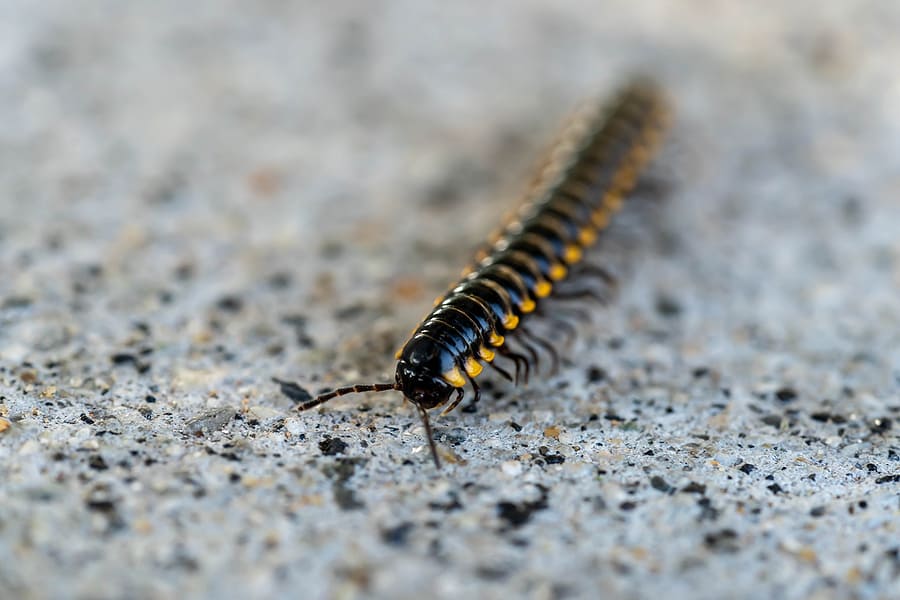
Centipedes are arthropods with 14 or more body segments and one pair of legs per segment. Millipedes are also arthropods but they have 2 pairs of legs on their body segments. Neither of these pests are considered dangerous and don’t cause damage or spread disease. They can, however, be annoying if they infest in large numbers. Both of these pests thrive in moisture-rich environments. Prevent centipedes and millipedes by:
- Repairing leaks.
- Removing standing water.
- Removing moisture-holding ground cover or mulch that is close to foundations.
- Storing firewood away from the house and elevating it off the ground.
- Inspecting firewood before bringing it in the house.
- Sealing doors and windows that are low to the ground to prevent entry.
Spiders
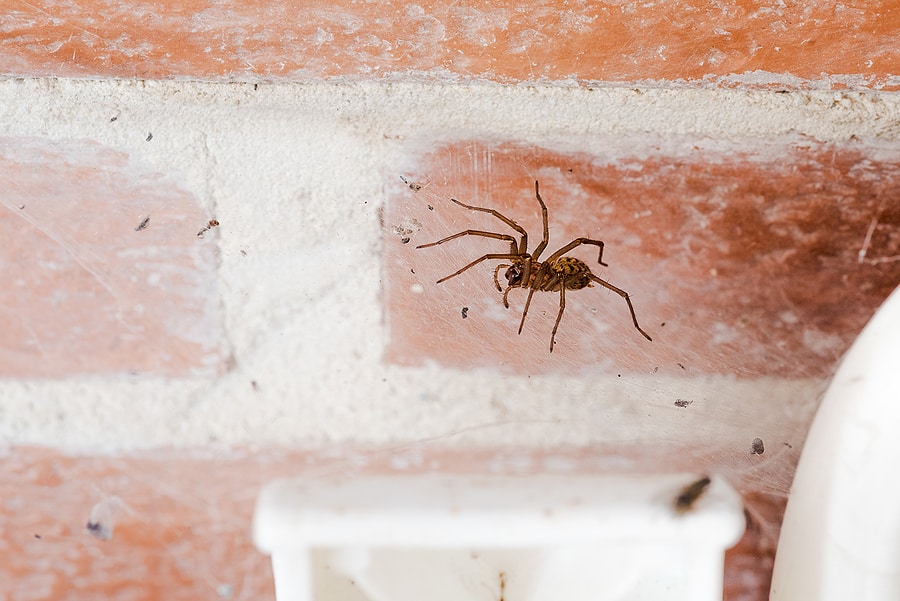
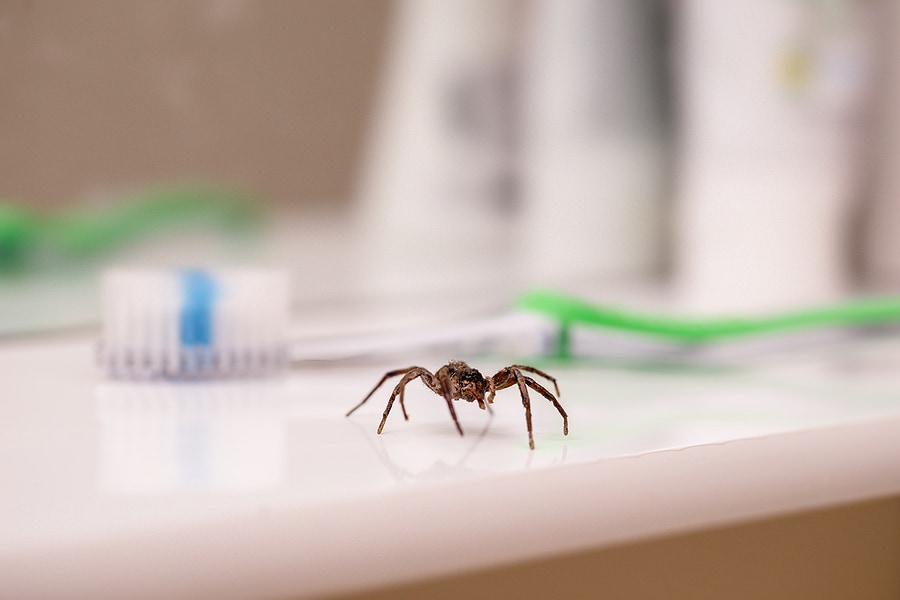
Although there are a few venomous spider species in our area, most spiders that make their way into your home are harmless (and even beneficial by eating other pests)! Prevent spiders by:
- Sealing exterior cracks and crevices.
- Screening doors and windows.
- Vacuuming up spiders and eggs found in your home.
- Brushing down webs with a broom.
- Decluttering your home.
- Vacuuming and dusting frequently.
- Keeping shrubs and plants trimmed back from the sides of the home.
- Keeping mulch a few inches away from foundations.
- Using plastic rather than cardboard storage.
The key to household pest control is prevention. By taking these steps early, you can head off an infestation before it starts. If you have a problem with any household pests, contact your local pest control company for a free evaluation and comprehensive treatment plan.
You May Also Be Interested In:
Preventing Spiders
Termite Damage vs Wood Rot
Preparing for Fall Wildlife
: Maintaining Through Fall
Back To School Means Head Lice Season
Aug 24, 2021 | Pest Control
Creepy and crawly, spiders can easily sneak into homes without you noticing. Most spiders that homeowners come across are harmless; but if you don’t take precautions, you can find them infesting your home. Below are some easy, do-it-yourself tips for spider prevention.
Clean Up Clutter
Spiders tend to look for dark, secluded areas to inhabit. You can often find them in rooms that have clutter, such as basements and attics. To keep these pests from infesting, keep garages, sheds, attics, basements, and other areas that aren’t utilized very often clean and clear of clutter.
In your regularly used rooms, be mindful of leaving clothes or clutter around the house. Try to avoid leaving clothes and shoes on the floor and instead, consider storing them in plastic bins. Shake out any clothing left on the floor and in the hamper.
Repair and Seal
The smallest gap or hole can allow spiders right into your home. Look around the inside and outside of your home and search for any open holes or gaps. Inspect your window screens, doors, and siding, as these are places that can provide openings leading inside.
If you find openings, seal them as soon as possible to eliminate the chance of these pests from entering. Make sure to inspect your house seasonally and provide any repairs.
Check Before Entering
Packages, secondhand furniture, and even groceries provide a perfect gateway inside homes for spiders. These pests will often hitch a ride on these items without you noticing. Make sure to inspect all packages delivered to your porch or steps, groceries as you unload them, boxes of decorations brought in from storage, and used appliances and furniture bought secondhand.
Spotting spiders can be difficult, but once you see them or suspect that you have a problem, it’s best to call your local pest control company to help eliminate and prevent them. A service professional will inspect the exterior and interior of the home to identify and provide you with the best plan of action to treat them.
Jul 9, 2021 | Pest Control
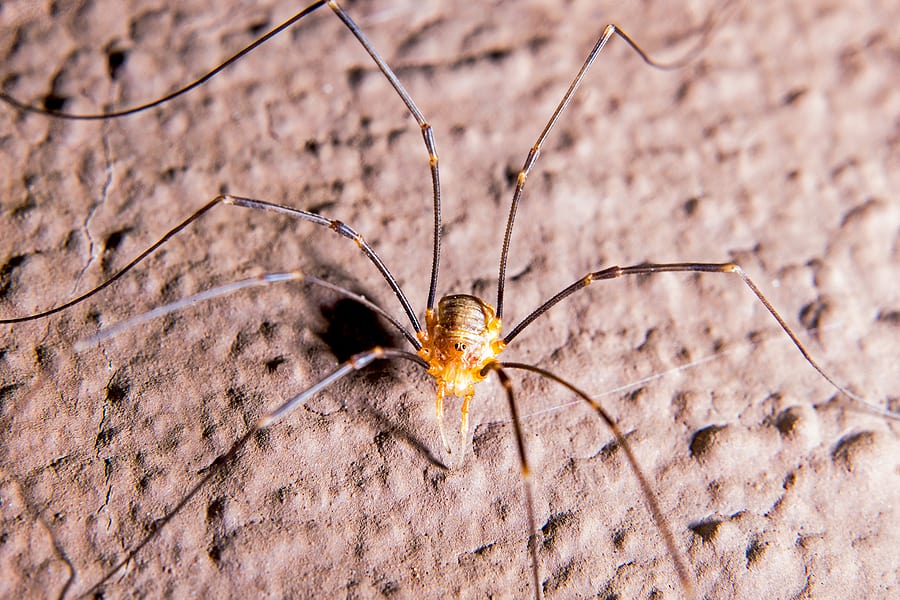
Daddy long legs, also known as harvestmen, belong to the arachnid family but they aren’t, in fact, spiders. They are cousins of spiders, mites, and scorpions. There are several differences between harvestmen and spiders. One of the most prominent is that harvestmen have one pair of eyes while spiders have 8 pairs of eyes. Harvestmen also cannot spin silk to make webs, so they can’t capture their food like spiders do. They have to ambush their prey instead.
Daddy long legs are omnivores and mostly eat spiders, earthworms, and other insects. When their food supply is limited, however, they will scavenge for whatever they can find like dead insects, insect eggs, and even decaying plants. In fact, these creatures are considered beneficial to have around your house and garden because they eat both garden and household pests.
Harvestmen prefer dark, moist environments so they are most often found in basements, crawlspaces, and garages. They have a unique ability to escape their predators by two different means: they can detach their legs (which will continue to twitch for up to an hour after they fall off) to trick their predators and escape; and they can also secrete a foul-smelling, bad-tasting chemical to deter their attackers.
Now you’ve found a daddy long legs inside your house. Should you be worried? Are these pests poisonous? It is important to distinguish the difference between poisonous and venomous. Poisonous pests cause harm when they are touched or ingested. Venomous pests cause harm by injecting venom through a bite. Although harvestmen do have fangs (also called chelicerae), they are primarily used to grasp and chew food. These arachnids are not known to bite humans and are not considered dangerous to either the health or structure of your home.
Because harvestmen are considered beneficial pests, it’s ok to leave them be if you find them lurking around your house. If you just can’t stomach the thought of sharing your personal space with them, the best way to get rid of them is to sweep or vacuum them up. If you have a problem with any other pests, contact a professional pest control company for a thorough evaluation and pest control plan.
You May Also Be Interested In:
Preventing the Top Three Summer Pests
How to Easily Deter Snakes Away from Your Property
Millipede vs Centipede – Which Is More Dangerous?
Orb Weaver Spiders: Dangerous or Not?
Green Mosquito Control: An Eco-Friendly Alternative
Mar 3, 2021 | Pest Control
Spring is a perfect time to tackle home projects and deep clean the entire house! With warmer weather expected, it’s essential to get your home prepared and cleaned to make sure spring pests don’t infest!
For many, the kitchen is the heart and main area of the household. Family members gather, cook, and eat in this space, making the kitchen the ideal place for pests to take advantage of both food and water sources that are left behind. Pests like ants are known to infest the kitchen for these things they need to survive. Beetles and Indian meal moths are also searching for a food source, usually in pantries. To keep all these pests out, homeowners should make cleaning a priority all year long. Wipe down countertops after any spills or mess and clean up any food crumbs that might have dropped. Consider going through the kitchen pantry monthly to discard any expired items and wipe down the pantry shelves.
Keeping moisture out of your bathroom can sometimes feel impossible. Roaches and silverfish are two pests that are highly attracted to moisture and often found in the bathrooms of homes. With a little preparation and cleaning, every homeowner can eliminate moisture to keep these pests at bay. Check under the sinks and around the tub to ensure there are no leaks. Keep the bathroom decluttered by cleaning out the medicine cabinet and washing the shower curtain and liner.
Basements and crawlspaces are both dark and cool, making them the perfect place for pests to take refuge. Rodents and spiders are commonly found in these places and will often seek clutter and dark corners to hide in. Going through and eliminating cluttered items and belongings stored in the basement will help keep deter these pests. If storage is needed, avoid using cardboard boxes and use plastic bins with secure lids instead.
Keeping pests out of your home can sometimes feel impossible. If you notice more pests in your house than you can handle, consider reaching out to your local pest control company. These trained professionals can help identify the pests, provide a prevention plan, and treat areas as needed.
Dec 2, 2020 | Pest Control
Some pests hibernate when the weather gets colder, while others seek out warmth inside of our homes. These overwintering pests will sneak through any open crevice or gap from the exterior of your home and can stay there all winter long undetected. Here are a few crawly pests that could be hiding out in your house!
German Cockroaches
The German cockroach is a common roach species found throughout the world. These roaches range from 1/2 to 5/8 inches and are brown with two-longitudinal stripes running down the thorax. They prefer to live in smaller areas close to food and moisture, such as inside pantries, basements, and bathrooms. Roaches are dangerous as they can contaminate food sources, spreading bacteria and human pathogens by leaving their fecal matter and other debris in and around food and food preparation areas.
To prevent cockroaches, make sure you keep your kitchen counters clean and free of crumbs. Vacuum frequently and always dispose of the garbage regularly. Look out for any leaks in the kitchen and bathrooms, as this moisture will attract roaches.
Brown Recluse Spider
Measuring the size of a quarter, the brown recluse spider can exist in large numbers. These spiders have six eyes arranged in three pairs, which is quite different from other species of spiders that have eight eyes arranged in two rows. The brown recluse prefers to live in dark areas such as under furniture, in wall voids, basements, crawl spaces, and in closets. While these spiders typically spin their webs in darker places, they can also found in cardboard boxes, along window molding, and even in shoes. The brown recluse can be dangerous to humans, as they will bite and inject venom if disturbed or threatened.
To prevent these spiders from entering your home, keep the trees and shrubs trimmed away from the house and roof. Repair any loose siding or shingles as they can easily sneak in through any gaps and openings. Consider installing a mesh cover or cap over chimneys to prevent entry.
Bed Bugs
Bed bugs are 3/16” to 1/4” in length or about the size of an apple seed or a pencil eraser. They are long and brown, flat in shape with an oval-shaped body, and brown in color. These pests enjoy harboring in cracks and crevices during the day and will come out at night to feed. You will typically find them in beds, mattresses, box springs, rails, headboards, and footboards. Bed bugs will bite humans on areas of skin that are exposed during sleep. Bed bugs are also notorious for hitchhiking from place to place through luggage, following you back home after traveling.
To prevent bed bugs, routinely check linens, mattresses, and even pet beds for live bugs. Thoroughly inspect any used furniture before bringing it inside your home. If you have recently travelled, inspect your luggage before bringing it inside your home, immediately take your clothes out and wash them in hot water, and dry them on high heat.
If you suspect that you have any of these pests inside your home, consider reaching out to your local pest control company where they can help identify, inspect, and provide a prevention plan.