May 11, 2018 | Pest Control
As summer approaches we kick off the start of vacation season. We’ll soon be taking advantage of warm weather, sunshine, and school getting out to take off to the beach, camping in the mountains, or just visiting out of town relatives. But people aren’t the only ones hitting the road – pests take advantage of our travels to hitch a ride back home with us too! What can you do to keep these pests from turning your home into an insect’s paradise? Check out these tips to keep your home pest free this summer.
In The Car:
Bed bugs, fleas, ticks, spiders, and roaches like to catch a ride with you from destination to destination, especially on road trips.
- Keep car windows closed as much as possible when you’re on the road, especially when you drive through wooded areas.
- Keep the interior of your car clean and dehumidified.
- Clean up any food and drink spills immediately.
- When you arrive at your destination check the sheets, carpet, curtains, and bathrooms for any signs of pests.
- Elevate your bags in the room and keep them sealed tightly when they’re not in use.
- Check your socks and the inside of your shoes every morning before you put them on.
On A Plane:
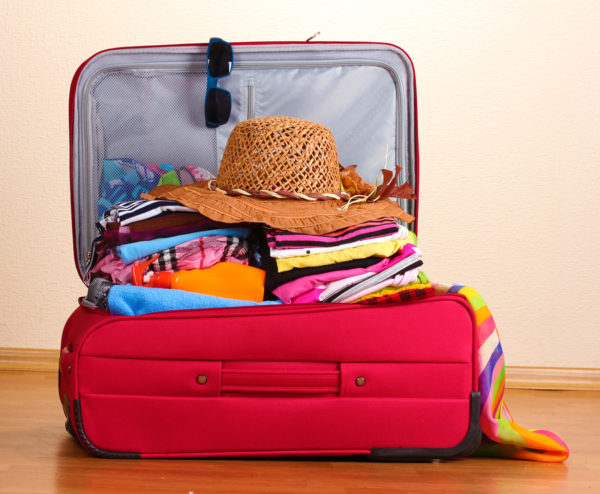
Silverfish, bed bugs, and even moths can hitch a ride in your suitcase. You can pick these up in hotels, your relatives’ homes, and even in the airport.
- Keep your bags sealed when you’re not using them, whether it’s in a hotel, in your car, in the airport, or on a plane).
- Wash and dry your clothes as soon as you get home.
- Don’t keep food in your carry-on bags.
- Don’t take any trash off the plane when you disembark.
- Once you unpack, put your bags in the dryer for at least 20 minutes.
- Inspect everything you bring home for pests, even after you wash and dry it.
In The Woods:
Camping is one of the most challenging environments for pest control. Let’s face it – pests live outdoors!
- Keep your food in sealed containers and make sure to store them at least 10 feet from your camp site and at least 8 feet in the air.
- Make sure you store your firewood at least 20 feet away from your camp site.
- Seal your sleeping bags inside your tent when you’re not using them.
- Check your sleeping bags for pests every night before getting in them.
- Sleep under a mosquito net.
- Wear bug spray.
- Dispose of any food scraps immediately.
- Wash and dry all of your things as soon as you get home, including your tent, your sleeping bags, your clothes, and even yourself).
- Check your whole body, especially any skin folds for ticks.
In Someone’s Home:
One place we don’t often think about picking up unwanted pests is in the homes of our relatives. Pests, however, don’t discriminate – they can be found in even the cleanest of homes.
- Inspect the furniture where you’re staying as soon as you arrive for signs of pests.
- Change the sheets upon arrival.
- Don’t hang your clothes up in the closet.
- Elevate your bags and keep them tightly sealed when they’re not in use.
- Wash and dry your clothes and bags immediately when you get home.
If you suspect a pest problem when you get back from vacation, contact a pest control professional for a thorough inspection.

Apr 26, 2018 | Pest Control
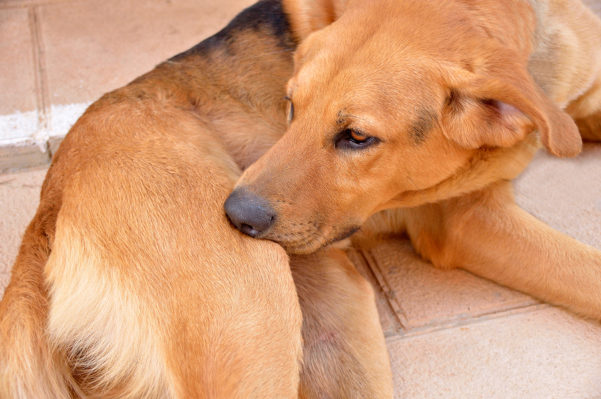
Summer brings hot temperatures and high humidity. It also brings some of the most annoying pests – fleas and ticks. These parasites can cause significant health issues for your pets including Lyme disease, anaplasmosis, and ehrlichiosis. Fleas and ticks are practically impossible to keep at bay and can take weeks to months to get under control. What can you do to protect your pets from these parasites? Check out these 8 tips to prevent fleas and ticks from taking over your pets and your home.
- Use a preventative year-round. While fleas and ticks are more common in the summer months, some can survive indoors during the winter. Check with your vet to see which preventative product is best for your pet and use it as directed. Make sure to check the expiration dates on products as they will lose their effectiveness after the expiration date. Check with your vet to see if there are any new products you can try that may not have been on the market before. Make sure to check the labels to ensure dog products are used on dogs and cat products are used on cats. Some products that are made for dogs contain an ingredient that is toxic to cats.
- Check regularly for ticks. You should perform tick checks on your pets regularly, especially if you have been in areas that may have ticks. Make sure to check all over your pet’s skin, in their ears, and under their armpits. Remove any ticks that you find immediately and notify your vet if your pet has been bitten.
- Groom your pet regularly. Comb your pet on a regular basis with a flea comb/brush. this allows you to bond with your pet while still giving you a chance to check for any parasites that may be hiding under their fur. Bathe them at least once a week with a flea and tick shampoo.
- Get regular checkups. Make sure to stay up to date with routine examinations with your vet. During the exam your vet will check for any signs of parasite problems to make sure the preventative product you are using is effective.
- Clean behind your pets. Clean crates and carriers at least once a week with warm, soapy water. Commit to a weekly wipe down of their equipment. Bedding should be cleaned in hot water at least once a week. Choose a pet bed that has washable, removable cushions and covers. If you can, try and have more than one cover so you can replace one while the other is washing. If your pet’s bedding looks or smells dirty even after washing, replace it and start a regular laundering schedule.
- Vacuum often. Fleas are known to live in carpets, rugs, and pet bedding. Try to vacuum at least once a week and more often if you actually spot fleas. Fleas also avoid high traffic areas so make sure to vacuum along baseboards, under furniture, under cushions, and anywhere your pets sleep or spend significant time. Change your vacuum bags frequently.
- Clean up your yard. Fleas prefer warm, moist, shady areas while ticks like to hide in tall grass. Mow your lawn regularly. Keep bushes and shrubs trimmed back. Rake leaves, brush, and clippings from your yard to give pests fewer places to hide and breed.
- Don’t attract wildlife. Wildlife like opossums, coyotes, raccoons, skunks, and feral cats can bring fleas and ticks into your yard. Try to limit the access these animals have around your house and in your yard. Don’t leave bowls of pet food and water outside. Keep pet food stored in sealed containers. Remove food from bird feeders nightly. Use trashcans with locking lids. Seal any openings to crawlspaces, garages, sheds, and decks.
If you suspect a flea or tick problem, call a professional pest control company who can come and thoroughly inspect your home and yard and provide you with a comprehensive treatment and prevention plan.
Apr 3, 2018 | Mosquito, Pest Control
The South is known for many things like warm weather, sweet tea, and southern hospitality. Unfortunately, the south is also known for another thing – mosquitoes! Mosquitoes thrive in warm, humid climates like we have here in the southern United States. As the weather warms, mosquito season begins and peaks in the mid-summer months. Mosquitoes can breed in less than 1 inch of water so the South offers them a multitude of habitats to expand their populations.
Mosquito bites cause irritation and itching of the skin. Besides this nuisance, mosquitoes can also transmit diseases that can threaten the health of both humans and animals. Here are some of the most common diseases that can be spread by mosquitoes:
MALARIA
- Spread by Anopheles species of mosquito
- About 1700 cases per year in the US
- Most cases are from travelers returning from malaria infected countries
- Serious disease, sometimes fatal
- Symptoms include high fevers, chills, sweats, headache, body aches, nausea and vomiting
- Curable if diagnosed and treated promptly
- The potential for the disease to re-emerge in the US is present especially in the South
DENGUE
- Spread by the Aedes aegypti mosquito
- Rarely occurs in the US but rampant in Puerto Rico and Latin America
- Symptoms include high fever, severe headache, pain behind the eyes, joint pain, muscle and bone pain, rash, and mild bleeding (especially of the nose and gums)
- No vaccine to prevent in the US but there are vaccines registered for use in other countries
- No specific treatment; treat symptomatically with pain relievers, fever reducers, rest, and fluids
CHIKUNGUNYA
- Spread by the Aedes species of mosquito (Aedes aegypti and Aedes albopictus)
- Very similar to dengue and Zika
- Symptoms include fever, joint pain, headache, muscle pain, joint swelling, and rash
- Rarely fatal but extremely debilitating
- No vaccine to prevent
- Treatment is symptomatic with rest, fluids, fever reducers, and pain relievers
WEST NILE VIRUS
- West Nile Virus has been detected in over 30 species of mosquitoes
- Cases have been reported in all of the continental US
- Most people (8/10) do not have any symptoms at all
- 1/5 people have a high fever
- 1/150 people develop encephalitis which can be fatal
- No vaccine to prevent
- Treatment is symptomatic with fever reducers and pain relievers
ZIKA
- Spread by the Aedes species of mosquito
- Also spread by sexual contact and from pregnant mothers to their fetus
- Cases have been reported in all of the continental United States
- Symptoms include fever, rash, headache, joint pain, red eyes, and muscle pain
- Zika can also cause birth defects when passed to babies from their mothers during pregnancy
- No vaccine to prevent
- Treatment is symptomatic with rest, fluids, pain relievers, and fever reducers
PREVENTION:
Now that you know some of the diseases you can contract from mosquitoes what can you do to prevent them? Avoiding mosquito bites is the #1 way to prevent all of the diseases mentioned above. Check out these tips to avoid mosquito bites and help keep them away from yourself and your home.
- Eliminate standing water around your home, especially in old tires, buckets, plastic covers, toys, and any other containers that can hold water.
- Empty and change the water in bird baths, fountains, wading pools, and rain barrels at least once a week.
- Empty and change water in outdoor pet bowls daily.
- Check gutters for clogs which can cause water to pool. Clean them regularly, especially during the summer season. Consider installing gutter guards to help prevent clogs.
- Drain and fill any temporary pools of water around your home with dirt. Try to get your yard as level as possible.
- Keep swimming pool water treated appropriately and circulating.
- Make sure window and door screens are in good repair. Cover any gaps in walls, doors, and windows to keep mosquitoes from getting into your home.
- Keep doors and windows closed and stay indoors as much as possible, especially during the summer months.
- Keep your grass cut short and rake up any fallen leaves. Mosquitoes like to rest on grass during the day so keeping it short will eliminate this. Leaves can hold enough water for mosquitoes to breed so keep them raked up, as well.
- Replace your outdoor lights with yellow “bug lights.” These don’t eliminate mosquitoes but they do attract less of them than regular lights do.
- If you have to go outside, wear long sleeved shirts, long pants, and socks. Tuck your shirt into your pants and your pants into your socks to protect as much skin as possible.
- If you have to be outside in areas where there are a large number of mosquitoes, use head nets, long sleeves, and long pants.
- Use EPA-registered mosquito repellents but be sure to follow precautions and instructions carefully.
- Avoid using scented bath products if possible. While the connection is unknown, studies have shown that mosquitoes seem to be attracted to fragrances found in shampoo, perfume, cologne, and lotion.
Mar 9, 2018 | Fire Ant, Pest Control
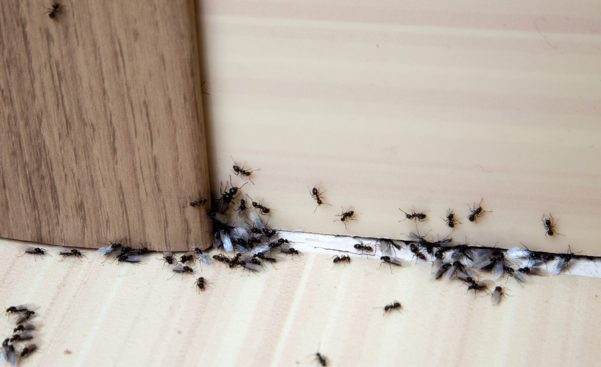
Ants have been named the #1 nuisance pest in the United States. Ants are social insects that live in colonies. They enter our homes looking for food and shelter. Ants primarily look for foods that are sugary and sweet or greasy and protein-based. Once they find food, they leave a pheromone trail behind that other ants will follow.
There are over 700 species of ants in the United States. At least 20 of these species are known to infect homes and other structures. There are several species of ants that are common to our area. The 5 most common are:
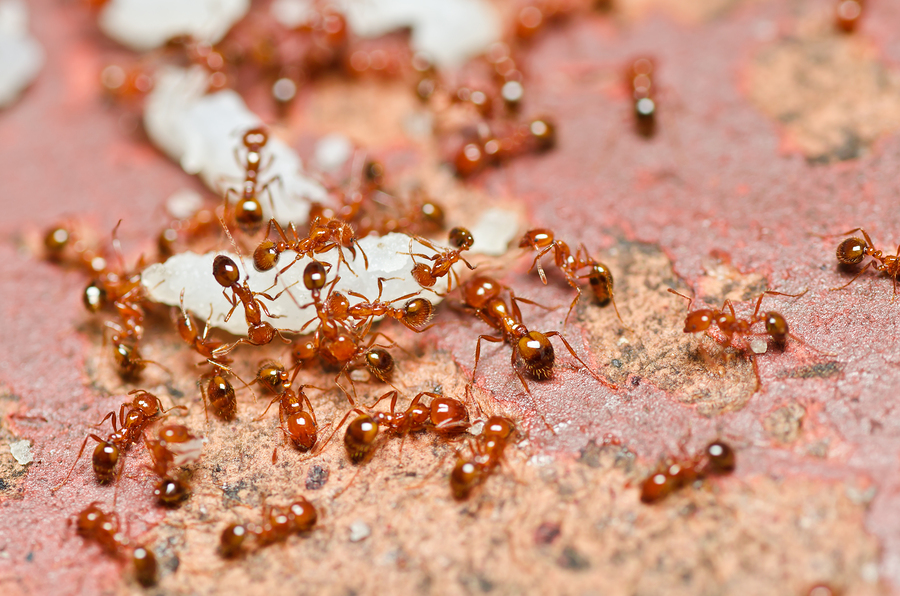
FIRE ANTS:
Fire ants build large, raised mounds. They prefer to nest in open, disturbed areas. They commonly nest in yards, fields, and roadsides. Fire ants are known to devastate local insect populations and small wildlife. They are also known to eliminate ground nesting bird species because they attack their newly hatched nestlings. Fire ants cause painful stings when they bite and will bite humans when threatened.
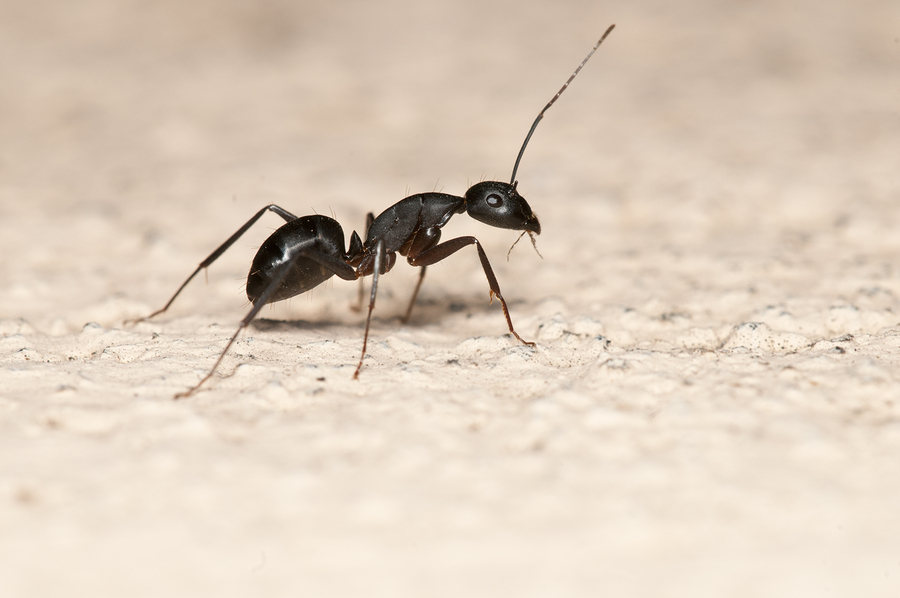
CARPENTER ANTS:
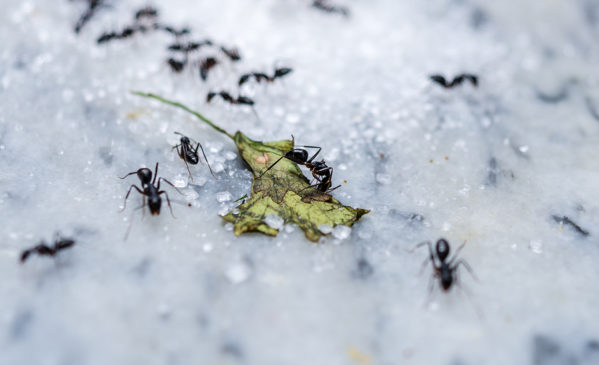
Carpenter ants are black in color. They are nocturnal and will exit their nests about 15 minutes after sunset in large numbers. Carpenter ants will invade kitchens in the summer months in search of food and water. They will invade structures if moisture is present. Carpenter ants can be very destructive to homes.
ARGENTINE (SUGAR) ANTS:
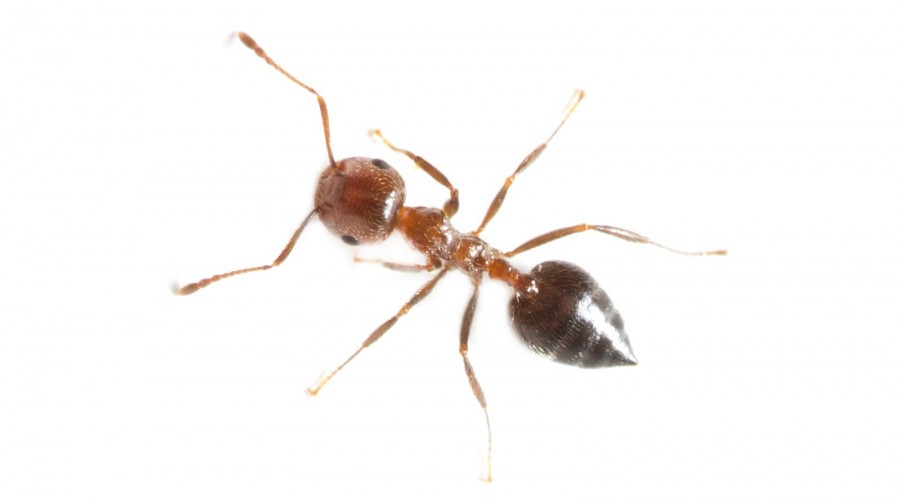
Argentine ants are light brown in color. They can easily squeeze through small cracks and holes. Argentine ants are known to set up colonies in the ground, in concrete walls, between boards and timbers, and among the belongings in your home. These ants are commonly seen in homes and will enter them in search of food and water. They are especially common during dry or hot weather or after a heavy rainfall. Argentine ants exhibit strong trailing behavior and can exist in high numbers. They move very quickly and are named among the world’s 100 worst animal invaders.
ACROBAT ANTS:
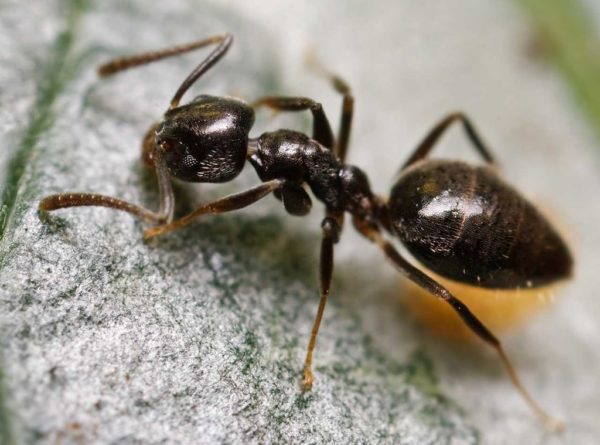
Acrobat ants are dark colored with a heart shaped abdomen that they will hold up in the air like a flag when disturbed. They will nest inside decaying wood. Acrobat ants form single file trails and leave behind small sawdust piles that are similar to those of carpenter ants. These ants produce a mild sting when they bite. Acrobat ants may move into your attic to incubate their eggs and will tunnel into water damaged wood.
ODOROUS HOUSE ANTS:
Odorous house ants are dark colored and give off a strong rotten coconut smell when they are crushed. They exist in large numbers where there is plenty of moisture. They form trails similar to Argentine ants. Odorous house ants are one of the most difficult pests to get rid of from structures. They will often establish their colonies in earth filled porches and block walls.
PREVENTION:
Since ants are one of the most difficult pests to get rid of, what can you do to keep them from invading your home in the first place? Check out these tips for keeping the ants out of your personal space.
LOCATION:
- Learn where ants are common and routinely inspect those areas for activity.
- Ants will frequently infest kitchens because of the ample supply of food and water.
- Ants are also commonly found in bathrooms, bedrooms, living rooms, basements, attics, inside walls, and in and around HVAC units.
FOOD:
- Ants will come into your home in search of food for themselves and their young.
- Keep your kitchen clean and tidy.
- Wipe down counters routinely.
- Sweep on a regular basis.
- Clean up crumbs and spills immediately.
- Store your food in air-tight containers.
- Keep ripe fruit in the fridge.
- Wipe down sticky jars such as jelly or jam.
- Use lids on trashcans and empty them regularly.
- Make sure sink drains and filters are cleaned regularly.
- Enclose mulch and compost heaps when possible.
WATER:
- Reduce moisture and standing water around your home.
- Repair leaky pipes and check under your sinks routinely for drips.
- Use a dehumidifer in damp basements, crawlspaces, and attics.
- Consider enclosing your crawlspace to eliminate moisture.
- Make sure gutters and downspouts are clear and functional so water flows away from foundations.
- Paint or seal any exposed wood before it gets wet.
- Replace or remove any water damaged wood.
ACCESS POINTS:
- Ants can squeeze through extremely small openings.
- Inspect the outside of your home for any easy access points and eliminate them.
- If you are having trouble identifying the access point, follow the trail of ants.
- Once you find the entry point, clean around it with detergent to remove the pheromone trail that attracts fellow ants.
- Trim trees and bushes away from the exterior of your home.
- Seal any cracks and crevices in the outside of your home with silicone-based caulk. Make sure to check around areas where utility pipes come into your home.
- Remove dead stumps from your property.
- Store firewood off the ground and at least 20 feet from your home.
- Flying ant season begins in spring/summer. During this time of year keep doors and windows closed as much as possible.
PETS:
- Pet food and water bowls also attract ants.
- Keep pet food bowls clean and clean up any spilled food or water immediately.
- Don’t leave pet food bowls out overnight.
- Store dry pet food in sealed plastic containers instead of bags.
- Inspect dog and cat doors to make sure pests can’t get through them.
CALL THE PROS:
Eliminating ants can be an uphill battle. If they aren’t properly treated, the infestation can continue to grow despite your best efforts. Some ants like carpenter ants can cause serious property damage. Other ants like fire ants can pose a serious health threat to your family. Other species, while not necessarily a threat to your family, can still contaminate your food. If you suspect you have an ant problem call a professional pest control company. A professional can identify what species of ant you have which is the first step in eliminating these nuisance pests. They can also find the entry points and provide you with a thorough and comprehensive treatment plan.
Feb 2, 2018 | Pest Control
Just like the weather changes with each season, so do the pests that we see. Some pests prefer warmer weather and peak in spring and summer while other pests will surge in the winter as they come inside to get out of the cold. The ways that you prepare your home will depend on what time of year it is and what pests you are preparing for. We have provided you with a few of the most common pests for each season so you can be better prepared all year long.
SPRING:
Springtime brings about an increase in temperatures, the melting of ice, and the blooming of flowers. These warmer temperatures bring many pests out from their winter hiding places. As these animals emerge they will have one thing on their minds – food and water! Spring is also mating season for many species. Here are some common spring pests to look out for:
- Ants: Ants forage for food in warmer weather. As the temperatures increase, ants will venture farther and farther from their colonies in search of food. This will eventually drive them into our homes. The heavy rains in spring also drive ants out of their colonies in search of higher ground.
- Termites: Spring is the start of termite season as they leave their nests to mate and start new colonies. This is also known as “swarming.”
- Mosquitoes: Heavy spring rains provide the ideal breeding ground for mosquitoes. Mosquitoes will increase their activity in spring in preparation for their peak season which is summer.
- Flies: Flies reach maturity at the beginning of spring. Once they mature, they will flock to areas that humans inhabit as they look for food. They prefer liquids and other sweet foods.
- Spiders: Spiders become active in the spring as they search for food. The increase in insect activity as they wake from their winter slumber provides ample opportunities for spiders to feed.
- Stinging Insects: Stinging insects include bees, wasps, yellow jackets, and hornets. These insects wake up from their dormant stage in the spring and they become more active. Spring is the start of their mating season as they seek to establish their nests and breed.
- Bed Bugs: Although bed bugs are a year round problem, their populations can spike in springtime because of the increased travel for Easter and spring break from schools.
SUMMER:
While we get somewhat of a break from pests in the summer months, there are a few species who peak during this hot season. Summer is typically the time in many pests’ life cycles where they are maturing and are less of a threat to humans. Here are some common summer pests:
- Mosquitoes: Mosquitoes are the most common summer pest. The warmer temperatures allow mosquitoes to move through their life cycle faster which means they lay more eggs in the summer months. The summer rains also provide the ideal setting for mosquitoes to breed.
- Stinging Insects: Stinging insects reach their highest populations in the summer. They will often build their nests in any openings in your house, under overhangs or in the ground near your foundation.
- Ants: Ants continue to be a nuisance in the summer. As the rains continue through the season, ants will continue to seek shelter in higher ground. They will also continue to forage into our homes in search of food.
- Flies: Flies are most active in the summer months. This is also their peak breeding season. Flies will spawn in animal waste, garbage, and rotting foods.
- Termites: Termites are most productive in the summer. This is the season when they continue to consume wood while the queen continues to lay eggs and build their colonies.
- Bed Bugs: Once again, bed bugs are year round pests. Many populations thrive in the summer months because of an increase in travel during summer break from school.
FALL:
Fall brings about cooler temperatures. This is the time of year when pests start to prepare for the upcoming winter. Many pests will start to seek warmth and shelter inside our homes. Here are some common fall pests:
- Cockroaches: Cockroaches are some of the most common fall pests. Cockroaches cannot survive in colder temperatures so fall is when we see them start to migrate indoors in search of shelter and warmth. Cockroaches are known to hide near pipes and drains. They can spread disease and exacerbate asthma.
- Spiders: Spiders are also common in the fall for the same reasons as cockroaches. They will move indoors to avoid the harsh colder temperatures, as well as in search of food as many of the flying insect populations decline as the weather cools. Spiders also breed in the fall so activity will increase as males go in search of mates.
- Rodents: Rodents are another common fall pest. Rodents will migrate indoors as the weather cools in search of warmth, shelter, food, and water. Rodents not only spread disease but will also chew through wood supports and electrical wires in your home.
- Fleas: With rodents come fleas. Fleas flourish in warmer weather so as the weather cools, we see their populations indoors thrive. Fleas will hitchhike into your home on both your pets and any other wildlife that come into your home in the fall.
- Stinkbugs: Stinkbugs become a nuisance in the fall. Stinkbugs are known for emitting an extremely foul odor when they feel threatened. Stinkbugs are also considered a serious threat to agriculture as they can cause significant damage to crops.
WINTER:
While many pests hibernate or become dormant over the winter, don’t relax just yet! There are still many pests that we see in larger numbers in the winter months as they make their way into our home to avoid the harsh cold weather. Here are some common winter pests:
- Rodents: Rodents are the most common pests we see in the winter. Rats, mice, and squirrels will invade our homes in search of a warm place to stay and an ample supply of food and water.
- Roaches: While most cockroach species die off in the winter, Oriental roaches and German roaches are still active during this time of year. They seek dark, damp areas which are prevalent in the wintertime.
- Bed Bugs: Once again, bed bug populations are active year round but they often flourish during the winter months as these are some of the busiest travel times of the year.
As you can see, no two pests are alike and no two seasons are alike. In the same manner, one universal pest control method won’t work for different pests or for different seasons. It is important to know which pests thrive during which seasons so that you can better prepare your home year round to prevent an invasion. If you suspect that you have a pest problem in your home, contact a professional pest control company who can provide you with a thorough evaluation and set you up with a comprehensive treatment plan.