May 9, 2023 | Termite Control
Summer is a wonderful time of year to enjoy outdoor activities, but it’s also the season when termites are most active. Termites are known for causing extensive damage to homes and properties, and they can quickly become a costly problem if left unchecked. To properly prepare for a termite-free summer, follow these termite control tips.
Conduct a Home Inspection
The first step in preparing for a termite-free summer is to conduct a thorough home inspection. Look for signs of termite activity, such as mud tubes, wings, and damaged wood. If you find any evidence of termites, contact a pest control professional immediately.
Eliminate Moisture Sources
Termites are attracted to moisture, so it’s important to eliminate any moisture sources in and around your home. Fix any leaks in your plumbing or air conditioning system, and make sure your gutters are clean and functioning properly.
Keep Wood Away from Your Home
Termites are attracted to wood, making it crucial to keep any wood or wood-based materials away from your home’s foundation. This includes firewood, lumber, and any wooden structures such as decks or fences.
Use Termite-Resistant Materials
When building or renovating your home, consider using termite-resistant materials such as concrete, metal, or pressure-treated lumber. These materials are less attractive to termites and can help prevent infestations.
Schedule Regular Pest Control Services
Regular termite control services are an essential part of preventing termite infestations. A termite control professional can help identify and eliminate any termite activity in and around your home, as well as provide preventative treatments to keep termites at bay.
Get ready for termite season by giving your local termite control company a call today!
Apr 21, 2023 | Termite Control
Termites can wreak havoc on your home, causing substantial and costly damage. These household pests are stealthy, often going undetected for long periods of time. Preventing termite damage is critical, and now is the time to get started.
Termites begin swarming in the South in early spring. So, if you don’t already have a termite control plan, now is the time to consider acquiring one. While swarming termites may not cause structural damage, they are an indication that a termite colony is active nearby. This might result in catastrophic structural damage to your property, resulting in repair expenses in the hundreds of thousands of dollars. Although spring and summer are peak swarming season, termites can be active year-round, especially in warmer climates like ours.
Termite Control
There are various techniques of termite management, and determining which one is best for your property can be difficult. After all, we’re talking about safeguarding one of your most valuable investments! Because termite damage isn’t usually covered by homeowners insurance, it’s imperative to not only get your property treated, but also to have a solid termite guarantee.
Treatment Options for Termites
If you understand how termites work, you could try your hand at DIY termite control. There are a variety of options available for this, ranging from simple liquid barrier treatments to termite baiting systems. If you have any slabs linked to your home or a basement, this can be a difficult task. To keep termites out, a liquid barrier must be comprehensive with no gaps.
Liquid Barrier Treatment
If you have active termites or damage, several pest control firms will offer a liquid treatment. This offers both immediate and long-term termite protection. Make sure your termite treatment comes with a decent warranty, especially one that covers termite re-treatments and any damage caused after treatment.
Borate Wood Treatment
This method of termite treatment is great if your home is still under construction. The wood structure is coated with borates, which are soil elements that provide long-term termite protection while also repelling common domestic pests.
Termite Bait Treament
Baiting systems have been shown to be efficient at eliminating entire termite colonies underground around your home, are less invasive than liquid treatments, are suitable for both new and existing structures, and typically come with a lifetime warranty. It is also the most environmentally friendly solution to defend your home from termites, as it eliminates the need for hundreds of gallons of chemicals. Monitoring devices are placed strategically around your property’s perimeter. The stations have a bait tube that termites are drawn to.
Termite Prevention:
- Keep mulch away from the perimeter of your home. Termites consume this as food.
- Keep any wood items away from your home. Termites can feed on firewood, crossties, and the building project you’ve been working on.
- Maintain your gutters. Termites thrive in damp environments, so keeping the ground surrounding your home dry is critical.
If you have a problem with termites or any other household pests, contact your local pest control company for an evaluation.
You May Also Be Interested In:
Common Rats and Mice You Might See this Spring
Do Water Moccasins Swim on Top of Water?
What Kind of Fly is That?
Are Spiders Worse In The Summer?
Don’t Let Fire Ants Ruin Your Summer
Apr 7, 2023 | Termite Control
Subterranean termites are a frequent problem for homeowners. They are highly destructive insects that can cause extensive damage to your home if left unchecked. It’s critical to act as soon as you suspect an infestation. Let’s break down how to discover a termite infestation and how to handle it.
Identify the Problem
The first step to handling a subterranean termite infestation is to identify the problem. Look for the signs of termite activity, including mud tubes, which are pencil-sized tubes of mud that termites use to travel from their nests to your home; and wings, which termites shed as they establish new colonies. If you find evidence of termites, it’s essential to act quickly.
Inspect Your Home
The next step is to inspect your home thoroughly. Look for any areas that might be open to termite activity, such as wood that is in contact with soil, moisture-damaged wood, and wood that is close to plumbing or heating systems. Pay special attention to the foundation, crawl spaces, and basements, as these are the areas where termites are most likely to enter your home.
Call a Professional
If you suspect you have a termite infestation, it’s important to call a professional pest control company. They have the expertise and equipment to accurately diagnose and treat the problem. A local termite control company can also advise you on the best course of action to prevent future infestations.
Take Preventative Measures
To prevent future termite infestations, you should take a few preventative measures. Keep firewood, piles of leaves, and other organic matter away from your home’s foundation. Ensure proper ventilation in your crawl spaces and basements. Seal any cracks or holes in your foundation and fix any leaks or moisture problems in your home.
If you suspect you have a termite infestation, it’s important to act as soon as possible. With the right help, you can successfully handle a termite infestation and protect your home from further damage. Give your local pest control company a call today for a free termite inspection!
Mar 29, 2023 | Termite Control
Macon Termite Control: Termite Treatment Options
One of the most common termites in the Macon area are subterranean termites. These termites can be extremely destructive, as they eat wood from the inside out and go undetected for long periods of time. Once homeowners finally notice a termite infestation, it’s often too late to stop their damage. There are several methods that a homeowner should know to help protect their home from termite damage. Check out three termite control treatments and how to avoid a termite infestation below.
Termite Treatment Options
There are three termite treatment methods to consider when looking to control and eliminate termite colonies, with their effectiveness depending on the type of termite you have and the severity of their infestation. These methods include:
- Bait Systems: Considered highly effective, the bait system contains chemicals that termites eat and then take back to their colonies, which allow it to spread to others.
- Wood Treatments: There are different types of wood treatments that either utilize surface spray treatments or injected sprays/foams. Surface sprays are applied to the surface of the wood. Injected sprays/foams are applied to the inside of the wood.
- Soil Treatments: Applied to the soil around your home, this treatment creates a barrier to prevent termite infestations. First, a trench is dug around your foundation, where the soil is then treated with a termiticide. After, the trench is filled back in.
Preventing Termites from your Macon Home
One of the best ways to get ahead of termite control is by placing preventative measures throughout. Consider the following do-it-yourself prevention tips to avoid termites:
- Reduce openings termites can enter in through. Consider filling in cracks in your cement foundation and sealing around where the utilities pass through the walls.
- Cover exposed wood surfaces with sealant or a metal barrier.
- Try to keep the soil around your foundation dry as much as possible through proper grading, drainage, downspouts, and clearing gutters of debris.
- Avoid planting trees or shrubs too close around the home, especially against exposed wood.
- Avoid placing firewood or wood debris next to your home. Instead, place stored wood at least 20 feet away in plastic containers with a lid.
- Consider having an annual termite inspection.
If you suspect that you have a termite problem or are interested in getting ahead with a prevention plan, reach out to your local pest control company which can provide you with a free analysis and recommend the best treatment and prevention plan.
Mar 28, 2023 | Termite Control
Alabama Termite Control: What Termite Treatment Do I Need?
Termites will not stop until they find a food source for their colony, often destroying our homes in the process. A termite infestation can be devasting, as their damage can cost billions of dollars in repair. One of the best ways to avoid their damage is investing in termite control for your Alabama home. Let’s review the signs of termites and the several types of termite treatment options available so you can avoid their devastation.
Common Signs of Termites
Termites are silent destroyers, meaning they can go unnoticed for extended periods. However, there are many ways that you can tell you have a termite infestation.
- Sounds: Soldier termites will bang their heads against wood or shake their bodies when a colony is disturbed to alert other termites in the colony. You will often hear a quiet clicking sound coming from the walls.
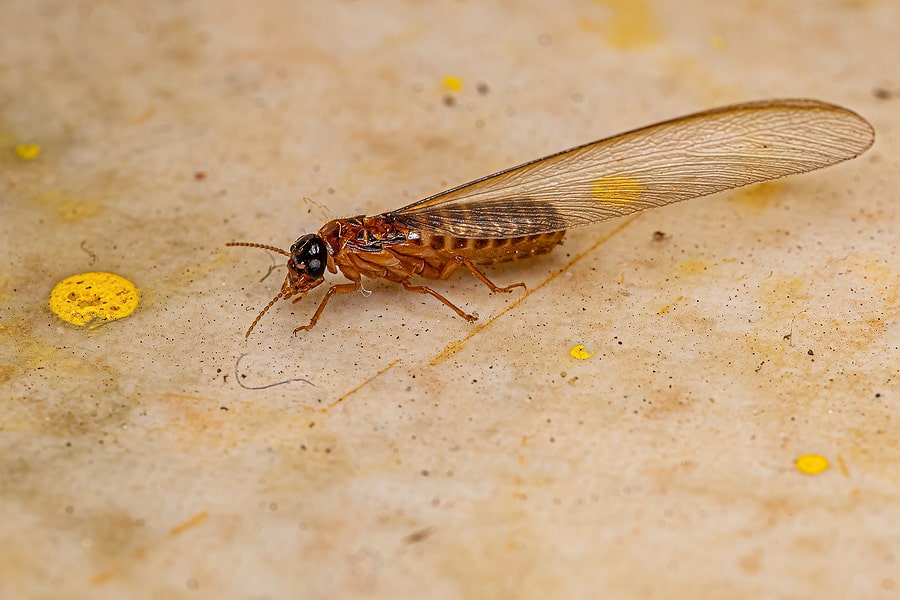
- Wings: Swarming termites leave their nest to search for a mate to establish a new colony. When they find a mate, they will lose their wings. These discarded termite wings are often found near doors or windowsills and are a sign of an infestation.
- Warping: Termites produce moisture when tunneling through the wood. If they make their way through window frames and doors, it will cause them to warp, which makes them difficult to open. Warping will also cause uneven or bubbling paint.
- Wood Damage: When termites consume wood from the inside out, it will often make a hollow or papery sound when tapped on.
Termite Treatment Options
When investing in termite treatment and prevention options, there are three common types of professional treatments that every homeowner should know, including bait stations, liquid-soil treatments, and wood treatments.
- Bait Stations: Installed at the perimeter of your home, bait stations will provide a food source for termites. When found, the termites will bring the food back to their colony, where it eliminates them. This treatment can take longer, but it does eliminate the entire colony once the termites find it. A termite service professional will monitor and refill the station when needed.
- Liquid-Soil Treatments: This treatment is installed by digging a trench around the perimeter of your home and filling it in with liquid termiticide. If termites travel from your home and back to their colony, they pass through this termiticide, which will eventually eliminate them.
- Wood Treatments: This treatment is used when treating existing wood structures. The wood treatment can either be a surface or injected spray/foam. Treatment is applied by spraying directly onto the wood, where it will eliminate the existing termites and provide preventative treatment for the future.
If you’re interested in these termite treatment options, consider contacting your local pest control company for more information. These professionals can provide you with a comprehensive inspection and help determine the best termite control plan for you and your home.