Jun 2, 2021 | Pest Control
Fleas and ticks are small, annoying, and can be a major health risk to both your family and pets. These parasites can transfer diseases such as Lyme disease, anaplasmosis, and ehrlichiosis. While it can be difficult to prevent these pests, it is possible. We break down our tips and tricks on keeping these pests away!
Vacuum Frequently
Fleas like to live in carpets, rugs, and pet bedding. To keep these pests from infesting, consider vacuuming at least once a week and even more often if you spot fleas. Fleas also avoid high traffic areas and will live in harder-to-reach spots such as baseboards, under furniture, under cushions, and anywhere your pets like to sleep too.
Check Your Pets
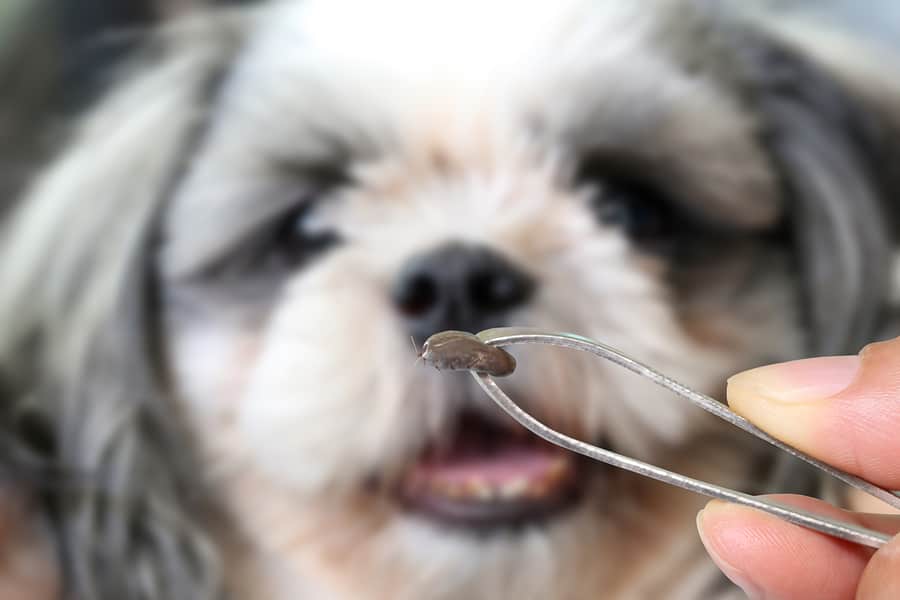
Pets are highly susceptible to flea and tick exposure. Both fleas and ticks will jump onto pet’s skins, easily making their way inside your home. Perform tick and flea checks on your pets regularly. Make sure that you’re checking all over your pet’s skin, in ears, and under their armpits. If you find a tick or flea, remove them immediately and notify your veterinarian to provide the best treatment plan for your pets.
Stop Attracting Wildlife
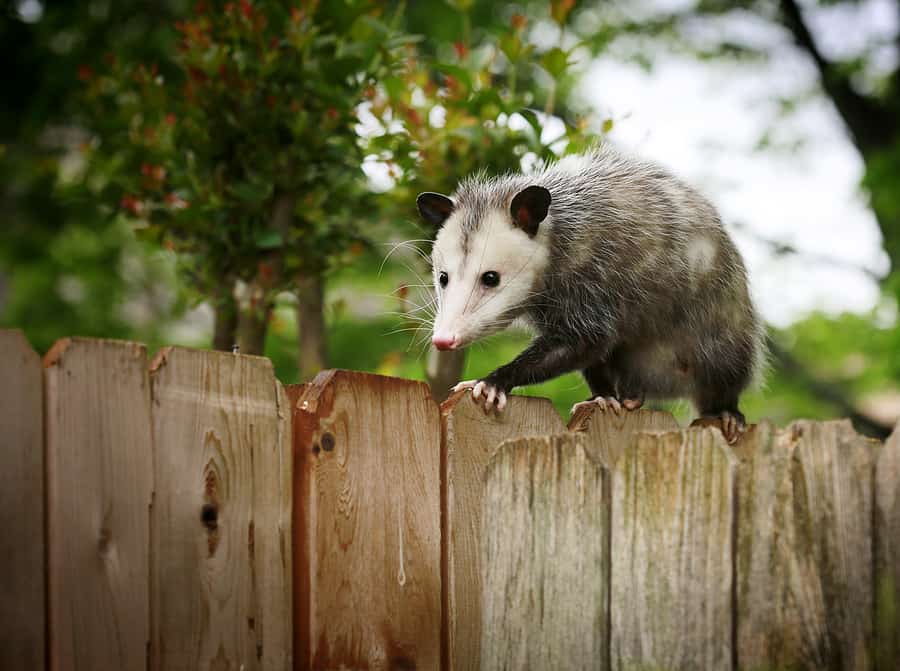
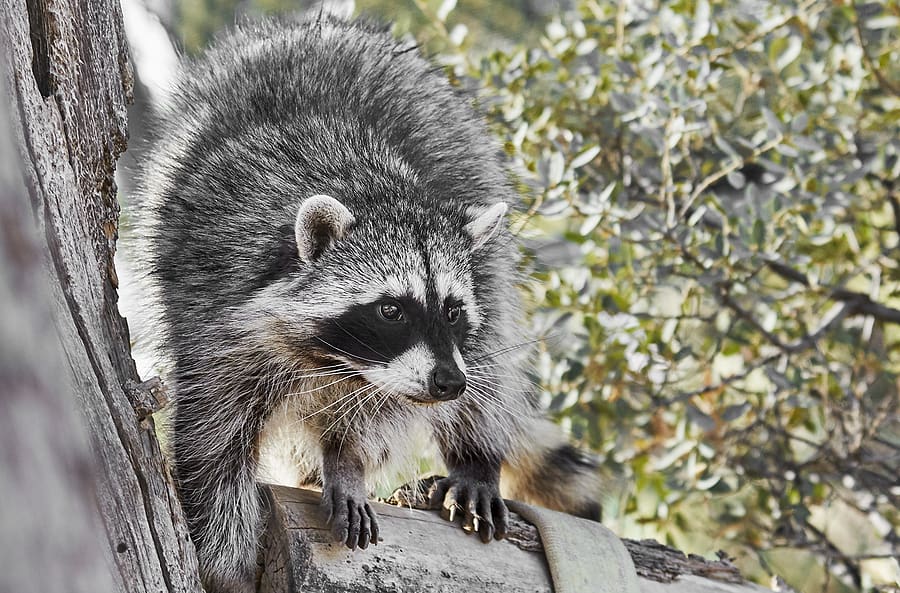
Opossums, raccoons, skunks, coyotes, and even feral cats will bring fleas and ticks into your yard. It’s essential to keep this wildlife from entering your property to help avoid a flea and tick infestation. Check around your property for any items that might be attracting these animals, such as pet bowls, water bowls, opened trash cans, and even bird feeders. Check around your house for any open holes in gaps that lead to your garage, sheds, decks, and crawlspaces.
It can be difficult to prevent fleas and ticks on your own. If you suspect that you have a flea and tick infestation, consider calling your local professional pest control company to inspect your property and provide you with the best plan of action.

May 12, 2021 | Wildlife
It’s true – many wildlife creatures invade and infest homes during the colder months of the year. However, there are still plenty of pests that are active and looking for a place to inhabit. Knowing which types are prevalent this season and how to prevent them can help you protect your home and family.
Snakes
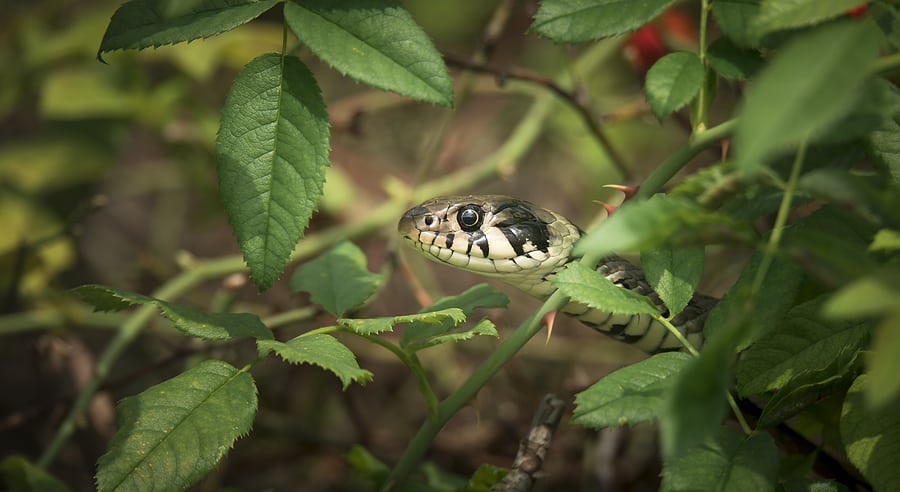
As coldblooded animals, snakes get their energy from the sun. Because of this, snakes are more active during the warmer months as they require more energy to mate. You’ll typically see snakes out in the early morning and late evenings to avoid the high heat of midday. When they aren’t out, snakes like to hide out in cool, dark places such as underneath rocks and decks. You could also find them hiding out in your basement if they’ve gained access.
To keep nuisance pests from infesting your property it’s important to keep your lawn neat and clean. Clean up any yard clutter, such as piles of leaves and wood. Keep your grass mowed to eliminate coverage and trim bushes and hedges regularly. Always check your garage, garage doors, windows, and exterior doors for gaps and seal any openings.
Opossums
During the spring and summer, opossum females care for their young, meaning they are more active in searching for food to nourish them with. These animals are nocturnal and search for food at night. During the day, possums will hide in trees where they will stay until the evening. While they eat unwanted pests such as snails, cockroaches, spiders, and rats, they also eat garbage, fruit, grass, and roadkill.
To prevent opossums, keeping food from being left out outside your house is crucial. Make sure you bring in pet food and water from outside. Pick up any fruit that might have fallen from trees, including tossing out the rotten ones. It’s equally important to keep your garage doors, pet doors, or unscreened windows closed during the night.
Rats
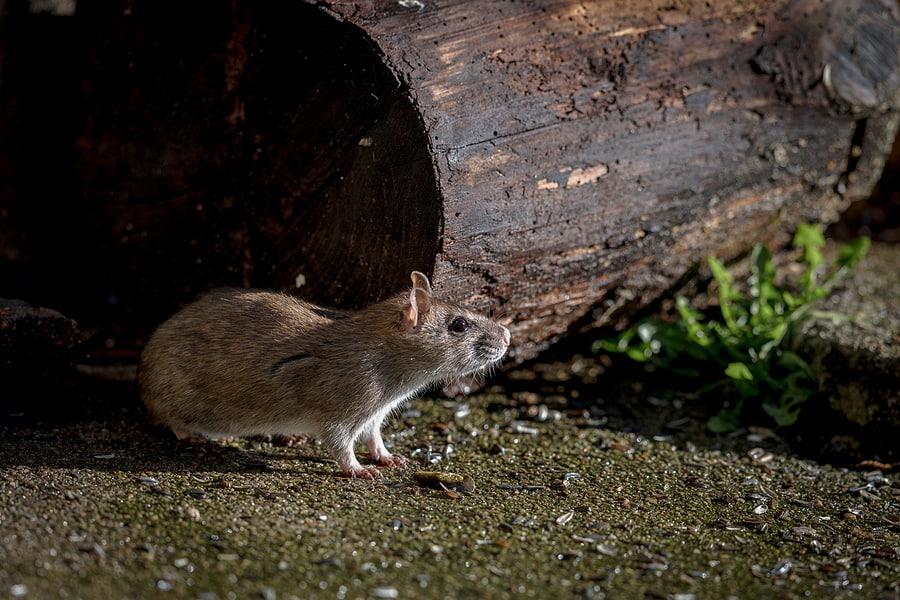
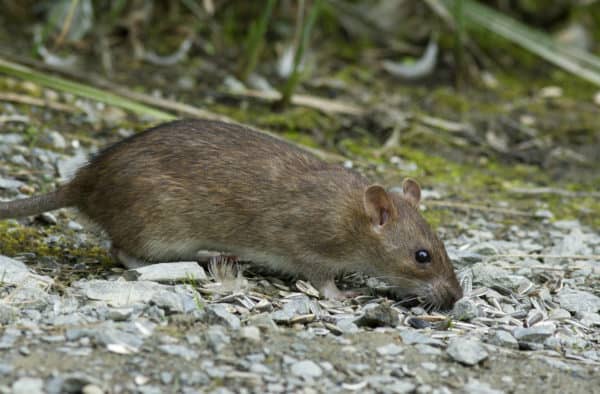
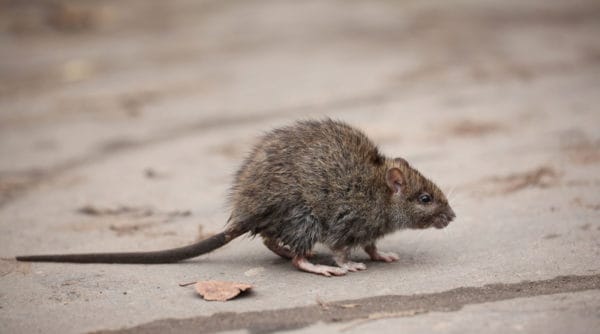
Rats are active year-round, but the warmer weather provides them with more sources of food. These rodents can reproduce very quickly and controlling them can become difficult once they’ve infested. Rats will typically make burrows before wintertime, building these under buildings, concrete slabs, around lakes and ponds, and even near the garbage. These wildlife creatures can be a risk to humans as they can contaminate food, chew wires causing fire hazards, and their urine and feces can cause health concerns.
Taking necessary precautions before you start seeing rats is the key to preventing them. Check around the exterior of your home and seal up any cracks, crevices, and holes found in the foundation or siding. Remove clutter throughout your garages and storage areas, along with using plastic storage instead of cardboard. Keep your kitchen clean from any crumbs and spills and take your trash out regularly.
If you’ve taken the necessary steps to prevent these common wildlife but are still seeing them, it might be time to call your local pest control company. They’ll be able to assess the wildlife issue and provide you with the best wildlife control and wildlife exclusion options.
Apr 15, 2021 | Wildlife
Warmer weather triggers the emergence of animals from hibernation. What many homeowners don’t realize is that wildlife will sometimes take refuge inside your home during the cold winter months. Once the weather starts warming up, these overwintering pests will start waking up and come out in droves looking for food and water. While some wildlife may be harmless, others can cause significant damage to both your home and your health. Some pests leave feces behind that can contaminate your food, kitchen surfaces, and even the air inside your home. Other pests can chew through wood and wires in your attic and walls, putting you at risk for fires.
Some common spring wildlife that can cause issues for homeowners include birds like swallows and sparrows; rodents like rats and mice; bats; squirrels; and raccoons. Birds use eaves, vents, and holes in the roof to make nests. Bird nest removal and bird control is regulated and usually best left to professionals. Rodents are some of the most common nuisance pests, getting inside through tiny spaces and reproducing quickly. Chewing and contamination are huge problems with rodents. While not as common as some of the other wildlife mentioned previously, bats can cause problems for you in the springtime. Bats will usually roost in gable vents and soffits but can also get into your home through the chimney or holes that they can use to access the attic. Larger mammals like squirrels and raccoons can get into attics and chimneys and even crawlspaces and basements. They are some of the most destructive spring wildlife, chewing through materials in your home and leaving behind huge messes.
So what can you do to keep these animals from seeing your home as a safe haven? Check out these tips to help control wildlife this spring.
- Check the outside of your home for any possible entry points and seal them.
- Repair any leaks or damaged and rotted wood around your home.
- Repair or replace damaged window and door screens.
- Use chimney caps.
- Use screens over dryer vents, air vents, and stove vents.
- Trim back trees from your roof line and shrubs from the sides of your home.
- Seal trash in containers with lids and don’t put it out until the day of trash pickup.
- Don’t leave pet food or water out overnight.
- Store unused pet food in sealed containers.
- Empty bird feeders daily.
- Keep your gutters clear or consider installing gutter guards.
- If you suspect you have a wildlife problem, contact a professional wildlife control company to safely remove any animals you may have.
You May Also Be Interested In:
What Attracts Millipedes?
What to Know About Fleas & Ticks
Commercial Mosquito Control: A No Spray Way for Your Business
How Do You Get Your Lawn Ready For Spring?
Sneaky Wildlife: Possums and Raccoons
Feb 19, 2021 | Wildlife
Snake season in Georgia starts in spring and runs through late fall. As the temperatures start to warm up, snake activity in our area will increase. As snakes emerge from hibernation, they will go in search of one thing: FOOD! This quest will often lead them into our backyards, gardens, and even local parks. With snake season just around the corner, now is the time to take action. Here are some snake prevention tips to help you prepare for snake season.
Clean Up Your Yard
Snakes will use anything they can find for cover. Take the time now to clean up leaf litter, fallen logs, piles of bricks and rocks or anything else snakes can use as a hiding spot. If you can’t remove them, try to elevate them off the ground. Keep your lawn and any other surrounding areas with grass mowed short. Snakes will use tall grass as cover. Low hanging growth from trees, shrubs, hedges, etc. provide natural places for snakes to climb and hide. Keep them trimmed back from your home and off the ground. Discard any mulch or grass clippings away from your property as snakes will burrow into these for a sheltered hiding space.
Inspect Your Home
Snakes will use holes in the exterior of your home to gain access inside. Carefully inspect the outside of your house for holes, making sure to check under roofs, under the house, in skirting, on garages, etc. Repair or block any openings that you find.
Protect Livestock
Snakes will often go after hatchlings and bird eggs. If you have chickens, ducks or any other birds, make sure their pens or aviaries are kept tidy and in good repair.
Eliminate Food Sources
Snakes will feed on rodents, frogs, and other insects. Keeping these pests away from your home will help keep snakes away, as well. Clean up spilled or uneaten birdseed from underneath feeders; keep outdoor trashcans sealed with tight lids; feed your pets indoors when possible; if you must feed outdoors, feed once or twice per day and bring food and water bowls indoors in between feedings; seal pet food and bird seed in plastic or metal containers with tight lids.
Eliminate Moisture
Moisture also attracts rodents, frogs, and other insects that snakes feed on. Eliminating moisture will help make your property less attractive to snakes. Eliminate any areas of standing water; fix leaky pipes and spigots; try to avoid overwatering your lawn; consider enclosing your crawlspace.
Get Routine Pest Control
Establishing a routine pest control service helps prevent nuisance pest problems before they get out of hand. By keeping these pest populations under control, you decrease the risk of snakes by eliminating potential food sources.
Most snakes that are encountered are non-venomous; there are some venomous snakes in our area that you should be careful to avoid, however. If you must be outdoors during snake season, wear long pants, long sleeves, gloves, and closed toed shoes. If you go outside at night, take a flashlight, lantern, or torch. If you do encounter a snake, don’t go near it and don’t try to kill it. Stay calm, keep your pets and children away, and allow the snake to move away on its own. Back away slowly. If you choose to, contact your local wildlife control company who can come and properly identify the snake and safely relocate or eliminate it.
You May Also Be Interested In:
How Each Season Effects Pests
4 Reasons For A Yellow Lawn and How To Fix It
Common Invading Rodents
Keeping Wildlife Out This Spring
So You Think You Have Bed Bugs. Now What?
Feb 10, 2021 | Pest Control
Unfortunately, we haven’t quite gotten over the cold weather yet. Lower temperatures means there are plenty of pests and wildlife creatures looking for warmth inside your home. Common wildlife, such as rodents, can be a major nuisance during the colder seasons. If found inside, these pests can damage electrical wires, insulation, and even spread disease. Identifying the type of rodents that have entered your home is the first step in the wildlife exclusion process.
Norway Rats
Norway rats are known as one of the largest species of rats, measuring about 10 inches in body length. These rats have thicker bodies with fur that’s usually brown with black shading. In addition to having a pale color underneath their tails, the tail itself is shorter in length when compared to their bodies. Norway rats, if desperate enough, will eat just about any food source they can find, although they prefer to eat meat. If they find food in a particular place, they will continue to return to that same spot. This can make baiting and removing them easier. These rodents make their habitats in burrows but can also be found throughout buildings and in sewer systems.
Roof Rats
Roof rats have gray fur with black shading and smooth coats. They are about 8 inches long with slender bodies. They have darker tails than Norway rats and they are usually hairless and scaly. These rodents are extremely agile and are skilled climbers. They often prefer higher levels of buildings or homes, hence their name “roof rat.” While they prefer to eat fruit, roof rats will eat any available food source they can find. Unlike the Norway rat, the roof rat will not go back to the same location for food, making them much harder to bait.
Prevention is the key to making sure these rodents don’t enter your home. Use these rodent prevention tips throughout your home to ensure these creatures stay out.
- Repair any roof damage such as broken tiles or gaps under the eaves.
- Seal around utility pipes with steel wool and use either caulk or concrete.
- Declutter any areas where rats may hide out, including your garages, attics, gardens, storage sheds, and even warehouses.
- Apply weather stripping to your doors and windows throughout your house.