Dec 2, 2020 | Pest Control
Some pests hibernate when the weather gets colder, while others seek out warmth inside of our homes. These overwintering pests will sneak through any open crevice or gap from the exterior of your home and can stay there all winter long undetected. Here are a few crawly pests that could be hiding out in your house!
German Cockroaches
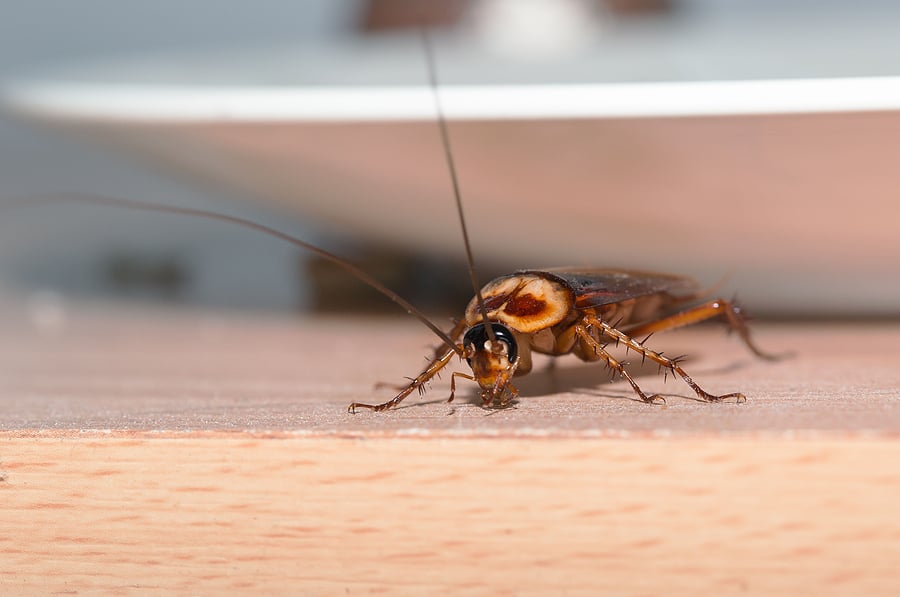
The German cockroach is a common roach species found throughout the world. These roaches range from 1/2 to 5/8 inches and are brown with two-longitudinal stripes running down the thorax. They prefer to live in smaller areas close to food and moisture, such as inside pantries, basements, and bathrooms. Roaches are dangerous as they can contaminate food sources, spreading bacteria and human pathogens by leaving their fecal matter and other debris in and around food and food preparation areas.
To prevent cockroaches, make sure you keep your kitchen counters clean and free of crumbs. Vacuum frequently and always dispose of the garbage regularly. Look out for any leaks in the kitchen and bathrooms, as this moisture will attract roaches.
Brown Recluse Spider
Measuring the size of a quarter, the brown recluse spider can exist in large numbers. These spiders have six eyes arranged in three pairs, which is quite different from other species of spiders that have eight eyes arranged in two rows. The brown recluse prefers to live in dark areas such as under furniture, in wall voids, basements, crawl spaces, and in closets. While these spiders typically spin their webs in darker places, they can also found in cardboard boxes, along window molding, and even in shoes. The brown recluse can be dangerous to humans, as they will bite and inject venom if disturbed or threatened.
To prevent these spiders from entering your home, keep the trees and shrubs trimmed away from the house and roof. Repair any loose siding or shingles as they can easily sneak in through any gaps and openings. Consider installing a mesh cover or cap over chimneys to prevent entry.
Bed Bugs
Bed bugs are 3/16” to 1/4” in length or about the size of an apple seed or a pencil eraser. They are long and brown, flat in shape with an oval-shaped body, and brown in color. These pests enjoy harboring in cracks and crevices during the day and will come out at night to feed. You will typically find them in beds, mattresses, box springs, rails, headboards, and footboards. Bed bugs will bite humans on areas of skin that are exposed during sleep. Bed bugs are also notorious for hitchhiking from place to place through luggage, following you back home after traveling.
To prevent bed bugs, routinely check linens, mattresses, and even pet beds for live bugs. Thoroughly inspect any used furniture before bringing it inside your home. If you have recently travelled, inspect your luggage before bringing it inside your home, immediately take your clothes out and wash them in hot water, and dry them on high heat.
If you suspect that you have any of these pests inside your home, consider reaching out to your local pest control company where they can help identify, inspect, and provide a prevention plan.
Nov 18, 2020 | Wildlife
The temperatures have dropped, the warm heat is running throughout the house, and we are all bundled up under a blanket come nightfall. While we enjoy the indoor warmth, the creatures outside could be a bit envious. Most wildlife animals are looking for shelter to keep them warm and provide them with a food source. We breakdown some common wildlife that roam about during the colder months and why they can be harmful to your home and family.
Norway Rats
One common pest encountered in the fall and winter is the Norway rat. These rodents are most active at night, when they begin their search for food and water. They exist in large numbers and are known to produce up to 5 litters per year with an average of 7 babies per litter! If given the opportunity, Norway rats will enter through open holes and gaps leading inside your home. If they gain access, they can be dangerous as they will chew electrical wires, putting you at risk of house fires.
Raccoons
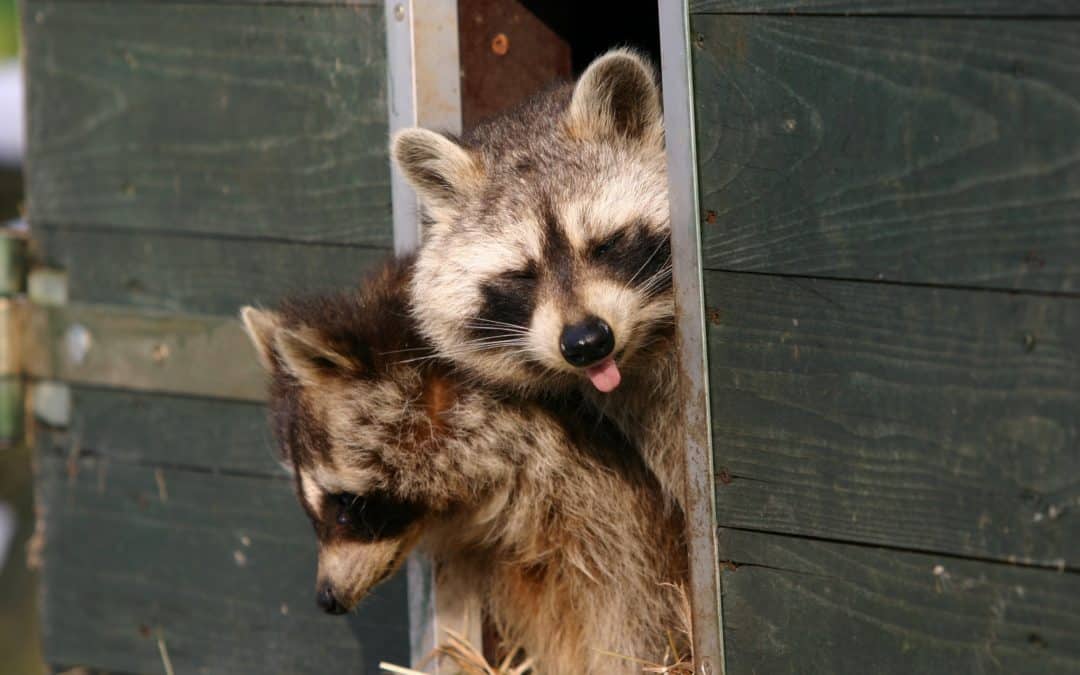
While raccoons can look cute to some, having them destroy your property is not ideal for any homeowner. These animals are talented, capable of using their paws to open doors and lids. They often live in hollowed trees or caves but can also sneak inside the attic and garage to find warmth and food. Once these pests find a food source, they will keep returning to search for more. This can be not only dangerous, as there is potential they could have rabies, but it is also a nuisance as they can cause considerable damage to your roof or inside the home.
Squirrels
Squirrels spend most of their time in trees foraging for food. While these animals might look harmless, they can easily become a threat if they find themselves inside your home. These pests are looking for a food source and will commonly invade bird feeders, garbage cans, and attics. If access is gained into your attic, squirrels can cause damage to the wood, insulation, wires, and even storage boxes. Their urine and droppings can also contaminate attic insulation, which can be extremely costly to replace.
If you suspect that one or more of these wildlife creatures have gotten inside your home, it’s best to contact your local wildlife control company. A professional will be able to locate any entry points, create a customized plan, and prevent them from returning in the future.
Dec 13, 2019 | CrawlSpace
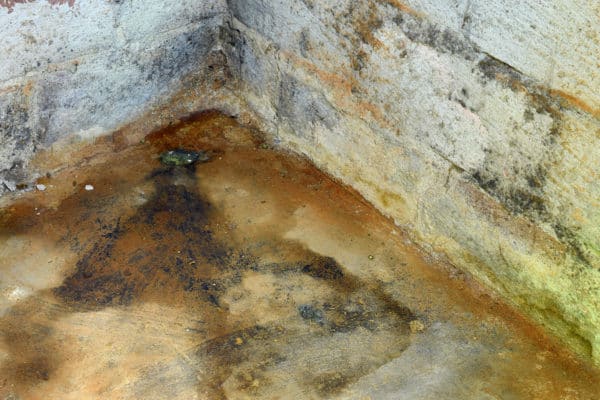
Should you enclose your crawlspace this winter? The resounding answer is yes. There are several benefits to crawlspace enclosure, especially when cold weather sets in and energy costs soar. Most crawlspaces house pipes, ducts, and other appliances. Continuous exposure to cold air and freezing temperatures can lead to frozen and busted pipes and potential water damage. While it is important to keep your crawlspace clean and dry year-round, it is especially important in the winter as it can easily become damp and humid. The excessive moisture and extreme temperatures can also cause significant damage to your home.
While closing your crawlspace vents can help, it is often not enough to keep moisture, insects, and other pests out of your crawlspace. The moisture found in crawlspaces attracts pests like termites, roaches, and millipedes and the crawlspace provides the ideal entry point to your home. The increased humidity also provides the ideal environment for mold and wood rot which can lead to serious health issues for your family and trigger allergies and asthma.
Cold air from your crawlspace can also seep through into your home, keeping your floors cold and causing your heating system to work overtime, greatly increasing your energy costs.
So what can you do this winter to keep the cold and the pests out of your crawlspace? Here are 4 steps to protecting your crawlspace this winter.
1. Clear Those Gutters
Your gutters can’t drain properly when they are clogged with leaves and debris. These clogs cause overflows with the water collecting at the base of the house. This overflow then seeps into the ground and evaporates into your crawlspace. Standing water from clogged gutters also attracts pests like mosquitoes and roaches to your home. Make sure runoff is directed away from the base of your home. If possible, extend your gutters to drain at least 10 feet away from your crawlspace. Make sure your gutters stay clean and free of debris. Consider installing gutter guards to help prevent clogs.
2. Close and Seal Air Vents
Although air vents allow air to circulate through your crawlspace, they also provide an entryway for water and moisture. In the winter, close all the air vents to your crawlspace before the temperatures get too cold. Have them sealed properly to prevent rainwater and moisture from getting inside. This also helps ensure your crawlspace stays warm in the winter and cool in the summer.
3. Seal Your Crawlspace
Your crawlspace walls, corners, and even base can have tiny holes that allow air leaks into the area. Professionally sealing your crawlspace can help prevent air from circulating through these cracks which, in turn, helps reduce humidity and keeps the warm air in.
4. Install A Vapor Barrier
Most crawlspaces have no covering or protection on their floors. A substantial amount of water evaporates from the ground and increases the humidity in the crawlspace. The professional installation of a vapor barrier can help prevent this evaporation and keep water and moisture out.
Whatever the season, crawlspace enclosure is a beneficial addition to your home. It not only helps increase the air quality of your home by preventing mold and wood rot, it also provides a natural pest control barrier. It also helps keep the cold air out, which means your heating unit doesn’t have to work as hard, increasing its efficiency and decreasing your energy costs.
You May Also Be Interested In:
How To Deal With Moles This Winter
Keeping Pests Away From Your Holiday Treats
How To Save Money on Your Energy Bills
Why Are There So Many Millipedes in My House?
10 Ways to Make Your Home Healthier
Dec 6, 2019 | Pest Control
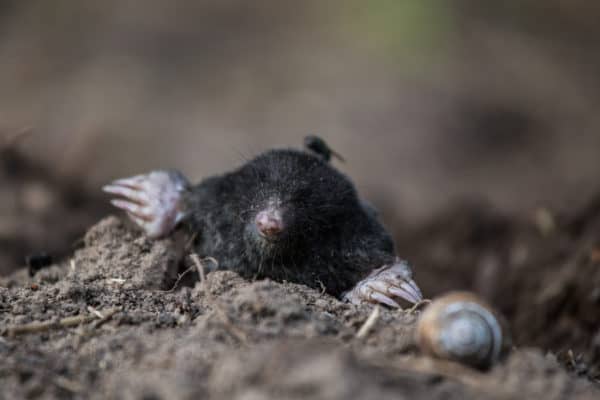
A very common misconception is that moles hibernate during the winter. This is, in fact, not true. Moles do not hibernate and are quite active during the winter months. They actually remain active all winter long, continuing to dig and eat voraciously. Moles are omnivores that prefer to feast on grubs, earthworms, and other bugs. As the soil freezes, moles move from tunneling near the surface to digging deeper in the ground. When the weather starts to warm, the moles will tunnel closer and closer to the surface as the soil thaws and becomes easier to navigate.
Moles can wreak havoc on your lawn and garden. Moles cause dead grass patches because their tunneling disrupts the root system of grass. This creates patches that often start out yellow and eventually turn a light tan color. They also push soil and grass up as they dig, creating random mole hills across your yard. While these are easy to spot in the summertime, they can often go undetected in the winter months, giving you less opportunity to identify and eliminate them early. Because of this, it is important to take precautionary measures early before the winter season sets in. Here are some steps you can take for mole prevention this winter.
Keep It Dry
Overuse of sprinklers and irrigation systems can lead to saturated, loose soil – an ideal environment for moles. This loose soil is much easier to tunnel through and is often rich with earthworms and grubs, making it a literal feast for moles. Heavy rainfall can also create these conditions so it is important to be vigilant after storms. Limit watering unless necessary.
Lay Mulch Later
Mulch is a very effective insulator for plants during cold weather. While we are usually inclined to go ahead and mulch before the cold weather sets in, this creates an insulated environment for moles, as well as your plants. Instead of installing mulch in early fall, try to wait until after the first frost. Hopefully by that point, moles and other pests have established themselves in a more hospitable environment than in your yard.
Install Barriers
Physical barriers can be very effective at preventing more damage to flowerbeds and trees. These barriers can be in the form of hardware cloth liners in the bottom and sides of flowerbeds or across the top of the bed to prevent digging or wrapped around the base of trees. By preventing them from digging you can limit the damage inflicted and hopefully encourage them to move on to another yard.
Utilize Natural Predators
Cats, snakes, and birds of prey are the most common natural predators of moles. Cats are especially notorious for pest prevention and rodent control around properties. If you don’t already have a cat, you may consider adopting one to roam your property and provide you with free pest control. Although it may be difficult, reconsider killing that snake you find on your property as they are also excellent at controlling rodent and other pest populations.
Eliminate Food Sources
As mentioned above, moles prefer to feed on earthworms, grubs, and other insects. In fact, mole problems often arise because of underlying grub problems. Be proactive in eliminating grubs and other pests from your yard to help control mole populations, as well.
Call A Professional
The cliche of “making a mountain out of a mole hill” isn’t far from the truth. Mole problems can manifest quickly into mole infestations and they can be extremely difficult to control and eliminate. Consider contacting a professional pest control company and setting up ongoing pest control services as these scheduled visits can help identify mole problems early and help resolve your mole issue quickly.
You May Also Be Interested In:
Late Fall Pests
5 Reasons To Be Thankful for Pest Control
Deck The Halls Without Pests
Things That Go Bump in Your Crawlspace
Unusual Winter Wildlife
Nov 22, 2019 | Pest Control
Winter can be a difficult time for cockroaches. While they are adapted to thrive in warm temperatures, these cold-blooded pests cannot survive environments that are too hot or too cold. In fact, some species stop growing and reproducing when exposed to colder temperatures, usually consistently below 45 degrees, for extended periods of time. As temperatures drop, roaches will seek out shelter in warm places, most often in our homes and offices. These buildings provide them with everything they need to survive the winter – warmth, access to water, and an abundant supply of food.
Prevention is key when it comes to roaches. Here are 5 tips to prevent cockroaches from taking over your home this winter.
1. Clean Thoroughly.
Roaches are attracted to dirt and crumbs as a source of food Make sure to always wash dishes after a meal and put them away. Clean up any crumbs and spills immediately. Take out the garbage before going to bed. Clean any grease from your stovetop. Keep food sealed in airtight containers. Sweep, mop, and vacuum on a regular basis. Don’t leave pet food, treats, and water out overnight.
2. Declutter
Clearing out clutter gets rid of places roaches can use to hide. Keep rooms clutter free and dusted often. Use plastic storage bins with lockable lids versus cardboard boxes. Eliminate newspapers and cardboard altogether as roaches love to breed in these materials.
3. Seal It Up
Roaches get into homes under doors and through cracks. Identifying these and sealing them up helps eliminate points of entry for cockroaches and other pests. Thoroughly inspect around windows and doors, along foundations and the roof, in attics and crawlspace vents, and around holes used for utility and plumbing lines. For small holes and cracks, use caulk to seal them. For larger holes, especially around pipes, use steel wool and foam to seal. Fine mesh wire can be used to seal around attic vents and chimneys.
4. Fix Leaks
Roaches, like most pests, need water and moisture to survive. Therefore, standing water or excessive moisture can attract roaches to your home. Regularly inspect your plumbing for leaks and repair them immediately. Make sure to check faucets, sinks, refrigerators, and appliances for leaks and excessive moisture. Crawlspaces are also a common source of excess moisture in homes. Consider crawlspace enclosure to help minimize moisture under your home.
5. Call A Pro
A cockroach infestation can be extremely difficult to control. Prevention can only go so far in the battle against roaches. If you suspect you have a problem with cockroaches, contact a professional pest control company who can help identify the type of roach you have, thoroughly inspect your home to identify points of entry or food sources, and help set you up with a comprehensive roach control treatment and prevention plan.
You May Also Be Interested In:
Is That Bird’s Nest Dangerous?
The Myth of the Granddaddy Long Legs
Bed Bug Holiday Surprise
Venomous vs Poisonous Spiders – What’s the Difference?
Mice, Rats, and Other Problem Rodents