Mar 1, 2023 | Pest Control
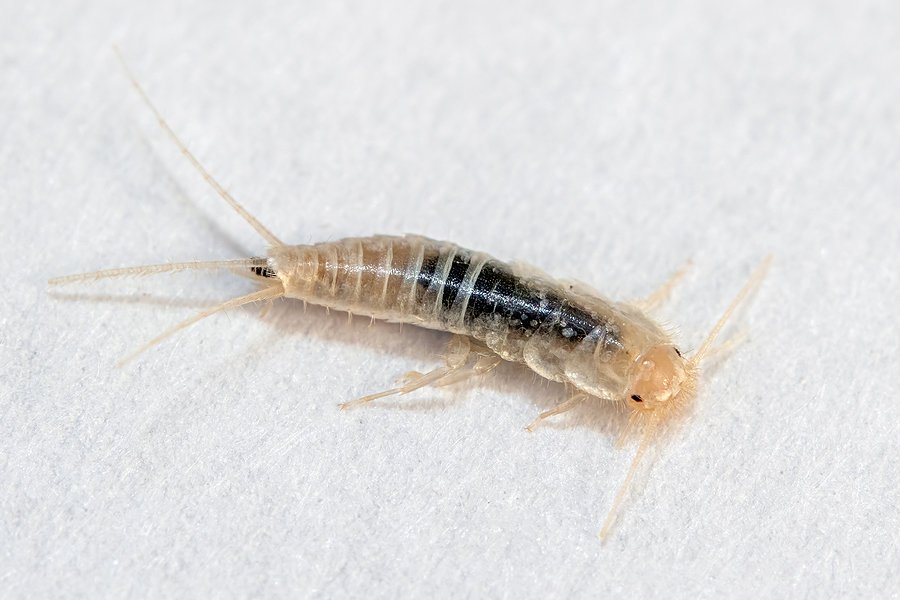
Ranging from 12 to 19 mm in size, silverfish are household pests that are attracted to dark, damp areas. They range in colors including white, brown-grey, and bluish-silver. Silverfish are wingless with a flat appearance and 3 thread-like tails. Their size and shape allow them to hide in small spaces.
They feed on starch and sugar and find a lot of these options in your home. You can find them eating paste from book bindings, photos, clothing, bedding, curtains, old papers, wallpaper paste, shampoo, dead insects, pasta, flour, cereal, and other common starches. Because of this they are typically found in kitchens and pantries.
Beyond the kitchen, they can be found in bathrooms, basements, attics, and laundry rooms, which provide dark, damp spaces. They usually find their way indoors when the weather begins to get warmer and drier or when there is excessive rainfall.
Their jaws aren’t strong enough to pierce human skin, but they are fast and can usually escape predators fairly quickly. They will cause damage to your home by chewing fabrics, contaminating food they are eating, and triggering allergies.
Common signs of silverfish include:
- Holes, notches, edges on surface they eat
- Yellow stains or discarded scales
- Feces in the form of tiny black pellets
Prevent silverfish by:
- Cleaning out closets and cabinets and dusting bookshelves
- Storing food in airtight containers
- Removing piles of wet leaves from your yard
- Using a dehumidifier in damp areas like basements and crawlspaces
- Keeping the perimeter of your home clean and dry
- Sealing the exterior of your home
If you notice an increase in silverfish in your Georgia home, contact your local pest control company for a thorough evaluation.

Feb 28, 2023 | CrawlSpace
Alabama Pest Control: Crawl Space Enclosure
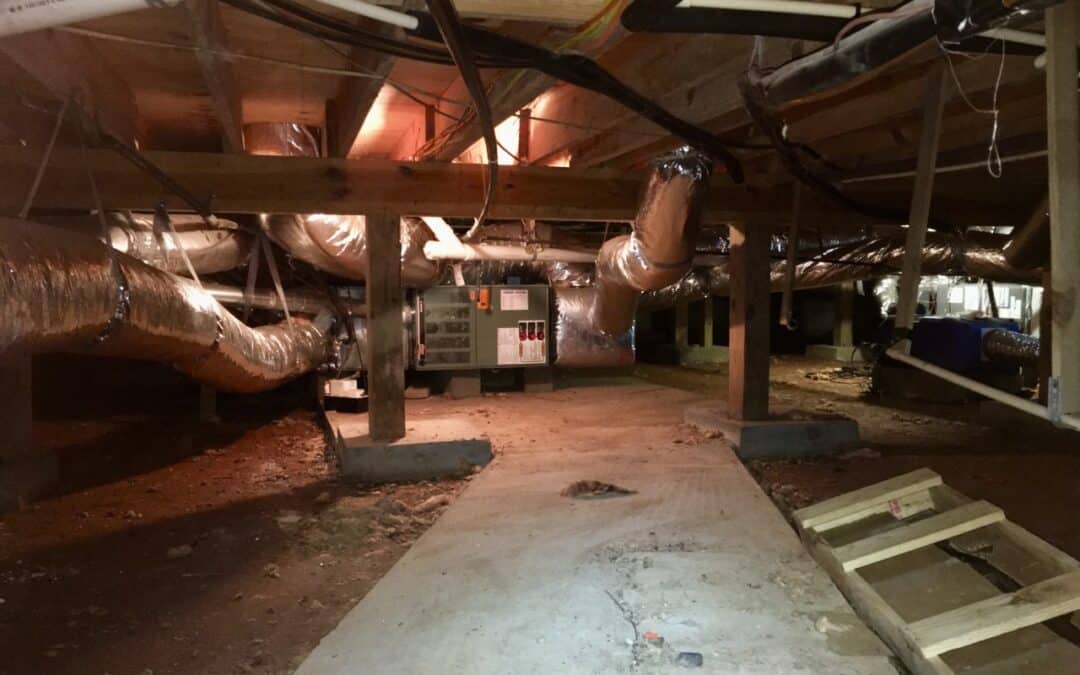
The weather is chilly now, but soon it will begin to warm up and the humidity will return. Did you know that your crawl space can contribute to your home’s ever-changing temperatures? Stay comfortable in your home this spring by properly caring for your crawl space. Here are some tips that you can implement today to keep your crawl space in tip-top shape!
Crawlspace Care Tips
One of the best ways to prevent inconsistent temperatures, humidity, and pests in your home is by enclosing or encapsulating your crawlspace, thought there are some do it yourself preventative measures you can implement on your own:
- Eliminate moisture by repairing leaky faucets and clearing clogged drains
- Seal any exterior cracks or holes to keep pests from easily accessing your home
- Eliminate any additional food supplies and hiding places for pests and wildlife like woodpiles stored near your home
- Replace loose mortar around foundations and weatherstripping around windows and doors
The crawlspace is a very attractive environment to all kinds of pests including ants, cockroaches, crickets, spiders, and rodents. It’s also an easier access point for termites to eat away at your home’s structure if it’s moist enough.
Investing in your crawlspace will help to eliminate moisture issues and improve the air quality for you and your family. If you suspect you have a pest infestation in your crawlspace, reach out to your local Cullman, Alabama pest control company to receive the best plan of action today!
Feb 28, 2023 | Pest Control
Augusta Pest Control: Eliminating Roaches
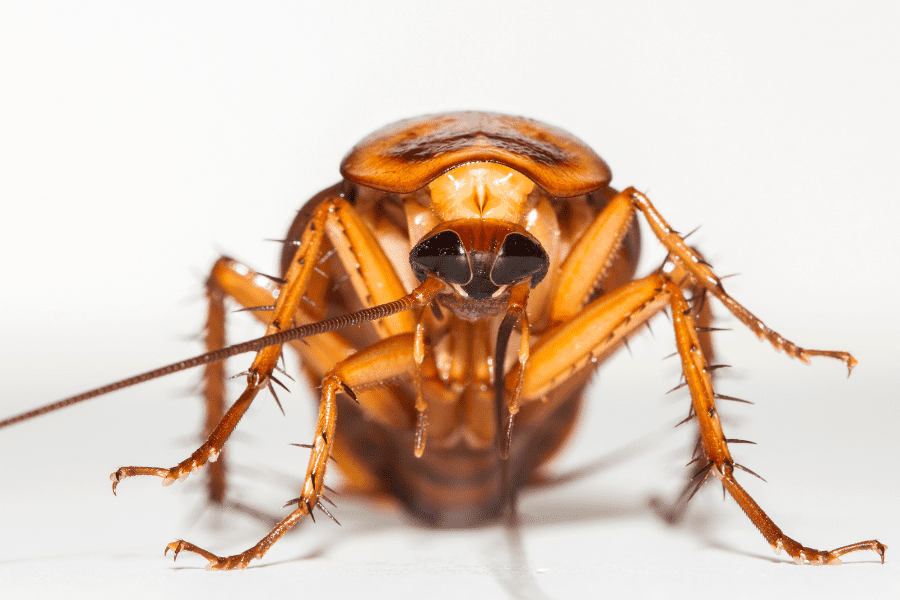
Having an influx of roach activity in your home is never ideal! Cockroaches are year-round pests and are known for their rapid rate of multiplying. The most common roaches found in Augusta homes include the American roach, German roach, and brown-banded roach. Once these roaches have invaded, it can be extremely difficult to get rid of them. Whether you see one roach, multiple roaches, or want to get ahead of the prevention game, consider these cockroach prevention tips below!
Clean Up
To survive, roaches need water and food, typically looking to our homes to search for both. The best way to discourage them from entering is to eliminate their food and water sources. After you’ve cooked or had a meal, it’s important to clean up all the dishes, washing them and putting them away instead of leaving them out at night. Likewise, clean up any leftover spills and crumbs from your meal as soon as possible. Don’t forget to clean your appliances too, as well as wiping down your stovetop, as roaches prefer areas with warmth and the likelihood of spilled food.
Eliminate Entry
Using their small bodies, roaches will enter homes through the smallest gap, hole, or crevice. At least once a year, consider inspecting your windows, doors, foundations, roof, attic vents, crawlspace vents, and even electric, gas, and plumbing lines for points of entry. A good rule of thumb is if you can see daylight shining in, roaches can get inside! Utilize caulk to seal smaller holes and steel wool or foam for larger holes. Consider utilizing a chimney cap and attic vents too.
Reduce Moisture
Moisture provides roaches with a reason to infest, making it essential to eliminate it. These pests only need a small amount to survive. While you’re inspecting for roach entry points, make a note of any leaking faucets, sinks, or pipes and repair them as soon as possible. Likewise, don’t forget to check behind appliances like your refrigerator for excess moisture. Also, consider enclosing your crawlspace to help control moisture underneath your home.
Call a Pro
While placing preventative measures around your home can deter roaches away, sometimes it’s best to call a professional for some extra help. If you’ve noticed roaches on your property or are looking to prevent them before they infest, consider contacting your pest control company. These professionals can thoroughly inspect your home, identify the type of cockroach present, identify areas of entry, and provide you with the best treatment and prevention options!
Feb 27, 2023 | Termite Control
Tennessee Termite Control: Methods of Elimination
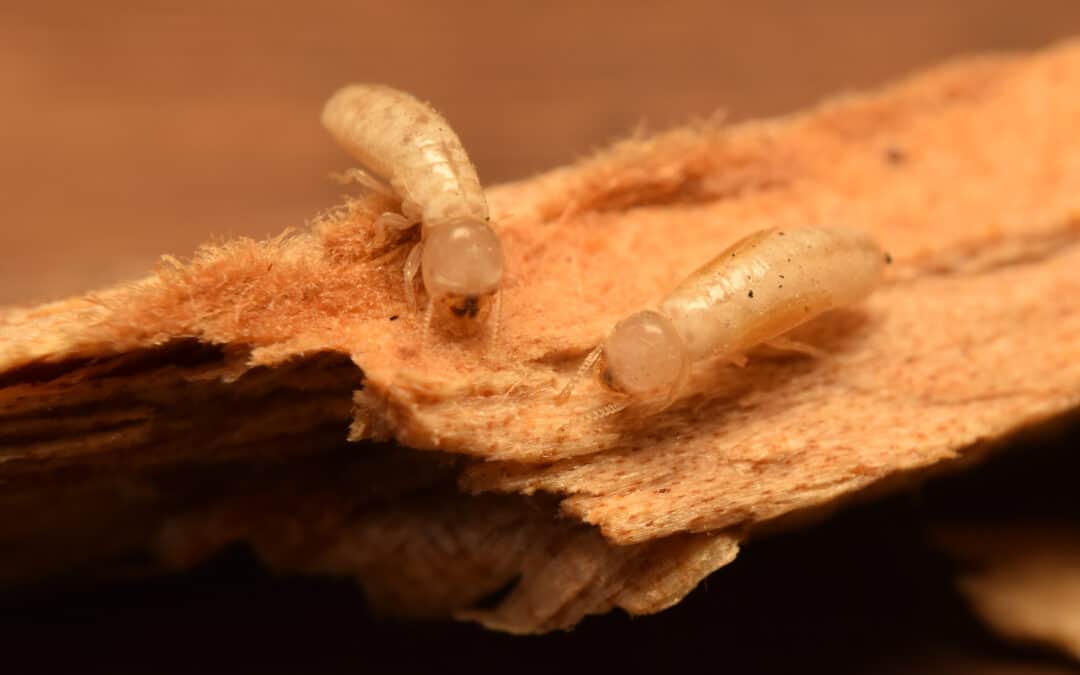
Being ready for termites is your first step in preventing them. Termites can go undetected for long periods, creating extreme damage to the structural integrity of your home. In Tennessee, the most common termite species you’ll find include subterranean termites and drywood termites. The type of termite treatment option you need for a termite infestation will depend on your situation, its location, and the type of termite you have. Check out the most common termite treatments in your area below!
Pretreatments
Performed in new construction homes, this treatment is utilized during the building phase of a home. Pretreatments are a combination of liquid termiticide, termite bait, lumber treatment, and in-soil barriers. These treatments are known to be effective and affordable when performed before the physical infrastructure or addition is laid.
Bait Stations
Bait stations are placed in the ground and around your home to protect against termites. These stations contain wood, paper, or cellulose that has termiticide. Once termites reach the bait station, they eat the slow-acting termiticide, which allows termites to bring it to their colony and spread it, killing off the entire colony. This treatment is best used in locations where surface treatments will not work, including near foundation drains and areas covered by slabs or flooring.
Barrier & Liquid Treatments
This long-term treatment gets its name from the literal barrier in the ground between the termites and your home. A barrier treatment is performed by digging a trench around the perimeter of your home and then treated with termiticide. The trench is then refilled with the treated soil to help deter termites away from your home. Sometimes, a physical wall can be built inside the outer wall of the trench, made up of rock, sand, mesh, and plastic. The wall can add another layer of protection between your home and termites.
One of the most common termite treatments is liquid treatment. This option is effective when termites are in the interior of your home. The first step in the treatment is performed by drilling holes in the foundation and wood. Then, the termiticide is injected into the holes that will force termites to emerge. After emerging, the termites will be eliminated by spot treatments with termiticides.
The last thing you want to deal with is a termite infestation, as they can be difficult to get rid of once they’re inside. Consider reaching out to your local termite and pest control company for a termite inspection. These professionals will recommend the best prevention plan to avoid termites in the future. Likewise, if you suspect you have a termite infestation, they will identify the type of termite you have and provide the best termite control option for your situation.
Feb 25, 2023 | Pest Control
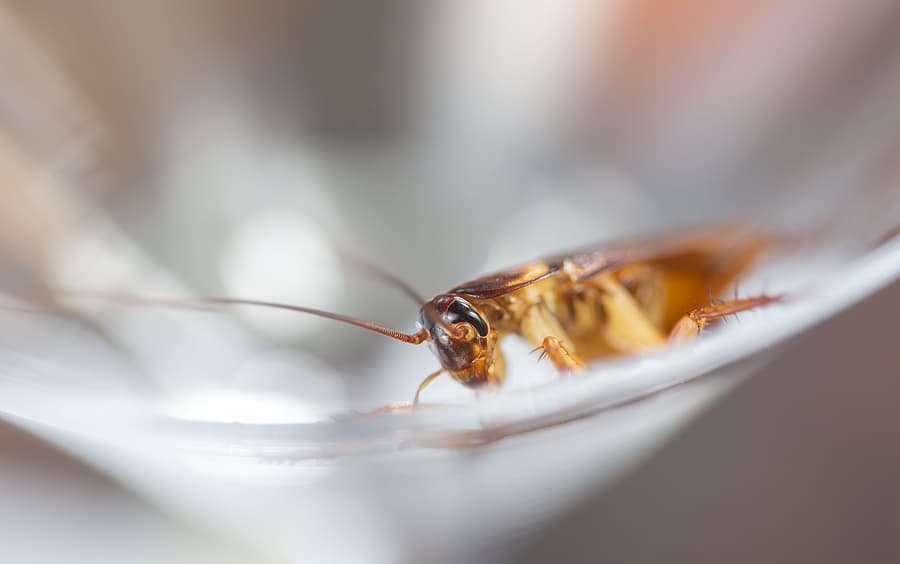
Cockroaches are common household pests that are highly adaptable. They are skilled at finding their way indoors and multiplying quickly to establish an infestation in your home. It is important to know what attracts roaches to your home in order to prevent them. There are 3 main things that will bring roaches to your door: food, water, and shelter. By eliminating these 3 things, your home will become much less attractive to these and other pests. Here is our step-by-step guide to preventing cockroaches from infesting your home.
Deny Food
Cockroaches are scavengers. While they prefer sugar, carbs, and protein, they will eat just about anything. Clean up any leftover food or spills and crumbs on tables, counters, and appliances. Store your food in airtight containers. Rinse cans, bottles, jugs, etc. before throwing them away. Empty your garbage regularly and use trash cans with lids. Don’t leave your dirty dishes out overnight. Wipe down your counters with disinfectant every night. Try to limit food consumption to one room (e.g. the dining room) to help reduce spills and crumbs throughout your home. Store your pet food in sealed containers and don’t leave pet food bowls out overnight.
Deny Water
Roaches can actually go for a week or 2 without it if they are getting enough moisture from their food. Despite this, they will ultimately require water to survive and will seek it out in your home. Remove any standing water both in and around your home. Don’t leave any water in sinks or near drains, especially overnight. Keep excess moisture out of your home, basement, and crawlspace with a dehumidifier. Consider installing a moisture barrier or crawlspace enclosure. Repair any damaged or leaky pipes immediately. Clear blocked drains in the home. Keep gutters free of debris. Don’t leave your pet’s water bowls out overnight.
Deny Shelter
Remove clutter from your home, garage, and attic. Get rid of any old cardboard boxes, newspapers, and magazines. Dust and vacuum frequently. Paint or varnish your wood shelves to seal cracks and crevices where roaches can hide, or consider replacing them with metal or plastic shelving. Check walls, skirting, electrical outlets, sinks, cabinets, and baseboards for cracks and crevices and seal any that you find. Inspect all items before bringing them into your home, including packages, storage boxes, grocery bags, and used appliances. Seal around utility pipes and wall junctures. Make sure windows and doors are sealed and use weatherstripping on them. Trim back any heavy vegetation from your exterior walls and try not to stack firewood against your house.
Cockroaches can be dangerous to you and your family, contaminating surfaces and triggering asthma and allergies. If you have problems with a cockroach infestation, contact your local pest control company for an inspection and cockroach treatment plan.