Jun 6, 2024 | DIY Pest Control, Fire Ant, Florida Pest Control
While fire ants are small, they can pack a painful sting! These pests can quickly take over your yard with their unsightly mounds and if threatened they can become aggressive with their painful sting. Let’s review everything you need to know about preventing fire ants and ways you can deter them from your yard.
Understanding Fire Ants
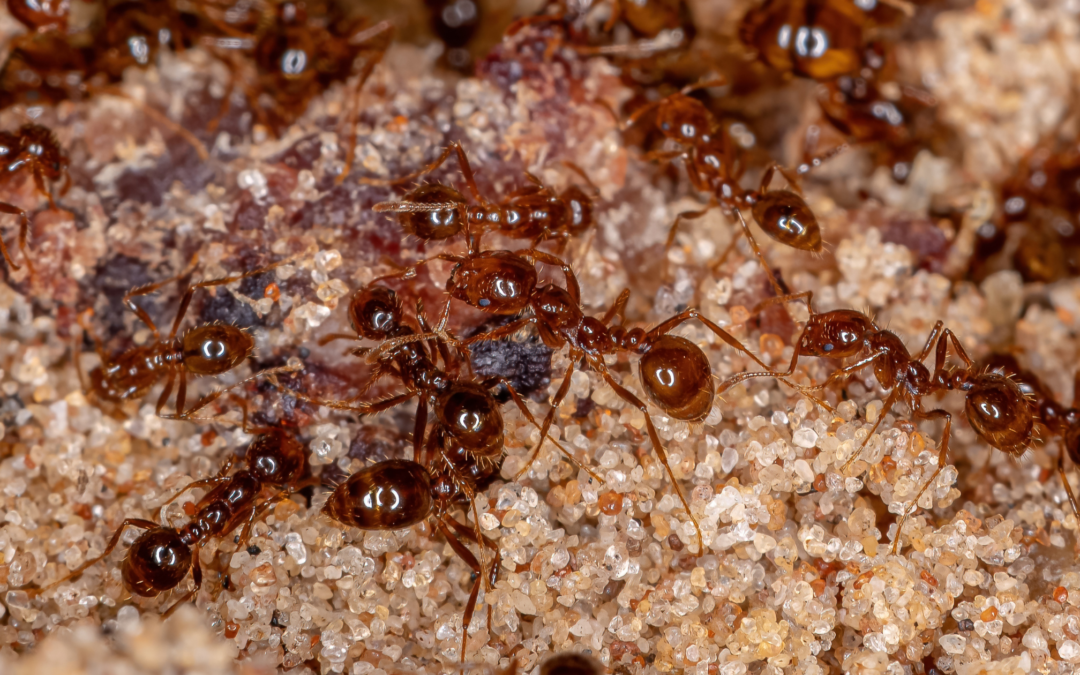
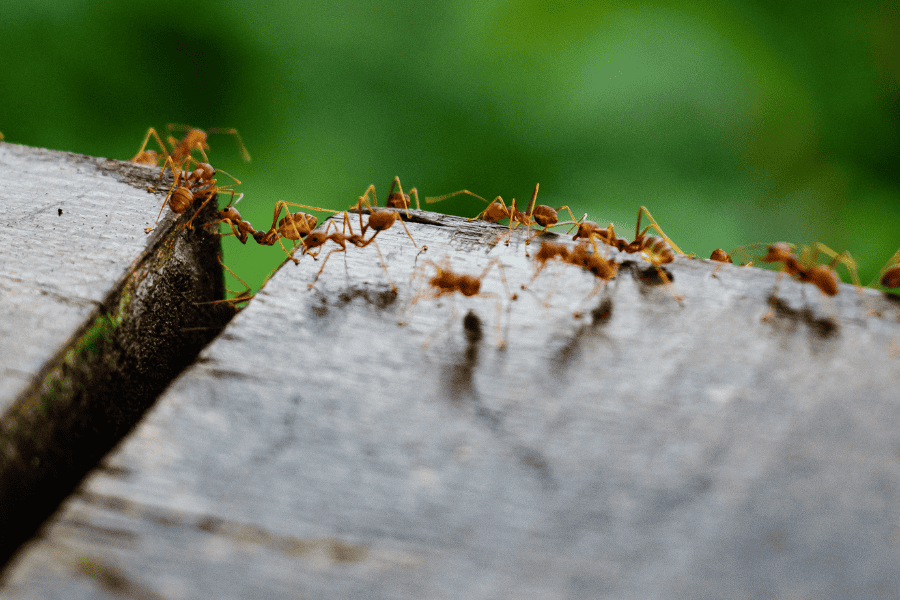
Fire ants are reddish-brown with a dark abdomen. These ants can vary in size from 1/8 to 1/4 inch. Fire ants will often build their large, dome-shaped mounds in yards. These mounds can reach up to 18 inches in height. They will often build in areas that are open and sunny, such as lawns, pastures, and along roads. Fire ants are known to sting if provoked, causing allergic reactions to some. Fire ants will often enter our homes for a food source, such as fruits, insects, and oils from seeds.
Preventing Fire Ants from Your Yard
An effective method to prevent fire ants is placing some easy preventative measures throughout your property to deter them in the first place. Consider the following DIY fire ant prevention tips:
- Seal cracks and crevices to keep them out of your home
- Keep your yard well-maintained by regularly mowing the lawn, trimming bushes, and removing debris.
- Avoid over-watering your lawn, as fire ants are attracted to moist environments.
- If you’re eating food outdoors, make sure to clean up any food crumbs or drink spills.
- If you have fruit trees in your yard, make sure to remove any rotten fruit or fruit that has fallen on the ground.
- Repair any leaking faucets, hoses, or irrigation systems in your yard.
If you’ve spotted a fire ant mound in your yard or would like to start preventing them now, the best thing to do is call a professional pest control company near you for help. These experts will provide you with a thorough inspection, treatment plan to remove these pests, and recommendations on how you can prevent them from returning.

May 28, 2024 | DIY Pest Control, Florida Pest Control
Living in Florida, we have to deal with our fair share of bugs invading our home throughout the year. Whether mosquitoes are invading your yard, ants are taking over your kitchen, or rats are raiding your trash cans, household pests can surely become a major issue. Unfortunately, humans can have a lot to do with pest infestations by our habits, often leading bugs right into our home. We break down the common reasons you could have a bug problem into your Florida home.
What Leads To Bug Problems In Your Home
Trash
Our leftover trash is dinnertime for pests! Pests, such as rats and ants, are all looking for a food source for survival and will often look to our trash cans for available food, creating a huge mess in the process. It’s important to secure your outside and inside trashcan with a tightly sealed lid and ensure your trash bags are sealed without rips or tears.
Excessive Moisture
Several pests prefer a damp environment and need water to survive too. Unfortunately, we also need water, and certain factors throughout our homes can provide pests with a water source, often leading to a bug problem. A leaky faucet can attract pests, like mice, who will return to areas if they have access to water or food. Make sure to check throughout your home for any leaky pipes, faucets, or AC units and repair them as soon as possible. Likewise, your basement and crawlspace can often create excess moisture that can lead to fungus, bad air quality, and pest infestations. Utilize a dehumidifier to dry any wet areas and consider crawlspace enclosure to ensure no moisture is found.
Unnecessary Clutter
Clutter, such as old newspapers, magazines, and cardboard boxes can provide several pests with the perfect environment. Decluttering and cleaning items out to eliminate hiding places will help prevent pests overall. Consider utilizing plastic storage containers with lids to store any items and elevating them off the ground. Additionally, avoid having clothes piled on the floor, as bugs like spiders are known to hide out in them.
Dirty Kitchen
Dirty dishes, food crumbs, and drink spills can attract pests like flies, ants, roaches, and more right into your home! After each meal, wash and put away your dishes to avoid these pests. Likewise, clean up any leftover spills and food crumbs off your floors, dining room table, and counter tops. Don’t forget to clean behind and under your kitchen appliances too as pests like to hide behind stoves and refrigerators to find a food source.
If you’ve noticed an increase of bugs throughout your Florida home, it’s best to call a pest control company near you. These professionals will provide you with a comprehensive pest control and prevention plan.
May 24, 2024 | DIY Pest Control, Termite Control
May 14, 2024 | DIY Pest Control, Florida Termite Control
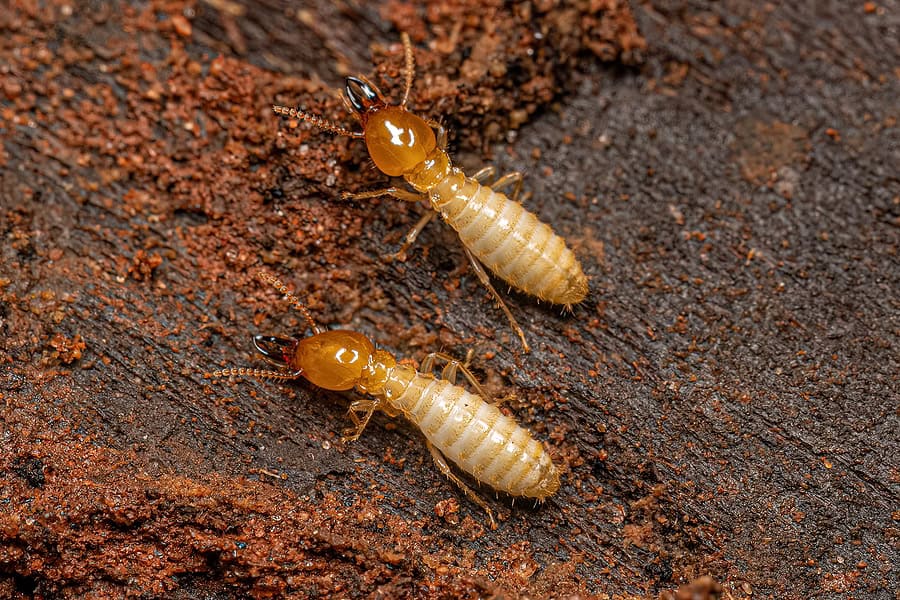
Subterranean termites will go undetected and cause severe damage to Florida homes. While there are several species of termites, subterranean termites are one of the most popular species found in areas of Florida. We breakdown what you should know about these termites and how you can prevent them from infesting your home.
What You Should Know About Subterranean Termites
They Need Water & Soil to Survive
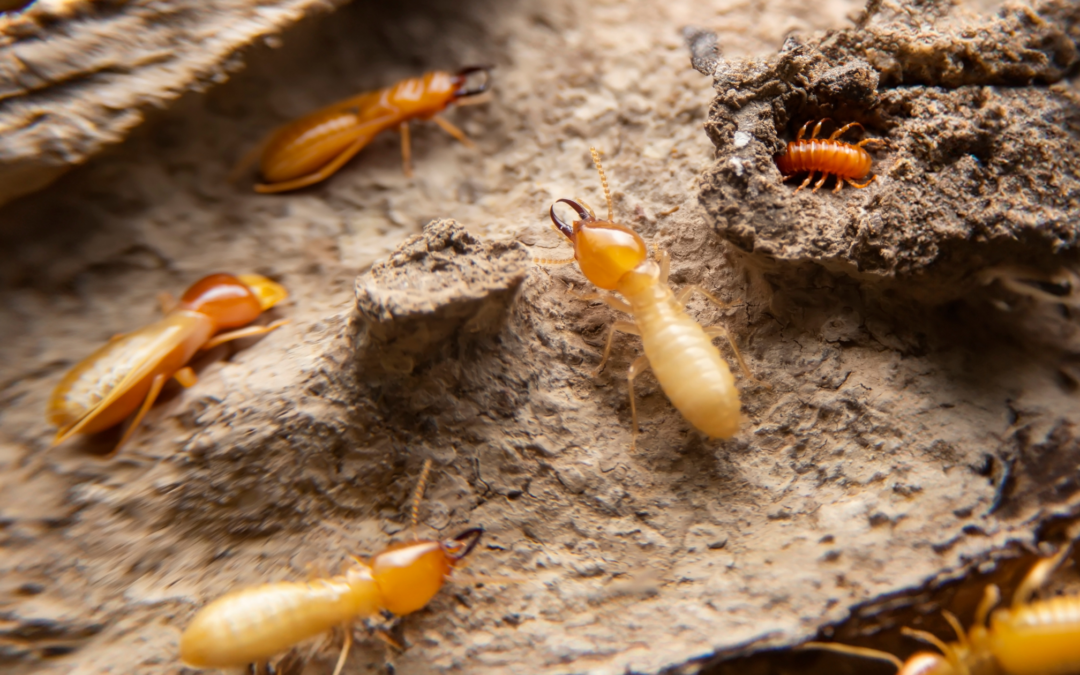
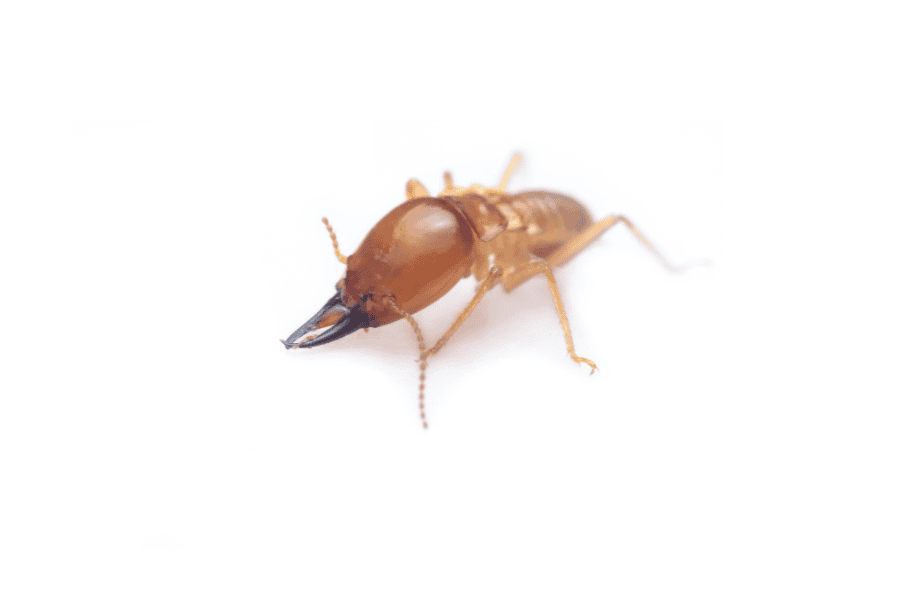
Subterranean termites need a water source and soil to survive and form their colonies. These termites create mud tubes to travel back and forth between your home and their nest. These tubes protect them from damage and predators, and allow them to accumulate moisture for survival.
They Are Active Year-Round
Subterranean termites are active year-round, with swarmers being the earliest sign of their activity. Termite swarming season in Florida can start as early as February and run all the way until June. Spotting swarmers around your home is the first indication that a termite colony is present nearby, and another one could be starting up soon.
Their Colonies Are Hidden
Subterranean termites will stay hidden within wood and underground within their colony. Their mud tubes will protect them and allow them to stay hidden when traveling back from their nest to your home. These mud tubes are typically about the size of a pencil and can be on ceilings, walls, exterior surfaces, and on the sides of slabs.
Their Damage Can Be Extensive
Since these colonies stay hidden, it can be very difficult to detect them, allowing them to cause extensive damage to homes. Many termite infestations can go unnoticed until it’s too late for early treatment before their damage is done. In the United States, termites are known to cause over $5 billion in damage to homes annually.
Subterranean Termite Infestations Are Preventable
There are several preventative options that Florida homeowners should consider to prevent termite infestations. Several pest control companies provide varying techniques of termite management, including liquid barrier treatments and termite bait treatments, such as the Sentricon®️ Always Active Bait Station. These preventative measures also include annual inspections along with their treatments to provide you with the peace of mind that your home is always being protected from termites.
If you’re interested in termite control, reach out to a pest control company near you. These professionals will provide you with a thorough inspection and a customized treatment and prevention plan for your home.
May 7, 2024 | DIY Pest Control, Florida Pest Control
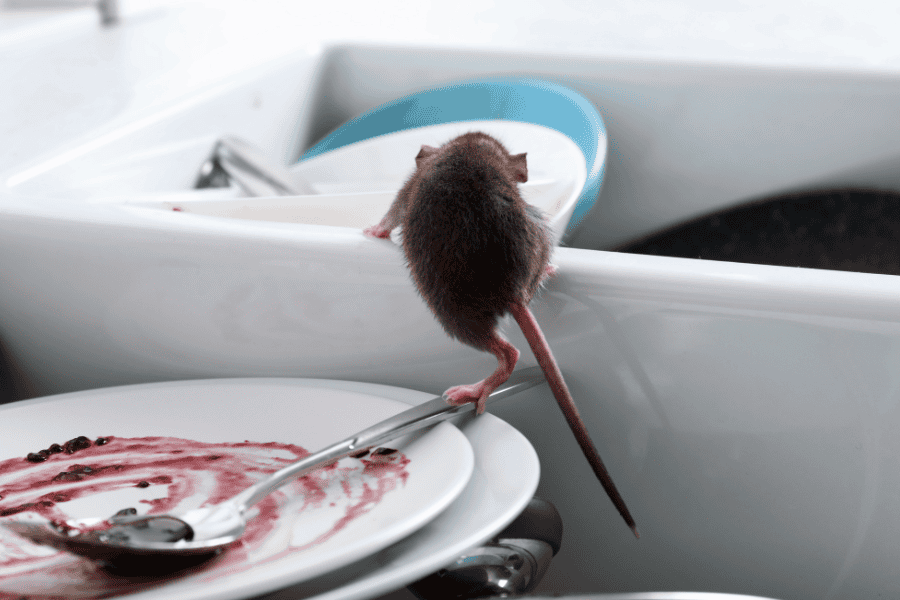
House mice, roof rats, Norway rats, and other rodents seek our homes as a place for shelter to breed and search for an available food source to survive. These creatures are known to contaminate our environments and spread diseases such as plague, tularemia, and hantavirus. Rodents will often chew through insulation and electrical wiring, creating the risk of a fire. Placing do-it-yourself rodent-proofing measures throughout your home will protect your property and family from these pests.
Do-it-Yourself Rodent Proofing Tips
Rats and mice seek out food, water, and shelter in homes, so it’s important to eliminate these factors from your property to avoid an infestation. Let’s review our DIY rodent-proofing tips for your Florida property:
- Rodents can enter through the smallest opening, so inspect your home’s doors and windows for holes, gaps, and loose or broken seals, repairing where necessary.
- Remove any clutter from your home, including old newspapers, books, magazines, and cardboard boxes you don’t utilize anymore.
- Always keep your yard well-maintained by mowing on a regular basis, keeping shrubs and trees trimmed, and removing yard debris.
- If you store lumber or firewood, place it at least 20 feet from your home and elevated off the ground.
- Check for any excess moisture throughout your home; repair any leaky pipes and eliminate excess moisture in your crawlspace through crawlspace encapsulation.
If you’ve noticed signs of rodents or would like extra help with rodent-proofing, call a pest control company near you! Professionals will provide you with a free analysis and a recommended rodent control treatment and prevention plan!
Apr 26, 2024 | DIY Pest Control, Fire Ant
Fire ants, with their fiery stings and relentless mounds, can quickly turn your yard into a battleground. For Georgia homeowners, dealing with these aggressive pests is an ongoing challenge. However, with the right strategies and tools, you can regain control of your outdoor space and enjoy it without fear of fire ant attacks. In this guide, we’ll explore the signs of fire ants, the dangers they pose, what to do if you’re bitten, and most importantly, how to effectively eliminate them from your yard.
Signs of Fire Ants
Identifying a fire ant infestation is crucial for prompt action. Look out for telltale signs such as:
- Visible Mounds: Colonies construct dome-shaped mounds, typically found in sunny areas like lawns and open fields.
- Aggressive Behavior: If you disturb a mound, you’ll quickly notice the workers swarming out to defend their territory. Their aggressive nature is a clear indicator of their presence.
- Stings: Fire ant stings are painful and often leave behind itchy, red bumps. If you or your pets experience multiple stings while outdoors, it’s likely that these ants are nearby.
Dangers of Fire Ants
Beyond their painful stings, fire ants pose several risks:
- Health Concerns: Fire ant stings can cause severe allergic reactions in some individuals, leading to symptoms like difficulty breathing, swelling, and dizziness. Those allergic to bee stings should be particularly cautious.
- Damage to Property: Fire ant mounds can disrupt the aesthetics of your yard and damage landscaping equipment. Moreover, their tunneling activities can undermine the soil structure, affecting plant roots and potentially causing structural issues.
What to Do if Bitten by a Fire Ant
If you or someone else is stung by a fire ant, follow these steps:
- Stay Calm: Although painful, most stings are not life-threatening. Panicking can worsen the reaction.
- Wash the Area: Clean the sting site with soap and water to reduce the risk of infection.
- Apply Cold Compress: Use a cold compress or ice pack wrapped in a cloth to alleviate swelling and discomfort.
- Monitor for Allergic Reactions: If the individual shows signs of a severe allergic reaction, such as difficulty breathing or swelling of the face and throat, seek immediate medical attention.
How to Get Rid of Fire Ants in Your Yard
Effective fire ant control requires a multi-faceted approach. Here are some strategies to consider:
- Fire Ant Baits: Utilize bait products specifically designed for fire ant control. These baits contain slow-acting toxins that are carried back to the colony, effectively eliminating the queen and other ants.
- Broadcast Granular Insecticides: Apply granular insecticides across your yard to target mounds and foraging ants. Follow product instructions carefully to ensure safe and effective application.
- Direct Treatment of Mounds: For visible fire ant mounds, apply insecticidal dust or liquid directly into the mound entrance. This method provides fast-acting control and reduces the risk of colony relocation.
- Regular Inspections: Conduct routine inspections of your yard to identify new fire ant activity and treat it promptly before it becomes a widespread infestation.
- Landscaping Modifications: Make your yard less hospitable to fire ants by removing debris, keeping vegetation trimmed, and minimizing moisture sources.
Preventive Measures
Once you’ve eradicated fire ants from your yard, take steps to prevent future infestations:
- Maintain Good : Healthy, well-maintained lawns are less attractive to fire ants. Regular mowing, watering, and fertilizing can help deter their presence.
- Create Barrier Treatments: Apply residual insecticides around the perimeter of your property to create a protective barrier against invading fire ants.
- Monitor Imported Materials: Inspect any soil, plants, or landscaping materials before introducing them to your yard to avoid inadvertently introducing fire ant colonies.
In conclusion, controlling fire ants in your Georgia yard requires diligence and a combination of tactics. By identifying signs of infestation, understanding the dangers they pose, and implementing effective control measures, you can reclaim your outdoor space from these troublesome pests. For fast-acting and reliable fire ant control, trust the expertise of a professional pest control company near you to safeguard your home and family.
Apr 25, 2024 | DIY Pest Control, Florida Pest Control
Rats are practically year-round creatures in Florida, seeking your home for a warm place to nest and find a food source. Once these rodents find their way inside your home, they will reproduce quickly, making it difficult to remove them. Here is what attracts rats to your home and easy prevention tips to avoid a future infestation!
What Attracts Rats To Your Home
Dirty & Cluttered Home
Rats are attracted to homes that are both dirty and cluttered. These wildlife creatures look for leftover food crumbs and spills for their food source. Likewise, rats tend to utilize piles of old newspapers or cardboard boxes to create a nest and hide out.
Easy Access Inside
Rats can enter homes through a gap or hole the size of a quarter! If any openings are found, they’ll use it to their advantage to make their way inside your home. You can often find these openings around your foundation, doors, and windows.
Cluttered Yard
Your yard is the first line of defense for avoiding rodents but there could be factors attracting them right onto your property. Leaf piles and deep mulch are the perfect materials for rats nesting sites. Likewise, dirty outdoor grills and open garbage cans can be an invitation for rats to scavenge and find a food source.
Available Water Source
Rats need water to survive and will look for any source available in and around your home. If there is a constant supply of water dripping from your pipes, that’s enough for rats to move into your home. Common areas where rats find water include leaky bathroom faucets, pipes in your basement, hose faucets, and even HVAC systems.
Access to Food
One of the biggest rat attractions is any available food source. Leftover crumbs, drink spills, and open food containers in your pantry will all attract rats into your home. Rats are not picky eaters and are attracted to all kinds of food, including meats, vegetables, fruit, and more.
Preventing Rats from Your Florida Home
Having a rat infestation can be alarming, not only because of the damage they can cause but also the diseases they can spread. One of the best ways to keep rats from entering your property is to place the preventative measures to deter them in the first place. Consider these tips and tricks to avoid rats:
- Empty your garbage on a regular basis and always use a tight-fitting lid or lock it.
- After each meal, make sure to clean up food crumbs and drink spills. Don’t forget to wipe your countertops and stovetops of food too.
- Avoid leaving dirty dishes in the sink overnight; instead, wash, dry, and put them away.
- Repair windows and doors, making sure there are no open gaps, holes, and loose or broken seals.
- If you have pets, consider storing their food in plastic containers with a lid instead of the bag it comes in; always bring in your outside pet food and water bowls at night.
- Check your exterior home for any cracks or gaps that rats could fit into, seal these openings as soon as possible.
- Reduce all standing water on your property by fixing leaky pipes and eliminating moisture in your crawlspace through encapsulation.
- Maintain your yard by keeping your grass mowed, trimming back shrubbery, and removing debris.
If you’ve noticed rodent activity at your property or would like to start rodent control now, it’s best to call a pest control company near you. These professionals can provide you with a thorough inspection, rodent identification, and a rodent treatment and removal plan based on your needs.
Apr 18, 2024 | DIY Pest Control, Florida Pest Control
Florida is no stranger to dealing with stinging pests! These insects can become a real nuisance to your Bonita Springs property once they have invaded your yard and can pose a health risk to your family. Let’s review some common stinging pests in Florida and how you can avoid them on your property.
Common Stinging Pests in Florida
- Hornets: Large and can be aggressive, hornets can pack a powerful sting! These pests build large paper nests in hollow trees, bushes, and attics. Hornets are attracted to light and will often fly into windows at night, infesting the inside of your home. Hornets do not hesitate to sting if they feel threatened.
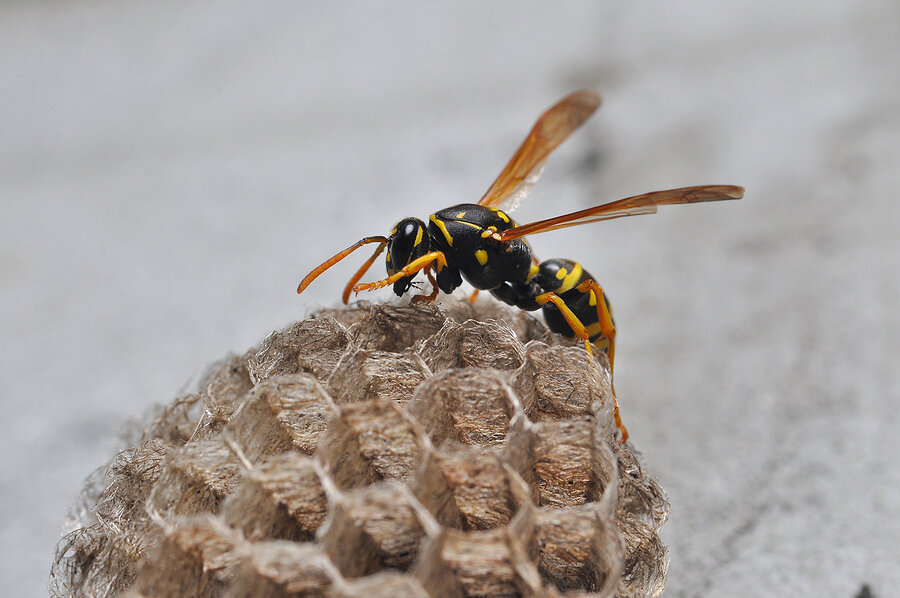
- Wasps: These pests will build their nests on branches, porch ceilings, eaves, and attic rafters. If wasps feel threatened, they will sting multiple times and call on reinforcements by emitting pheromones.
- Yellowjackets: These stinging insects tend to nest in the ground and inside wall voids, where their colonies can number up to 4,000! Yellowjackets are territorial and will sting humans, often causing allergic reactions.
- Fire Ants: These pests are small but known for their painful sting. Fire ants will build large mounds in lawns, gardens, and even HVAC systems! If a fire ant stings you, it can be painful and often result in a raised welt.
Preventing Stinging Pests
Stinging pests are most active during summer and early fall, so it’s crucial to start placing preventative measures throughout your property to avoid their infestation! Check our tips and tricks on avoiding stinging insects:
- Keep your garbage cans covered with a tightly sealed lid.
- Thoroughly inspect the exterior of your home for any openings or gaps in your screens, doors, and windows; fix any openings as soon as possible.
- At night, keep your doors and windows shut and turn your outside lights off.
- Sweet smelling perfumes or cologne can attract stinging pests, so it’s best to avoid wearing them when you’ll be outdoors for long periods of time.
- When eating food outside, make sure to place it in sealed containers and clean up any trash, spills, and crumbs after you have eaten.
If you happen to be stung by a stinging insect, it’s best to seek medical attention immediately. Likewise, if you’ve seen an influx of stinging pests on your property, it’s best to contact a pest control company near you. Removing nests can be extremely dangerous, so it’s best to leave it to the professionals who will safely remove the nest and provide you with recommendations on preventing these common stinging pests in the future.
Apr 11, 2024 | DIY Pest Control, Florida Termite Control
Drywood termites might seem like their counterpart, the subterranean termite, but they couldn’t be more different. Instead of surviving off moisture like subterranean termites, drywood termites seek dry wood for their food source. Once these termites find a place to create their colony, they will excavate the wood and cause significant structural damage to many Florida homes. One of the best ways you can avoid drywood termite damage is understanding their signs and the preventative measures to place on your property!
Common Signs of Drywood Termites
Drywood termites build their colonies inside wood in and around your home, surviving above the ground. While termites are difficult to spot, there are signs to indicate their activity in your home, including:
- Discarded wings on windowsills and near doors
- Seeing flying termites or swarmers near your home or in your neighborhood
- Hollow-sounding or visible damaged wood; the wood often looks carved out
- Piles of frass, or termite droppings, around the exterior or interior of your home; droppings look like coarse grains of sand
Drywood Termite Prevention Tips
In Florida, drywood termite activity is year-round, so it’s crucial to stay on top of your termite prevention. Consider the following tips to avoid a drywood termite infestation:
- Regularly inspect your home for any of the above drywood termite signs. Don’t forget to look near baseboards, beams, and other wood materials throughout your home for their activity.
- Seal openings around your doors, windows, and utility pipes with caulk or other sealants as soon as possible; this will help to keep termites and other household pests from entering your home.
- Before bringing used furniture or firewood inside your home, make sure to inspect it first for any signs of termites.
- At night, turn off your outside lights and close your curtains as termites are attracted to light.
If you notice drywood termite signs or suspect there are termites inside your Florida home, it’s best to contact a local pest control company near you. These professionals can schedule you with a routine termite inspection and termite control options.