Apr 13, 2018 | Mosquito
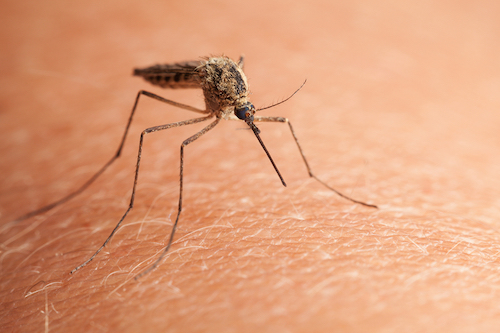
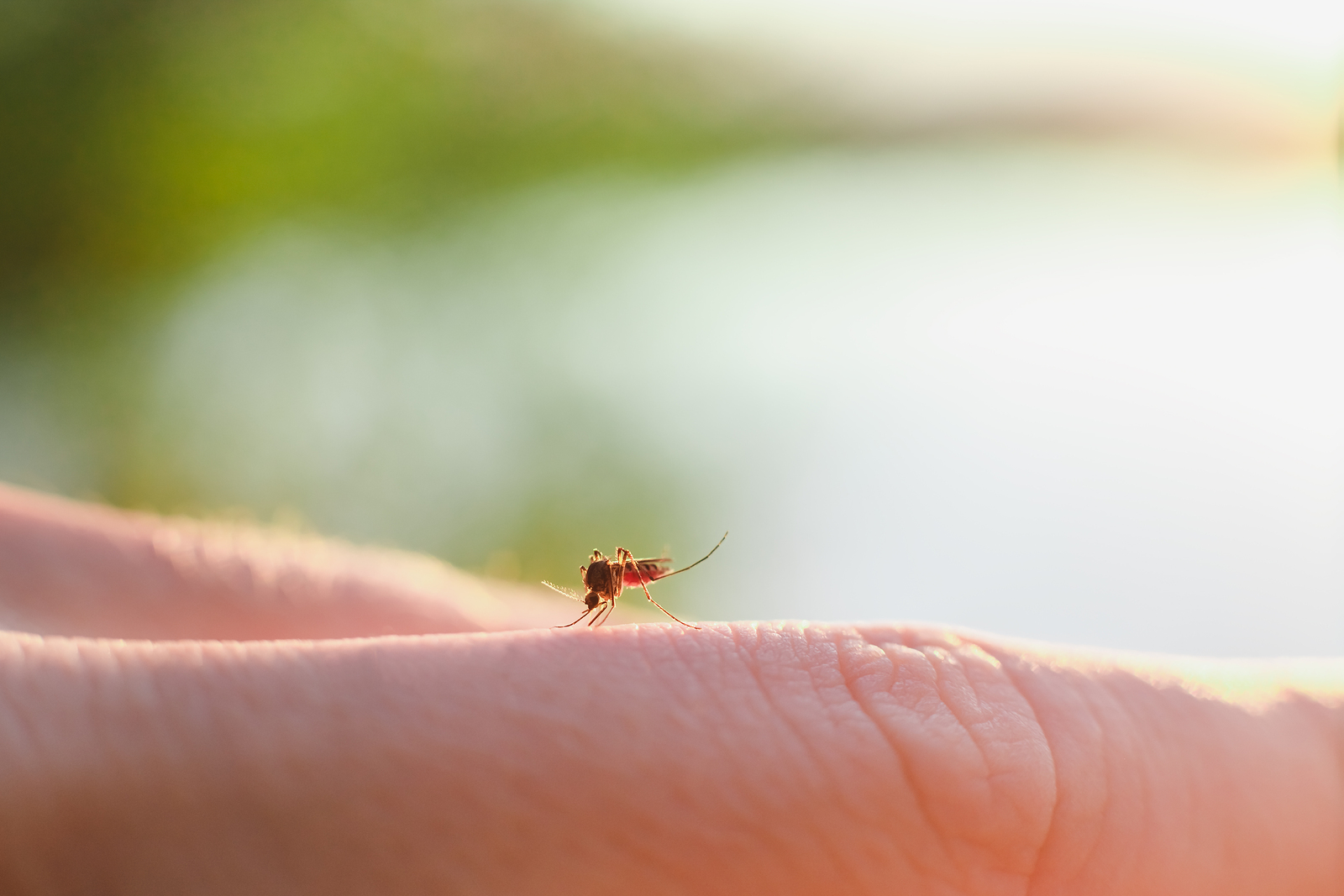
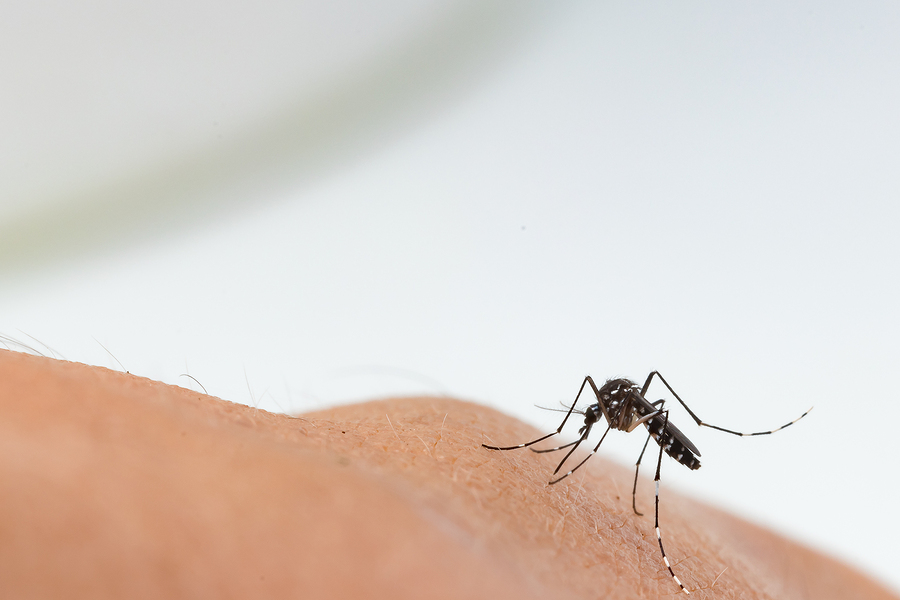
Mosquito season is in full swing, much to the dismay of those of us in the South. The humid weather stirs them up in a major way year after year.
Your mosquito service has already started up, but reduction services are just that, a service aimed at managing the occurrence of mosquitoes in the yard. Your Northwest technician utilizes an Intergrated Pest Management approach (IPM), which is customized just for you and your pest needs. This approach is aimed at mosquito prevention, mosquito reduction, and the elimination of the habitats that mosquitoes need to breed. Implementing a successful IPM strategy goes a long way with cutting down the mosquito population surrounding your home.
But, did you know that there are steps you can take to push your mosquito service to the next level?

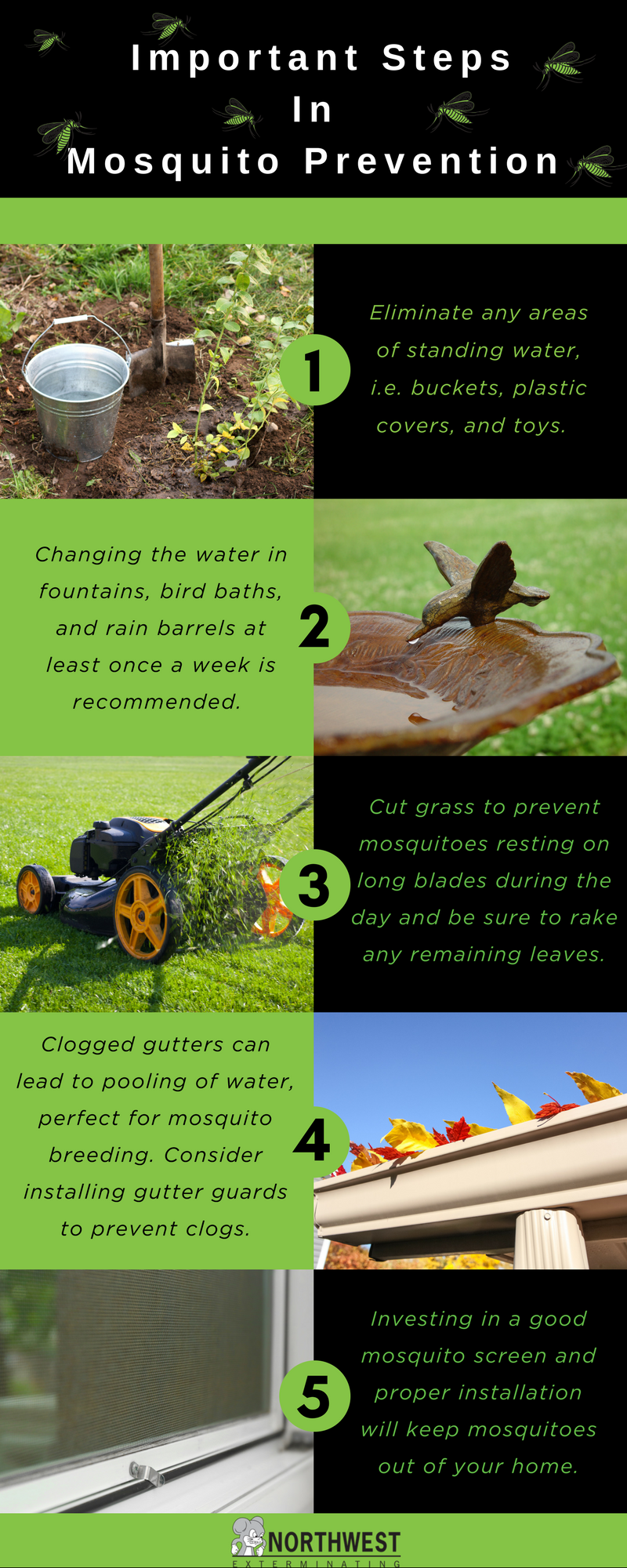
- Eliminate any areas of standing water i.e. buckets, plastic covers, and toys
- Change the water in fountains, bird baths, and rain barrels at least once a week
- Cut grass to prevent mosquitoes resting on long blades and rake leaves
- Keep gutters clean and consider installing gutter guards to prevent clogs, which create areas of standing water, conducive to mosquito breeding
- Install a mosquito screen to keep mosquitoes out of your home
These extra steps will not only reduce the number of mosquitoes you encounter but will also help protect you and your family from mosquito bites and the diseases they can carry.
If you suspect you have a problem with mosquitoes in or around your home, contact a professional pest control company who can provide you with a thorough inspection and comprehensive mosquito treatment plan.
Apr 6, 2018 | Mosquito, Pest Control
With pollen season in full swing, the rain is more than welcome in order to get some relief. However, when the rain has decided to overstay its welcome, it can lead to unwelcome visitors in your home and pests that overtake your yard.
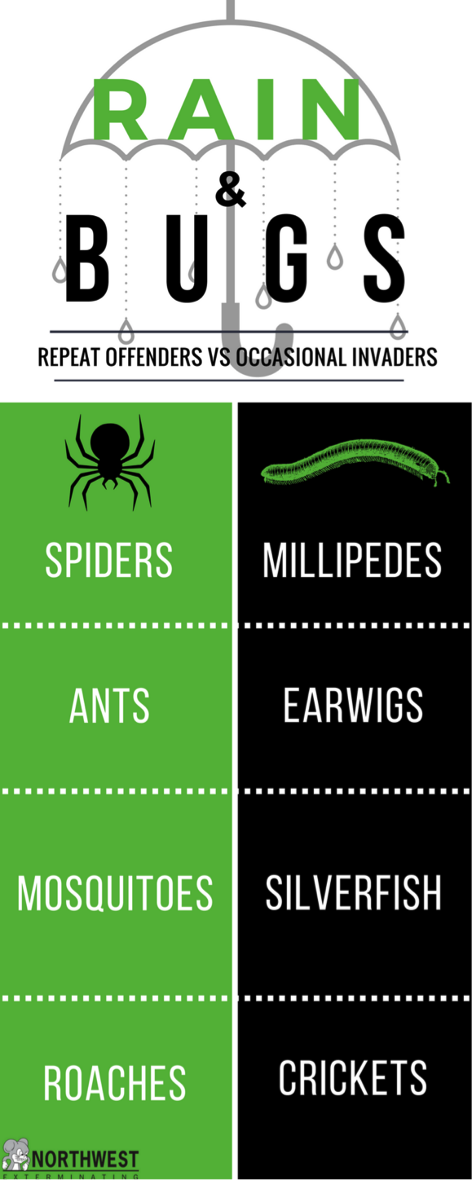
The Repeat Offenders:
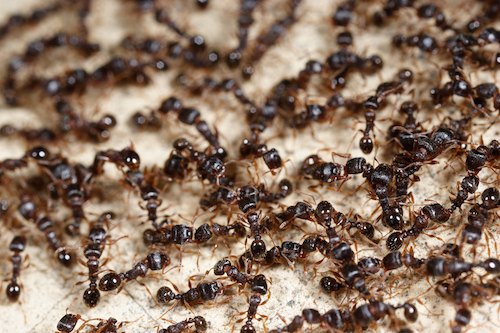
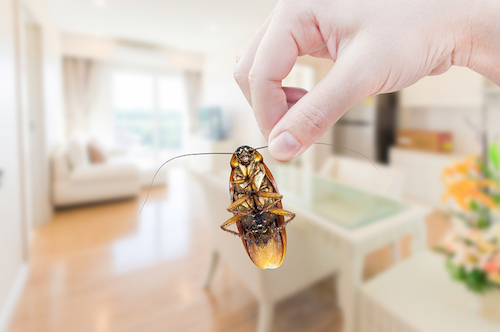
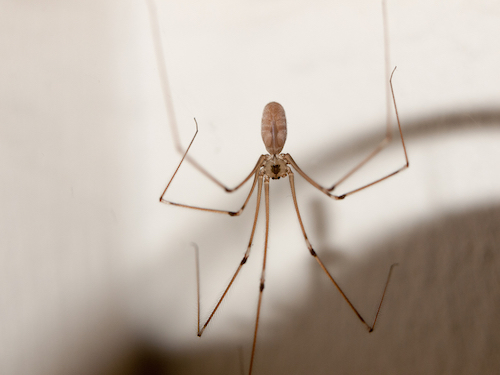
Spiders/Ants/Roaches – Once their shelter is compromised, these pests will seek refuge in homes, gaining access through small cracks that lead from the exterior of your home. Once these pests find that your home provides an excellent food source and shelter from the outside, they will attempt to establish a permanent residence.
Mosquitoes – Excessive rain leads to more sites of standing water that are perfect for mosquitoes to use for breeding, leading to mosquitoes progressively taking over your yard.
The Occasional Invaders:
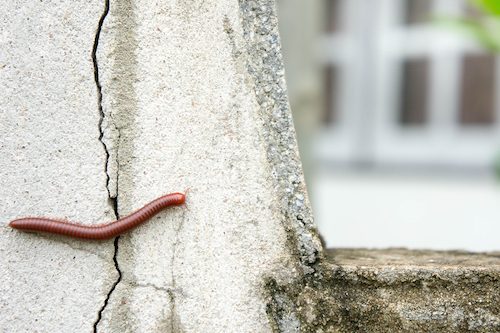
Millipedes/Earwigs/Silverfish/Crickets – These pests thrive outside as their main source of food is decaying vegetation. While they like moisture, excess rain will push them out of their hiding spots, and the high levels of moisture in your basement will be an appealing new home.
You can take the following steps to make sure these unwanted guests stop invading your home:
- Seal off pest entry points
- Move leaf piles, mulch piles and other vegetation away from home
- Keep food sealed in tight containers
- Eliminate sources of standing water (inside or outside)
- Interior and exterior pest control treatments by a professional exterminator
- Monthly mosquito treatments
Apr 6, 2018 | Mosquito, Pest Control
With pollen season in full swing, the rain is more than welcome in order to get some relief. However, when the rain has decided to overstay its welcome, it can lead to unwelcome visitors in your home and pests that overtake your yard.
The Repeat Offenders:
Spiders/Ants/Roaches – Once their shelter is compromised, these pests will seek refuge in homes, gaining access through small cracks that lead from the exterior of your home. Once these pests find that your home provides an excellent food source and shelter from the outside, they will attempt to establish a permanent residence.
Mosquitoes – Excessive rain leads to more sites of standing water that are perfect for mosquitoes to use for breeding, leading to mosquitoes progressively taking over your yard.
The Occasional Invaders:
Millipedes/Earwigs/Silverfish/Crickets – These pests thrive outside as their main source of food is decaying vegetation. While they like moisture, excess rain will push them out of their hiding spots, and the high levels of moisture in your basement will be an appealing new home.
You can take the following steps to make sure these unwanted guests stop invading your home:
- Seal off pest entry points
- Move leaf piles, mulch piles and other vegetation away from home
- Keep food sealed in tight containers
- Eliminate sources of standing water (inside or outside)
- Interior and exterior pest control treatments by a professional exterminator
- Monthly mosquito treatments
Apr 3, 2018 | Mosquito, Pest Control
The South is known for many things like warm weather, sweet tea, and southern hospitality. Unfortunately, the south is also known for another thing – mosquitoes! Mosquitoes thrive in warm, humid climates like we have here in the southern United States. As the weather warms, mosquito season begins and peaks in the mid-summer months. Mosquitoes can breed in less than 1 inch of water so the South offers them a multitude of habitats to expand their populations.
Mosquito bites cause irritation and itching of the skin. Besides this nuisance, mosquitoes can also transmit diseases that can threaten the health of both humans and animals. Here are some of the most common diseases that can be spread by mosquitoes:
MALARIA
- Spread by Anopheles species of mosquito
- About 1700 cases per year in the US
- Most cases are from travelers returning from malaria infected countries
- Serious disease, sometimes fatal
- Symptoms include high fevers, chills, sweats, headache, body aches, nausea and vomiting
- Curable if diagnosed and treated promptly
- The potential for the disease to re-emerge in the US is present especially in the South
DENGUE
- Spread by the Aedes aegypti mosquito
- Rarely occurs in the US but rampant in Puerto Rico and Latin America
- Symptoms include high fever, severe headache, pain behind the eyes, joint pain, muscle and bone pain, rash, and mild bleeding (especially of the nose and gums)
- No vaccine to prevent in the US but there are vaccines registered for use in other countries
- No specific treatment; treat symptomatically with pain relievers, fever reducers, rest, and fluids
CHIKUNGUNYA
- Spread by the Aedes species of mosquito (Aedes aegypti and Aedes albopictus)
- Very similar to dengue and Zika
- Symptoms include fever, joint pain, headache, muscle pain, joint swelling, and rash
- Rarely fatal but extremely debilitating
- No vaccine to prevent
- Treatment is symptomatic with rest, fluids, fever reducers, and pain relievers
WEST NILE VIRUS
- West Nile Virus has been detected in over 30 species of mosquitoes
- Cases have been reported in all of the continental US
- Most people (8/10) do not have any symptoms at all
- 1/5 people have a high fever
- 1/150 people develop encephalitis which can be fatal
- No vaccine to prevent
- Treatment is symptomatic with fever reducers and pain relievers
ZIKA
- Spread by the Aedes species of mosquito
- Also spread by sexual contact and from pregnant mothers to their fetus
- Cases have been reported in all of the continental United States
- Symptoms include fever, rash, headache, joint pain, red eyes, and muscle pain
- Zika can also cause birth defects when passed to babies from their mothers during pregnancy
- No vaccine to prevent
- Treatment is symptomatic with rest, fluids, pain relievers, and fever reducers
PREVENTION:
Now that you know some of the diseases you can contract from mosquitoes what can you do to prevent them? Avoiding mosquito bites is the #1 way to prevent all of the diseases mentioned above. Check out these tips to avoid mosquito bites and help keep them away from yourself and your home.
- Eliminate standing water around your home, especially in old tires, buckets, plastic covers, toys, and any other containers that can hold water.
- Empty and change the water in bird baths, fountains, wading pools, and rain barrels at least once a week.
- Empty and change water in outdoor pet bowls daily.
- Check gutters for clogs which can cause water to pool. Clean them regularly, especially during the summer season. Consider installing gutter guards to help prevent clogs.
- Drain and fill any temporary pools of water around your home with dirt. Try to get your yard as level as possible.
- Keep swimming pool water treated appropriately and circulating.
- Make sure window and door screens are in good repair. Cover any gaps in walls, doors, and windows to keep mosquitoes from getting into your home.
- Keep doors and windows closed and stay indoors as much as possible, especially during the summer months.
- Keep your grass cut short and rake up any fallen leaves. Mosquitoes like to rest on grass during the day so keeping it short will eliminate this. Leaves can hold enough water for mosquitoes to breed so keep them raked up, as well.
- Replace your outdoor lights with yellow “bug lights.” These don’t eliminate mosquitoes but they do attract less of them than regular lights do.
- If you have to go outside, wear long sleeved shirts, long pants, and socks. Tuck your shirt into your pants and your pants into your socks to protect as much skin as possible.
- If you have to be outside in areas where there are a large number of mosquitoes, use head nets, long sleeves, and long pants.
- Use EPA-registered mosquito repellents but be sure to follow precautions and instructions carefully.
- Avoid using scented bath products if possible. While the connection is unknown, studies have shown that mosquitoes seem to be attracted to fragrances found in shampoo, perfume, cologne, and lotion.
Feb 21, 2018 | Mosquito, Pest Control
The best approach to controlling mosquitoes takes advantage of every life stage of a mosquito. This approach is known as an Integrated Pest Management approach (IPM). IPM employs a variety of different pest management techniques with an emphasis on pest prevention, pest reduction, and the elimination of habitats that can lead to pest infestations. A successful IPM strategy is made up of 4 different strategies:
- Removal Of Habitats. Mosquitoes require a water habitat for 2 stages of their life cycle. Elimination of water leaves them with nowhere to breed. Get rid of any standing water in gutters, buckets, toys, old tires, tarps, and any other container in and around your home. Consider installing gutter guards to prevent standing water in your gutter systems. Empty and change out the water in your fountains, bird baths, rain barrels, wading pools, and potted plants at least once a week. This will get rid of any eggs that may have been laid in the water since emptying it the week before. Make sure to keep your swimming pools treated and circulating.
- Use Structural Barriers. Using structural barriers decreases the incidence of mosquito bites. Install screens on your windows and doors and make sure they are in good repair. Make sure the edges are sealed. Cover any gaps in walls, doors, and windows.
- Control Adult Mosquitoes. This is the best and fastest method to prevent diseases transmitted by adult mosquitoes. Adult mosquito control uses an EPA-registered pesticide and is applied by aircraft or on the ground by truck-mounted sprayers.
- Control Larval Mosquitoes. Controlling mosquitoes in the larval stage allows them to be eliminated before they emerge as adult mosquitoes. This involves a method called source reduction (also known as physical or permanent mosquito control). Source reduction is the removal or permanent destruction of mosquito breeding sites. The goal of source reduction is to minimize larval mosquito production through habitat destruction. It can minimize or completely eliminate the need for multiple applications of both larvacides and adulticides. Source reduction can be as simple as properly disposing of containers that can hold water or as complex as draining swamps or installing ditches. Some methods of source reduction you can do at home include disposing of, covering, or tipping over any containers that can hold water such as flowerpots, cans, and old tires. Source reduction for freshwater lakes and ponds include periodic drainage, minimizing emergent or standing vegetation, and maintaining steep banks. Source reduction for swamps and marshes is difficult because of severe restrictions in environmental law.
If you suspect you have a problem with mosquitoes in or around your home, contact a professional pest control company who can provide you with a thorough inspection and comprehensive treatment plan.
Jul 14, 2017 | Fire Ant, Mosquito, Pest Control
Summer is in full-swing here in Georgia, the heat is rising, and the bugs are coming out to play (bite!). Here are 5 common summer pests to be on the lookout for and tips on how to prevent and get rid of them:
Chiggers
Chiggers (sometimes referred to as mites or red bugs) are so small they’re hard to spot. But you’ll know you’ve been bitten after an itchy, uncomfortable rash develops. While they don’t pose serious health risks, they can ruin outdoor fun and leave behind irritated skin that you’ll want to scratch. To prevent chigger bites this summer, limit time spent in areas prone to chiggers – woods, grassy areas, near lakes, ponds, streams & rivers – keep arms and legs covered when outside, and wear insect repellent with DEET. If you get bitten by chiggers (most commonly on legs and waist with red, itchy skin), take a bath or shower immediately to get rid of chiggers that may remain on your body, wash the clothes you were wearing in hot water, and then apply a itch-relief lotion or ointment to the affected areas – like hydrocortisone or calamine.
Mosquitoes
Mosquito bites, on the other hand, can be more serious since they carry multiple diseases, viruses, and parasites. The best way to minimize your risk of contracting mosquito-born illnesses like Zika, encephalitis, West Nile, dengue fever, and malaria (some of the most common) is to prevent mosquito bites by limiting travel to well-known, affected areas, keeping arms and legs covered in light-colored, loose clothing when outdoors, wearing insect repellent with DEET and reapply often, and controlling mosquitoes around your home with professional mosquito treatments. You can also reduce mosquitoes by eliminating breeding sites – any areas with standing water.
Fire Ants
Fire ants can be dangerous for the whole family, including pets. They’re aggressive and cause painful bites, often with severe allergic reactions, which can be especially harmful to small children and pets. The best way to prevent and control fire ants around your home is with regular yard treatments, specifically targeting fire ant mounds, by a professional exterminator. Treatments are usually applied in granular form and get rid of fire ants in as little as 72 hours.
Bees & Paper Wasps
Bees can be a threatening summer nuisance and often cause painful stings if threatened. One of the most common summer bees is a paper wasp. Paper wasps will form nests on or in almost any horizontal surface, resembling an umbrella attached by a small stem. They vary in color but can be brown and yellow striped or red with blackish wings. They’re most likely to sting when their nest is disturbed, which can happen accidentally when nests are hidden. Paper wasps can be highly aggressive and cause severe pain and allergic reactions so it’s recommended to leave nests undisturbed if posing no serious threat or contact a bee exterminator to access the situation.
Ticks
Ticks are dangerous for both humans and animals as they spread infectious diseases – like Lyme disease and Rocky Mountain spotted fever, through bites. Take steps to protect yourself from tick bites while outdoors by avoiding areas where ticks are prevalent, like wooded areas and in tall grass, and use an insect repellent with DEET. You should also treat pets with tick repellent products to reduce their risk of tick bites.
Click here for tick removal tips from the CDC.
Jun 30, 2017 | Mosquito, Pest Control
Common pests you’ll see after rainy weather:
The best way to prevent rainy day bugs:
- Keep shrubbery and trees trimmed and away from your home’s exterior
- Take out garbage daily
- Clean up spills immediately
- Don’t leave pet food out
- De-clutter
- Seal off pest entry points
- Interior and exterior pest control treatments by a professional exterminator
- Eliminate sources of standing water (inside and outside)
- Mosquito bite prevention
- Monthly mosquito treatments
May 23, 2017 | DIY, DIY Mosquito Control, Mosquito
The sun is shining, the warm breeze is blowing, you’ve got your feet up, unwinding from the week, when…OUCH! That moment of relaxation you’ve been waiting for was suddenly interrupted by a painful mosquito bite. At this point you’re annoyed, thinking about going back inside to avoid more bites, or wondering if you should make an appointment with your doctor to check for Zika or West Nile. What a summer bummer!
Mosquitoes not only pose serious risks for your family, but pets are a target too. Heartworms are parasites transmitted to dogs and cats through mosquito bites, that live in pets’ bloodstream, lungs and heart, and can cause serious, even deadly, side effects.
Don’t let mosquitoes suck the life out of your summer. Protect family and pets and take back your yard with these easy mosquito bite prevention tips:
Attack Mosquitoes at the Source
Mosquitoes breed in areas with stagnant, standing water like fountains and water features, toys, buckets, outdoor pet bowls, bird baths, clogged gutters, vases, flowerpot saucers, old tires or tire swings, rain barrels, trash cans and trash can lids, tarps, kiddie pools, and pool covers. The best way to prevent mosquito bites is to remove these items/areas and to treat your yard with mosquito control products. This is included in a monthly mosquito reduction program and is guaranteed to drastically reduce the number of mosquitoes in and around your yard.
Use Insect Repellent
One of the best ways to prevent Zika and other mosquito-borne diseases is to use skin-applied insect repellent when you’re going to be outside. Formulas that contain DEET and picaridin were found to be most effective at preventing mosquito bites (and those with natural plant oils least effective), according to Consumer Reports.
Cover Up
If you really want to further prevent bites, keep arms and legs covered when outdoors with light-colored, loose clothing. Sometimes this can be just as uncomfortable as getting bitten, though, with the scorching summer heat. If you leave skin exposed, be sure to reapply insect repellent often (especially if you’ll be swimming).
Use Fans
Consider using fans in areas you’ll be hanging out this summer – on decks, patios, around pools, etc. Mosquitoes are weak fliers so the winds from fans will make it hard for them to get close enough to bite.
Apr 7, 2017 | Mosquito
Mosquitoes are known carriers of several viruses, transmitting disease and parasites to people and animals that come in contact with them via painful bites. While some of these diseases don’t pose serious health risks, others can be deadly (over one million people die each year from mosquito-borne diseases, according to the AMCA!). Here are 3 common mosquito diseases you should be cautious of this summer:
Zika Virus
What is it?
First discovered in 1947, Zika, a mosquito-borne virus, originated in Uganda, Africa. Shortly after, outbreaks of Zika were detected throughout tropical areas in Africa, Southeast Asia, and the Pacific Islands, according to the CDC. Now, mosquitoes carrying Zika have been identified in many countries, including the U.S.
How do you get it?
Primarily transmitted by the Aedes species, infected mosquitoes can spread Zika to humans and animals through bites. These mosquitoes are active during daytime and evening hours. Zika can also be sexually transmitted from one infected partner to another, from pregnant women to unborn babies, and through blood transfusions.
What are the symptoms?
Common symptom of Zika include rash, fever, joint and muscle pain, headache, and/or red eyes and can last for up to a week, but many infected won’t show any symptoms at all. Zika is dangerous specifically for pregnant women as it can cause birth defects, a condition called Microcephaly, in fetuses. This can cause brain and eye defects, hearing deficits, and impair growth.
How do you prevent it?
Because there’s currently no vaccine to treat and/or cure Zika, the best way to protect yourself is by preventing mosquito bites. Keep arms and legs covered in loose, light-colored clothing when outdoors and use insect repellent. Repair or replace missing or damaged window and door screens at home and keep them closed as often as possible. Control mosquito populations around your home by getting rid of adult mosquitoes as well as reducing mosquito reproduction with home mosquito treatments from a licensed pest control company. Most companies offer eco-friendly mosquito treatment options that are family and pet-friendly, if having your yard treated with chemicals is a concern. If pregnant, the CDC advises to avoid traveling to countries with known Zika outbreaks – see the list here – and refrain from unprotected sex.
What if you have it?
Check with your doctor to get tested. To minimize symptoms, drink lots of fluids, get plenty of rest, reduce fever or pain with over-the-counter pain medicines (avoid aspirin), and prevent additional mosquito bites. If you’re bitten by a mosquito once infected, you can pass Zika to other mosquitoes, who will then infect someone else – increasing the spread of Zika. If you’re pregnant and suspect you have Zika, contact your physician immediately.
West Nile Virus
What is it?
The first occurrences of West Nile in the U.S emerged in New York in 1999 with 62 confirmed cases and 7 human deaths, according to the AMCA. West Nile virus is a mosquito-borne virus carried by many different mosquitoes, one of the most common being the Culex species.
How do you get it?
West Nile is most often transferred from birds to mosquitoes, and then from mosquitoes to humans and animals through bites.
What are the symptoms?
Symptoms may develop 3-14 days after bitten. Typically only 20% of people infected with West Nile virus will experience symptoms which include headache, body aches, and fever and usually last a week or less. Rarely, the virus develops into West Nile encephalitis which can cause high fever, neck stiffness, disorientation, coma, muscle weakness, convulsions, paralysis, and sometimes death. This is most common in people over the age of 50.
How do you prevent it?
Like Zika, there is no vaccine for West Nile virus. Prevent the virus by preventing mosquito bites.
What if you have it?
See your doctor. A blood test can determine if you’re infected with West Nile virus. If symptoms are severe, hospitalization may be necessary.
Dengue
What is it?
Dengue, a mosquito-borne virus, is the leading cause of illness and death in the tropics and subtropics according to the CDC (400 million people infected each year). While it rarely occurs in the U.S., it’s important to be aware of dengue while traveling to popular tourist destinations like Puerto Rico, parts of Central and South America, Southeast Asia, and the Pacific islands. Dengue is carried by the Aedes aegypti and Aedes albopictus mosquito species which are found throughout the world.
How do you get it?
Mosquitoes carrying dengue infect humans through bites and infected humans can infect other mosquitoes, when bitten.
What are the symptoms?
Most cases of dengue in the U.S. were acquired through travel abroad. Symptoms include severe headache, high fever, eye pain, joint pain, muscle pain, and rash. Severe cases can cause stomach pain, vomiting, difficulty breathing, and bleeding from gums and/or nose.
How do you prevent it?
Mosquito bite prevention is key when traveling to areas with known dengue outbreaks as there is no vaccine for dengue or medications to treat it. It’s especially critical for people with dengue to avoid mosquito bites so the disease isn’t spread from person to another mosquito.
What if you have it?
If symptoms are mild, lots of rest and fluids are recommended. For more severe symptoms, contact your health care provider immediately.