Feb 11, 2020 | Termite Control
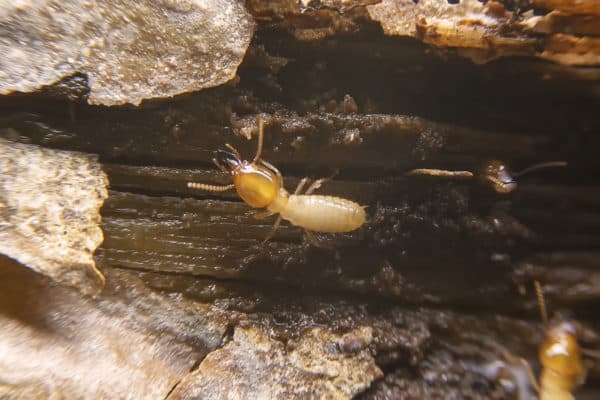
Termites cost homeowners billions of dollars each year in damages, treatments, and repairs. While traditional termite treatments are extremely effective at eliminating and controlling termite populations, environmentally sensitive homeowners often go in search of more green pest control options. One popular trend on the market today is orange oil treatments. Orange oil is an extract from orange rinds and is commonly used in cleaning solutions and food additives. The active ingredient in orange oil treatment is D-limonene which kills termites on contact by breaking down their exoskeleton and destroying their eggs. Orange oil treatments are the most common no-tent, no move out, organic termite control solutions.
Let’s look at some of the pros and cons of orange oil termite treatments:
Pros
- Low toxicity and more environmentally friendly than other termite control options
- Effective against drywood termites, carpenter ants, and wood-boring beetles
- No need to move out at night during treatment
- No need to remove plants or board pets during treatment
- No need to bag up food or medicinal supplies during treatment
- No potential damage from treatment to roof tiles
Cons
- Not effective against subterranean termites
- Although low toxicity, should not be ingested. Prolonged exposure to oil or fumes can cause skin and eye irritation, nausea and vomiting, lung irritation, and other symptoms
- Product is flammable and combustible once wicked into wood
- Only kills termites on contact and will not kill any undetected infestations
- Treatment requires drilling holes into your walls and other wood components of your home
- Multiple treatments are required as the entire colony is usually not exterminated during a single treatment
- Treatment of larger infestations can be more expensive than fumigation methods
- Treatment can only be applied to existing infestations; there is no residual protection against future infestations
Orange oil treatments are only effective against drywood termites because these pests live and colonize the wood they are infesting. They are not effective against subterranean termites as these pests live in the soil and only come up to feed on wood. Orange oil treatments will begin with a termite inspection to determine the type of termite and the extent of the infestation. Once the areas of termite damage and activity are identified, the technician will drill a hole into the wood and treat the infested areas. Orange oil is then injected into these drilled holes where it spreads throughout the wood beams via capillary action, passing through porous cells in all directions. This kills any termites and eggs on contact. This does not, however, kill any termites that don’t come in contact with the oil treatment. After treatment, the holes are then patched and painted.
In summary, orange oil does, in fact, kill termites but it is limited in its effectiveness. It is considered a secondary spot treatment as it is only effective when it is applied to areas with active infestations. Any termites that remain undetected and untreated will continue to eat, continuing the damage to your home. Because of this, multiple treatments are usually required. These treatments don’t eliminate the entire termite colony, leaving your home vulnerable. Whole structure treatment (fumigation) is a guaranteed method of completely exterminating termites from a structure. During fumigation, the whole house is treated at once. Fumigant gas is used to penetrate the walls, floor, lumber, and other surfaces where termites reside. If you suspect you have a termite issue, contact a professional pest control company who can help identify the type of termite you have, the scope of the infestation, and the best treatment options for your home.
You May Also Be Interested In:
How Much Does It Cost To Remove Animals From Your Attic?
Is Mosquito Control Needed in Winter?
Cold Weather Sends Roaches Indoors: 5 Tips to Prevent Them This Winter
Is Green Pest Control Worth The Investment?
Winterize Your Home With TAP Insulation
Jan 10, 2020 | DIY, DIY Wildlife Prevention, Wildlife
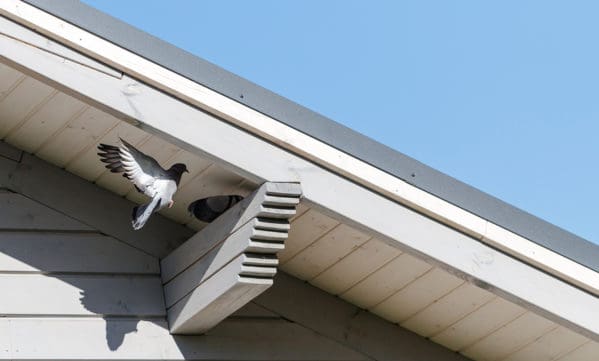
While most birds aren’t considered parasites, they can become quite a nuisance. Birds can be helpful in some ways: feeding on predator insects and eating the seeds of pesky weeds that can overtake your garden; but birds can also be pests by feeding on the fruits and veggies in your garden, causing damage to your home and other structures on your property, and leaving droppings that can lead to serious health risks to you and your family. Because it is illegal to kill most species of birds and remove or destroy the nests of other species, homeowners are only left with a few options when it comes to bird control: natural repellents that deter birds away from certain areas around your home and professional wildlife exclusion to safely and humanely remove or relocate nuisance birds. Here are five home remedies to keep birds away:
Video Transcript
Some birds are beautiful to watch, but when they start nesting on your home, the damage and mess can add up fast.
Droppings can carry disease. Nests can clog vents and chimneys, and addicts can quickly become unwanted bird hangouts.
Here are three smart ways to keep birds from moving in. First, remove what attracts them. Birds come for easy food and water. Keep grass trimmed to reduce insects. Store pet food in sealed containers and eliminate standing water whenever possible. Second, make surfaces uncomfortable. Shiny objects like foil strips or pie plates reflect light and scare birds away.
Double-sided tape or baking soda on ledges and railings can stop perching almost immediately. Third, maintain your yard and know the rules. Trim trees and shrubs, but never remove an active nest. Laws protect many birds. When you’re ready to call a professional for a peaceful home, feel free to reach out to our team at Northwest Exterminating.
1. Shiny Objects
Shiny, reflective objects make great deterrents for problematic birds. The reflection of light off of these objects discourages birds from returning to these areas. These shiny objects, such as old CDs, aluminum cans, tin foil, small mirrors, or even metallic wrapping paper, can be hung near nesting or landing areas frequented by the problematic birds.
2. Predators
Birds have many natural predators including cats, owls, and larger birds of prey. Placing objects in the shape of these predators around areas frequented by nuisance birds can deter them from nesting or landing near them. These objects can be made of wood, metal, or any other material that can withstand the outdoor environment. Make sure to move these objects around every few days or the birds will get acclimated to them and begin to ignore them.
3. Garden Balls
Round garden balls, which are large colorful balls that can be placed in your garden or hung from trees, fence posts, and stakes are a natural bird repellent. Birds will confuse these spherical orbs with eyes and try to avoid them. They also can be great decorations for your yard or garden.
4. Bird Spikes
Bird spikes are long, needle-like rods used for bird control. These spikes can be made of tin or plastic cans and placed in the dirt or attached with wire to window sills and overhangs. They can also be made by hammering nails into wood. Birds find these spikes uncomfortable and won’t land on them, keeping them away from problematic areas around your home.
5. Repellent Sprays
There are several versions of bird repellent sprays you can make at home but the most popular is a concoction of chili peppers, water, and vinegar. To make this spray, crush dried red or green chili peppers into a mixture of water and vinegar. This mixture can either then be heated in a crock pot for a few hours to infuse or placed in a clear glass in the sunlight for a natural infusion. Once finished, place the repellent in a plant mister and spray any areas where birds are causing problems.
If you try these home remedies and you still have an issue with birds, your other option is to contact a professional pest control company who specializes in wildlife control who can come and thoroughly evaluate your home to help determine not only the species of bird you are dealing with, but also the best course of treatment that is both legal and effective.
You May Also Be Interested In:
New Year, New Termite Protection
Pests and Your Home’s Value
6 Things You Should Know About Ants in the Kitchen
Should You Enclose Your Crawlspace in Winter?
Is Your Hotel on the Bed Bug Registry?
Dec 20, 2019 | Termite Control
When it comes to protecting your home from termites, your best bet is not to rely on just luck – termite prevention is critical to minimizing or completely avoiding the costly destruction termites can cause to your home. In fact, some cultures consider termites in the home bad luck. These cultures see termites as an omen of death in the near future for the homeowner; the only way to escape this ill fate is to eliminate the termite colony or abandon the infested home.
If prevention fails, early detection is the next best thing. Termites can cause significant damage to your home while remaining undetected for years. For this reason, annual termite inspections can help identify these pests early, saving you from costly long-term damages.
Prevention is key. Here are a few tips for termite prevention in your home:
Keep Landscaping Neat
Termites will look for any way possible into your home in search of food. Try to reduce any soil to wood contact around your home by getting rid of any lumber, mulch, plants, or wood from your foundation. Try to also keep at least a 4 inch barrier between any mulch used in your landscaping and the side of your home. If possible, use pine straw instead of mulch as it is less appetizing for termites. Keep shrubbery trimmed back at least 12 inches from the walls of your home and get rid of any fallen branches, dead wood, or old tree stumps on your property.
Dry It Out
Make sure your storm drains are directed away from the foundations and that they drain at least a few feet from foundations. Check for and repair any leaky faucets, pipes, or appliances and eliminate any other sources of excess moisture in your home. Keep sprinkler heads pointed away from foundations. If you have a crawlspace, consider crawlspace enclosure to not only help eliminate moisture under your home, but prevent mold, mildew, wood rot, and pests from getting into your home.
Be Mindful of Swarming Season
Most subterranean termites swarm during spring while drywood termites usually swarm in late summer and early fall. Be mindful of termite swarming season and make sure your outdoor lights are turned off at night. If possible, try to relocate any exterior lights to recessed areas away from doors and windows as swarmers are attracted to light.
Do Your Own Inspections
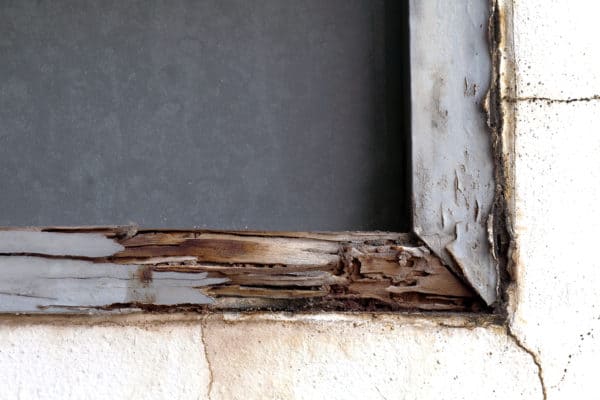
Keep an eye out for signs of termites in your home. Discarded wings and evidence of frass are sure signs you have termite tenants. Other signs include blistering sheetrock, mud tunnels, cracks in your foundations, and a hollow sound when tapping on wood. Make sure the exterior of your home is well maintained to prevent these by inspecting and repairing wood siding and window frames.
Call the Pros
Termites can be difficult to detect for long periods of time and even more difficult to get rid of once they are established. If you suspect you have a termite problem or if you want to get a step ahead of the prevention game, contact a professional pest control company who can set you up with annual termite inspections and, if necessary, a termite control plan.
You May Also Be Interested In:
Energy Saving for the Holidays
Should You Enclose Your Crawlspace in Winter?
Keeping Pests Away From Your Holiday Treats
What Are These Little Black Ants?
5 Ways to Avoid Bed Bugs For The Holidays
Nov 28, 2019 | Pest Control
Thanksgiving is a time to reflect on the things we are thankful for. Many people are thankful for life, health, family, and friends. Whatever you are thankful for this season, pest control probably isn’t very high on the list. What you may not realize is that there are several very important reasons to be thankful for this service. Here are five reasons to be thankful for pest control this holiday season.
Cost Savings
Routine pest control provides scheduled service throughout the year. This allows your service technician the opportunity to provide ongoing treatment for existing issues and regular inspections to help catch new problems early, before they manifest to serious infestations. This helps shift the focus of your pest control service from treatment to prevention, helping to save you from costly treatments and repairs in the future.
Improved Health
Routine pest control provides many opportunities to improve the health of both your family and your home. Pests offer a wide range of hazards to your family’s health and safety. Venomous spiders and ants can cause painful bites; rodents and other wildlife can leave droppings that can contaminate your food and household surfaces; cockroaches can exacerbate allergies and asthma. Routine pest control can help eliminate all of these threats, as well as provide you with stress and anxiety relief knowing that your home is protected.
Protecting the Value/Integrity of Your Home
Pests can cause serious damage to the structure of your home, decreasing its value and costing significant amounts of money in repairs and treatments. Rodents and other wildlife can chew through walls, wires, drywall, and even roofs, damaging them and increasing the risk of fires. Termites can eat through wood undetected for years before their damage is realized. Rodents and roaches can contaminate food, costing you money by having to throw it out and replace it. A routine pest control program can help catch these pest issues early and keep them from getting out of control.
Eco-Friendly Options
Pest control used to mean harsh chemicals that were dangerous for your small children or pets. Nowadays there are green pest control options that are eco-friendly and safe for use anywhere in and around your home while still remaining effective against pests. The active ingredients in a green pest control service are derived from flowers, plants, and other natural elements from the earth and are safe for both children and pets.
Service Guarantee
Most pest control programs offer a service guarantee. Routine pest control visits are scheduled so that problems can be identified and remedied at that time. The service guarantee allows the technician to come back in between scheduled visits for any issues that arise at no additional cost to you.
As you can see, there are many reasons to be thankful for pest control. If you suspect you have a pest problem or you want to stay ahead of the pests before they take over, contact a professional pest control company who can thoroughly evaluate your home and provide you with the treatment and prevention options needed to make you thankful this season.
You May Also Be Interested In:
Bed Bug Holiday Surprise
Cold Weather Sends Roaches Indoors: 5 Tips to Prevent Them This Winter
Late Fall Pests
Why Are There So Many Millipedes in My House?
Are Termites Active In Fall and Winter?
Oct 12, 2019 | Pest Control
Business owners have a laundry list of priorities when it comes to running their companies effectively – competitive pricing, keeping both customers and employees happy, maintaining their bottom line while generating profit. One of the most important aspects of running a business is making sure the customers, employees, and the building itself are safe and healthy. For this reason, commercial pest control should be included on the top priorities list. Pests are not only a serious health hazard to both employees and customers, they can also cause significant structural damage to buildings and property. Their presence alone is enough to taint the reputation of a business, often causing irreparable damage and loss of business.
Commercial pest control offers many benefits to business owners:
Year Round Protection
Pests are active year-round. Whether it’s termites swarming in the spring or spiders in the fall, customers don’t want to see pests in your business during any season. Partnering with a commercial pest control company offers the benefit of year-round pest protection regardless of the type of seasonal pest you have.
Multi-Faceted Approach
Different pests can plague a business at different times throughout the year. Commercial pest problems can range from roaches in the kitchen of a restaurant to bed bugs in the guest room of a hotel and any variety of problems in between. A professional pest control company can provide service for any type of pest you encounter, providing the latest and most innovative techniques and treatment options for a variety of pests.
Service Satisfaction
Most pest control companies offer a service guarantee meaning if you encounter a pest problem between scheduled visits or if you continue to have a recurrent problem after they have treated, they will come back and retreat at no additional cost to you.
Customization
A commercial pest control company can thoroughly evaluate your company to assess any pest issues you may have, as well as any areas of concern that may lead to future pest problems and provide you with a customized program tailored specifically to your company’s needs.
Commercial pest control provides many benefits to business owners and services including schools and daycares, hospitals, restaurants, offices, apartments, and more. Pest problems can be detrimental not only to a company’s reputation but also to the health and safety of their employees and customers and even the structure of the property itself. Consider implementing a commercial pest control program for your business today.
You May Also Be Interested In:
for Your New Home
Is Sentricon Termite Protection Right for Your Home?
Things That Go Bump in Your Crawlspace
How Do You Know If You Have A Rat or A Mouse?
Avoiding Bed Bugs While Traveling