Jul 12, 2019 | Pest Control
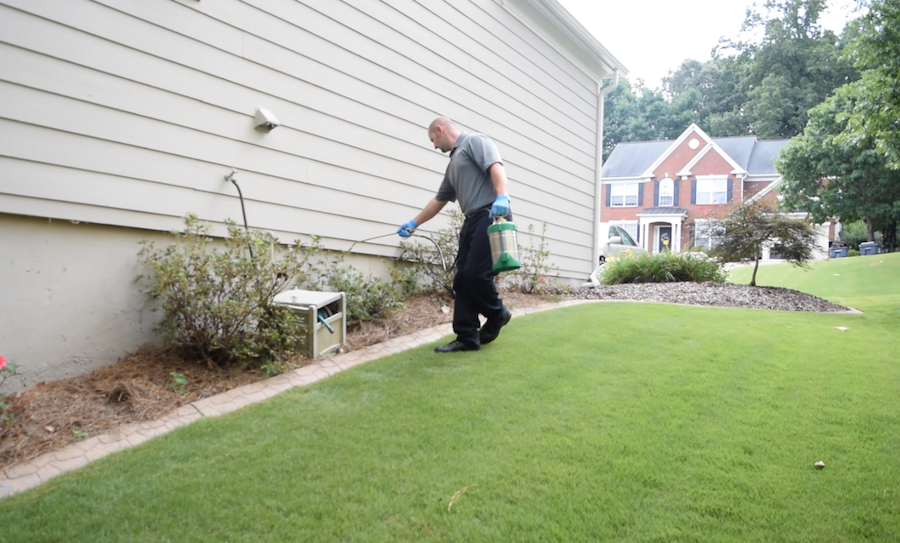
There are several methods of pest control out there from DIY pest control, to traditional pest control and green pest control from a professional exterminating company. No matter which method you choose, any pest control efforts are well worth the investment. Pest prevention is always the best first line strategy for pest control. Keeping your house clean and well-sealed, keeping your yard mowed, and practicing good hygiene in and around your home are all simple preventative measures that anyone can take. Pests can be tenacious, however, and sometimes these efforts just aren’t enough.
Pests can cause a multitude of problems for your home, property, and even your health. Some common household pests include termites, which can significantly damage or even destroy your home; cockroaches, whose droppings can spread disease and trigger allergies and asthma; mosquitoes, that can transmit diseases like West Nile virus and Zika virus; ants, which can cause painful bites and contaminate food; fleas and ticks, which not only cause painful, itchy bites but can also transmit serious diseases like Lyme disease and STARI; bed bugs, which can quickly infest your home and be quite costly to remove; and rodents, who can damage wood and wiring, as well as transmit serious diseases.
The National Pest Control Association estimates that Americans spent over $3 billion on pest control and extermination services last year. If you’ve ever had a pest problem in your home, most would agree that this investment in pest control is worth it. Here are the benefits to using a professional pest control company:
HEALTH & SAFETY
The health and safety of family and pets is at the top of the priority list for most people. Pests carry harmful diseases and bacteria that can expose your family and pets to illness. Eliminating these pests quickly can help minimize exposure and protect your family’s health and well-being in the long run. Many pest control companies now offer green pest control options that use products derived from flowers, plants, and natural earth elements rather than harsh chemicals.
EXPERTISE
Pest control professionals have the training, education, and expertise to handle many different types of pests. They know the safe and proper methods to identify, prevent, and eliminate each of these different pests, as well as where and how often to utilize them. They also have access to the most cutting edge technology and techniques in the field, as well as products and treatments that may not be readily available to consumers.
INSPECTION
Pest control effectiveness is maximized by finding the source of the problem. If you have treatment without successfully eradicating the source, the problem will continue to recur in the future. Routine pest control includes a survey and pest control inspection inside and outside your home. This can not only help them identify the source of your current pest problem, but also identify any pest issues you may not know about yet or any issues that have the potential to become future problems. Based on their inspection, the pest control technician can provide you with a customized pest control program using the most innovative and advanced products and equipment, implementing Integrated Pest Management (IPM) techniques, that includes the inspection and plan, along with pest identification, ongoing perimeter protection, and continuous communication to help prevent problems in the future. Routine treatment and inspection also allows them to catch pest problems early before they have the chance to cause significant damage to your home and property.
COST
While there may be a cost to you upfront, the cost savings in the long run can be significant for professional pest control services. Professional exterminating provides faster and more effective results than do-it-yourself methods, in most cases. They can also save you money in the future by identifying pest problems early and eliminating them fast, preventing a costly infestation and/or damage in the future. Most pest control companies also offer a service guarantee to come back between scheduled visits, if needed, at no additional cost to the consumer.
Ready to get started? Request a Free Pest Control Estimate Now.
YOU MAY ALSO BE INTERESTED IN:
Where Do Roaches Come From?
The Dangers of Flea and Tick Bites
Summer Without Bed Bug Worry
Common Spiders: Poisonous or Painful?
Summer Snakes and How To Prevent Them
Apr 5, 2019 | Going Green, Pest Control
With the recent focus on going “green” and harmful impacts on the environment, many people are ramping up their efforts to establish eco-friendly practices in both the workplace and at home. Efforts to recycle, reduce energy usage, and limit carbon emissions are all common ways to make a positive impact on the environment. One area that isn’t often thought of in the “green” movement is pest control. Green pest control is an environmentally friendly alternative to traditional pest control that is commonly used in areas that house the young, the elderly, the immunocompromised, and pets. But what is the difference between the two?
Traditional pest control provides most of the same benefits as green pest control but utilizes synthetic chemicals to eliminate and control pest populations. These chemicals are used sparingly, however, with just enough used to target the specific pest issue.
Green pest control, on the other hand, eliminates common household pests with the lowest environmental impact possible. This is achieved with ingredients derived from flowers, plants, and natural elements rather than harsh chemicals. Green pest control has proven to be just as beneficial as traditional pest control methods. Green pest control uses preventative measures combined with purposeful application of natural products.
Green pest control also utilizes a 5 step Integrated Pest Management (IPM) process which is an “effective and environmentally sensitive approach to pest management that relies on a combination of common sense practices.” The 5 steps of an IPM program include Plan, Inspection, Pest Identification, Ongoing Perimeter Protection, and Continuous Communication.
NorPest Green is Northwest’s quarterly pest control program performed by only the highest-trained professionals, using high-quality, non-toxic products derived from botanicals. We customize a plan based on your needs, so you can be sure your home is healthy and your family and pets are protected. NorPest Green also comes with a service guarantee meaning we come back in between regular scheduled pest control visits, if needed, at no additional cost to you.
Pests are a nuisance and can be detrimental to both your home and your health. Regardless of whether you choose a traditional pest control service or a green pest control service, protecting your family is of the utmost importance. Contact a professional pest control company like Northwest for a free pest control estimate.
You May Also Be Interested In:
Don’t Bring Bed Bugs Home!
German Roaches vs American Roaches: What’s The Difference?
Is Green Pest Control Worth The Investment?
Is That Spider Poisonous?
How Much Does A Termite Inspection Cost?
Jan 18, 2019 | Going Green, Pest Control
Green pest control provides an eco-conscious option to traditional pest control and is especially beneficial in homes and businesses that house the young, the elderly, pets, and those with compromised immune systems or allergies. But are they really effective?
The answer is yes. Green pest control typically utilizes botanical and/or earth-based pesticides and a targeted approach when applying them, focusing on eliminating and controlling pest populations through both preventative measures and purposeful product application, based on your specific pest issues.
One important component of any green pest control program is Integrated Pest Management (IPM). IPM doesn’t just focus on eliminating pest populations but also on identifying and getting rid of the environmental factors that are allowing the pests to procreate and thrive, as well as preventative measures to prevent re-entry. IPM can actually cut back significantly on the amount of pesticides used in treatments (by more than 90%!).
Once green pest control companies identify the problem pests and decide that action is required, there are several methods that are used to eliminate them:
- Introduction of natural enemies to reduce or eliminate the population
- Installing barriers to entry (such as screens)
- Employing mechanical control techniques (like traps)
- Using pesticides as a last resort (carefully applied to be as safe as possible)
Once you make the decision to invest in a green pest control program, contact an exterminator near you, and they will provide you with the following:
- A customized plan: A customized pest control program using only the most innovative and advanced pest control products and equipment available
- No harsh chemicals: Pest control products whose active ingredients are derived from flowers, plants, and natural elements from the earth
- Service guarantee: Follow up visits in between regularly scheduled pest control services, if needed, at no additional cost to you
- Integrated pest management: Plan, inspection, pest identification, ongoing perimeter protection, and continuous communication from your exterminator
- Highly trained technicians: Exterminators who are experts in green pest control methods
- Whole home pest protection: Pest protection that is environmentally friendly both inside your home and outside, that covers common household pests such as ants, spiders, roaches, mice, centipedes, millipedes, silverfish, and earwigs
You May Also Be Interested In:
Wildlife Control: Unusual Winter Wildlife
What Are Your Termite Treatment Options?
Pest Control: Does The Weather Affect Pests?
Exterminating: The Last Of The Creepy Crawlers
Fall
Jan 11, 2019 | DIY, DIY Wildlife Prevention, Wildlife
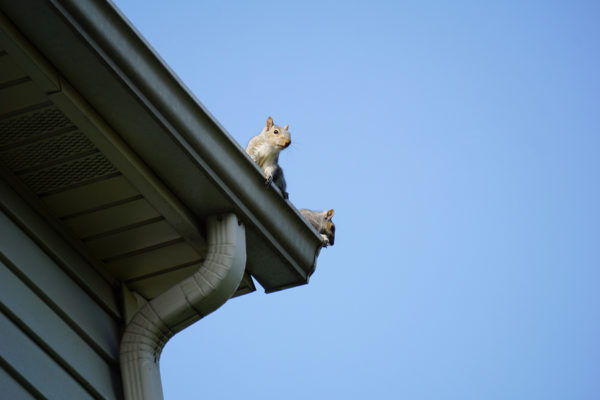
The winter months can bring wildlife indoors as they search for food and shelter from the cold weather, causing property damage by chewing through the wood, insulation, and wiring in your home, and can also carry diseases that threaten the health of you and your family. What critters should you be concerned about? Most wildlife control services include the exclusion, removal, and control of animals such as squirrels, rodents, raccoons, snakes, bees, and birds. Safe removal of the nuisance critter is always the first priority when it comes to wildlife, but what can you do to prevent these animals from getting into your home or property to begin with? Keep reading for tips on wildlife prevention and bird control.
- Install door sweeps on exterior doors.
- Repair or replace any damaged window and door screens.
- Replace loose mortar around foundations and weatherstripping around windows and doors.
- Inspect the exterior of your home including the siding for damage, holes, and leaks and repair them immediately.
- Repair any holes under exterior stairs, porches, balconies, etc. to keep animals from taking up residence underneath them.
- Install chimney caps.
- Cover the openings to exhaust fans, soffits, attic vents, and utility pipes.
- Inspect your roof annually for water damage and loose or damaged shingles.
- Keep your attic, basement, and crawlspace well ventilated and dry.
- Clean eaves and gutters regularly to prevent debris from building up.
- Don’t leave your garage door open for prolonged periods of time or overnight.
- Keep tree limbs cut back at least 6 to 8 feet from your roof line.
- Store your firewood off the ground and at least 20 feet from your home.
- Keep your grills or barbecues clean and grease-free.
- If you have fruit trees make sure you pick or dispose of ripe fruit and clean up any spoiled fruit that may collect at the base of the trees.
- Clean up leaves and brush and don’t leave them in piles around your property.
- Store your birdseed in secure containers and don’t leave birdseed in your feeders overnight.
- Bring in your pet’s food and water dishes at night.
- Store food in airtight containers.
- Dispose of your garbage regularly and use cans that have secure lids.
If you suspect a wildlife problem, contact a professional wildlife control company. A wildlife removal expert will inspect your home to identify the animal nuisance, determine where they are getting in, remove them, and prevent the wildlife from getting into your home in the future. They can also inform you of any existing damage or contamination and provide you with a recommendation for repairs or clean-up.
You May Also Be Interested In:
: 7 Tips For A Healthy Winter Lawn
What Is Green Pest Control?
Termite Control: Do I Really Need Termite Protection?
Pest Control: Mosquitoes In The South
Exterminating Tips: Keeping Out Winter Pests
Oct 15, 2018 | Pest Control
Autumn is right around the corner and it brings with it cooler weather, Halloween, football, and a plethora of new pests. As the weather gets colder, pests will seek shelter, food, and warmth in our homes. Different seasons bring different pests and this time of year is no exception. Here are 7 of the most common fall pests and ways to prevent them from invading your home.
RODENTS
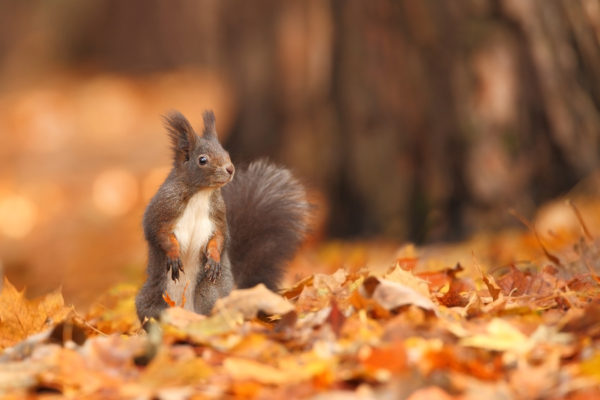
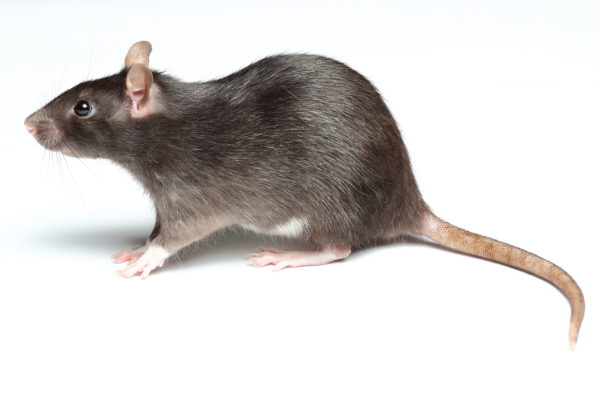
Rats, mice, and squirrels are among the most common rodents seen in the fall. They need food and warmth to survive the cold winter months. Rats are known to carry disease and can cause potential health problems for you and your family. They also get into food storage and chew through wooden supports. They build their nests in your insulation and can cause fires by chewing through electrical wires. They can fit into small gaps and holes to get into your home and bring fleas, mites, ticks, and lice with them.
Rodents can be prevented by:
- Storing food in airtight containers.
- Sealing cracks around your foundation.
- Keeping your kitchen clean.
- Decluttering your garage and attic.
- Using plastic storage containers instead of cardboard.
COCKROACHES
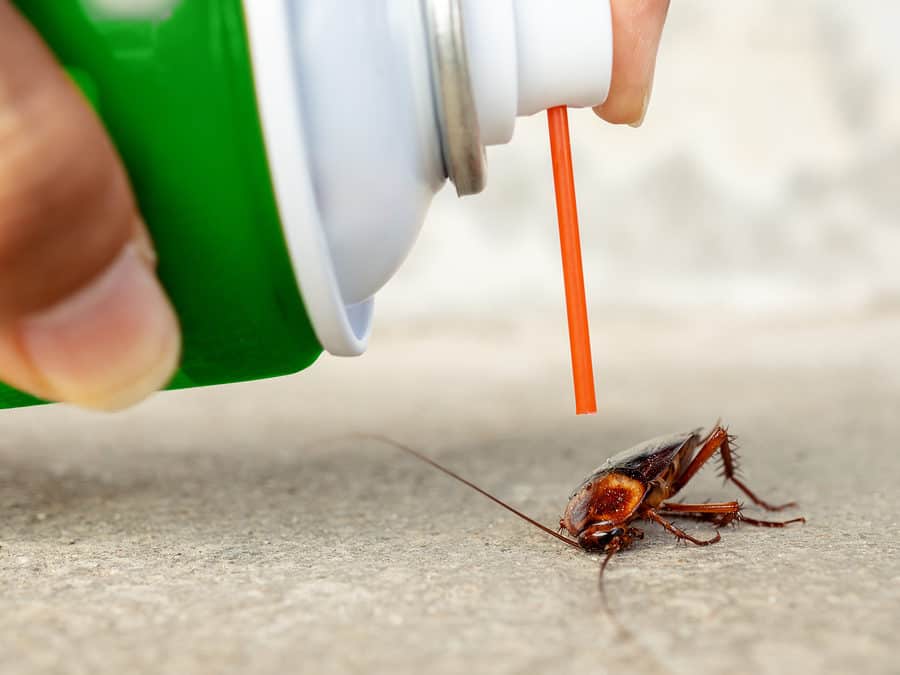
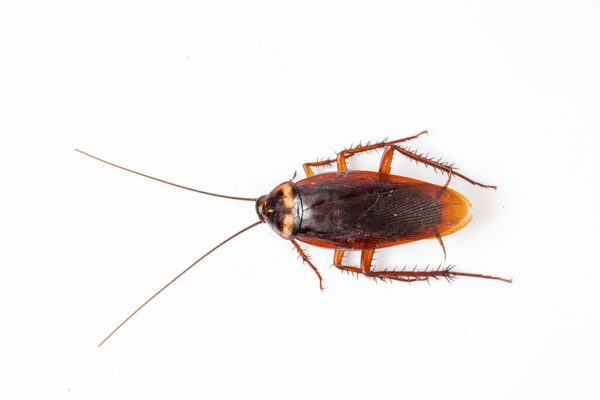
Cockroaches are the most common fall pest. Cockroaches can be dangerous to your health as they are known to carry 33 different types of bacteria and can cause asthma in children. They are large, fast, and extremely resilient. They like to hide near pipes and drains and are commonly seen in kitchens and bathrooms.
Cockroaches can be prevented by:
- Keeping kitchens and bathrooms sanitized.
- Vacuuming frequently.
- Ensuring cracks around your home are sealed.
- Storing food in airtight containers.
- Eliminating sources of standing water.
FLEAS
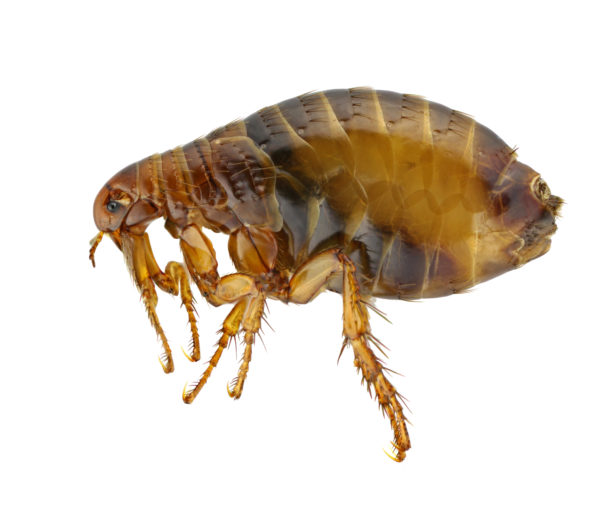
Fleas come into your home on both pets and rodents. While they don’t transmit serious diseases to humans, their bites can be painful and irritating. Fleas can spread throughout your home quickly and can be extremely difficult to get rid of.
Fleas can be prevented by:
- Keeping grass mowed and shrubs trimmed.
- Not leaving pet food out overnight.
- Sealing openings to crawlspaces, garages, sheds, and decks.
- Using preventative products on your pets.
- Vacuuming often.
- Washing pet bedding often.
ANTS
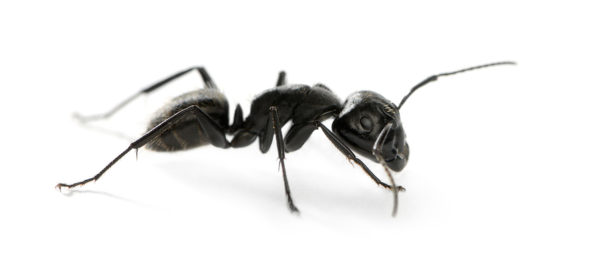
There are several species of ants that are common in the fall. Ants can move into the walls of your home or underneath your foundations and cause significant damage to your home. Carpenter ants can chew through the wood of your home and compromise its structure. Odorous house ants can get into and contaminate your food.
Ants can be prevented by:
- Sealing cracks around your foundation.
- Storing food in airtight containers.
- Sweeping your floors often.
- Eliminating sources of standing water.
- Keeping tree branches and plants cut back from your home.
- Not storing firewood near the home or indoors overnight.
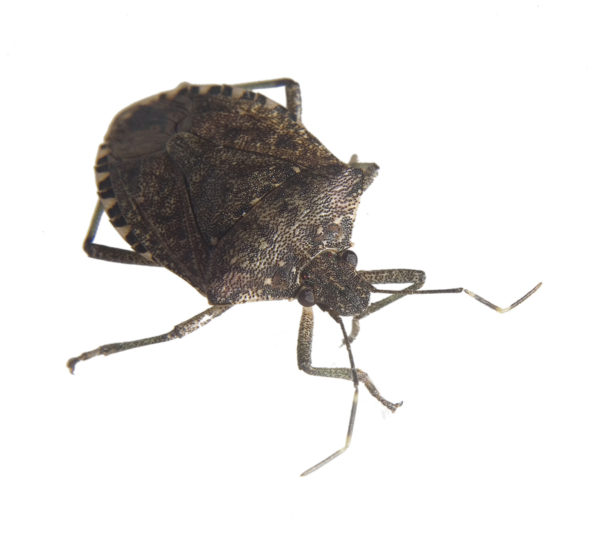
STINK BUGS
Stink bugs actively seek shelter indoors from the cooler weather of fall. Stink bugs don’t transmit diseases, nor do they bite or sting. They can, however, cause damage to clothing, furniture and other fabrics with their droppings. They emit a strong odor when they are frightened, disturbed, or squashed as a defense mechanism against predators.
Stink bugs can be prevented by:
- Checking your belongings before bringing them inside the home.
- Making sure screens on doors and windows are in good repair or, if not, that they are replaced.
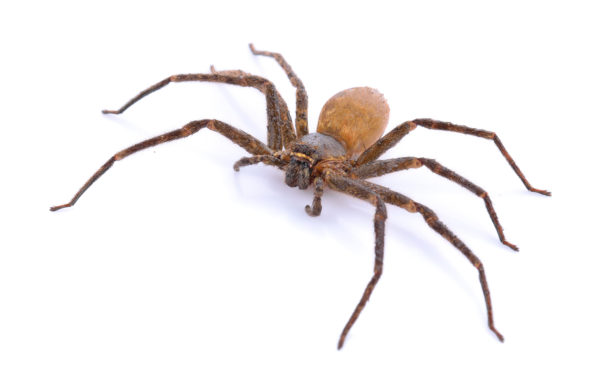
SPIDERS
There is a significant increase in the number and variety of spiders that appear in the fall. Fall is mating season for most spiders so they are actively seeking mates before winter sets in. The most common spiders seen in the fall are house spiders, which are responsible for the cobwebs you often see in your home, wolf spiders, and hobo spiders.
Spiders can be prevented by:
- Sealing cracks and crevices around your home.
- Turning porch lights off at night to decrease the number of bugs around your home for spiders to eat.
- Dusting regularly.
- Removing cobwebs as soon as you find them.
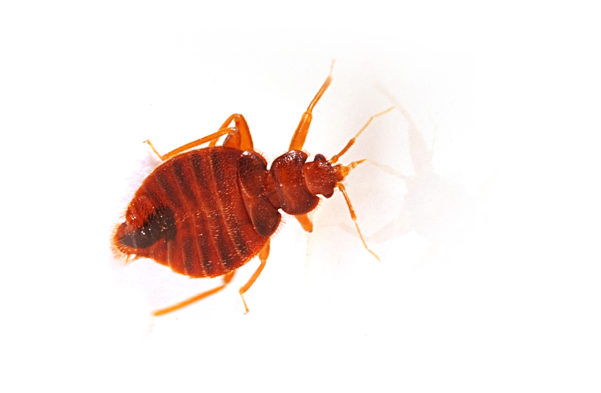
BED BUGS
Travel in the fall increases with a large number of sporting events, family gatherings, and students heading back to school and college. Bed bugs ride on clothing, suitcases, and even school bags. While they don’t spread disease, they do leave behind itchy red welts. Bed bugs are extremely difficult to control and eliminate.
Bed bugs can be prevented by:
- Inspecting hotel rooms and dorms before unpacking.
- Keeping personal belongings off the floor in public places.
- Checking suitcases before bringing them back into your home.