Dec 29, 2025 | Florida Pest Control
December in Broward County brings milder temperatures and a welcome break from the year-round heat. As residents enjoy the pleasant weather, house mice are also on the move, seeking refuge from the subtle chill. While Florida’s winters are not severe, this seasonal shift is enough to drive these small rodents indoors, making December a peak month for infestations in local homes.
Understanding why these pests become more active during this time is the first step toward effective prevention. For homeowners, being proactive is key to maintaining a comfortable and pest-free property. This guide outlines why house mice invade Broward homes in December, the issues they can cause, and proven strategies to keep them out.
Why December is a Prime Time for Mouse Invasions
Even in South Florida, the slight drop in temperature is a significant environmental cue for house mice. Their behavior changes as they instinctively search for stable, warm environments with reliable access to food and water—and your home provides everything they need.
The Search for Warmth
As outdoor temperatures fluctuate, mice seek consistent warmth to nest and breed. A house mouse can squeeze through an opening as small as a dime, easily gaining access to wall voids, attics, crawlspaces, and the spaces behind appliances. These secluded areas offer the perfect shelter to ride out the cooler parts of the year.
A Consistent Food Source
During winter, natural food sources like seeds and plants become less abundant outdoors. Your kitchen and pantry become an irresistible target. Unsealed food containers, crumbs on the floor, and accessible pet food bowls are an open invitation for mice to settle in. Once a food source is established, they have no incentive to leave.
The Risks Associated with House Mice
A mouse infestation is more than just a minor inconvenience. These rodents can introduce considerable problems into your home, affecting both your property and your living conditions.
Damage to Property
House mice have incisors that grow continuously, which means they must gnaw constantly to keep them filed down. This behavior can lead to significant damage.
- Electrical Wires: Mice frequently chew on electrical wiring, stripping the insulation and creating a serious fire hazard.
- Structural Elements: They can gnaw through drywall, wood, and plastic pipes, compromising your home’s structure and potentially causing leaks.
- Insulation: Mice will tear up insulation in attics and walls to create nesting material, reducing your home’s energy efficiency.
Unsanitary Living Conditions
Mice are not clean animals. They leave a trail of droppings and urine as they travel, contaminating countertops, pantry shelves, and other surfaces. They are capable of carrying and transmitting germs, which can compromise the cleanliness of your home environment. They can also bring in other pests, such as fleas and ticks.
Effective Prevention Strategies for Your Home
The most reliable way to handle a mouse problem is to prevent it from starting. Making your home less accessible and attractive to rodents is your best defense.
Seal Potential Entry Points
A thorough inspection of your home’s exterior can reveal vulnerable spots.
- Fill all cracks and holes in the foundation, walls, and roofline. Use steel wool and caulk for a rodent-proof seal.
- Install weather stripping on doors and place sweeps on garage doors to close gaps.
- Cover vents and utility openings with sturdy wire mesh.
Remove Indoor Attractants
Do not provide the resources mice need to survive and thrive.
- Store all food—including pet food and birdseed—in airtight glass or metal containers.
- Maintain a clean kitchen by wiping up spills and crumbs immediately.
- Use trash receptacles with tight-fitting lids and empty them regularly.
- Fix leaky pipes and faucets to eliminate water sources.
You should not have to share your home with pests. A professional pest control expert can perform a detailed inspection to identify entry points and the extent of the infestation. They will implement a comprehensive management plan to resolve the issue and help you secure your home against future invasions. Contact a rodent control specialist today for an inspection and enjoy peace of mind in your Broward home this December.

Aug 29, 2022 | Florida Pest Control
Miami Pest Control: Identifying Common Rodents
Whether you find them in your attic, basement, crawlspace, or just near your property, spotting any rodents on your property is never ideal. These pests can cause significant property damage and pose health risks to you and your family. To avoid these sneaky creatures, it’s important for each homeowner to be aware of the different types of common rodents that will invade their Miami homes.
Norway Rat
One of the largest species of rats, Norway rats measure from 13 to 18 inches in body length, are known to have thick fur, and are usually brown in color. These rats prefer to live closer to humans, searching for any food source available. They will eat any food type but usually prefer high-quality foods such as meat and fresh grains. Rats also need a water source to survive since they don’t get moisture needed from their food source and will look for any standing water.
Norway rats will burrow to make their nests underneath buildings, concrete slabs, around ponds, in garbage dumps, and more. In homes, they will typically look to areas that usually go undisturbed, such as crawlspaces or basements. These creatures will cause property damage, such as gnawing through plastic materials or lead pipes. Norway rats will bring fleas and mites into the home.
House Mouse
Only ranging from 5 to 7 inches in length, the house mouse has a fur coloration ranging from light brown to black with a tan or white belly. You can usually tell the difference between a house mouse and a rat by looking at their tails; mice tails are long, rough, and have little to no fur. House mice will eat any food to survive, but they usually like to feed on cereal grains. While rats need water to survive, house mice do not, as they get most of their water from the food they eat.
If these rodents find a food source, they typically stick around that area, establishing a territory 30 to 50 feet from it. House mice are incredible climbers, allowing them to jump and reach isolated or withdrawn areas. If they get inside the home, they can be a threat as they are known to create electrical fires by gnawing on wires.
Roof Rat
Slightly smaller than a Norway rat, the roof rat measures around 13 inches in length, including the tail. These rodents are brown, black, or gray with a scaly, snaked tail which is longer than the head and body. They are excellent climbers and prefer to nest in high places within structures, including higher levels of homes, trees, and buildings. Roof rats prefer to eat fruit, vegetables, and cereal products. Roof rats eat a lot all at once and will return to that place time after time for food.
If you suspect any of these rodents inside your home, consider contacting your local Miami pest control company for a rodent control plan that will help remove, exclude, and prevent them in the future!
Jul 20, 2021 | Pest Control
Dealing with a rodent is never an ideal situation for a homeowner. These creatures can pose serious health risks and property damage issues for your home and family. Different factors can attract varied species of rodents. To avoid these pests, every homeowner should be aware of the different types of rodents that can invade, along with how to prevent each one.
Norway Rats
Norway rats are one of the largest species of rats, measuring around 10 inches in body length. These rats have thick fur, usually brown with black shading. Norway rats are nocturnal and will often burrow into piles of garbage to search for food. If these creatures invade homes, it’s usually due to sparse food sources. They will typically invade areas in the house that go undisturbed such as crawlspaces or basements.
Norway rats can cause serious property damage by gnawing through materials like plastic and lead pipes. They can also bring house fleas and mites into homes. To prevent these rodents, make sure to tightly seal all trash cans outside your home. Check around the exterior and foundation of the home to search for any holes or gaps leading inside and seal them if needed.
Roof Rats
Roof rats are about 8 inches long with slender bodies. Their fur is smooth with gray coloring and black shading throughout. A great way to identify them is that their tails are darker than Norway rats and they are usually hairless and scaly. These rats are known to be extremely agile and skilled climbers. They live in colonies and prefer to nest in higher levels of buildings, trees, and homes. While they do prefer to eat fruit, they will still eat any available food source they can find.
If you happen to have fruit trees on your property, it’s important to clean up any fallen fruit as soon as possible as it will attract these creatures to your yard. Repair any roof damage such as broken tiles or gaps under eaves as these rats can sneak into any gap or hole that is as small as a quarter.
House Mouse
Light to gray in color, house mice weigh around 1 ounce or less! These small rodents like to nest in dark, secluded areas inside structures. House mice are excellent climbers and can jump up to a foot in height, which allows them to reach isolated or withdrawn areas.
House mice can be a threat to homes as they are known to spark electrical fires by gnawing on wires inside the house. They can also pose serious health threats as they can contaminate stored food and spread diseases such as salmonella. House mice often like to hide throughout household clutter. It’s essential to keep storage areas clean and well-organized and keep the boxes off the floor.
If you start to see signs of rodents in your home, contact a professional pest control company to ensure they don’t multiply and cause severe damage!
Mar 4, 2013 | Uncategorized
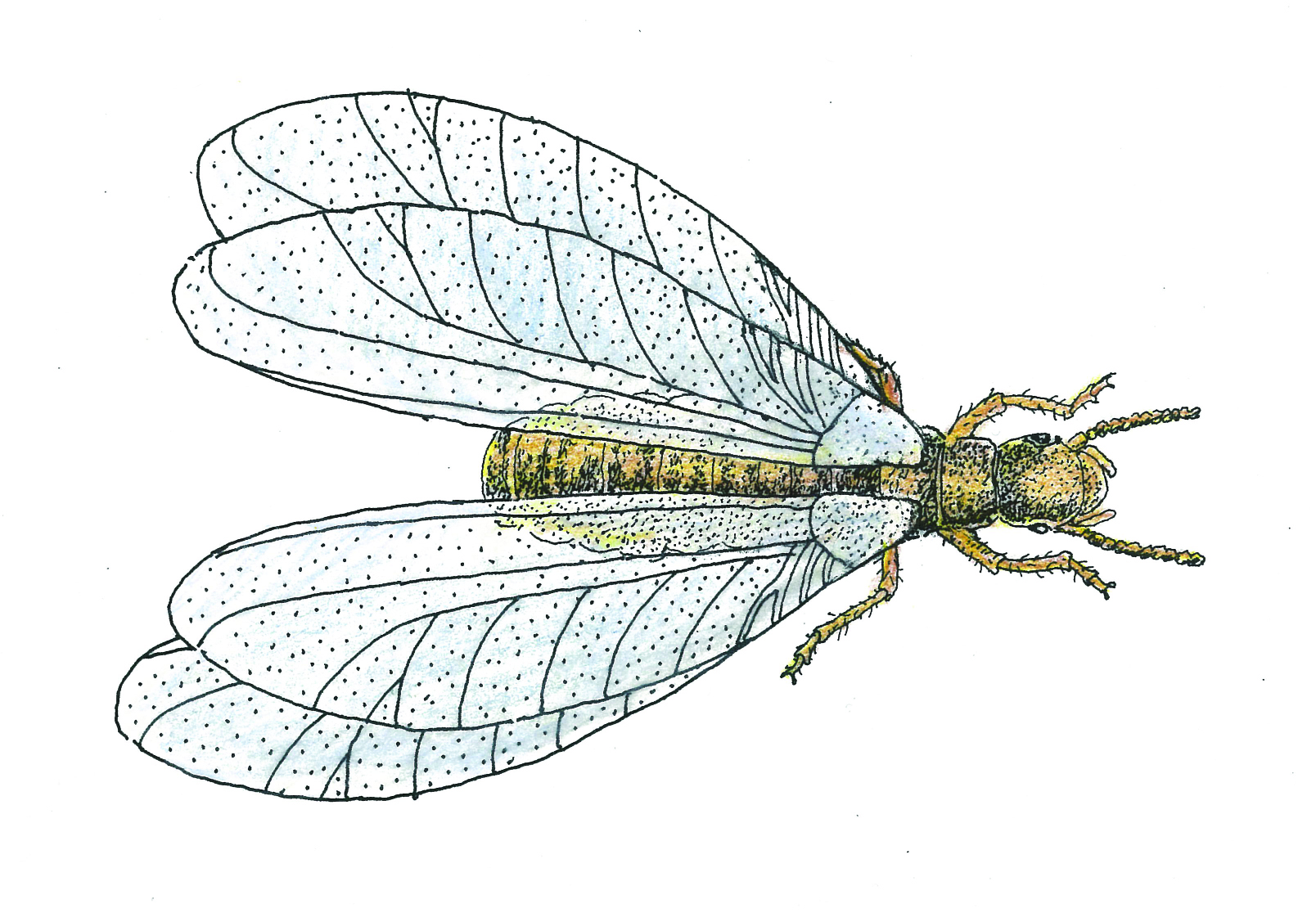
Termites are very destructive and cause billions of dollars of damage to homes each year in the U.S. That is why we are dedicating March’s Pest of the Month to TERMITES!
Habits
- Operate under a caste system. There are workers, soldiers, and reproductives.
- Live in colonies underground or in moist secluded areas.
- Feed on items containing cellulose.
- Swarm in the spring when reproductive termites go out to start new colonies.
Different Species
Threats
- Cause severe damage to a structure by chewing away at the wood.
- Responsible for more than $2 billion of damage to homes in the US each year.
- Cause more damage in an average year than floods, fires, and tornadoes.
- A termite colony may contain several hundred thousand individuals.
Prevention
- Divert water away from the foundation of a structure.
- Repair leaky faucets, pipes, and AC units on the outside of the home.
- Properly ventilate areas of high humidity like crawl spaces, attics, and basements.
- Keep mulch or ground cover at least 15 inches away from the foundation of a structure.
- Sentricon Termite Elimination baiting systems may be placed around the perimeter of a structure.
Other Pests to Look Out For
If you think you may have termites, or other pests in your home, call the mouse at 888.466.7849 or visit us online at www.callnorthwest.com
Feb 6, 2013 | Uncategorized
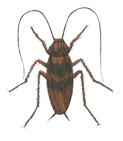
Roaches are often referred to as waterbugs. These bugs enter homes and commercial kitchens in search of food, water, and shelter.
Habits
- Enter through cracks and crevices
- Enter by way of boxes, containers, etc.
- Commonly found in areas with water such as kitchens and bathrooms
Different Species
Threats
- Cockroaches have been reported to spread at least 33 kinds of bacteria, six kinds of parasitic worms, and at least seven other kinds of human pathogens
- Cockroach allergens trigger allergic reactions
- Have shown to cause asthma in children
- Pick up germs while crawling though decaying matter or sewage and carry those germs onto foods or other surfaces
Prevention
- Reduce moisture by fixing leaky drains and pipes, properly ventilate basements and crawlspaces
- Brush all firewood before bringing it into your home – many insects lay eggs on firewood
- Clean kitchen counters regularly of spills and crumbs
- Clean dishes immediately after use
- Vacuum often
- Keep garbage in sealed containers and dispose often
- Keep food seals and stored properly
- Seal cracks and crevices that roaches could use as entry points into a structure
Other Pests to Look Out for