Jul 9, 2021 | Pest Control
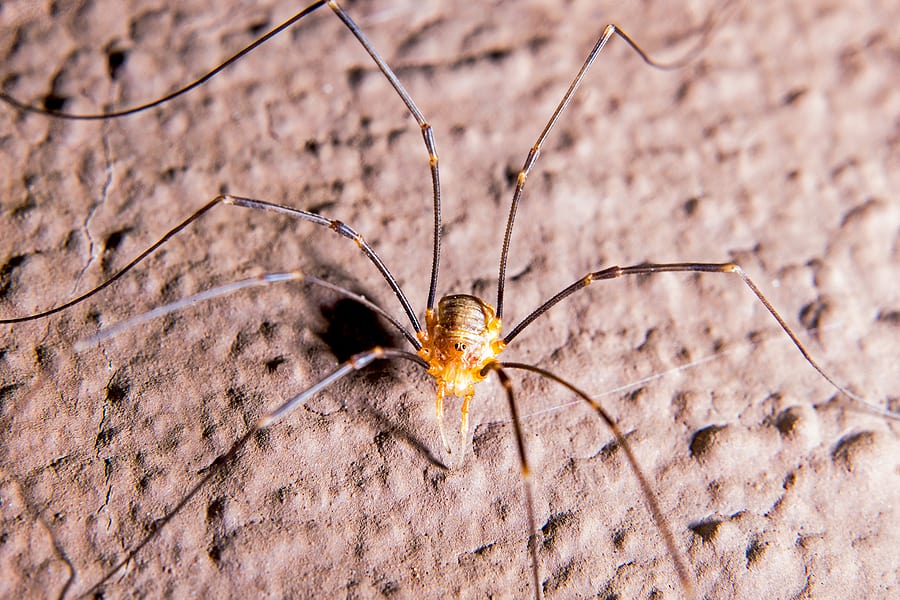
Daddy long legs, also known as harvestmen, belong to the arachnid family but they aren’t, in fact, spiders. They are cousins of spiders, mites, and scorpions. There are several differences between harvestmen and spiders. One of the most prominent is that harvestmen have one pair of eyes while spiders have 8 pairs of eyes. Harvestmen also cannot spin silk to make webs, so they can’t capture their food like spiders do. They have to ambush their prey instead.
Daddy long legs are omnivores and mostly eat spiders, earthworms, and other insects. When their food supply is limited, however, they will scavenge for whatever they can find like dead insects, insect eggs, and even decaying plants. In fact, these creatures are considered beneficial to have around your house and garden because they eat both garden and household pests.
Harvestmen prefer dark, moist environments so they are most often found in basements, crawlspaces, and garages. They have a unique ability to escape their predators by two different means: they can detach their legs (which will continue to twitch for up to an hour after they fall off) to trick their predators and escape; and they can also secrete a foul-smelling, bad-tasting chemical to deter their attackers.
Now you’ve found a daddy long legs inside your house. Should you be worried? Are these pests poisonous? It is important to distinguish the difference between poisonous and venomous. Poisonous pests cause harm when they are touched or ingested. Venomous pests cause harm by injecting venom through a bite. Although harvestmen do have fangs (also called chelicerae), they are primarily used to grasp and chew food. These arachnids are not known to bite humans and are not considered dangerous to either the health or structure of your home.
Because harvestmen are considered beneficial pests, it’s ok to leave them be if you find them lurking around your house. If you just can’t stomach the thought of sharing your personal space with them, the best way to get rid of them is to sweep or vacuum them up. If you have a problem with any other pests, contact a professional pest control company for a thorough evaluation and pest control plan.
You May Also Be Interested In:
Preventing the Top Three Summer Pests
How to Easily Deter Snakes Away from Your Property
Millipede vs Centipede – Which Is More Dangerous?
Orb Weaver Spiders: Dangerous or Not?
Green Mosquito Control: An Eco-Friendly Alternative

Jan 27, 2021 | Pest Control, Wildlife
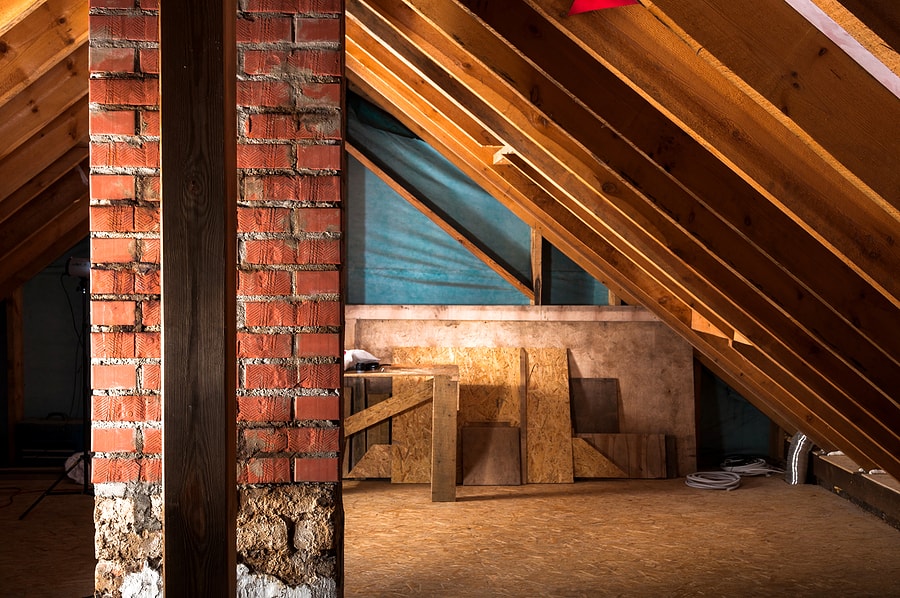
Main living areas such as kitchens, bathrooms, and bedrooms are all places that homeowners want to ensure are pest-free and wildlife-free year-round. While these spaces are always important to keep free of pests, it’s equally important to prevent them from entering the “forgotten rooms” in your home, as well. These forgotten areas include your basement, attic, and even extra storage rooms. Unfortunately, many homeowners are so focused on keeping the main living areas pest-free that they sometimes forget these other areas too.
Wildlife critters and household pests are looking for three things: water, food, and a warm environment. These three elements are easily available inside every home. Your attic is the perfect room for wildlife to make their home and for a pest to infest. Wildlife such as raccoons, squirrels, and birds can make their way through any openings or gaps leading into the attic. Sealing up any entry points is always a great start for wildlife prevention. Check your attic for any holes or gaps and seal them up immediately. In addition, inspecting your attic insulation is key to household pest prevention. Proper attic insulation can help prevent bugs such as roaches or ants from making their way inside.
Basements will often contain moisture by way of standing water, which provides pests and wildlife a plentiful water supply. Water is one of the main sources of attraction for pests like termites and millipedes. Cutting down moisture is essential to pest prevention. A moisture barrier for your crawlspace and a gutter protection system for your roof are great investments to help eliminate any standing water. These investments both help ensure that water is not filtering into your crawlspace and basement area.
If you suspect that you have a pest or wildlife infestation in your home’s “forgotten areas,” consider reaching out to your local pest control company. A professional will inspect these areas and provide you with a prevention and treatment plan.
Jan 8, 2021 | Pest Control
Pest control starts at home. By establishing a good line of defense on the home front, you’re less likely to need to mount an offense against those pesky pest invaders. Prevention is key to keeping a small pest problem from becoming a full fledged pest invasion. Here is our guide to home pest control:
Step 1: Maintain Your Landscaping
The fewer pests you have outside your home means less of a chance they will make their way inside your home. Make your yard less hospitable for pests to reduce the likelihood they will move indoors. Keep tree branches and shrubbery trimmed back so they don’t touch your house. This helps eliminate “bridges” they can use to get inside. Mulch is also excellent for sheltering unwanted pests. Consider using a cover that is less attractive like rock. Clean out leaves and other debris from gutters or install gutter guards to help prevent standing water.
Step 2: Inspect the Outside
The best way to keep pests out is to find out how they can get in and eliminate these points of entry. Routinely inspect the entire exterior of your home for gaps, cracks, and crevices. Check foundations, loose siding, missing shingles, and gaps around utility lines (especially pipes, wiring, and cable). Seal any openings you find with either copper mesh, steel wool, sheet metal or mortar. Try not to use expanding caulk because some pests can still chew through this (think rodents!). Keep an eye out for signs of termites including mud tubes, damaged wood, or cracked and bubbling paint. Repair fascia and rotted roof shingles. Replace weather stripping and make sure to repair loose mortar. Use screens on windows, attic vents, and chimney openings.
Step 3: Choose the Right Lightbulbs
Bugs tend to be more attracted to standard mercury vapor lightbulbs. Consider replacing your standard lightbulbs with high pressure sodium vapor or halogen bulbs instead. What the bulbs are made of aren’t the only thing you should consider. Check the color of the lightbulbs, as well. Bulbs with pink, yellow, and orange tints are less attractive to pests.
Step 4: Take Out the Garbage
Garbage attracts pests like rodents, roaches, and even ants. These pests are also attracted to yard waste which can provide them with both a source of food and a nesting site. Use garbage and recycling cans with tight-fitting lids. Make sure to clean both the garbage cans and the area where they sit on a regular basis. Clean up any spills and leftover debris that these pests can feed on. Keep your deck, patio, garage, and yard clear of leaf litter, clippings, and standing water. Rinse all the food off anything you are recycling before putting them in the bin. Store your cans outside whenever possible.
Step 5: Check the Interior
Inspections shouldn’t be limited to outside the home. The interior needs to be inspected regularly, as well. While inspecting, make sure to look under, inside, and behind cabinets, the refrigerator, and the stove for signs of household pests. Look for gaps around pipes, vents, and cables and in the trim. If you find any gaps, seal them up, especially if they are 1/4″ in size or bigger. Check for moisture under sinks and repair leaky pipes, Use a dehumidifier in crawlspaces, attics, and basements.
Step 6: Empty the Drains
Drains in the sink, tub, shower, and floor can hold moisture and accumulate debris and gunk. This not only attracts pests but also provides them with the ideal environment to breed in. Inspect and clean all your drains on a regular basis, including those in the laundry room and basement.
Step 7: Establish a Cleaning Routine
Establishing a regular cleaning routine helps keep your home clean, making it less attractive to pests. Keep food stored in containers with tight fitting lids or resealable bags. Never leave open food out overnight. Keep the pantry cleaned out regularly to get rid of spoiled food and other items. These steps will help eliminate pantry pests. Wipe down countertops daily and keep ripe fruit in the fridge. Wash dishes or load the dishwasher nightly and don’t leave dirty dishes in the sink overnight. Sweep, vacuum, and mop on a regular basis, as well. This not only disturbs the areas that pests may frequent but also helps eliminate crumbs and debris that can serve as a food source.
Step 8: Remember Your Pets
Pets aren’t immune to pest problems. Not only can pests hitch a ride inside on your pets, but their food and water also serve as attractants. Keep your pet’s food and water bowls clean and clean up any spilled food and water immediately. Launder your pet’s bedding in hot water every week. Store pet food in a sealable container. Per your vet’s recommendations, use appropriate flea and tick prevention as needed.
A small pest problem can escalate quickly; but with this handy guide to home pest control, you can take the necessary steps to prevent a pest infestation. If your pest problem has gotten out of control or you want a little extra help from a pro, contact a professional pest control company for a complete inspection and treatment plan.
You May Also Be Interested In:
A New Year’s Resolution: Keeping Pest-Free!
Holiday Home Savings!
5 Holiday Pest Control Tips
Winter Essentials
9 Energy Saving Tips For Winter
Dec 22, 2020 | Pest Control
One thing that is sure to put a damper on your holiday spirit is unwanted pests! The holiday season provides ample opportunity for household pests to make their way into your home. Spiders, rodents, ants, ticks, and other overwintering pests will commonly invade in search of food, water, and shelter.
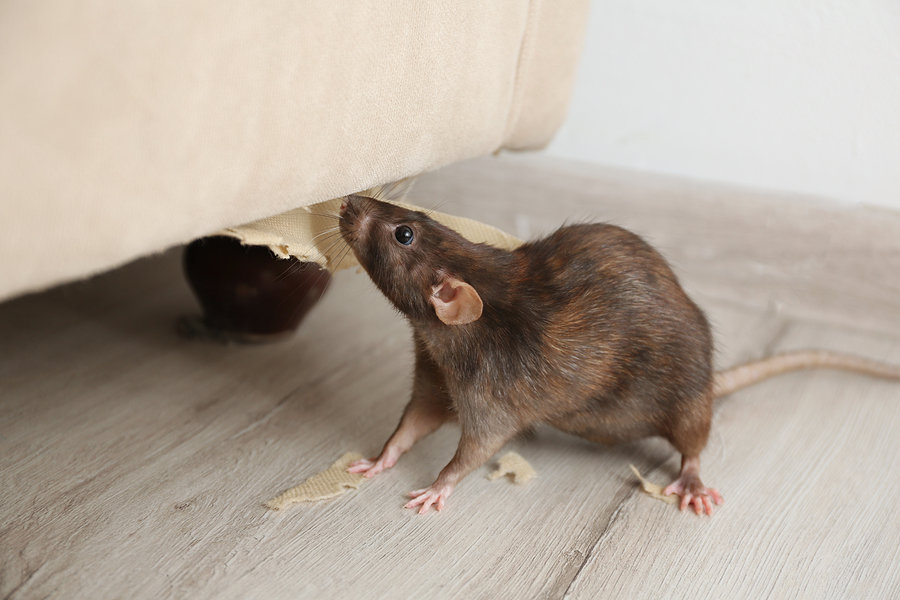
Holiday pests will use Christmas trees, wreaths, firewood, decorations, storage boxes, luggage, and more to hitch a ride into your home. Some pests will hide in the branches and crevices of Christmas trees, wreaths, garland, and firewood. They can even lay eggs which will then hatch after you bring them inside. Mice and other pests will take refuge inside your storage boxes that hold decorations. You may find live pests, dead pests, or droppings inside these containers. You may also find that they have chewed or damaged wires inside the box.
Increased travel at the holidays increases the risk of bed bugs. These pests hitch a ride on unsuspecting travelers’ luggage, coats, purses, and more. The kitchen is often the central gathering place for holiday cooking and meals. It can also be a big source of food for unwanted pests. Crumbs, spills, leftovers, and dirty dishes all provide an easy food source for holiday pests.
Don’t let pests ruin your holiday plans. Keep them away with these 5 holiday pest control tips.
Inspect Trees and Other Live Decorations
Pests can come indoors on live trees, wreaths, garland, and firewood. Carefully inspect these items outside before bringing them inside. Make sure to check for live pests, nests, and eggs. Shake them out carefully to disturb any slumbering pests and to knock off any hidden pests.
Check Storage Boxes
Pests will hide out in boxes used to store decorations and other holiday items. Unpack these items outside and inspect them all carefully for signs or pests including dead bugs, live bugs, droppings, gnaw marks, and other damage. Carefully check strings of lights and other wires for signs of chewing.
Keep the Kitchen Clean
Holiday meals are centered around the kitchen. Clean up the kitchen after cooking. Wash dishes or load the dishwasher and don’t leave dirty dishes out overnight. Sweep up any crumbs from the floor and clean up spills immediately. Make sure to empty the trashcan frequently, especially before bedtime.
Use Caution When Traveling
Bed bugs are common at the holidays because of the increase in travel. Whether you are going away or you have guests coming in, inspect the bedding carefully for bed bugs. Signs of bed bugs include live bugs, reddish brown spots on bed linens, and shed skins. These can be found on beds, mattresses, box springs, linens, curtains, furniture, and even baseboards. Check luggage before bringing it into the house. Wash clothes in hot water and dry on hot heat as soon as you return home.
Prepare For Next Season
At the end of the holidays, taking down decorations and storing them for next year becomes a priority. Store your holiday decor in plastic storage bins with sealing lids rather than cardboard boxes or bags. Don’t pile discarded trees, garlands, or cut firewood near your home as these can attract termites and rodents.
The holiday season is a time of great joy, family, and friendship. Don’t let holiday pests ruin your year. If you have a problem with any type of critter in your home, contact your local pest control company for a free inspection and comprehensive treatment plan.
You May Also Be Interested In:
Winter Essentials
Keep Your Kitchen Pest-Free!
Crawlspace Enclosure: The Cure For Cold Feet
Is Your Hotel on the Bed Bug Registry?
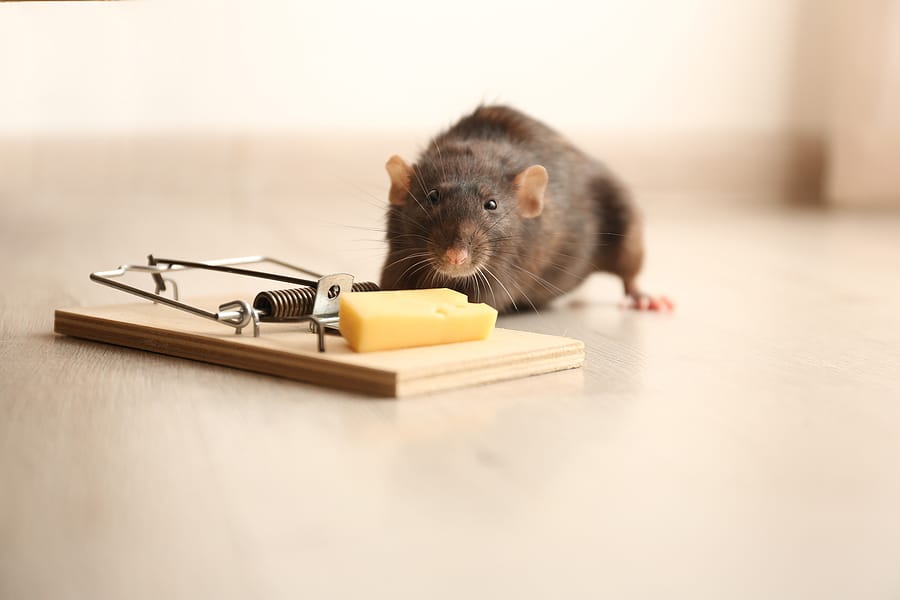
How To Keep The Rodents Out This Winter
Aug 7, 2020 | DIY Pest Control, Pest Control
When it comes to household pests (like spiders, ants, roaches, and termites), there are several options for pest control to choose from. Should you use do it yourself pest control? Should you call a professional pest control company? What is the difference? What are the pros and cons of each? Here we break down the advantages and disadvantages of DIY vs professional pest control.
Expertise
The key to effective pest control is proper identification. Appropriate treatment depends on the species of the pest, how far the infestation has spread, the size of the home, climate, and many other factors. DIY pest control products have labels with directions and warnings that are fairly simple to follow. Professionals, however, have the knowledge and training on industry trends and groundbreaking products that may not be readily available to household consumers. They know key indicators to look for and can provide quick assessments and effective treatments.
Cost
Cost is one of the biggest factors that influence DIY vs professional pest control treatments. While do it yourself products are typically less expensive than commercial products, they can end up costing you more in the long run. Most homeowners don’t treat a pest problem until they spot them; unfortunately by this point the infestation is usually already established. This could end up costing significantly more in treatment and damage repair costs than a professional service would. Professional pest control services can be more costly initially but save you over time through prevention.
Convenience
DIY products are certainly convenient – you just head to your local hardware store and pick up what you need. Professional services have to be coordinated around their availability and your schedule, sometimes requiring you to be at home for the service.
Hazard
Using chemicals of any kind can pose a hazard to yourself, your family, and your pets. DIY products can contain chemicals that the average consumer may not be familiar with. This can pose a threat to your and your family’s health. With a professional service the risk on the homeowner is taken away. Green pest control options are also available which are safe for both you and your pets.
Effectiveness
The ultimate goal of any pest control treatment is effectiveness – you want it to work. With DIY methods, you usually only treat the areas where you see an active problem. These products are effective for small pest problems but typically aren’t strong enough or don’t last long enough for significant infestations. Pests are also highly adaptable and can become resistant to many chemicals used in these products. Professional pest control treatments use the most up to date methods and products. They can also treat areas where infestations have spread that you may not see such as inside walls, in attics, and crawlspaces.
Guarantee
DIY product guarantees will vary depending on the store or manufacturer. Most pest control companies will offer a service guarantee where they will come back and treat in between scheduled visits if a problem arises at no extra charge to the consumer.
Prevention
As previously mentioned, most DIY products are designed to be used for an active problem. Oftentimes, these products aren’t used until after an infestation is already established. With a professional service, visits are set on a scheduled basis whether there is an active pest problem or not. This allows the technician to use preventative measures when infestations are gone to keep them from flourishing in your home.
When you have a pest problem, the main concern is getting it taken care of quickly and effectively whether that is through DIY methods or a professional service. Every situation is different and the main concern is the appropriate treatment for each individual situation. If you suspect you have a pest problem or would like a quote on services, contact a professional pest control company.
You May Also Be Interested In:
Why Rain and High Temperatures Bring Mosquitoes
What Are Those Little Red Bugs?
Wildlife: Leaving a Mess Behind
7 Things You Didn’t Know About Cockroaches
Is Green Pest Control Worth The Investment?