Nov 30, 2018 | Pest Control
As the warm weather winds down and winter settles in, most of us will breathe a sigh of relief that we survived another season of creepy crawlers. Don’t relax just yet! Just because the weather has turned colder doesn’t mean pests have hibernated for the winter. Many pests will make their way into your home in search of shelter, food, and warmth. Mice, cockroaches, and spiders can be found crawling underfoot in the wintertime. These overwintering pests aren’t just a nuisance to have in your home; they can cause significant damage to both your property and your health. Rodents are known to carry Salmonella and Hantavirus and can chew through cables and electrical wires, increasing the risk of fires. Some spiders like the brown recluse and the black widow have bites that can be a serious threat to humans. Cockroaches are known to trigger allergies and asthma. Winter brings ice, snow, and wind, causing enough stress on your home without the threat of pest infestations. So what can you do to reduce this stress and get rid of the last of these creepy crawlers? Check out these winter pest prevention tips to help you have a stress free winter.
- Inspect the exterior of your home for cracks and holes. Seal them to keep pests from easily accessing your home.
- Replace any loose mortar around foundations and weatherstripping around windows and doors. Repair or replace any damaged screens.
- Eliminate moisture by repairing leaky faucets and clearing clogged drains.
- Keep gutters clear of debris before the weather gets too cold. Consider installing gutter guards to eliminate the need to clean gutters.
- Keep attics, basements, and crawlspaces dry and well ventilated. Consider enclosing your crawlspace.
- Keep storage areas like basements, attics, and garages well organized. Use plastic storage containers rather than cardboard and store them off the floor.
- Screen your chimney vents.
- Store firewood at least 20 feet from your home and elevate it off the ground.
- Keep food, including pet food, in airtight containers and clean up crumbs and spills immediately.
- Call a professional pest control company to provide you with a thorough home inspection and set you up with a comprehensive treatment and prevention plan.

Sep 27, 2018 | Pest Control
Ladybugs are said to be a sign of good luck, but when you start to find them crawling all over the inside of your home, you don’t feel as lucky.
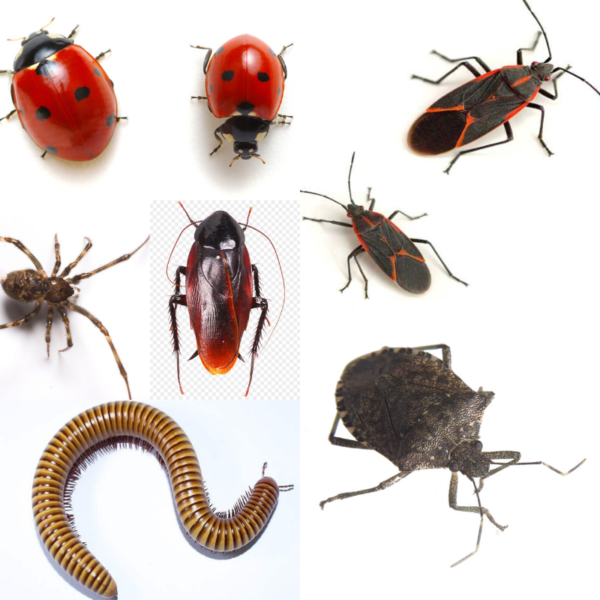
Ladybugs, or Asian Lady Beetles, are just one of the pests that will try to use your home for overwintering. Overwintering is the process of insects passing the winter season, and your home poses as the ideal habitat for this practice.
Temperatures drop, and pests such as house spiders, boxelder bugs, ladybugs, millipedes, stink bugs, and even smokybrown roaches, will make their way in your home to hide during the cold weather. Come spring, these pests will emerge in and around your home in MASSIVE numbers.
The best preventive measures to stop overwintering pests, luckily enough, are DIY!
- Seal entry points around doors and windows. Also, look for any cracks and crevices to seal.
- Invest in weather-stripping around your home.
- Use yellow bulbs for outdoor lighting; these pests are attracted to light, and this will help deter them.
- Utilize a vacuum for removal; both stink bugs and ladybugs will leave behind foul odors or liquid when smushed.
If you feel you have an issue with any of these overwintering pests, call you licensed pest professional to schedule an inspection right away.
Aug 23, 2018 | Pest Control
Fall is the perfect time of year to prepare your home for winter. While prepping your yard and storing away your summer things are usually at the top of the list, don’t forget to protect your home from pests this winter also! Fall is prime time for pests to make their way into your house in search of food, shelter, and warmth over the cold winter months.
Rodents will make their way indoors in search of a warm place to shelter for winter. Flies will often be found on the south and west facing walls of your home in search heat. Many stinging insects like yellow jackets, bees, and wasps will become more hostile in the fall as their food supply dwindles. Cockroaches are attracted by the moisture found in and under your home. Other pests like ants, stinkbugs, ladybugs, and box elders will come inside looking for a place to overwinter.
Now that you know what kinds of pests to expect this fall, what can you do to protect your home from these often unseen invaders? Check out these 6 tips to prevent pests this fall.
- Keep Them Out. Inspect the inside and outside of your home for possible entry points that pests can use. Seal any cracks and crevices on the outside of your home with caulk and steel wool, especially around utility pipes. Screen your attic vents and install chimney sweeps. Screen any other openings to the outdoors like mail slots and pet doors. Repair loose mortar around your foundation and windows. Check screens for holes and repair or replace them as needed. Check for any gaps around doors and windows. Install or replace weatherstripping as needed and install door sweeps.
- Keep It Clean. Wipe down your counters and sweep your floors often. Clean up spills immediately. Take out your trash on a regular basis. Don’t let fruits and veggies get overripe on your counters. Keep food, including pet food, stored in airtight containers. Avoid leaving pet food dishes out for prolonged periods of time.
- Dry It Out. Mosquitoes breed in standing water and cockroaches are attracted to moisture. Walk your property on a regular basis to check for any standing water. Be sure to check your gutters and rain spouts for clogs and consider installing gutter guards to help prevent them. Check for leaks near your air conditioning unit. Pick up any toys from your yard that may hold water. Keep basements, attics, and crawlspaces dry and ventilated. Consider enclosing your crawlspace. Use dehumidifiers in attics and garages.
- Don’t Forget Outside. Maintain your landscaping and keep grass trimmed and mowed. Trim any bushes and shrubs away from your home. There should be at least 2 feet between any landscaping and the walls of your house. Rake up any debris from your yard and be sure to pull weeds. Store firewood at least 20 feet from your house and store it in racks above the ground.
- Inspect Before Bringing It In. Thoroughly inspect any items like boxes, packages, and even grocery bags before bringing them indoors. Thoroughly inspect luggage after traveling before bringing them into your home and store them in plastic bags or in external buildings like sheds or garages instead of in your home.
- Call The Pros. Call a professional pest control company who can provide you with a thorough evaluation and comprehensive treatment and prevention plan.
Feb 2, 2018 | Pest Control
By Anna V., Editorial Lead — Pest Education · Last updated: May 2026
If you’ve spotted clusters of small, glossy black bugs with bright red or orange markings on a sunny exterior wall, around windows, or in the mulch by your foundation, you’ve probably met one of the Southeast’s most common nuisance pests. At Northwest, we get this exact question every spring and fall: what are these black bugs with red on them, and should I worry?
The short answer for most Georgia and Alabama homes: these are almost certainly boxelder bugs, red-shouldered bugs, or milkweed bugs. All three are harmless to humans, pets, and structures. They don’t bite, they don’t sting, they don’t spread disease, and they don’t damage wood. They do, however, show up in large numbers, congregate on warm surfaces, and try to overwinter inside your walls. Here’s how to identify the species, why they appear when they do, and what works for keeping them out.
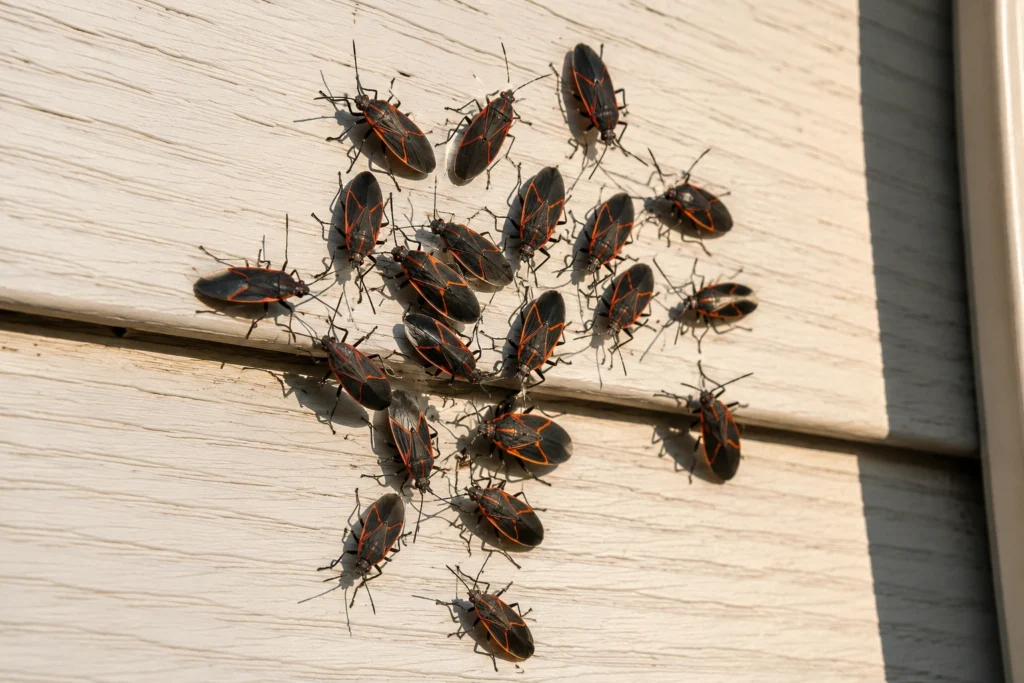
Boxelder bugs cluster on sunny exterior walls in spring and fall, looking for warm overwintering spots.
Common Black-and-Red Bugs Around Southeast Homes
Three species cover almost every “black bug with red” call we get in Georgia, Alabama, Tennessee, and South Carolina. Identification matters because the prevention strategy is slightly different for each.
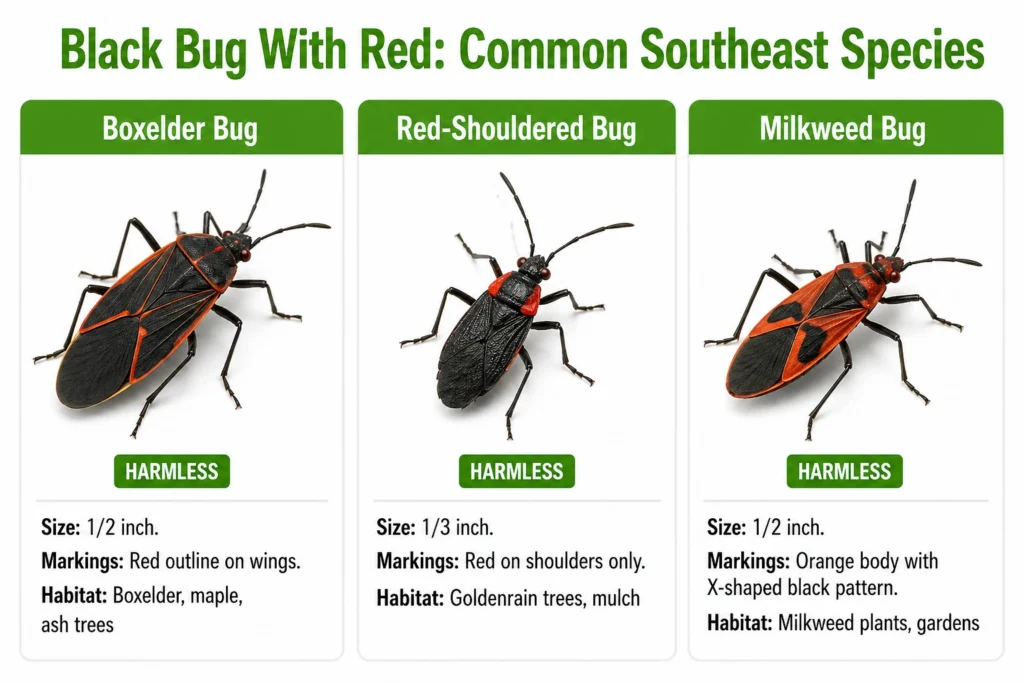
Three species cover almost every “black bug with red” sighting in Southeast homes. All three are harmless.
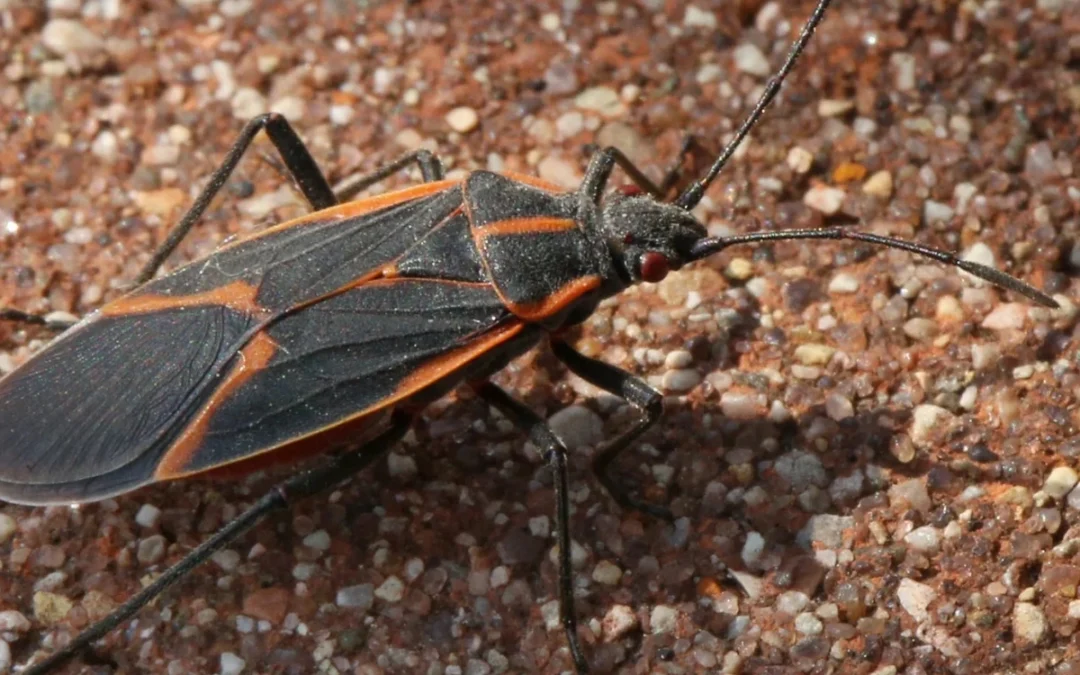
1. Boxelder Bug (Boisea trivittata)
- Size: About 1/2 inch long as adults.
- Markings: Black body with distinctive bright red-orange lines outlining the wings and three red stripes behind the head. Nymphs are bright red with developing black markings.
- Habitat: Feeds primarily on boxelder, maple, and ash tree seeds. Gathers on sunny south- and west-facing walls in fall, looking for overwintering shelter in wall voids, attics, and basements.
- Damage potential: None to humans, pets, or structures. They don’t bite or chew. Their droppings can stain light-colored fabric and siding if populations are heavy.
2. Red-Shouldered Bug (Jadera haematoloma)
- Size: Smaller than boxelder bugs, about 1/3 inch.
- Markings: All-black body with bright red shoulders/thorax. Sometimes called the “scentless plant bug” or “soapberry bug.”
- Habitat: Common in the Southeast around goldenrain trees, chinaberry trees, and mulched landscapes. Often mistaken for boxelder bugs but the red is concentrated at the shoulders rather than outlining the wings.
- Damage potential: None. Same harmless profile as boxelder bugs.
3. Large Milkweed Bug (Oncopeltus fasciatus)
- Size: About 1/2 inch long.
- Markings: Bright orange-red body with a distinctive black X- or hourglass-shaped pattern across the wings.
- Habitat: Tied closely to milkweed plants where they feed on seeds. Most homeowners see them on or near milkweed in butterfly gardens, less often on exterior walls.
- Damage potential: None to humans or structures. Beneficial to native plant ecosystems.
Behavior and Risks
The reason these bugs show up in alarming numbers comes down to two behaviors:
- Aggregation. Boxelder bugs in particular gather in large groups on sunny vertical surfaces. This is normal behavior, not an infestation in the traditional sense. They’re using the wall as a warm rest stop.
- Overwintering. In fall, they actively search for protected spaces to spend the winter. Wall voids, attic insulation, window frames, and gaps in siding all work. Come spring, they re-emerge looking for a way out, which is when they often end up inside the living space.
Three things to know about safety:
- They don’t bite. All three species have mouthparts designed for piercing plant tissue, not skin. There are isolated reports of accidental defensive nips, but no venom and no medical concern.
- They don’t damage homes. They don’t chew wood, eat fabric, or build nests in structures. They’re transient occupants, not destructive ones.
- They stain. Crushed bugs release a defensive fluid that can stain light-colored siding, curtains, and upholstery. Vacuum rather than crush.
Signs You Have a Black-and-Red Bug Problem
You don’t really have an infestation in the structural sense. What you have are activity peaks that warrant attention:
- Clusters of 20+ bugs on a sunny exterior wall (typically south- or west-facing).
- Bugs gathered around window frames and door thresholds.
- Live bugs appearing inside the home in early spring (overwintered population emerging).
- Dead bugs accumulating in window tracks, attic corners, or behind drapery.
- Small dark fecal spots on light-colored siding, especially around bug clusters.
If you’re seeing one or two bugs occasionally, no action is needed. If clusters are forming on the house or bugs are getting inside, prevention work is worth doing before the next seasonal peak.
Natural and Preventive Measures
For these species specifically, prevention is more effective than treatment because most of the population lives outdoors and only briefly contacts the structure. Three layers of work cover almost every situation.
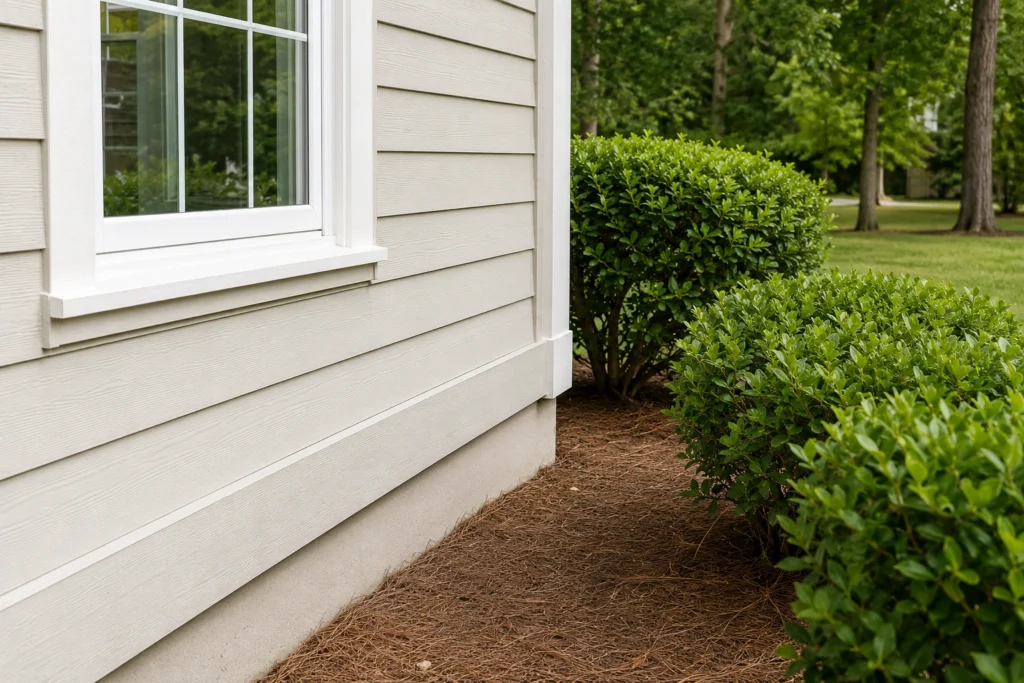
Sealing entry points and trimming vegetation near the foundation handles most black-and-red bug pressure.
Seal Entry Points
- Caulk gaps around window frames, door frames, utility line penetrations, and where siding meets the foundation.
- Replace damaged door sweeps and weatherstripping (boxelder bugs squeeze through gaps as small as 1/8 inch).
- Install or repair screens on attic vents, soffit vents, and crawl space vents.
- Pay extra attention to south- and west-facing walls, which are the primary aggregation surfaces.
Reduce Outdoor Attractants
- Remove boxelder trees within 50 feet of the house if practical (boxelder bug populations are tied directly to host trees).
- Trim shrubs and tree branches back from exterior walls to reduce shaded landing zones.
- Rake fallen leaves and remove yard debris in fall before bugs migrate to the house.
- Move firewood and mulch piles at least 20 feet from the foundation.
Safe Removal When They’re Already There
- Vacuum, don’t crush. Use a shop vac or a regular vacuum with a disposable bag. Empty outside immediately to prevent staining odor.
- Soapy water spray. Mix 1 to 2 tablespoons of liquid dish soap per gallon of water. Spray directly on clusters outdoors. Kills on contact and is safe for pets and plants once dry.
- Avoid broad-spectrum pesticides. Indoor spraying for these species is rarely effective because the population is outdoors. It also kills beneficial insects (spiders, ladybugs) that would otherwise help control other pests. For broader spider control context, see our spiders in Georgia guide.
Seasonal Activity Patterns
Black-and-red bug pressure follows a predictable calendar in the Southeast:
- Spring (March through May): Overwintered adults emerge from wall voids and attics, often appearing inside the home. Peak indoor sightings.
- Summer (June through August): Active outdoors feeding on host trees. Low contact with homes.
- Fall (September through November): Aggregation on sunny walls, looking for overwintering shelter. Peak outdoor visibility and entry attempts.
- Winter (December through February): Dormant inside wall voids and attic spaces. Quiet period.
Time prevention work to early fall before the aggregation/overwintering peak. Sealing entry points in October saves a lot of indoor sightings in March.
When to Call a Professional
Most black-and-red bug situations don’t require professional treatment. Call Northwest if:
- Indoor populations are large or recurring season after season.
- You’re seeing hundreds of bugs aggregating on multiple exterior walls.
- Sealing entry points hasn’t reduced indoor sightings.
- You want a structural inspection to identify hidden entry points you can’t see from outside.
- You’re dealing with multiple pest issues at the same time (boxelder bugs plus other insects often indicates broader exclusion gaps).
Professional treatment typically combines an exterior perimeter application timed to fall aggregation, structural exclusion work to seal entry points, and addressing host trees or landscaping factors driving the population. For an authoritative species identification reference, UGA Extension’s home insect identification guide covers boxelder bugs and similar species in detail.
(Recurring indoor sightings or large outdoor clusters? Schedule a free Northwest inspection and we’ll identify what’s around your home and lay out a treatment plan.)
Frequently Asked Questions About Black Bugs With Red Markings
What is a black bug with red on it?
In the Southeast, almost always a boxelder bug, red-shouldered bug, or milkweed bug. All three are harmless plant-feeding insects that become visible in spring and fall. Boxelder bugs (black with red wing outlines) are by far the most common in Georgia and Alabama. Identification depends on size, where the red is located on the body, and what plants are nearby.
Are black bugs with red markings dangerous?
No. Boxelder bugs, red-shouldered bugs, and milkweed bugs don’t bite humans or pets, don’t sting, don’t spread disease, and don’t damage structures. They can stain light-colored fabric or siding if crushed, which is why vacuuming is better than swatting.
How can I prevent them from entering my home?
Seal entry points (caulk around windows, doors, and utility lines; replace damaged weatherstripping; screen attic vents), reduce outdoor attractants (trim vegetation back from walls, remove boxelder trees within 50 feet if practical, clear yard debris in fall), and time prevention work to early fall before the overwintering migration peak.
Do natural repellents work on these insects?
Soapy water sprays (1 to 2 tablespoons of dish soap per gallon of water) kill these bugs on contact when applied directly outdoors. Essential oil sprays have limited effect. The most effective natural method is structural prevention rather than repellents: sealing the building so bugs can’t get in matters more than what you spray on them.
Why do they suddenly appear in large numbers?
Boxelder bugs in particular aggregate on warm sunny surfaces and migrate toward overwintering shelter in fall. Populations build over the summer on host trees (boxelder, maple, ash) and become visible all at once when they start moving toward structures. A large cluster on your wall in October is normal seasonal behavior, not a sudden infestation.
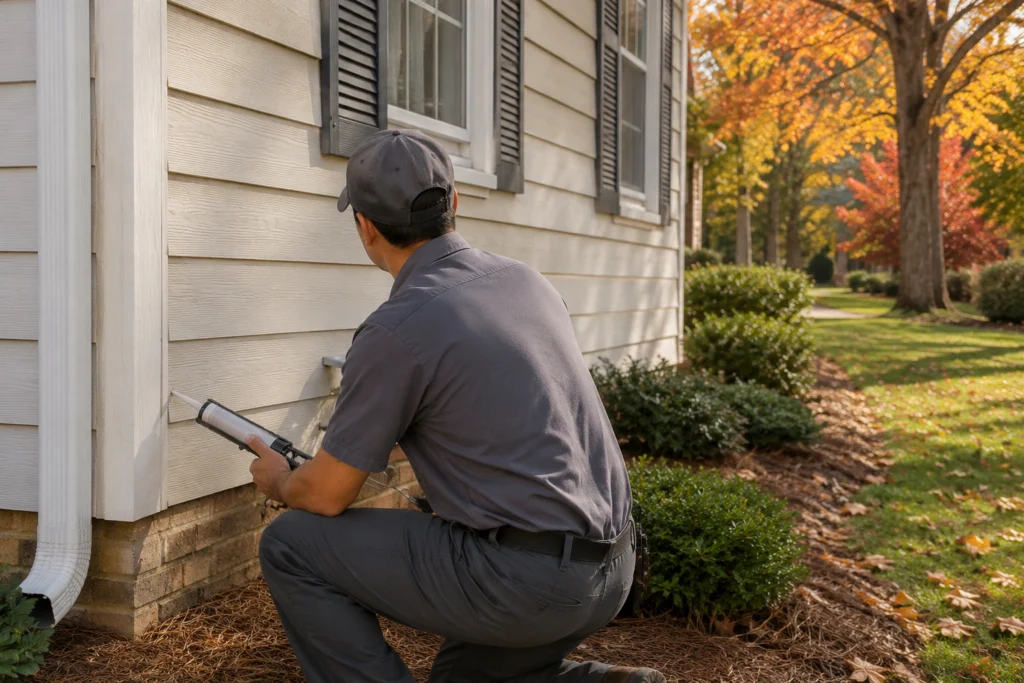
Fall is the right time to seal entry points before bugs migrate inside for the winter.
Schedule a Pest Inspection Today
If black bugs with red markings are becoming a recurring spring or fall problem, Northwest’s team can identify the species, find the entry points keeping them coming back, and treat the exterior perimeter at the right time of year to break the cycle. Most cases clear up after one fall exclusion treatment.
About the Author
Anna V., Editorial Lead — Pest Education leads pest education content for Northwest Exterminating, working with senior technicians and service center managers across our Georgia, Alabama, Tennessee, and South Carolina service areas to translate field expertise into homeowner-friendly guides. The focus: accurate, regionally-specific answers to the pest questions Southeast homeowners are actually searching for.
Jan 26, 2018 | DIY, DIY Pest Control, DIY Wildlife Prevention, Pest Control, Wildlife
During the colder months of winter, most of us like to stay bundled up and warm – with warmer clothes and inside our cozy homes. Unfortunately, many animals also seek this same shelter and warmth in the winter – oftentimes in our homes! Do you know which animals can cause problems for you during these colder months? What can you do to prevent them from seeking shelter in your home? Check out these common winter wildlife pests and 6 ways you can prevent them.
SQUIRRELS
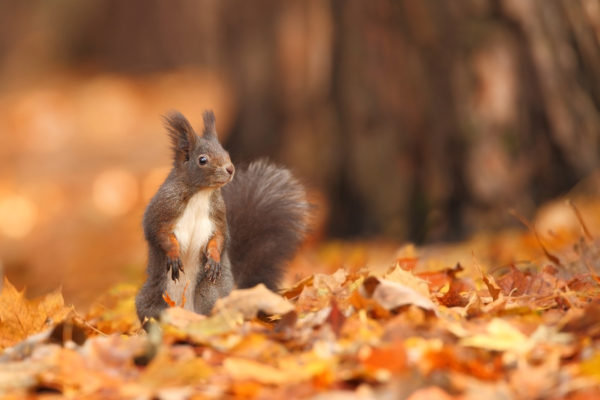
Squirrels can be a problem year round. They don’t hibernate in the winter and stay very active. They like to seek shelter and warmth in attic spaces. They may also seek out your attic as a storage space for their winter stash of nuts, grains, and seeds so they don’t have to search for food in the cold winter months. Squirrel nests are easy to spot in the winter in bare trees. Squirrels are notorious chewers – so if you have them in your attic you can expect your wood, insulation, and electrical wiring to suffer damage.
SKUNKS
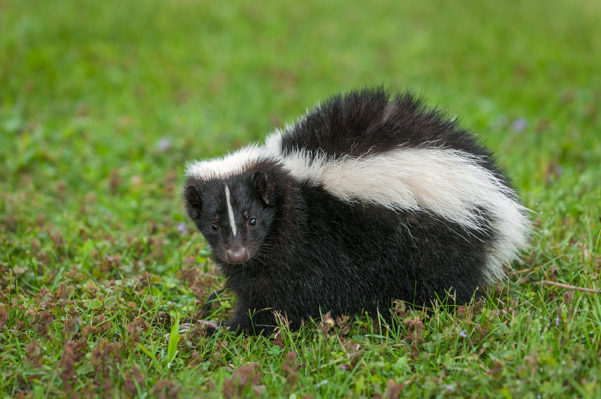
Skunks live in the same areas during the winter as they do in the summer. They like to burrow under our decks, patios, and stoops. Skunks don’t technically hibernate, but they do lower their body temperature and heart rate in the winter to conserve energy and therefore become less active. They can go up to a week without food and water but will venture out on a semi-regular basis in search of sustenance. They live in larger communities in the wintertime for warmth.
RATS/MICE
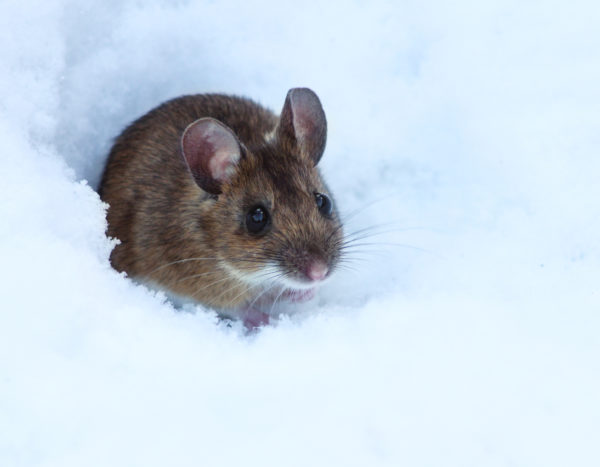
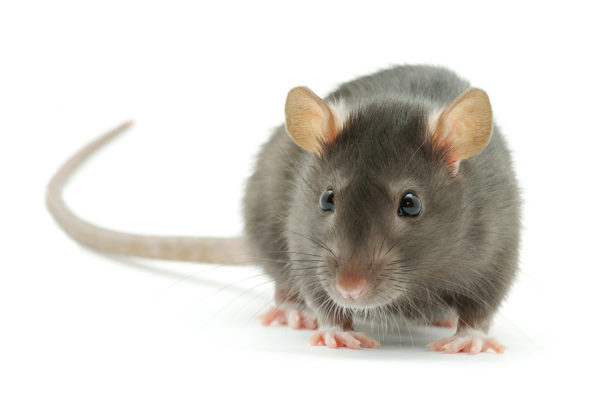
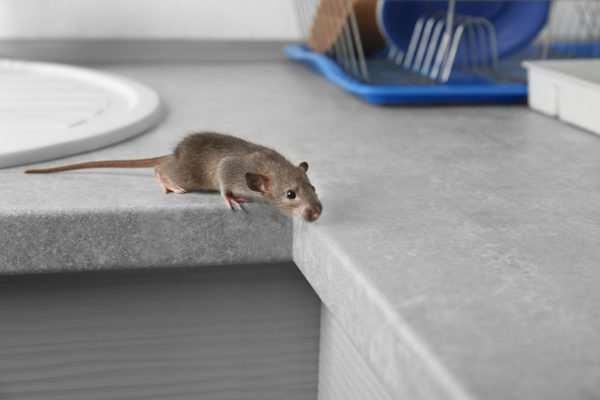
Rats and mice are also year round pests but they can become more of a problem in the winter. These rodents seek out warmth, food, shelter, and water inside our homes during the harsh winter months. They can squeeze into your home through extremely small openings. Like squirrels, they are also notorious for chewing through insulation, wiring, and wood.
BATS
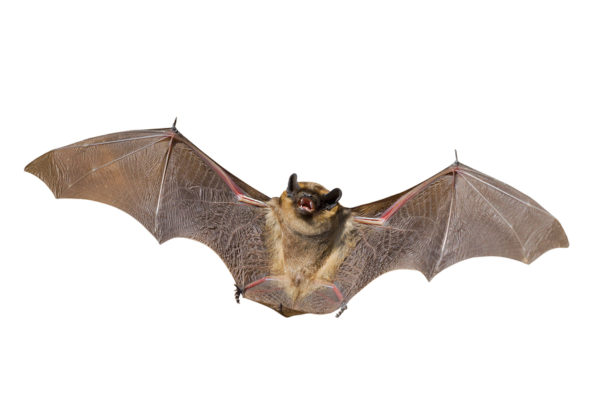
There are at least 40 different species of bats in the United States. Bats are mostly active in the summer months and will hibernate in the winter. They will, however, hibernate in your attic! Bats like to roost in attics, belfries, behind shutters, and loose boards. They are carriers of rabies and can spread disease.
RACCOONS
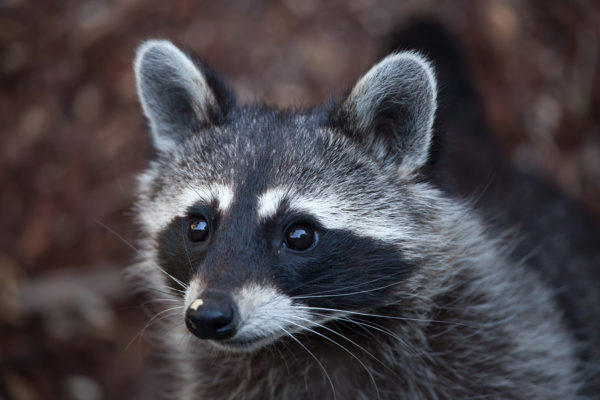
Raccoons are nocturnal and rarely seen during the day. Raccoons can cause significant damage to roofs and chimneys in their search for den sites. They will also get into crawlspaces in search of den sites. They are a major carrier of rabies.
CHIPMUNKS
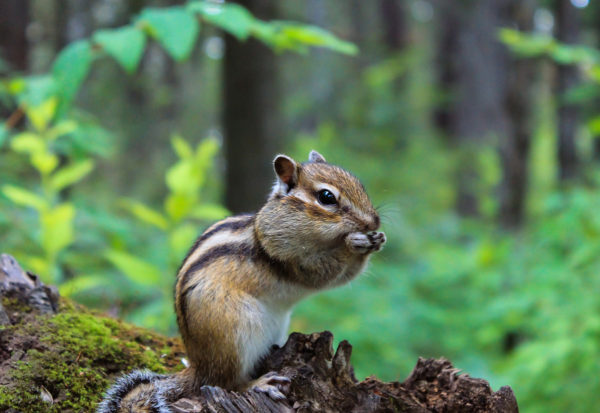
Chipmunks are like squirrels in that they gather and store their food in the fall. They are less active in the colder weather, lowering their body temperatures and heart rates to conserve energy. They usually make their nests in underground burrows that can be up to 10 feet long. They will venture out every few days to eat, drink, and go to the bathroom. Oftentimes they will use attics as a storage space for their winter stash.
OPOSSUMS
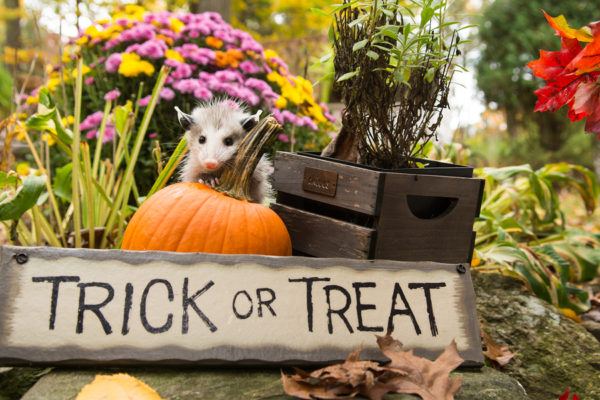
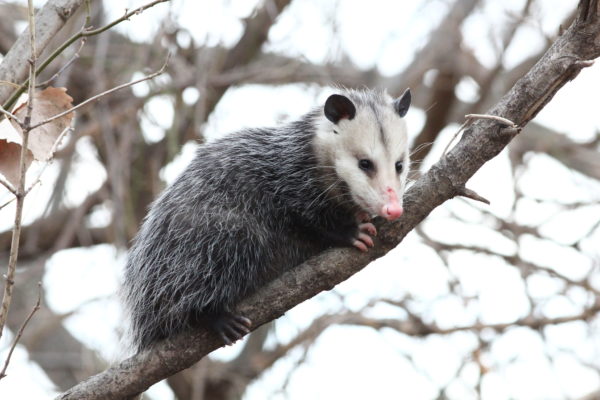
Opossums are the only marsupial found in North America. They will occasionally make their dens in attics and garages. They are known to make very messy nests. Opossums have very sharp teeth and will show them, as well as hiss, when they feel threatened. They are known to bite in very rare cases.
PREVENTION:
Winter wildlife can be a problem especially if they build a nest or store food in or near your home in the wintertime. The cold weather also doesn’t eliminate the diseases that they carry and spread. If these pests get into your home they can cause significant damage to your roof, insulation, foundation, wiring, and more. What can you do to prevent winter wildlife from making your home theirs? Check out these 6 tips to prevent winter wildlife.
- Eliminate Entry Points. Winter wildlife can’t get into your home if they don’t have a way in. Carefully inspect your home for any openings that animals can use to get in. Check and proof any weep vents in your bricks. Seal around HVAC and utility lines, in gaps in the foundation and siding, in gaps between your roof and soffits, and gaps between the soffits and fascia. Check your roof vents, as well. Seal gaps around windows and doors, including your garage door. Many rodents can chew through rubber or thin plastic seals so consider using heavy duty metal seals or caulk. Check screens on doors and windows to make sure they are in good repair. Use chimney caps. Consider enclosing your crawlspace to prevent unwanted critters, as well.
- Clean Your Gutters. Clogged gutters can block the drainage of rain and melting snow and ice. This can not only cause damage to your home, but also invites birds and other wildlife to build their nests here. Make sure drains are clean and that your spouts are far enough away from your foundation. Consider installing Leafproof XP Gutter Guards to make gutter cleaning and maintenance easier for you.
- Clear Out The Clutter. Now is the time to reorganize your belongings. This not only lets you get your garage or attic cleaned out, but also allows you to inspect areas of these spaces that you might not normally have access to. If possible, get rid of cardboard storage boxes and use plastic containers with lids instead. Get rid of old newspapers or other paper products as these invite rodents and other pests to make nests.
- Get Rid Of Their Food. Winter wildlife will eat anything they can get their hands on. If you have birdfeeders, take them down in the evenings and put them back out in the mornings. Clean up any spilled birdseed from the ground underneath them. If you do keep your birdfeeders out all the time, consider squirrel proofing them. Use trash and compost bins with locks and store them in the garage if possible. Make sure outdoor composts are well sealed. Store food in airtight containers and refrigerate them if possible. Don’t leave pet food out overnight, especially outdoors. Clean up any spilled food and crumbs daily and sweep and vacuum often.
- Clean Up Your Yard. Clutter and debris in your yard can invite all sorts of pests to invade. Keep your yard clean and free of debris. Trim shrubs and branches away from your home as pests can use these to access your house. Stack firewood at least 2 feet off the ground to keep animals from nesting underneath. Dead trees, brush piles, and tall grasses should be put in yard waste bags and kept in the garage until garbage day.
- Call The Pros. If you suspect you have a wildlife problem, call a professional wildlife control company. They can come out and inspect your home, remove any unwanted critters, and provide you with a prevention and treatment plan to keep them from coming back.