Dec 22, 2020 | Pest Control
One thing that is sure to put a damper on your holiday spirit is unwanted pests! The holiday season provides ample opportunity for household pests to make their way into your home. Spiders, rodents, ants, ticks, and other overwintering pests will commonly invade in search of food, water, and shelter.
Holiday pests will use Christmas trees, wreaths, firewood, decorations, storage boxes, luggage, and more to hitch a ride into your home. Some pests will hide in the branches and crevices of Christmas trees, wreaths, garland, and firewood. They can even lay eggs which will then hatch after you bring them inside. Mice and other pests will take refuge inside your storage boxes that hold decorations. You may find live pests, dead pests, or droppings inside these containers. You may also find that they have chewed or damaged wires inside the box.
Increased travel at the holidays increases the risk of bed bugs. These pests hitch a ride on unsuspecting travelers’ luggage, coats, purses, and more. The kitchen is often the central gathering place for holiday cooking and meals. It can also be a big source of food for unwanted pests. Crumbs, spills, leftovers, and dirty dishes all provide an easy food source for holiday pests.
Don’t let pests ruin your holiday plans. Keep them away with these 5 holiday pest control tips.
Inspect Trees and Other Live Decorations
Pests can come indoors on live trees, wreaths, garland, and firewood. Carefully inspect these items outside before bringing them inside. Make sure to check for live pests, nests, and eggs. Shake them out carefully to disturb any slumbering pests and to knock off any hidden pests.
Check Storage Boxes
Pests will hide out in boxes used to store decorations and other holiday items. Unpack these items outside and inspect them all carefully for signs or pests including dead bugs, live bugs, droppings, gnaw marks, and other damage. Carefully check strings of lights and other wires for signs of chewing.
Keep the Kitchen Clean
Holiday meals are centered around the kitchen. Clean up the kitchen after cooking. Wash dishes or load the dishwasher and don’t leave dirty dishes out overnight. Sweep up any crumbs from the floor and clean up spills immediately. Make sure to empty the trashcan frequently, especially before bedtime.
Use Caution When Traveling
Bed bugs are common at the holidays because of the increase in travel. Whether you are going away or you have guests coming in, inspect the bedding carefully for bed bugs. Signs of bed bugs include live bugs, reddish brown spots on bed linens, and shed skins. These can be found on beds, mattresses, box springs, linens, curtains, furniture, and even baseboards. Check luggage before bringing it into the house. Wash clothes in hot water and dry on hot heat as soon as you return home.
Prepare For Next Season
At the end of the holidays, taking down decorations and storing them for next year becomes a priority. Store your holiday decor in plastic storage bins with sealing lids rather than cardboard boxes or bags. Don’t pile discarded trees, garlands, or cut firewood near your home as these can attract termites and rodents.
The holiday season is a time of great joy, family, and friendship. Don’t let holiday pests ruin your year. If you have a problem with any type of critter in your home, contact your local pest control company for a free inspection and comprehensive treatment plan.
You May Also Be Interested In:
Winter Essentials
Keep Your Kitchen Pest-Free!
Crawlspace Enclosure: The Cure For Cold Feet
Is Your Hotel on the Bed Bug Registry?
How To Keep The Rodents Out This Winter
Dec 2, 2020 | Pest Control
Some pests hibernate when the weather gets colder, while others seek out warmth inside of our homes. These overwintering pests will sneak through any open crevice or gap from the exterior of your home and can stay there all winter long undetected. Here are a few crawly pests that could be hiding out in your house!
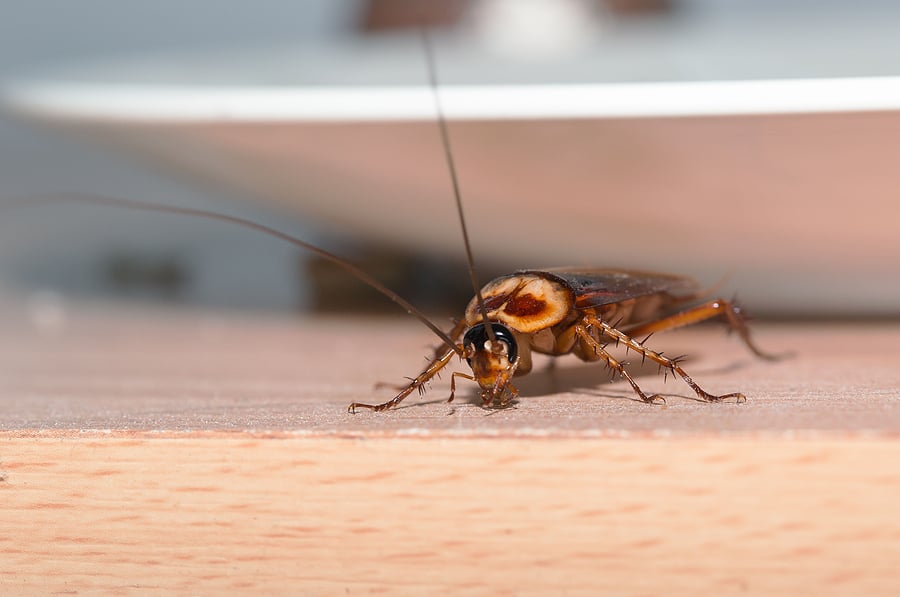
German Cockroaches
The German cockroach is a common roach species found throughout the world. These roaches range from 1/2 to 5/8 inches and are brown with two-longitudinal stripes running down the thorax. They prefer to live in smaller areas close to food and moisture, such as inside pantries, basements, and bathrooms. Roaches are dangerous as they can contaminate food sources, spreading bacteria and human pathogens by leaving their fecal matter and other debris in and around food and food preparation areas.
To prevent cockroaches, make sure you keep your kitchen counters clean and free of crumbs. Vacuum frequently and always dispose of the garbage regularly. Look out for any leaks in the kitchen and bathrooms, as this moisture will attract roaches.
Brown Recluse Spider
Measuring the size of a quarter, the brown recluse spider can exist in large numbers. These spiders have six eyes arranged in three pairs, which is quite different from other species of spiders that have eight eyes arranged in two rows. The brown recluse prefers to live in dark areas such as under furniture, in wall voids, basements, crawl spaces, and in closets. While these spiders typically spin their webs in darker places, they can also found in cardboard boxes, along window molding, and even in shoes. The brown recluse can be dangerous to humans, as they will bite and inject venom if disturbed or threatened.
To prevent these spiders from entering your home, keep the trees and shrubs trimmed away from the house and roof. Repair any loose siding or shingles as they can easily sneak in through any gaps and openings. Consider installing a mesh cover or cap over chimneys to prevent entry.
Bed Bugs
Bed bugs are 3/16” to 1/4” in length or about the size of an apple seed or a pencil eraser. They are long and brown, flat in shape with an oval-shaped body, and brown in color. These pests enjoy harboring in cracks and crevices during the day and will come out at night to feed. You will typically find them in beds, mattresses, box springs, rails, headboards, and footboards. Bed bugs will bite humans on areas of skin that are exposed during sleep. Bed bugs are also notorious for hitchhiking from place to place through luggage, following you back home after traveling.
To prevent bed bugs, routinely check linens, mattresses, and even pet beds for live bugs. Thoroughly inspect any used furniture before bringing it inside your home. If you have recently travelled, inspect your luggage before bringing it inside your home, immediately take your clothes out and wash them in hot water, and dry them on high heat.
If you suspect that you have any of these pests inside your home, consider reaching out to your local pest control company where they can help identify, inspect, and provide a prevention plan.
Jul 15, 2020 | DIY, DIY Pest Control, Pest Control, Wildlife
Stinging pests are most active during the summer months, so while we enjoy the summer fun of lounging by the pool and backyard BBQs, we should all be on the lookout for these pests as they can pose a risk to you and your family. Check out these common stinging pests and the best way to avoid them!
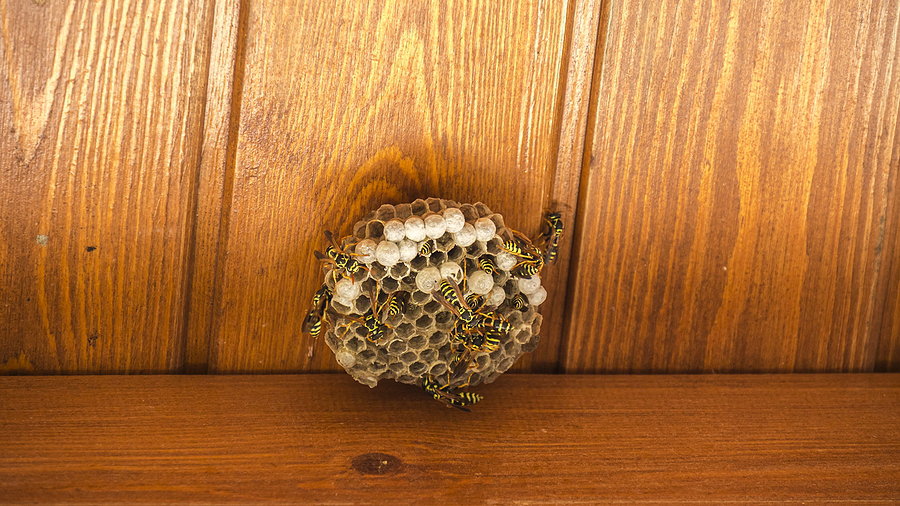
Wasps
With a slim body shape, six long legs, and two wings, wasps are busy at work scavenging for food during the summer months. Wasps will typically build their nests in branches, porch ceilings, eaves, and attic rafters. These pests are highly attracted to picnics and backyard barbeques, increasing your chance of being stung. When threatened, wasps will sting multiple times and eventually call on reinforcements from other wasps by emitting pheromones.
Hornets
Hornets’ nests are often built in hollow trees and the walls of houses and attics, although they typically prefer a forested environment. These pests are larger and can range from 3/4 to 1 3/8” long with brown and yellow abdominal stripes on their body. Hornets are attracted to light and will fly into your windows at night if they see a light on. They are relatively non-aggressive near the nest, but if threatened, there is a potential for a stinging hazard.
Yellowjackets
Yellowjackets are social insects and can be found anywhere humans are found. Yellowjackets feed on sweets and proteins; therefore, these pests commonly invade outdoor events. Yellowjackets measure 3/8″ to 5/8” long and have a non-fuzzy black and yellow striped body. Yellowjacket nests can either be built in very high places or built in the ground. Examples include in shrubs, garages, timber, logs, and more. If threatened, yellowjackets will sting multiple times, causing extreme pain and possible allergic reactions.
Bee Sting Prevention
- Keep outside food covered and sealed tightly
- Avoid wearing strong fragrances and opt for an unscented hygienic product
- Ensure all your doors and windows have screens so these pests don’t sneak into your house
- Stick to wearing darker colors as floral and bright colored clothing tend to attract these pests
- For uncontrollable stinging pest invasions, it’s best to call your local pest control company as they will provide a safe and legal plan to safely remove these insects
Jun 24, 2020 | Pest Control
Summertime for most families means more time outdoors: exploring local parks, hiking mountains, kayaking down rivers, or simply lounging in your backyard. While these activities are fun for everyone, you can expose yourself to pests that like to bite. Fleas, ticks, and chiggers can be considered small, annoying, and hard to spot! Let’s break down the difference between all three of these parasites and some tips on bite prevention.
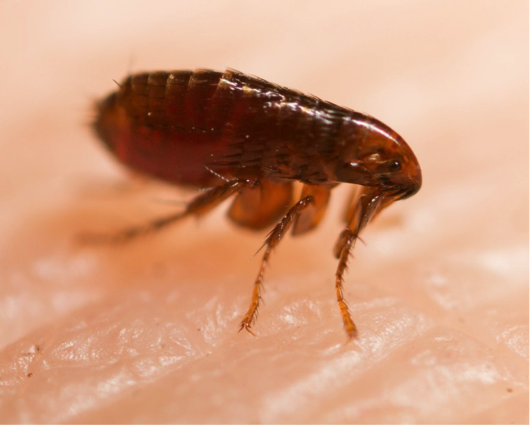
Fleas
Small and wingless, fleas are dark reddish-brown in color and are only 1/8 of an inch long. Fleas can be found in almost any environment, but they are most active in warm, humid temperatures. While these pests feed on warm-blooded bodies, including humans, they do prefer to dine on hairy animals such as dogs, cats, rats, opossums, and more. Fleas are extremely hard to spot since they move so fast to a warm-blooded body.
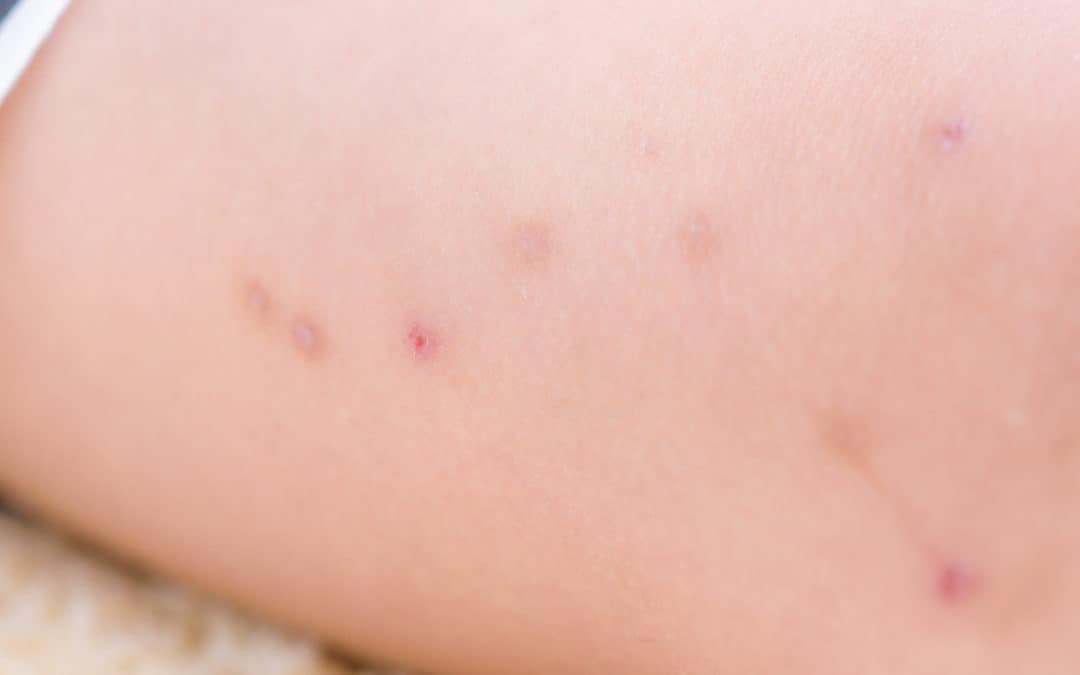
Fleas can jump up to 8 inches high and 13 inches horizontally. This means that they can jump 150 times their own height, making finding a host to feed on very easy. Flea bites can be small, red, itchy spots on the skin. If the spot is scratched or irritated, it can begin to bleed.
Ticks
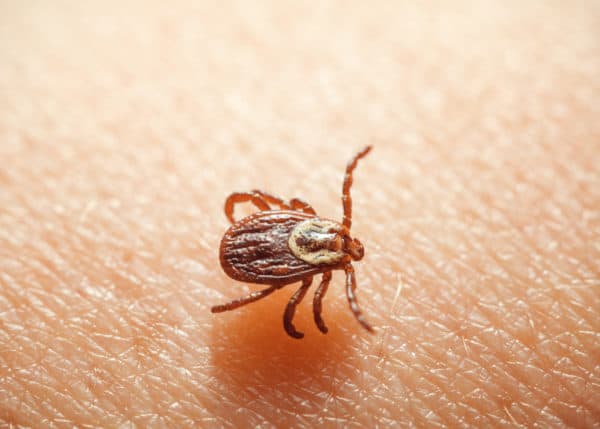
Ticks are orange-brown with dark legs and have a flat oval shape for a body. At a length of 1/8 of an inch, adult ticks actually have 8 legs and two body segments, making them an arachnid and not an insect. Ticks live in low-lying areas such as grass, shrubs, and bushes. These pests need blood to survive and will therefore feed on humans, squirrels, raccoons, birds, dogs, and more.
When ticks bite their host, it can cause irritation, an allergic reaction, and mouth parts can even remain in the host’s skin. Ticks are considered dangerous as they are known to transfer Lyme disease, anaplasmosis, and babesiosis.
Chiggers
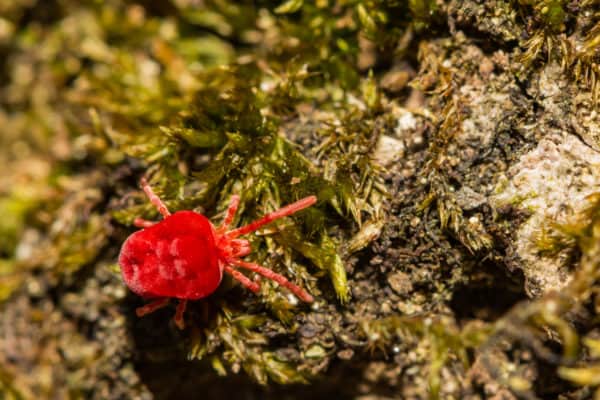
Sometimes referred to as mites or red bugs, chiggers are extremely small and difficult to spot. Red, orange, yellow or straw-colored, these arachnids are no more than .3 millimeters long. Chiggers can be found in areas of wood and grass, near lakes, ponds, streams, and rivers.
While they don’t pose a serious health risk, they can leave behind an uncomfortable rash after a bite that you’ll want to scratch. Chigger bites are most common in the late spring, summer, and early fall.
It’s important to take precautions if you know you and your family will be in areas where fleas, ticks, and chiggers are present. Here are some things you can do to prevent bites from these pests:
- Use bug repellent that contains DEET
- When in wooded areas or tall grass, wear long pants, long sleeves, and closed toed shoes
- Treat your pets with repellent products to reduce their risk of getting bitten.
- If you notice these pests are infesting your yard or are inside your home, its best to call your local pest control company who can provide the best plan of action for prevention.
May 22, 2020 | Pest Control
The granddaddy long legs is legendary – with claims of being the “most poisonous spider in the world but their mouths are too small to bite.” Like most legends, these claims are exaggerated and aren’t based on facts. So what is the truth about these creatures? Here’s everything you need to know about the granddaddy long legs.
Is the Granddaddy Long Legs a Spider?
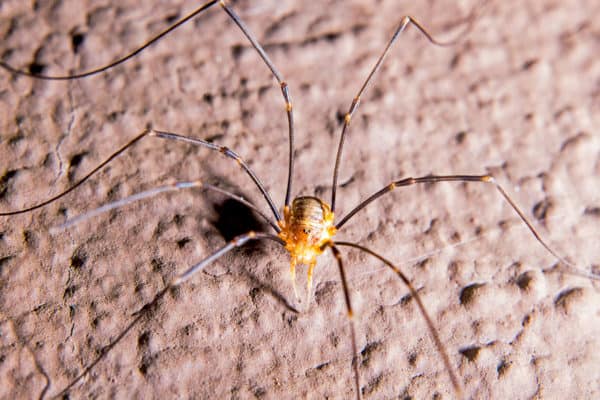
No. The granddaddy long legs, AKA the daddy long legs, harvest spider, and harvestman, is actually an arthropod and closer genetically to the scorpion than a spider. While they do have 8 legs like spiders, the resemblance ends there. Spiders have spinnerets that spin silk for their webs; granddaddy long legs don’t. Spiders also have 2 body sections connected by a small, narrow waist. Granddaddy long legs have 1 body section containing their head, abdomen, and body combined. Spiders can have fangs and produce venom. Granddaddy long legs don’t have fangs and don’t produce venom. Spiders live on a liquid diet while granddaddy long legs have chelicerae (tiny claws used to hold and tear things) so they can eat small pieces of solid food. Granddaddy long legs can also self amputate their legs as a defense mechanism against predators. Unfortunately, once they lose a leg they cannot grow it back.
What Attracts Granddaddy Long Legs?
Granddaddy long legs are omnivores and eat a wide variety of things. They are known to eat dead and live insects, spiders, aphids, worms, snails, fungus, and even bird droppings.
What Are Granddaddy Long Legs Good For?
Granddaddy long legs use their varied diets to keep to keep your gardens and yard free of other pests. They don’t cause damage to structures or landscaping and aren’t dangerous to humans.
How Do You Get Rid of Granddaddy Long Legs?
Because they aren’t harmful to humans and don’t damage any structures or landscaping in your yard or garden, it is best to leave granddaddy long legs alone. Sometimes they are known to congregate in large numbers. If this is the case or if you have an issue with these or other pests, contact your local pest control company who can thoroughly evaluate your home and provide you with the appropriate treatment and prevention plan for your situation.
You May Also Be Interested In:
Prep Your Yard & Keep Mosquito Free!
What Attracts Millipedes to Your Home?
Signs You’ve Got a Rat in the House
Why Are Love Bugs Stuck Together?
Everything You Need to Know About “Murder Hornets”