Seeing any wildlife creature in your South Florida home is always alarming! While both are harmful to our home and the health of our family. These creatures will contaminate homes, chew wires, and transmit diseases to humans and pets. It’s important to understand their key differences to help prevent both rodents.
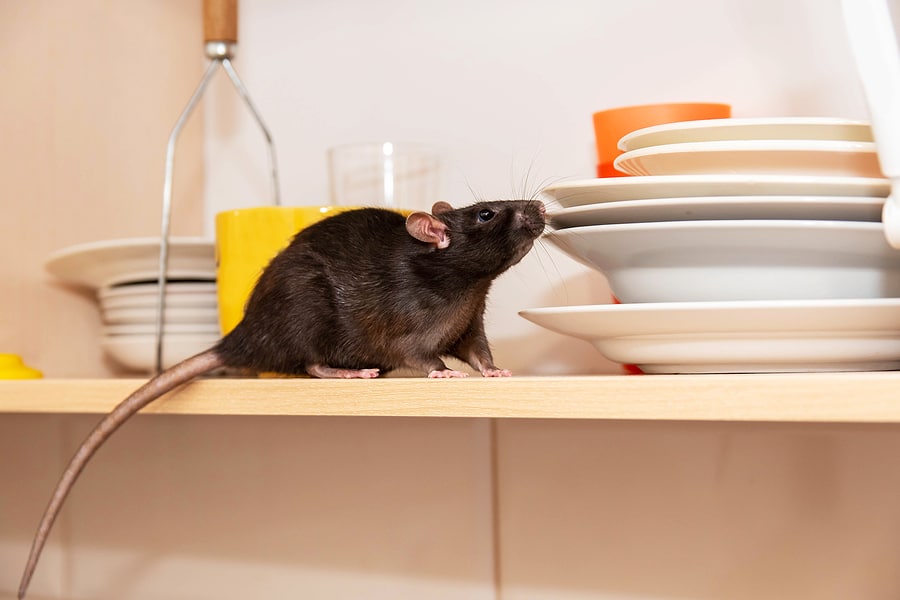
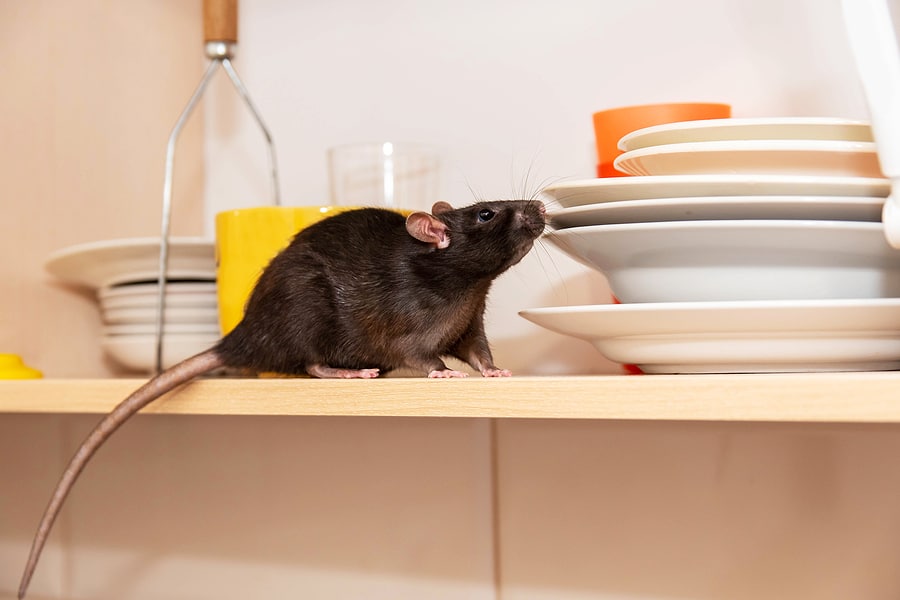
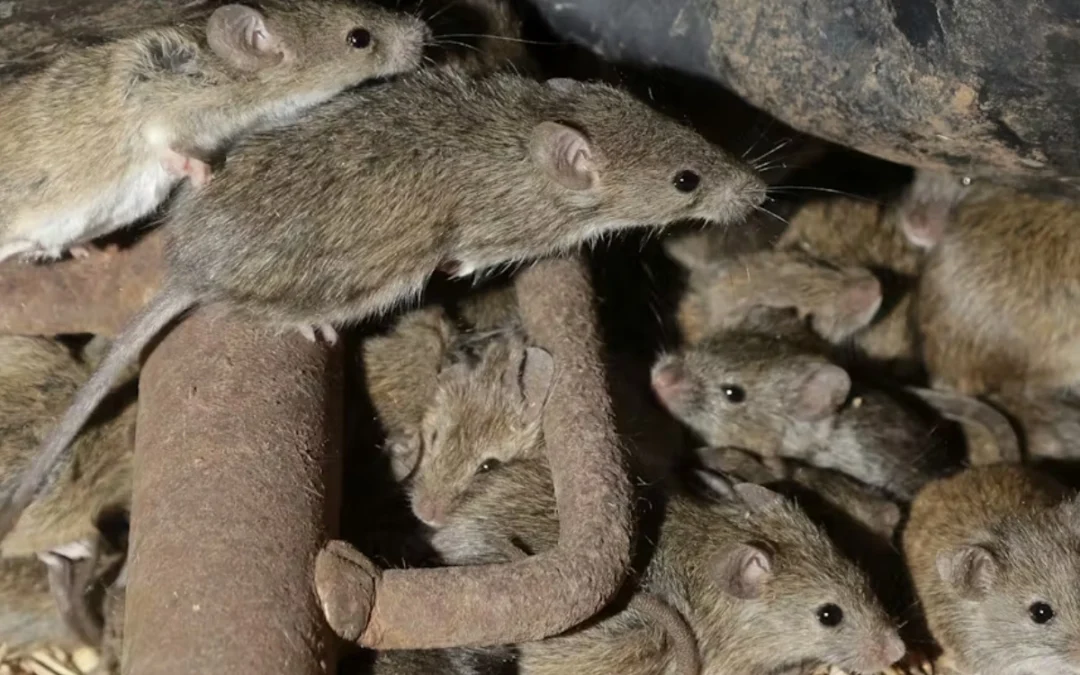
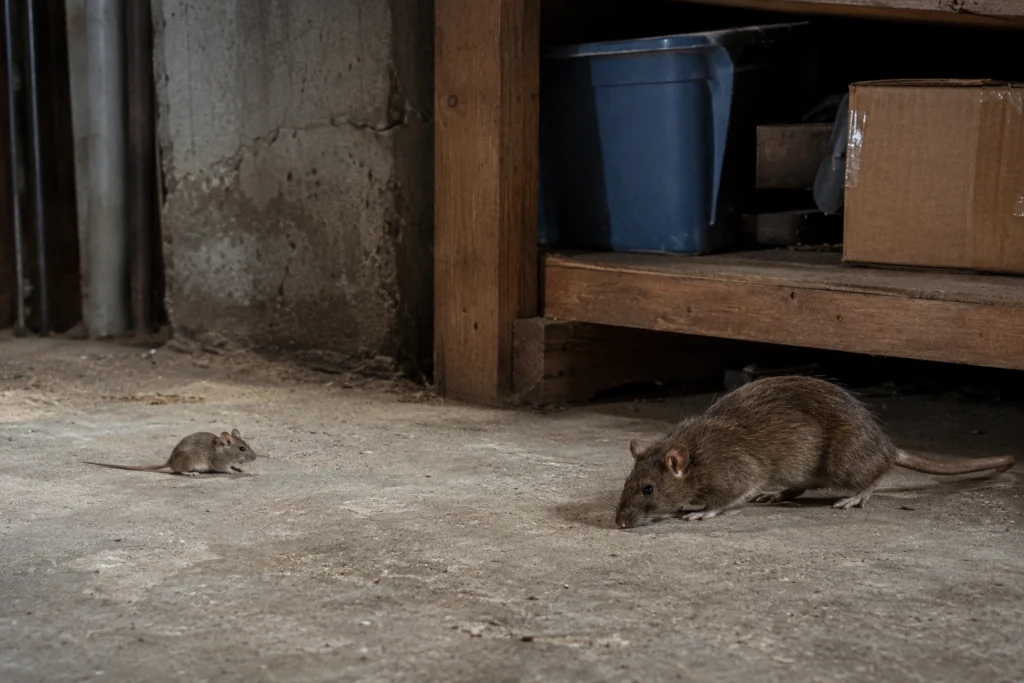
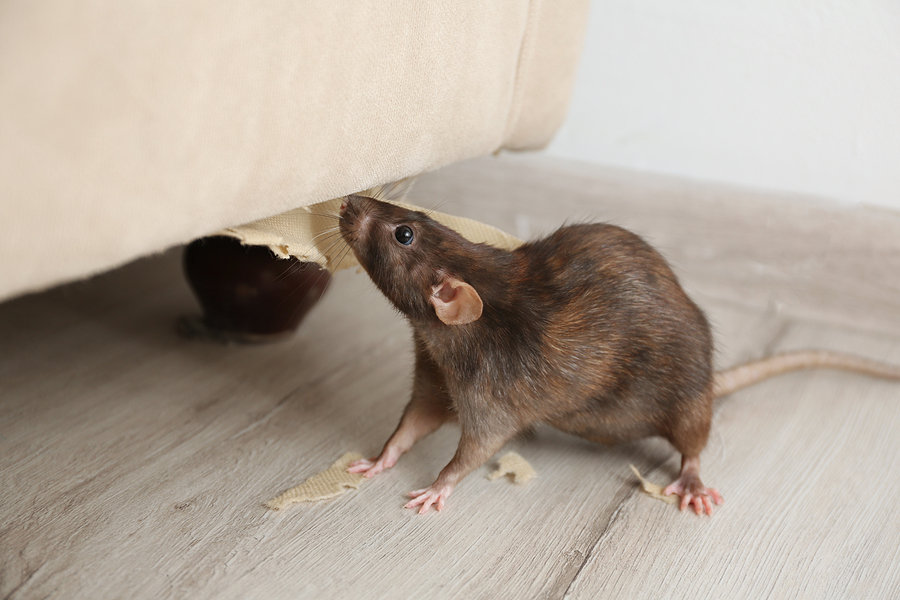
House mice are smaller than rats, ranging from four to six inches in length, and can be light grey, white, or brown. While rats are double the length of the average house mice, Norway rats are around 10 inches long. A difference seen between the two rodents are their tails. Mouse tails are equal in length to their body and are thin, long, and hairy. Rat tails can be 7” to 9” in length and are long, thick, scaly, and hairless.
If you have rodent infestation, you’ve probably seen their droppings. The difference between rat and mice droppings is noticeably different. Mice have smaller droppings, only about an eighth to a quarter of an inch long. Rat droppings are larger, about a half to three-quarters of an inch long.
Both rats and mice will happily nest inside or around your property, but their difference is the location they choose to nest in. Mice are great at climbing, typically making their nests in wall voids, attics, sheds, cabinets, and barns. While rats, such as Norway rats, will choose to live in burrows underground like crawlspaces, attics, and basements. Other rats, such as roof rats, are also great climbers but prefer to habitat in upper parts of buildings, trees, or attics.
Whether you’re dealing with a mouse or rat, proper identification and treatment are essential to remove them. It’s best to contact your local South Floria pest control company who will identify the rodent, locate entry points, and provide a treatment and prevention plan.
As members of the rodent family, mice and rats look very similar and are often mistaken for one another. Both are harmful, transmitting serious diseases to humans and pets, contaminating surfaces in our home, and chewing through structures and wires, causing damage and putting you at risk for fires. How do you know if you are dealing with a mouse vs rat? Here are 5 key differences between these two rodents.
Physical Appearance
Mice are noticeably smaller than rats, growing 3 to 4 inches in length. Mice weigh anywhere from 0.5 oz to 3 oz. A mouse’s tail is equal in length to its body and is thin, long, and covered in hair. Mice have small heads and large ears with pointy, triangular snots and smooth fur. Mice can be white, gray, or brown in color. Rats, on the other hand, are much larger, measuring 9″ to 11″ in length and weighing anywhere from 12 oz to 1.5 lbs. A rat’s tail can be 7″ to 9″ in length and is long, thick, scaly, and hairless. Rats have small ears and large heads with blunt snouts. They have coarse fur that can be dark brown or multicolored.
Droppings
Mice have smaller droppings, about 1/4″ in length. Mice droppings are black with pointed ends and resemble a grain of rice. Mice can leave up to 100 droppings at a time. Rat droppings are larger with an elongated oval shape. These droppings are about 3/4″ long, black in color, and resemble a banana. Rats can leave up to 50 droppings at a time. Rodent droppings of both species are known to carry diseases that can be harmful to humans.
Diet
While both species are omnivores, their diets tend to vary. Mice commonly eat fruit, seeds, and plants. In your home they may nibble on bread crumbs or other cereals and grains. Their palates are not as wide as rats. Mice can also survive on 3 mL of water per day. Rats, on the other hand, will eat almost anything, even scavenging through your garbage for fruit, eggs, meat, and other leftovers. They will also eat plants and seeds. Rats need anywhere from 15 to 60 mL of water per day.
Habitat
While both rats and mice will come into your home, they tend to frequent different areas once inside. Mice can be found in garages, under trees, under decks, and in walls and other voids that are too small for other rodents to get into. The species of rat you are dealing with determines where they prefer to live. Norway rats can be found in sewers, inside walls, and in cellars. They prefer lower levels of your home to reside in. Roof rats prefer higher environments, often being found in cabinets and attics.
Behavior
Mice are nocturnal animals. They are timid but social within their own populations. They are very territorial and more curious than rats, making them easier to trap. They are skillful climbers and can access areas rats can’t because of their small size. Rats are also nocturnal but are more cautious and fearful of new things than mice are, making them more difficult to trap. Rats are also skillful climbers. Both rats and mice will gnaw through structures and wiring in your home, causing damage and putting you at risk for fire. Mice have weaker teeth and can’t chew through glass or metal to get to food. Rats have much stronger jaws and have been known to chew through wood, glass, sheet metal, aluminum, and even cinder blocks.
Regardless of which pest you are dealing with, proper identification and treatment is essential to eliminating them. Contact your local pest control company who can determine which type of pest you have and set you up with the appropriate rodent control plan to eliminate them.
By Anna V., Editorial Lead — Pest Education · Last updated: May 2026
The short answer: yes, a single home can have rats and mice at the same time. It happens more often than most Georgia and Alabama homeowners realize, especially in larger homes, older homes, and homes with crawl spaces, attics, and basements that give the two species enough territorial separation to coexist. At Northwest, we typically find dual-species infestations in about one of every six rodent calls we run during the late fall and winter months, which is peak rodent season in the Southeast.
Co-infestation matters because the treatment plan changes when both species are present. Mice and rats respond to different bait, different trap placements, different timing, and different exclusion strategies. A control plan designed for one will leave the other behind. Here’s how to recognize when you have both, why it happens, what the combined health risks look like, and how to handle it without the two-species problem becoming a year-long battle.
Larger Southeast homes can support both species at once, especially through the winter.
Understanding Rats and Mice as Different Species
Mice and rats are both rodents but they’re meaningfully different animals. Recognizing the differences is the foundation of effective dual-species treatment.
Mice (house mouse, deer mouse) are small, slender, and curious. Adult body length is 2 to 4 inches not counting the tail. They reproduce fast (5 to 10 litters per year per female), build small nests in wall voids and stored boxes, and explore new objects in their territory within hours.
Rats (Norway rat, roof rat) are much larger, heavier, and cautious. Adult body length is 7 to 10 inches. They reproduce more slowly than mice (2 to 5 litters per year) but produce larger litters. They build bigger nests, prefer outdoor burrows or basement-level indoor spaces, and will avoid new objects in their territory for days before approaching.
For the full physical and behavioral identification breakdown, see our companion guide on how to tell a mouse from a rat.
Signs of a Rat and Mouse Co-Infestation
The clearest evidence that both species are present is finding signs of both at the same time. Here’s what to look for.
When you see both small rice-grain droppings AND larger capsule-shaped droppings, you likely have both species.
Two Different Sizes of Droppings
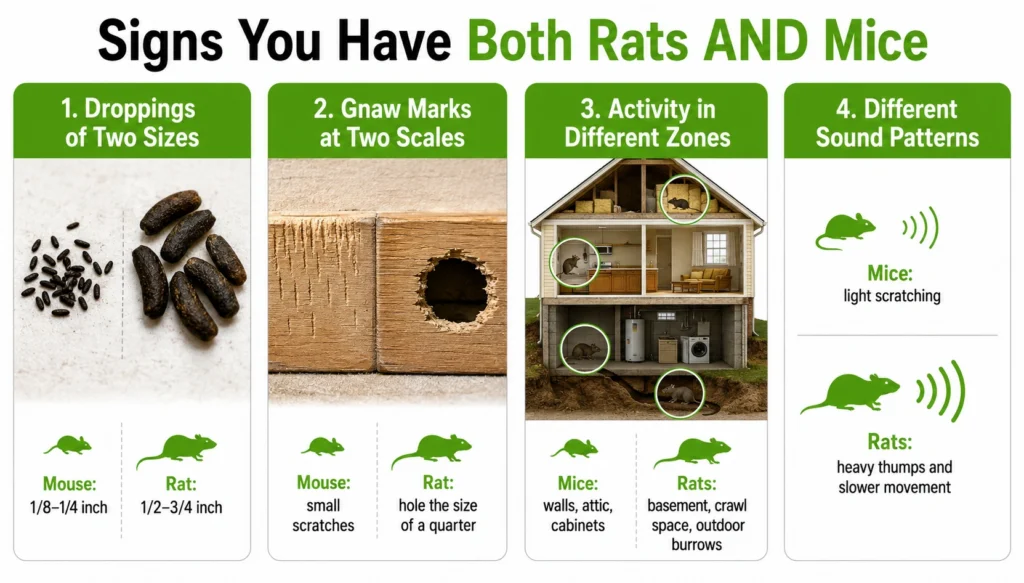
The most reliable sign of dual-species infestation is finding both sizes of droppings in your home. Mouse droppings are tiny (1/8 to 1/4 inch, shaped like rice grains with pointed ends). Rat droppings are much larger (1/2 to 3/4 inch, capsule-shaped). If you’re finding both in the same week, you almost certainly have both species.
The droppings often appear in different rooms because each species typically occupies different territory in the home. Mouse droppings concentrate in pantries, cabinets, drawer backs, and along baseboards on upper floors. Rat droppings concentrate in basements, crawl spaces, garages, and near food storage on lower levels.
Gnaw Marks at Two Different Scales
Mouse gnaw marks are small and scratchy: fine tooth marks on food packaging, the corners of cardboard boxes, and the edges of wooden trim. Rat gnaw marks are dramatically larger, including chewed holes the size of a quarter or larger, gnawed-through electrical wiring, and damaged plumbing or HVAC ducts. Finding both scales of damage in the same home suggests both species are present.
Activity in Different Parts of the House
Because rats are territorial and tend to exclude mice from their immediate range, the two species often partition the home rather than share the same nesting space. Common patterns:
Rats in the basement or crawl space, mice in the upper-floor walls and attic.
Rats in the garage and behind the kitchen appliances, mice in the pantry and bedroom closets.
Rats outdoors in burrows (around the foundation or under decks), with mice indoors year-round.
Sounds at Two Different Volumes
Mice produce light scurrying and scratching sounds, usually high in walls or above ceilings. Rats produce much heavier, slower sounds, often including audible thumps when they jump from surface to surface. If you’re hearing both light scratching and heavier thumping at night, you may have both species in different parts of the home.
Why Rats and Mice Sometimes Coexist
Rats normally exclude mice from their territory. Where one rat is established, mice usually move out or get killed. So how do dual-species infestations happen?
Three factors make co-infestation common in Southeast homes:
Abundant Food and Water
When food is unlimited, competition between species drops. A home with overflowing trash, accessible pet food, an unused pantry, or an unsecured garbage can outside provides enough resources that rats don’t need to actively chase off mice. Both species can sustain populations without fighting for territory.
Separated Territories Within the Home
Larger homes, multi-story homes, and homes with multiple “zones” (basement, crawl space, attic, garage, main floor) give each species its own preferred space. Rats stake out the basement or crawl space. Mice take the attic, upper walls, and pantry. The two populations rarely overlap, so the rats don’t displace the mice.
Different Entry Strategies
Mice enter through holes the size of a dime (around 1/4 inch). Rats need holes the size of a quarter (around 1/2 inch). A home can have both small and large entry points active simultaneously: rats coming in through a garage gap or compromised crawl space vent, mice slipping in through a gap around the dryer vent or a small foundation crack. Each species has its own door, so to speak.
Risks of Co-Infestation
Having both species at once compounds the typical rodent risks in three ways:
Doubled Health Risk Exposure
Mice can transmit hantavirus (especially deer mice), salmonella, and allergens that trigger asthma. Rats can transmit leptospirosis, rat-bite fever, salmonella, and pathogens carried by the fleas that often travel with them. A dual-species infestation exposes your household to the full pathogen profile of both. The CDC’s rodent disease guidance documents the specific risks for each species and recommends professional cleanup of any active rodent contamination, especially when both species are present.
Faster Property Damage Accumulation
Rats cause significant structural damage (chewed wiring, torn insulation, gnawed plumbing). Mice cause widespread food contamination and minor damage to packaging and trim. Together, they produce both types of damage simultaneously, which means repair costs accumulate faster and across more categories than single-species infestations.
More Complex Treatment
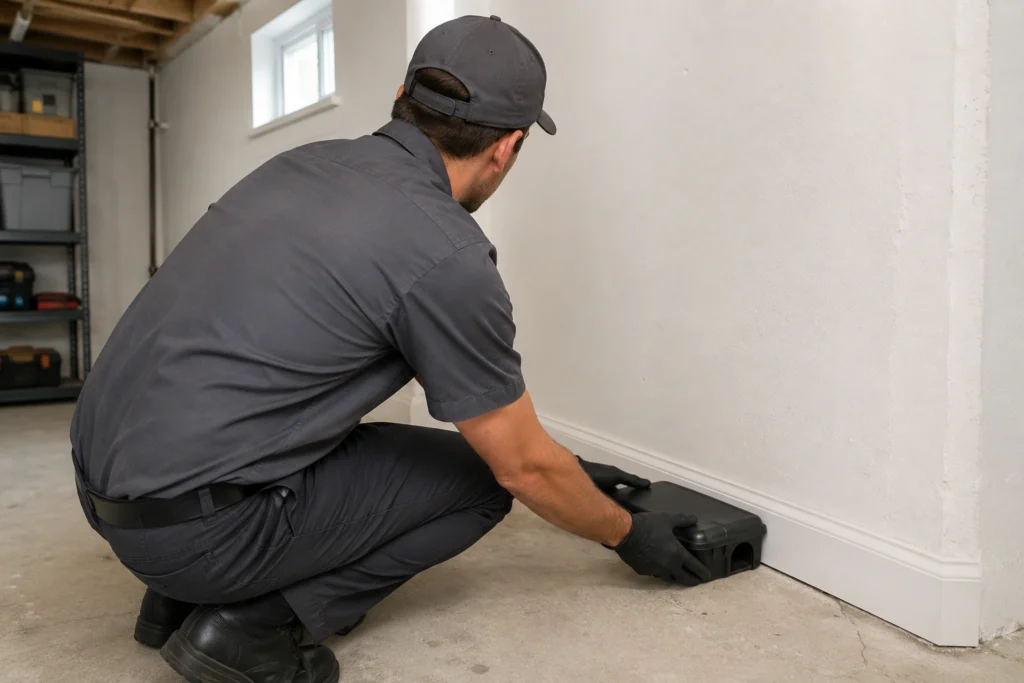
The treatment plan for mice doesn’t work as effectively against rats, and vice versa. Mouse-sized snap traps won’t catch a Norway rat. Rat-sized snap traps placed for rat trails will be ignored by mice on completely different routes. Bait stations sized for one species often go untouched by the other. Treating both species at once requires planning trap and bait placement for two different size profiles, two different behavior patterns (mice are curious, rats are cautious), and two different territory maps.
Natural and Preventive Measures
The good news: the prevention measures that work for either species work for both. Co-infestation prevention is the same as single-species prevention, just applied more thoroughly.
Seal Entry Points (at Two Different Sizes)
Walk the foundation and look for any opening larger than 1/4 inch. Mice can squeeze through anything bigger.
Seal small gaps with steel wool and caulk. Steel wool is the only material rodents can’t gnaw through.
Look for larger openings the size of a quarter or bigger. Garage door gaps, compromised crawl space vents, unsealed utility line penetrations, and damaged soffits are common rat-sized entry points.
Install door sweeps and weatherstripping. Worn weatherstripping on garage side doors and basement hatches is a leading cause of rodent entry in older Southeast homes.
Screen every crawl space vent with galvanized 1/4-inch hardware cloth.
Cut Off Food and Water
Store all food (including pet food) in airtight glass or hard plastic containers, not bags.
Take out trash daily during warm months and use lidded cans both indoors and outdoors.
Fix slow drips and leaky pipes. Both species need water and seek it out.
Don’t leave standing water in pet bowls overnight in active rodent areas.
Reduce Harborage
Cut clutter in basements, attics, garages, and stored areas. Both species nest in undisturbed clutter.
Move cardboard storage to plastic bins. Mice and rats both gnaw through cardboard easily.
Trim outdoor vegetation back from foundations and rooflines. Rats use vegetation as cover; mice travel along it.
Store firewood at least 20 feet from the house on raised racks.
Outdoor Yard Maintenance
Keep grass short along the foundation.
Remove fallen fruit under pecan, fig, or persimmon trees promptly.
Don’t leave pet food bowls outside overnight.
Block burrow entrances under decks and sheds with hardware cloth.
Dual-species infestations need traps and bait stations sized for both rat and mouse activity in different parts of the home.
When to Call a Professional for Dual-Species Rodent Control
Dual-species infestations are one of the situations we strongly recommend professional treatment for. The reason isn’t the rodents themselves (DIY can handle individual species), it’s the complexity of treating two species simultaneously without one undermining the treatment for the other.
Call Northwest for professional dual-species rodent control if:
You’ve found droppings of two different sizes in the same week.
You’ve heard both light scratching and heavier thumps in different parts of the house.
Sightings or signs have appeared in both upper and lower levels of the home.
DIY traps caught some rodents but the activity hasn’t stopped.
You’re seeing rodents during daylight hours, which usually indicates a large hidden population.
You’ve found gnaw marks at both small and large scales.
Northwest’s rodent control approach for co-infestations uses integrated pest management (IPM): identifying species and territory, setting appropriately-sized traps and bait stations for each species, sealing entry points at both 1/4-inch and 1/2-inch+ scales, and following up to confirm both populations have cleared before closing out the treatment.
(Suspect both rats and mice are present? Request a free Northwest rodent inspection and we’ll identify both species, map their territories, and lay out the dual-species treatment plan.)
What Happens If You Treat Only One Species
This is the most common mistake we see in homes that have tried DIY rodent control before calling us. A homeowner spots a few small droppings, identifies mice, sets mouse-sized snap traps in the pantry, catches three or four mice, and concludes the problem is solved. Two weeks later they’re hearing thumps in the basement at night and finding much larger droppings near the water heater.
That happens because rats and mice often coexist quietly in different parts of the home. Treating only the mice leaves the rat population fully intact. Within a few months, the rat population grows large enough to become noticeable on its own, and what felt like a successful single-species treatment turns into a much bigger second problem.
Effective rodent control assumes co-infestation is possible and treats accordingly: traps and bait stations sized for both species, placed throughout the entire structure, with follow-up to confirm both populations have cleared.
Rodent Control Drives Other Pest Outcomes
One last point worth knowing. Rodent populations don’t sit in isolation. They drive other pest outcomes in your home:
Fleas and mites ride in on rodents and establish indoor populations of their own.
Snakes follow rodent populations as a food source. The single most common reason snake sightings spike in a Southeast yard is an unaddressed rodent problem in or under the house. See our snake repellent guide for more on the rodent-snake connection.
Stored product pests (pantry moths, weevils, beetles) thrive in the contaminated food residues rodents leave behind.
Solving a dual-species rodent infestation often clears two or three secondary pest issues at the same time.
Frequently Asked Questions About Rats and Mice
Can rats and mice live in the same area at the same time?
Yes. When food, water, and shelter are abundant and the two species can occupy separated territories within the home (rats in basements or crawl spaces, mice in walls or attics), they can coexist. About one of every six rodent calls we run involves both species in the same home.
How do I know if I have rats or mice or both?
The clearest sign is finding droppings of two different sizes. Mouse droppings are tiny (1/8 to 1/4 inch) and rice-shaped. Rat droppings are larger (1/2 to 3/4 inch) and capsule-shaped. Two different scales of gnaw marks, two different sound patterns (light scratching plus heavier thumps), and activity in different parts of the house also indicate co-infestation.
Are rats more dangerous than mice?
Rats cause more structural damage and carry a broader range of diseases than mice. Both species warrant treatment, but rat problems should be addressed faster. When both species are present, the combined health-risk and damage profile is more serious than either alone.
How quickly can rodents multiply?
Mice reproduce very fast: 5 to 10 litters per year per female, with each litter containing 5 to 8 pups. A single pair can become dozens within a few months. Rats reproduce more slowly (2 to 5 litters per year) but produce larger litters of 8 to 12 pups each. In a dual-species infestation, the mouse population usually grows faster than the rat population.
What’s the best way to remove rats and mice from a home?
Effective dual-species removal combines exclusion (sealing entry points at both 1/4-inch and 1/2-inch+ scales), sanitation (removing food and water access), and species-appropriate trapping and baiting. Professional integrated pest management is the most reliable approach when both species are confirmed present, because the treatment plan needs to address two different size profiles, behavior patterns, and territory maps simultaneously.
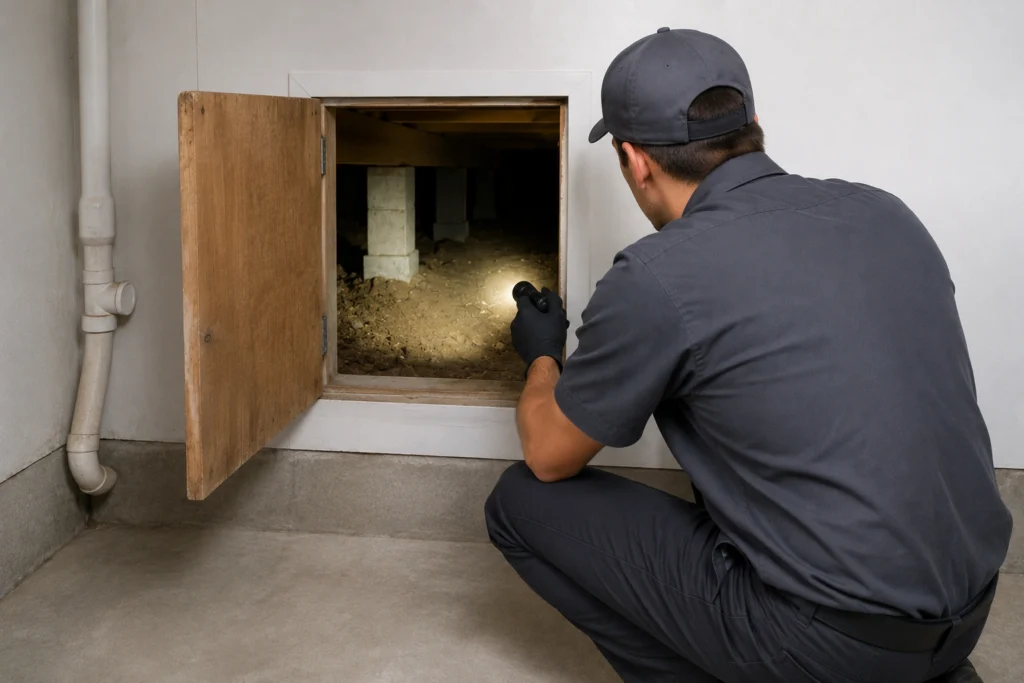
A dual-species inspection looks for entry points at two different sizes in two different parts of the home.
Schedule a Rodent Inspection
If you suspect both rats and mice are in your home, or you just want a professional confirmation of which species you’re dealing with, the smartest move is an inspection before the populations grow further. Dual-species infestations are very treatable when caught early, and Northwest’s team has been clearing rodent problems out of Georgia, Alabama, Tennessee, and South Carolina homes for decades.
Call (888) 466-7849. Same-week service available across our Southeast service area.
About the Author
Anna Vaccaro, Editorial Lead — Pest Education leads pest education content for Northwest Exterminating, working with senior technicians and service center managers across our Georgia, Alabama, Tennessee, and South Carolina service areas to translate field expertise into homeowner-friendly guides. The focus: accurate, regionally-specific answers to the pest questions Southeast homeowners are actually searching for.
By Curt Lockhart, QA Technical Field Trainer & Inspector, Northwest Family of Brands · Last updated: September 2026
Reviewed for accuracy by Cory Goeltzenleuchter, B.C.E., P.H.E., Director of Technical Services for Northwest Exterminating — September 2026
Quick answer: Mice control before winter means sealing every gap wider than a pencil, removing food and nesting cover within a few feet of your foundation, and doing the work before the first cold nights push them indoors. Seal the structure first, address the yard second, and bring in a professional if activity is already inside.
This guide covers where mice actually enter, which materials hold up, how to walk your own property before winter, and when a professional exclusion program makes more sense than a DIY fix.
Why Mice Control Starts in September and October
When nights start to cool across the Southeast, mice begin trading outdoor food sources for whatever they can find inside a pantry or wall void. That shift usually begins in September and builds through October, right as seeds, insects, and fruit become harder to find outside.
Sealing your home before the first frost keeps the problem out entirely, instead of forcing you to trap and remove an active population after the fact.
How Mice Actually Get In
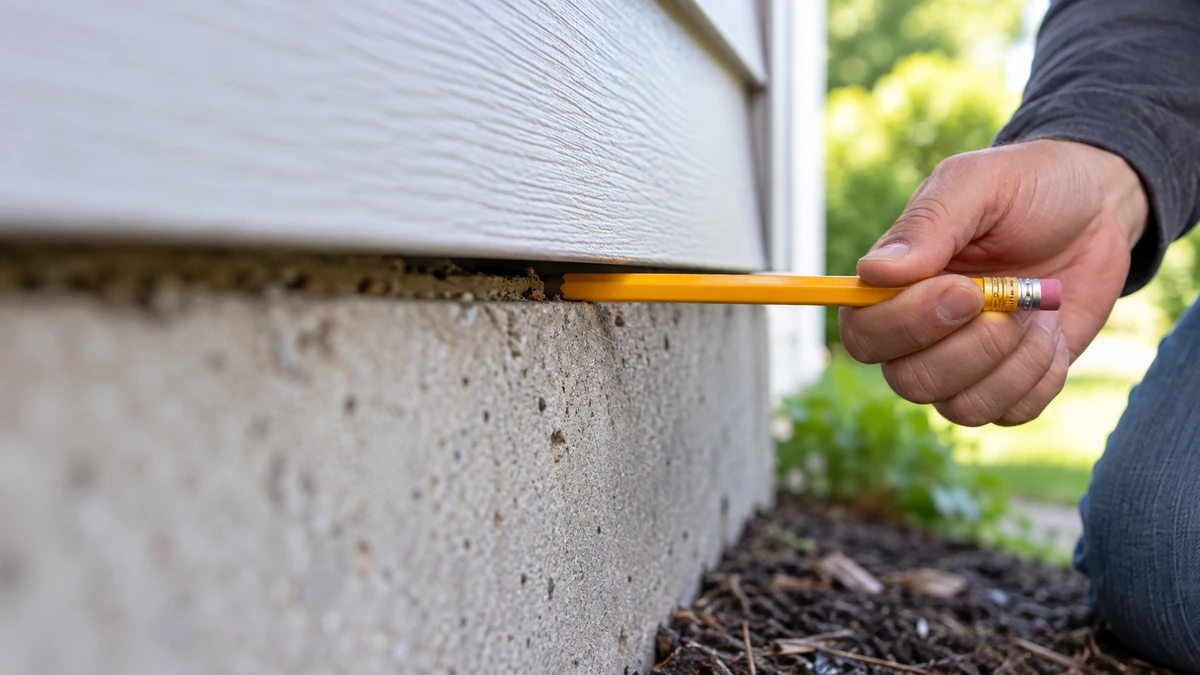
A young mouse can squeeze through a gap roughly the width of a pencil, about a quarter inch. If a pencil slides into an opening, a mouse can follow. Because mice also climb brick, siding, and downspouts with ease, ground level is not your only exposure. The real entry points span the full structure.
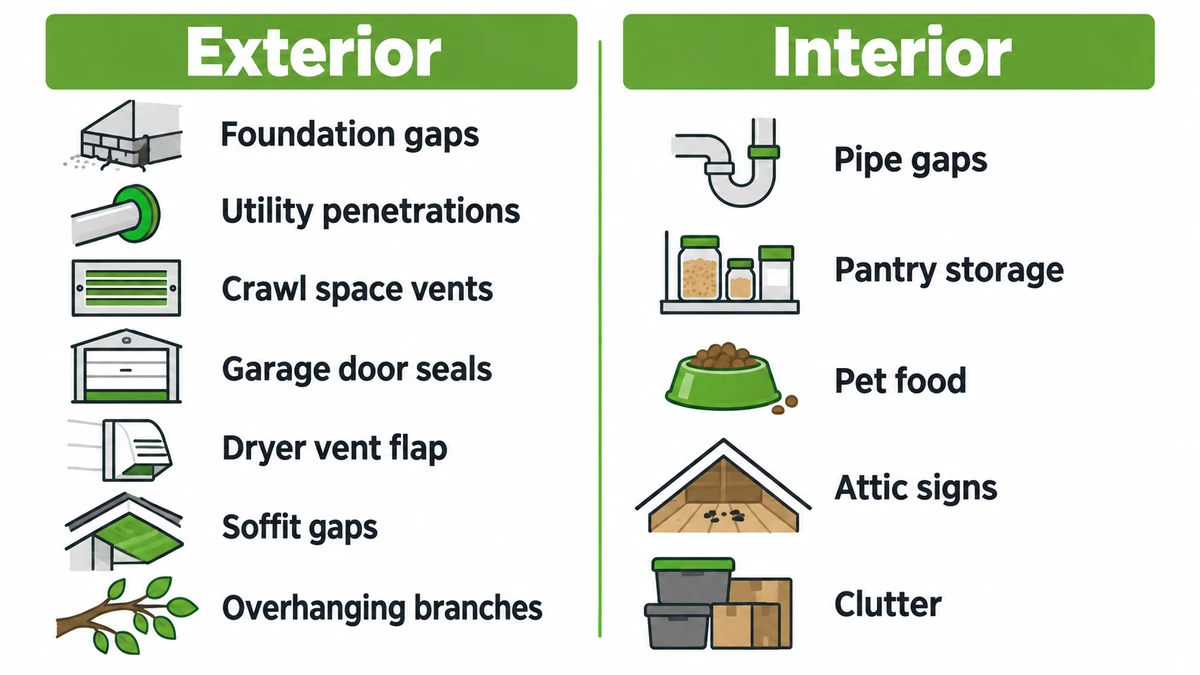
Here are the gaps we find most often in Southeastern homes:
Crawl space vents and access doors. Damaged screens, warped doors, and missing covers are among the most common ways mice reach the underside of a home.
Brick veneer weep holes. These small drainage gaps between courses of brick are a frequent entry point, especially when left unscreened.
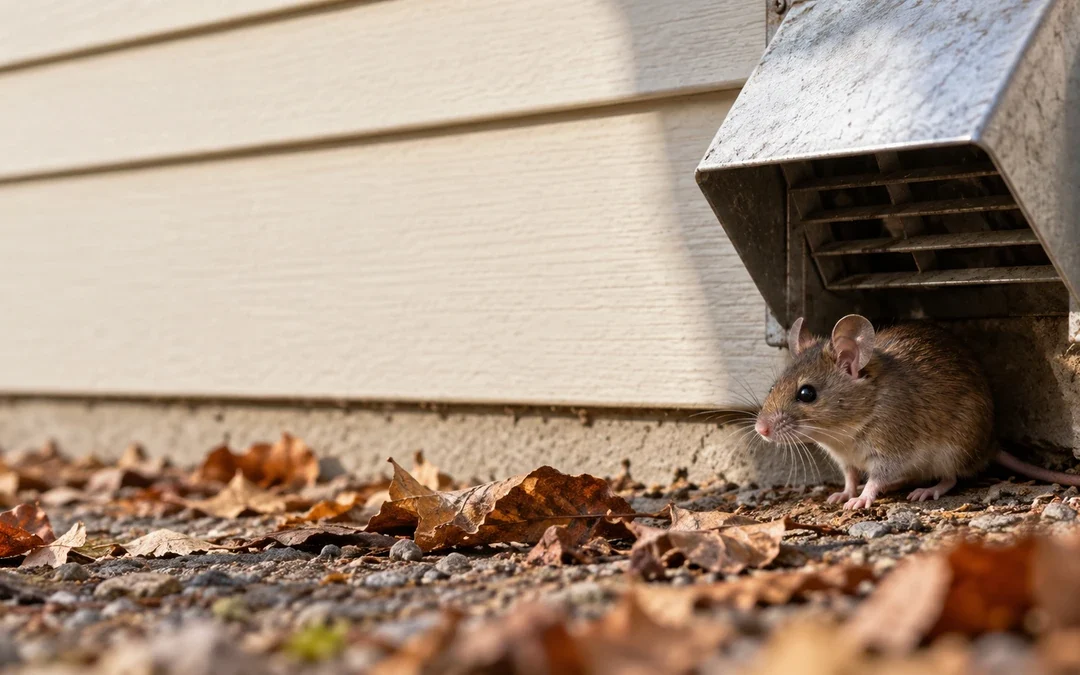
Dryer vents and AC line sets. The openings where these lines pass through an exterior wall are often larger than necessary and left unsealed.
Garage door corners and side seals. Worn bottom corners and gaps in the side seals give mice a direct path into the garage and from there into the house.
Soffit and fascia gaps. Separation or rot along the roofline lets mice enter from above after climbing a wall or nearby limb.
Utility and plumbing penetrations. Gaps around pipes under sinks and behind appliances become easy interior routes once a mouse has entered the wall.
Gable and ridge vents. High vents are vulnerable when screening ages, deteriorates, or gets pushed out by weather.
Because mice can enter from the foundation up to the roofline, a thorough inspection needs to cover the entire exterior, not just the bottom few feet.
Rodent-Proofing Materials: What Works and What Mice Chew Through
Before you seal anything, it helps to know which materials actually hold. Mice chew through more products than most homeowners expect, which is why so many DIY repairs fail within a season.
Material
Holds Up
Fails
Best Use
Copper mesh
Yes, resists chewing and rust
If packed too loosely
Stuffing gaps around pipes and vents
Hardware cloth (1/4 inch)
Yes, durable and gnaw-resistant
If gauge is too thin
Covering vents, weep holes, and larger openings
Sheet metal
Yes, mice cannot chew through it
If edges lift over time
Garage corners, chewed door frames
Mortar or concrete patch
Yes, permanent when cured
If applied over a gap that is too wide
Foundation cracks, masonry gaps
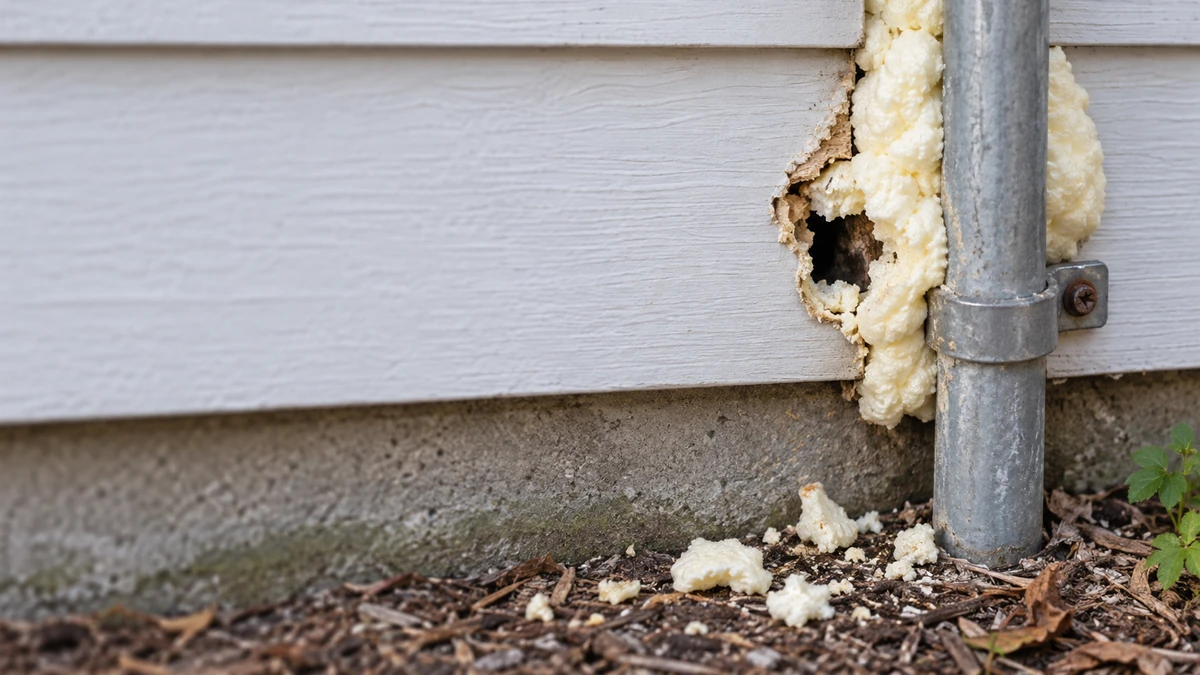
Expanding foam alone
No
Mice chew through it easily
Only as a filler behind mesh or metal, never alone
Steel wool alone
No
Rusts and falls apart over time
Temporary use only, always backed by a lasting material
Plastic vent covers
No
Cracks and gets chewed
Not recommended as a mouse barrier
The pattern is consistent. Expanding foam and steel wool fail as standalone barriers. They may slow a mouse briefly, but neither stops one for long. Copper mesh, hardware cloth, and sheet metal are what actually hold up.
“The first place I check is where utility lines enter the home, because that gap is the culprit more often than not. And the most common fix homeowners try is a wad of steel wool, which we almost always end up pulling out and redoing properly,”
says Curt Lockhart, QA Technical Field Trainer & Inspector, Northwest Family of Brands.
The Fall Rodent-Proofing Walkthrough
Most of this inspection can be done in an afternoon. Work from outside in, so you close the doors before checking whether anything is already inside.
Walk the full exterior. Start at one corner and circle the home. Check low for weep holes, foundation cracks, and gaps at dryer vents and AC line sets. Check garage door corners and side seals. Note every opening a pencil could fit through.
Check the roofline. This step usually requires a ladder. Inspect soffit and fascia seams, gable vents, and ridge vents for gaps or deteriorated screening. If the ladder work feels unsafe, this is the right point to call a professional.
Inspect the attic. Look for droppings, chewed insulation, and daylight showing through gaps in the roofline. Any daylight is an opening a mouse can use.
Move to the crawl space. Check vents, the access door, and anywhere pipes or wiring pass through the framing. Crawl space work is often better completed by a professional, both for safety and to catch gaps that are easy to miss.
Seal interior penetrations last. Under sinks and behind appliances, fill gaps around plumbing and utility lines with copper mesh backed by a lasting patch material.
Match each gap to the right material from the table above. A gap packed with foam alone will not hold through the winter. The same gap stuffed with copper mesh will.
Yard and Landscape Changes That Reduce Pressure
Sealing the structure is the core of effective mice control, but the yard around it sets the conditions. A few changes close to the home make it noticeably less inviting:
Pull pine straw and mulch back several inches from the foundation to eliminate ground-level cover.
Store firewood off the ground and at least a few feet away from exterior walls.
Trim overhanging limbs away from the roofline to remove the climbing path mice use most.
Manage bird feeders and the seed they drop, and store pet food in sealed containers.
Keep trash cans tightly lidded and positioned away from the house.
These steps reduce the pressure at your walls. Gaps you have already sealed face far less traffic when the yard around them is not providing food and shelter.
Rodent-Proofing Across the Northwest Service Area
Southeastern housing stock varies enough that the weak points differ by market. Here is what Northwest’s teams see consistently as the cooler months approach.
Atlanta. Many intown homes sit on older, open crawl spaces and pier foundations. Mice reach the underside through worn vents and loose access doors, making crawl space sealing a frequent first priority.
Marietta. Subdivision homes backing to wooded rear lots face steady pressure from nearby tree cover. Unsealed soffit returns are a common roofline entry point. The right starting move is sealing crawl space vents and soffit returns while trimming any limbs that give mice a bridge from the rear lot to the roof.
Chattanooga. Homes built into hillside and ridge terrain often have grade changes that create entry points at unexpected heights along the structure. Sealing before winter here means checking wherever the home meets a slope, along with vents, garage seals, and utility penetrations near grade.
Savannah. Coastal humidity keeps crawl space vents in heavy use, and the mature tree canopy often makes contact with rooflines. That combination gives mice both a low route and a high one. Trimming limbs and sealing crawl space vents usually need to happen together.
Birmingham. A mix of slab and crawl space homes, many with aging garage seals, makes the garage one of the most common entry points in the area. Refreshing worn bottom seals and door corners closes a door that is easy to overlook.
Wherever you are in Georgia, Tennessee, or Alabama, the approach holds: inspect the full structure, seal with materials that last, and time the work before cold weather shifts mouse behavior.
When Sealing Is Not Enough: Mice Control Once They Are Inside
Sometimes mice are already inside before the inspection happens. Watch for these signs that a population has moved in:
Droppings in more than one room
Sounds in the walls or ceiling after dark
Chewed wiring or insulation
Grease trails along baseboards where mice travel regularly
If these signs are present, sealing alone can make the problem worse by trapping live mice inside wall voids, which leads to odor, further damage, and mice gnawing new openings to escape. At that point, a professional exclusion and trapping program is the right move. The right sequence is always removal first, sealing second.
For additional research-based guidance on rodents and the health risks they carry, the University of Georgia Cooperative Extension is a reliable resource for homeowners across the Southeast.
Frequently Asked Questions
What is the smallest gap a mouse can get through?
About the width of a pencil, or roughly a quarter inch. Gaps that size appear at weep holes, dryer vents, AC line sets, garage door corners, and openings around utility penetrations. If a pencil fits through, a mouse can follow.
How do I keep mice out of my house permanently?
Seal every pencil-width gap with chew-proof materials, keep food and nesting cover away from the foundation, and repeat a full inspection each fall before the cold arrives. Consistent seasonal sealing is the most reliable long-term approach.
Does steel wool or peppermint oil really keep mice away?
No, not on their own. Peppermint oil may briefly irritate a mouse but does not stop one from entering. Steel wool rusts and falls apart over time and fails as a standalone barrier. Copper mesh and hardware cloth are what actually hold up against gnawing.
When should I rodent-proof my home in Georgia or Tennessee?
The best window is September and October, before the first cold nights push mice indoors. Sealing ahead of the season keeps them out entirely rather than forcing removal after the fact.
Can I seal a crawl space myself?
Basic vent covers and access door repairs are manageable for most homeowners, but crawl spaces are tight and easy to seal incompletely. A professional inspection typically catches penetrations and grade-level gaps that are difficult to reach and identify on your own.
How much does professional rodent exclusion cost?
Cost depends on the size of the home, the number of entry points, and whether an existing population needs to be removed first. Every project starts with a free inspection so you get an accurate quote before any work begins.
Do Not Wait Until You Hear Them in the Wall
Sealing beats trapping every time, but only when it happens before mice move in. If you want to keep mice out this winter, the weeks before the first frost are the window that matters. Schedule a free rodent-proofing inspection with your local Northwest team. We serve homeowners across Georgia, Tennessee, and Alabama, and we can help you close the doors before the cold pushes mice inside. Book online or call your nearest branch.
Curt Lockhart serves as a QA Technical Field Trainer & Inspector for the Northwest Family of Brands, specializing in wildlife and commercial pest services. He supports teammate development through hands-on training, technical guidance, safety education, and quality assurance best practices. Curt’s experience helps ensure consistent service excellence and effective pest management solutions for customers.
Reviewed for Accuracy
Cory Goeltzenleuchter, B.C.E., P.H.E., is the Director of Technical Services for Northwest Exterminating. As a Board Certified Entomologist and Public Health Entomologist, he is one of the organization’s leading technical experts in pest management. He oversees technical training, service standards, and industry best practices while helping ensure customers receive extraordinary service through science-based solutions, ongoing education, and innovative approaches across the Northwest Family of Brands.
You’ve found all the signs and you’ve confirmed it – there’s a rodent in your house. But is it a rat or a mouse? Does it really matter? How can you tell? Although there are significant differences in rat vs mouse, it can be hard for the average homeowner to distinguish between the two. The behavior, diet, and habitat of each of these pests affects how they are eliminated and prevented. Proper identification is essential for effective rodent control.
Mice are curious and will investigate anything new they come across. Because of this, you can put set mouse traps directly in their path. Mice can stand on their hind legs when they are supported by their tails. They are excellent jumpers, swimmers and climbers and are extremely fast runners. Mice are nocturnal and most active from dusk until dawn. They do not like bright lights.
Rats are more cautious than mice. They will avoid new things until they get used to them being there. Because of this, unset traps should be placed in their path first to let them get used to them and then replaced with set traps later. Rats are strong swimmers and will often live in sewers, allowing them to enter buildings through broken drains and toilets. They will climb to get to food, water, and shelter. They follow regular routines and paths each day.
Appearance:
House mice are much smaller than their rat cousins. They have small heads, small feet, pointed snouts, and large ears with some hair on them. They are usually light brown in color with some gray shading and dark tails. Their droppings are shaped like small rods.
Norway rats have heavy, thick bodies. They are the largest of the three common rodent species. They have blunt snouts and short ears with dark hair. They are usually brown with black shading and shaggy coats. Their tails are dark on top and pale underneath. Their droppings are shaped like capsules.
Roof rats have light slender bodies. They have pointed snouts and long ears with no hair. They are usually gray in color with black shading and smooth coats. Their tails are dark. They have droppings shaped like spindles.
Diet:
Mice prefer cereal grains and plants but they will feed on almost anything.
Rats will eat nearly anything, as well, but prefer fresh grain and meat. Rats also need 1/2 to 1 ounce of water a day to survive.
Habitat:
Mice prefer to nest near their food sources. They will use any soft material or shredded paper to build their nests.
Rats will burrow under buildings, along fences, and under plants or debris. Norway rats typically live in these burrows while roof rats prefer to nest in walls, attics, and trees.
Breeding:
Mice will have up to 10 litters per year and typically live from about 9 to 12 months.
Norway rats will have up to 6 litters per year and live 12 to 18 months.
Roof rats will have up to 8 litters per year but have fewer babies in their litters than Norway rats do.
Fun Facts:
The house mouse is considered one of the top 100 world’s worst invaders. They are afraid of rats because rats will eat them. Mice are also color blind.
Rats are nocturnal and have poor eyesight. Norway rats and roof rats do not get along and will actually fight each other to the death. Norway rats tend to live on the lower floors of buildings while roof rats will live on the upper floors.
Why Does It Matter?
Why does it matter whether you have a rat or a mouse? Both rat and mice droppings contain pathogens that are dangerous to humans. Both are also very good at breeding and increase their populations quickly, making them harder to control. The significance in properly identifying rats vs mice affects how they are controlled and eliminated. Because they each have such different diets, habitats, and behaviors, different methods are employed when it comes to getting rid of them. What may work for house mice might not be effective in controlling rats and vice versa.
If you have an issue with rodents or any other pests, contact a professional pest control company who can not only properly identify the nuisance pest, but also set you up with the appropriate treatment and ongoing prevention plans.
*Inspection fee for Bird Control or Snake Removal begins at $125. These service inspection fees will be applied to total service cost if bird control and/or snake removal services are completed.
By submitting, you agree to be contacted about your quote. See our Privacy Policy.
READY TO GET STARTED?
REQUEST A FREE ESTIMATE
Fill out the form below or call (866) 800-2197 for a free, no-obligation estimate.
READY TO GET STARTED?
REQUEST A FREE ESTIMATE
Fill out the form below or call (866) 800-2197 for a free, no-obligation estimate.
READY TO GET STARTED?
REQUEST A FREE ESTIMATE
Fill out the form below or call (855) 374-3795 for a free, no-obligation estimate.