Oct 20, 2021 | Commercial
We know your business, customers, and team are at the top of your mind; so when you spot a pest problem, you will likely ask two questions: How can you get rid of them, and where did they come from? Every business owner must be aware of what is attracting and drawing pests inside. Here we break down certain factors that could make your business vulnerable to pest invasions and some commercial pest control tips you can utilize.
Garbage & Trash
Pests need a food source to survive and trash is the perfect way for them to get it! Common pests like rodents and roaches will often seek these areas. It’s extremely important to empty the trash multiple times a day, along with keeping your business’s dumpster cleaned and maintained throughout the week. Place your trash receptacles and dumpster far away from your business building. Always make sure that the container lids are tightly sealed and always kept closed.
Irregular Cleaning
A clean business is not only appealing to customers but will also help to avoid a pest infestation. Throughout each week, regularly sweep and vacuum up food crumbs and debris from the dining areas, kitchens, break rooms, and entryways. Make sure to pay attention to areas behind furniture and appliances, as well.
Deliveries & Shipments
Packages, boxes, and containers will often host hitchhiking pests! Pests like roaches or spiders will latch onto these deliveries and easily make their way inside your business. If you can, dedicate a space inside, away from your customers, to inspect these deliveries. Some great ways to tell if there is a pest infestation, besides seeing the actual pest, is noticing any rips, tears, or holes, or seeing droppings. If you notice any of these signs of pests, take the packages outside immediately and make sure to discard the boxes away from your business.

Oct 20, 2021 | Pest Control
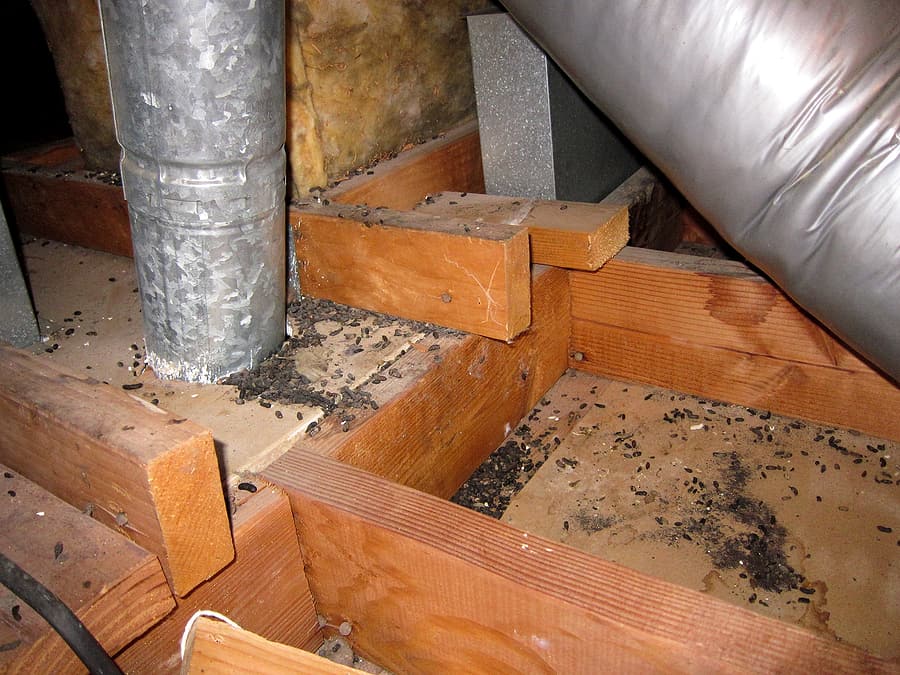
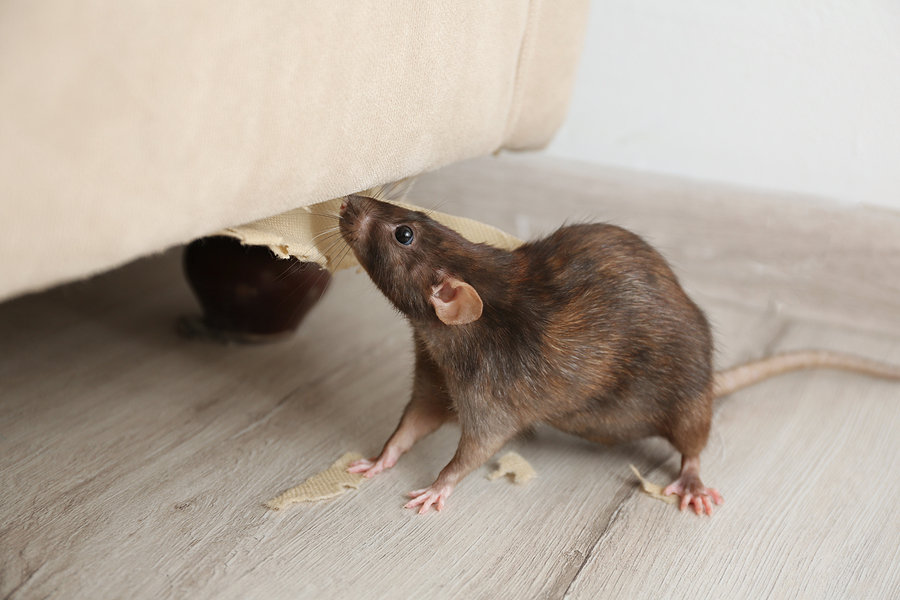
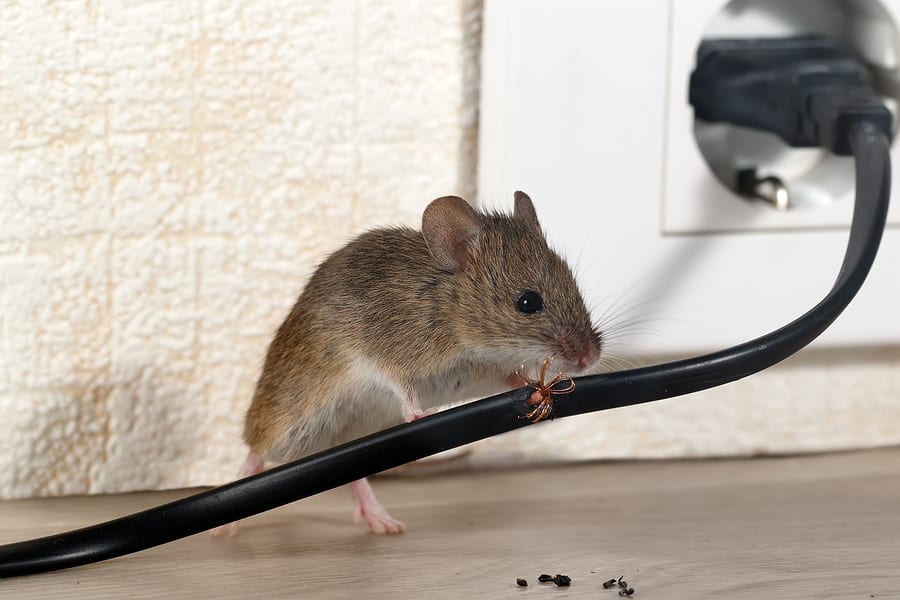
Rodents can wreak havoc on your home, chewing through wires and insulation and contaminating surfaces with their urine and feces. Rodents are also known for carrying and transmitting serious diseases to humans. You may not see a live rodent in your home until an infestation is already established. It is important to know the signs of a rodent infestation so you can identify the problem before it gets out of control. Here are 9 warning signs of a rodent infestation to look for in your home.
- Rodent droppings around food packages, in drawers and cupboards, and under sinks.
- Nesting material such as shredded paper, fabric, string, and dried plant matter.
- Signs of chewing on food packaging.
- Holes that have been chewed through floors and walls that these critters can use as an entry point.
- Stale smells coming from hidden areas of your home such as wall voids, attics, crawlspaces, etc.
- Rub marks, which are oily marks left behind where rodents travel along walls.
- A strong, musky urine odor.
- Scampering, scratching, or gnawing sounds, especially at night.
- Unusual pet behavior such as becoming extremely alert or anxious, excessive barking, or pawing at surfaces under appliances or furniture.
Prevention is critical to keeping rodents and other pests from taking over your home. Keep them out of your home with these rodent prevention tips:
- Seal any holes inside or outside your home with steel wool, lath screen, lath metal, cement, hardware cloth, or metal sheeting. Some common areas to check for holes include in the roof among rafters, gables, and eaves; around windows and doors; around foundations; in attic and crawlspace vents; under doors; around holes for electrical, plumbing, cable, and gas lines; inside and under cabinets; inside closets near floor corners; around fireplaces; around pipes under sinks and washers; around hot water heater and furnace pipes; around floor and dryer vents; in basement and laundry room floor drains; and between floor and wall junctures.
- Remove potential nesting sites such as leaf piles and deep mulch.
- Keep garbage in containers with tight-fitting lids.
- Turn compost piles to cover any newly added food.
- Bring pet food and water bowls in overnight and empty birdfeeders daily. Try to avoid feeding outdoor birds, if possible, while you have an active infestation.
- Fix gaps in trailer skirting and use flashing around the base of your home.
- Store food in thick plastic or metal containers with tight-fitting lids.
- Keep outdoor cooking areas and grills clean.
- Elevate woodpiles, hay, and garbage cans at least 1 foot off the ground.
- Get rid of any old tires, vehicles, etc from your property.
- Keep your grass mowed short and shrubbery well trimmed, especially if it is within 100 feet of your home.
If you suspect you have a problem with rodents or any other pest, your local pest control company can perform a thorough home inspection which will help determine the type of rodent you are dealing with, their patterns of activity, what’s attracting them to your home, and which treatment method is best for elimination and ongoing prevention.
You May Also Be Interested In:
What Is The Most Effective Termite Treatment?
Preventing Rats This Fall
5 Pests That Can Destroy Your Lawn
Avoiding A Winter Wildlife Invasion
Is Mosquito Control Needed in Winter?
Oct 13, 2021 | Pest Control
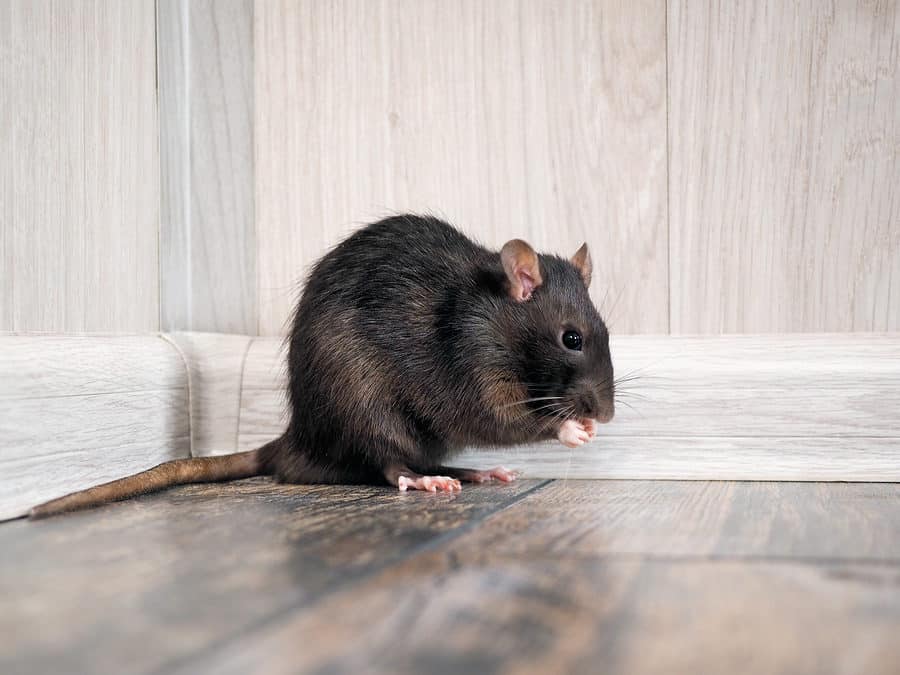
During the colder months, rats are looking indoors for shelter, providing them with warmth and a food source. Once inside, they can not only cause considerable damage to homes by gnawing electrical wires, but they can also pose health risks as they are known to carry bacteria, such as salmonella. To help avoid these pests, every homeowner should utilize preventative measures throughout their house for rodent control.
Keeping the exterior of your home well-sealed is the first step to prevent rats from the inside. Check around the outside of your home for any gaps or holes that are leading inside. Make sure to seal around any openings in the walls, especially utility pipes and vents. Consider installing weather stripping for the gaps in doors and windows.
While outside, look throughout your yard for debris such as piles of leaves or excess woodpiles. Rats will often use these to hide or take cover. Consider keeping your woodpiles 20 feet from your home. Try to keep your shrubbery away from the sides of your home and mow the grass frequently.
Rats are always in search of a food source. Eliminating access to food from your property is another great way to keep them from infesting. If you leave your pet bowls outside, consider bringing them inside to avoid attracting them. Make sure to keep all food, including pet and bird food, in airtight containers. Likewise, make sure your trash cans are sealed tightly and take the garbage out frequently.
Suspecting that you have a rat inside your house is always alarming. It’s best to contact a pest control professional who can inspect your home, identify the type of rat, and set you up with a comprehensive treatment plan.
Aug 27, 2021 | DIY Pest Control, Pest Control
The last thing any homeowner wants to deal with is pests. A household pest is any insect or animal that is commonly found in a household structure that can cause destruction to the property or to your health. While the occasional critter can make its way inside, routine occurrences indicates the likelihood of an infestation. Fortunately there are some DIY pest control tips you can use at home to help prevent these pests from taking over. Here are a few of the most common household pests and how to prevent them.
Ants
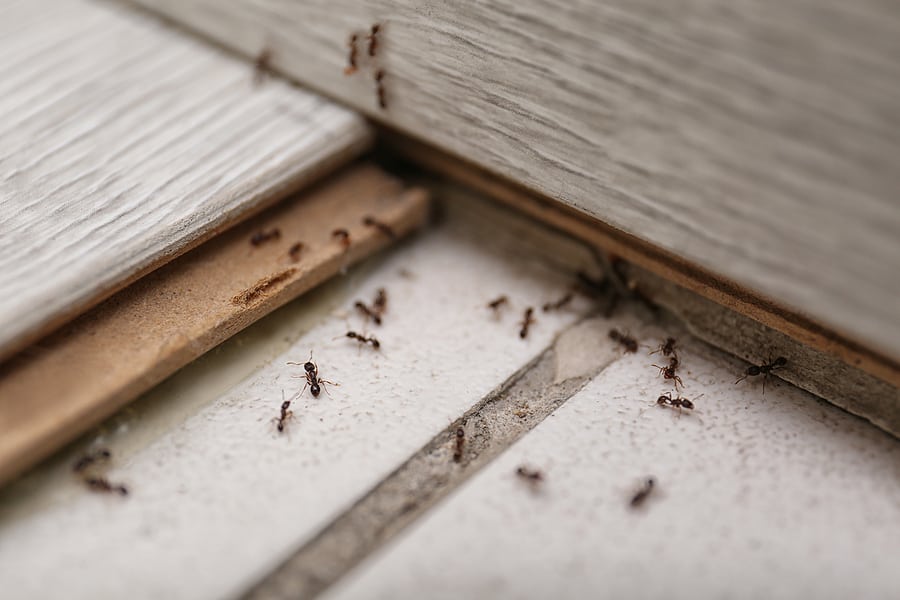
Most ants don’t cause any structural damage to your home (with the exception of carpenter ants). They are, however, the #1 nuisance pest in the United States. Ants are difficult to control because their colonies are so large. These pests typically come indoors in search of food and water and can usually be found near these sources in your home – especially in kitchens and bathrooms. Prevent ants by:
- Keeping your home clean.
- Wiping countertops daily.
- Cleaning up crumbs and spills immediately.
- Cleaning appliances regularly.
- Emptying trash daily and keep trash containers clean.
- Keeping food in sealed containers.
- Getting rid of overripe fruit.
- Repairing leaky pipes.
- Keeping gutters clear.
- Keeping shampoo and soap containers sealed and clean.
- Sealing any exterior holes, gaps, and cracks.
- Trimming back trees and shrubs from the house.
- Clearing your yard of debris.
- Using screens on doors and windows.
Birds
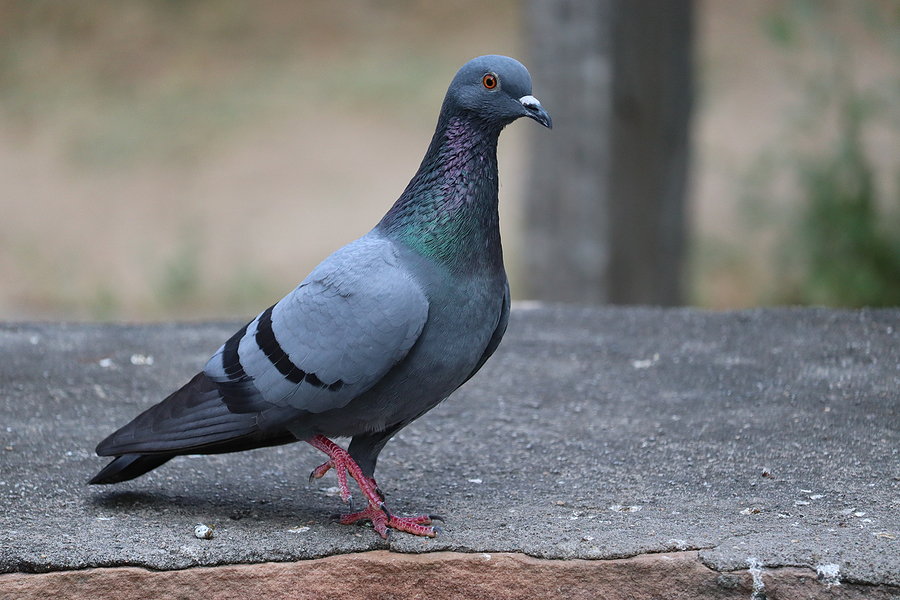
Birds are not usually considered nuisance pests but their nests can obstruct common areas of your home and their droppings can contaminate or damage other areas. Birds usually enter your home in search of food and shelter. Prevent birds by:
- Using saltwater vs freshwater in fountains and water features.
- Not leaving pet food out overnight.
- Keeping grass mowed and hedges trimmed.
- Dismantling nests IF they are actively being built (bird nest removal laws prevent touching nests that are already built or occupied).
- Sealing exterior gaps, cracks, etc. as birds can use these to access attics.
- Hanging strips of aluminum foil from trees or other high places to deter birds.
- Installing predator decoys (like owls and snakes) to scare off birds, moving them frequently.
Cockroaches
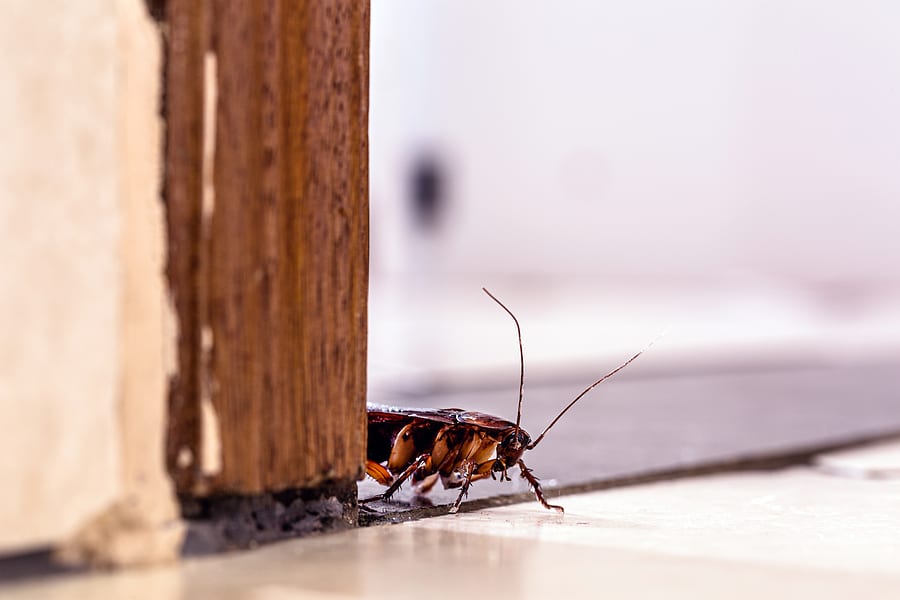
Cockroaches are dangerous to humans as they are known to carry serious diseases and trigger both allergies and asthma. These pests multiply quickly, making them very difficult to control. Roaches will come into homes in search of food, water, and shelter, with them often found in kitchens, bathrooms, and laundry rooms. Prevent roaches by:
- Cleaning up crumbs and spills immediately.
- Throwing away or storing leftover food at night.
- Cleaning surfaces nightly.
- Rinsing food cartons before throwing them away.
- Emptying trash nightly.
- Storing food and pet food in airtight containers.
- Not leaving pet food and water out overnight.
- Using plastic storage rather than cardboard.
- Getting rid of old newspapers and magazines.
- Sealing any exterior gaps and crevices.
- Using weatherstripping.
- Using stoppers or metal baskets in sink drains.
- Repairing leaks.
- Caulking around tubs and sinks to seal them.
- Hanging wet towels up after use.
- Keeping kitchen sponges dry and not storing them on the counter.
Termites
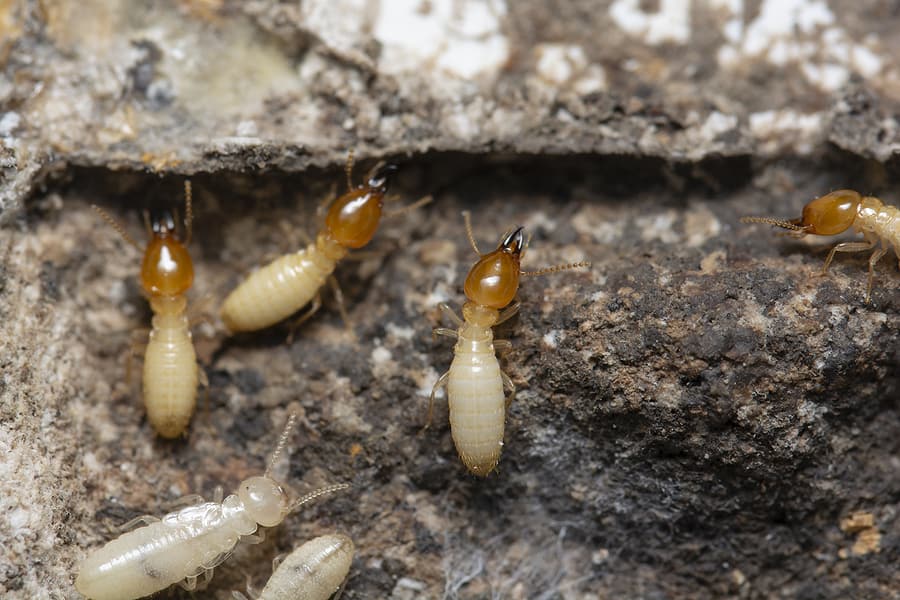
Termites are known as silent destroyers, eating wood from the inside out and going undetected for long periods of time. Common signs of termites include swarms; mud tubes; discarded wings; discolored drywall; peeling paint; wood with a hollow sound when tapped; squeaky floorboards; doors and windows that stick; damaged wood; loose tiles; and buckling floors. Prevent termites by:
- Using concrete foundations when building your home.
- Covering exposed wood with sealant or metal barrier.
- Keeping soil around foundations dry.
- Keeping gutters and downspouts clear and functioning.
- Filling cracks in cement foundations.
- Filling in gaps around where utilities come into your home.
- Fixing leaks immediately.
- Keeping vents unblocked.
- Keeping landscaping trimmed away from the sides of homes and foundations.
- Not storing firewood next to the house.
- Getting an annual termite inspection.
Rodents
Rodents are common household pests and include rats, mice, squirrels, and raccoons. Rodents can cause significant damage to your property by chewing through electrical wires and insulation. They can also contaminate food and spread disease. Prevent rodents by:
- Using metal trashcans with tight-fitting lids.
- Storing pet food and birdseed in glass or metal containers with sealing lids.
- Picking up fallen fruit and birdseed from the ground.
- Removing standing water from bird feeders.
- Storing firewood away from the home and elevating it.
- Storing boxes in the garage off the ground.
- Storing food in containers.
- Cleaning up crumbs nightly.
- Sealing exterior openings.
- Keeping gutters clear.
- Screening attic vents.
- Screening windows and doors.
Centipedes and Millipedes
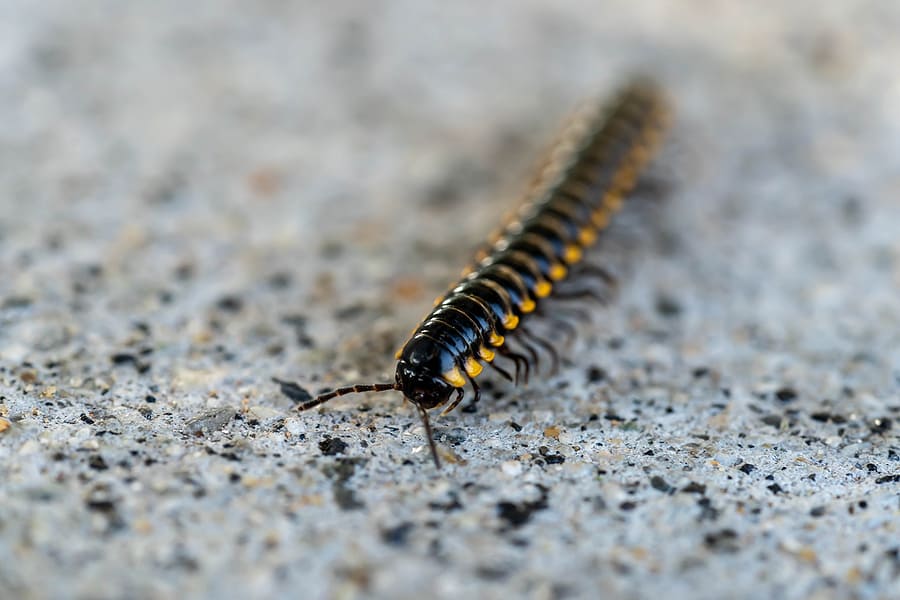
Centipedes are arthropods with 14 or more body segments and one pair of legs per segment. Millipedes are also arthropods but they have 2 pairs of legs on their body segments. Neither of these pests are considered dangerous and don’t cause damage or spread disease. They can, however, be annoying if they infest in large numbers. Both of these pests thrive in moisture-rich environments. Prevent centipedes and millipedes by:
- Repairing leaks.
- Removing standing water.
- Removing moisture-holding ground cover or mulch that is close to foundations.
- Storing firewood away from the house and elevating it off the ground.
- Inspecting firewood before bringing it in the house.
- Sealing doors and windows that are low to the ground to prevent entry.
Spiders
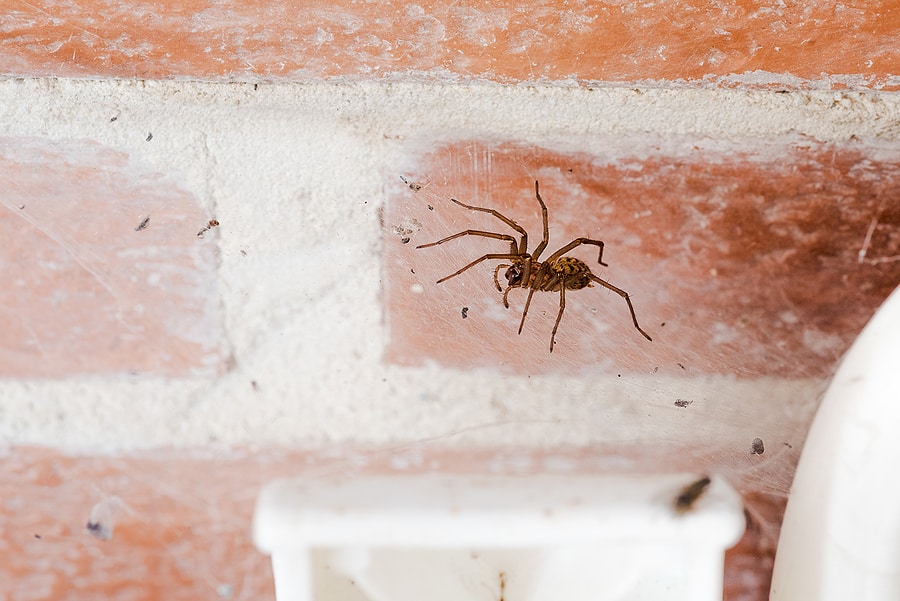
Although there are a few venomous spider species in our area, most spiders that make their way into your home are harmless (and even beneficial by eating other pests)! Prevent spiders by:
- Sealing exterior cracks and crevices.
- Screening doors and windows.
- Vacuuming up spiders and eggs found in your home.
- Brushing down webs with a broom.
- Decluttering your home.
- Vacuuming and dusting frequently.
- Keeping shrubs and plants trimmed back from the sides of the home.
- Keeping mulch a few inches away from foundations.
- Using plastic rather than cardboard storage.
The key to household pest control is prevention. By taking these steps early, you can head off an infestation before it starts. If you have a problem with any household pests, contact your local pest control company for a free evaluation and comprehensive treatment plan.
You May Also Be Interested In:
Preventing Spiders
Termite Damage vs Wood Rot
Preparing for Fall Wildlife
: Maintaining Through Fall
Back To School Means Head Lice Season
Jul 20, 2021 | Pest Control
Dealing with a rodent is never an ideal situation for a homeowner. These creatures can pose serious health risks and property damage issues for your home and family. Different factors can attract varied species of rodents. To avoid these pests, every homeowner should be aware of the different types of rodents that can invade, along with how to prevent each one.
Norway Rats
Norway rats are one of the largest species of rats, measuring around 10 inches in body length. These rats have thick fur, usually brown with black shading. Norway rats are nocturnal and will often burrow into piles of garbage to search for food. If these creatures invade homes, it’s usually due to sparse food sources. They will typically invade areas in the house that go undisturbed such as crawlspaces or basements.
Norway rats can cause serious property damage by gnawing through materials like plastic and lead pipes. They can also bring house fleas and mites into homes. To prevent these rodents, make sure to tightly seal all trash cans outside your home. Check around the exterior and foundation of the home to search for any holes or gaps leading inside and seal them if needed.
Roof Rats
Roof rats are about 8 inches long with slender bodies. Their fur is smooth with gray coloring and black shading throughout. A great way to identify them is that their tails are darker than Norway rats and they are usually hairless and scaly. These rats are known to be extremely agile and skilled climbers. They live in colonies and prefer to nest in higher levels of buildings, trees, and homes. While they do prefer to eat fruit, they will still eat any available food source they can find.
If you happen to have fruit trees on your property, it’s important to clean up any fallen fruit as soon as possible as it will attract these creatures to your yard. Repair any roof damage such as broken tiles or gaps under eaves as these rats can sneak into any gap or hole that is as small as a quarter.
House Mouse
Light to gray in color, house mice weigh around 1 ounce or less! These small rodents like to nest in dark, secluded areas inside structures. House mice are excellent climbers and can jump up to a foot in height, which allows them to reach isolated or withdrawn areas.
House mice can be a threat to homes as they are known to spark electrical fires by gnawing on wires inside the house. They can also pose serious health threats as they can contaminate stored food and spread diseases such as salmonella. House mice often like to hide throughout household clutter. It’s essential to keep storage areas clean and well-organized and keep the boxes off the floor.
If you start to see signs of rodents in your home, contact a professional pest control company to ensure they don’t multiply and cause severe damage!