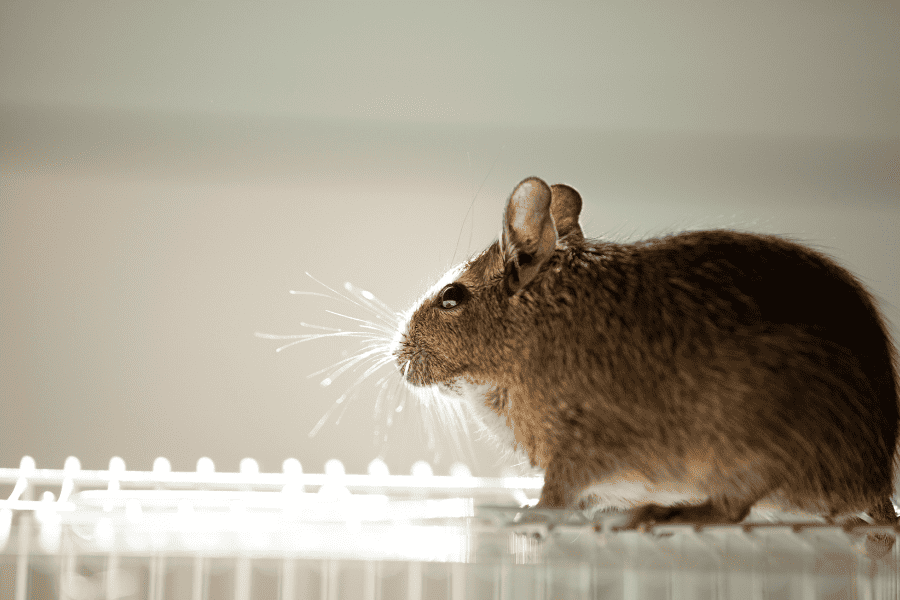
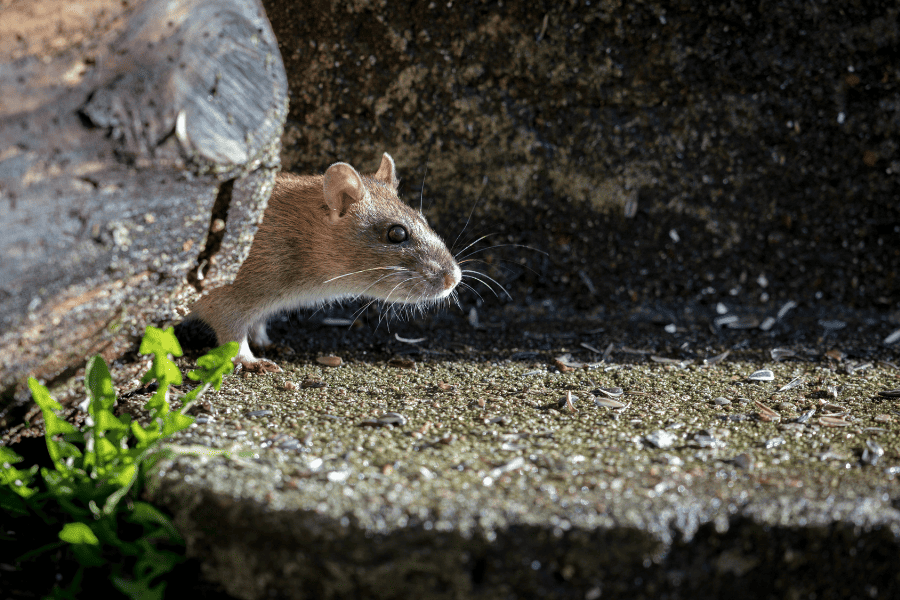
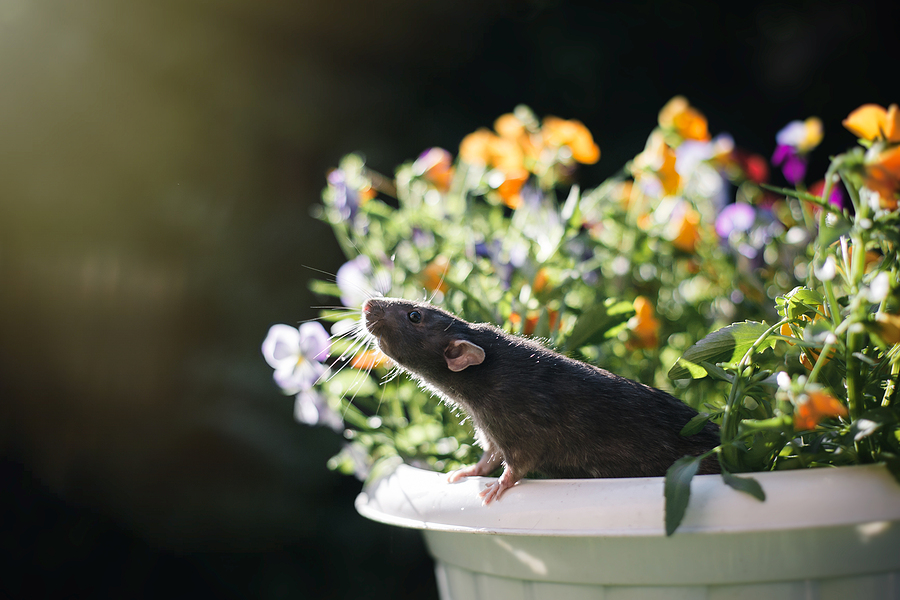
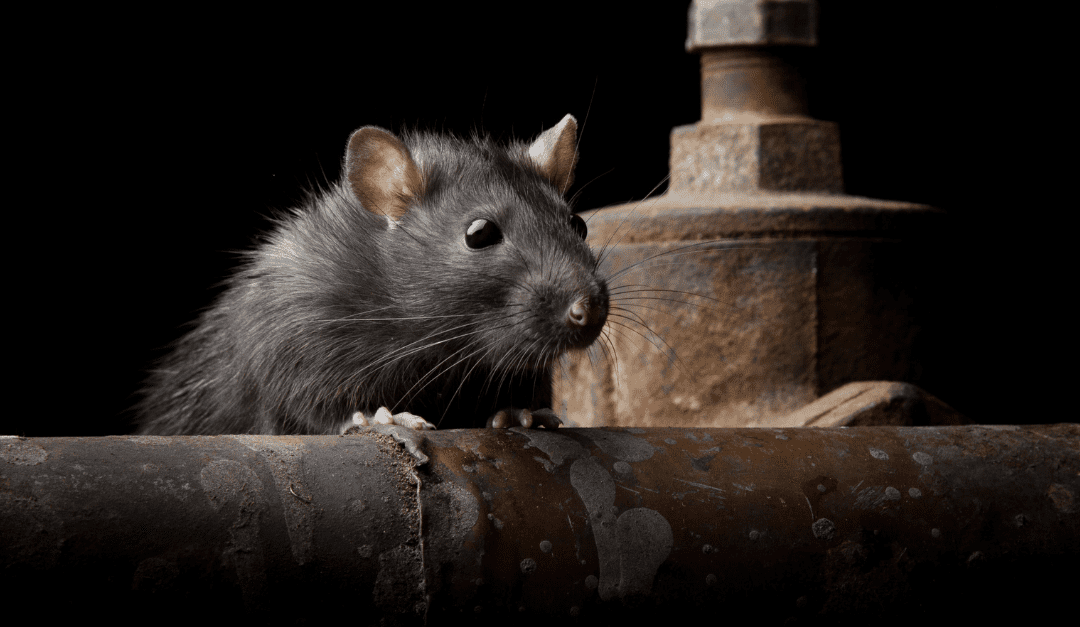
Rodents are a common pest Floridians will deal with. Rodents, like rats and mice, invade homes in search of water, shelter, and food to survive. Once rodents have infested your Punta Gorda home, it can be difficult to remove them as they will often reproduce quickly! It’s important for Punta Gorda homeowners to understand what attracts rodents to their homes and how to prevent them from infesting.
What Attracts Rodents
Food: The most common reasons rodents will invade your property is if they find food. Both rats and mice will eat anything you leave laying around inside and outside of your home, including pet food.
Warmth: Rodents like a warm, comfortable place to inhabit, which is why they often look to our homes to find it. Common places these creatures will inhabit include attics, sheds, basements, and other structures that are dry and warm enough to make a nest.
Water: Like any pest, rodents need water to survive. Mice and rats are in constant search for water, which our homes have plenty of supply of. These rodents will take advantage of leaky pipes, bowls of water for our pets, leaking sprinklers, fountains, and birdbaths.
How to Prevent Rodents
Dealing with rodents in your home is less than ideal. Luckily, there are do-it-yourself preventative measures you can place throughout your home to keep these pests from invading. Consider the following rodent control tips:
Empty your garbage regularly, utilizing a tight lid or lock
Utilize screens on vents, chimneys, windows, and doors
Keep your home free of clutter from paper, fabric, and other materials used for nesting
Seal any entry points leading inside your home with metal mesh
Rinse food and drink containers before throwing them away
Avoid leaving pet food and water out overnight
After each meal, wipe down your countertops and clean up any spills or crumbs
Repair any leaky pipes found in your home
Keep firewood elevated and stored at least 20 feet away from your home.
In summary, what attracts rodents to your Punta Gorda home is food, water, and shelter. If you suspect a rodent infestation, contact your local pest control company for help. These professionals will thoroughly inspect your home and safely remove any rodents that are found on your property.
As the leaves change color and the temperature begins to drop, many people in Georgia eagerly await the arrival of fall. However, along with the beauty of this season comes a new set of challenges for homeowners – the invasion of fall pests. These household pests are often seeking shelter and warmth as they prepare to overwinter, making your cozy home an inviting destination. In this blog post, we’ll explore some common fall pests in Georgia and provide valuable tips on how to prevent their intrusion.
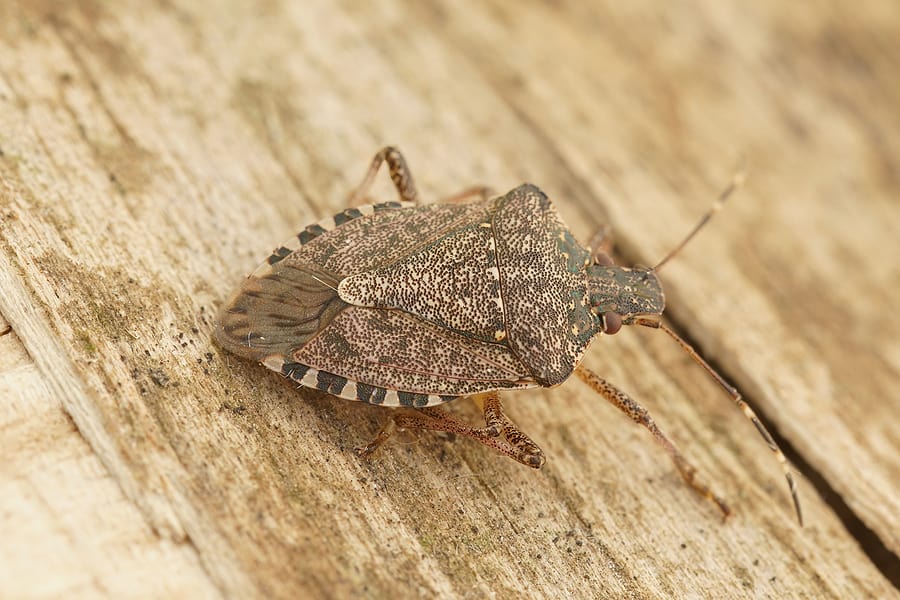
Stink Bugs: Description: Stink bugs are notorious for their pungent odor when threatened. They are shield-shaped and usually brown or green. Prevention: Seal cracks and gaps in your home’s exterior, repair damaged screens, and use weatherstripping. If an infestation occurs, consult a professional pest control service.
Ladybugs (Asian Lady Beetles): Description: These insects look similar to ladybugs and can vary in color from red to orange. They often cluster in large numbers. Prevention: Seal entry points like gaps around windows and doors, and use screens. If you find an infestation, consider vacuuming them up and releasing them outside.
Rodents (Mice and Rats): Description: Rodents are notorious for seeking shelter in homes during fall and can cause damage to property and spread diseases. Prevention: Seal holes and cracks, store food securely, and keep your home clean. If you spot signs of rodents, contact a rodent control professional immediately.
Cockroaches: Description: Cockroaches thrive in warmer climates and often seek shelter indoors when the temperature drops. Prevention: Maintain a clean home, fix leaks, and seal entry points. Cockroach baits and traps can be used, but professional pest control is often necessary for a severe infestation.
Spiders: Description: While many spiders are harmless, some can be venomous. Fall is when they seek refuge indoors. Prevention: Keep your home clutter-free, remove webs, and seal gaps in doors and windows. Regularly clean and vacuum to deter spiders.
Ants: Description: Ants are persistent pests that may enter your home in search of food. Prevention: Keep food sealed, clean up spills promptly, and seal entry points. Use ant baits and traps, and consult professionals for extensive infestations.
While fall brings cooler weather and beautiful landscapes to Georgia, it also heralds the arrival of these common fall pests. Preventing these pests from entering your home is crucial to maintaining a pest-free environment. Don’t let these overwintering pests ruin your autumn. Contact your local pest control company today for a free pest control quote to help protect your home and family.
Common to the Florida area, rodents can cause significant damage to our homes by chewing on wires, destroying insulation, and contaminating our living areas. There are several types of rodents in Florida that homeowners should be aware of to properly prevent them from invading. Check out our list of common rodents and how to prevent them from invading your home.
Types of Rodents in Florida:
Norway Rats:Norway rats have brown fur and can grow up to 10 inches long! They typically live in burrows and will enter homes through gaps in the foundation or holes in walls.
Roof Rats: Roof rats are smaller than Norway rats and can be typically found in the upper parts of buildings, such as attics, roofs, and trees. You can tell them apart from other rats as they have longer tails and are gray or black.
House Mice:House mice are small and can fit through very small openings. You’ll typically find these mice in kitchens and they are often identified by their droppings, which are small and black.
Squirrels: Cute but not so cuddly, squirrels are known to invade our yards and attics! Once inside, these wildlife creatures can cause significant damage to homes by chewing on wires and insulation.
Preventing Rodents from Invading Homes:
Seal Entry Points: Check for any gaps or holes in your home’s foundation, walls, and roof, and seal them to prevent rodents from entering.
Keep Your Home Clean: Keep your home clean and free of food debris. This will make it less attractive to rodents. After each meal, make sure to wipe up any leftover crumbs or spills as soon as possible.
Store Food Properly: Look to store your food in sealed containers with a tight lid. This will make it more difficult for rodents to access.
Trim Trees and Shrubs: Trim any trees or shrubs that are close to your home and roofline, as they can provide a pathway for rodents to enter.
Reduce Moisture: Check for sources of moisture throughout your home, as rodents are attracted to water. Consider utilizing a dehumidifier in your basement and enclosing your crawlspace.
If you suspect that any of these common rodents have invaded your home, it’s best to reach out to your local pest control company for help. These expert professionals will be able to remove, exclude, and prevent them in the future!
Rodents such as mice, rats, and squirrels are overwintering pests, taking refuge inside your home during the colder months of the year. When spring arrives, these pests are already hiding in your attic, basement, crawlspace, garage, and even inside your walls. As the weather warms, they emerge for two reasons: searching for food and breeding season.
Rodents are dangerous to have inside your house for many reasons including:
Chewing through wiring, drywall, and insulation
Increasing your exposure to fleas, ticks, lice, mites, and more
Contaminating your home with their urine and feces
Spreading diseases like hantavirus, plague, and tularemia
Keeping rodents out of your home during any season of the year starts with prevention. Implement some of these rodent control tips this spring:
Inspect doors and windows for loose or broken seals and repair or replace them immediately.
Use screens on doors and windows, especially ones that are opened frequently.
Seal any exterior cracks or gaps.
Use mesh screens on chimneys, downspouts, and vents.
Seal food in canisters with lids.
Use trashcans with lids.
Keep your yard mowed and shrubbery trimmed.
Get rid of any yard debris.
Keep firewood away from your house.
Vacuum everywhere, especially where crumbs might be present.
Rodents, such as rats and mice, are common household pests that can cause many problems, from property damage to health issues. In the southern United States, there are several types of rats and mice that are commonly found near homes. Let’s go over the most common types of rats and mice and how to prevent them from invading your home.
Roof Rat
Roof rats are also known as black rats and are commonly found in urban and suburban areas. They are about 7-10 inches in length and have pointed snouts, large ears, and long, thin tails. They are excellent climbers and can often be found in attics and trees.
Norway Rat
Norway rats are also known as brown rats and are larger than roof rats, measuring 10-12 inches in length. They have blunt snouts, small ears, and short, thick tails. They are burrowers and are often found in basements and crawl spaces.
House Mouse
House mice are small rodents that are about 3-4 inches in length. They have pointed snouts, large ears, and long, thin tails. They are excellent climbers and can often be found in attics and walls.
Deer Mouse
Deer mice are small rodents that are about 3-4 inches in length. They are brown or gray in color and have large eyes and ears. They are often found in rural areas and can carry hantavirus, a potentially fatal disease.
How to prevent rodents:
Seal any cracks or openings in your home’s exterior
Keep your home clean and free of clutter
Store food in sealed containers
Keep basement and crawl space clean and free of debris