Mar 13, 2020 | DIY, DIY Wildlife Prevention, Wildlife
If you live in an area where snakes are common, chances are you may stumble across one at some point. Snakes, like any other pest, are usually in search of three things: food, water, and shelter. Oftentimes the area around our homes provides all of these things that attract snakes.
The likelihood of a snake on your property depends on several factors, including location (north vs south), landscape (urban vs rural), a nearby water source (pond, lake, river), how well your lawn is landscaped and maintained, and how readily a food supply is available.
When dealing with snakes, it is important to identify the type of snake you are dealing with: venomous snakes should be left to a professional to eliminate while non-venomous snakes can often be deterred with natural snake repellent techniques. Here are 4 ways to keep snakes out of your yard:
1. Scare Them Off
One of the easiest ways to scare off a snake from your yard is to use your garden hose. Spray the snake with a steady stream from the hose until he slithers off. Consider installing a perch pole for hawks, owls, and other natural snake predators to alight on. Be sure to place it in an open area so the birds have a good view of your yard and the surrounding area.
2. Repel Them Away
There are some natural products and at-home techniques you can use for snake prevention. Ammonia is a common snake repellent. Snakes hate the smell of ammonia and won’t come near it. Soak rags in ammonia and place them in unsealed plastic bags. Leave the bags where you usually see snakes to keep them away.
You can also use vinegar to keep snakes and other pests out of your swimming pool. Pour white vinegar around the perimeter of the pool. Snakes can absorb the vinegar through their skin, so they will avoid slithering over it once it’s poured on the ground. Snakes also try to avoid humans at all costs. Save hair from your hairbrush and scatter it around the perimeter of your property to help keep snakes away.
3. Don’t Invite Them In
Snakes will come into your yard in search of food, water, and shelter. Eliminating these three basic necessities will make them much less likely to pay you a visit. Mow your grass often and keep it cut short. Shorter grass means more exposure to predators like hawks and coyotes and also makes them much easier for you to spot.
Avoid overwatering your lawn, as this can attract snake food sources like frogs, worms, and slugs. Keep trees, shrubs, and branches trimmed away from the sides of your house, the roof, and the ground. Try to keep a 24 to 36-inch space cleared under trees and shrubs, as this reduces the chance of snakes using them for cover and makes them easier to spot. Move bird feeders away from the house or get rid of them altogether.
Birds often leave seeds scattered underneath which attracts rodents that, in turn, attract snakes. Keep bird seed and pet food stored in metal cans with tight-fitting lids.
Make sure your woodpile is kept away from the home and elevated if possible. When designing your landscaping, try not to use mulch or large rocks, as these create breeding grounds and overwintering habitats for snakes. Instead, try to use smaller, tight-fitting rocks like gravel or river rock. Also, try to avoid using water features and Koi ponds as the water can also attract snakes.
4. Lock Them Out
Snakes can be very persistent pests, and keeping them out can be difficult. Carefully inspect the outside of your home and seal any cracks or crevices you find on the house, sidewalk, and foundations. Consider installing fencing around your yard, garden, or pool.
Fencing should be buried a few inches into the ground and constructed using 1/4″ rigid mesh or solid sheeting. Fencing should also include a bend at the top to prevent snakes from climbing up and over. There are some companies that even make wildlife-specific fencing.
The best way to prevent snakes is to take steps to keep them out in the first place. Dealing with snakes can be dangerous, depending on the type of snake you have. If you have a snake problem, contact animal control or a professional wildlife control company that can help safely trap, relocate, or remove the nuisance snake from your home.
You May Also Be Interested In:
What You Should Know About Termites This Spring
Where Are These Stinkbugs Coming From?
Where Do Roaches Come From?
Summer Wildlife Removal: Common Home Invaders
Mice, Rats, And Other Problem Rodents
Oct 18, 2019 | Wildlife
Unlike many warm-blooded animals, snakes don’t actually hibernate in the winter. Instead, snakes go into a state known as brumation where snakes become less active and their metabolism slows down tremendously. Brumation is similar to hibernation in that snakes will sleep for long periods of time. They will, however, wake up to forage for food and water and if a sudden warm snap occurs and temperatures rise for a few days at a time. When the weather cools back down, they will go back into their brumation state once again. Brumation can begin anytime from September to December and last until March or April.
Because snakes are cold-blooded, they can’t regulate their body temperatures like warm-blooded animals can. When cold weather hits, snakes must find shelter from the temperatures by burrowing in holes or caves, under logs or rocks, in tree stumps, or by making their way into basements, crawlspaces, garages, barns, sheds, wood piles, and even car engines. Snakes are very quiet and experts at hiding so their presence often goes unnoticed until they are disturbed.
Now that you know where snakes might be hiding this winter, the next question is how to keep snakes away? Here are some tips on how to prevent snakes from hiding out on your property.
- Landscape Management: Rodents are attracted to tall grass and overgrown landscaping. By minimizing these unkempt areas on your property, rodent populations are reduced which, in turn, helps keep snakes who feed on these rodents away. Keep grass mowed and landscaping well maintained. Cut shrubbery regularly and trimmed away from your home and other buildings.
- Storage: Snakes will look for any area of cover that will protect them from the elements without being disturbed. They will often seek shelter in wood piles or other piles of debris on your property. Make sure that these stacks are kept at least 12″ off the ground and, if possible, stored in sealed containers.
- Wildlife Exclusion: Snakes can’t chew to create openings into your home so they take advantage of any openings that are already present, such as gaps near pipes, damaged window and door screens, open windows and doors, damaged soffits, crawlspaces that aren’t enclosed, and through cracks in the exterior of buildings. Carefully examine all of your property and seal any potential openings that snakes may utilize.
- Food Sources: Snakes are known to feed on rodents, lizards, and frogs. Eliminate these pests and you will help eliminate snakes. Get rid of any areas of standing water on your property. Keep landscaping well maintained to deter rodents. Inside your home, make sure to keep areas clean especially kitchens and pantries where spilled food and crumbs are readily available for rodents to feed on.
- Professional Service: Depending on the species, snake removal can be dangerous to undertake on your own. It is usually in your best interest to contact a professional wildlife control company when dealing with a snake issue. Establishing a regularly scheduled service plan can help identify pest risks before they become an issue. These professionals can also identify any areas where wildlife exclusion services may be beneficial and establish a comprehensive pest control program.
You May Also Be Interested In:
Mosquitoes Active Through Fall
How Can Your Business Benefit From Commercial Pest Control?
for Your New Home
5 Ways to Avoid Bed Bugs For The Holidays
How Do I Find Out If I Have Termites?
Apr 26, 2019 | Pest Control, Wildlife
Snakes – scaly, legless creatures that slither into your yard and sometimes even your home. While your first instinct may be to run the other way, there are several benefits to keeping them around. Snakes keep rodent populations under control, with a single snake able to eat 3 to 4 mice at one time. They also eat moles, voles, insects, and even fish.
When Do Snakes Come Out?
Snakes are more commonly encountered when temperatures average between 80 and 90 degrees Fahrenheit, usually during the spring and throughout the summer. They are most active in the early morning and late afternoon, as summer temperatures are often too hot for them to be out in during the hottest times of the day. Snake activity will pick back up again in late summer and early fall before they go into hibernation or brumation. Brumation is more common in southern states where the climate is warmer, and snow is less likely. Snakes don’t actually sleep in brumation, but rather their bodies adjust to the lower temperatures, slowing down their metabolism and making them less active. On warm winter days, brumating snakes will sometimes come out to bask in the sunshine, often surprising unsuspecting people with their presence.
Video Transcript
Seeing a snake can be scary, but here’s something most homeowners don’t realize. Snakes are actually nature’s pest control. One snake can eliminate several mice at a time, helping reduce rodents, moles, and insects around your home. They’re most active during warm spring and summer days, so knowing when and why they show up helps take the fear out of the moment. Snakes stay where food and shelter are easy to find. Keeping grass trimmed, removing wood piles, sealing cracks, and addressing rodent issues makes your yard far less inviting and encourages them to move along naturally. If you prefer a gentle DIY approach, snakes rely heavily on smell. Strong scents like vinegar, garlic, cinnamon oil, or smoke can help deter them. Gravel, or textured landscaping can also make areas uncomfortable for slithering. When you’re ready to call a professional for a peaceful home, feel free to reach out to our team at Northwest Exterminating.
While calling a professional pest control company is a guaranteed and safe way to tackle a snake problem, there are also some home remedies you can try to repel snakes. Home remedies to keep snakes away offer several benefits, including:
- Availability: Most home remedies to keep snakes away contain ingredients or methods that are readily available and easy to obtain. The guidelines for their use are also easily found on the internet.
- Affordability: Most home remedies to keep snakes away are significantly cheaper compared to the cost of professional products and services on the market.
- Ease of Use: Most home remedies to keep snakes away are easy to make or implement.
- Safety: Most home remedies to keep snakes away are non-toxic to humans and pets compared to professional products on the market.
Home Remedies to Keep Snakes Away:
Eliminate Food Supplies
Snakes are often found in areas where rodents are present, as this is one of their primary food sources. Snakes are also known to eat frogs, birds, moles, voles, insects, and even fish. If you have a problem with any of these animals, consider getting rid of that pest issue first. Once the source of food has been eliminated, snakes will move on in search of another source of food.
Eliminate Hiding Places
Snakes prefer dark, damp places and are known to live and hide in cracks, crevices, and holes. Eliminating these hiding places can help deter snakes from taking up residence on your property. Carefully inspect the exterior of your home and your property and repair any cracks or holes you find. Repair any damaged gutters, piping, and ventilation ducts. Repair or replace any damaged screens on windows and doors. Snakes will also hide in wood piles and compost heaps. If possible, store firewood in sealed, lockable wood boxes. Try to get rid of any piles of wood chip mulch, straw mulch, leaves, etc., that may be collecting on your property.
Change Up Your Landscaping
If your yard or garden is prone to snakes, consider making changes that will deter these pests from coming in. Garden regularly to remove any snake attractants like debris, holes, and overgrowth. Keep the grass cut short of eliminating hiding places for snakes. Consider installing snake-proof fencing made of steel mesh, plastic sheeting, or a catch net. If you do install fencing, make sure it is flush with the ground and angled outward and that it is at least 3 feet high and 4 feet deep. You can also use materials that make it difficult for snakes to slither over, like holly leaves, pine cones, egg shells, and gravel. You can also consider planting snake-repellent plants that provide a natural deterrent. Some common examples include marigolds, lemongrass, and wormwood.
Use Natural Predators
Foxes and raccoons are common predators of snakes. Guinea hens, turkeys, pigs, and cats will also help keep snakes away. If foxes are indigenous to your area, fox urine is a very good natural repellent for snakes when spread around your property.
Smoke Them Out
Snakes have an elevated sense of smell and are ultra-sensitive to odours and fumes. One smell they particularly dislike is smoke. One remedy is to dig a fire pit and let it smoke for several days – covering the embers with moss and leaves can give you the best effect.
Utilize Natural Products
There are several natural products that work well as snake repellents. Some of the more common ones include:
-
Naphthalene:
Naphthalene is a common ingredient found in many commercial snake-repellent products. It is one of the most common snake repellents. If you don’t want to spend money on a commercial product, naphthalene is also the main ingredient found in mothballs. The smell of naphthalene irritates snakes without harming them. Place mothballs in holes, cracks, crevices, or any other areas around your property where snakes may be a problem. One caveat to using moth balls is they can be toxic and fatal to children or pets if they are ingested, so use caution or avoid using them if you have pets or children in your home.
-
Sulfur:
Powdered sulfur is a great option to repel snakes. Place powdered sulfur around your home and property, and once snakes slither across it; it irritates their skin so they won’t return. Sulfur does give off a strong odour, so consider wearing a mask that covers your nose and mouth when applying it.
-
Clove & Cinnamon Oil:
Clove and cinnamon oil are effective snake repellents. These should be mixed together in a spray bottle and sprayed directly on snakes for maximum effect. Use caution, as snakes will often run in the opposite direction of the spray. This mixture can also be used in a diffuser indoors as a fumigant, as well.
-
Garlic & Onions:
The sulfonic acid in garlic and onions (the same chemical that makes us cry when we chop onions) repels snakes. Mix these with rock salt and sprinkle them around your home and yard for effectiveness. You can also infuse garlic into any essential oil and use it to fumigate rafters, basements, and other hard-to-reach places.
-
Ammonia:
Snakes dislike the odour of ammonia, so one option is to spray it around any affected areas. Another option is to soak a rug in ammonia and place it in an unsealed bag near any areas inhabited by snakes to deter them away.
-
Vinegar:
Vinegar is effective at repelling snakes near bodies of water, including swimming pools. Pour white vinegar around the perimeter of any body of water for a natural snake repellent.
-
Lime:
Create a mixture of snake-repellent lime and hot pepper or peppermint and pour it around the perimeter of your home or property. Snakes don’t like the smell of the mixture, and the fumes are also itchy on their skin.
If home remedies to keep snakes away aren’t working, consider calling a wildlife control company for snake removal, snake prevention recommendations, and possibly other exterminating services like rodent control that could be contributing to the issue.
You May Also Be Interested In:
A Step-By-Step Guide
Cockroach Allergies
Millipedes or Centipedes?
Why Termite Control is Valuable to Your Home
Keep Wildlife in the Wild, Not In Your Home
Sep 7, 2017 | Wildlife
Fall will soon be upon us! As the temperatures cool down we want to get outdoors and enjoy the milder weather at the turn of the season. But BEWARE! Snakes are also active during this time of the year. Most snakebites occur between April and October when the weather is still warm and outdoor activities are popular. Fall is breeding and hatching season which makes males more aggressive as they are trying to get the attention of female snakes. Newly hatched snakes are also aggressive as they are trying to avoid predators. Snakes are also preparing for hibernation or brumation (where they don’t actually sleep but instead slow their metabolism to acclimate to the cooler temperatures) which makes them more active during this time of the year. Here are some common snakes you may encounter in southern states and what you can do to keep them away from your home.
COMMON SNAKES IN THE SOUTHEAST:
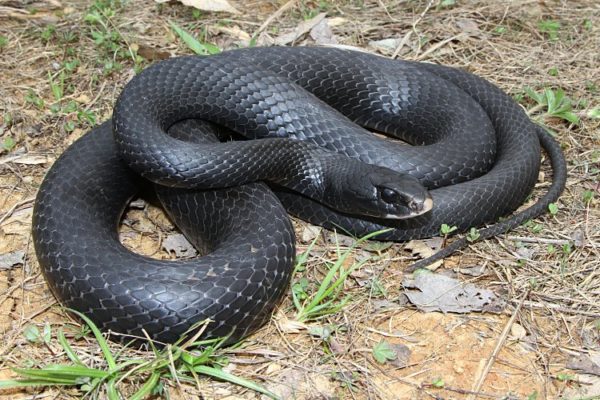
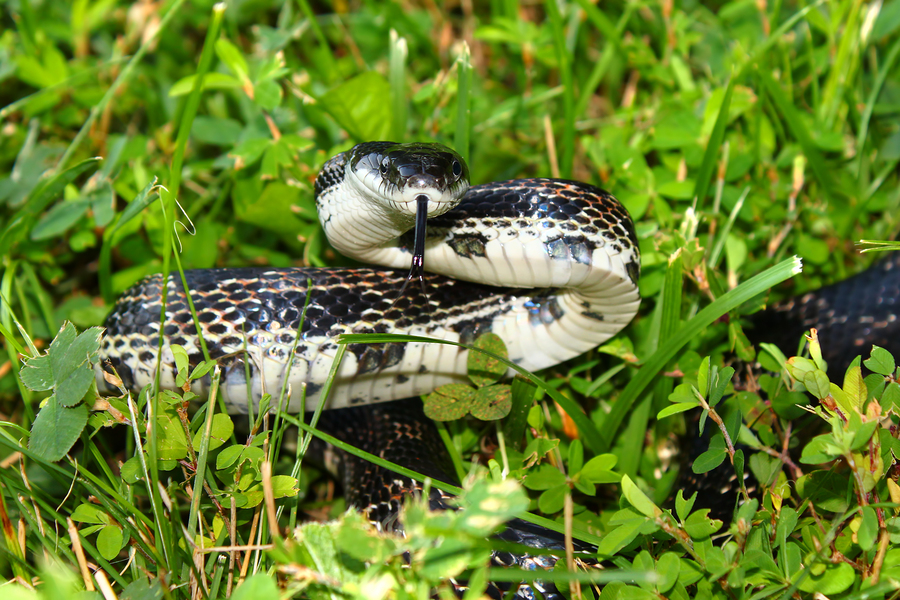
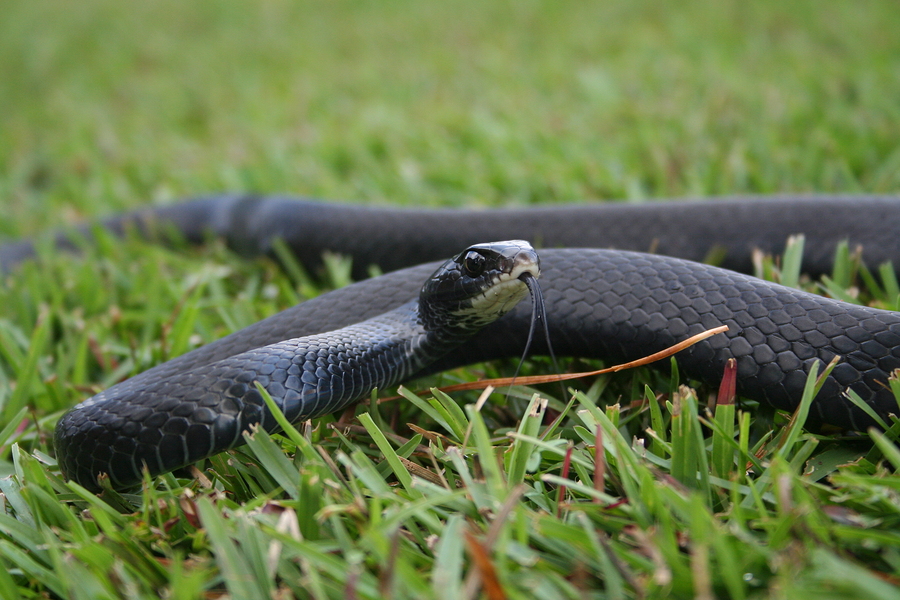
Black racers are large snakes (usually over 5 feet long). They are slender and solid black in color, although some may have a white chin. They are often mistaken for other large, black snakes. Juveniles look completely different, usually gray in color with darker blotches. They tend to flee quickly when threatened. They are found throughout the eastern US. They can be found in any habitat but are more common in old fields, near forest edges, and the edges of wetlands. They are non-venomous but may bite if handled.
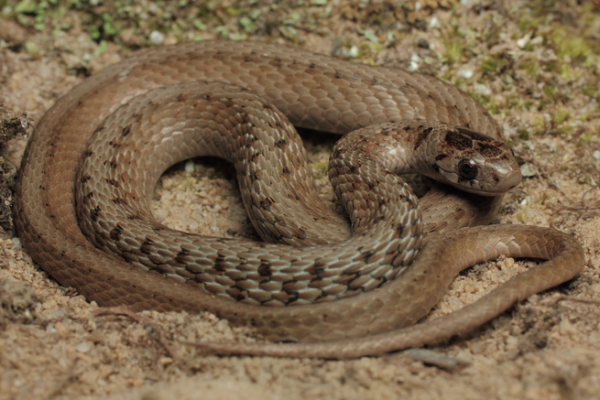
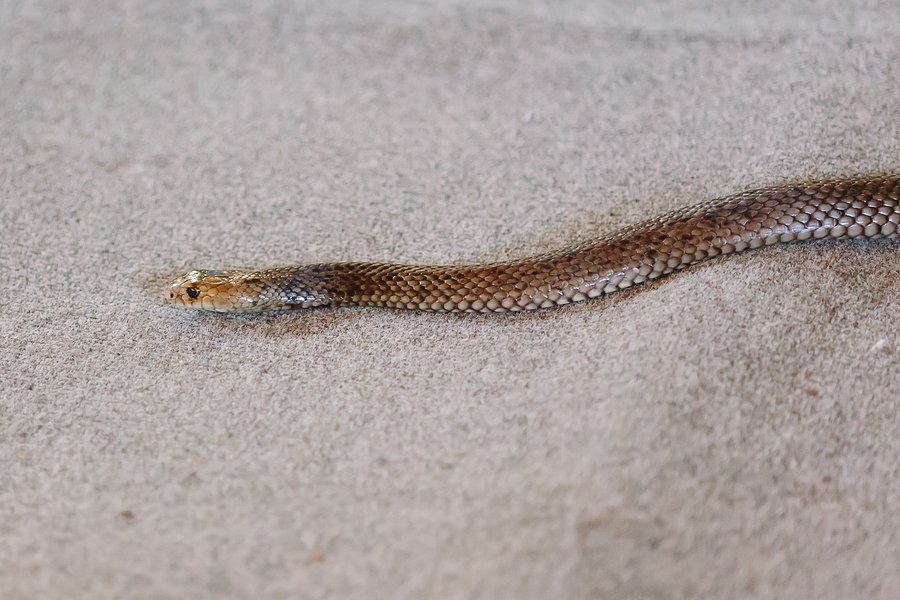
Brown snakes are small (usually only 6-13 inches in length). Most of them are brown in color but they can yellow, reddish, or grayish brown and can have darker spots on their backs. They can be found in wooded areas, near wetlands, and in urban areas. They are not found in areas of high elevation. They like to live under debris in residential areas or any other area with enough groundcover. They are non-venomous but may bite if handled.
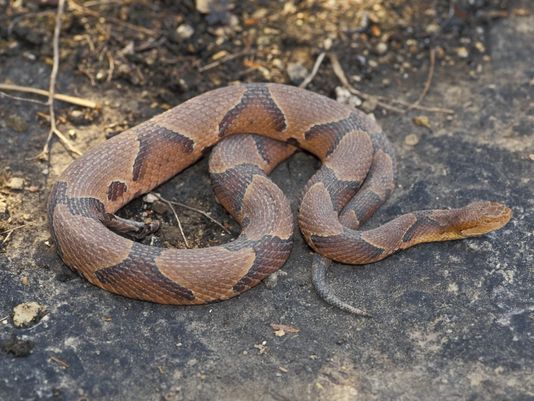
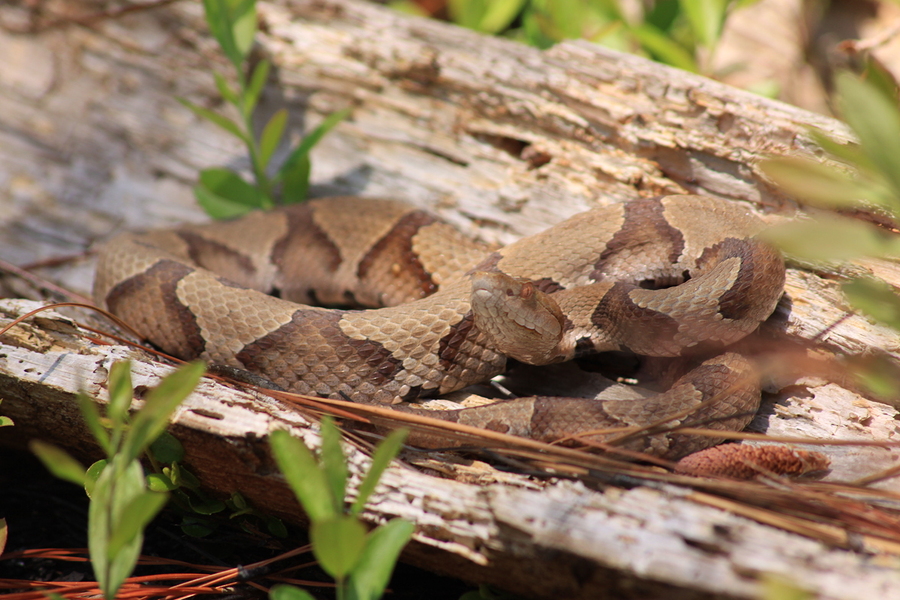
Copperheads are large snakes (usually 2-4 feet long). They have a distinctly triangular shaped head. They are tan to brown with darker hourglass shaped bands on their bodies. Juvenile copperheads have a distinct yellow-tipped tail. They are found in semi-protected areas like woods and swamps but may also be found in urban areas. They are found throughout the central and eastern US, with the exception of some parts of South Georgia and the entire state of Florida. They are venomous and may bite if they feel threatened.
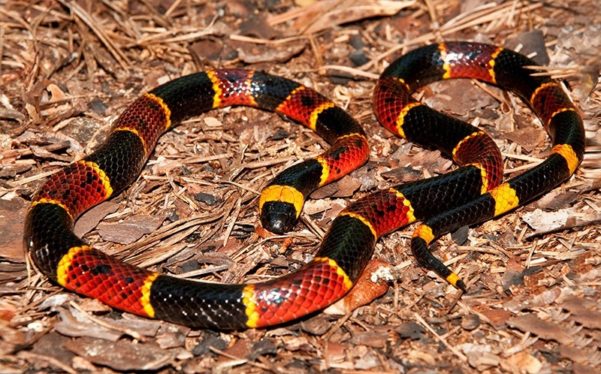
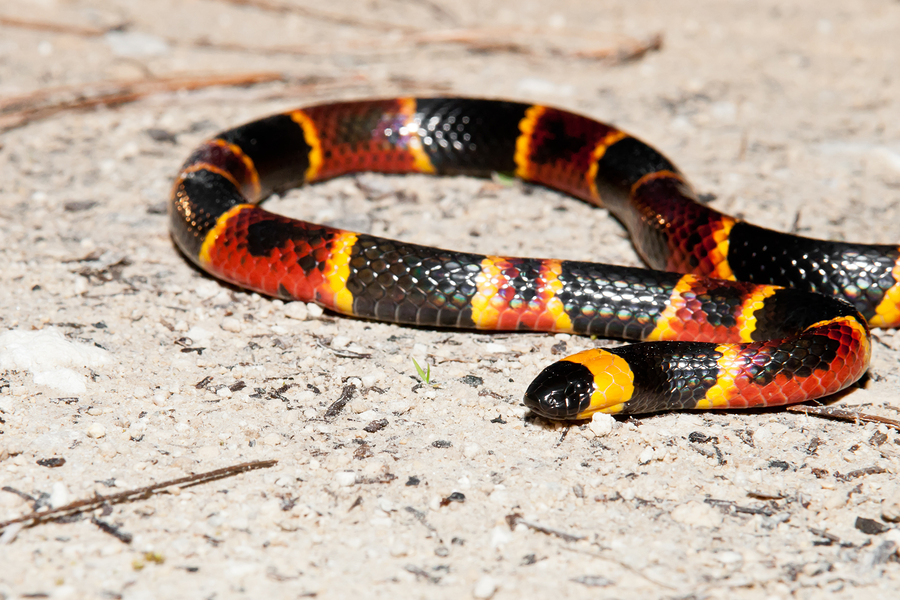
Coral snakes are medium sized (1.5 to 2.5 feet long). They are brightly colored red, yellow, and black. If they feel threatened, they will lift up their tail and curl the tip over. Although they spend the majority of their time underground, they can be found in pine and scrub sandhill habitats, hardwood forests and pine flatwoods, and in suburban areas. They are found throughout much of the southern coastal plain, although they are most common in Florida. They are venomous and may bite if they feel threatened.
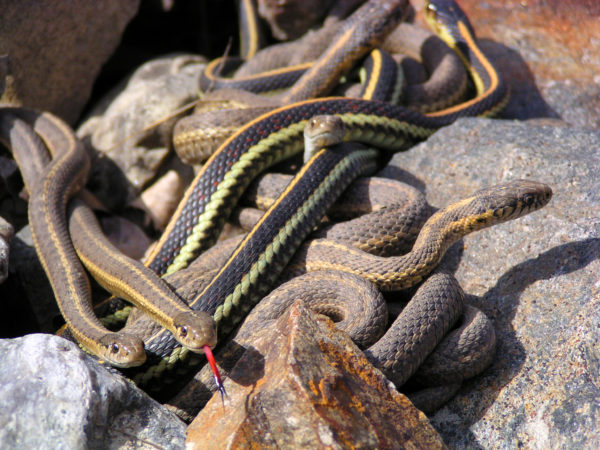
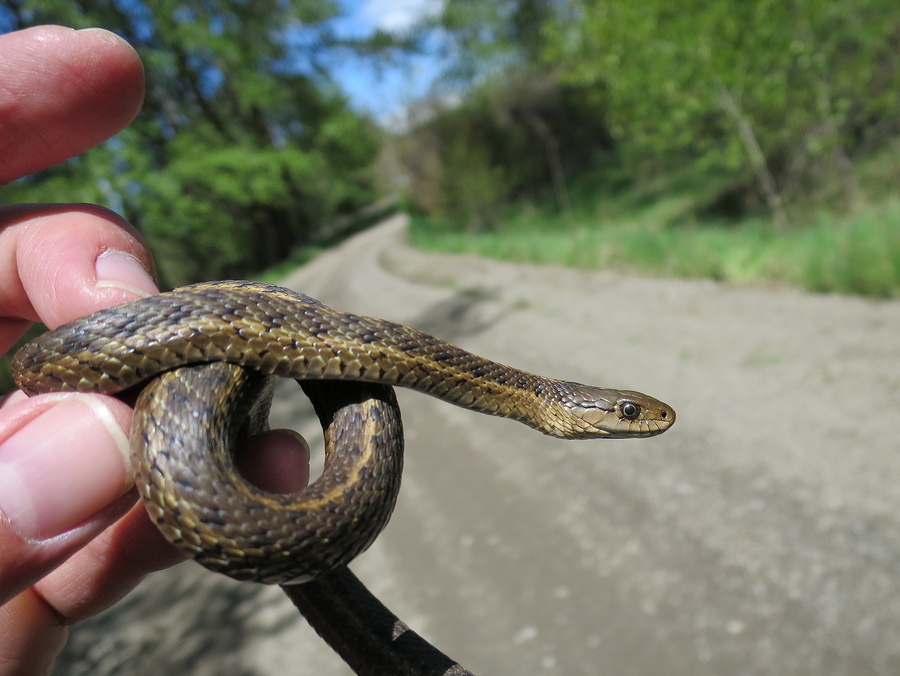
Garter snakes are small to medium sized (1.5 to 4 feet long). They have dark colored bodies with three yellow stripes running vertically. They prefer protected areas such as woods or marshes but are also common in grassy areas and around water. They are very common in suburban areas as long as there is adequate cover for them. They are common throughout the Southeast and most of the US. They are non-venomous but may bite if handled.
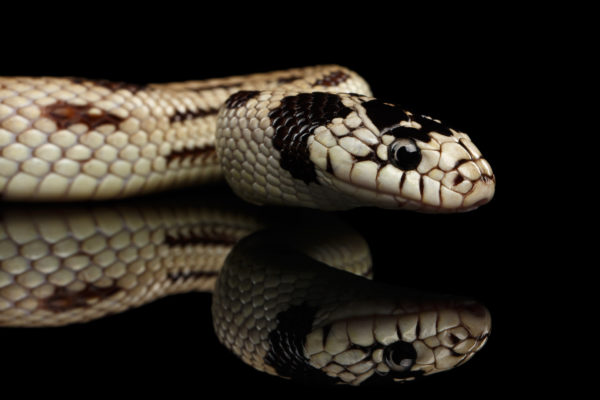
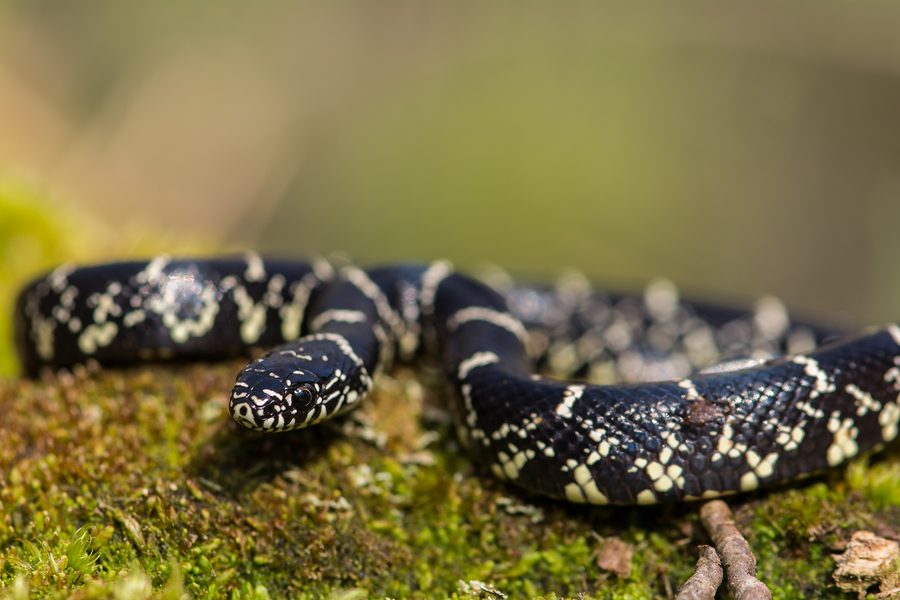
King snakes are large snakes (3-4 feet long). They are a shiny black color with white or yellow bands. They have a rectangular looking head with a short, blunt snout. They are found in protected areas such as woods, overgrown vegetation, and cluttered areas. They are found throughout the southeast US. They are non-venomous but may bite if handled or threatened.
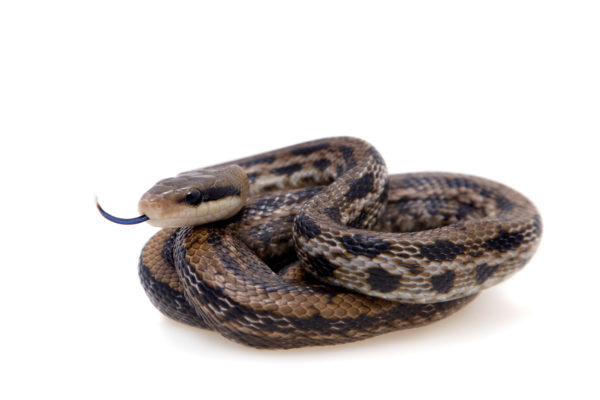
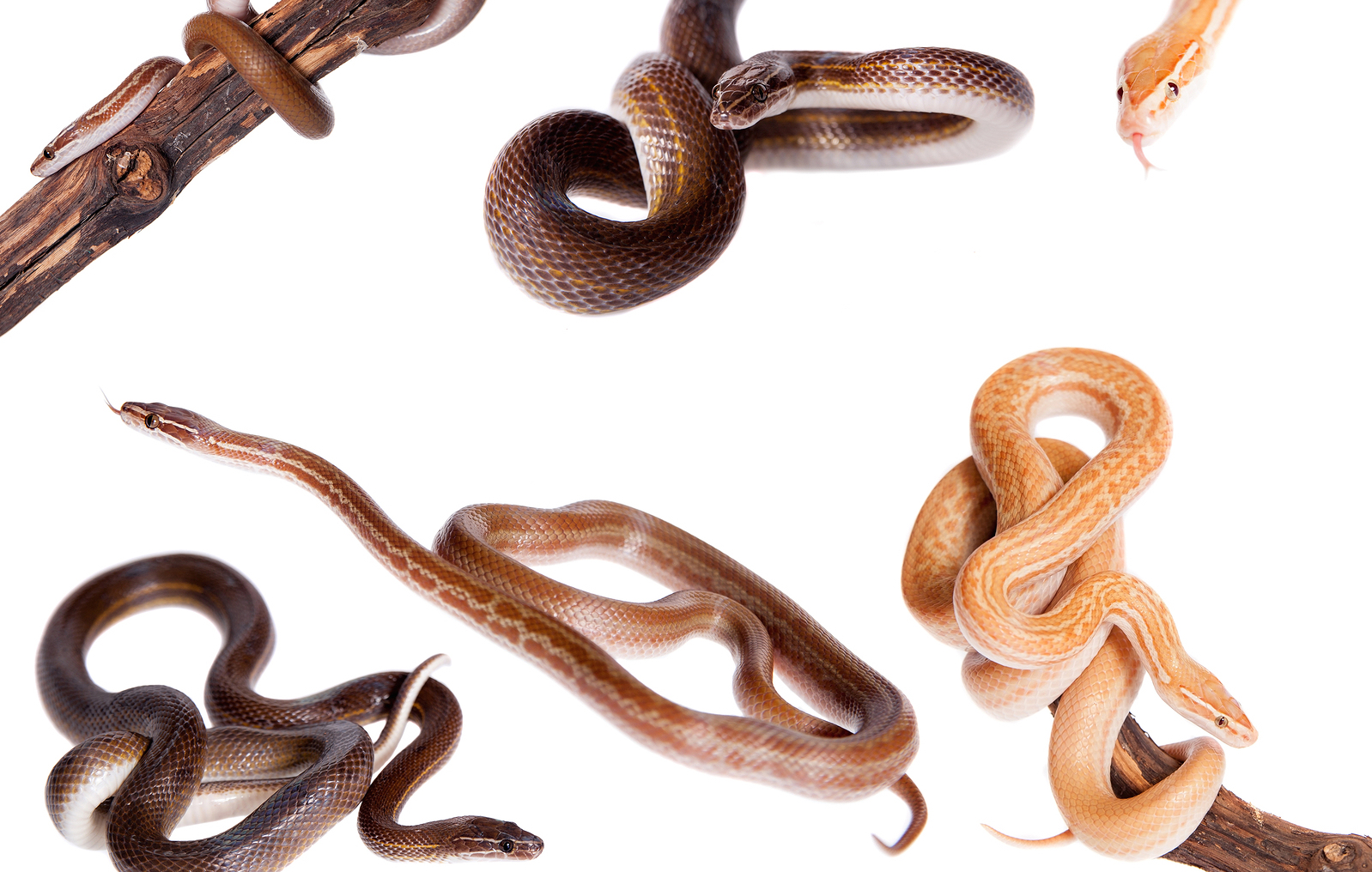
Rat snakes are large snakes (most 3-5 feet long but some longer than 6 feet). Their coloring depends on the region they live in and can be black, yellow with stripes, or gray with darker patches. They are found in semi-protected areas such as woods, overgrown vegetation, swamps, or abandoned and vacant buildings. They are found throughout the southeast US. They may climb for food. They are non-venomous but may bite if handled or threatened.
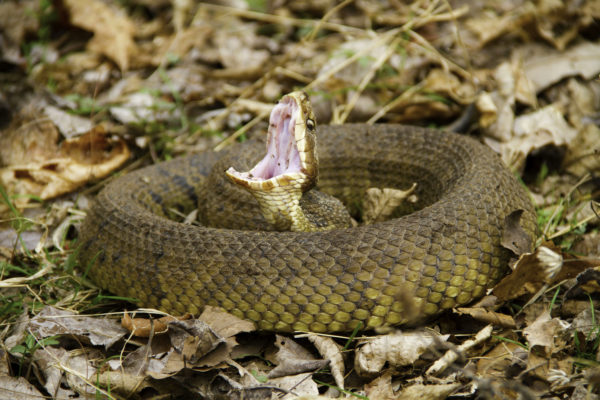
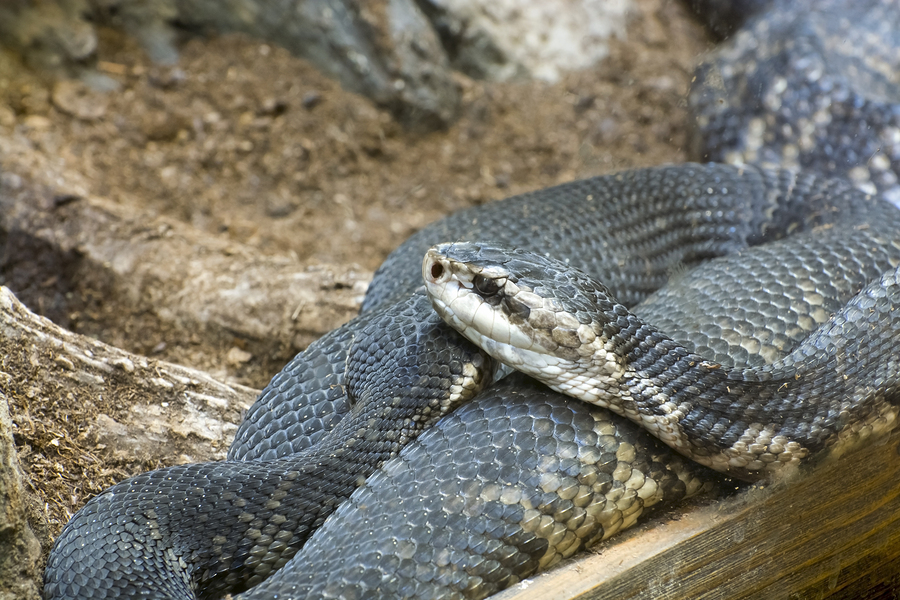
Water moccasins are also known as cottonmouths. They are large snakes (2-4 feet long). Their color varies from solid brown to yellow with dark crossbands. Juveniles have a yellow-tipped tail. Their head is distinctly triangular. When threatened they have a characteristic display with their head in the middle of their coiled body and their mouth wide open. They are found in freshwater habitats, cypress swamps, river floodplains, and heavily vegetated wetlands. They are found throughout the southeast US but are more common in coastal regions. They are venomous snakes and may bite when threatened.
HOW TO AVOID SNAKES
While it is impossible to prevent snakes, there are things you can do to avoid them and prepare yourself and your family when you are enjoying the outdoors. Check out these 10 tips to avoid snakes:
- COVER YOUR FEET. If you are going to be outdoors in areas that are prone to snakes, don’t wear flip flops or sandals. Wear closed toed shoes, preferably hiking boots and long pants.
- AVOID TALL GRASS. If possible, avoid areas with tall grass when you are outdoors. If you must walk through tall grass, keep your feet and legs protected, keep a vigilant watch around you and make your presence known.
- DO SOME RESEARCH. Check out our snake facts above and try to avoid areas that are likely to have snakes. Do some research ahead of time and find out what snakes are most common in your area, what they look like, and what habitats they live in.
- LOOK UP. Many snakes can climb trees and can move from tree to tree by adjacent branches. Make sure to look up when you are walking in wooded areas and wear a hat if possible. This also applies if you are boating in areas with overhanging trees.
- WALK WITH CONFIDENCE. Snakes respond to vibrations from the ground so they can feel you coming before they can see you. Walk with strong steps to make your presence known. They will often flee before you even see them.
- PAY ATTENTION. Look around. Be aware of your surroundings. Look down when you are walking.
- AVOID HABITATS. Familiarize yourself with habitats common to snakes in your areas and avoid them. Stay away from large rocks, rock and wood piles, areas with heavy overgrowth, or any other area that snakes can use for cover.
- CHECK YOUR CAR. Snakes are known to take cover under cars, especially if you park your car in an area prone to snakes. They seek protection from predators while still having a warm surface to lay on.
- PROTECT YOUR HOME. Seal any cracks and crevices around your home that might allow snakes to come in seeking warmth and food. Remove debris and clutter from your yard and garage. Keep wood piles away from the house. Clear overgrowth from your yard. Remove anything that could potentially be used as cover for snakes.
- USE REPELLENT. There are many commercial snake repellents on the market today, as well as several natural methods of snake repellent. Find the one that works best for you.
Apr 19, 2017 | Wildlife
Common Snakes in the South: Identification, Threats & Snake Control Tips
Eastern Kingsnakes
What do they look like?
- Large snakes, usually 3-4 feet long
- Shiny black color with white or yellow bands
- Short, blunt snout and rectangular looking head
- Small beady eyes
Where do you find them?
- Protected areas such as woods, overgrown vegetation, cluttered areas, etc.
- Prevalent throughout the southeast U.S.
- Most active during summer months in the morning hours
How dangerous are they?
- Strong constrictors
- Non-venomous
- May bite if handled or threatened
How do you prevent and/or control them?
- Keep food sources away from your home – other snakes, lizards, rodents, and birds
- Limit clutter and stored wood near your home
- Use a product that snakes find repellent to prevent them
- Professional snake control by a licensed pest control company
Rat Snakes
What do they look like?
- Large snakes, 3-6+ feet long
- Black, yellow with stripes, or gray with darker patches
Where do you find them?
- Semi-protected areas such as woods, over grown vegetation, swamps, abandoned or vacant buildings, etc.
- Prevalent throughout the southeast U.S.
How dangerous are they?
- Non-venomous
- May bite if handled or threatened
- May climb for food
How do you prevent and/or control them?
- Keep food sources away from your home – rats, mice, squirrels, birds, and bird eggs
- Use a product that snakes find repellent to prevent them
- Professional snake control by a licensed pest control company
Garter Snakes
What do they look like?
- Small to medium sized snakes, 1.5-4 feet long
- Three yellow stripes running vertically down a dark colored body
Where do you find them?
- Protected areas such as woods and marshes, but are also very common in grassy areas and around water
- Suburban areas where areas of cover/shelter are available
- Active day or night and often found under boards or debris
- Common throughout the southeast and most of the U.S.
How dangerous are they?
- Non-venomous
- May bite if handled or threatened
How do you prevent and/or control them?
- Keep food sources away from your home – worms, slugs, frogs, toads, salamanders, fish and tadpoles
- Limit items that can be used as cover/shelter around the home like scraps pieces of wood and debris
- Use a product that snakes find repellent to prevent them
- Professional snake control by a licensed pest control company
Black Racer Snakes
What do they look like?
- Large snakes, 5+ feet long
- Slender, solid black color and may have a white chin
- Often confused for other large, black snakes
- Juveniles look very different from adults; they are grayish colored with darker blotches
Where do you find them?
- Thrive in nearly any habitat, but are more abundant near forest edges, old fields, or wetland edges
- Common throughout the eastern U.S.
- Active during warmer months in the daytime hours
How dangerous are they?
- Usually flee from threats
- Non-venomous
- May bite if handled or threatened
How do you prevent and/or control them?
- Keep food sources away from your home – insects, lizards, snakes, birds, rodents, and amphibians
- Use a product that snakes find repellent to prevent them
- Professional snake control by a licensed pest control company
Brown Snakes
What do they look like?
- Small snakes, 6-13 inches long
- Most are brown but may be yellowish, reddish, or grayish-brown with rows of darker spots on the back
Where do you find them?
- Wooded areas, near wetlands, and urban areas
- Not found in areas of high elevation
- Under wood, leaves and debris in residential areas and any other area with adequate groundcover
- Most common snake in urban environments
- Most active during evening or night hours, occasionally seen crossing roads
How dangerous are they?
- Non-venomous
- May bite if handled or threatened
How do you prevent and/or control them?
- Keep food sources away from your home – slugs, earthworms or other soft-bodied invertebrates
- Use a product that snakes find repellent to prevent them
- Professional snake control by a licensed pest control company
Copperhead Snakes
What do they look like?
- Large snakes, 2-4 feet long with a heavy body
- Head is distinctly triangular shaped
- Tan to brown with hourglass shaped darker bands running across the body
- Juvenile copperheads have a distinct yellow tail tip
Where do you find them?
- Semi-protected areas such as woods and swamps
- May be found in suburban areas
- Throughout central and eastern U.S. except some southern portions of Georgia and all of Florida
How dangerous are they?
- Venomous
- Do not handle or approach, may bite if threatened
- Use caution when outdoors at night in the summer
How do you prevent and/or control them?
- Keep food sources away from your home – mice, small birds, lizards, small snakes, amphibians and insects
- Use a product that snakes find repellent to prevent them
- Professional snake control by a licensed wildlife control company
Water Moccasins (Cottonmouth Snakes)
What do they look like?
- Large snakes, 2-4 feet in length with a very heavy body
- Color varies from solid brown or brown or yellow with dark crossbands
- Juveniles have a yellow tail tip
- Head is distinctly triangular (due to venom glands)
- Characteristic threat display with the head in the middle of the coiled body with the mouth wide open (mouth is white on the inside, hence the cottonmouth nickname)
Where do you find them?
- Freshwater habitats, cypress swamps, river floodplains, and heavily vegetated wetlands
- Throughout the southeast U.S. but are slightly more common in coastal regions
- Active day or night but most often seen foraging at night for food in warmer months
How dangerous are they?
- Venomous
- Do not handle or approach, may bite if threatened
- Use caution when around fresh water habitats
How do you prevent and/or control them?
- Keep food sources away from your home (bodies of water) – amphibians, lizards, snakes (including smaller cottonmouths), small turtles, baby alligators, mammals, birds, and fish
- Use a product that snakes find repellent to prevent them
Coral Snakes
What do they look like?
- Medium sized snakes, 1.5-2.5 feet long
- Brightly colored, red, yellow, and black
- When threatened the tail is lifted up and the tip is curled over
Where do you find them?
- Pine and scrub sandhill habitats
- Hardwood forests and pine flatwoods that flood
- Suburban areas
- Throughout much of the southern coastal plain (most common in Florida)
- Rarely seen, they spend the majority of their time underground
- Most sightings occur in the Spring or Fall
How dangerous are they?
- Venomous
- Do not handle or approach, may bite if threatened
How do you prevent and/or control them?
- Keep food sources away from your home – other snakes and lizards
- Use a product that snakes find repellent to prevent them