Aug 26, 2020 | Pest Control
When we see a spider, many of us will run away or immediately call the local pest control company to remove them! Certainly spiders are not the most popular of pests, but some are beneficial to us. While we can agree that we don’t want these pests inside our home, it’s important to know the impact they can have on our environment. Here are some spiders that are actually beneficial to have around!
Crevice Spiders
Light to dark brown in color, these spiders are often mistaken for the brown recluse spider. The difference, however, is that the crevice spider does not have the signature violin shape marking that the brown recluse has. These spiders can be found in corners and crevices (where they get their name), especially in areas like ceiling corners, baseboards, and window frames. While these spiders are not venomous, they will bite if they feel threatened. This is very rare, though. The crevice spider is beneficial to humans as they will typically eat common household pests like flies, roaches, beetles, and wasps. This spider can be considered a “free” exterminator!
Yellow Garden Spider
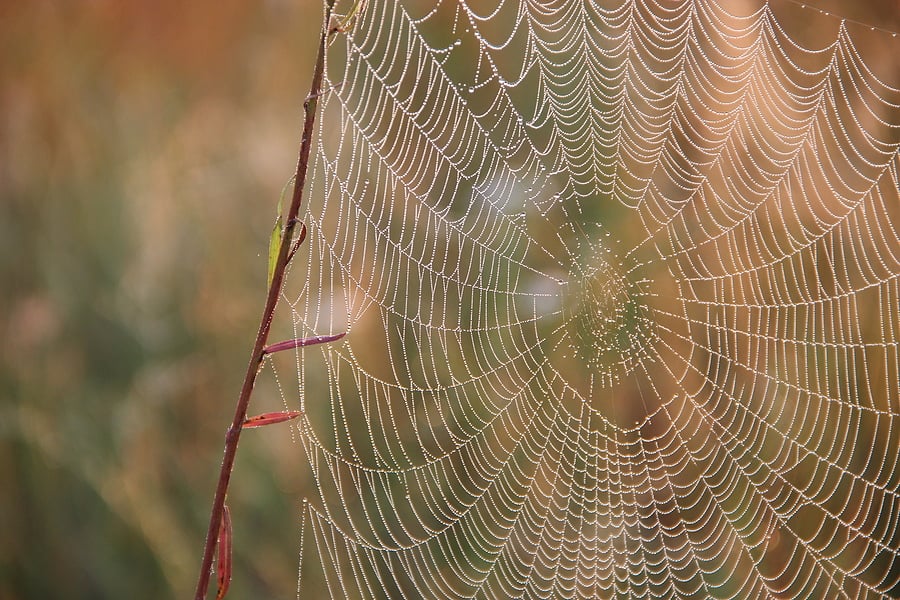
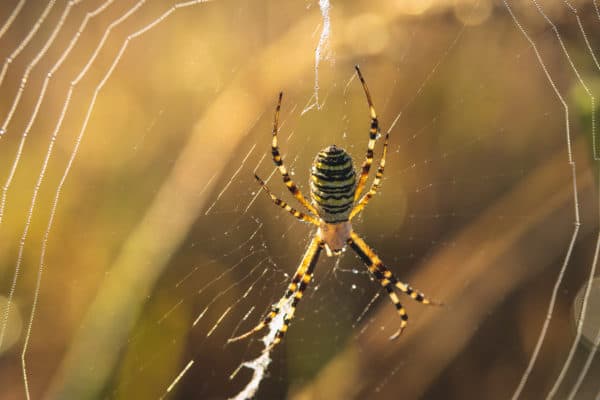
The yellow garden spider likes to be outdoors in sunny areas. They will spin large circular webs and anchor them to plants. Females are black with bright yellow patches on their abdomens while the males are much smaller with less yellow on their abdomen. These spiders don’t pose a threat to humans; they do, however, produce venom that is harmless to humans. The venom they produce helps them to immobilize prey such as flies, bees, and other flying insects. These spiders are perfect for helping keep these flying pest populations from getting into your home!
Lynx Spider
Like a plant leaf, this spider has bright green coloring and can sometimes have orange and black dots on their legs. The lynx spider is known for its quick movements, often jumping large distances to capture their prey. These spiders are found in open fields, especially those with tall grass. While they bite only for defensive purposes, they don’t pose a threat to humans. These spiders are extremely useful in agricultural management as they will eat crop-destroying pests like nectarine insects, helping protect crops from destruction.
While it’s nice to have some helpful spiders outside of the house, that doesn’t mean we want them on the inside. If you notice one of these spiders frequenting your home, reach out to your local pest control company who can safely eliminate them and recommend a prevention plan.
May 22, 2020 | Pest Control
The granddaddy long legs is legendary – with claims of being the “most poisonous spider in the world but their mouths are too small to bite.” Like most legends, these claims are exaggerated and aren’t based on facts. So what is the truth about these creatures? Here’s everything you need to know about the granddaddy long legs.
Is the Granddaddy Long Legs a Spider?
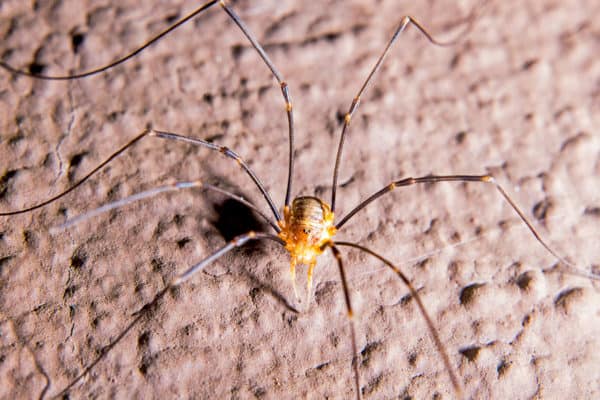
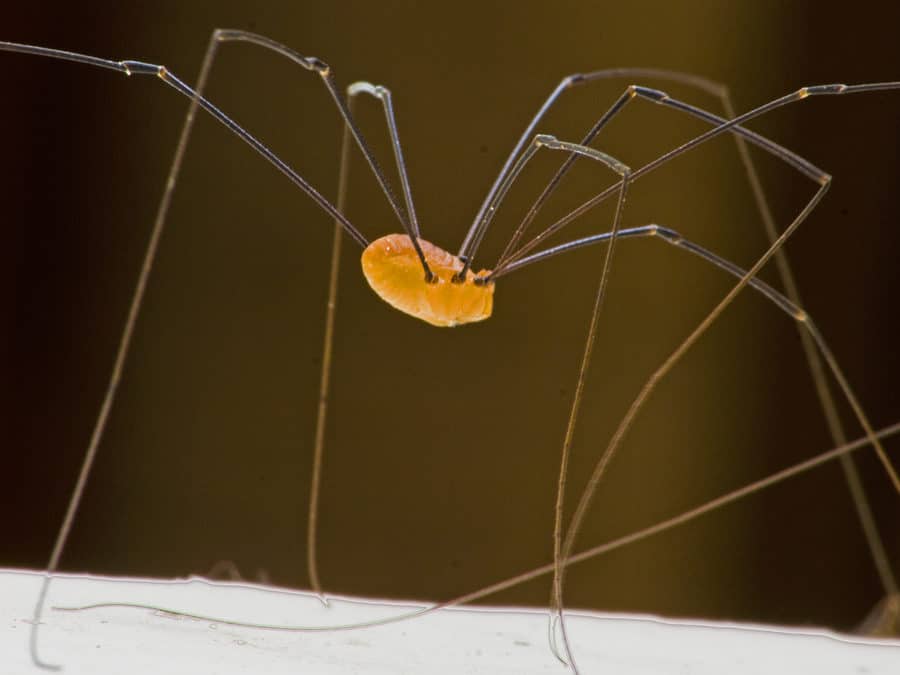
No. The granddaddy long legs, AKA the daddy long legs, harvest spider, and harvestman, is actually an arthropod and closer genetically to the scorpion than a spider. While they do have 8 legs like spiders, the resemblance ends there. Spiders have spinnerets that spin silk for their webs; granddaddy long legs don’t. Spiders also have 2 body sections connected by a small, narrow waist. Granddaddy long legs have 1 body section containing their head, abdomen, and body combined. Spiders can have fangs and produce venom. Granddaddy long legs don’t have fangs and don’t produce venom. Spiders live on a liquid diet while granddaddy long legs have chelicerae (tiny claws used to hold and tear things) so they can eat small pieces of solid food. Granddaddy long legs can also self amputate their legs as a defense mechanism against predators. Unfortunately, once they lose a leg they cannot grow it back.
What Attracts Granddaddy Long Legs?
Granddaddy long legs are omnivores and eat a wide variety of things. They are known to eat dead and live insects, spiders, aphids, worms, snails, fungus, and even bird droppings.
What Are Granddaddy Long Legs Good For?
Granddaddy long legs use their varied diets to keep to keep your gardens and yard free of other pests. They don’t cause damage to structures or landscaping and aren’t dangerous to humans.
How Do You Get Rid of Granddaddy Long Legs?
Because they aren’t harmful to humans and don’t damage any structures or landscaping in your yard or garden, it is best to leave granddaddy long legs alone. Sometimes they are known to congregate in large numbers. If this is the case or if you have an issue with these or other pests, contact your local pest control company who can thoroughly evaluate your home and provide you with the appropriate treatment and prevention plan for your situation.
You May Also Be Interested In:
Prep Your Yard & Keep Mosquito Free!
What Attracts Millipedes to Your Home?
Signs You’ve Got a Rat in the House
Why Are Love Bugs Stuck Together?
Everything You Need to Know About “Murder Hornets”
Dec 2, 2019 | Pest Control
You’ve managed to fight all the early holiday decorating urges and now it’s time! Before you rush off to start decking the tree and hanging the mistletoe, follow these tips to make sure pests aren’t spending the holidays indoors with you and yours.
Check Your Tree Before Bringing It Home
- Pests like spiders, mites, moths, squirrels, and many others have been known to make trees and wreaths their temporary home. Before bringing these items in your home, inspect for overwintering pests and thoroughly shake them to free any pests residing inside.
Even Your Old Decorations Aren’t Safe
- Although your decorations have been stored away throughout the year, pests flock to attics, basements, and garages. They will crawl into the storage boxes you have put away. When unpacking these boxes, inspect them before bringing them into the main living areas.
Keep Warm Without Pests
- The sudden cold weather may signal the need to utilize your fireplace and snuggle up with a cup of hot cocoa. Use caution when bringing firewood indoors, as pests such as spiders, termites, and ants can tag along. Inspect all firewood thoroughly before bringing it indoors and store firewood on a raised platform at least 20 feet from your home.
The holidays really are best enjoyed pest-free. If you find yourself dealing with uninvited holiday guests, call your licensed pest control company to schedule an inspection.
Nov 15, 2019 | Pest Control
According to popular belief, the granddaddy long leg is the most poisonous spider in the world. While the origins of this myth are unknown, we do know one thing for certain: granddaddy long legs are not spiders and they aren’t poisonous (or venomous for that matter).
Granddaddy long legs, also known as harvestmen, are often mistaken for spiders because of their spider-like appearance and movements. While they do have some spidery characteristics, they are not, in fact, spiders. They are classified as arachnids like spiders because of their 8 legs and movements similar to their spider cousins. Other arachnids that aren’t spiders include ticks, mites, and scorpions. Despite their appearance, granddaddy long legs are actually more like scorpions than spiders. Spiders have 8 eyes while granddaddy long legs only have 2. Spiders also have a distinct waist separating their thorax/head from their abdomen while granddaddy long legs have one fused cavity containing their head, thorax, and abdomen. Finally, spiders produce silk and spin webs. Granddaddy long legs do not produce silk so they can’t make webs.
Poisonous and venomous are often confused, especially when it comes to pests. Poisonous creatures cause harm through touching or ingesting. Venomous creatures cause harm through injection of venom. As far as humans are concerned, granddaddy long legs are neither poisonous or venomous.
Granddaddy long legs do have fang-like mouth parts (also known as chelicerae) that they use to grasp and chew food but they are not used to bite humans nor inject venom. These arachnids have developed some rather unique methods of defense from predators. First, they have a set of stink glands that they deploy to help ward off predators. They also have been known to curl up and play dead when disturbed. The most unique defense mechanism, however, is their ability to shed their legs when grabbed (also known as autotomy). Unfortunately, once they shed an appendage they are unable to grow it back.
Because they pose no threat to humans (and, in fact, feed on other smaller insects that may be in and around your home), you don’t necessarily need to get rid of them should you stumble across one. They prefer dark, moist environments and are often found in crawl spaces, basements, and garages. The best way to get rid of a granddaddy long leg is to sweep or vacuum it up.
Because what attracts granddaddy long legs are smaller pests they can prey on, seeing a large number of them in your home can indicate another pest control issue. If you suspect you have a pest problem, contact a professional pest control company who can help with pest and spider identification and the best course of treatment and future prevention.
You May Also Be Interested In:
Is That Bird’s Nest Dangerous?
Why You Still Need Pest Control This Winter
Which Season is Worst for Bed Bugs?
Where Do Roaches Come From?
8 Tips for Winter
Sep 18, 2019 | Pest Control
As you break out your fall decorations, you may have noticed an abundance of spider webs or had a spider run across your hand; now the house must burn! WAIT – before you jump to meme-worthy conclusions, spiders do act as nature’s form of pest control; however, having them in your home is not ideal. Follow these tips to prevent spider encounters in your home so that you can enjoy hanging up fake cobwebs without stumbling upon a real one.
CLUTTER-FREE AND CAUTIOUS
- Store all belongings that are in the attic and basement in plastic containers with a lid.
- Shake clothing when removing from a clothes bin and shake shoes that have been sitting out.
SEAL THEM OUT
- Replace any damaged window screens and weather-stripping.
- Seal any existing cracks found with silicone-based caulk.
PLAY IT SAFE
- When bringing in packages that have been on the ground outside of your home, use caution as spiders may have crawled on the package, allowing transportation inside.
- Call a professional pest control company. If you think you have a spider infestation, an inspection will help with spider identification and a proper course of treatment.