Jun 1, 2022 | Termite Control
Termites are considered a year-round pest, causing significant destruction to homes and properties each year. Termite swarming season runs from spring to summer for most species. They use this time to reproduce and establish new colonies. Keep your home safe from termites this summer with these termite prevention tips.
Inspect Wooden Structures
Termite inspections aren’t limited to just your house. Make sure to inspect any wooden structures you have outside, as well, like wood furniture, swing sets, and decks. Termites will make small pinholes in the wood they are eating. If you find evidence of termites in your wooden structures, contact a termite control professional immediately. If your structures are not infested, seal them with an outdoor paint or sealant.
Block Their Entry
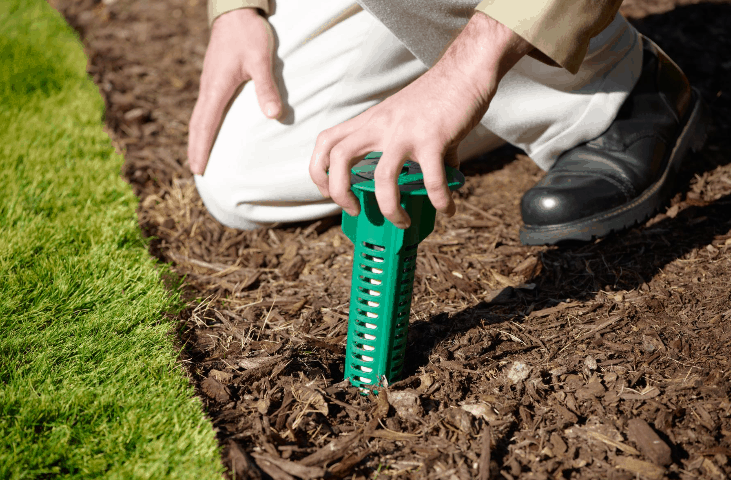
Installing a barrier to entry for termites will go a long way towards keeping them out of your home for good. There are two termite treatment options available for the perimeter of your home: bait stations and liquid soil treatments. In addition to these, performing routine inspections of the outside of your home, especially around foundations, is critical. If any gaps or cracks are found, seal or repair them immediately.
Elevate Firewood
Stacks of firewood are an ideal food source for termites. Try not to stack firewood next to your home, shed or garage. Instead, store it several feet away from these structures. You should also elevate it, if possible, on either metal or concrete racks.
Keep Your Yard Maintained
It’s important to keep your yard maintained to help prevent termites and other pests. Keep bushes and trees trimmed back so they are not touching your house or overhanging. Remove any dead or dying shrubs from your yard. Try to avoid using wooden mulch; instead, opt for recycled rubber mulch.
Annual Termite Inspections
Termites don’t take days off so your home is always at risk. They can also go undetected for long periods of time, causing significant damage before you even realize they are there. A pest control professional can perform an annual termite inspection to help spot any signs of termites before they turn into a full blown termite infestation.
If you have a problem with termites or just want to get a head start on prevention, contact your local pest control company for a complete evaluation.
You May Also Be Interested In:
Why Do I Have Ants in My Kitchen?
Mosquito Bites 101
9 Easy Ways to Keep Birds Away
Common Summer Household Pests
7 Snakes You May Encounter This Summer

Apr 14, 2022 | Termite Control
Termites can cause serious damage to your home, affecting both its structure and integrity. Termite damage can also be costly to repair. Let’s take a closer look at how to recognize when you have a termite problem, as well as the different types of termite treatments that are available today.
The first step in preventing termites is to identify when you have a problem. Termites eat wood from the inside out so they often go undetected for long periods of time, causing substantial damage before you even realize you have a problem. Recognizing the signs of termites in your home is a good first step to identifying their presence. Common signs of termites include:
- Noise: Soldier termites bang their heads against the wood or shake their bodies when disturbed. This can be heard as a quiet clicking sound coming from your walls.
- Discarded wings: Swarming termites leave existing colonies to reproduce and establish new colonies. Once they mate, they discard their wings. These wings can often be found near doors and windows.
- Warped wood: Termites produce moisture as they tunnel through wood. This moisture causes wood to warp, making doors and windows difficult to open and paint to bubble. This can often resemble water damage.
- Damaged wood: Termites eat wood from the inside out, leaving behind a labyrinth of tunnels in damaged wood. This wood will then make a hollow or papery sound when tapped on.
- Feces: Termite feces, also known as frass, is left behind as termites tunnel through wood. Frass can be seen as piles of pellets, black marks, or a dark, powdery substance near the sites of damage.
- Mud tubes: Subterranean termites will build mud tubes to provide moisture and to protect them from predators. They use these tubes to travel between their colony and their food source. These tubes are usually found near foundations.
Prevention
The best way to control termites is to prevent them in the first place. Some common termite prevention tips include:
- Using concrete foundation.
- Leaving ventilation space between the soil and the wood.
- Covering exposed wood surfaces with sealant or a metal barrier.
- Keeping the soil around foundations dry (through proper grading, adequate drainage, and clear gutters and downspouts).
- Reducing openings termites can use to get in (by filling cracks in cement foundations and sealing around where utilities pass through walls).
- Fixing leaks immediately.
- Keeping vents free from blockage.
- Making sure trees and shrubs are not planted too close to the home.
- Not allowing trees and shrubs to grow against exposed wood.
- Not piling firewood or wood debris next to the house.
- Having annual termite inspections performed.
Termite Treatments
Once you have an established termite infestation, the next step is deciding which termite control treatment is best for your situation. Treatments depend on a variety of factors including the type of termite you are dealing with, the severity of the infestation, the type and size of your home, whether it is a new construction or an existing home, the cost of the treatment, and more. There are four main types of termite treatments:
Liquid-Soil Treatment
Liquid-soil termite treatments are used on the soil surrounding your home to act as a treatment barrier. They are long lasting, providing protection for an average of 5 years. With these treatments, a trench is dug around the perimeter of your home and liquid termiticide is applied. The trench is then filled back in. This method helps prevent future infestations, as well as killing any existing termites as they travel between your home and their nests.
Bait Treatments
Bait station treatments are another option for treating termites. In this method, bait stations are strategically placed around your home. Each station contains a slow-acting termiticide that the termites take back to their nests and share with other termites. These treatments can take longer to affect termites. They also require regular monitoring and maintenance to make sure each station still contains bait.
Wood Treatments
Wood treatments offer another alternative to termite control. These treatments utilize either surface sprays and treatments or injected sprays and foams. Wood treatments kill existing termites and also soak into the wood to prevent future problems. These treatments require direct access to infested wood which can be difficult to get to in some circumstances. Sprays are better for use in new construction treatments as the wood can be treated as the house is being built. Injected foams are better for use on existing structures as they can expand into cracks and crevices that sprays may not be able to reach.
Pre-Treated Materials
Pre-treated building materials are best used for new construction. The termiticide can either be sprayed or brushed on. Termiticide can also be applied anywhere the new structure comes into contact with the soil, allowing the soil to be pretreated. Using pressure treated wood is also an option as termites are less likely to infest wood that has been mixed with chemicals.
Termites are a serious problem for homeowners. If you suspect you have a problem with termites or other pests, contact your local pest control company for an inspection.
You May Also Be Interested In:
Protecting Your Pets from Fleas and Ticks
What Happens During the Bee Relocation Process?
When Should Mosquito Treatments Start?
The Myth of the Grandaddy Long Legs
Controlling Birds During the Summer Months
Oct 14, 2021 | Termite Control
The first step in termite prevention is to be ready for them. One of the most important things you can do is learn the signs of termites in order to catch them early. Termites can often go undetected for long periods of time, causing significant damage before you are alerted to their presence. The most common types of termites include subterranean termites, drywood termites, and Formosan termites. The type of termite and the location of the infestation help determine the best type of termite treatment to use. Here are four of the most common termite treatments utilized by termite control professionals.
Pretreatments
Pretreatments are termite treatments that are performed during the building phase of new construction. It is also preferable to utilize pretreatments when constructing additions on an existing home, as well. Pretreatments are more effective and affordable when utilized before the physical infrastructure of a home or addition is laid. Pretreatments involve a combination of liquid termiticide (commonly containing borates), termite bait, lumber treatment, and in soil barriers.
Barrier Treatments
Barrier treatments form a literal barrier in the ground between termites and your home. A trench is dug around the perimeter of your home and the soil that is removed is treated heavily with a termiticide. The trench is then refilled with the treated soil. In some cases, a physical wall is also constructed inside the outer wall of the trench made up of rock, sand, mesh, and plastic. This adds an additional layer of protection between your home and termites.
Liquid Treatments
Liquid treatments are the most common termite treatments utilized. These treatments are effective for termite infestations on the interior of your home. In these treatments, holes are drilled strategically in both the foundation and the wood. Termiticide is then injected into the holes which forces the termites to emerge. The termites are then exterminated by spot treatments with termiticides.
Bait Stations
In these treatments, bait stations containing wood, paper, or cellulose that is laced with termiticide are placed in the ground around your home. Termites are attracted to the bait and eat it. The termiticide is slow acting which allows the termites to return to the colony and spread the bait to others, killing off the entire colony. Bait stations can be used in locations where surface treatments can’t, such as near foundation drains and areas that are covered by slabs or flooring. Bait stations are an effective and long-term treatment solution.
Termites can get out of control quickly and be incredibly difficult to eradicate. If you suspect you have a termite problem, contact your local pest control company for a termite inspection to identify the type of termite and recommend the best course of treatment.
You May Also Be Interested In:
Preventing Rats This Fall
5 Pests That Can Destroy Your Lawn
Why Are Cockroaches So Resilient?
Do Snakes Come Out In The Fall?
Which Season is Worst for Bed Bugs?
Sep 14, 2021 | Termite Control
Owning a home is a huge investment and can take plenty of time and energy to maintain the upkeep. Whether it’s your first home or a home you’ve had for years, discovering that it has termites can be unexpected and devastating. Subterranean termites can cause considerable damage to your home’s infrastructure and the cost of repairing it can be in the thousands of dollars. There are two major reasons termites are attracted to your home.
Subterranean termites are attracted to moisture and need an abundant source of it to survive. Improper drainage around the home can often be the major and most common reason these pests have infested. Clogged gutters can cause water to pool up and cause damage to your foundation, making it vulnerable to termite damage. Leaves, twigs, and other debris that fall into gutters can build up, while the excess moisture can soften your roof and cause it to rot. Try to divert rainwater away from your foundation with a down-spot and splash blocks to help prevent the water from pooling. Consider investing in gutter guards to help keep debris and leaves out of your gutters.
Every homeowner is looking to make their home aesthetically beautiful; but often the materials used throughout your yard for landscaping purposes can attract termites. Mulch is commonly used near and around the home, sometimes lying against the foundation. Unfortunately, this material is a major attractant to termites as it can serve as a food source if it retains moisture. Mulch placed near the foundation can lead to these pests residing right at the edge of your home. Instead of mulch, consider using landscaping rocks, or try to minimize the use of wood mulch and keep it at least 15 inches from the foundation.
If you suspect a termite infestation or would like to get ahead of preventing them, consider contacting your local pest control company where they can provide you with the best termite control options for your home.
Jun 15, 2021 | Termite Control
Did you know that certain termite species, such as subterranean termites, are active year-round? This means that even on the hottest or coldest days of the year these pests can still cause considerable damage and destruction to your property. Termites are in search of two things: a food source and a place to establish their colony. The first step in preventing termites is knowing what attracts them so you can take the necessary precautions to avoid them!
Termites like to colonize near a food source, most often soft or rotting wood. Firewood and other wood piles throughout your property are a major attractant to termites. This wood provides them with both a supply of food and a place to create their colony. If you must have this wood on your property, place it at least 20 feet from your home and elevate it at least 5 inches off the ground.
Summer showers are inevitable, meaning that your gutters could quickly become clogged. While clogged gutters can damage your home’s foundation, they can also attract termites. As the debris blocking the gutters accumulate, the excess moisture can soften your roof and cause it to rot. These areas provide termites an easy way to get inside your home. Make sure that your gutters are cleaned out regularly, especially after a bad rainstorm or consider installing gutter guards.
Every homeowner wants their yard to look aesthetically pleasing but sometimes the materials used for landscaping (like mulch) can attract termites to your home. Mulch is comprised of wood chips that can retain moisture, making it a perfect source of food for termites. Instead of mulch, consider using landscaping rocks; if you do use mulch, place it at least 15 inches from your foundation.
If you suspect a termite infestation or just want to get ahead of preventing them, consider calling your local pest control company where they can provide you with the best termite control options for your home.