Feb 17, 2022 | Termite Control
With the warmer months creeping up on us, it’s time to start preparing for the termite swarming season. Termites cause billions of dollars in damage each year and infestations are normally not found until considerable damage has already been done. It’s important to know what types of termites are active in your area to understand ways to prevent them from causing damage to your home.
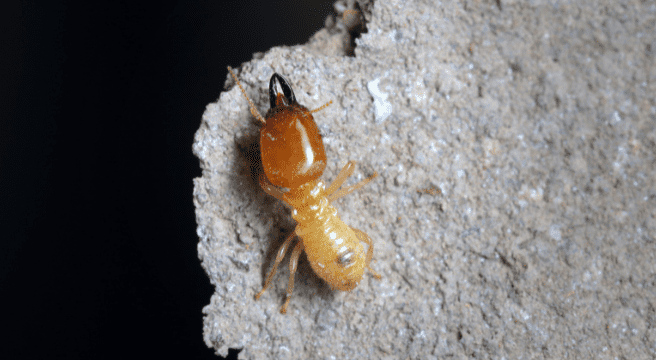
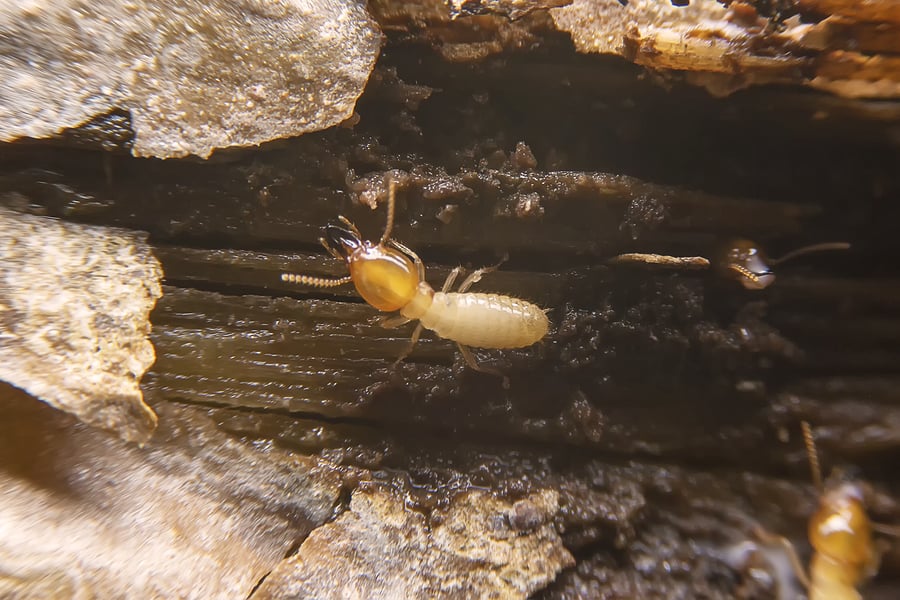
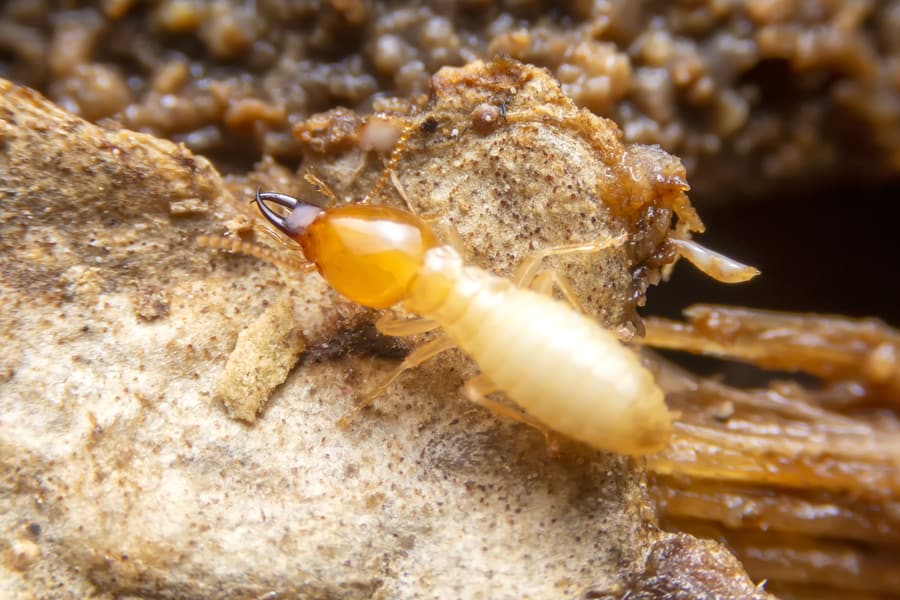
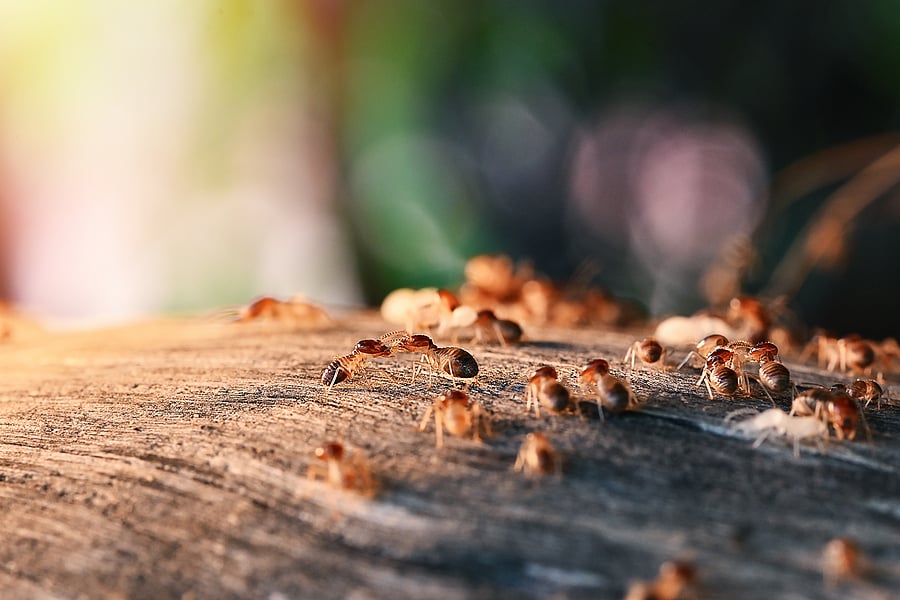
The most common type of termite in the southeast is the subterranean termite. This termite species lives in underground colonies with as many as two million members but can also be found in moist, secluded areas above ground. They are the most destructive termite species and, over time, can potentially collapse a building. This is due to their hard, saw-toothed jaws that work like shears and can bite off extremely small fragments of wood, one piece at a time. They typically begin their swarming season in early spring, usually during daylight hours.
Swarming is beneficial when creating new colonies. Termites swarm after a colony has reached a certain capacity and is ready to expand. This normally happens once per year for most colonies. Hundreds or even thousands of swarmers, also known as alates, are produced with the sole purpose of reproduction and expansion.
Swarming can occur indoors or outdoors. They cannot survive indoors because of the lack of soil to colonize. If found indoors, they are usually found near windows and light fixtures as they are attracted to light. Whether indoors or outdoors, they usually can’t cause damage. As swarmers, they can’t bite, sting, or chew. The presence of swarms indicates that a colony is nearby, though; so although the swarmers can’t cause damage, the nearby colony can.
There are many ways to prevent swarming from happening. The first step is to eliminate any termite colonies in the area. To prevent termites, make sure there are no water sources nearby, including standing water around your home. Also, routinely inspect your foundation for loose mortar or bubbling paint to see if there are termites present.
Because a termite swarm indicates a nearby colony, homeowners should take precaution when one is spotted close to home. If you suspect you have a termite infestation, contact a professional local pest control company who can inspect your property and set up a termite control plan.

Jan 25, 2022 | Termite Control
It’s a known fact that termites can cause costly and significant damage to your home, but did you know they are active year-round? Winter does bring some daily changes to termite colonies, including moving deeper into the ground for warmth or seeking shelter in your home’s foundation. Both cases are something to be wary of, especially when it comes to the health of your home.
Subterranean termites might seem like they can’t cause damage in the winter when they burrow deep underground, but don’t let that fool you. When termites burrow underground, they tunnel deep beneath your home’s foundation and can cause structural damage, such as causing your home to shift and become uneven, which is costly to repair.
The plus side to termites in the wintertime is that swarms are nearly impossible. Termite swarms may sound like a scene out of a science fiction movie, but they are necessary for the survival of termites. Fortunately, they are not common in the winter, as they tend to move further away from their colonies in the warmer months, making it more difficult to find them. Consider putting preventative measures in place around your home during the winter season before these pests become active again in the spring months, which mark the beginning of swarming season.
There are several ways to prevent termites, even in the wintertime. There are many great services offered to homeowners that can be beneficial year-round. The most effective option in termite prevention is the Sentricon Always Active® system. It is an environmentally responsible choice for home termite protection and is scientifically designed to eliminate the entire colony – including the queen. It’s crucial to prevent termites, whether they’re active or not.
Termites can be extremely difficult to identify, avoid, and eliminate once they are established. If you spot signs of termites in your home or just want to get ahead in the prevention game, contact a professional pest control company who can set you up with annual termite inspections and even a termite control plan.
Sep 14, 2021 | Termite Control
Owning a home is a huge investment and can take plenty of time and energy to maintain the upkeep. Whether it’s your first home or a home you’ve had for years, discovering that it has termites can be unexpected and devastating. Subterranean termites can cause considerable damage to your home’s infrastructure and the cost of repairing it can be in the thousands of dollars. There are two major reasons termites are attracted to your home.
Subterranean termites are attracted to moisture and need an abundant source of it to survive. Improper drainage around the home can often be the major and most common reason these pests have infested. Clogged gutters can cause water to pool up and cause damage to your foundation, making it vulnerable to termite damage. Leaves, twigs, and other debris that fall into gutters can build up, while the excess moisture can soften your roof and cause it to rot. Try to divert rainwater away from your foundation with a down-spot and splash blocks to help prevent the water from pooling. Consider investing in gutter guards to help keep debris and leaves out of your gutters.
Every homeowner is looking to make their home aesthetically beautiful; but often the materials used throughout your yard for landscaping purposes can attract termites. Mulch is commonly used near and around the home, sometimes lying against the foundation. Unfortunately, this material is a major attractant to termites as it can serve as a food source if it retains moisture. Mulch placed near the foundation can lead to these pests residing right at the edge of your home. Instead of mulch, consider using landscaping rocks, or try to minimize the use of wood mulch and keep it at least 15 inches from the foundation.
If you suspect a termite infestation or would like to get ahead of preventing them, consider contacting your local pest control company where they can provide you with the best termite control options for your home.
Jun 15, 2021 | Termite Control
Did you know that certain termite species, such as subterranean termites, are active year-round? This means that even on the hottest or coldest days of the year these pests can still cause considerable damage and destruction to your property. Termites are in search of two things: a food source and a place to establish their colony. The first step in preventing termites is knowing what attracts them so you can take the necessary precautions to avoid them!
Termites like to colonize near a food source, most often soft or rotting wood. Firewood and other wood piles throughout your property are a major attractant to termites. This wood provides them with both a supply of food and a place to create their colony. If you must have this wood on your property, place it at least 20 feet from your home and elevate it at least 5 inches off the ground.
Summer showers are inevitable, meaning that your gutters could quickly become clogged. While clogged gutters can damage your home’s foundation, they can also attract termites. As the debris blocking the gutters accumulate, the excess moisture can soften your roof and cause it to rot. These areas provide termites an easy way to get inside your home. Make sure that your gutters are cleaned out regularly, especially after a bad rainstorm or consider installing gutter guards.
Every homeowner wants their yard to look aesthetically pleasing but sometimes the materials used for landscaping (like mulch) can attract termites to your home. Mulch is comprised of wood chips that can retain moisture, making it a perfect source of food for termites. Instead of mulch, consider using landscaping rocks; if you do use mulch, place it at least 15 inches from your foundation.
If you suspect a termite infestation or just want to get ahead of preventing them, consider calling your local pest control company where they can provide you with the best termite control options for your home.
Jun 4, 2021 | Termite Control
Spring and early summer mark the start of termite swarming season. Swarming termites, also known as alates, are classified as nuisance pests because although they can be bothersome to have around, they cannot bite, sting, or even chew wood. They do, however, signify the presence of an established termite colony nearby which can be problematic for you and your home.
Termites are silent destroyers, often causing significant damage and destruction to your home for long periods of time while going undetected. Learning the signs of termites, including the presence of swarms, is a critical first step in termite prevention.
When dealing with termite swarms, several questions are posed: When is swarming season? Where should I look for swarms? Can these swarms cause damage? Why are they swarming? How can I prevent them?
When Is Swarming Season?
This question depends on what type of termite you are dealing with. Subterranean termites begin their swarming season in the spring, usually during daylight hours. Drywood termites, on the other hand, don’t swarm until late summer and early fall. Dampwood termites tend to swarm during the summer months. The weather also plays a factor into when termites will swarm. Each species has its own set of conditions that are ideal for swarming but most of them will start the day after a rainstorm when the weather is still overcast and there is little to no wind.
Where Should I Look For Swarms?
While termite swarms can be found both indoors and outdoors, they cannot survive indoors because of the lack of soil in which to colonize. Swarming termites can be found anywhere termites colonize. If they do make their way indoors, they can often be found near windows and light fixtures as they are attracted to the light.
Can These Swarms Cause Damage?
Termite swarms themselves usually do not cause damage. Swarming termites cannot bite, sting, or chew. As termites get ready to swarm, they make a tube which they use to launch. When conditions are ideal, they use the tube to launch themselves. After a brief flight of only a few seconds, the termites land and break their wings away from their bodies and pair with a mate. Those pairs that survive then create a chamber underground that they use to breed and the new colony is formed. Swarm launches are usually spread out over a few days with a large release on the first day and smaller launches on subsequent days. Termite swarms can indicate the presence of an existing colony nearby so while the swarmers themselves may not cause damage, the nearby colony can.
Why Are They Swarming?
The primary purpose of termite swarms is reproduction and expansion of the colony. When the original termite colony reaches capacity and needs to expand then the swarming process begins, usually occurring once per year. The number of termites in each swarm varies depending on which type of termite species is swarming and the size of the colony.
How Can I Prevent Them?
In order to prevent termite swarms, one must prevent termite colonies from establishing nearby. Prevent termites by:
- Getting rid of water sources by eliminating or reducing standing water around your home.
- Repairing any leaky faucets, pipes, and air conditioners.
- Diverting water away from your house with properly functioning spouts, splash blocks, and gutters that are clear of debris.
- Repairing and replacing damaged roof shingles, fascia and soffits on your house.
- Replacing weatherstripping on doors and windows.
- Routinely inspecting foundations for loose mortar, uneven or bubbling paint, wood that sounds hollow when you tap it, and for the presence of mud tubes which termites use to reach food.
- Regularly inspecting wood in and around your home for noticeable changes, making sure to check windows, doors, and skirting.
- Making sure there is at least an 18″ gap between the soil and the wood portions of your home.
- When storing items in the attic or basement, using plastic storage containers and metal shelving instead of cardboard or wood.
- During swarming season, keeping doors and windows shut as much as possible. Keep outdoor lights turned off at night also, as they will attract swarming termites.
- Keeping firewood stored at least 20 feet away from your home and elevated off the ground.
- Keeping plants a few feet away from your home.
- Making sure there is at least a 4″ barrier between your mulch and the side of your home. You can also use mulch made of rubber, plastic, or gravel.
- Removing any tree stumps from your property.
- Scheduling an annual termite inspection of your home and property to help detect termite problems early before they can cause significant damage.
Because a termite swarm indicates a nearby colony, homeowners should take precaution when one is spotted nearby. If you suspect you have a termite infestation, contact a professional pest control company who can inspect your property and set up a termite control plan.
You May Also Be Interested In:
Preventing Ticks & Fleas
7 Snakes You May Encounter This Summer
Are Termites Active Right Now?
Turning A Yellow Lawn Green
Is That Spider Poisonous?