Apr 20, 2018 | Termite Control
If you’ve been outside lately you’ve probably seen signs of spring – blooming flowers, pollen that aggravates our allergies, and lots of new insects buzzing around. Another thing that spring brings is swarms – of termites! Termites are present year round but their swarming season is during spring and early summer.
Termites cause billions of dollars in damage to homeowners each year. Here in the Southeast, subterranean termites are the most common types and are particularly destructive. These insatiable eaters can damage not only wooden structures, but have even been known to cause damage to brick and concrete homes as well. Termites can invade your home through cracks and holes as small as 1/32 of an inch!
Swarms are most common in spring and summer because they are triggered by warm, humid weather. Swarming marks the start of a new termite colony. Winged termites leave their nests when they become overcrowded and their isn’t enough food to sustain them. They then take flight and actually reproduce in mid-air. The females will then shed their wings and fall back to the ground. They then go in search of a new location to start their colonies.
Swarmers don’t usually cause any damage but once they establish their new colonies their offspring can cause significant damage – usually within 2 years. If you see flying termites it can signal one of two problems:
- There could be an existing termite problem nearby.
- Your home could potentially be at risk of a termite infestation when the swarm lands looking for a new place to colonize.
If you see winged termites inside your home this is a good indication that you already have an established termite colony inside or that there is existing damage already.
What can you do to prevent termites from coming into your home? Check out these tips to keep the termites out!
- Have regular inspections done by a termite control company.
- Do regular inspections of the outside of your home and the subfloor of your home checking for wood damage and the presence of mud tubes. (Mud tubes are pencil-sized tunnels located around termite nests, wood structures, and concrete or stone foundations.)
- Repair any damaged roof tiles, soffits, and fascia on your home.
- Keep mulch away from your foundation as this retains water and the moisture can attract termites.
- Keep your basements, attics, and crawlspaces well ventilated and dry. Consider enclosing your crawlspace completely.
- Make sure gutters are clear of debris and downspouts are working to make sure water is diverted away from your home. Consider installing gutter guards to help prevent clogs.
As always, if you suspect you have termites or find signs of damage, contact a termite control company who can come in and do a thorough inspection and set you up with a comprehensive treatment plan.
Mar 6, 2018 | Termite Control
Here in the south, nothing causes terror or fear more than the word, termite. Termites cause more than $5 million dollars in property damage throughout the United States. And what’s worse, most damage is not covered by homeowner’s insurances policies.
Before it gets out of control, look for signs of termites and consider getting a preventative termite treatment and termite warranty from an exterminating company.
Swarmers are your first sign that things may be awry, because while swarmers do not cause wood damage, they are a sign that a destructive colony is nearby. Look around doors and windowsills and for discarded wings. This is one of the first signs of a termite infestation.
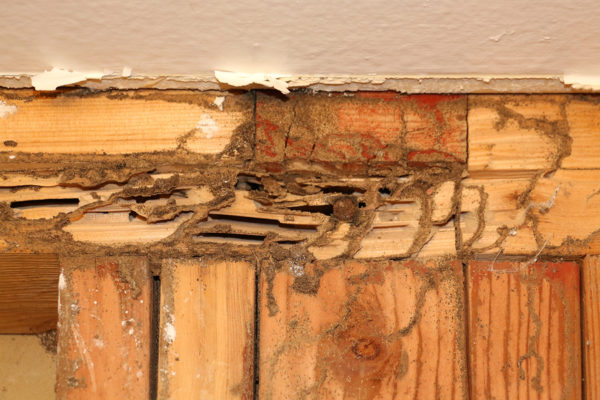
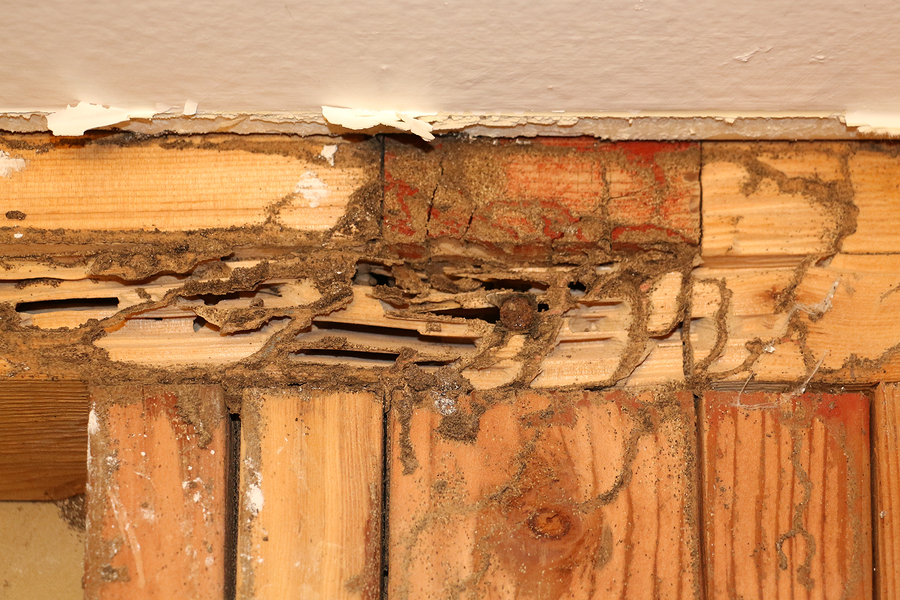
If you notice mud tubes or tunnels along the foundation of your home, the next step would be to contact your pest control provider to schedule a termite inspection. Termites use the mud tubes to keep moisture when traveling to and from their colony and your home (their delicious food source).
Other signs of termites that you may notice:
- Bubbles in paint: this will often be a sign of moisture build which points to either termites or water damage
- Wood Damage: wood that is suspected to be infested by termites will normally sound hollow, as termite prefer to eat wood from the inside out
- Frass: the sign of a Drywood termite infestation is the appearance of wood colored droppings that litter the ground as they feast on your home
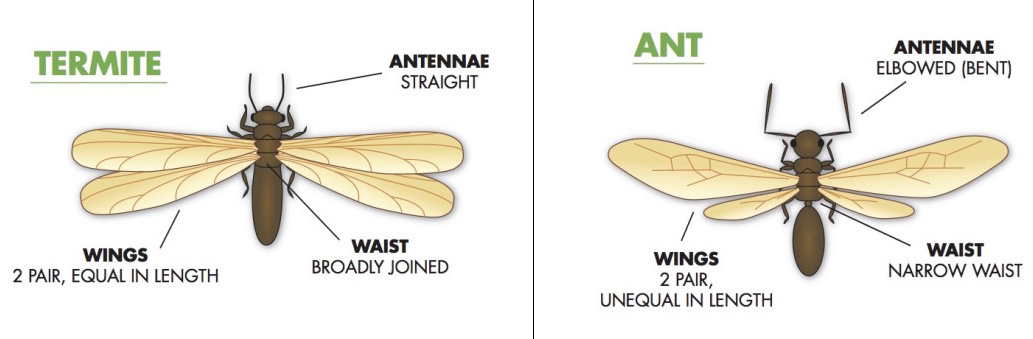
If you are able to get close enough to get a look, make sure that that you are dealing with a swarmer; flying ants are often mistaken for a flying termite.
If you do not find any of the signs of termites, now’s the time to get preventative termite protection! Sentricon Always Active, a termite baiting system, is the best protection to have for your home; it’s environmentally-responsible and comes with a lifetime termite warranty.
To schedule a free termite inspection, call (888) 466-7849 today!
Feb 2, 2018 | Pest Control
Just like the weather changes with each season, so do the pests that we see. Some pests prefer warmer weather and peak in spring and summer while other pests will surge in the winter as they come inside to get out of the cold. The ways that you prepare your home will depend on what time of year it is and what pests you are preparing for. We have provided you with a few of the most common pests for each season so you can be better prepared all year long.
SPRING:
Springtime brings about an increase in temperatures, the melting of ice, and the blooming of flowers. These warmer temperatures bring many pests out from their winter hiding places. As these animals emerge they will have one thing on their minds – food and water! Spring is also mating season for many species. Here are some common spring pests to look out for:
- Ants: Ants forage for food in warmer weather. As the temperatures increase, ants will venture farther and farther from their colonies in search of food. This will eventually drive them into our homes. The heavy rains in spring also drive ants out of their colonies in search of higher ground.
- Termites: Spring is the start of termite season as they leave their nests to mate and start new colonies. This is also known as “swarming.”
- Mosquitoes: Heavy spring rains provide the ideal breeding ground for mosquitoes. Mosquitoes will increase their activity in spring in preparation for their peak season which is summer.
- Flies: Flies reach maturity at the beginning of spring. Once they mature, they will flock to areas that humans inhabit as they look for food. They prefer liquids and other sweet foods.
- Spiders: Spiders become active in the spring as they search for food. The increase in insect activity as they wake from their winter slumber provides ample opportunities for spiders to feed.
- Stinging Insects: Stinging insects include bees, wasps, yellow jackets, and hornets. These insects wake up from their dormant stage in the spring and they become more active. Spring is the start of their mating season as they seek to establish their nests and breed.
- Bed Bugs: Although bed bugs are a year round problem, their populations can spike in springtime because of the increased travel for Easter and spring break from schools.
SUMMER:
While we get somewhat of a break from pests in the summer months, there are a few species who peak during this hot season. Summer is typically the time in many pests’ life cycles where they are maturing and are less of a threat to humans. Here are some common summer pests:
- Mosquitoes: Mosquitoes are the most common summer pest. The warmer temperatures allow mosquitoes to move through their life cycle faster which means they lay more eggs in the summer months. The summer rains also provide the ideal setting for mosquitoes to breed.
- Stinging Insects: Stinging insects reach their highest populations in the summer. They will often build their nests in any openings in your house, under overhangs or in the ground near your foundation.
- Ants: Ants continue to be a nuisance in the summer. As the rains continue through the season, ants will continue to seek shelter in higher ground. They will also continue to forage into our homes in search of food.
- Flies: Flies are most active in the summer months. This is also their peak breeding season. Flies will spawn in animal waste, garbage, and rotting foods.
- Termites: Termites are most productive in the summer. This is the season when they continue to consume wood while the queen continues to lay eggs and build their colonies.
- Bed Bugs: Once again, bed bugs are year round pests. Many populations thrive in the summer months because of an increase in travel during summer break from school.
FALL:
Fall brings about cooler temperatures. This is the time of year when pests start to prepare for the upcoming winter. Many pests will start to seek warmth and shelter inside our homes. Here are some common fall pests:
- Cockroaches: Cockroaches are some of the most common fall pests. Cockroaches cannot survive in colder temperatures so fall is when we see them start to migrate indoors in search of shelter and warmth. Cockroaches are known to hide near pipes and drains. They can spread disease and exacerbate asthma.
- Spiders: Spiders are also common in the fall for the same reasons as cockroaches. They will move indoors to avoid the harsh colder temperatures, as well as in search of food as many of the flying insect populations decline as the weather cools. Spiders also breed in the fall so activity will increase as males go in search of mates.
- Rodents: Rodents are another common fall pest. Rodents will migrate indoors as the weather cools in search of warmth, shelter, food, and water. Rodents not only spread disease but will also chew through wood supports and electrical wires in your home.
- Fleas: With rodents come fleas. Fleas flourish in warmer weather so as the weather cools, we see their populations indoors thrive. Fleas will hitchhike into your home on both your pets and any other wildlife that come into your home in the fall.
- Stinkbugs: Stinkbugs become a nuisance in the fall. Stinkbugs are known for emitting an extremely foul odor when they feel threatened. Stinkbugs are also considered a serious threat to agriculture as they can cause significant damage to crops.
WINTER:
While many pests hibernate or become dormant over the winter, don’t relax just yet! There are still many pests that we see in larger numbers in the winter months as they make their way into our home to avoid the harsh cold weather. Here are some common winter pests:
- Rodents: Rodents are the most common pests we see in the winter. Rats, mice, and squirrels will invade our homes in search of a warm place to stay and an ample supply of food and water.
- Roaches: While most cockroach species die off in the winter, Oriental roaches and German roaches are still active during this time of year. They seek dark, damp areas which are prevalent in the wintertime.
- Bed Bugs: Once again, bed bug populations are active year round but they often flourish during the winter months as these are some of the busiest travel times of the year.
As you can see, no two pests are alike and no two seasons are alike. In the same manner, one universal pest control method won’t work for different pests or for different seasons. It is important to know which pests thrive during which seasons so that you can better prepare your home year round to prevent an invasion. If you suspect that you have a pest problem in your home, contact a professional pest control company who can provide you with a thorough evaluation and set you up with a comprehensive treatment plan.
May 4, 2017 | Termite Control
Most of us know that termites‘ preferred food source is often the wood our homes are constructed of and that they cause billions of dollars in structural damage each year. But aside from being a costly nuisance, termites are actually interesting and beneficial insects – here’s why:
- Termites help keep our planet clean by eating/decomposing old, moldy, decaying, wet trees, wood, debris and other plant material. This process is vital to our eco-system and produces new soil which then grows new life – trees, plants, and provides food sources and homes to other animals and insects.
- Termites have been around for over 200 million years, making them one of the oldest insects, and live on almost every continent.
- Termites provide an excellent food source for bugs, lizards, birds, anteaters, other small animals, and even people in some parts of the world.
- Termites live in colonies that can consist of millions of termites. They’re organized, social insects that have very specific roles within their colonies and use pheromones to communicate with one another. Queens & kings reproduce and care for nymphs (babies), workers provide food, and soldiers protect the colony.
- Termites eat poop. Yes, it sounds gross but it’s actually totally necessary to prepare their digestive systems for eating wood and other plant material – a process called trophallaxis.
- Swarming termites – sometimes mistaken for flying ants – don’t actually cause structural damage. These winged termites (reproductive kings and queens) fly from the colony in search of mates to reproduce with.
- While termites may look similar to ants, they’re actually more closely related to cockroach species.
- Termites build mounds or nests where the colony resides – usually made of digested wood, soil, mud, and feces. Sometimes these nests are extremely large and intricate, with the one of the largest found being 42 feet tall!
- A female queen termite can live for up to 25 years and have millions of offspring in her lifetime!
- In some cultures, termites in a home represent a bad omen (death in the near future for the homeowner!). In this case, the only way it’s believed to escape death is to eliminate the termite colony or abandoning the infested home.
May 4, 2017 | Termite Control
Most of us know that termites‘ preferred food source is often the wood our homes are constructed of and that they cause billions of dollars in structural damage each year. But aside from being a costly nuisance, termites are actually interesting and beneficial insects – here’s why:
- Termites help keep our planet clean by eating/decomposing old, moldy, decaying, wet trees, wood, debris and other plant material. This process is vital to our eco-system and produces new soil which then grows new life – trees, plants, and provides food sources and homes to other animals and insects.
- Termites have been around for over 200 million years, making them one of the oldest insects, and live on almost every continent.
- Termites provide an excellent food source for bugs, lizards, birds, anteaters, other small animals, and even people in some parts of the world.
- Termites live in colonies that can consist of millions of termites. They’re organized, social insects that have very specific roles within their colonies and use pheromones to communicate with one another. Queens & kings reproduce and care for nymphs (babies), workers provide food, and soldiers protect the colony.
- Termites eat poop. Yes, it sounds gross but it’s actually totally necessary to prepare their digestive systems for eating wood and other plant material – a process called trophallaxis.
- Swarming termites – sometimes mistaken for flying ants – don’t actually cause structural damage. These winged termites (reproductive kings and queens) fly from the colony in search of mates to reproduce with.
- While termites may look similar to ants, they’re actually more closely related to cockroach species.
- Termites build mounds or nests where the colony resides – usually made of digested wood, soil, mud, and feces. Sometimes these nests are extremely large and intricate, with the one of the largest found being 42 feet tall!
- A female queen termite can live for up to 25 years and have millions of offspring in her lifetime!
- In some cultures, termites in a home represent a bad omen (death in the near future for the homeowner!). In this case, the only way it’s believed to escape death is to eliminate the termite colony or abandoning the infested home.