Nov 27, 2025 | Florida Pest Control
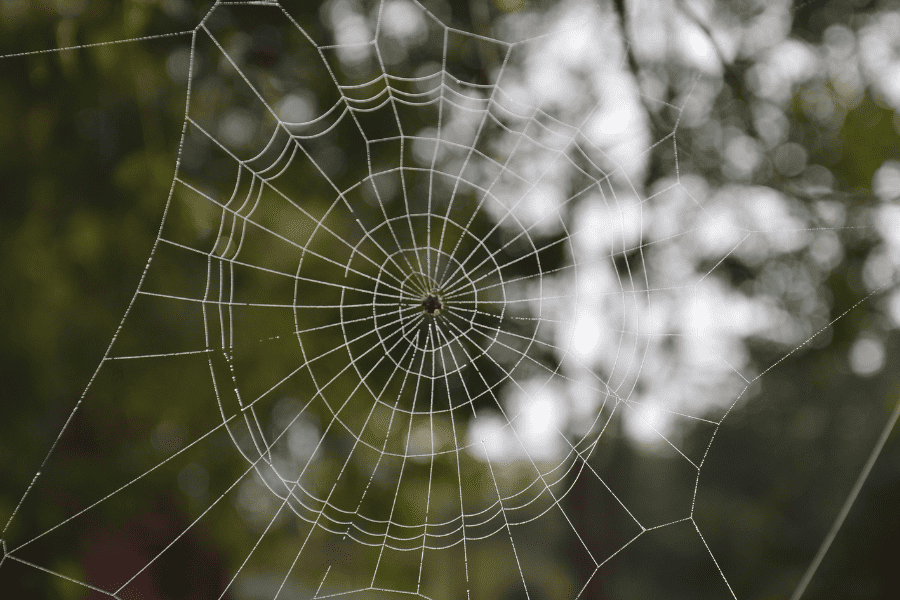
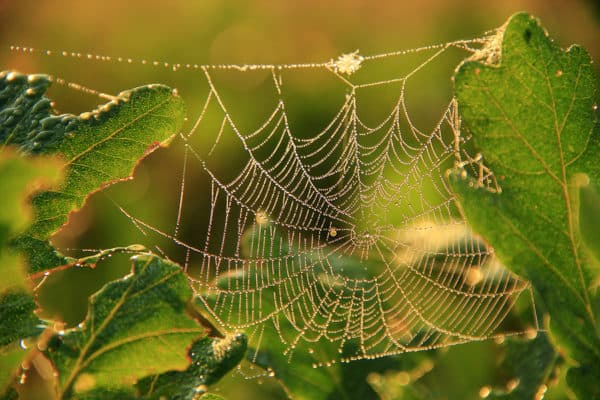
As November arrives in Pompano, Florida, residents often notice an increase in spider activity both inside and outside their homes. While spiders are a year-round presence in our tropical climate, this time of year can make them seem more prevalent. The appearance of more webs and uninvited eight-legged guests can be unsettling for any homeowner.
Understanding why you might be seeing more spiders is the first step toward effective management. This guide provides information on common Pompano spiders, explains their fall behavior, and offers practical strategies for keeping your home spider-free. A proactive approach is essential for reliable Pompano spider control.
Why Spiders Become More Noticeable in November
The increased visibility of spiders during the fall in Pompano is often linked to their life cycle and the behavior of their prey.
Mating Season and Maturation
For many spider species, late summer and fall are peak mating seasons. Male spiders, which typically lead more reclusive lives, will actively wander in search of a mate. This increased movement makes them far more likely to be seen crossing floors, walls, and patios. Additionally, many spiders born in the spring have reached full maturity by November, meaning they are larger and their webs are more substantial and noticeable.
Abundance of Other Insects
November often sees a surge in other insects seeking shelter from changing conditions. Spiders are predators, and they go where the food is. An increase in flies, gnats, and other small pests around your home provides an abundant food source, attracting spiders to build webs near doorways, windows, and exterior lights.
Common Spiders in Pompano and Associated Risks
While most spiders found in Florida are harmless and beneficial to the ecosystem, a few species warrant caution.
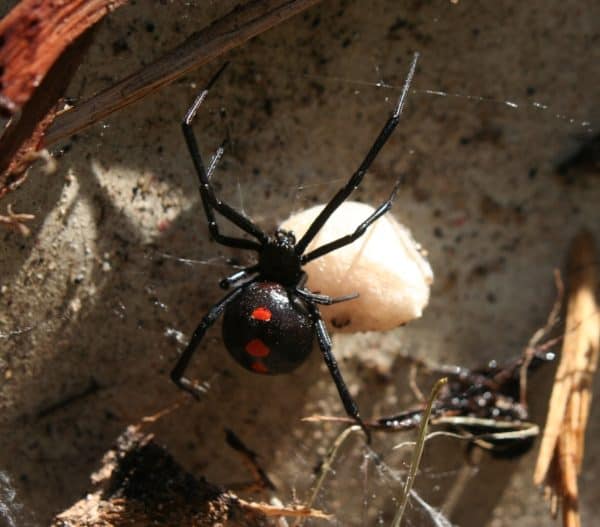
- Black Widows: Known for their shiny black bodies and a distinct red hourglass marking on the abdomen, black widows prefer dark, undisturbed areas like woodpiles, sheds, and cluttered garages. Their bite is venomous and requires immediate medical attention.
- Common House Spiders: These are the spiders you most frequently see, building webs in corners and windows. They are not dangerous to humans and primarily serve as a nuisance.
Proven Strategies for Pompano Spider Control
The most effective way to manage spiders is to make your home less inviting to them and their prey. A comprehensive prevention plan is the cornerstone of effective Pompano spider control.
Seal Entry Points
Denying spiders access to your home is the most crucial step.
- Inspect Your Home’s Exterior: Carefully examine your foundation, siding, and areas around pipes and vents for cracks and gaps.
- Seal Openings: Use caulk to seal any openings you find. Install or repair screens on windows and doors, and add weather stripping to ensure a tight seal.
Eliminate Attractants
By removing sources of food and shelter, you make your property less appealing.
- Reduce Exterior Lighting: Outdoor lights attract the insects that spiders feed on. Consider using yellow “bug lights” or motion-sensor lights to minimize this effect.
- Maintain Your Landscaping: Keep shrubs, trees, and other vegetation trimmed back from your home’s exterior. Spiders use branches as bridges to access your house. Remove leaf litter, woodpiles, and other debris that can serve as harborage.
- Keep Your Home Tidy: Regularly dust and vacuum, especially in corners, under furniture, and in closets. This removes webs, egg sacs, and the spiders themselves.
Implementing these preventative measures can significantly reduce the number of spiders you encounter. A clean, well-sealed home is your best defense.
If you are dealing with a persistent spider problem or have identified venomous species like black widows on your property, it is best to seek professional assistance. Contact a certified pest control expert for a thorough inspection and a targeted treatment plan to ensure the well-being and comfort of your home.
Sep 26, 2023 | Florida Pest Control
Did you know that most spiders are venomous? It’s true! Luckily (if you can look at it that way), only a few types of spiders have venom powerful enough to harm humans. These include the widows and the recluses. Check out our list of venomous spiders in Florida and their characteristics to easily identify them.
Common Venomous Spiders in Florida
- Black Widow: The black widow spider female has a shiny black body and a red hourglass-shaped figure on her abdomen. These are the easiest of the venomous spiders to identify.
- Red Widow: These spiders have the same shape as the black widow but have a red-orange head and thorax. They are often found in palmettos and sand-pine scrub.
- Brown Widow: These widows have an hourglass figure on their abdomen. They have striped patterns of varying shades of brown across their legs and their bodies and are more likely to build webs on man-made structures.
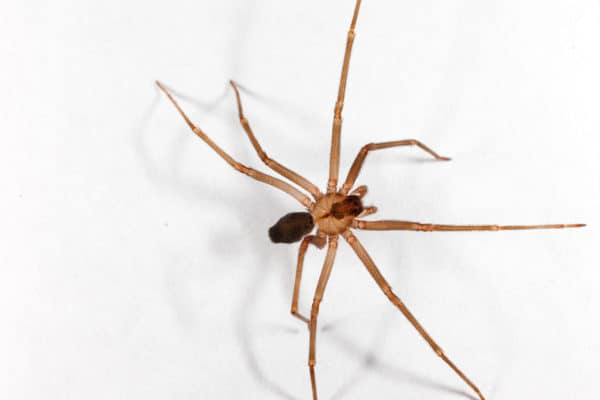
- Brown Recluse: These spiders do not have an active population in Florida, but they can travel to the state through hitchhiking onto our items, especially while in the process of moving. This spider is considered the most venomous spider outside the widow family. You can easily identify them by their violin-shaped marking on their back, small size, and pale brown colorations.
Spiders will bite as a defensive mechanism and these bites usually arise when we place our hands or feet in areas where we don’t see these spiders. A bite from any of these venomous spiders can lead to swelling, severe pain, nausea, sweating, and intense muscle cramps. If you think you’ve been bitten by a venomous spider, seek medical attention immediately.
How to Avoid Venomous Spiders
Spiders will hide out where they know high populations of pests reside. This means they can find a safe space inside your home. Here are some easy tips to follow to ensure they don’t take up residence in your home:
- Declutter the inside of your home, including attic or other storage areas
- Trim trees away from home to lessen access points
- Assess moisture problems to prevent insect breeding grounds
- Call your local Copeland spider removal company for a free property inspection!
Jul 19, 2019 | Pest Control
One of the most common questions that arises when a spider is found in a home is “is that spider poisonous?” That’s a trick question. Most spiders are poisonous, yet only a handful are venomous. Poisonous spiders release their toxins when they are inhaled, ingested or absorbed through the tissue or skin; in other words, they’re only harmful if you eat them. Venomous spiders, on the other hand, inject their toxin with a fang-like apparatus known as a chelicerae. These are the spiders you should be worried about and avoid contact with.
While there are more than 20 species of spiders in Georgia, there are only 2 that are known to be dangerous to humans: the black widow and the brown recluse. Like most common spiders, biting humans is a last line of defense. They are more likely to flee, hide, or even play dead rather than bite a human. It takes a long time for a spider to replenish his supply of venom after he injects it. Most will only use this defense mechanism if they have no other choice. Wasting venom on a human can even cause the spider to starve to death before his supply is replenished as he will have no means to kill any prey he catches.
Let’s take a closer look at each of the venomous spider species in Georgia, as well as some general tips to prevent spiders from getting into your home.
Black Widow
The black widow spider is considered to be the most venomous spider in North America. It is only the female black widow, however, that is dangerous to humans. Black widows are a red and black spider that is usually about 1.5 inches long with a shiny, globular abdomen and a reddish hourglass shape on its underside. While they are mostly black in color, they can sometimes be brown. The venom of a black widow spider is reportedly 15 times stronger than that of a rattlesnake. While black widow bites can be fatal to the young, the elderly, and those with compromised immune systems, most victims suffer no serious or long term damage from the bite. Black widows are not aggressive and bites commonly occur as a result of accidental contact. Common symptoms from a black widow bite include redness, swelling and tenderness at the site of the bite, muscle aches, nausea, and sometimes paralysis of the diaphragm which can cause difficulty breathing.
Brown Recluse
The brown recluse spider is also known as the violin spider or the fiddleback spider. The brown recluse is a light brown spider with a dark, violin-shaped marking on its back with the neck of the violin pointing toward the rear of the spider. They also have a very distinctive eye pattern with a semi-circular arrangement of 6 eyes (3 sets of 2) while most spider species have 8 eyes. Adult brown recluses are about the size of a quarter. They usually live outdoors under rocks, woodpiles, logs, etc. but are also well adapted to living indoors with humans. Once inside they are commonly found in attics, garages, basements, and are even known to wander into shoes, clothing, and bedding. They hunt at night and retreat to dark, secluded places in the daytime. The brown recluse is typically not aggressive and usually only bite when they are inadvertently trapped against human skin (rolling over on them in the bed or slipping your foot into a shoe they have crawled into for hiding). While bites are rare they can cause serious wounds and infections. The majority of bites remain localized, becoming red, swollen and tender at the site of the bite. If left untreated, a necrotic lesion may develop, usually accompanied by a central blister.
Prevention
Keep your garages, attics, sheds, basements, and other areas that aren’t utilized often clean and clear of clutter. Try to avoid leaving clothing and shoes on the floor and store them in plastic bins if possible. Shake out any clothing that has been left on the floor or in a hamper before wearing or washing.
Seal any cracks and crevices around your home. Spiders can get in through damaged window screens or cracks in your siding. Inspect the outside of your home seasonally and make any repairs necessary.
Inspect any items that are brought from outdoors into your home. This includes any packages delivered to your porch or steps, groceries that may be placed on the driveway or porch as you are unloading, boxes of decorations being brought in from storage, or used appliances that are bought secondhand.
Contact a licensed pest control company if you suspect you have a spider problem. A professional pest control technician can inspect the exterior and interior of your home to help identify any possible entry points, identify the type of spiders and other pests you may be having issues with, and properly, safely, and effectively treat any pest problems they may encounter.
Request a Free Estimate to Get Started.
You May Also Be Interested In:
Avoid Bites and Stings This Summer
Is Pest Control Worth It?
The Summer Big Three: Roaches, Mosquitoes, & Termites
Granddaddy Longlegs Aren’t Spiders
5 Ways to Prevent A Millipede Invasion