Nov 13, 2020 | Wildlife
The last thing anyone wants to encounter when spending time outdoors is a snake. In Georgia, there are 46 native species of snakes and only 6 of those are venomous (the copperhead, pigmy rattlesnake, timber rattlesnake, cottonmouth, eastern diamondback rattlesnake, and eastern coral snake). Although they can be quite scary when stumbled upon, they are actually quite beneficial to have around. Snakes are top predators, eating rats, mice, and other small mammals. Some even eat other venomous snakes! There are only an average of 8000 snakebites nationwide each year.
Snakes are most commonly found in backyards, parks, and woodlands. Many species will spend most of their time underground, only coming out to hunt and feed. Larger snakes will often shelter in brush piles or stacks of firewood. Water snakes are usually found in areas that border streams, lakes, swamps, and ponds.
Snake season officially begins in the spring, usually around March or April, and runs through late fall and winter. The end of snake season depends on weather patterns and geographic locations. In southern states with warmer climates, snakes will remain active longer than in northern states when it gets colder sooner.
Because snakes are coldblooded, they are less active in cooler months. Where do snakes go in the winter? Many snakes will go into a state of brumation, which is similar to hibernation but doesn’t require the same amount of sleep. In brumation, snakes will wake to forage for food and water, especially during warm snaps when temperatures increase periodically. Because they use less energy, they can go longer between feedings.
If you encounter a snake, whether outdoors or inside your home, there are a few tips you should keep in mind:
- Familiarize yourself with the venomous snake species common in your area and how to recognize them.
- Try to identify the snake without getting too close to it.
- Give the snake space.
- If spending time outdoors, wear closed-toed shoes and long pants.
- Remove any brush, log piles and other attractants for rodents from around your home.
- Seal up any cracks, gaps, and holes that snakes can use to get into.
- Remember that non-venomous snakes are protected by law in Georgia.
Although snake bites are rare, it’s best to leave handling and removal of snakes to the professionals. If you encounter a snake in or near your property, contact a wildlife control company who can safely and quickly remove the offending snake.
You May Also Be Interested In:
Kudzu Bugs vs. Brown Marmorated Stink Bug: What’s the Difference?
How To Get Rid of Millipedes Naturally
What’s Attracting These Roaches?!
How to Deal With Moles This Winter
8 Tips For Winter
Jul 28, 2020 | DIY Wildlife Prevention, Wildlife
It’s minutes before you have to run out the door and make your commute to work. You make your coffee and look out the window, only to see last night’s dinner scattered throughout your yard! Unfortunately, your garbage has been rummaged through all night by a couple of wildlife pests. Two popular animals that are known to forage through trashcans and dumpsters for food are raccoons and opossums.
Raccoons, known for their distinctive black mask coloring on their faces, can range from just under 2 feet long to over 3 feet long. These animals are considered nocturnal and are rarely seen by humans. Be aware, though, spotting a raccoon during the day can be a possible sign they have rabies or other abnormal conditions.
Raccoons are scavengers, looking for food wherever they can find it, often foraging in trashcans and dumpsters. These skillful creatures can easily use their paws to open doors and lids to look for food. While they are omnivores, they prefer fruits and nuts over meat. Because they are creatures of habit, once these animals find a food source at your home, they will keep coming back until the food source is gone.
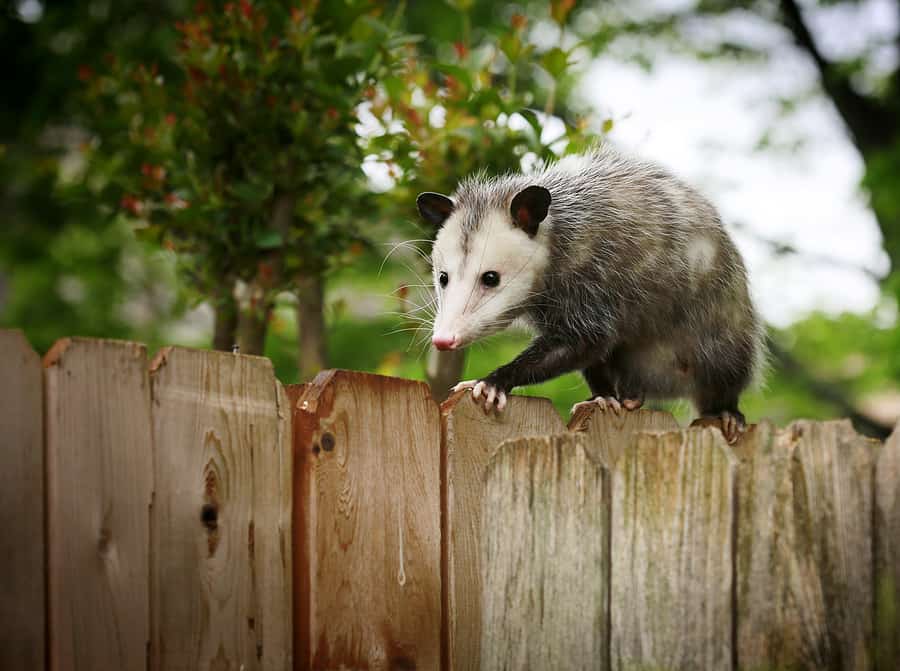
Another animal you’ll catch roaming around your trashcans is the opossum. Grey in color, opossums can range from 14” long to over 3 feet long, with their tails making up 50 percent of their total body length! These animals also tend to live near wet areas such as swamps and marshes.
While opossums are omnivores, they prefer insects and carrion over fruits and vegetables. As highly skilled climbers, you’ll find these creatures in trees, staying up there for as long as they can. They are also slow movers so don’t expect them to make a quick getaway! Opossums are generally not aggressive, though they will play dead if they are threatened.
Here are some tips to help prevent wildlife from rummaging through your garbage.
- Seal any garbage cans and compost bins at night.
- Use locking lids on trashcans if possible or place a weight on top to keep the lids closed.
- Keep the outside of your home well-lit at night as opossums and raccoons will shy away from the lights.
- Spray a mixture of half ammonia and half water on your trashcans or soak rags in the mixture and scatter them around your property; this smell will repel these pests.
- If wildlife constantly returns, consider contacted a licensed pest control company who can provide you with a thorough evaluation and wildlife control plan.
Jun 10, 2020 | Wildlife
While It’s true there are plenty of snakes that play a vital role in our ecosystem that we should protect and preserve, there are also venomous species in areas that can pose a serious threat to human life. It’s important to be cautious of these species as they start coming out of hibernation for the summer. Here are a few venomous snakes that are common in our area and how to identify them.
Water Moccasins
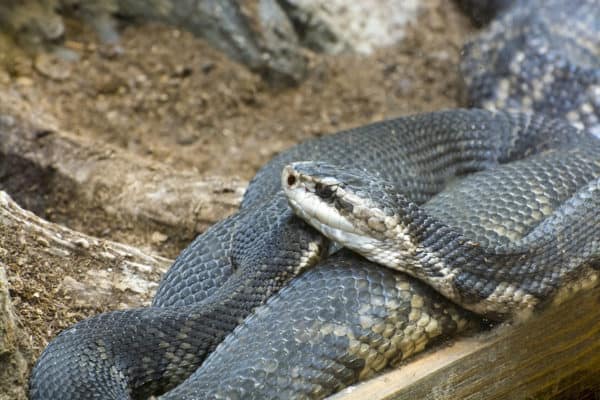
Water moccasins have a triangular head. They are considered to be heavy-bodied and vary in coloration. These snakes can be active both during the day and night but tend to feed in the dark. They are found throughout the entire southeast U.S., typically near cypress swamps, river floodplains, and heavily vegetated wetlands.
Copperheads:
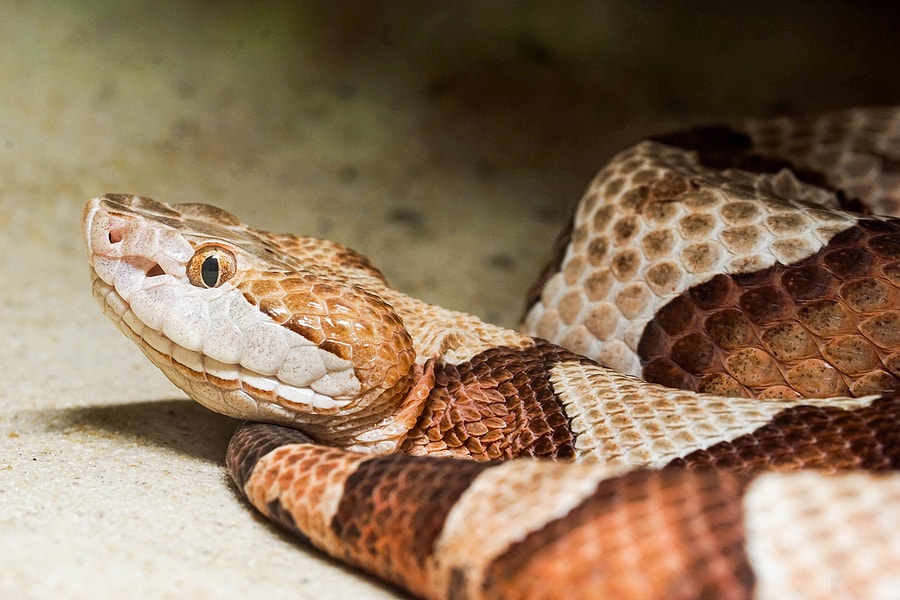
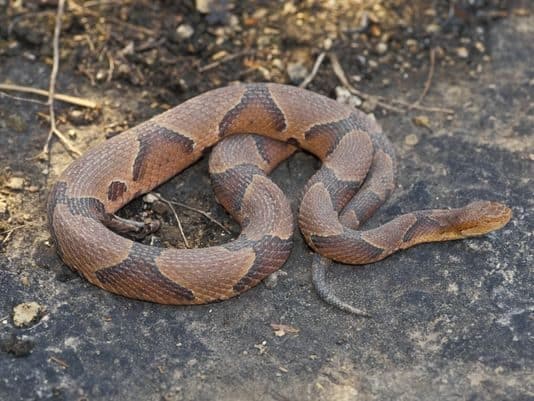
Light brown to tan in color, copperheads can be easily recognized by the hourglass-shaped crossbands along their bodies. These snakes can be found throughout the eastern and central U.S., living in a variety of habitats. Copperheads are comfortable in dry, rocky areas, forested areas, or even wetlands. It is even possible to catch copperheads in suburban neighborhoods with patches of forest.
Timber Rattlesnake
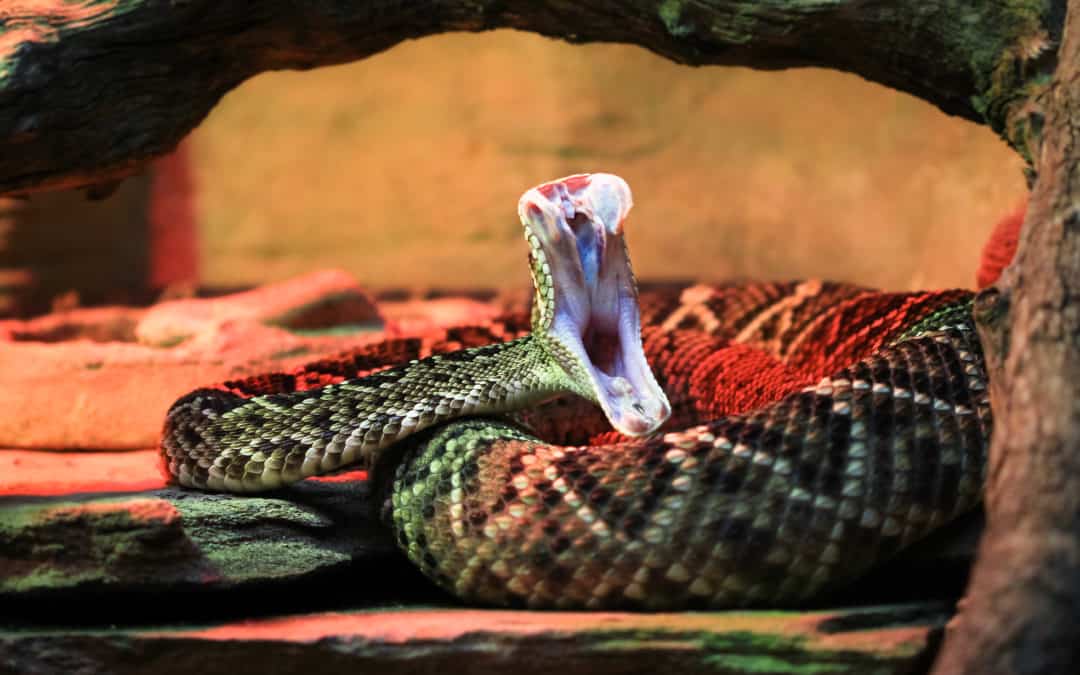
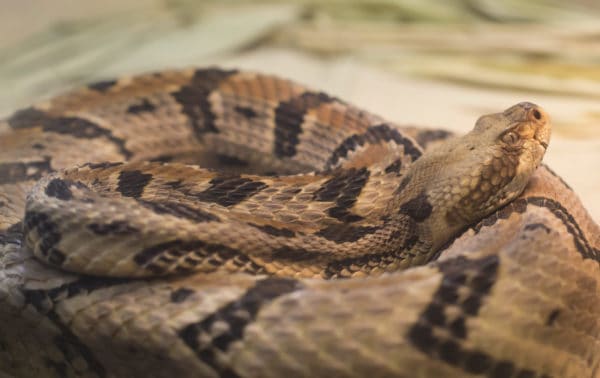
Timber rattlesnakes are considered unique as they are active both day and night. They typically like to hibernate during cold weather but become active in late spring and remain so until late fall. These snakes are big, heavy-bodied, and can grow up to 6 feet in length. They are found in the eastern U.S. where you can spot them residing in forests, mountainous areas, rural habitats in farming areas and even near swamps and river floodplains.
Eastern Diamondback Rattlesnake
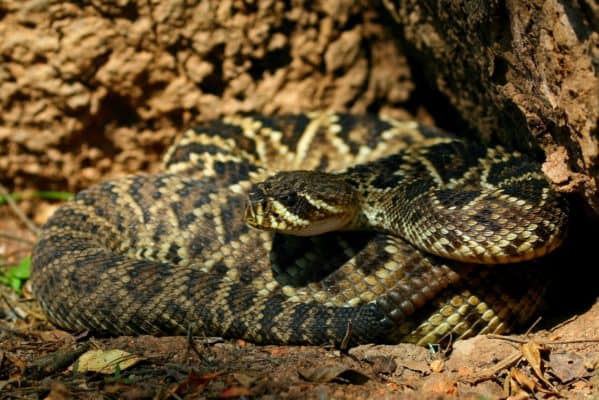
Eastern diamondbacks are dark brown in color and have a row of diamond shapes patterned on their bodies that are outlined by a yellowish border. Diamondbacks measure 3 to 5 feet but can reach up to 7 feet in length. These venomous snakes are active during the day but are most commonly seen in the mornings and evenings in the summer months. They often inhabit dry sandy areas, pinewoods, coastal dune habitats, and flatwoods. They typically avoid areas that are wet but will live along edges of swamps.
With this information in mind, it’s important to be aware and be cautious of these venomous snakes while outdoors enjoying your summer! Remember, however, to please be conscious that in certain states it is illegal to kill venomous snakes. If you realize you have a snake in or around your house, it’s best to contact a local wildlife control company who can safely remove the offending pest.
Mar 13, 2020 | DIY, DIY Wildlife Prevention, Wildlife
If you live in an area where snakes are common, chances are you may stumble across one at some point. Snakes, like any other pest, are usually in search of three things: food, water, and shelter. Oftentimes the area around our homes provides all of these things that attract snakes.
The likelihood of a snake on your property depends on several factors, including location (north vs south), landscape (urban vs rural), a nearby water source (pond, lake, river), how well your lawn is landscaped and maintained, and how readily a food supply is available.
When dealing with snakes, it is important to identify the type of snake you are dealing with: venomous snakes should be left to a professional to eliminate while non-venomous snakes can often be deterred with natural snake repellent techniques. Here are 4 ways to keep snakes out of your yard:
1. Scare Them Off
One of the easiest ways to scare off a snake from your yard is to use your garden hose. Spray the snake with a steady stream from the hose until he slithers off. Consider installing a perch pole for hawks, owls, and other natural snake predators to alight on. Be sure to place it in an open area so the birds have a good view of your yard and the surrounding area.
2. Repel Them Away
There are some natural products and at-home techniques you can use for snake prevention. Ammonia is a common snake repellent. Snakes hate the smell of ammonia and won’t come near it. Soak rags in ammonia and place them in unsealed plastic bags. Leave the bags where you usually see snakes to keep them away.
You can also use vinegar to keep snakes and other pests out of your swimming pool. Pour white vinegar around the perimeter of the pool. Snakes can absorb the vinegar through their skin, so they will avoid slithering over it once it’s poured on the ground. Snakes also try to avoid humans at all costs. Save hair from your hairbrush and scatter it around the perimeter of your property to help keep snakes away.
3. Don’t Invite Them In
Snakes will come into your yard in search of food, water, and shelter. Eliminating these three basic necessities will make them much less likely to pay you a visit. Mow your grass often and keep it cut short. Shorter grass means more exposure to predators like hawks and coyotes and also makes them much easier for you to spot.
Avoid overwatering your lawn, as this can attract snake food sources like frogs, worms, and slugs. Keep trees, shrubs, and branches trimmed away from the sides of your house, the roof, and the ground. Try to keep a 24 to 36-inch space cleared under trees and shrubs, as this reduces the chance of snakes using them for cover and makes them easier to spot. Move bird feeders away from the house or get rid of them altogether.
Birds often leave seeds scattered underneath which attracts rodents that, in turn, attract snakes. Keep bird seed and pet food stored in metal cans with tight-fitting lids.
Make sure your woodpile is kept away from the home and elevated if possible. When designing your landscaping, try not to use mulch or large rocks, as these create breeding grounds and overwintering habitats for snakes. Instead, try to use smaller, tight-fitting rocks like gravel or river rock. Also, try to avoid using water features and Koi ponds as the water can also attract snakes.
4. Lock Them Out
Snakes can be very persistent pests, and keeping them out can be difficult. Carefully inspect the outside of your home and seal any cracks or crevices you find on the house, sidewalk, and foundations. Consider installing fencing around your yard, garden, or pool.
Fencing should be buried a few inches into the ground and constructed using 1/4″ rigid mesh or solid sheeting. Fencing should also include a bend at the top to prevent snakes from climbing up and over. There are some companies that even make wildlife-specific fencing.
The best way to prevent snakes is to take steps to keep them out in the first place. Dealing with snakes can be dangerous, depending on the type of snake you have. If you have a snake problem, contact animal control or a professional wildlife control company that can help safely trap, relocate, or remove the nuisance snake from your home.
You May Also Be Interested In:
What You Should Know About Termites This Spring
Where Are These Stinkbugs Coming From?
Where Do Roaches Come From?
Summer Wildlife Removal: Common Home Invaders
Mice, Rats, And Other Problem Rodents
Feb 5, 2020 | Wildlife
Nuisance wildlife is defined as any type of wild animal that invades a human habitat. This can include squirrels, skunks, opossum, raccoons, moles, voles, groundhogs, birds, bats, snakes, rodents, and more. Anytime a pest gets into your home the potential for damage and contamination is significant. That’s why it’s important to deal with the issue as soon as possible.
There are different ways to handle nuisance pests when they find a way into your home. Extermination involves killing the nuisance pest through the use of traps, toxins, and poisons. While this is generally cheaper and more efficient, the chemicals used can be dangerous for humans, pets, and other non-nuisance wildlife. Wildlife control involves the selective removal of problem populations of certain species of wildlife and usually employs the use of live traps or professional trappers to catch and relocate the nuisance pests to a safer habitat away from humans. This method usually takes longer than extermination and is more expensive. Wildlife exclusion is usually performed as a part of either of these wildlife services and involves preventative measures such as sealing up entry points and habitat modification (which ensures unwanted pests can’t access your property or structures).
Animal control services can be provided by your local government and is usually free although it is often selective in what types of animals they will service. Services provided and cost varies by area and municipality.
A professional wildlife control company will often combine wildlife control, exclusion and/or extermination methods depending on the type of pest you have. Whenever possible, humane control methods such as live removal and relocation are the preferred method of treatment.
Wildlife services typically range from $150 to $500 with the average visit costing between $250 and $250, although it can cost upwards of $1000 depending on what type of pest is involved and how much damage has already been caused. Most wildlife control companies will charge a flat fee or a minimum service fee (usually between $150 and $250), although some will also charge an additional hourly fee per hour after the first hour of service (anywhere from $25/hour to $250/hour depending on the service). This is determined by the type of pest problem, where it is located in the house, and what services are required (removal, exclusion, cleanup, etc). Raccoons and squirrels are usually the most expensive pests to service with an average of $200 to $1500 for a visit depending on the size of the infestation and the amount of damage inflicted. DIY traps can cost anywhere from $50 to $350.
In addition to fees for wildlife control services, damages caused by these nuisance pests is an often overlooked cost that should factor in to the overall budget. The longer you wait to get rid of the pest, the more damage that can occur. Nuisance pests can damage walls, chew through electrical wiring putting you at risk for fires, destroy insulation, and contaminate your home and HVAC system. Repairs for these issues including insulation replacement, wiring repair, drywall repair, duct repair, crawlspace cleaning and repair, and siding repair can be quite expensive and the cost can escalate quickly.
If you have a wildlife issue, contact a professional wildlife control company. A professional technician can inspect your home to determine what type of animal you are dealing with, the extent of the problem and damage, and appropriate ways to treat it. They can also provide you with wildlife exclusion techniques to help prevent repeat issues in the future. Professionals also guarantee their methods and are trained in the proper handling of wildlife, as well as the newest methods and techniques.
You May Also Be Interested In:
Is Mosquito Control Needed In Winter?
Where Did These Ants Come From?
8 Tips For Winter
What Attracts Cockroaches To A Clean House?
What to Expect When Signing Up for Termite Protection