Oct 18, 2019 | Wildlife
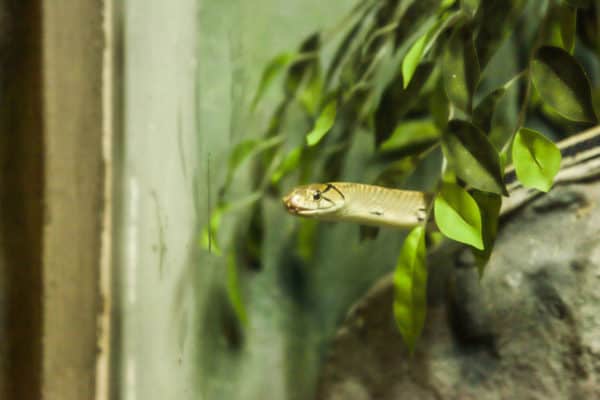
Unlike many warm-blooded animals, snakes don’t actually hibernate in the winter. Instead, snakes go into a state known as brumation where snakes become less active and their metabolism slows down tremendously. Brumation is similar to hibernation in that snakes will sleep for long periods of time. They will, however, wake up to forage for food and water and if a sudden warm snap occurs and temperatures rise for a few days at a time. When the weather cools back down, they will go back into their brumation state once again. Brumation can begin anytime from September to December and last until March or April.
Because snakes are cold-blooded, they can’t regulate their body temperatures like warm-blooded animals can. When cold weather hits, snakes must find shelter from the temperatures by burrowing in holes or caves, under logs or rocks, in tree stumps, or by making their way into basements, crawlspaces, garages, barns, sheds, wood piles, and even car engines. Snakes are very quiet and experts at hiding so their presence often goes unnoticed until they are disturbed.
Now that you know where snakes might be hiding this winter, the next question is how to keep snakes away? Here are some tips on how to prevent snakes from hiding out on your property.
- Landscape Management: Rodents are attracted to tall grass and overgrown landscaping. By minimizing these unkempt areas on your property, rodent populations are reduced which, in turn, helps keep snakes who feed on these rodents away. Keep grass mowed and landscaping well maintained. Cut shrubbery regularly and trimmed away from your home and other buildings.
- Storage: Snakes will look for any area of cover that will protect them from the elements without being disturbed. They will often seek shelter in wood piles or other piles of debris on your property. Make sure that these stacks are kept at least 12″ off the ground and, if possible, stored in sealed containers.
- Wildlife Exclusion: Snakes can’t chew to create openings into your home so they take advantage of any openings that are already present, such as gaps near pipes, damaged window and door screens, open windows and doors, damaged soffits, crawlspaces that aren’t enclosed, and through cracks in the exterior of buildings. Carefully examine all of your property and seal any potential openings that snakes may utilize.
- Food Sources: Snakes are known to feed on rodents, lizards, and frogs. Eliminate these pests and you will help eliminate snakes. Get rid of any areas of standing water on your property. Keep landscaping well maintained to deter rodents. Inside your home, make sure to keep areas clean especially kitchens and pantries where spilled food and crumbs are readily available for rodents to feed on.
- Professional Service: Depending on the species, snake removal can be dangerous to undertake on your own. It is usually in your best interest to contact a professional wildlife control company when dealing with a snake issue. Establishing a regularly scheduled service plan can help identify pest risks before they become an issue. These professionals can also identify any areas where wildlife exclusion services may be beneficial and establish a comprehensive pest control program.
You May Also Be Interested In:
Mosquitoes Active Through Fall
How Can Your Business Benefit From Commercial Pest Control?
for Your New Home
5 Ways to Avoid Bed Bugs For The Holidays
How Do I Find Out If I Have Termites?
Dec 19, 2018 | Pest Control
The holiday season is upon us with decorations, food, and traveling to see family and friends. While most of us are focused on our holiday preparations, we often lose focus on another important aspect of this time of year – pest prevention. Just because it’s cold outside doesn’t mean pests aren’t a problem. The holidays provide many opportunities for spiders, ticks, ants, mice, bed bugs, and other pests to make their way indoors and take over your home.
One of the most common ways pests can get into your home during the holidays is on live Christmas trees, wreaths, and firewood. Ants, spiders, ticks, and other pests can hide deep in the branches of trees and in the crevices of wood. They can even lay their eggs in trees or garland which can hatch once you put them out in your home, potentially causing a major infestation.
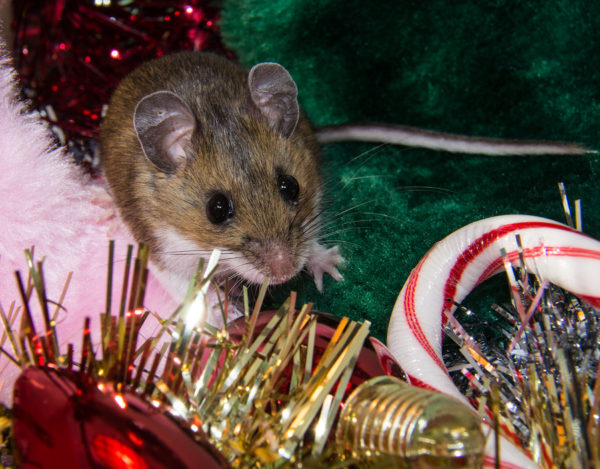
Pests can also access your home in those boxes of decorations you drag out from the attic, basement, garage, or crawlspace. Mice and other pests love to get into those cardboard boxes during the off season. You may be in for a surprise when you open your decorations by finding a live pest, droppings, or even damage to your lights and ornaments. It is especially important to check the wiring of your lights to make sure pests haven’t chewed through them.
The holidays are also one of the busiest travel times of the year. Most of us will either travel to visit loved ones or have loved ones travel to visit us. While we’re usually excited to see everyone, we’re not so excited to deal with bed bugs which often hitch rides on the luggage of these travelers. We often see a spike in bed bug cases during the holiday season.
So what can you do to pest proof your home and make sure you don’t get any unwanted guests for the holidays?
- Carefully inspect all items before bringing them into your home including trees wreaths, garland, and other decorations. Make sure to check for insects, eggs, and nests and shake them to rouse any pests that might be hidden deep within.
- Unpack your decorations outside instead of in your living room. Inspect them thoroughly for any signs of pests, droppings, gnaw marks, or any other damage before bringing them inside.
- Store your holiday decorations in plastic containers with lids that seal tightly instead of cardboard containers or bags.
- Don’t put discarded trees or cut firewood near your home. Firewood should be stored at least 20 feet away from your home and elevate it if possible.
- Thoroughly check your luggage before you enter the place you are staying and ask your guests to do the same before they enter your home.
- Put your clothing in the dryer, if possible, for at least 20 minutes.
- Keep your bags closed when not in use and store them off the floor.
- If you suspect you have a pest problem this holiday season, contact a pest control professional who can provide you with an evaluation and treatment plan.
Dec 18, 2018 | Pest Control
It’s the middle of December and you are cuddled up with your favorite book and a warm blanket. Unfortunately, this peaceful moment is interrupted by a buzzing sound followed by the sighting of a wasp! And while you might be thinking “This is odd! It’s winter!”, this occurrence is quite common.
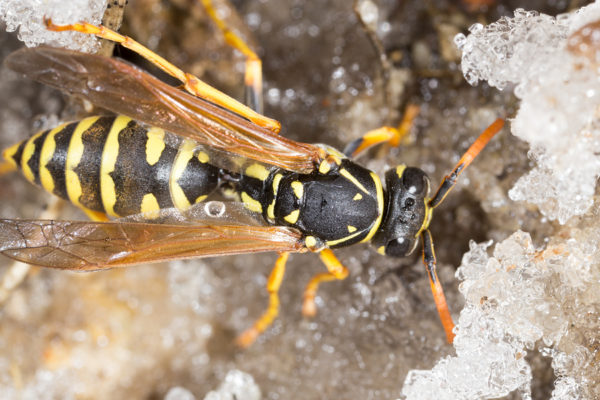
As fall starts, paper wasps will start to die off. However, there are select females who will search for a safe place to overwinter. These safe places can be inside chimneys, behind the siding of your home, and around windows and door frames.
Since winter weather in the south is very unpredictable, bouncing from 20 degrees one week to 72 the next, that random warm weather can trigger the wasps to become active and search for exits to begin making nests; thus the cause of wasp sightings in the month of December. How can you prevent these wasps from overwintering?
Steps to Prevent Wasps Overwintering:
- Look to fill cracks and holes found around the foundation of your home.
- Invest in updating weather-stripping around windows and door frames.
- Inspect around the outside of your home: roof eaves, porch ceilings, and attic rafters
If you spot a wasp in your home, don’t hit the panic button. In the winter months, wasps tend to move slower than normal and your licensed pest control professional can remove the nests with ease.
Dec 13, 2018 | Pest Control
While most of us look forward to the holidays that come with the onset of winter, many of us don’t look forward to the snow, ice, and freezing temperatures that also come along with it. Pests feel the same way we do about cold weather and have developed several different methods to survive these frigid temperatures. So where do pests go in the winter? As much as we’d like to believe they just disappear until spring, unfortunately this isn’t the case. Pests have developed 3 major ways to survive winter:
MIGRATION
Migration is the seasonal movement from one region to another. Just like humans, pests want to go where it’s warmer when the weather gets cold. Some pests will move to southern regions to escape the cold and return to the northern areas when the weather starts to warm. One of the most well known examples of migration is the monarch butterfly.
HIBERNATION
Hibernation is a period of time spent in a dormant state in order to survive the unfavorable conditions of winter. Bears aren’t the only animals that hibernate during the winter! Ladybugs hibernate at high elevations. Wasps seek shelter in eaves and attics of houses or barns to hibernate. Many other pests hibernate in trees, leaf debris, under logs, and under rocks. Honeybees stay in hives during the winter and form clusters when the temperatures start to fall.
OVERWINTERING
Overwintering is the process in which pests pass through or wait out the winter season in sites that provide protection from the cold winter temperatures. Ladybugs, box elders, and stinkbugs overwinter in secluded, sheltered places like your home. These pests tend to congregate in large numbers so if they overwinter in your home they could infest in large numbers. Pests like rodents, cockroaches, spiders and flies remain active during the winter in our homes. They move indoors in search of warmth and food. Spiders are relatively harmless but flies can contaminate food and surfaces. Rodents can not only contaminate your food and insulation but can also chew through wood causing structural damage and chew through wires putting your home at risk of fire and other issues.
Now that you know where pests go in the winter you can help get your home ready to prevent these overwintering pests from invading your space. If you suspect you have a winter pest problem contact a professional who can help identify the pests and help you develop a treatment and prevention plan.
Dec 7, 2018 | Pest Control
No matter what season it is, pests will always be in search of 2 things: shelter and food. One place that provides both of these is your home! Pests are influenced by the seasons so their threats change as the weather changes. Different seasons bring different pests in varying stages of their life cycles. It is important to know seasonal pest patterns for your area to make the proper preparations for your home. What can you expect as each season changes throughout the year?
WINTER
Winter is a time of hibernation and survival for pests. Colder weather triggers a need for most pests to find shelter; some seek shelter outdoors while others will seek shelter indoors. Bees, wasps, and other stinging insects will seek out places in logs or in the eaves of your home. Ants will seek shelter in their nesting sites. Overwintering pests like cockroaches, spiders, and rodents will seek shelter indoors, sometimes in our homes. The key to prevention of winter pests is to prepare your home in the fall.
SPRING
Spring is a time of awakening and mating for most pests. As the weather warms, pests will emerge from their winter shelters and increase their activity. Pests that hibernate over winter will awaken from their dormant states. The spring rains will drive ants from their nesting sites in search of higher ground. Spring also marks the beginning of swarming season for termites. Most pests will move outdoors in the spring in search of mates.
SUMMER
Summer brings the height of backyard pests that put a damper on our outdoor fun. While we tend to see fewer pests inside our homes, we do tend to see larger numbers of pests in our yards and other outdoor areas. Mosquitoes are especially active in the summer months because of the moisture from spring and summer rains. Bees, wasps, and other stinging insects are also more active in the summer; their nests can often be found on our near our homes.
FALL
Fall is a time of preparation for most pests as they get ready for the harsh winter months. Common fall pests include ladybugs, box elders, and spiders. These pests will often invade your home at this time of the year in search of shelter for the coming months. Fall is a good time to prepare your home for those overwintering pests seeking shelter from the winter weather also, like cockroaches and rodents.
No matter the season, there are steps you can take to protect your home from pests year-round:
- Keep your grass mowed and shrubbery trimmed away from the sides of your home.
- Keep your yard clear of debris and standing water.
- Store firewood away from the home and elevated off the ground.
- Inspect the outside of your home for cracks and holes that pests can use as entry points and seal them.
- Use weatherstripping around doors and windows and make sure screens are in good repair.
- Cap your chimney.
- Make sure gutters are clear of debris or install gutter guards.
- Consider enclosing your crawlspace.
- Keep food and pet food stored in airtight containers.
- Don’t leave pet food and water bowls out overnight.
- Clean up crumbs and spills immediately.
- Vacuum often.
- Repair any leaky faucets.
If these steps aren’t enough or if you already have a pest problem, call a pest control professional who can come and give your home a thorough inspection and help you with a treatment and prevention plan.