Mar 15, 2023 | Florida Pest Control
South Florida Pest Control: Fall Pests
After the humid temperatures of summer, most of us are looking forward to a cooler climate as fall approaches. As we say goodbye to our summer pests, fall pests are quickly emerging. Often searching for a warm place to inhabit and an accessible food source, fall pests will invade your home if proper preventive measures are not in place. Check out our list of fall pests you should look out for, and some do-it-yourself prevention tips to avoid them.
Rodents
There are several species of rodents looking to your home for shelter, including the house mouse, Norway rats, and roof rats. While these creatures have different characteristics, they each need a warm place to nest and a food source to survive. These creatures are often found in our attics, basements, crawl spaces, and kitchens. Preventing these creatures from entering homes starts with rodent prevention measures placed inside and outside the home.
Inspect your roof for any damage, including broken tiles or gaps under eaves, which can be an entry point for mice and roof rats to your attic. Likewise, utility pipes can have gaps; consider sealing around them with steel wool, caulk, or concrete. Rats like to inhabit where there’s clutter; make sure the less used areas and rooms in your home are clean and utilize plastic storage boxes with tight lids.
Ants
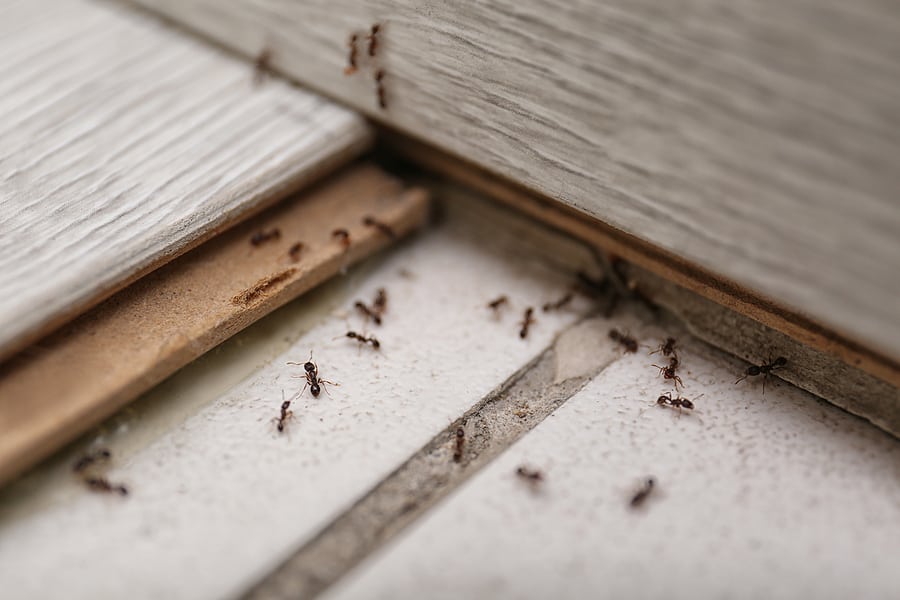
Sneaky, small, and often undetected, ants can become a major nuisance if they infest. These pests are attracted to warmth, food sources, and moisture. Commonly infested areas include bathrooms, kitchens, and our food pantries.
The first step in preventing ants from invading is sealing small gaps and holes around your home. These pests can fit into holes smaller than a dime, making it important to check throughout the home’s interior and exterior. Inspect windows, doors, and utility pipes that potentially have these openings. Clean up any leftover food, crumbs on the floor, and spills.
Cockroaches
Known for being a year-round pest, seeing these pests inside your home is always alarming! While these creatures are looking for a food source and water, they can bring diseases into your home and trigger allergies and asthma attacks. Homeowners will usually find roaches in our bathrooms and kitchens.
The best way to avoid cockroaches is to identify how they got inside in the first place. Inspect areas where you’ve noticed they have infested before. Seal any noticeable cracks and crevices that lead from outside to inside your home. Roaches will utilize clutter and hide in it during the day, making it essential to clean out piles of old newspapers or magazines, cardboard boxes, paper bags, or other clutter in your home.
Dealing with a pest infestation is never ideal, especially during the busy months of the year. Consider contacting your local South Florida pest control company for an evaluation and treatment plan.

Mar 14, 2023 | Bed Bug
Augusta Bed Bug Control: Prevention Tips
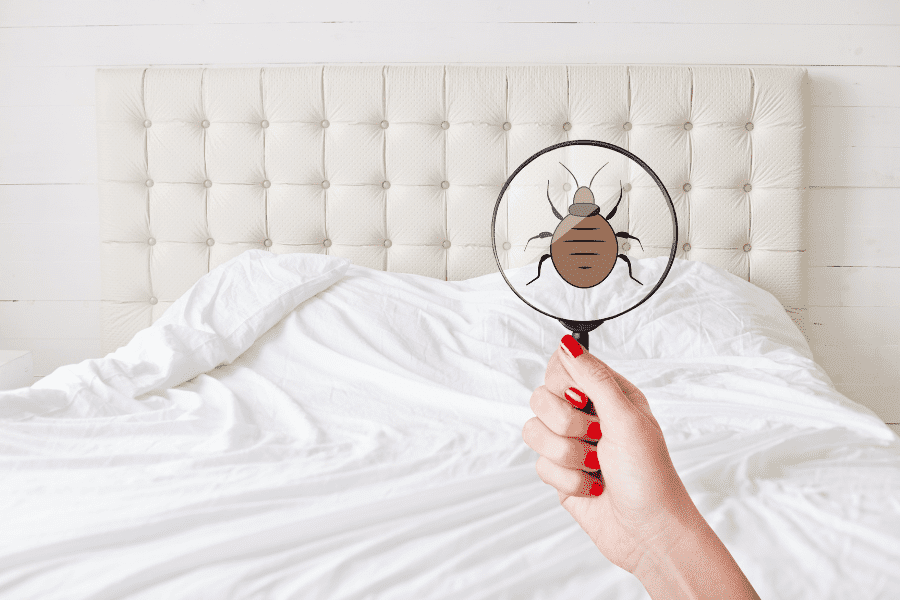
Bed bugs are one of the few pests that you hope you never find in your home. These fearsome insects bring itchy bites, crawling hordes, and ruined furniture. Bed bugs are one of the most difficult pests to get rid of. Identifying them and acting quickly is the first step in your plan of action. Here’s what to do if you find yourself in a bed bug situation.
Identify the Problem
After proper identification, determining where the bed bugs came from is the next step. If you live in an apartment building, be sure to notify your landlord immediately, as they might hold the responsibility of providing bed bug control treatments. If you live in a single-family home, then begin by inspecting all areas of your home to understand the full extent of the bed bug infestation.
Keep the Infestation from Spreading
Once you discover the extent of the infestation, now is the time to keep it from spreading. Here are some helpful bed bug prevention tips:
- Purchase protective plastic covers for your mattress and box spring. This will trap the bugs inside and they will eventually die.
- Discard infested furniture responsibly. If infested with bed bugs, be sure to destroy the furniture so no one else will grab it.
- Seal any other furniture items in plastic to ensure bed bugs are trapped.
Call Your Local Pest Control Company
Tackling bed bugs is a difficult task, especially alone. If you’ve done the above, but are still experiencing an infestation, then reach out to your local pest control company. They will have licensed professionals who can determine the best plan of action to rid your home of bed bugs.
Mar 14, 2023 | Mosquito
Peak mosquito season for Alabama is just around the corner, making now the perfect time to get prepared! Besides being a nuisance, mosquitoes can transmit serious diseases to both humans and pets. Check out our top do-it-yourself mosquito prevention tips you can place now before mosquito season gets out of hand.
Remove Standing Water
Eliminating breeding sites or source reduction can help keep pesky mosquitoes from your yard. Inspect your yard and look for any low-lying areas that are prone to flooding or pooling water, fill them in with dirt, or place mulch in them. Likewise, look around for any items containing water after it’s rained, including plastic sheeting, old tires, trashcan lids, kiddie pools, birdbaths, and more. These all serve as an ideal mosquito breeding grounds. Likewise, make sure to fix any leaking spigots leading to puddles around the perimeter of your home.
Clean Your Gutters
Mosquitoes don’t need a large amount of water to breed. These pests can lay their eggs in just a small amount, such as a bottle cap of water. When your gutters become cluttered with fallen leaves, pine straw, and other debris, they can create the perfect place for a mosquito breeding ground. Make sure to clear your gutters so that water can easily flow, and you can reduce the places mosquitoes will lay their eggs.
Keep a Well-Kept Yard
Mosquitoes tend to hide in tall grass, shrubbery, and damp woodpiles. It’s important to keep your grass mowed short and cut back your shrubs on a regular basis. Likewise, remove piles of leaves and debris from your yard, as these can give a mosquito a place to hide and breed. If you’re storing wood piles, cover them and place them in containers with lids at least 20 feet from your home.
Use Mosquito-Repelling Plants
There are certain flowers and plants that make great natural mosquito repellents. Certain oils from these plants can help repel mosquitoes and be a great addition to your garden! Consider planting citronella, lavender, marigolds, rosemary, thyme, and basil in your yard to help repel mosquitoes away.
Consider Professional Mosquito Services
Fighting mosquitoes can seem like a never-ending battle, even after you’ve placed preventative measures around your home. Sometimes, it’s best to leave it up to the professionals when dealing with mosquitoes. Consider reaching out to your local pest control company for more information on professional mosquito elimination services. These services will typically offer you traditional and green mosquito control options that target adult and larvae mosquitoes, provide source reduction, and recommend elimination techniques.
Mar 13, 2023 | Pest Control
Tennessee Pest Control: Spring Pests
Spring season brings fresh air, warmer weather, and pests! Because of spring’s climate, household pests, including ants, roaches, mosquitoes, termites, rodents, and other pests start emerging from hibernation, looking for a food source and a place to nest. Before these pests emerge in droves, now is the perfect time to prevent them. Check out our tips on keeping unwanted spring pests away from your Tennessee home!
Seal All Entry Points
The smallest crack, crevice, or hole can let pests inside your home. Check around the exterior of your home, including your foundation, pipes, windows, doors, and HVAC units for these areas. Cockroaches, rodents, wasps, ants, and more will gain access and cause several problems in your home. If you notice any openings, seal them tightly with caulk. For doors, consider utilizing a sweep to seal the gap between the floor and the door. Utilize screens on doors and windows and make sure they’re always in good repair.
Eliminate Stagnant Water
The combination of warmer weather and standing water will attract pests like mosquitoes and roaches to your property. Standing water is a major pest attractant and allows them to multiply and thrive, making it essential to remove it. Check your exterior and interior for leaks. Even dripping faucets and loose fixtures can attract pests. Check your yard for any items that could collect water and remove them, including flowerpots, old tires, tarps, toys, etc. Also, consider enclosing your crawlspace to help reduce moisture and control temperatures inside your home.
Store Your Woodpiles
Many pests will utilize our firewood to hitchhike their way inside our homes. Place and store your woodpiles at least 20 feet away from your home. For extra protection, consider placing them in plastic containers with lids and elevate them off the ground to prevent termites and roaches from living in them. Before you bring it indoors, inspect it for pests and brush them off.
Clear Clutter
Starting early on your spring cleaning could pay off in keeping pests away! Consider starting at the lowest level of your home and working your way up to declutter. Clean the floors, dust, sweep, mop, vacuum, and remove unnecessary items from your closets and drawers. Get rid of old newspapers and cardboard boxes in storage, as these can attract rodents looking for a place to nest. In your yard, remove old tree stumps, twigs, and other debris. Likewise, rake up all the leaves and continue mowing on a regular basis.
Clean Up & Properly Store Food
Mice and rats are looking for food to survive, invading our kitchens to find it. It’s important to clean your kitchen and safely store leftover food. After each meal, wipe down your counters and clean up any leftover crumbs or spills. On a regular basis, sweep and mop your kitchen floors, and don’t forget to clean under your appliances too. Take your garbage out regularly, using trashcans with lids. When storing food, make sure you utilize airtight containers.
While utilizing these pest prevention tips will always help keep bugs from invading your home, sometimes it’s best to call a professional for extra protection. Your local pest control company can assess your home, identify any sources of pest problems, and provide you with a pest control and prevention plan.
Mar 10, 2023 | Termite Control
Spring brings warm weather and the need for spring cleaning. When making your spring to-do list, make sure to include pest control with it. The warm weather brings pests out in droves, whether emerging from their overwintering spots or searching for a mate to reproduce with. One of the most common spring pests are termites. Spring marks the beginning of termite swarming season, when termites leave their colonies in search of a mate to form a new colony with. Don’t forget to make termite treatment a priority on your spring checklist!
Termites can go undetected for long periods of time, causing significant damage to your home. Once you identify the signs of termites, the next step is to determine the best termite treatment for your situation. Here are some of the most common termite treatment options:
Pretreatments
Pretreatments are termite treatments carried out during the construction phase of new construction. It is also preferable to use pretreatments when building additions to an existing home. When used before the physical infrastructure of a home or addition is laid, pretreatments are more effective and cost-effective. Pretreatments typically consist of a combination of liquid termiticide (often containing borates), termite bait, lumber treatment, and in-soil barriers.
Barrier Treatments
Barrier treatments create a physical barrier between termites and your home. A trench is dug around your home’s perimeter, and the soil that is removed is heavily treated with a termiticide. The treated soil is then refilled into the trench. In some cases, a physical wall made of rock, sand, mesh, and plastic is built inside the trench’s outer wall. This adds another layer of defense between your home and termites.
Liquid Treatments
The most common termite treatments are liquid treatments. These treatments are effective for termite infestations in your home’s interior. Holes are strategically drilled in both the foundation and the wood in these treatments. The termites are then forced to emerge after termiticide is injected into the holes. Termites are then exterminated using termiticide spot treatments.
Bait Treatments
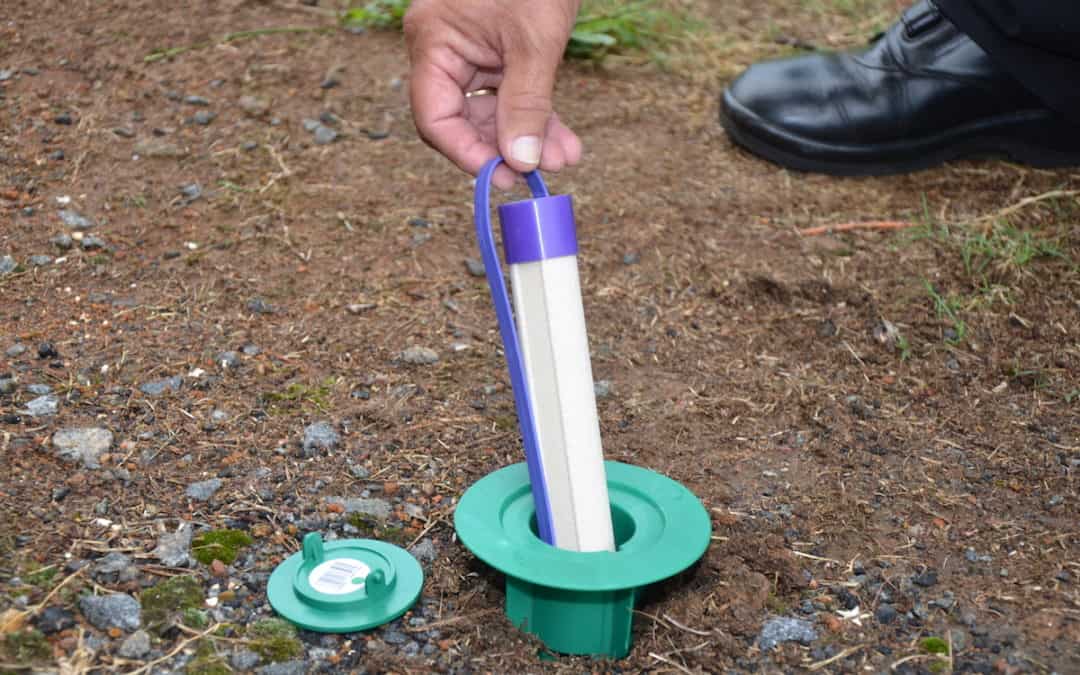
Bait stations containing termiticide-laced wood, paper, or cellulose are placed in the ground around your home. Termites are drawn to the bait and consume it. The termiticide is slow acting, allowing termites to return to the colony and spread the bait to others, effectively killing the colony. Bait stations can be used in places where surface treatments cannot be used, such as near foundation drains and areas covered by slabs or flooring. Bait stations are a long-term and effective treatment solution.
While it can be tempting to attempt termite control yourself, it is usually best left to the professionals. If you have a termite infestation, contact your local pest control company for a termite inspection to determine the best treatment options for your home.
You May Also Be Interested In:
How to Manage Your Lawn & Prevent Lawn Diseases
How to Attract Honeybees & Other Pollinators to Your Yard
How To Identify Ticks & Fleas
Spider Control for Spring
3 Types of Cockroaches & How to Prevent Them