Apr 30, 2020 | Pest Control
When cockroaches are spotted in your home several questions may run through your mind. The first one is most likely “Oh no,what do I do?” followed closely by “How do I get rid of them?” Once you get over the shock of having one scurry across your floor or countertop, several more questions may come to mind.
What attracts cockroaches? Cockroaches aren’t just attracted to dirty or cluttered houses. Roaches will come indoors in search of 4 things – food, water, heat, and shelter. While dirty or cluttered houses can provide an ample supply of food and shelter, clean houses can provide many of these necessities for roaches, as well. Appliances offer a source of heat so roaches are often found under or behind them. Leaky faucets or pipes can provide a water supply no matter how clean your home is.
Are cockroaches dangerous? The answer to this is a resounding yes. Cockroaches are known to carry bacteria that can cause illnesses in humans, such as salmonella, when it is deposited on your food or food prep surfaces. Roach excrement, shed body parts, eggs, and even saliva have been proven to trigger allergic reactions and asthma in affected people.
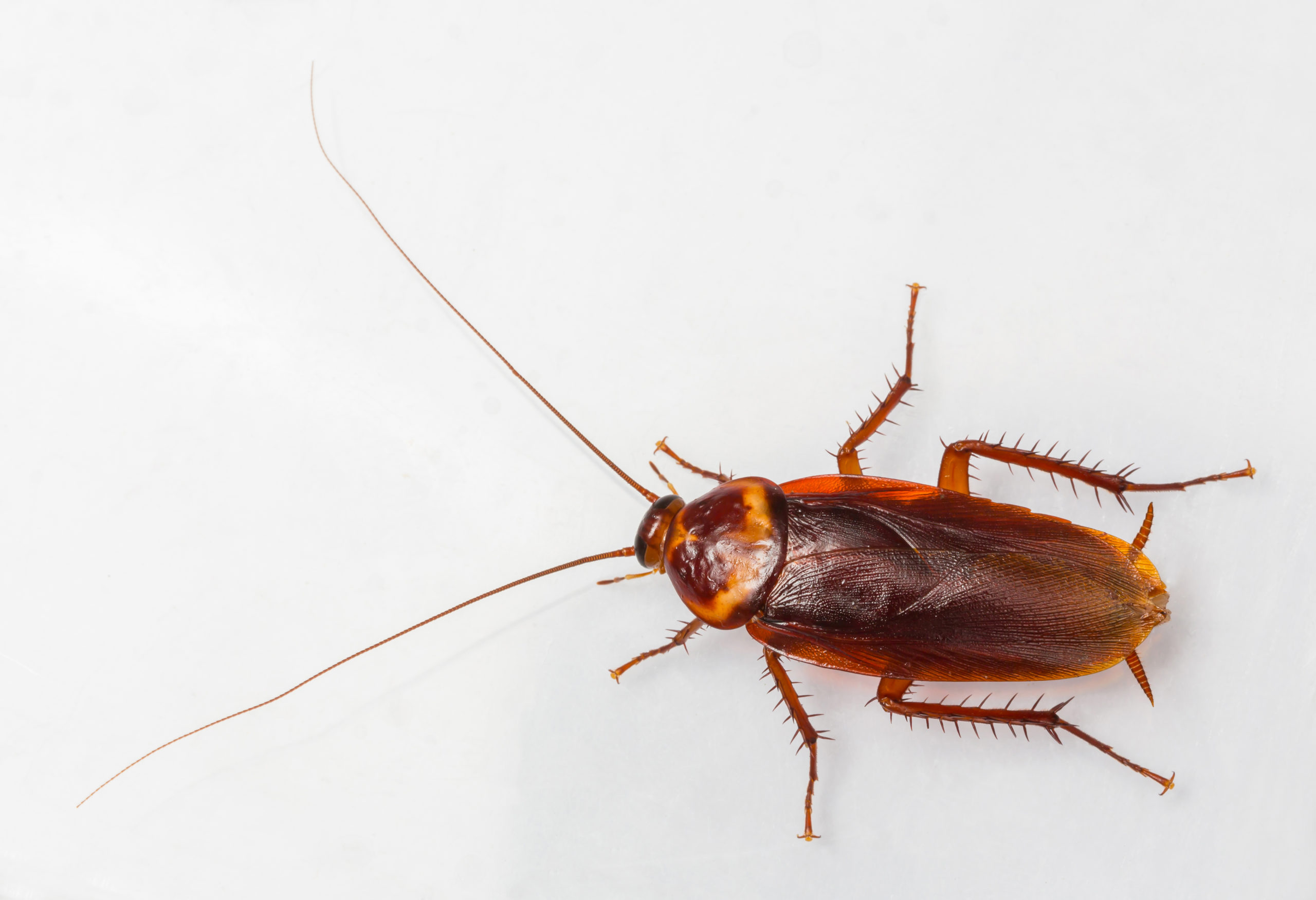
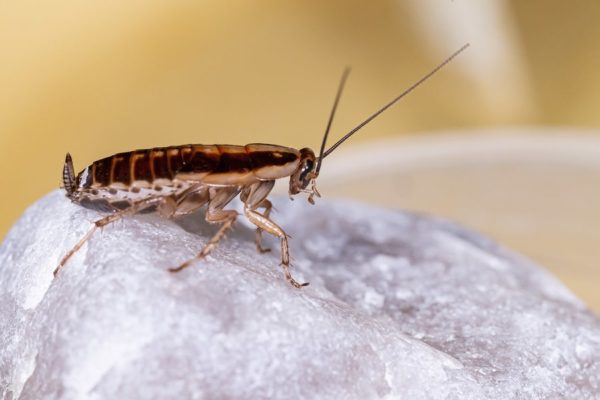
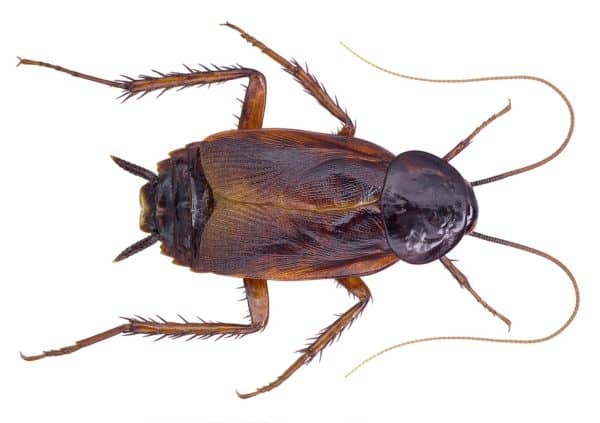
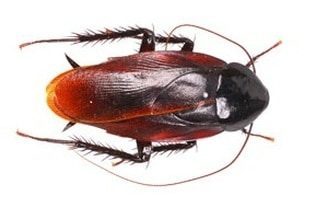
What do cockroaches look like? You may wonder why this is important. After all, a cockroach is a cockroach, right? Different species of cockroaches have different habits and require different treatments to completely eliminate a roach infestation from your home. While there are many different species of cockroaches worldwide, there are a few that are common to Georgia. Here’s how to identify each of them to help ensure you get the proper treatment.
American Cockroach

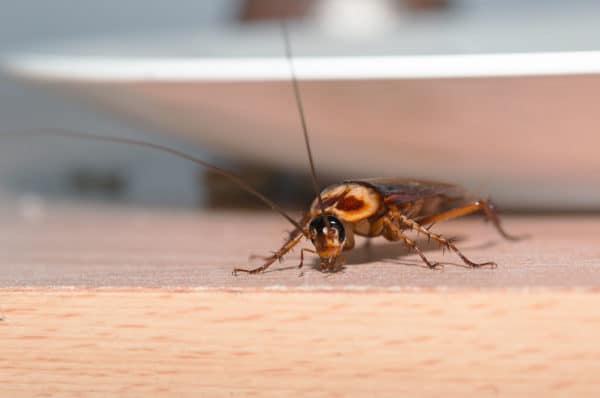
The American cockroach is the largest and most common cockroach found in homes in Georgia. These roaches are a chestnut to light brown color with light yellow bands around the shield behind their heads. They are large with adults approximately 2 inches in length. Male and female American cockroaches have wings and they are capable of flying short distances. This species can live up to 2 years. They are active at night and are often found around water sources like pipes, sewers, and basements. They are also commonly found in kitchens and bathrooms. They often cohabitate with smokybrown and Oriental cockroaches.
German Cockroach
The German cockroach is another easily recognizable cockroach in Georgia. These roaches are tan with dark brown parallel stripes on the back of their upper thorax. They are smaller than their American counterparts with adults measuring about 1/2″ to 5/8″. German roaches can live up to 12 months. This species is also active at night and are often found in kitchens near food and heat supplies from appliances. They also produce more eggs than any other species.
Oriental Cockroach
The Oriental cockroach is another common species in Georgia. They are glossy with cherry to black coloring. They are large with adults measuring 1 to 1.25 inches in length. Males have short wings but females are wingless. These roaches can live up to 6 months. Although they often cohabitate with American cockroaches, they are not usually found indoors. Instead they are found outdoors where they feed primarily on decaying matter. They are active at night and have habits similar to their smokybrown cousins.
Asian Cockroach
The Asian cockroach is tan with double parallel strips on their backs. They are often mistaken for German cockroaches. They are a smaller species with adults measuring 1/2″ to 5/8″. These roaches are also found outdoors usually under mulch, leaf litter, or high grass. They usually only come indoors when their outdoor habitat is disturbed. These roaches can fly and are attracted to light.
Smokybrown Cockroach
The smokybrown cockroach is dark cherry or red in color. They are large with adults around 1.5 inches in length. They prefer habitats in Southern neighborhoods with mature hardwood trees because they require high humidity and protection from the wind in their shelter. They can often be found in tree holes, attics, crawlspaces, and sheds. They are active at night.
Although you can take some preventative measures to keep roaches out of your home like tidying up, keeping kitchens and bathrooms clean, fixing leaks, and sealing cracks and crevices, they are resilient pests and can often be difficult to eliminate. Contact a professional pest control company who can help properly identify the type of roach(es) you are dealing with, locate points of entry and food and water sources, and effectively and safely eliminate them from in and around your home.
You May Also Be Interested In:
Crane Flies – Are Those Giant Mosquitoes?!
Digger Bee Mounds vs Fire Ant Mounds
5 DIY Ways to Keep Birds Away
Which Season is Worst for Bed Bugs?
Venomous vs Poisonous Spiders – What’s the Difference?
Apr 20, 2020 | Mosquito, Pest Control
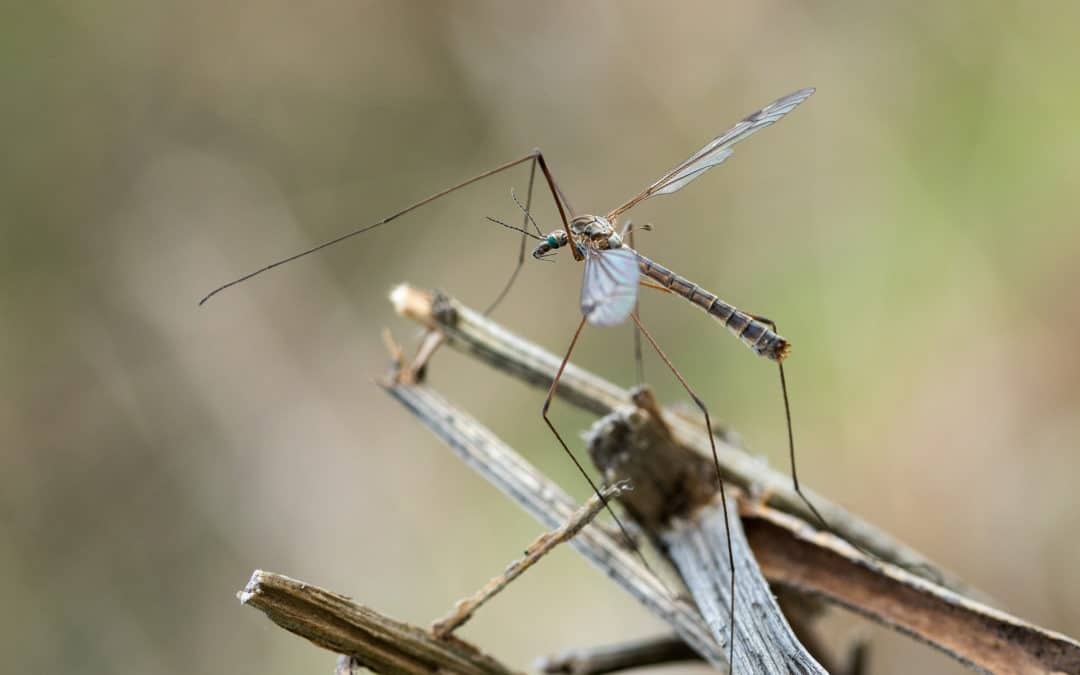
Imagine sitting outside, enjoying the weather with family, when you notice what looks to be a mosquito but it’s massive! No, this isn’t a super-sized mosquito, though it may look like one; it’s just a crane fly. Mosquitoes and crane flies can look very similar to one another, though they are very different by nature.
Crane flies can be black, red, or yellow in color depending on their species. Their wings can be transparent, brown, grayish-black or even brownish-yellow. They typically have extremely long legs and elongated faces opposed to the much smaller body of the mosquito. Active in the fall and spring, these creatures enjoy lawns near wooded areas or open fields where the females can lay eggs in the grass. They also tend to increase in numbers when there is a surge of dampness or heavy rainfall.
While mosquitoes can be considered a threat since they are known to survive off the blood of warm-blooded creatures, crane flies are deemed harmless and even gentle creatures. The only real damage that a crane fly can cause is in their larvae state after hatching when they will typically eat grass roots, leaving large brown patches on the lawn.
If you happen to see crane flies roaming around in your yard, don’t be too alarmed as they are no real threat to human health. If you are noticing more mosquitoes flying around, though, that could be a concern. It’s always best to contact a local pest control company who can help identify these pests and suggest a treatment plan if needed.
Apr 20, 2020 | Fire Ant, Pest Control
If you’ve ever noticed dirt mounds throughout your yard, you might be assuming that they are just ant mounds. But, if you look closer, certain mounds could be home to a completely difference species. Digger bee mounds could easily be confused with ant mounds, but truthfully, the two species couldn’t be more different.
Digger Bees
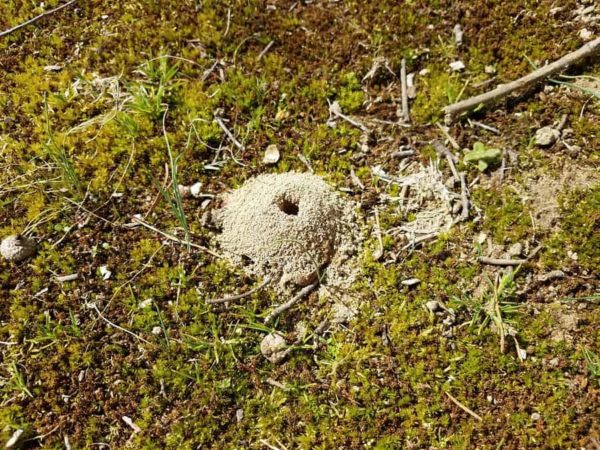
Digger bees are ¼ to ½ inch long, and depending on their species can be dark, shiny metallic, often with yellow, white, or rust-colored markings. What’s unique about digger bees from other bees is they tend to build their nest about 6 inches deep under the ground. The adult female digger bees live in these mounds underground while the male digger bees dig to the surface of the soil creating a pathway for the females to emerge during springtime.
Digger bee mounds can usually be found in areas of your yard where the grass is sparse, such as a dry or shady area. They typically build their nests close together, creating a cluster of several small mounds.
Fire Ants
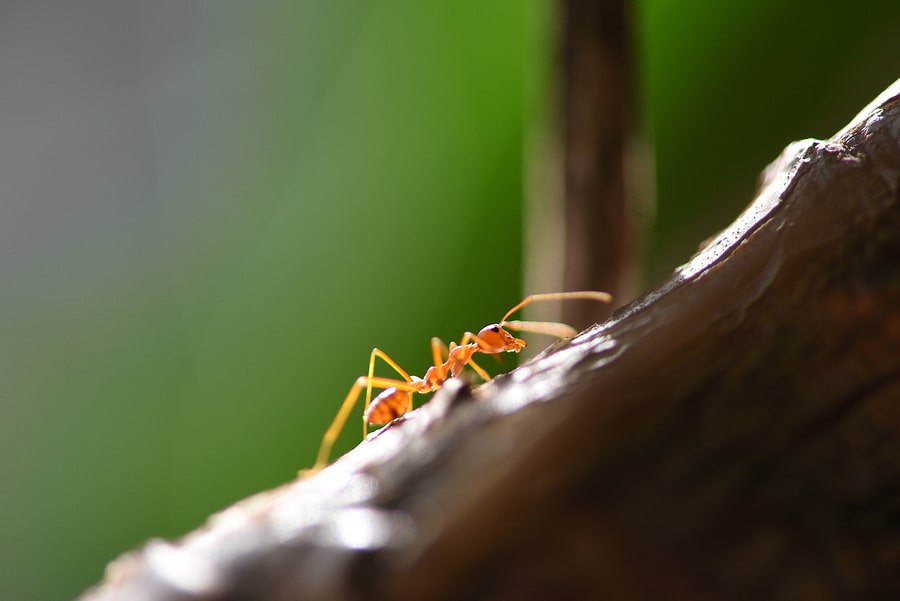
Fire ants can vary in different sizes but have a dark red body color that can range from reddish brown to reddish black, depending on their species. Fire ants do have a stinger and when used can give off a painful sting.
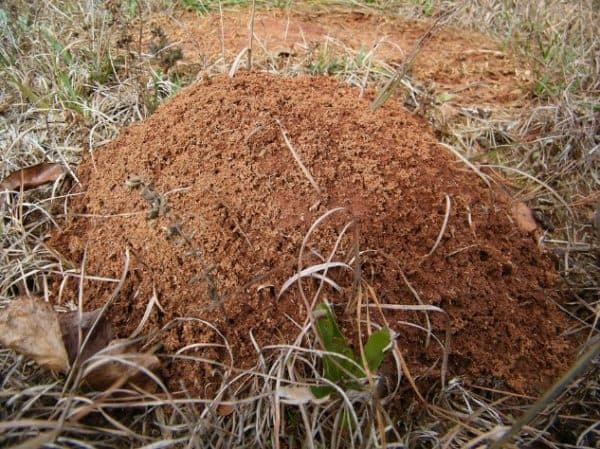
Fire ant mounds are usually raised where you can easily spot them in your yard. The mounds are also dome-shaped and can range from two- to four-square feet in size. Fire ant colonies can be found to have an average of 80,000 worker ants. They typically like to avoid darkness and shade; therefore, they will build their mounds in sunny areas of yards, rather than in shaded areas.
From above, you can see just how different these two species are and how different their habitat is. While digger bees like to build their mounds underground and in shaded areas, the fire ant can be seen building theirs visibly and in sunny areas of the yard. If you believe you have either of these pests in your yard, it’s best to contact a professional pest control company who can help identify and provide treatment plans.
Apr 9, 2020 | DIY, DIY Wildlife Prevention, Pest Control, Wildlife
As the corona virus continues to spread, people around the world are drastically changing their daily routines. Tourism has come to a grinding halt. Restaurants are closed and people are staying home. What many don’t realize is this change in our daily lives is also affecting the ecosystem within cities. As there is less urban traffic, there is less food for pests and rodents – like rats. According to experts, if rats lose these established food sources (e.g. trash in cans in the park or dumpsters outside restaurants) then they will start fighting over any food that remains, even going so far as to kill each other in order to survive.
Because rats are having to get creative in finding new food sources, there is now a trending surge of rats invading homes and essential businesses in search of their next meal. Rats will follow the smell of food into homes, being as bold as necessary to find food in their effort to survive. Rats in homes pose serious risks – they will chew through wires and cables putting you at risk for fires and they carry diseases of their own which can easily be transmitted to you and your family. While there is no evidence that rats themselves can become infected with corona virus, there is some risk for spreading it to humans. Rats are known to crawl through sewer pipes containing human feces which has been shown to contain the virus. They then make their way into your home and contaminate any surfaces they touch with the virus-laden feces, potentially allowing humans who come in contact with these contaminated surfaces to contract the virus. The CDC reports that although this scenario is possible, the risk of transmission by feces is actually quite low.
To protect your family and/or essential business, the following rat prevention tips can help to prevent a rat infestation, limit the spread of disease, and keep your environment a safe-haven, during shelter-in-place orders and in the future:
- Use outdoor trashcans with tight-fitting lids.
- Seal any cracks under doors and other openings to the outside.
- Apply weatherstripping to doors and windows.
- Seal around utility pipes with steel wool and either caulk or concrete.
- Repair any roof damage such as broken tiles or gaps under eaves.
- Keep limbs and branches trimmed back to they are not touching your home or business.
- Declutter any areas where rats may hide including garages, attics, gardens, storage sheds, warehouses, etc.
- Keep food stored in metal or glass containers with tight fitting lids.
- Clean up spills and crumbs immediately.
- Sweep, mop, and vacuum often.
- Don’t leave pet food and water out overnight.
- Clean up spilled pet food and bird seed and store in containers with tight fitting lids.
- Keep toilet lids closed as rats have been known to swim up damaged pipes and into toilets.
- Use tightly fitted metal grates or screens to cover drains, especially in basements.
If you notice a rodent problem in your home or essential business, contact a professional pest control company. Rats can cause serious health risks to your family or employees, as well as the risk for fire and other structural damage to your home and property. A licensed wildlife exclusion company will inspect your home to identify your animal problem, determine where they are getting in, remove them, and prevent the animals from getting into your home in the future. They can also inform you of any existing damage or contamination and provide you with a recommendation for repairs or clean-up.
You May Also Be Interested In:
Keeping Pantry Pests Away
5 Things That Could Be Attracting Termites to Your Home
Summer Without Bed Bug Worry
Summer Wildlife Removal: Common Home Invaders
What is the Difference Between Traditional and Green Pest Control?
Apr 7, 2020 | DIY, DIY Pest Control, Pest Control
In recent times, we are finding ourselves spending more time at home and stocking up on supplies such as food, toiletries, and more. But as you stock up on these essentials, you could be providing stored product pests or “pantry pests” with a supply of their own. Here are a few tips to keep your kitchen free of these unwelcome guests:
- Before you start adding any new grocery items, be sure to check existing open items in your pantry for signs of pantry pests to avoid spreading infestation.
- Throw out any dry goods that have been left open and have gone bad. If they’re still in good condition, try and use the oldest items first before opening up the new ones.
- Pantry pests, like Indian Meal Moths are attracted to items such as flour, oats, spices, and dry cereal. If you recently bought these items, be sure to inspect packages and confirm that they are all sealed properly. Once you open these items, look to store them in a plastic or glass container with secure lids, cutting off any access for pantry pests.
- Rodentscan cause major health issues for you and your family. They are known to spread bacteria and viruses and, if their droppings build up within your cabinets, it can cause the air you breathe to become contaminated. To avoid a rodent infestation, try and keep your cabinets, pantries, and counters clean and free of crumbs and dispose of all expired foods.
If you take these precautions, you can easily avoid pests from raiding your pantry for all your stored groceries!
Mar 30, 2020 | Fire Ant, Pest Control
With the persistent surge of rain in the recent weeks, you might start to notice some unwanted pests arriving in your yard. A particular pest to look out for during this rainy season is the Imported Red Ant. These ants can survive in harsh weather conditions, including floods. The Imported Red Fire Ant or RIFA can not only cause damage to your home but also pose health risks to your family.
These ants are known for their fierce survival methods in harsh conditions. During floods, the RIFA colony can connect to form a ball and float until they reach dry land. When doing this, the RIFAs become hungrier and more aggressive, making them more likely to attack. The RIFA is known to have a painful sting/bite that can be more aggressive than other species of ants. A person is most likely to be stung by multiple RIFAs that causes a raised welt. RIFAs venom is protein based, which can cause a strong allergic reaction.
For homeowners, it’s important to know the places to look to indicate a RIFA nest. Most RIFA nests are located outside in soil or near structural foundations and typically build a dome-shaped mound. These ants can also be found under objects such as stones of the base of a tree. One location that homeowners might not realize RIFAs can invade are HVAC units and electrical boxes. They will usually build their nest right up against them or inside the boxes.
If you end up finding these nests or RIFAs roaming in your home, contact a professional ant control company who can help set up a treatment and control plan for your home. Since RIFAs are known to have a very painful bite, it’s important to remove them as soon as possible.
Mar 27, 2020 | Pest Control
By Anna V., Editorial Lead — Pest Education · Last updated: April 2026
If you’ve spotted a small, light-brown cockroach with two distinct dark stripes across its wings (and you didn’t find it in the kitchen), you’re probably looking at a brown banded cockroach. They’re one of the trickiest cockroach species we deal with at Northwest, not because they’re harder to kill, but because they nest in places homeowners rarely check. Most homeowners spend weeks treating the kitchen for German cockroaches before realizing the brown bandeds in their bedroom or living room are a different species needing a different approach.
Here’s how to identify a brown banded cockroach, what an infestation actually looks like, and the removal and prevention plan that works in Georgia and Alabama homes.
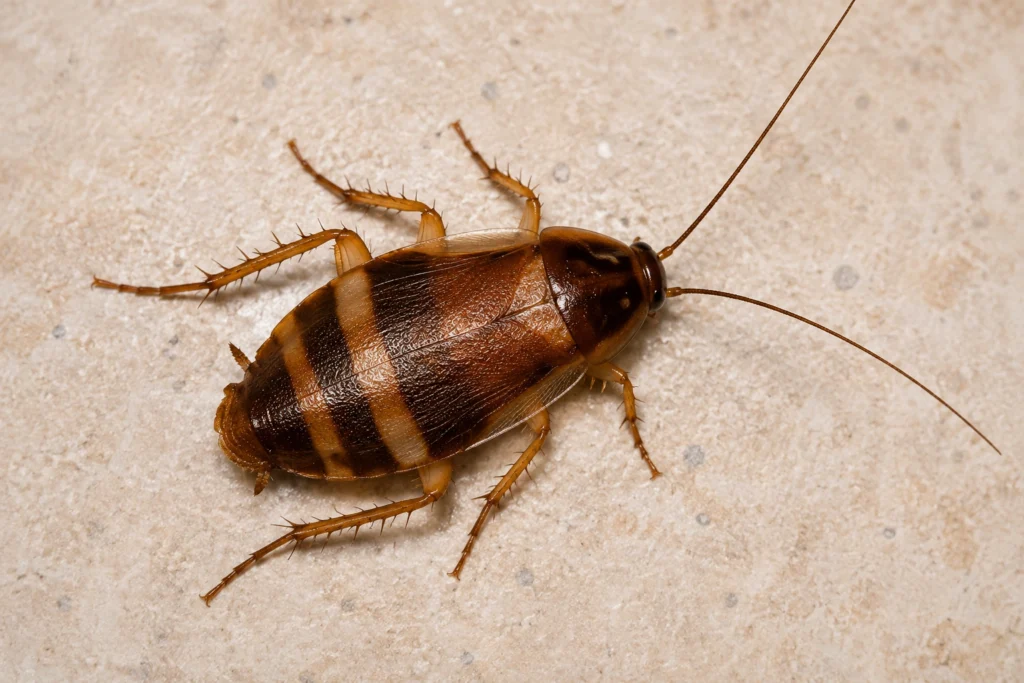
The two horizontal bands across the wings are the easiest way to ID a brown banded cockroach.
What Is a Brown Banded Cockroach?
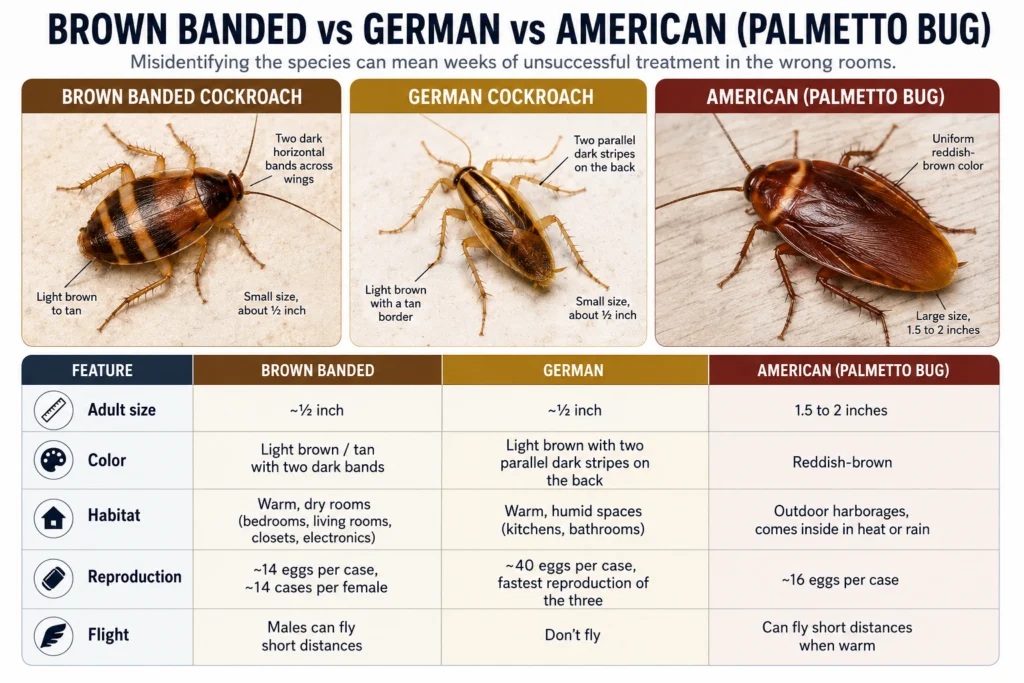
The brown banded cockroach (Supella longipalpa) is one of three cockroach species commonly found indoors in Southeast homes, alongside the German cockroach and the American cockroach (the “palmetto bug”). It’s the smallest and most distinctively marked of the three.
Appearance
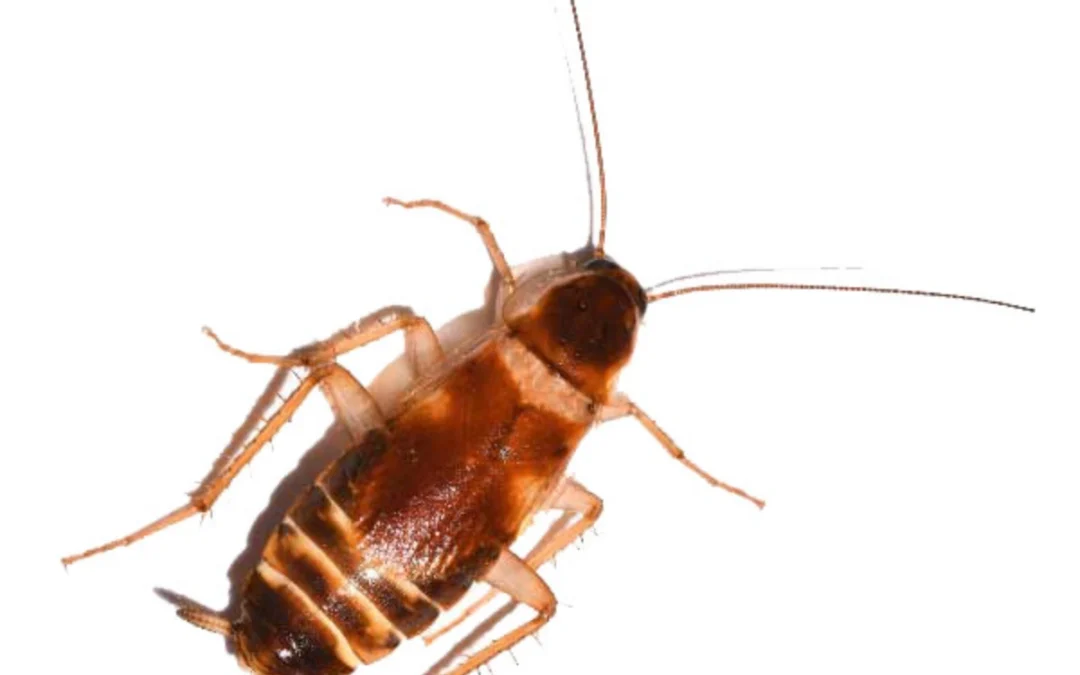
Adults are roughly half an inch long, light brown to tan, with two clear dark bands running across the back. Males have full wings that extend past their body and can fly short distances. Females have shorter wings and don’t fly. Nymphs are smaller and darker than adults but still show the banding pattern faintly.
If you flip a brown banded cockroach over and look at the underside, the bands are visible there too, which is useful for confirming the species when the wing markings are hard to see.
Behavior — and Why They’re Different from German Roaches
This is the part that surprises homeowners. Brown banded cockroaches don’t behave like German cockroaches. The biggest differences:
- They prefer warm, dry areas. German roaches need humidity and stay near water sources (kitchens, bathrooms). Brown bandeds avoid moisture and prefer rooms that stay 80°F or warmer.
- They nest away from food. Inside televisions, behind picture frames, in furniture upholstery, in light fixtures, in closets, and behind wall clocks. Anywhere warm and undisturbed.
- They spread vertically through a home. Brown bandeds tend to nest higher in rooms (upper cabinets, ceiling-mounted fixtures, the top shelf of a closet) more often than other species.
- They’re often found in bedrooms and living rooms, not just kitchens.
This is why brown banded infestations get missed. Homeowners search the kitchen, find nothing, and conclude they don’t have a roach problem, while a population is quietly growing inside a TV cabinet two rooms away.
Brown Banded Cockroach vs. Other Species
| Feature |
Brown Banded |
German |
American (Palmetto Bug) |
| Adult size |
~½ inch |
~½ inch |
1.5 to 2 inches |
| Color |
Light brown / tan with two dark bands |
Light brown with two parallel dark stripes on the back |
Reddish-brown |
| Habitat |
Warm, dry rooms (bedrooms, living rooms, closets, electronics) |
Warm, humid spaces (kitchens, bathrooms) |
Outdoor harborages, comes inside in heat or rain |
| Reproduction |
~14 eggs per case, ~14 cases per female |
~40 eggs per case, fastest reproduction of the three |
~16 eggs per case |
| Flight |
Males can fly short distances |
Don’t fly |
Can fly short distances when warm |
If you’re not sure which species you’re seeing, the UGA Extension Bulletin B 1412 has detailed identification guidance for all the household cockroaches commonly found in Southeastern neighborhoods. For the broader signs of an active infestation regardless of species, see our guide on whether one cockroach means a roach infestation.
Signs of a Brown Banded Cockroach Infestation
Because brown bandeds nest away from kitchens, the signs show up in unexpected places. What to look for:
Droppings in High Spots
Tiny dark specks (similar to coffee grounds or black pepper) accumulating on the tops of bookshelves, inside light fixtures, behind picture frames, or on the upper shelf of a closet. Brown banded droppings often appear higher in a room than other species’ droppings.
Egg Cases (Oothecae)
Small, brown, pill-shaped capsules. Females often glue them to undersides of furniture, the back of a TV, the inside of an appliance housing, or into the seams of upholstered furniture. Each case holds about 14 eggs and hatches in roughly 50 to 75 days.
Damage to Paper, Cardboard, and Glue
Brown bandeds gnaw on paper, cardboard, postage stamp glue, and book bindings. Damaged storage boxes in a closet or chewed paper in a desk drawer can be a sign, especially if there’s no obvious moisture issue (which would suggest German roaches instead).
Live Sightings in Unusual Rooms
If you’re seeing cockroaches in bedrooms, living rooms, or home offices rather than the kitchen, the species is almost certainly brown banded. They prefer the same temperature range humans do, which is why they end up in living spaces.
(Found droppings or egg cases somewhere unusual? Request a free Northwest inspection and we’ll identify the species and locate the nesting site.)
How to Get Rid of Brown Banded Cockroaches
Because brown bandeds nest in dry, dispersed locations rather than concentrated kitchen harborages, the treatment approach is different from a typical German cockroach plan.
Step 1: Find the Nesting Sites
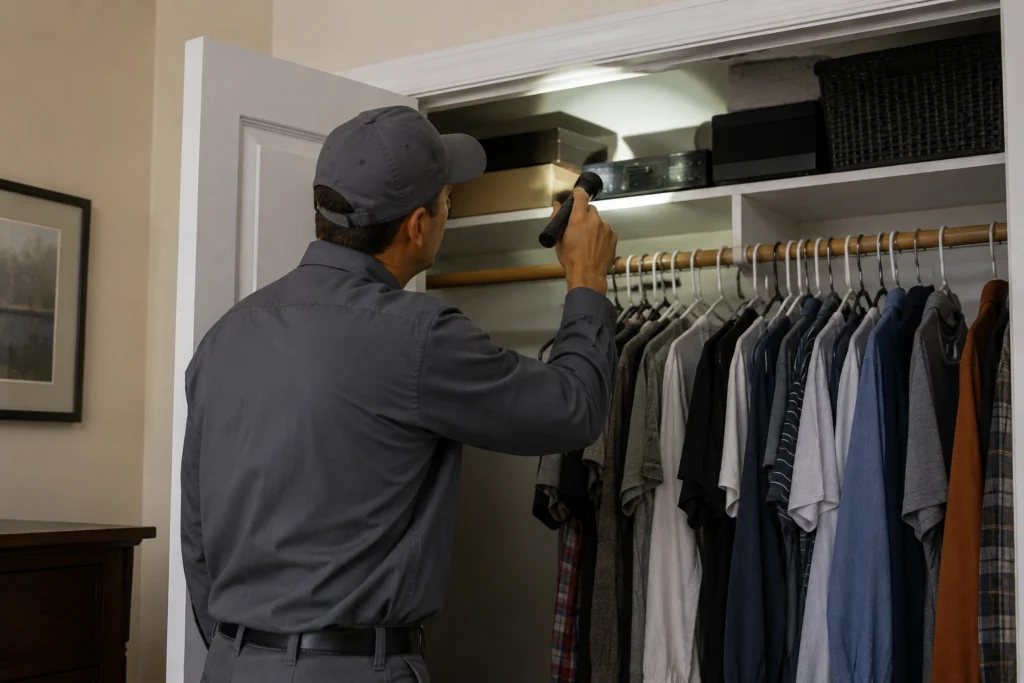
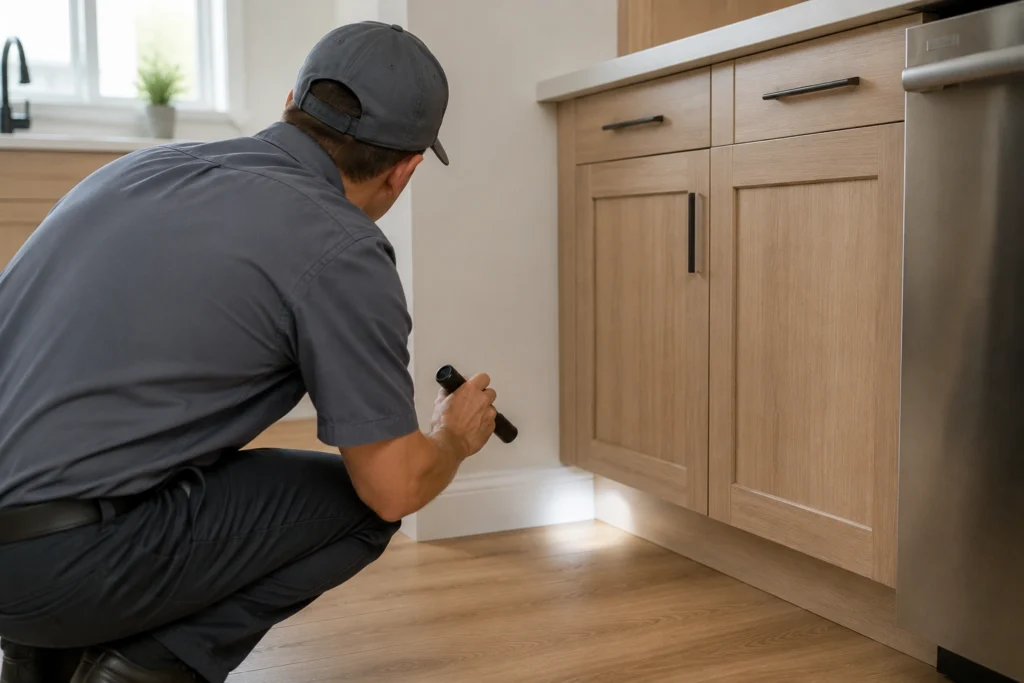
Inspect upper-room locations: top shelves of closets, behind picture frames, inside electronics housings (TVs, computers, gaming consoles), inside light fixtures, behind wall clocks, in the seams of upholstered furniture, in dresser drawers, and behind loose wallpaper. Brown bandeds also like the void spaces inside hollow-core doors.
Step 2: Place Targeted Baits
Brown bandeds respond well to gel bait, but placement matters. Standard kitchen-focused bait placement misses them entirely. Effective placements:
- Behind televisions and computer monitors
- Inside the empty space behind dressers and bookshelves
- On the top shelf of closets (where they often nest)
- Inside the recessed corners of light fixtures (with caution near hot bulbs)
- Underneath upholstered furniture
Step 3: Use Insect Growth Regulators (IGRs)
IGRs interrupt the molting cycle so nymphs can’t reach adulthood. Combined with bait, this is what breaks the egg-laying cycle. Most over-the-counter products don’t include effective IGRs at the right concentrations. That’s one of the bigger advantages of professional treatment for brown bandeds specifically.
Step 4: Reduce Hiding Spots
Cut clutter in the rooms where you found droppings. Move stored items off the floor and out of sealed cardboard boxes. Vacuum the seams of upholstered furniture. Empty closets and inspect the high shelves. Brown bandeds need stable, undisturbed locations, and disturbance forces them out of preferred harborages and into bait pickup.
What Not to Do
Skip the over-the-counter bug bombs and broad-spectrum repellent sprays. They scatter brown bandeds deeper into wall voids and across the home, which spreads the infestation rather than controlling it. This is a common and expensive mistake we see homeowners make before calling.
Preventing Future Brown Banded Cockroach Infestations
Once an active infestation is cleared, prevention focuses on the conditions brown bandeds need: warm, dry, undisturbed harborages.
- Cut clutter in bedrooms, living rooms, and home offices. Especially cardboard storage. Plastic bins are far less attractive.
- Inspect new furniture before bringing it inside, especially used or thrifted upholstered pieces. Brown bandeds frequently hitchhike in furniture seams.
- Check electronics being moved into the home (used TVs, secondhand computers, hand-me-down kitchen appliances).
- Vacuum baseboards and upholstery seams regularly in living spaces, not just the kitchen.
- Maintain quarterly pest control for ongoing prevention. Brown banded populations rebound from any survivors faster than annual treatment can keep up.
When to Call Northwest for Brown Banded Cockroach Control
Brown banded infestations are one of the species we strongly recommend professional treatment for, and not because they’re particularly dangerous. They’re not aggressive, they don’t bite, and the health risks are similar to other roach species: allergens, asthma triggers, food contamination. (See what really attracts cockroaches into clean homes for more on the health-risk side.) The reason for professional involvement is location: nesting sites are dispersed across multiple rooms, often in places homeowners can’t access (inside electronics, sealed wall voids), and DIY bait placement misses too many of them. We’ve seen brown banded infestations stretch six months of unsuccessful homeowner treatment before a one-month professional plan clears them.
Frequently Asked Questions About Brown Banded Cockroaches
How do I identify a brown banded cockroach?
Look for a small (about half-inch), light brown to tan cockroach with two distinct dark bands running across the wings. The bands are visible from above and below. Adult males have full wings that extend past the body; females have shorter wings.
Are brown banded cockroaches dangerous?
They don’t bite or sting, but like all cockroaches they can contaminate food, spread bacteria across surfaces, and trigger asthma and allergy symptoms through droppings, shed skins, and saliva. Children and people with respiratory conditions are most at risk.
Where do brown banded cockroaches hide?
Unlike kitchen-bound German cockroaches, brown bandeds prefer warm, dry rooms. Common hiding spots include inside electronics, behind picture frames, in light fixtures, on the upper shelves of closets, inside furniture upholstery, and behind hollow-core doors. They often nest higher in a room than other species.
Can I get rid of brown banded cockroaches without chemicals?
Small early infestations can sometimes be cleared with thorough vacuuming, clutter reduction, and sealing entry points. Larger or established infestations almost always require targeted gel bait and an insect growth regulator to break the breeding cycle. Pure-natural approaches rarely succeed against an active brown banded population.
How long does it take to eliminate a brown banded cockroach infestation?
A small early-stage infestation can clear in two to four weeks with targeted bait. Heavy or long-standing infestations typically require two to three months of monthly treatments to break the egg-laying cycle completely. Brown banded oothecae take 50 to 75 days to hatch, so successful treatment must outlast at least one egg-hatching cycle.
Brown banded nests live in places homeowners never think to check. That’s why DIY often misses them.
Schedule a Brown Banded Cockroach Inspection
If you’ve found cockroaches in places that don’t match the typical “kitchen problem” pattern, it’s worth a professional look. Brown bandeds are tricky to find but very treatable once located. Our team has been clearing brown banded infestations out of Georgia and Alabama homes for decades.
About the Author
Anna V., Editorial Lead — Pest Education leads pest education content for Northwest Exterminating, working with senior technicians and service center managers across our Georgia, Alabama, Tennessee, and South Carolina service areas to translate field expertise into homeowner-friendly guides. The focus: accurate, regionally-specific answers to the pest questions Southeast homeowners are actually searching for.
Mar 25, 2020 | DIY, DIY Pest Control, Pest Control
As Springtime approaches, allergies are bound to follow. Many tend to blame the plant pollens for their sneezing and watery eyes. Although pollen can trigger your allergy symptoms, there could be another reason why your allergies are flaring up this Spring: Cockroach allergies.
Signs and Symptoms of a Roach Allergy
Cockroaches might not be the first reason you think of when you start to get allergies, surprisingly though, they can be the cause of your allergies and asthma. According to the American College of Allergy, Asthma & Immunology the saliva, feces, and shedding parts of cockroaches can trigger both asthma and allergies, acting like dust mites. The common symptoms of cockroach allergies can be coughing, sneezing, asthma attacks, nasal congestion, sinus and/or ear infection, itchy red or watery eyes, and skin rashes.
Preventing Roaches from Inside the Home:
In a survey conducted by the Asthma and Allergy Foundation of America (AAFA) and the National Pest Management Association (NPMA), the allergists surveyed believed that a pest-free home is the most important factor in preventing asthma and allergy systems.
Knowing what attracts roaches can help you prevent a roach infestations. Here are some preventative tips to keep roaches out of your home:
- Cover all trash cans
- Store foods in airtight containers
- Sweep up or vacuum all food crumbs
- Seal cracks in walls and floors
- Keep your yard neat and tidy
- Call a pest control professional
Cockroaches can be one of the most difficult pests to eliminate. If you find yourself using the tips above but are still seeing roaches in your house, contact a pest control company. An exterminator will be able to identify where and how the roaches are entering your home and eliminate them to protect you and your family’s health.
Mar 20, 2020 | Alabama Blogs, Georgia Blogs, Pest Control, Wildlife
By Anna V., Editorial Lead — Pest Education · Last updated: May 2026
When a homeowner in Georgia or Alabama calls Northwest about a rodent problem, our first question is almost always: mouse or rat? The two get lumped together in everyday conversation, but they behave differently, leave behind very different evidence, and require different treatment approaches. Misidentifying which species you have is one of the most common reasons DIY rodent control fails. A trap baited and placed for a mouse will sit untouched while a rat sniffs it and moves on. A rat-sized opening sealed against mice still lets the much smaller mice walk right in.
Here’s how to tell a mouse from a rat at a glance, what each one’s droppings, gnaw marks, and behavior look like in a Southeast home, and when the difference between them changes how you treat the problem.
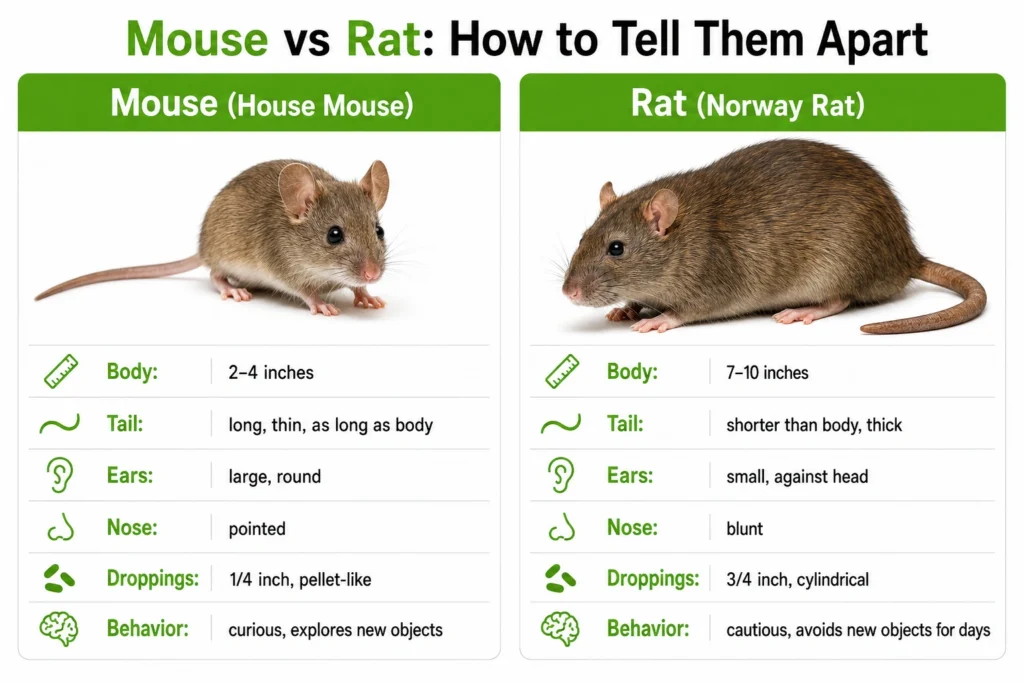
Size is the fastest clue. A mouse fits in a tablespoon. A rat doesn’t.
What’s the Difference Between a Mouse and a Rat?
The physical differences between a mouse and a rat are obvious once you’ve seen them side by side. The challenge is that most homeowners only see one of them, briefly, in low light, before it disappears behind the refrigerator. Here’s what to look for if you only get a glimpse.
Mice (house mouse, deer mouse) are small. Adult body length is typically 2 to 4 inches, not counting the tail, which is about as long as the body. They have slender bodies, pointed noses, and large round ears that look oversized for their head. Their fur is usually light brown or gray. They’re curious by nature and tend to explore new objects in their territory within hours.
Rats (Norway rat, roof rat) are substantially larger. Adult body length runs 7 to 10 inches, with a tail that’s shorter than the body. They have thicker, heavier bodies, blunt noses, and proportionally smaller ears tucked against the head. Norway rats (the most common in Georgia and Alabama) are brown or gray with shaggier fur. Roof rats are darker, sleeker, and more agile climbers. Both are cautious by nature and will avoid new objects in their territory for days before approaching — a behavior pest pros call “neophobia.”
That neophobia is the single biggest reason rat traps fail when homeowners set them. Mice walk into traps within hours. Rats will avoid them for a week.
Mouse vs Rat Identification Guide
Size, tail, and droppings are the three identifiers most homeowners can use without seeing the rodent itself.
Quick Comparison Table
| Feature |
Mouse |
Rat |
| Body length |
2 to 4 inches |
7 to 10 inches |
| Tail |
Long and thin, about as long as body |
Shorter than body, thick and scaly |
| Ears |
Large and rounded, look oversized |
Small, held closer to the head |
| Nose |
Pointed, narrow |
Blunt, broader |
| Droppings |
1/8 to 1/4 inch, pellet-like |
1/2 to 3/4 inch, cylindrical |
| Behavior |
Curious, investigates new objects |
Cautious, avoids new objects for days |
| Where they nest |
Indoors, in walls, cabinets, attics |
Outdoors in burrows; indoors in basements, crawl spaces |
| Reproduction |
5 to 10 litters per year, faster cycle |
2 to 5 litters per year, larger litters |
Common Species in the Southeast
In Georgia, Alabama, Tennessee, and South Carolina, the rodents you’re most likely to encounter inside a home are:
- House mouse (Mus musculus) — the most common indoor rodent across the entire Southeast.
- Deer mouse (Peromyscus maniculatus) — more common in rural and wooded areas. Notable because it’s a primary carrier of hantavirus.
- Norway rat (Rattus norvegicus) — also called the brown rat or sewer rat. Common in older urban neighborhoods of Atlanta, Birmingham, Savannah, and Macon.
- Roof rat (Rattus rattus) — also called the black rat. More common along the coast and in warmer parts of the service area. Strong climber, often found in attics.
Signs You Have a Mouse or a Rat
If you haven’t actually seen the rodent yet, the signs they leave behind will tell you which species you’re dealing with. Here’s what to look for and how to read it.
Droppings (the most reliable indicator)
Mouse droppings are tiny, dark, and shaped like grains of rice with pointed ends. They’re typically 1/8 to 1/4 inch long. A single mouse can leave 50 to 75 droppings a day, so you’ll find them scattered widely — along baseboards, inside cabinets, in pantry corners, on the back of countertops.
Rat droppings are much larger, 1/2 to 3/4 inch long, dark, and shaped like a thick capsule with blunt or pointed ends (depending on species). You’ll find them in concentrated piles near nesting sites or along regular travel paths — usually in basements, crawl spaces, near food storage, or along walls.
Size alone is the easiest tell. If the droppings are smaller than a grain of rice, you have mice. If they’re larger than a coffee bean, you have rats.
Gnaw Marks
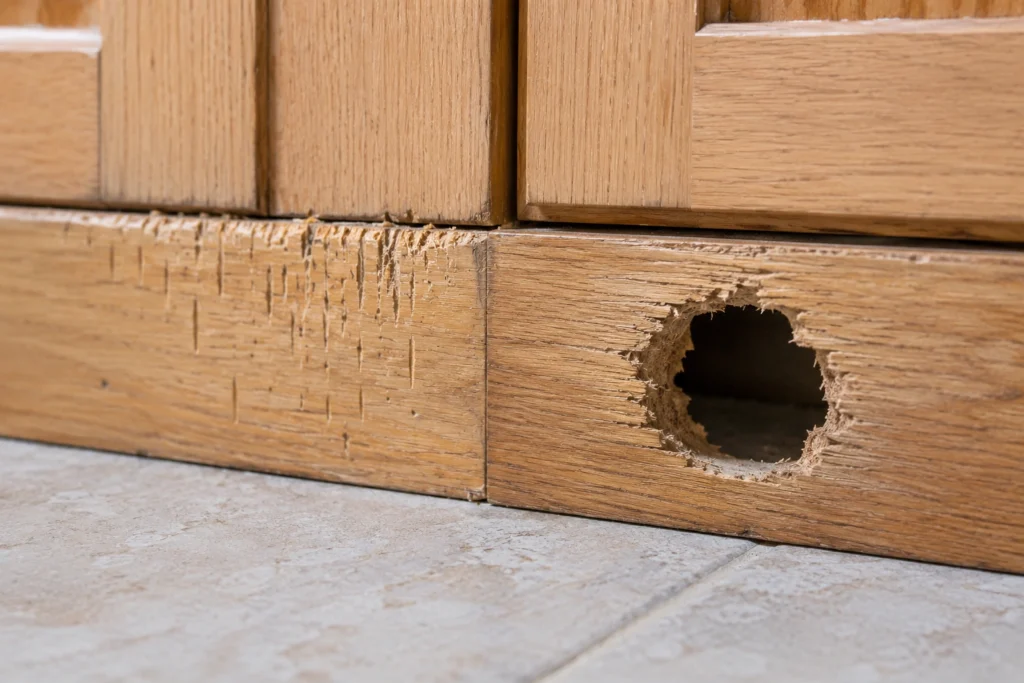
Mice leave small, scratchy bite marks on food packaging, the corners of cardboard boxes, and the edges of wooden trim. The marks are usually clean and close together, made by their tiny incisors.
Rats chew through harder materials and leave much larger, rougher marks. Rats can chew through soft wood, insulation, drywall, lead pipes, aluminum siding, and most plastic. Damaged electrical wiring, holes the size of a quarter or larger in baseboards or insulation, and torn-open food storage containers all suggest rats rather than mice.
Mouse damage looks like fine scratches. Rat damage looks like something chewed a hole.
Nesting Material
Mice build small, well-organized nests using shredded paper, fabric, insulation, and dryer lint. Nests are typically hidden in wall voids, behind appliances, inside cabinets, in attic insulation, or in stored boxes. Each nest is the size of a softball or smaller.
Rats build larger, messier nests using similar materials but on a different scale. Norway rat nests are often outdoors in burrows under decks, sheds, or vegetation. Roof rat nests are usually in attics or upper wall voids. Both species’ indoor nests are noticeably larger than a mouse’s, ranging from softball-sized to football-sized.
Sounds and Smells
Mice make light scurrying and scratching sounds, often heard at night in walls or above ceilings. Rats make heavier, slower, more obvious sounds, sometimes including thumps as they jump between surfaces. Both species produce a musky urine smell when populations grow, with rats producing a much stronger odor due to their larger body size and concentrated activity.
Damage Caused by Mice vs Rats
The damage pattern in your home is a strong species indicator and an important factor in how urgent treatment is.
Mice cause modest structural damage in most situations. They chew through food packaging, gnaw on baseboards and wooden trim, and damage stored items. The biggest mouse risk is food contamination and the secondary pest problem of indoor flea or mite populations that can travel with them.
Rats cause significant structural damage when populations establish. They chew through electrical wiring (creating real fire risk), tear through insulation, gnaw on plumbing, and damage HVAC ductwork. The repair costs for rat damage routinely run into thousands of dollars. Rats also pose more serious disease transmission risk than mice.
Health Risks: Mouse vs Rat
Both species carry diseases, but rats present a broader and more severe health risk profile. The CDC’s rodent disease guidance documents both species as vectors for pathogens.
Diseases associated with mice include hantavirus (especially from deer mice), salmonella contamination of food surfaces, and allergens that trigger asthma in sensitive individuals.
Diseases associated with rats include leptospirosis (transmitted through contact with rat urine), rat-bite fever, salmonella, and historically the bubonic plague (still present at low levels in some U.S. populations). Rats also carry fleas that can transmit additional pathogens.
The practical takeaway: any rodent presence indoors warrants attention, but a confirmed rat sighting is more urgent than a mouse sighting from a health-risk standpoint.
Behavior & Habitat Differences in Southeast Homes
Where each species nests in a Georgia or Alabama home tells you a lot about how they got in and how to address them.
Mice nest indoors year-round. They prefer wall voids, attic insulation, behind appliances, inside stored boxes, and in cluttered storage spaces. A mouse only needs a hole the diameter of a dime to get inside, which means tiny gaps around utility line penetrations, foundation cracks, and worn weatherstripping are all entry points.
Rats typically nest outdoors and travel indoors for food. Norway rats burrow in yards, under decks and sheds, and along foundations. Roof rats nest in attics, palm trees (in coastal areas), and shed rafters. A rat needs a hole the diameter of a quarter to get inside. Larger entry points, garage door gaps, and unsealed crawl space access doors are the typical routes.
Seasonal pattern in the Southeast: rodent indoor activity peaks from late October through March, as outdoor food sources dwindle and rodents seek warmth and shelter. Mice are active year-round indoors; rats become more visible in cooler months.
Mouse vs Rat Control & Prevention
Once you know which species you’re dealing with, the treatment approach changes meaningfully.
DIY Prevention (works for both)
- Seal all entry points larger than 1/4 inch with steel wool and caulk (mice can’t gnaw through steel wool).
- Store food in airtight containers (glass or hard plastic, not bags).
- Take out trash daily, especially in warm months.
- Eliminate clutter in basements, attics, and garages.
- Fix any water leaks; rodents need water too.
- Trim vegetation back from the foundation and roofline.
Treatment That Actually Works
For mice, snap traps baited with peanut butter and placed perpendicular to walls catch most populations within a few days. Mice walk into them readily because of their curiosity.
For rats, the approach is slower and more deliberate. Set traps but don’t bait them for the first 5 to 7 days. Let rats get used to the new object in their environment first, then bait. Place traps along walls where droppings show heavy activity. This works around their neophobia.
For both species, bait stations with rodenticide can be effective but introduce risks: dead rodents in wall voids cause severe odor problems, secondary poisoning of pets and wildlife is a real concern, and rats often die in inaccessible spots. We generally recommend trapping over baiting for residential rodent control.
When to Call a Professional
Call Northwest for professional rodent control if:
- You’ve identified rats specifically (not just mice). Rats benefit from professional trapping experience.
- Sightings have continued for more than two weeks despite DIY traps.
- You’ve found droppings in multiple rooms or on multiple floors, suggesting an established population.
- You’re seeing rodents during the day, which often indicates a large hidden population.
- You want a full entry-point seal-up, not just trapping.
(Not sure if you have mice or rats? Request a free Northwest inspection and we’ll identify the species, locate entry points, and lay out the right treatment plan.)
One Last Thing: Rodents Drive Other Pest Problems
A mouse or rat problem rarely stays a mouse or rat problem for long. Rodents bring fleas and mites indoors, draw snakes that hunt them (a major reason snake sightings spike when rodent populations are high; see our snake repellent guide for more), and create the kind of warm, food-rich environments other pests follow. Rodent control is often the first step in solving secondary pest problems too.
For more on what happens when you have both species at once, see our companion guide on whether rats and mice can infest your home at the same time.
Frequently Asked Questions About Mouse vs Rat Identification
How can I tell if I have a mouse or a rat?
The fastest tell is droppings size. Mouse droppings are tiny (1/8 to 1/4 inch) and rice-shaped. Rat droppings are much larger (1/2 to 3/4 inch) and capsule-shaped. Gnaw marks are also a strong indicator: small scratchy marks suggest mice, while larger chewed holes suggest rats.
Are rats more dangerous than mice?
Generally yes. Rats cause more structural damage (chewed wiring, plumbing, insulation), carry a broader range of diseases, and produce stronger health-risk concerns through their droppings, urine, and the fleas they often carry. Both species warrant treatment, but rat problems should be addressed faster.
Do mice or rats spread disease?
Both spread disease, but rats are vectors for more pathogens. Mice can transmit hantavirus (especially deer mice), salmonella, and allergens that trigger asthma. Rats can transmit leptospirosis, rat-bite fever, salmonella, and several pathogens carried by the fleas that often travel with them.
What time of year are rodents most active in the Southeast?
Indoor rodent activity in Georgia, Alabama, Tennessee, and South Carolina peaks from late October through March as outdoor food sources dwindle and rodents seek warmth indoors. Mice are active year-round indoors. Rats become noticeably more visible in cooler months.
Can mice and rats live in the same house at the same time?
Yes, but they typically don’t share the same nesting space. Rats generally exclude mice from areas where rat populations are dense. In homes large enough or with enough resources, you can find both species in different parts of the structure. For a deeper look at co-infestation, see our companion guide on rats and mice infesting the same home.
Identifying the species is the first step. Sealing the entry points is what keeps them out long term.
Schedule a Rodent Inspection
If you’ve found droppings, heard scratching in the walls, or actually seen something dart across the floor, the smart move is to identify the species and seal the entry points before the population grows. Northwest’s team has been clearing rodent problems out of Georgia, Alabama, Tennessee, and South Carolina homes for decades, and most of what we do for rodent calls is finding the entry points homeowners missed and treating the species that’s actually present.
About the Author
Anna V., Editorial Lead — Pest Education leads pest education content for Northwest Exterminating, working with senior technicians and service center managers across our Georgia, Alabama, Tennessee, and South Carolina service areas to translate field expertise into homeowner-friendly guides. The focus: accurate, regionally-specific answers to the pest questions Southeast homeowners are actually searching for.