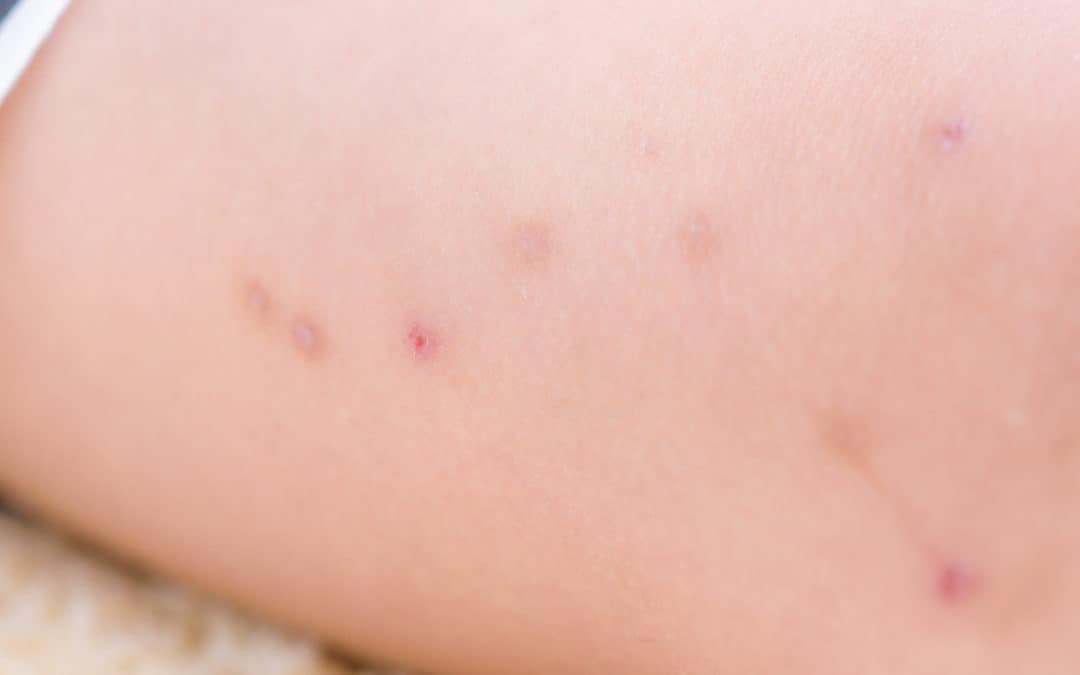
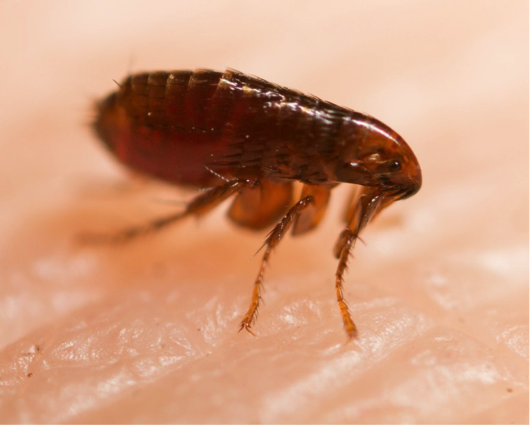
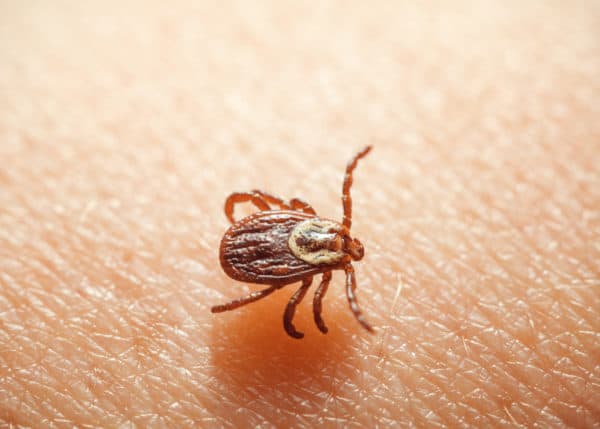
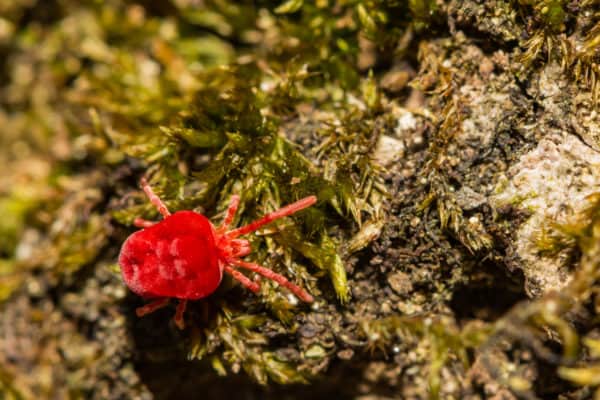
Summertime for most families means more time outdoors: exploring local parks, hiking mountains, kayaking down rivers, or simply lounging in your backyard. While these activities are fun for everyone, you can expose yourself to pests that like to bite. Fleas, ticks, and chiggers can be considered small, annoying, and hard to spot! Let’s break down the difference between all three of these parasites and some tips on bite prevention.
Fleas
Small and wingless, fleas are dark reddish-brown in color and are only 1/8 of an inch long. Fleas can be found in almost any environment, but they are most active in warm, humid temperatures. While these pests feed on warm-blooded bodies, including humans, they do prefer to dine on hairy animals such as dogs, cats, rats, opossums, and more. Fleas are extremely hard to spot since they move so fast to a warm-blooded body.
Fleas can jump up to 8 inches high and 13 inches horizontally. This means that they can jump 150 times their own height, making finding a host to feed on very easy. Flea bites can be small, red, itchy spots on the skin. If the spot is scratched or irritated, it can begin to bleed.
Ticks
Ticks are orange-brown with dark legs and have a flat oval shape for a body. At a length of 1/8 of an inch, adult ticks actually have 8 legs and two body segments, making them an arachnid and not an insect. Ticks live in low-lying areas such as grass, shrubs, and bushes. These pests need blood to survive and will therefore feed on humans, squirrels, raccoons, birds, dogs, and more.
When ticks bite their host, it can cause irritation, an allergic reaction, and mouth parts can even remain in the host’s skin. Ticks are considered dangerous as they are known to transfer Lyme disease, anaplasmosis, and babesiosis.
Chiggers
Sometimes referred to as mites or red bugs, chiggers are extremely small and difficult to spot. Red, orange, yellow or straw-colored, these arachnids are no more than .3 millimeters long. Chiggers can be found in areas of wood and grass, near lakes, ponds, streams, and rivers.
While they don’t pose a serious health risk, they can leave behind an uncomfortable rash after a bite that you’ll want to scratch. Chigger bites are most common in the late spring, summer, and early fall.
It’s important to take precautions if you know you and your family will be in areas where fleas, ticks, and chiggers are present. Here are some things you can do to prevent bites from these pests:
Use bug repellent that contains DEET
When in wooded areas or tall grass, wear long pants, long sleeves, and closed toed shoes
Treat your pets with repellent products to reduce their risk of getting bitten.
If you notice these pests are infesting your yard or are inside your home, its best to call your local pest control company who can provide the best plan of action for prevention.
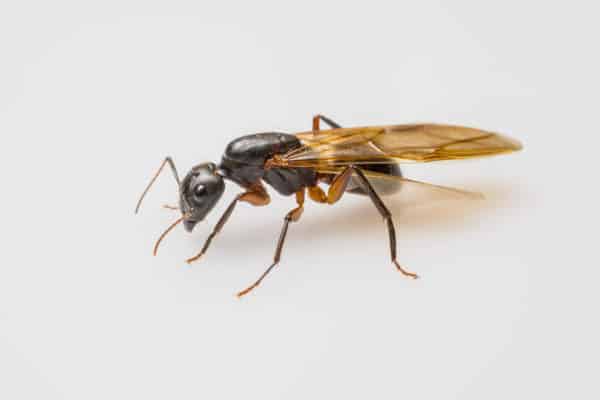
You’re lounging outside enjoying the peaceful outdoors when a flying pest zooms past you. You then realize it’s actually a flying ant! Don’t worry! Flying ants are actually very common, especially during seasons of high humidity. While flying ants are not a huge threat to humans, they can be a major nuisance, especially if they enter your home.
Flying ants swarm for the same reasons that termites swarm which is to reproduce and expand their colonies. These pests will swarm in late spring and the early summer when there’s bright sunlight and warm temperatures. Flying ants also prefer to swarm 3 to 5 days after a rainstorm.
While flying ants won’t cause damage to your home, they can make their way inside. It’s important to know what prevention steps to take when dealing with these pests.
During peak swarm season, try to keep your windows and doors closed as much as possible.
If pests have already entered your home, just vacuum them up. You will most likely find them near bright lights, light fixtures or windows.
If you suspect these pests are inside your walls, don’t tear away any woodwork, trim, baseboards, or wall coverings; simply use your thumb to press against the wood to feel for defects.
Don’t spray the swarms with insecticide; instead, mark areas where they are getting into your home and notify your pest control professional.
Remember, if you see them flying by outside, don’t be too alarmed. If they end up inside your home, however, it’s always best to call your local pest control company who can determine the best plan of action.
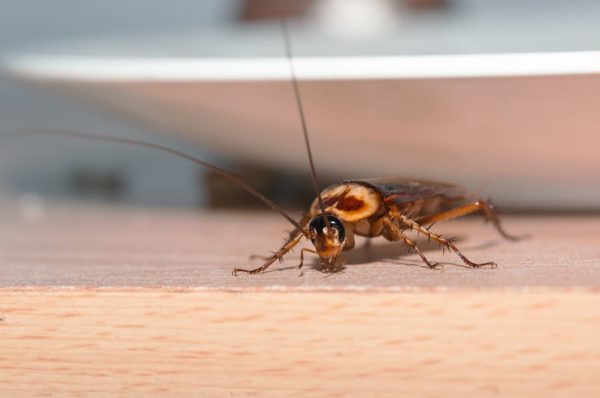
Cockroaches have been around for over 300 million years – even longer than the dinosaurs! These pests are resilient and adaptive with odd behaviors and survival tactics which have helped them survive for so long. While most homeowners are aware of the health risks associated with roaches, including allergies, asthma, and the spread of germs and bacteria, there are lots of interesting facts about cockroaches you might not realize. Here are 7 things you might not know about cockroaches.
They’re everywhere! There are almost 4500 species of cockroaches worldwide with new species still being discovered. German cockroaches are the most common species. The largest species is found in South America. This cockroach averages 6 inches in length with an impressive 1 foot wingspan! The average cockroach is only 1/2″ to 2″ in length.
They like their beauty sleep. Roaches spend 75% of their time resting. They are also not morning people. When roaches awaken they are unable to form new memories. It takes them time to become functional and they don’t start to retain new information until later in the day.
They are flexible. Roaches can squeeze through a gap as small as 1/4 of their body length. They accomplish this feat by flattening their bodies and turning their legs to the side.
They are speed demons. Roaches are fast movers reaching speeds of up to 3 mph. Even babies can move at these rapid speeds. This not only allows them to quickly invade new spaces but also allows them to spread bacteria and germs at a much faster pace.
They can go without food, water, and their heads. Roaches can go up to a month without food and up to a week without water or their heads. They could actually live longer without their heads but the absence of their mouth leaves them unable to eat or drink. Roaches will eat anything from dead insects to soap, cloth, and glue. They have even been known to eat other roaches when food supplies are low or the infestation gets so large in an effort to reduce the population.
They can hold their breath. Roaches are master breath holders. They can submerge in water for up to 1/2 an hour and hold their breath for up to 40 minutes. This is mostly due to their efficient breathing system that allows them to breathe through holes in their body segments rather than their mouths. Holding their breath also helps regulate their loss of water.
Roaches are found in chocolate. Yes, you read that right! There are an average of 8 insect parts in each bar of chocolate you consume.The FDA has deemed this a safe amount for consumption. The solution to this dilemma is to apply more pesticides which would be more harmful than actually consuming the insects. These parts can also trigger allergic reactions when they are consumed. That chocolate allergy might, in fact, be a cockroach allergy instead. This can lead to rash, itching, respiratory problems, and even migraines.
Cockroaches are one of the most highly adaptable pests on earth which makes them extremely difficult to control or eliminate. To prevent cockroaches keep food sealed and stored properly; clean your kitchen daily; don’t leave food or pet food out overnight; dispose of garbage regularly and use cans with sealing and locking lids; identify any small cracks or holes around your home and seal them; and make sure basements and crawlspaces are kept dry and well ventilated. If you suspect you have a cockroach infestation, contact a professional pest control company who can provide you with a thorough evaluation and appropriate treatment and prevention plan.
By Cory Goeltzenleuchter, B.C.E., P.H.E., CP-FS, Director of Technical Services — Northwest Exterminating · Last updated: July 2026 Reviewed for accuracy by Neil Bloyd, Director of Learning & Technical Services — Northwest Family of Brands
Quick answer: Professional mosquito control typically costs $70 to $100 per treatment or $325 to $500+ per season for a standard residential property in the Southeast. Total cost depends on yard size, treatment type, water features, and how many visits are scheduled across the season.
Mosquito season in Georgia, Tennessee, Alabama, North Carolina, and South Carolina runs long. From early spring through late fall, mosquitoes are not just a nuisance, they are a public health concern. According to the CDC, mosquitoes are among the most dangerous disease-carrying insects in the world, capable of transmitting West Nile virus, Eastern equine encephalitis, and other pathogens.
So when homeowners start comparing mosquito control options, the first question is almost always the same: how much does mosquito control cost? The answer depends on several variables, and this guide breaks each one down clearly. You will find typical price ranges, a DIY vs. professional comparison, and guidance on what to expect from a seasonal plan, all based on real-world conditions in the Southeast.
A backyard you can actually use is what mosquito control buys you across a long Southeast season.
The Short Answer: Typical Mosquito Control Pricing
Mosquito control service cost varies by property size, treatment method, and how frequently your yard is treated. That said, here are the ranges homeowners in the Southeast most commonly encounter:
Per treatment (barrier spray): $70 to $100 for a standard residential lot
Seasonal plan: $325 to $500+ for a typical quarter-acre to half-acre property
Larger properties or multiple problem areas: $500 to $1,900+ per season
In2Care station-based programs: Pricing varies; contact your local branch for a custom quote
Automated misting systems (installed): $1,500 to $5,000+ depending on the number of nozzles and system complexity
Special-event one-time treatment: $75 to $150+, depending on yard size and timing
These are ranges, not fixed prices. Your actual mosquito service cost will depend on the specific factors covered below.
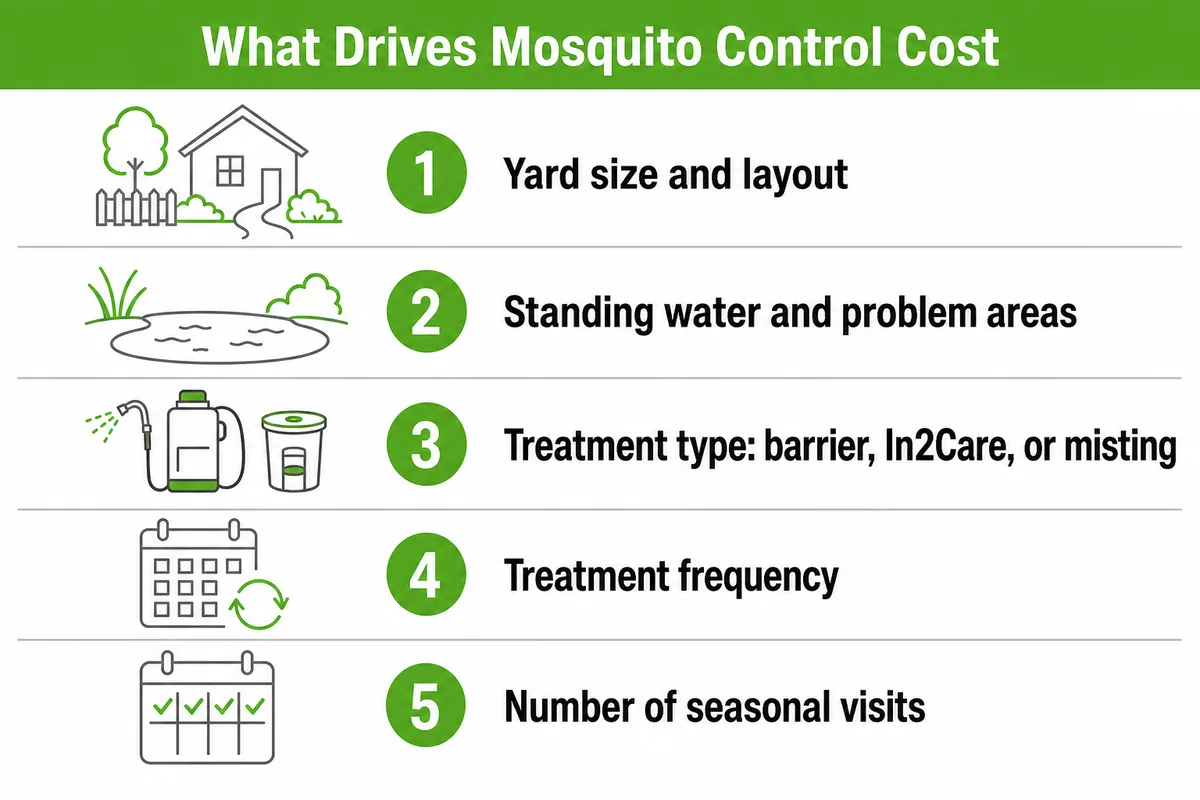
Five factors drive most of the difference between one mosquito control quote and another.
What Affects the Cost of Mosquito Control?
How does yard size and layout affect mosquito treatment cost?
Yard size is the most straightforward pricing driver. Most professional mosquito treatments are priced per quarter-acre or half-acre. A compact suburban lot in a neighborhood will cost less than a sprawling half-acre property with mature tree lines and dense landscaping. Layout matters too. A yard with winding borders, thick shrubs, and limited access points takes more time and product to treat thoroughly.
Do water features and problem areas raise the price?
Yes. Standing water is where mosquitoes breed, and yards with ponds, bird baths, low-lying areas, drainage ditches, or wooded borders require additional attention. Larvicide treatments targeting these specific areas can add to the overall mosquito service cost. During the quoting process, a technician will assess these features and factor them into your estimate.
How does treatment type affect mosquito control pricing?
There are three main treatment types, and each carries a different cost structure:
Barrier spray treatments apply adulticide to vegetation and resting areas around the yard perimeter. These are the most common professional treatments, typically priced per visit, and need to be reapplied every 21 to 30 days.
In2Care mosquito stations use a biological approach. Stations are placed around the property and work continuously between visits, using a larvicide-laced medium that mosquitoes carry back to breeding sites. This method is well-suited for homeowners who prefer a no-spray option.
Automated misting systems involve installing a network of nozzles around the yard perimeter, connected to a reservoir and timer. These systems deliver timed treatments automatically. Installation is a significant upfront investment, but ongoing costs are lower once the system is in place.
“When we give a quote, a lot of what separates one price from another is the scope of the problem: the size of the property, how many breeding sites we find, and which treatment method is the right fit,” says Cory Goeltzenleuchter, B.C.E., P.H.E., CP-FS, Director of Technical Services at Northwest Exterminating. “A yard with a retention pond in the back corner needs a different approach than a clean, maintained lot.”
Does treatment frequency change the seasonal cost?
Significantly. A single one-time treatment before a summer event costs far less than a recurring seasonal plan. But one-time treatments also provide short-term protection only. Barrier sprays last 21 to 30 days before their effectiveness begins to decline. For sustained mosquito reduction throughout the season, recurring monthly treatments are the standard recommendation.
Mosquito Control Pricing Models Explained
What does a per-treatment mosquito control plan cost?
Per-treatment pricing is straightforward. You pay a set rate per visit, typically $70 to $100 for a standard lot. Some providers offer a slight discount when you commit to recurring service upfront rather than scheduling visits individually.
How much is a seasonal mosquito control plan?
A seasonal plan bundles multiple monthly treatments into a single agreement covering peak mosquito season. In the Southeast, that typically means treatments from late March or April through October, roughly five to seven visits depending on your location and provider. Total seasonal cost for a standard residential property generally runs $325 to $500+, though larger properties with more complex needs can exceed $1,900 for the season.
“A typical Southeast yard needs at least five to six treatments across a full season to maintain consistent mosquito reduction,” notes Matthew “Logan” Walker, Area Technical Leader for Northwest Service Centers in Georgia. “Skipping treatments mid-season lets populations rebound quickly, especially in wetter months.”
How much does a one-time mosquito treatment cost for a special event?
One-time event treatments, for outdoor weddings, graduation parties, or backyard gatherings, typically range from $75 to $150+, depending on yard size. These are best scheduled 24 to 48 hours before the event for maximum effectiveness. They are not a substitute for a seasonal program but can provide meaningful short-term relief.
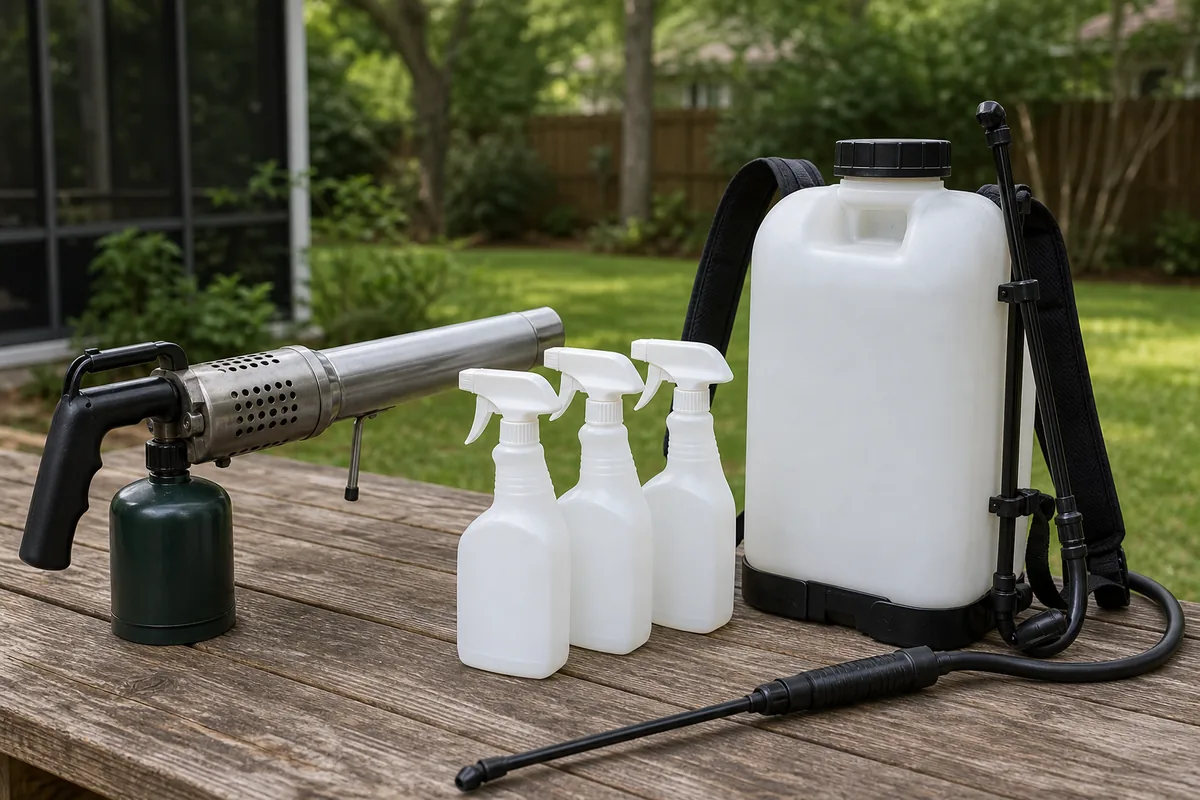
DIY equipment and product add up over a season, and the results are harder to keep consistent.
Professional vs. DIY Mosquito Control Cost Over a Season
Many homeowners explore DIY mosquito control first. Store-bought sprays, yard foggers, and backpack sprayers are widely available, and the upfront cost looks lower. But over a full season, the comparison is closer than it appears, and the results often are not.
Factor
DIY Mosquito Control
Professional Service
Upfront cost
$50 to $200 (equipment plus product)
$0 (no equipment needed)
Product cost per season
$100 to $300+
Included in service cost
Total seasonal cost (est.)
$150 to $500+
$325 to $500+
Treatment expertise
Self-applied
Board-trained technicians
Property inspection included
No
Yes
Larvicide source reduction
Rarely included
Standard practice
Re-treatment guarantee
No
Typically included
Time investment
2 to 4 hours per application
None (tech handles everything)
The cost difference narrows considerably when you factor in product quality, equipment, and your own time. Professional-grade products are not available over the counter, and proper application, targeting resting sites, breeding areas, and foliage at the right height and coverage rate, requires training and experience. A missed breeding site means the problem continues regardless of how often you spray the perimeter.
Is Professional Mosquito Control Worth the Cost?
For most homeowners in the Southeast, the answer is yes, particularly those with yards that see regular outdoor use, families with children, or properties near wooded areas and water features.
Here is a practical way to think about it: a seasonal mosquito control plan costs roughly the same as two or three tanks of gas per month. In exchange, you reclaim your backyard from early spring through late fall, without the time investment of self-treating every 21 to 30 days.
Professional mosquito control also includes services that DIY simply cannot replicate. A trained technician will conduct a property inspection, identify active breeding sites, apply larvicide to standing water, and treat adult resting areas with appropriately selected products. Many plans also include re-treatment guarantees. If mosquitoes return between scheduled visits, a technician comes back at no additional charge.
For homeowners who prefer a no-spray approach, In2Care mosquito stations offer a science-backed alternative that works continuously between service visits, making professional service even more hands-off.
Mosquito Season in the Southeast: Why Local Conditions Drive Costs
Residents of Georgia, Tennessee, Alabama, North Carolina, and South Carolina face one of the longest mosquito seasons in the country. The combination of warm winters, high humidity, and abundant rainfall creates ideal breeding conditions well before summer arrives, and keeps populations active well into October.
This extended season has a direct impact on how much mosquito spraying costs over a year. A homeowner in Atlanta or Charlotte may need five to seven treatments to cover the full active season, while a homeowner in a drier climate further north might only need three or four. The Southeast’s climate also makes larval source management more critical, since rain events can create new breeding sites between scheduled treatments.
When requesting a quote from a local mosquito control provider, ask specifically about treatment frequency recommendations for your area and property type. A company familiar with your region’s seasonal patterns will give you a more accurate picture of total annual cost than a national estimate.
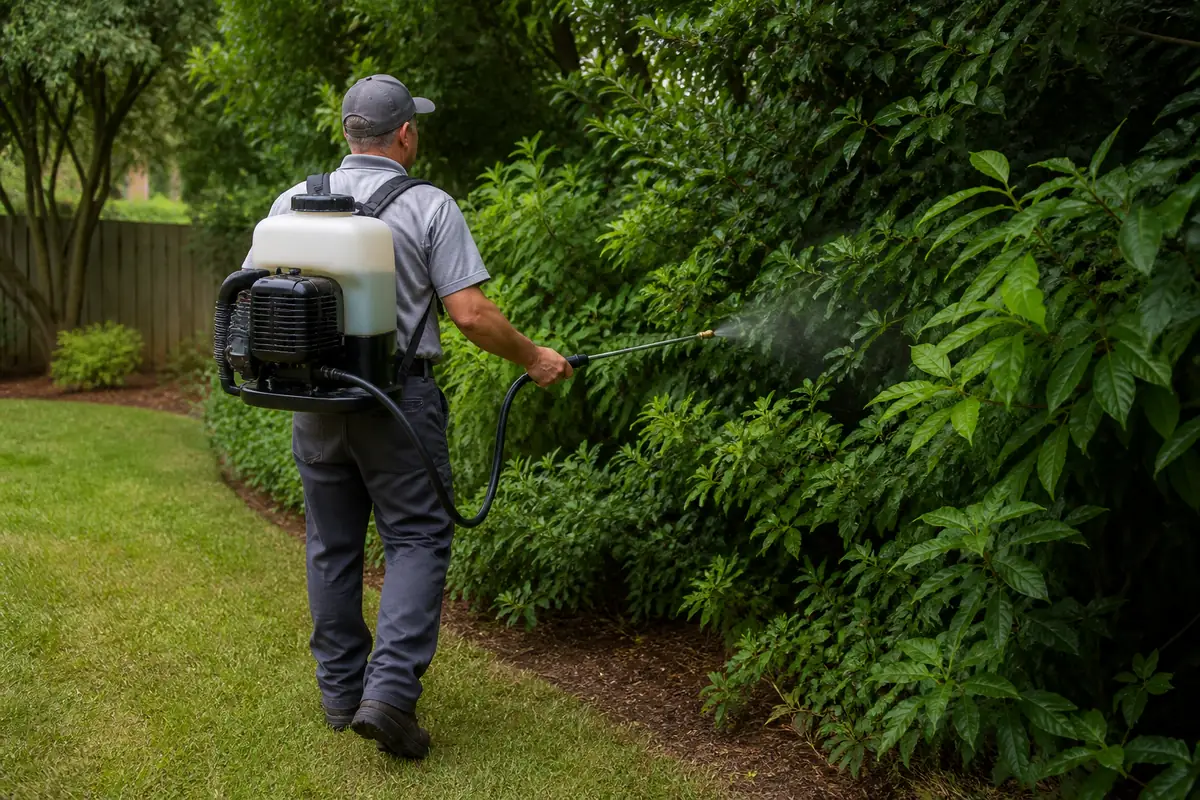
Professional barrier treatments target the shaded vegetation where adult mosquitoes rest between meals.
Ready to Stop Guessing and Get an Accurate Quote?
Mosquito control cost is not one-size-fits-all. Your yard size, the presence of water features, the treatment method you choose, and the number of treatments you need across a Southeast season all factor into the final number.
The most reliable way to understand what mosquito control will cost for your specific property is to get a professional assessment. Northwest Exterminating provides free, no-obligation estimates for homeowners across Georgia, Tennessee, Alabama, North Carolina, and South Carolina.
Call (888) 466-7849 to speak with your local Northwest branch today.
Frequently Asked Questions About Mosquito Control Costs
How much does mosquito control cost per treatment?
A single professional mosquito treatment generally costs between $70 and $100 for a standard residential property in the Southeast. Larger lots, properties with extensive water features, or those requiring specialized treatment methods may cost more. Pricing is typically based on yard size, measured in quarter-acre or half-acre increments.
How much does a seasonal mosquito control plan cost?
A full seasonal plan for a typical quarter-acre to half-acre property runs $325 to $500+. Properties larger than a half-acre, or those with significant mosquito pressure from ponds, drainage areas, or wooded borders, may see seasonal costs reach $1,900 or more. Most Southeast homeowners need five to seven treatments to cover the full active season from spring through fall.
How often do you need mosquito treatments to keep populations under control?
Barrier spray treatments remain effective for 21 to 30 days before effectiveness declines. For consistent results through peak mosquito season, monthly treatments are the standard recommendation. Skipping treatments mid-season allows mosquito populations to rebound, particularly after rain events that create new breeding sites.
Is professional mosquito control worth the cost compared to DIY?
For most Southeast homeowners, yes. Professional service includes property inspection, larvicide treatment of breeding sites, adulticide application by trained technicians, and re-treatment guarantees, none of which are included in over-the-counter DIY products. When total seasonal costs are compared, professional service and DIY are often within a similar price range, but professional results are consistently more reliable.
How much does a mosquito misting system cost?
Automated mosquito misting systems cost $1,500 to $5,000+ to install, depending on yard size and the number of nozzles required. Ongoing costs include refilling the insecticide reservoir, periodic maintenance, and occasional system checks. Misting systems are a long-term investment best suited for larger properties or homeowners who want fully automated protection without scheduling recurring service visits.
What is the difference between barrier spray and In2Care mosquito treatment?
Barrier spray treatments apply adulticide directly to vegetation and resting areas, targeting adult mosquitoes present at the time of service. Treatments are typically reapplied every 21 to 30 days. In2Care mosquito stations use a biological approach. Stations placed around the yard attract egg-laying mosquitoes, which then carry larvicide back to additional breeding sites. In2Care is a no-spray option that works continuously between visits. The right choice depends on your property, lifestyle preferences, and level of mosquito pressure.
About the Author
Cory Goeltzenleuchter, B.C.E., P.H.E., CP-FS is the Director of Technical Services for Northwest Exterminating. As a Board Certified Entomologist and Public Health Entomologist, Cory is one of the organization’s leading technical experts in pest management. He oversees technical training, service standards, and industry best practices while helping ensure customers receive extraordinary service through science-based solutions, ongoing education, and innovative approaches across the Northwest Family of Brands.
Reviewed for accuracy by Neil Bloyd, Director of Learning & Technical Services for the Northwest Family of Brands. Neil leads training, professional development, and technical education initiatives that empower teammates to grow their expertise and better serve customers. Through his leadership and industry knowledge, Neil helps foster a culture of continuous learning and supports science-based pest management solutions across the organization.
The granddaddy long legs is legendary – with claims of being the “most poisonous spider in the world but their mouths are too small to bite.” Like most legends, these claims are exaggerated and aren’t based on facts. So what is the truth about these creatures? Here’s everything you need to know about the granddaddy long legs.
Is the Granddaddy Long Legs a Spider?
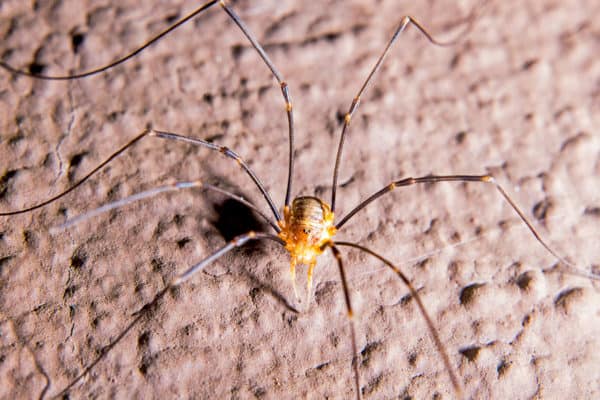
No. The granddaddy long legs, AKA the daddy long legs, harvest spider, and harvestman, is actually an arthropod and closer genetically to the scorpion than a spider. While they do have 8 legs like spiders, the resemblance ends there. Spiders have spinnerets that spin silk for their webs; granddaddy long legs don’t. Spiders also have 2 body sections connected by a small, narrow waist. Granddaddy long legs have 1 body section containing their head, abdomen, and body combined. Spiders can have fangs and produce venom. Granddaddy long legs don’t have fangs and don’t produce venom. Spiders live on a liquid diet while granddaddy long legs have chelicerae (tiny claws used to hold and tear things) so they can eat small pieces of solid food. Granddaddy long legs can also self amputate their legs as a defense mechanism against predators. Unfortunately, once they lose a leg they cannot grow it back.
What Attracts Granddaddy Long Legs?
Granddaddy long legs are omnivores and eat a wide variety of things. They are known to eat dead and live insects, spiders, aphids, worms, snails, fungus, and even bird droppings.
What Are Granddaddy Long Legs Good For?
Granddaddy long legs use their varied diets to keep to keep your gardens and yard free of other pests. They don’t cause damage to structures or landscaping and aren’t dangerous to humans.
How Do You Get Rid of Granddaddy Long Legs?
Because they aren’t harmful to humans and don’t damage any structures or landscaping in your yard or garden, it is best to leave granddaddy long legs alone. Sometimes they are known to congregate in large numbers. If this is the case or if you have an issue with these or other pests, contact your local pest control company who can thoroughly evaluate your home and provide you with the appropriate treatment and prevention plan for your situation.
Seeing “thousand legger”, creepy-crawly, slithering, worm-like pests in mass amounts inside your home? You’re not alone. They’re called millipedes and millipedes in houses are common at certain times during the year, particularly after heavy rains, during drought, or when temperatures drop – all conditions that can make their outdoor habitats less comfortable. Once millipedes are in the house, they’ll search for shelter and a source of moisture – preferring damp areas such as basements, laundry rooms, and crawlspaces.
Here’s everything you need to know about millipedes, what attracts them to your house, and how to prevent a millipede infestation:
What Do Millipedes Look Like?
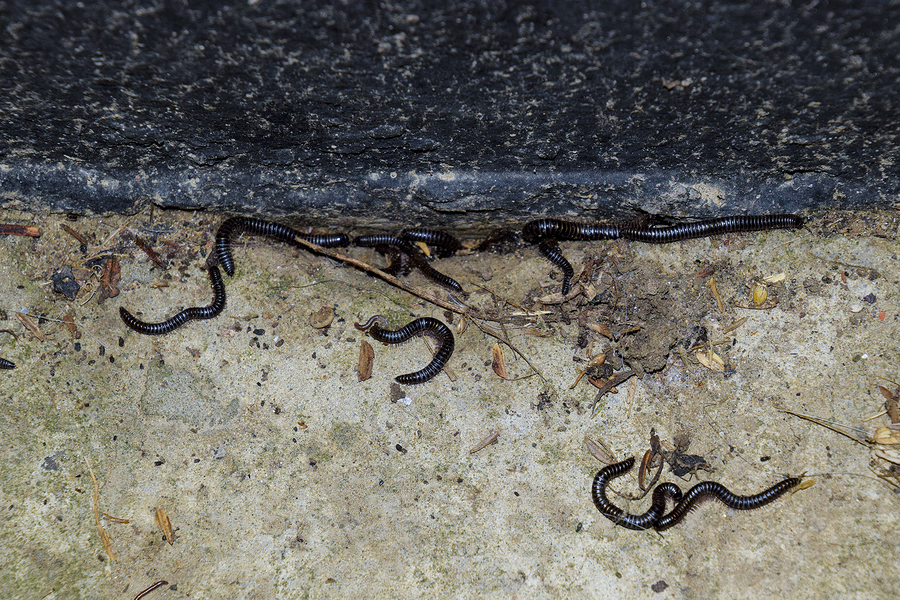
Millipedes are arthropods, not insects, that typically have hundreds of legs (not thousands as their nickname implies). Their size depends on the species but they usually range from 1/4 to 2 inches long with slender, round bodies – similar to worms.
Are Millipedes Dangerous or Harmful?
Although creepy to some, millipedes are not dangerous or harmful to humans or pets. They don’t bite or sting, infest or damage wood, food or clothing – but they can release an unpleasant-smelling fluid if threatened that may cause skin irritation. If you come directly in contact with millipedes, rinse the affected area immediately after.
What Do Millipedes Eat?
Millipedes feed on dead and decaying matter – anything that’s rotting, dead insects, vegetable matter – which is vital in the decomposition of plants and animals, an important step in the soil fertilization process. They will occasionally eat young plants but the damage is usually minimal.
Where Do Millipedes Come From?
Millipedes prefer to be outdoors and can be found in areas with a lot of moisture – under rocks, piles of wood, flowerpots, in leaf litter or grass clippings, in gardens and flowerbeds, under mulch – any hiding spot that’s damp and undisturbed. You’re more likely to see them at night, when they leave their habitats, crawling around on sidewalks, driveways, patios, etc.
What Attracts Millipedes?
When weather conditions aren’t ideal outdoors, millipedes can migrate into structures in large numbers via doorways, expansion joints, and/or wall voids. Once inside, millipedes will die quickly, especially if there is no abundant source of moisture. If you’re seeing millipedes inside frequently, it may be a sign that they are breeding outside around your home, or that you have moisture issues that need to be corrected.
How to Get Rid of Millipedes
The best way to prevent a millipede infestation is to eliminate debris and decaying matter from around your home and yard – especially around your home’s perimeter, and correct moisture issues. Repair leaking pipes or faucets, check to be sure lawn sprinklers are functioning properly, consider upgrading your gutters with a gutter guard system, and ensure basements or crawlspaces are adequately ventilated. One of the most effective methods to reduce moisture and improve overall home health is to enclose your crawlspace.
If you’re seeing millipedes inside, a quick fix is to use a vacuum to get rid of them. If you’re experiencing a millipede infestation, it could be a sign of other issues, and it’s recommended to get your home inspected by a pest control company that can identify and correct entry points, check for and make suggestions related to moisture problems, and get you on a routine pest control service – to prevents future millipede and other pest infestations. Request a free estimate now or call (888) 466-7849.
Homeowners can all agree that the idea of having rats inside your home can be very alarming! These rodents can easily sneak into your basement, walls, and even in kitchen cabinets. At first, rats may not reveal themselves to you. However, there are a few clues to look for when you start to suspect you might have rats roaming inside your house.
One sign that you possibly have rats is seeing gnawing marks. Rats are known to sneak behind walls and gnaw on wires. This can be especially dangerous as it can increase the risk of a fire in the home. Make sure to check out any exposed wood inside or around your house for gnawing marks.
Another common sign of rats is seeing their nests. Rats usually prefer to nest underground or in attics and you’ll typically find them in dark secluded areas hidden from any possible disturbances. They commonly build their nests using paper products like cotton, fabrics, wall insulation, or any soft material found in the environment. Rats are also known to leave tracks or rub marks throughout your home while following a trail from their nest to food sources. They will usually leave dark grease or dirt marks along walls and floorboards.
A major sign you’ve got a rat infestation is seeing their droppings. Rat droppings usually measure around 1/8-1/4” long and are generally left behind randomly, but are often found in places where food is stored, such as cabinets or pantries. You can also find droppings inside cardboard boxes, along baseboards, and even on top of wall beams. Seeing rat droppings could indicate that its time get rodent control help from a professional pest control company. Professionals are able to inspect the home and begin the best method of treatment.
The love bug (Plecia nearctica), also known as the honeymoon fly and the double-headed bug, is not actually a bug at all. It is actually a species of march fly and more closely related to biting midges and mosquitoes. These nuisance pests are found in parts of Central America and the Southeast United States, especially along the Gulf Coast.
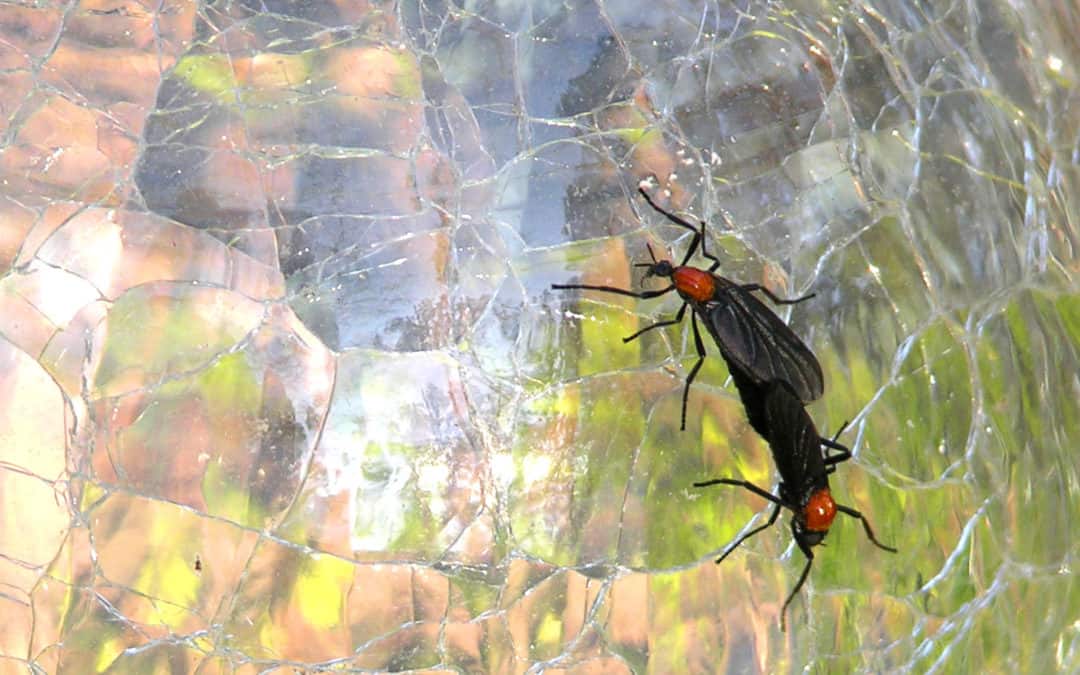
Love bugs are small, about 1/4″ in length with black bodies and red heads. While it is very rare to see them in larval form, adult love bugs are very recognizable as they are almost always seen as a pair, with the male and female joined tail to tail. So why are the love bugs stuck together? The answer is simple. They are mating. Adult females will emerge and live 3 to 4 days, just long enough to mate before they die. Because of this, they must stick together at all time.
There are 2 major flights of love bugs during the year. The spring flight is usually from April to May and the summer flight is from August to September. Each flight lasts about 5 weeks.
While love bugs can be extremely annoying, especially if you are driving in the southern states, they are not capable of biting or stinging and pose no health threats to humans or other animals. They are also not known to transmit any diseases. They do cause other problems, however. Love bugs are attracted to the gas that is emitted from automobiles and will often congregate in large numbers near highways. This causes them to be killed in large numbers on car hoods, grills, and windshields. If left for too long, dead love bugs can cause damage to car paint, obstruct windshields, and even clog radiator passages and grills, causing mechanical issues and engines to overheat. These pests also thrive in humid environments so they can be found in basements, attics, and storage rooms, and even on flowers or in flower beds with high moisture content.
While your best bet is to just let them run their course, there are a few ways you can eliminate love bugs or deter them from your car or home.
Clean Your Car. Wash your car often with warm soapy water, especially if there are dead love bugs stuck to it. Wax your car prior to mating season to make it harder for them to stick to the exterior.
Eliminate Standing Water. Inspect your home and yard for any areas of standing water and get rid of them. This will also help with mosquitoes. Monitor your home’s humidity levels, as well.
Natural Repellents. You can try natural repellent sprays made from essential oils such as peppermint. to repel love bugs.
Clean Up The Yard. Keep the grass mowed and shrubbery trimmed. Clear any debris from the yard, especially anything that can hold moisture.
Vacuum. The best way to get rid of live love bugs that may be swarming around your home is to vacuum them up.
While love bugs don’t pose any significant threat to humans, they can be a nuisance. If you have an issue with love bugs or any other pest, contact a professional pest control company for assistance.
Asian Giant Hornets (Vespa mandarinia), also known as “Murder Hornets” have now been found in the United States for the first time ever. Although scientists are unsure when or how these pests first arrived, there have been verified sightings as far back as December in Washington state. These hornets were also discovered back in August 2019 in Canada in both British Columbia and Vancouver Island.
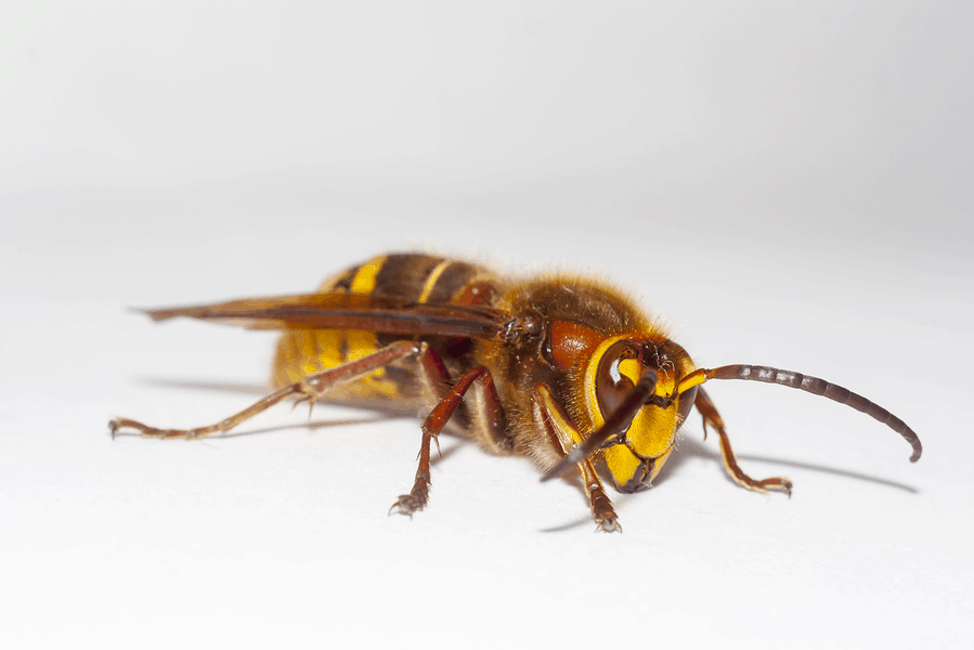
Asian Giant Hornets are larger than typical species of hornets with an average length of 1.5 to 2 inches. They have large yellow to orange heads with prominent eyes. They also have yellow/orange and black stripes extending down their abdomen.
“Murder hornets” are known to be aggressive. While they don’t typically go after humans, they will attack if they are disturbed or threatened. Their stingers are longer and more dangerous than those of bees and are even capable of penetrating typical beekeeper suits. They will attack aggressively in groups and their collective stings can administer enough toxic venom to be equivalent to the bite from a venomous snake. Multiple stings to a person can be fatal. In fact, these hornets are known to kill up to 50 people per year in Japan.
The life cycle of the Asian Giant Hornet begins in April prompting concern from scientists and researchers that a wave of these predators is imminent. Queens will soon be emerging from hibernation in search of new locations for underground nests. Once these are established, workers will be sent out in search of food for the newfound colony. This usually happens in late summer and early fall.
These “murder hornets” are a significant predator to honeybees, one of the most important pollinators in the United States. In fact, Asian Giant Hornets are capable of wiping out an entire honeybee hive in a matter of a few hours. The worker hornets will decapitate the bees and bring their thoraces back to the colony to feed their young. This is problematic for the US as honeybee and other pollinator populations are already on the decline. Pollinators increase the United States’ annual crop values by $15 billion.
Because of this threat to the honeybee population, scientists are actively searching for Asian Giant Hornets and their nests to keep their population from becoming established and completely eradicating the bee population here. The fact that these hornets’ nests are often found underground coupled with the ideal and vast climate and landscape of Washington state, tracking down these nests is quite difficult. Scientists have mapped out search grids and are moving painstakingly across the state in search of these pests. They are placing traps with geotagging and implementing geothermal imaging of the forest floors. They also have plans to try other methods in the future such as tracking the signature hum the hornets make when they are in flight and tagging and tracking any hornets that are caught in the traps.
While the “murder hornets” don’t pose an immediate threat to the Southeast states right now, it’s important to be aware of the destruction they can cause. For any questions regarding bees or other pests, contact a Northwest team member at (888) 466-7849 or request a free estimate now.