Nov 21, 2018 | Pest Control
Fall is here! Football has started, bonfires are lit, and the weather is bringing more people outside. Though now is the time for all the Fall fun, you aren’t the only one enjoying this weather. Those snakes that slither through the tall grass and the woods of your backyard also appreciate this time of year! They can be intimidating creatures, but they also shouldn’t draw too much concern from the average person.
In Georgia it is illegal to kill certain snakes, punishable with fines of up to $1000 and/or up to one year in jail. This shouldn’t be an issue for most of us, however, because snakes want to avoid us just as much as we want to avoid them. Did you know that most snakes in Georgia are non-venomous with only six being venomous?
Let’s touch on these 6 venomous species of snakes and how you can tell which is which:
Eastern Coral Snake: This snake is easily recognized. You can tell them apart by the red and black segments on their body separated by yellow rings. Unlike the other snakes on this list, the coral snake has a rounded snout.
Copperhead: The copperhead usually has a light brown to gray skin color, but they can range from rusty orange to nearly black. You can recognize them easily by the 10 to 21 dark-brown hourglass-shaped crossbands on their body. Look out for their triangular shaped head, as well.
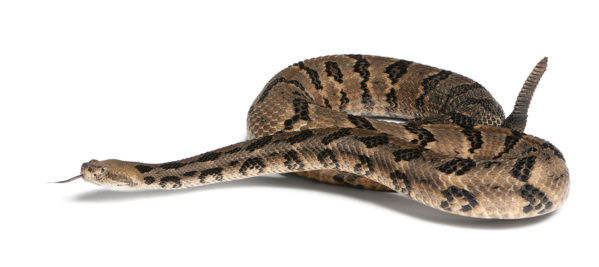
Timber Rattlesnake: They have background skin that can be a variety of different colors, ranging from shades of pink, yellow, gray, brown, or black. It has brown to black V-shaped bands down its body. It has a black tail with a rattle at the tip.
Pigmy Rattlesnake: They are usually gray or tan but can be reddish or black. The pattern on its body resembles blotches or spots that are dark in color. The tip of the tail has a rattle.
Cottonmouth: The cottonmouth has light brown or olive-colored skin with dark bands along their bodies. When they mature they may become very dark, obscuring the bands completely.
Eastern Diamond Rattlesnake: Its body is patterned with a row of diamond-like shapes that are dark brown in color. Each shape is outlined by a yellowish border. The tail has 3 to 10 brown and white bands and a rattle.
Before snakes go into hibernation, there’s a chance you might see one in your yard or while you’re out for a walk. In a situation like that, avoid the snake, and call your local pest control company to relocate it for you. And remember, it doesn’t want to hurt you, so don’t hurt them.
Oct 23, 2018 | Pest Control
Leaves are falling, the weather is prepping for a big change, and while you decorate your home for the upcoming seasonal festivities, one of the seasons most notorious creepy crawlers will try to make its way into your home, posing a significant danger to you and your family.
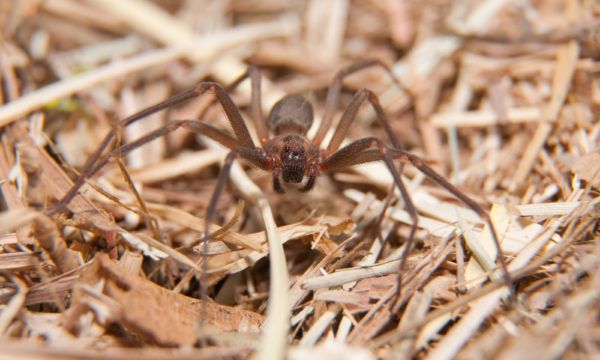
Once the weather starts to cool, spiders look for refuge inside your house. Brown recluse spiders will make their way into undisturbed areas of your home (attics, garages, basements, and crawl spaces). At 1/2″ in size and varying from light brown to medium brown with a dark brown violin marking on its back, brown recluse spiders are very good at adapting to living in your home and can go months without food or water.
Most spiders are harmless, but brown recluse spiders can cause very painful and sometimes severe bites. Some people are only affected slightly by the bites of brown recluse spiders, sometimes only walking away with only a small red mark. Some however, may have a severe allergic reaction will need to seek out a medical professional to identify if the bite is from a brown recluse.
Mind these points during Fall:
- When pulling out decorations for the holidays, exercise caution. Brown recluse spiders will utilize these spaces as hiding spaces.
- We say this in every blog but seal any cracks and crevices around the house. This is the best defense as this is how brown recluse spiders will enter homes.
- As proactive as we’d like to be in our home preparations, calling a pest control professional to properly identify the pests and create a treatment plan is crucial.
Oct 23, 2018 | Pest Control
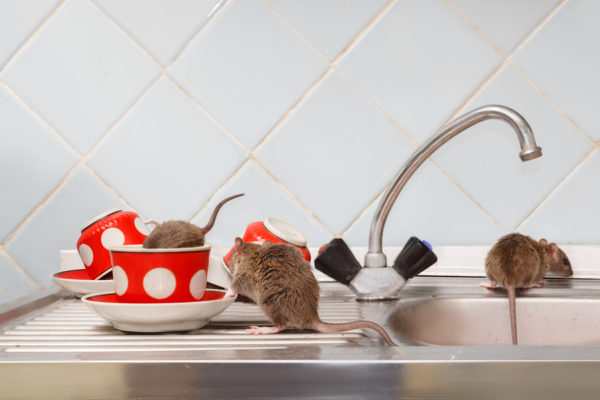
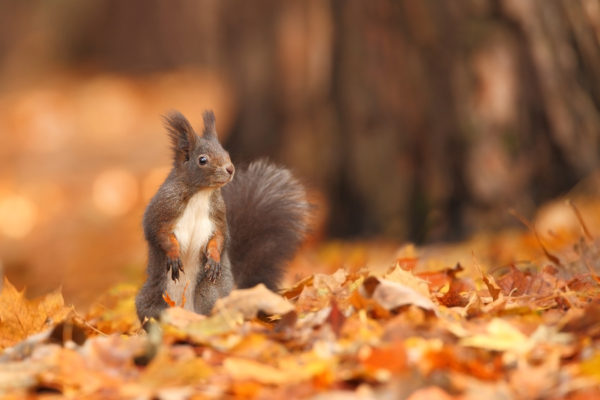
Fall approaches, and with it comes crisp air and the hint of colder weather. Our natural response to colder weather is to stay inside more for warmth and shelter. You may not be alone in finding shelter in your home. Animals, specifically rodents, such as rats, mice, squirrels, and chipmunks, among others, often find a way in your house as they come for the food and stay for the warmth.
These rodents represent a significant problem to both your property and your health. They can chew though wallboards, wood, cardboard, and electrical wiring. Chewed up electrical wires, especially, are a big problem due to the potential risk of starting fires.
The diseases rodents can carry are just as big a concern as potential property damage. Diseases ranging from hantavirus to salmonellosis to rat-bite fever can be fatal, especially for children and the elderly.
Hantavirus
Hantavirus is transmitted to humans from exposure or inhalation of rodents’ urine or feces. Early symptoms include fatigue, fever, and muscle aches. Infection with hantavirus can lead to Hantavirus Pulmonary Syndrome (HPS), which can be fatal.
Salmonellosis
Salmonellosis is an infection cause by salmonella bacteria. It is spread through rodent feces, most commonly through the consumption of contaminated food. Most people have symptoms like diarrhea, fever, vomiting, and abdominal cramps.
Rat-bite fever
Rat-bite fever is an infectious disease that is spread from bites or scratches from infected rodents, even simply handling infected rodents without a scratch could lead to the disease. Symptoms include fever, vomiting, muscle and joint pain, and rashes. If not treated, it can be a potentially fatal disease.
Sometimes rodents in your house can feel more like an annoyance or minor inconvenience, but they can pose a serious threat to you, your family, and your property. If you see any signs of rodents in your home, contact a professional pest control company to ensure they don’t multiply and do some serious damage.
Oct 15, 2018 | Pest Control
Autumn is right around the corner and it brings with it cooler weather, Halloween, football, and a plethora of new pests. As the weather gets colder, pests will seek shelter, food, and warmth in our homes. Different seasons bring different pests and this time of year is no exception. Here are 7 of the most common fall pests and ways to prevent them from invading your home.
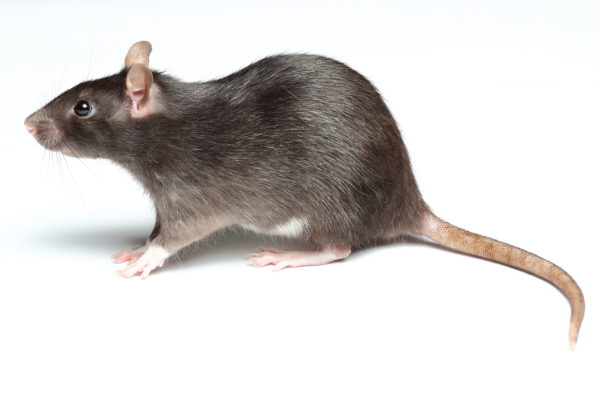
RODENTS
Rats, mice, and squirrels are among the most common rodents seen in the fall. They need food and warmth to survive the cold winter months. Rats are known to carry disease and can cause potential health problems for you and your family. They also get into food storage and chew through wooden supports. They build their nests in your insulation and can cause fires by chewing through electrical wires. They can fit into small gaps and holes to get into your home and bring fleas, mites, ticks, and lice with them.
Rodents can be prevented by:
- Storing food in airtight containers.
- Sealing cracks around your foundation.
- Keeping your kitchen clean.
- Decluttering your garage and attic.
- Using plastic storage containers instead of cardboard.
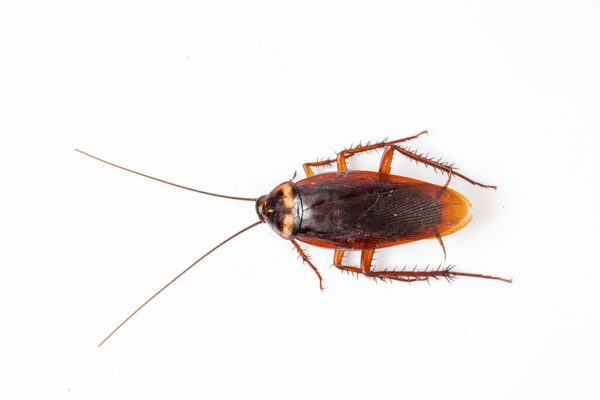
COCKROACHES
Cockroaches are the most common fall pest. Cockroaches can be dangerous to your health as they are known to carry 33 different types of bacteria and can cause asthma in children. They are large, fast, and extremely resilient. They like to hide near pipes and drains and are commonly seen in kitchens and bathrooms.
Cockroaches can be prevented by:
- Keeping kitchens and bathrooms sanitized.
- Vacuuming frequently.
- Ensuring cracks around your home are sealed.
- Storing food in airtight containers.
- Eliminating sources of standing water.
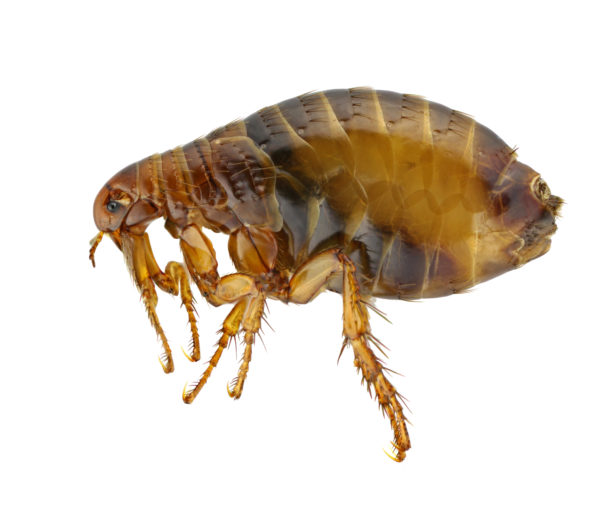
FLEAS
Fleas come into your home on both pets and rodents. While they don’t transmit serious diseases to humans, their bites can be painful and irritating. Fleas can spread throughout your home quickly and can be extremely difficult to get rid of.
Fleas can be prevented by:
- Keeping grass mowed and shrubs trimmed.
- Not leaving pet food out overnight.
- Sealing openings to crawlspaces, garages, sheds, and decks.
- Using preventative products on your pets.
- Vacuuming often.
- Washing pet bedding often.
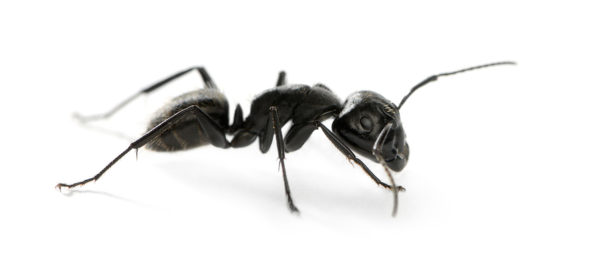
ANTS
There are several species of ants that are common in the fall. Ants can move into the walls of your home or underneath your foundations and cause significant damage to your home. Carpenter ants can chew through the wood of your home and compromise its structure. Odorous house ants can get into and contaminate your food.
Ants can be prevented by:
- Sealing cracks around your foundation.
- Storing food in airtight containers.
- Sweeping your floors often.
- Eliminating sources of standing water.
- Keeping tree branches and plants cut back from your home.
- Not storing firewood near the home or indoors overnight.
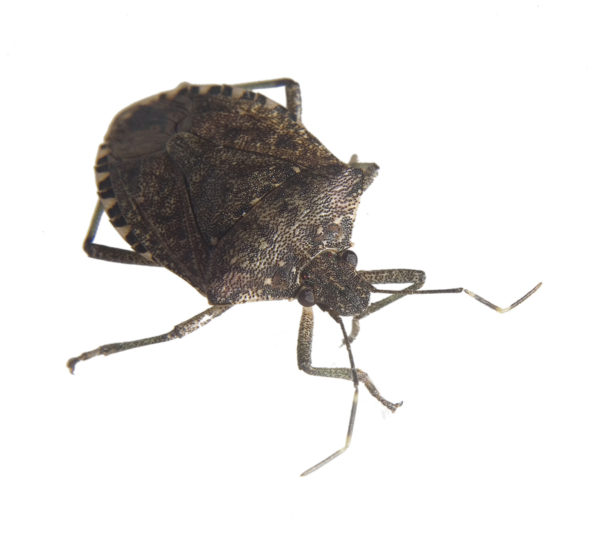
STINK BUGS
Stink bugs actively seek shelter indoors from the cooler weather of fall. Stink bugs don’t transmit diseases, nor do they bite or sting. They can, however, cause damage to clothing, furniture and other fabrics with their droppings. They emit a strong odor when they are frightened, disturbed, or squashed as a defense mechanism against predators.
Stink bugs can be prevented by:
- Checking your belongings before bringing them inside the home.
- Making sure screens on doors and windows are in good repair or, if not, that they are replaced.
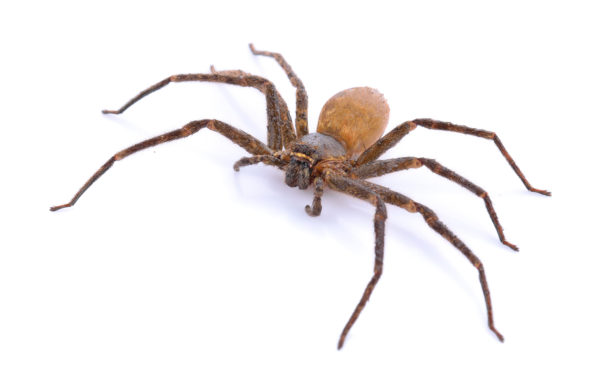
SPIDERS
There is a significant increase in the number and variety of spiders that appear in the fall. Fall is mating season for most spiders so they are actively seeking mates before winter sets in. The most common spiders seen in the fall are house spiders, which are responsible for the cobwebs you often see in your home, wolf spiders, and hobo spiders.
Spiders can be prevented by:
- Sealing cracks and crevices around your home.
- Turning porch lights off at night to decrease the number of bugs around your home for spiders to eat.
- Dusting regularly.
- Removing cobwebs as soon as you find them.
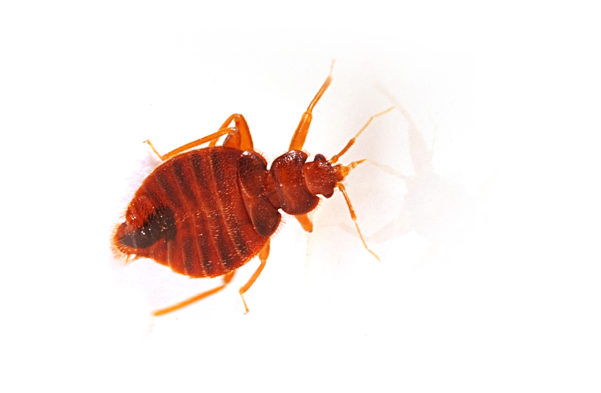
BED BUGS
Travel in the fall increases with a large number of sporting events, family gatherings, and students heading back to school and college. Bed bugs ride on clothing, suitcases, and even school bags. While they don’t spread disease, they do leave behind itchy red welts. Bed bugs are extremely difficult to control and eliminate.
Bed bugs can be prevented by:
- Inspecting hotel rooms and dorms before unpacking.
- Keeping personal belongings off the floor in public places.
- Checking suitcases before bringing them back into your home.
Sep 28, 2018 | Mosquito, Pest Control
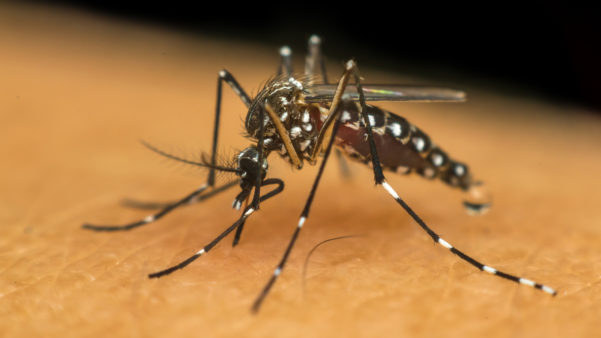
Summer is drawing to a close and, even though the temperatures are cooling off, they haven’t reached the cold level yet. The time is drawing near for the last battle of the year – us versus mosquitoes! That’s right – just because we’ve moved into fall doesn’t mean the end of mosquito season – especially in the south. Mosquitoes are cold-blooded insects and won’t disappear until temperatures are consistently below 50 degrees. In fact, mosquitoes can even still breed in standing water, especially with the extra rain this time of year brings.
So what can you do to not only prepare yourself for this last battle but keep them at bay until the winter months? Make sure to include mosquito prevention in your fall home and yard preparations. Follow these tips to win the battle with mosquitoes!
- Remove any standing water from flower pots, bird baths, tires, tarps, and any other containers in and around your yard that can hold stagnant water.
- Remove piles of leaves and debris from your yard as these can give mosquitoes a place to hide out and possibly breed.
- Clean your gutters and fix leaky pipes. If cleaning gutters isn’t your thing, consider installing gutter guards to eliminate the hassle of cleaning them year after year.
- Continue to wear protective clothing and repellent when you are outdoors, especially in the early morning and at dusk.
- Make sure screens on doors and windows are in good repair without holes or tears, especially as we use our air conditioners less and enjoy the cooler temperatures outdoors.
- Contact a professional pest control company to help you eliminate mosquitoes from your home and property and help you with an ongoing prevention and treatment plan.