Feb 23, 2021 | Mosquito
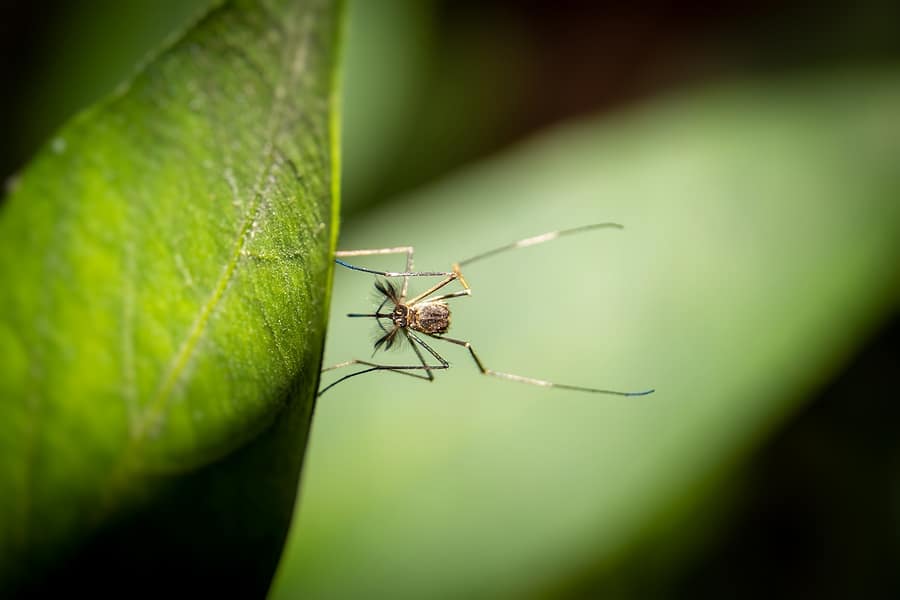
Mosquitoes are known to be a nuisance. With the warmer weather upon us, taking the necessary steps to avoid these pests is extremely important. Mosquito control treatments performed by professionals can help reduce these pests by targeting adult mosquitoes and larvae throughout your property. There are several factors that determine how these treatments can help protect you, your family, and your property.
Mosquito season typically runs from April to October, with warm seasons being a major factor in their activity. Mosquitoes are highly attracted to standing water. They will usually lay their eggs in water for survival, only needing a small amount of water to do so. Once these eggs hatch, it can be difficult to try and control them.
If mosquitoes have hatched and are roaming your property, they can find their way inside your home. Mosquitoes are small, measuring only 1/8 – 3/8” long. They can easily fit inside small holes or gaps leading into your house. Ensuring that your windows and doors have screens in good repair is essential for keeping them out. If inside, mosquitoes will search for a perfect place to lay eggs, including in areas with house plants and water trays. These nuisance pests will lay their eggs in water trays and even feed off the plants for energy.
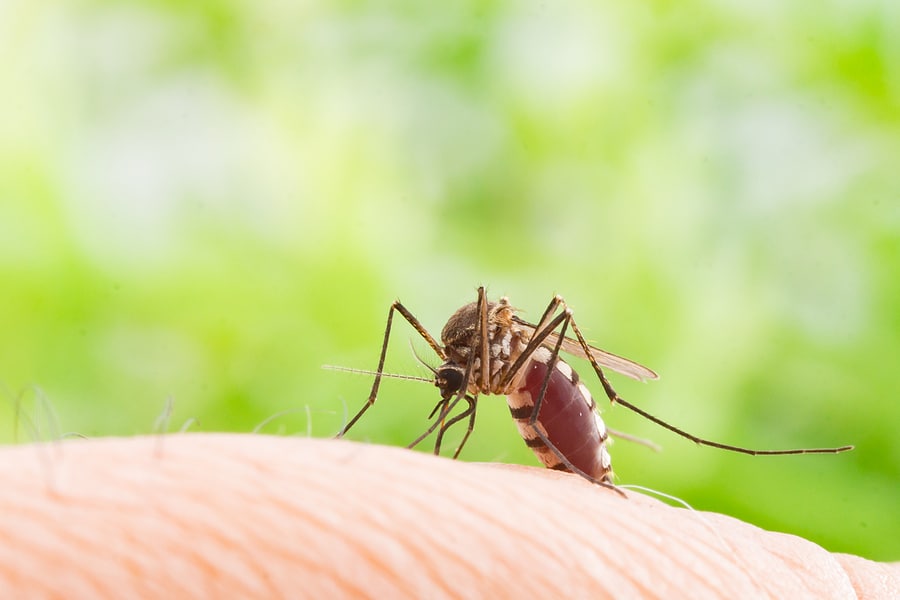
Female mosquitoes will bite and feed on humans and animals, as they require a blood meal to lay fertile eggs. These bites can become red, itchy, and irritating for both humans and animals. Mosquito bites are equally dangerous; mosquitoes can spread viruses such as West Nile or dengue fever through their bites. To avoid mosquito bites, take precautions when you know you’ll be outside during the peak season. Use EPA-registered mosquito repellants, wear long-sleeved shirts and pants, and avoid using scented lotions or bath products.
With mosquito treatments, a pest professional can inspect your property and identify the resting and breeding areas to more effectively eliminate these pests. These services are recommended monthly during peak mosquito season so you can have a bite-free spring and summer! If you are concerned with mosquitoes on your property, contact your local pest control company for a free inspection!

Feb 5, 2021 | Mosquito
Mosquito season is right around the corner, starting in the spring and peaking over the summer. Taking precautions now can help prevent a mosquito infestation when the weather warms up. While mosquitoes aren’t usually a problem inside your home, they will take over your yard, hampering your time spent outdoors. Besides being a nuisance, mosquitoes can transmit serious diseases to not only humans but also dogs, cats, and horses. Help keep your family and pets safe with these mosquito prevention tips.
Get Rid of Standing Water
Mosquitoes breed in standing water and only need a thimbleful to procreate. Eliminating potential breeding sites will help with mosquito elimination. Identify any low areas that are prone to flooding or pooling water and fill them in with dirt or remulch them. Empty bird baths daily and refill them. Keep gutters clear of debris. Turn over and remove water from anything that can collect it including pots, tarps, toys, furniture, old tires, pet bowls, etc. Fix any leaky faucets, sprinklers, and hoses that can cause water to pool up. Check AC drip pans for standing water. Keep pools maintained and cover or fill hollow tree stumps.
Clean Your Gutters
Clogged gutters can lead to standing water, attracting mosquitoes looking for a place to lay eggs. Keep gutters clear of debris or consider installing gutter guards to help prevent clogs. This can also help prevent other pests, as well.
Treat Your Water Features
For larger water features that can’t be eliminated, treat them with larvacide that will eliminate any mosquito larvae that is present. Use it in any areas of standing water such as ponds, water features, and swimming pools.
Keep Yards Maintained
Mosquitoes love to hide in tall grass, shrubbery, and damp woodpiles. Keep your grass mowed short and your landscaping well maintained. Keep wood piles covered or store wood in containers with lids.
Use Outdoor Fans
Mosquitoes are attracted to carbon dioxide and body heat. If you have to spend any time outdoors, consider using outdoor fans to help dissipate and redirect the carbon dioxide and body heat you emit. This helps make you less attractive to mosquitoes in the area.
Install Mosquito-Repelling Flowers
Some common flowers and plants actually make great natural mosquito repellent. Planting these flowers around your home will help keep mosquitoes at bay. Marigold is one of the most common mosquito-repelling plants. Others include lavender, rosemary, basil, catnip, lemon balm, peppermint, and pennyroyal. Citronella grass is also a good option as it is extremely easy to maintain and can be used to fill in large areas.
Attract Bats
Yes, you heard that right! Bats eat thousands of mosquitoes each day. While this may not be an ideal solution if you live in a neighborhood or in close proximity to your neighbors, it is a great alternative to those with larger properties. You can build a bat house to attract them to your yard and watch the mosquitoes disappear.
Call The Pros
Fighting mosquitoes can seem like a never-ending battle despite your best efforts. There are several mosquito control options available today. Most professional mosquito elimination services will include treatments that target both adult and larvae, as well as source reduction and elimination techniques. These services are typically monthly during peak mosquito season. If you have a problem with mosquitoes, contact a professional pest control company for a free estimate.
You May Also Be Interested In:
Oriental Cockroach Vs American Cockroach
10 Easy Tips for Preventing Mice and Rats
Avoiding A Winter Wildlife Invasion
What You Should Know About Termites This Spring
10 Common Spiders in Georgia
Aug 5, 2020 | Mosquito
Mosquitoes, known to be a top summer nuisance pest, are a huge problem when they invade your property. With consistently heavy rains and warm temperatures, it seems like these insects never go away. Why is it that these pests seem to come out excessively when it’s hot and raining?
It’s important to note that mosquito activity can vary from region to region, depending on the temperature of the area. Mosquitoes are cold-blooded insects; therefore, these pests won’t disappear until temperatures are consistently below 50 degrees. In areas of high temperatures, mosquito activity increases making summer peak mosquito season. Because of this, if it’s warm in the area you live in you’ll most likely see mosquitoes around.
When it comes to the rain, mosquitoes aren’t particularly attracted to the actual rainfall, but instead to what the rain leaves behind. Standing water brings mosquitoes for one reason – a place to lay their eggs. The water that’s left behind from rain provides the ideal place for their eggs to survive and hatch. It’s important to note that if any water is left undistributed for a long period of time, the eggs laid will eventually hatch and create even more mosquitoes to invade your property.
While rain and heat are inevitable during the summer months, they don’t mean there isn’t a solution to prevent mosquitoes. Here are some easy ways you can keep mosquitoes away from your property,
- Remove standing water from flowerpots, birdbaths, tarps, and any containers in or around your yard holding standing water
- Remove piles of leaves and debris from your yard and gutters, as these can give mosquitoes a place to hide and breed
- Cover any objects that can hold or collect standing water that can’t be removed, such as pools and boats
- If you’re constantly battling mosquitoes, it might be time to contact a professional pest control company to help eliminate them and provide an ongoing prevention plan.
Apr 20, 2020 | Mosquito, Pest Control
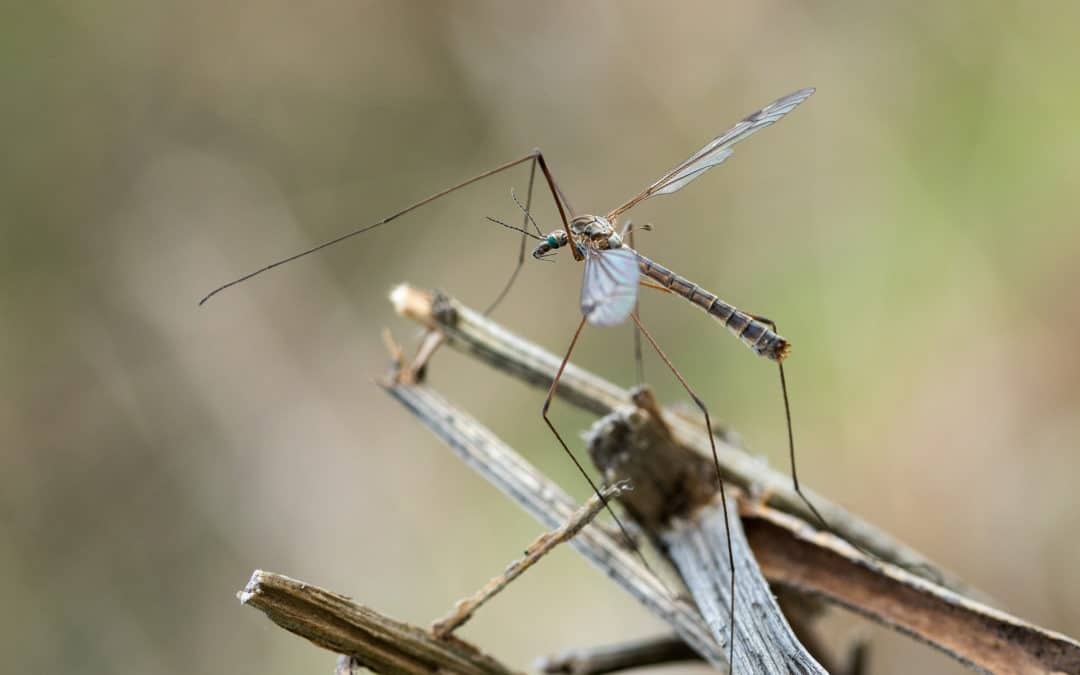
Imagine sitting outside, enjoying the weather with family, when you notice what looks to be a mosquito but it’s massive! No, this isn’t a super-sized mosquito, though it may look like one; it’s just a crane fly. Mosquitoes and crane flies can look very similar to one another, though they are very different by nature.
Crane flies can be black, red, or yellow in color depending on their species. Their wings can be transparent, brown, grayish-black or even brownish-yellow. They typically have extremely long legs and elongated faces opposed to the much smaller body of the mosquito. Active in the fall and spring, these creatures enjoy lawns near wooded areas or open fields where the females can lay eggs in the grass. They also tend to increase in numbers when there is a surge of dampness or heavy rainfall.
While mosquitoes can be considered a threat since they are known to survive off the blood of warm-blooded creatures, crane flies are deemed harmless and even gentle creatures. The only real damage that a crane fly can cause is in their larvae state after hatching when they will typically eat grass roots, leaving large brown patches on the lawn.
If you happen to see crane flies roaming around in your yard, don’t be too alarmed as they are no real threat to human health. If you are noticing more mosquitoes flying around, though, that could be a concern. It’s always best to contact a local pest control company who can help identify these pests and suggest a treatment plan if needed.
Feb 21, 2020 | Pest Control
A myth is defined as a widely held but false belief or idea. While myths are often based on some semblance of the truth, more often than not they are exaggerations or misunderstanding or even outright falsehoods. There are tons of myths regarding pests and pest control, some completely outrageous and others almost believable. Here are 10 of our favorite pest control myths.
1. Bees Can Only Sting Once
You’ve heard this one before. Once a bee stings you it can’t sting you again. This is one of those myths that is partly based in the truth. Honeybees, and ONLY honeybees, can only sting once. Other varieties of bees, wasps, hornets, etc. can sting as many times as they want. So be prepared – just because you’ve been stung once doesn’t mean there aren’t more stings coming along right behind that one.
2. Bees Will Only Attack When Provoked
This is another common myth you’ve probably heard – if you don’t mess with a bee it won’t mess with you. Once again, this is not the case. Bees, wasps, hornets, yellow jackets, and other stinging insects will sting you if they feel they or their colony are being threatened. This could be something as simple as walking too close to their nest. If a nest is spotted on or near your home, remove it safely or call a professional to remove it for you.
3. Bugs Won’t Come In A Clean House
This is a big misconception in pest control. Just because your house is clean doesn’t mean you are immune to bugs and other pests. While a dirty house can make a pest stay longer, a clean house doesn’t keep them out. Bugs come into a home in search of three things: food, water, and shelter. While an unkempt house can provide more opportunity for these 3 things, a clean house can provide them, as well. What is more important is sealing any entry points that pests can use to access your home.
4. Seeing A Cockroach Means Your House Is Dirty
This myth is similar to #3. Once again, cockroaches will come into your home for 2 main reasons: food and shelter. While they may find these in more abundance in a dirty home, they can also find them in a clean home too. Once a cockroach infestation is established it can be extremely difficult to get rid of. Cockroaches can enter through an opening the size of a quarter so sealing any possible entry points is critical in preventing them.
5. Mosquitoes Only Come Out At Dawn And Dusk
This is another myth that is based in part on the truth. Some species of mosquitoes are more active at dawn and dusk but mosquitoes can be active at all hours as long as there is food available. Best practice is to utilize mosquito prevention techniques anytime you will be outdoors.
6. Bug Zappers Can Eliminate Mosquitoes
This one is blatantly false. Bug zappers use ultraviolet (UV) light to attract insects into its cage. Mosquitoes aren’t attracted to UV light at all so they won’t be anywhere near the bug zapper. Bug zappers also don’t usually have enough power to actually kill the insects it attracts so it can have a reverse effect on insect populations around your home.
7. Mice Love Cheese
We’ve all seen or heard this one, either in a story or on TV. While mice will snack on the crumbs of just about any food, cheese actually isn’t their first choice. They would prefer to snack on foods that are high in sugar like peanut butter, candy, honey, or dried fruit. In fact, chocolate or peanut butter are the best choices to use in a mouse trap.
8. Bed Bugs Can Be Eliminated With DIY Techniques
Bed bugs are one of the most difficult pests to eliminate once they establish an infestation in your home. They are extremely small and only come out to feed at night, making them very hard to locate and identify. They can also multiply rapidly and can infest a structure very quickly. Because of this, they are extremely difficult to get rid of on your own and most cases require professional treatments to eradicate.
9. Termites Can’t Damage Brick Or Concrete Slab Homes
This is one of the biggest myths of pest control. While termites don’t actually eat brick or concrete, they have no trouble crawling over them to get to the wood beam structures that were used to build your home. For this reason, termites can, in fact, cause significant damage to brick and concrete slab homes.
10. If You Don’t See Any Bugs They Aren’t There
Just because you don’t see any bugs or any damage from them doesn’t mean they aren’t there. Termites and carpenter ants can cause damage for months before any signs of their damage become visible. Most infestations are well established before any damage is detected. Bed bugs are also hard to spot and often go unseen but leave devastating signs of their presence behind.
While all of these myths about pest control aren’t true, one thing that is true is prevention is the most effective way to avoid a pest infestation. If you suspect you have a pest control issue, contact a professional pest control company whose technicians are trained in the latest technologies and methods to help identify and eliminate your pest problem.
You May Also Be Interested In:
Is Orange Oil Effective As A Treatment For Termites?
How Much Does It Cost To Remove Animals From Your Attic?
Mosquitoes In The South
Don’t Bring Bed Bugs Home!
The Dangers of Flea and Tick Bites