READY TO GET STARTED?
REQUEST A FREE ESTIMATE
Fill out the form below or call (888) 466-7849 for a free, no-obligation estimate.

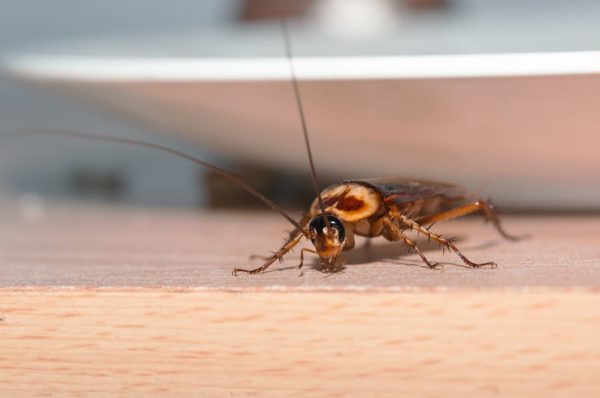
Cockroaches have been around for over 300 million years – even longer than the dinosaurs! These pests are resilient and adaptive with odd behaviors and survival tactics which have helped them survive for so long. While most homeowners are aware of the health risks associated with roaches, including allergies, asthma, and the spread of germs and bacteria, there are lots of interesting facts about cockroaches you might not realize. Here are 7 things you might not know about cockroaches.
Cockroaches are one of the most highly adaptable pests on earth which makes them extremely difficult to control or eliminate. To prevent cockroaches keep food sealed and stored properly; clean your kitchen daily; don’t leave food or pet food out overnight; dispose of garbage regularly and use cans with sealing and locking lids; identify any small cracks or holes around your home and seal them; and make sure basements and crawlspaces are kept dry and well ventilated. If you suspect you have a cockroach infestation, contact a professional pest control company who can provide you with a thorough evaluation and appropriate treatment and prevention plan.
How Much Does A Mosquito Treatment Cost?
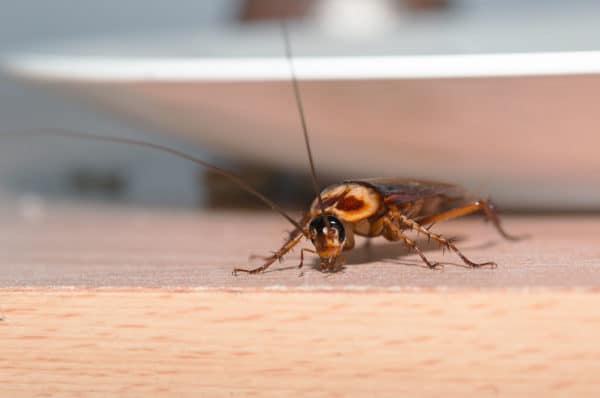
When cockroaches are spotted in your home several questions may run through your mind. The first one is most likely “Oh no,what do I do?” followed closely by “How do I get rid of them?” Once you get over the shock of having one scurry across your floor or countertop, several more questions may come to mind.
What attracts cockroaches? Cockroaches aren’t just attracted to dirty or cluttered houses. Roaches will come indoors in search of 4 things – food, water, heat, and shelter. While dirty or cluttered houses can provide an ample supply of food and shelter, clean houses can provide many of these necessities for roaches, as well. Appliances offer a source of heat so roaches are often found under or behind them. Leaky faucets or pipes can provide a water supply no matter how clean your home is.
Are cockroaches dangerous? The answer to this is a resounding yes. Cockroaches are known to carry bacteria that can cause illnesses in humans, such as salmonella, when it is deposited on your food or food prep surfaces. Roach excrement, shed body parts, eggs, and even saliva have been proven to trigger allergic reactions and asthma in affected people.
What do cockroaches look like? You may wonder why this is important. After all, a cockroach is a cockroach, right? Different species of cockroaches have different habits and require different treatments to completely eliminate a roach infestation from your home. While there are many different species of cockroaches worldwide, there are a few that are common to Georgia. Here’s how to identify each of them to help ensure you get the proper treatment.
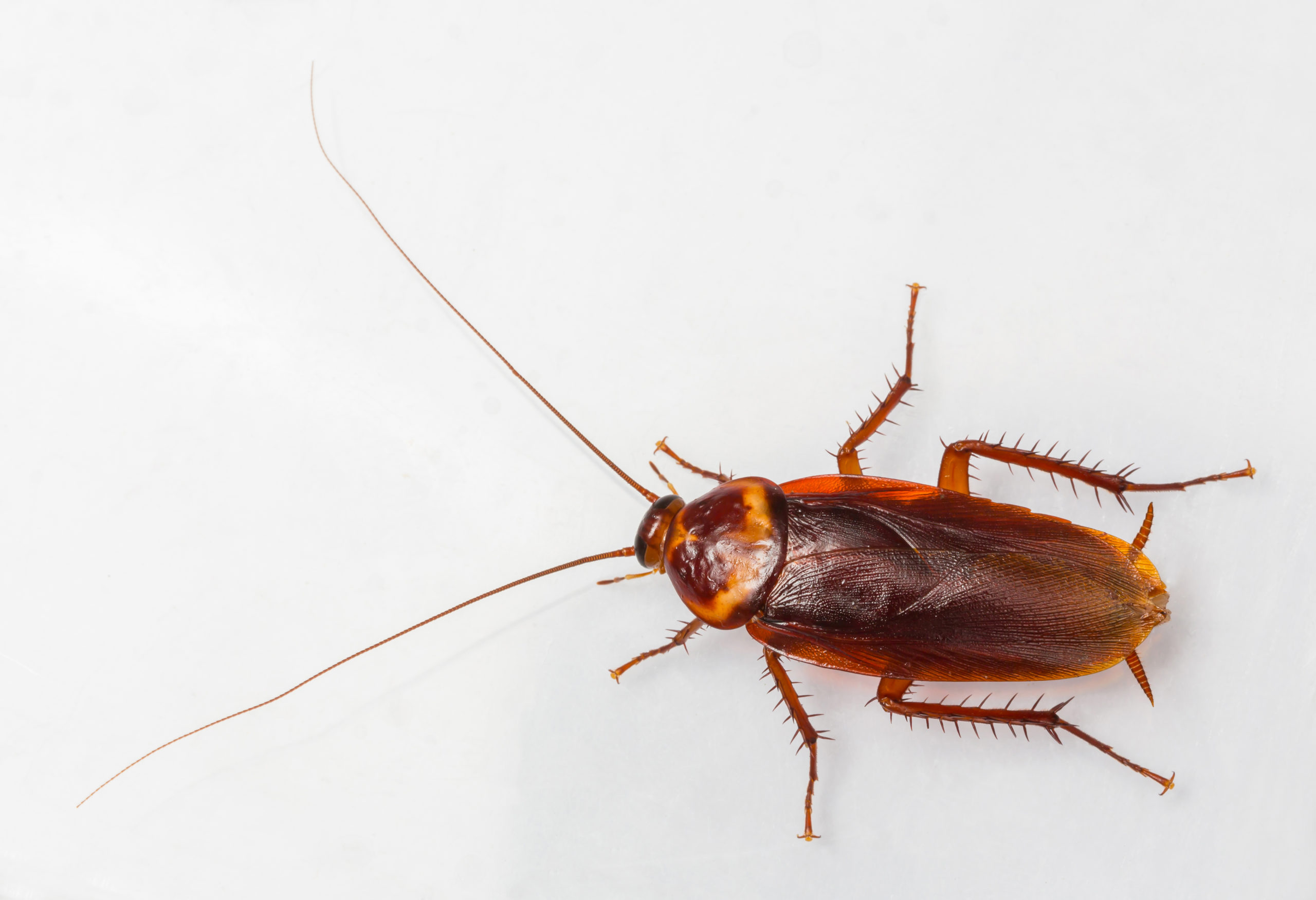
The American cockroach is the largest and most common cockroach found in homes in Georgia. These roaches are a chestnut to light brown color with light yellow bands around the shield behind their heads. They are large with adults approximately 2 inches in length. Male and female American cockroaches have wings and they are capable of flying short distances. This species can live up to 2 years. They are active at night and are often found around water sources like pipes, sewers, and basements. They are also commonly found in kitchens and bathrooms. They often cohabitate with smokybrown and Oriental cockroaches.
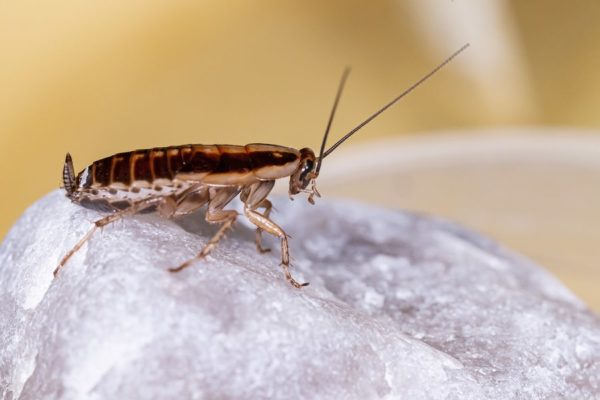
The German cockroach is another easily recognizable cockroach in Georgia. These roaches are tan with dark brown parallel stripes on the back of their upper thorax. They are smaller than their American counterparts with adults measuring about 1/2″ to 5/8″. German roaches can live up to 12 months. This species is also active at night and are often found in kitchens near food and heat supplies from appliances. They also produce more eggs than any other species.
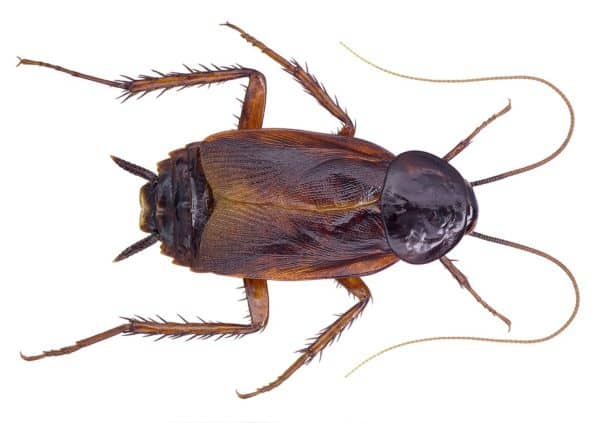
The Oriental cockroach is another common species in Georgia. They are glossy with cherry to black coloring. They are large with adults measuring 1 to 1.25 inches in length. Males have short wings but females are wingless. These roaches can live up to 6 months. Although they often cohabitate with American cockroaches, they are not usually found indoors. Instead they are found outdoors where they feed primarily on decaying matter. They are active at night and have habits similar to their smokybrown cousins.

The Asian cockroach is tan with double parallel strips on their backs. They are often mistaken for German cockroaches. They are a smaller species with adults measuring 1/2″ to 5/8″. These roaches are also found outdoors usually under mulch, leaf litter, or high grass. They usually only come indoors when their outdoor habitat is disturbed. These roaches can fly and are attracted to light.
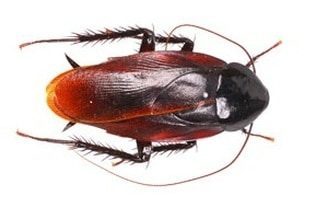
The smokybrown cockroach is dark cherry or red in color. They are large with adults around 1.5 inches in length. They prefer habitats in Southern neighborhoods with mature hardwood trees because they require high humidity and protection from the wind in their shelter. They can often be found in tree holes, attics, crawlspaces, and sheds. They are active at night.
Although you can take some preventative measures to keep roaches out of your home like tidying up, keeping kitchens and bathrooms clean, fixing leaks, and sealing cracks and crevices, they are resilient pests and can often be difficult to eliminate. Contact a professional pest control company who can help properly identify the type of roach(es) you are dealing with, locate points of entry and food and water sources, and effectively and safely eliminate them from in and around your home.
Crane Flies – Are Those Giant Mosquitoes?!
Digger Bee Mounds vs Fire Ant Mounds
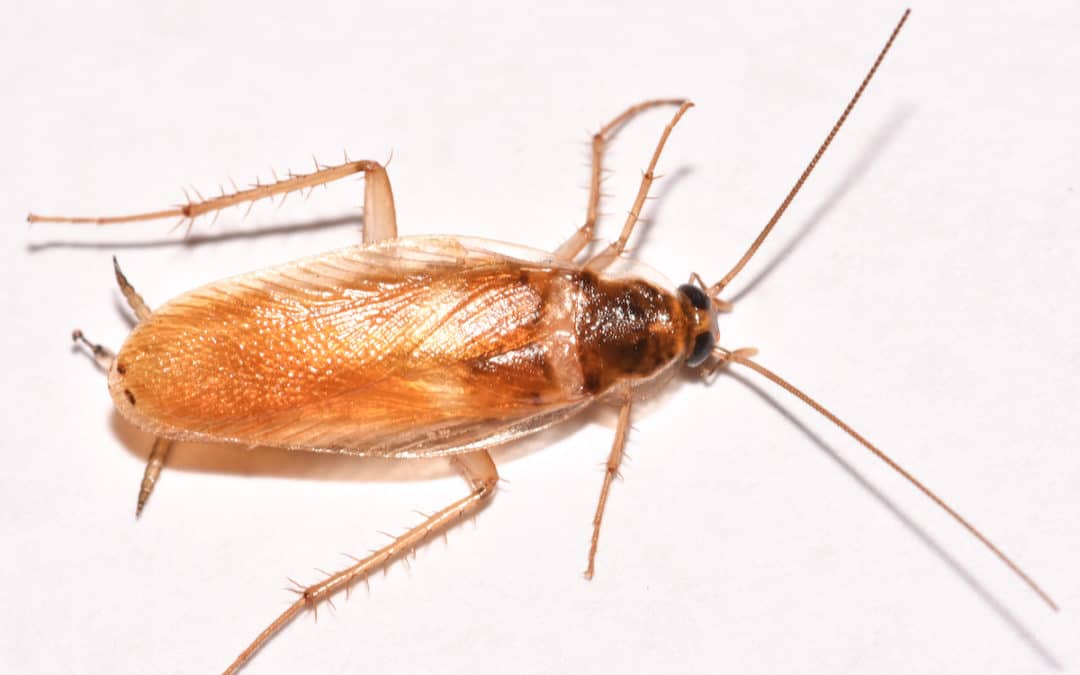
While they aren’t one of the most common cockroach species that are talked about, the brown banded cockroach (Supella longipalpa) can cause problematic infestations like their German and American counterparts. These roaches are one of the smallest species of invasive cockroaches with adults reaching lengths of about 11 to 14 mm. They are found throughout the United States. Brown banded cockroaches are named because of the light brown or tan double bands found on their bodies. These bands are found on the wings of adults and the bodies of the young. They are often confused with German cockroaches.
What attracts cockroaches is pretty simple: food, shelter, and water. These cockroaches need warm temperatures to survive and will often make their way into your home in search of food and shelter. They most often hitch a ride inside on infested furniture (where they often leave their egg casings), grocery items, deliveries, food products, and electronics. Once inside, they are commonly found in living areas where they have access to food supplies and hiding places. They tend to stay in drier locations that are at higher elevations, such as the upper cabinets in kitchens and bathrooms.
When you spot a cockroach in the house one of the first questions people ask is “are cockroaches dangerous?” The answer to that is yes, they can be. Brown banded roaches will feed on anything from trash and food crumbs to nylon stockings and glue. They are known to carry and spread 33 different bacteria, 6 different parasitic worms, and 7 kinds of human pathogens. They pick up these germs on the spines of their legs and bodies and spread them to any surface they touch. They are also known to trigger allergies and asthma in humans.
Once roaches have taken up residence in your home they can proliferate rapidly. They can be quite difficult to eliminate once they are there. The best way to handle roaches of any species is to prevent them from getting indoors in the first place. Check out these cockroach prevention tips:
Cockroaches: A Possible Allergy Trigger
Why Are Mosquitoes Inside My Home?
Mouse vs Rat: Can You Spot The Difference?
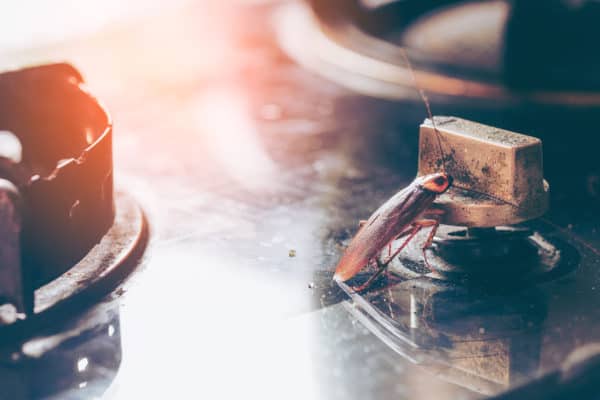
Winter can be a difficult time for cockroaches. While they are adapted to thrive in warm temperatures, these cold-blooded pests cannot survive environments that are too hot or too cold. In fact, some species stop growing and reproducing when exposed to colder temperatures, usually consistently below 45 degrees, for extended periods of time. As temperatures drop, roaches will seek out shelter in warm places, most often in our homes and offices. These buildings provide them with everything they need to survive the winter – warmth, access to water, and an abundant supply of food.
Prevention is key when it comes to roaches. Here are 5 tips to prevent cockroaches from taking over your home this winter.
Roaches are attracted to dirt and crumbs as a source of food Make sure to always wash dishes after a meal and put them away. Clean up any crumbs and spills immediately. Take out the garbage before going to bed. Clean any grease from your stovetop. Keep food sealed in airtight containers. Sweep, mop, and vacuum on a regular basis. Don’t leave pet food, treats, and water out overnight.
Clearing out clutter gets rid of places roaches can use to hide. Keep rooms clutter free and dusted often. Use plastic storage bins with lockable lids versus cardboard boxes. Eliminate newspapers and cardboard altogether as roaches love to breed in these materials.
Roaches get into homes under doors and through cracks. Identifying these and sealing them up helps eliminate points of entry for cockroaches and other pests. Thoroughly inspect around windows and doors, along foundations and the roof, in attics and crawlspace vents, and around holes used for utility and plumbing lines. For small holes and cracks, use caulk to seal them. For larger holes, especially around pipes, use steel wool and foam to seal. Fine mesh wire can be used to seal around attic vents and chimneys.
Roaches, like most pests, need water and moisture to survive. Therefore, standing water or excessive moisture can attract roaches to your home. Regularly inspect your plumbing for leaks and repair them immediately. Make sure to check faucets, sinks, refrigerators, and appliances for leaks and excessive moisture. Crawlspaces are also a common source of excess moisture in homes. Consider crawlspace enclosure to help minimize moisture under your home.
A cockroach infestation can be extremely difficult to control. Prevention can only go so far in the battle against roaches. If you suspect you have a problem with cockroaches, contact a professional pest control company who can help identify the type of roach you have, thoroughly inspect your home to identify points of entry or food sources, and help set you up with a comprehensive roach control treatment and prevention plan.
Is That Bird’s Nest Dangerous?
The Myth of the Granddaddy Long Legs
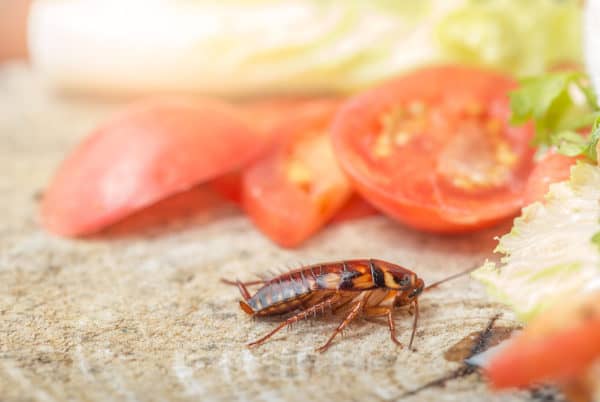
There are thousands of species of cockroaches in the world but only a handful are found in the United States. The most common species found in the US include the German cockroach, the American cockroach, the brown-banded cockroach, and the Oriental cockroach. While there are significant differences between these four species, there are some common features that are shared between ALL species of cockroaches. All roaches have flattened, oval-shaped bodies with antennae on their heads. They all move surprisingly fast and they all present a health risk for households. Roaches are known to spread more than 30 types of bacteria and even parasitic worms. One can find all of these species of cockroaches in the house. However, each species has its own characteristics and can be found in different parts of the home – making treatment methods vary from type to type. Let’s take a look at the different types of cockroaches and some ways to prevent them.
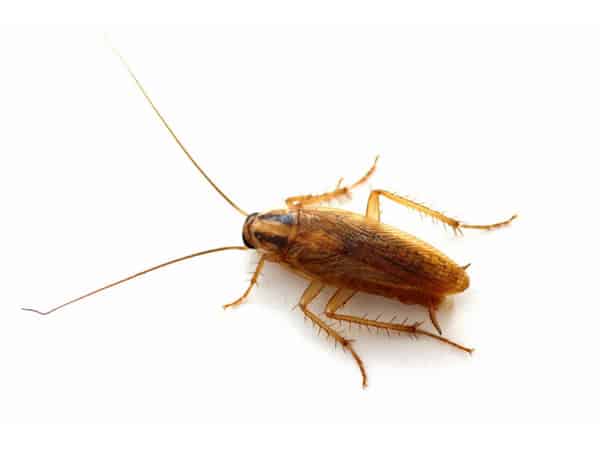
The German cockroach, also known as Blattella germanica, is a smaller species of cockroach, usually only growing to about 5/8″ in length. They are usually pale brown or caramel colored with two dark brown stripes behind their heads. They have wings but do not fly. German cockroaches are found across the United States and prefer warm, moisture-rich habitats. They are often found near dishwashers, sinks, and stoves and are mostly found in kitchens and bathrooms. German cockroaches can live up to 12 months and produce more eggs than any other cockroach species. They eat a wide variety of things but prefer meat, grease, and starchy foods. They are notoriously responsible for outbreaks of illness and triggering allergic reactions in humans. Their small size allows them better hiding capabilities making them harder to get rid of.
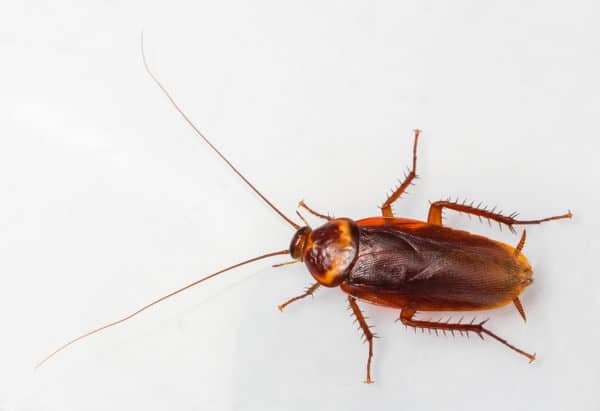
The American cockroach, also known as Periplaneta americana, is one of the largest cockroaches found in homes. American cockroaches grow up to 1-1/2″ in length. They are reddish-brown or brown in color and have light yellow bands around the shield behind their heads. American cockroaches have wings and can fly short distances. They are found throughout the United States and are often found in warm, dark areas like basements, crawlspaces, bathtubs, drains, and sewers. They are also common in households where food is stored. They will eat everything from plant material to garbage and contaminate any surfaces they walk across. American cockroaches can live up to 2 years. They are active when the temperature is 70 degrees or higher but have also adapted to survive at much lower temperatures with the right conditions.
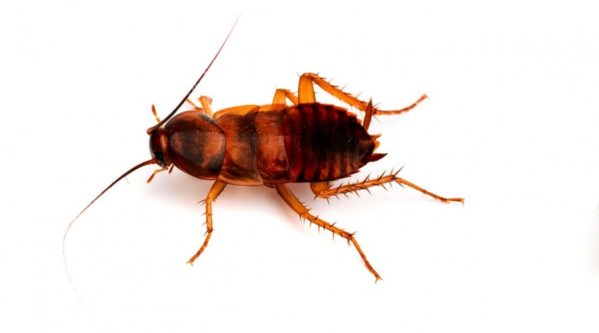
The brown-banded cockroach, also known as Supella longipalpa, is a smaller species of cockroach found throughout the United States. Brown-banded cockroaches are distinguished by 2 light yellow to brown bands across their bodies. Males have larger, dark brown wings that lighten in color as they extend to the tips. Females have smaller, reddish-brown to dark brown wings. Even though they both have wings, only males can fly. Brown-banded cockroaches like warm, dry environments that are higher than other species. They are often found in upper cabinets, behind pictures hanging on the walls, or in the hollow parts of furniture. In fact, they will often hide their egg casings in or under furniture. They will also gather near larger appliances like refrigerators and TVs because of the heat they give off. These cockroaches are often found in offices, apartments, kitchens, and hospitals. Brown-banded cockroaches prefer starchy foods like glue from envelopes and stamps and also paper products. They can live from 3 months up to 1 year and will jump when they have been disturbed.
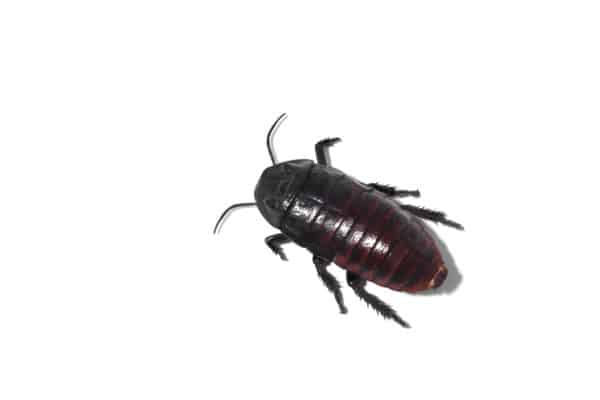
The Oriental cockroach, also known as Blatta orientalis, “water bugs,” and “black beetles,” has a glossy appearance that is dark brown or black in color. Oriental cockroaches can grow up to 1-1/4″ in length. These cockroaches cannot fly and are not as fast as other species. They prefer cool, dark, damp environments and are often found in basements, sewers, drains, and near woodpiles. They commonly enter homes through drains in search of food. Unfortunately they cannot climb smooth vertical surfaces and are often found stuck inside sinks and tubs. They primarily feed on decaying organic matter. Oriental cockroaches have a 6 month life span and give off a strong smell. They are considered one of the dirtiest species of cockroaches.
Seeing one or two cockroaches in the house usually means there are several more hidden out of sight. They are much more difficult to get rid of once a roach infestation is established. There are some steps you can take to help prevent roaches from taking over:
If you suspect you have a roach problem, contact a licensed pest control company. Professional pest control technicians can provide expert advice and thoroughly assess your home to help identify not only the type of cockroaches you have but also the most up-to-date treatment options and prevention techniques.
Mosquito Season: When Will It End?
How Much Damage Can Termites Really Cause?
Helpful Tips to Keep Wildlife our of Your Home