Aug 9, 2019 | Pest Control
Cockroaches thrive in environments where they have adequate sources of three things: food, shelter, and water. Oftentimes our homes provide ample amounts of each of these which is what attracts cockroaches. The National Pest Management Association (NPMA) reports that 63% of all homes in the US have cockroaches even if the homeowner doesn’t realize they are there.
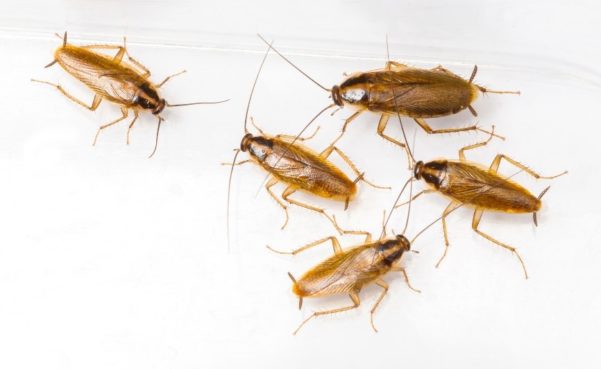
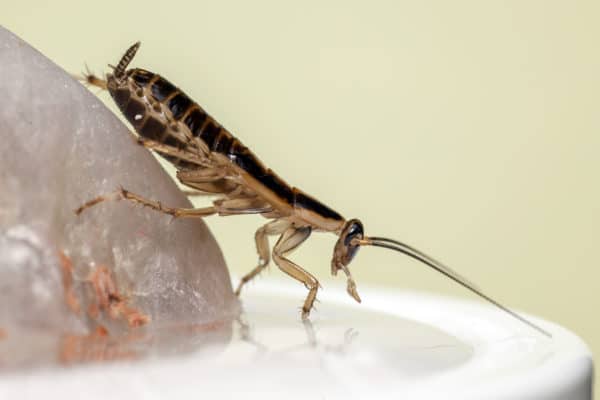
There are more than 4000 species of cockroaches worldwide. They are nocturnal pests and extremely versatile, adapting to almost any environment, making their populations extremely difficult to control. Roaches can survive up to a week without their heads and up to 30 days without food.
While roaches are nuisance pests in your home and quite unsightly when you stumble across one unexpectedly, are they dangerous to humans? Can they make you sick? Let’s answer these questions and more:
Do Roaches Bite/Sting?
While bites from roaches are extremely rare, they are, in fact, possible. Roaches are typically not aggressive pests and tend to flee rather than fight when faced with a predator. There have been rare instances, however, where roach bites did occur, most often when humans were sleeping or pets were too weak or debilitated to brush them off. Roaches don’t produce any form of poison and cannot sting.
Where Are Roaches Found?
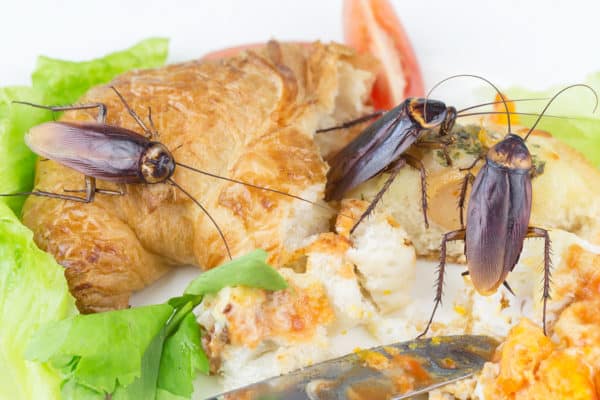
Roaches come from areas that harbor bacteria, such as bathrooms, drains, and dumpsters. They feed on garbage, breed in sewage, and excrete waste over every surface they touch. Roaches are excellent hiders and particularly favor moist and confined areas. Roaches are thigmotropic which means they want to feel contact on all sides of their bodies. Because of this, roaches are commonly found nesting under sinks, in wall cracks, in drains, around water heaters, behind appliances, in cupboards and pantries, under stacks of paper and cardboard, and under undisturbed furniture.
Are Roaches Harmful to Human Health?
Roaches carry pathogens and microorganisms that can cause disease in humans. In fact, up to 30 different species of bacteria have been discovered on cockroaches. The World Health Organization (WHO) reports that roaches can carry pathogens that cause a variety of diseases including gastroenteritis (with diarrhea, nausea, and vomiting), dysentery, cholera, leprosy, typhoid fever, plague, poliomyelitis, and salmonellosis. Roaches can also exacerbate asthma and allergies through their saliva, feces, and shedding body parts. Roaches produce a protein that can trigger allergic reactions in humans. In fact, studies have shown that about 26% of the US population is sensitive to the German cockroach allergen.
How Can I Prevent Roaches?
- Seal any cracks around your home.
- Repair any water leaks.
- Remove any sources of standing water.
- Try not to overwater houseplants.
- Wipe down your kitchen counters after every meal.
- Put dirty dishes directly into the dishwasher or wash them immediately after using them instead of leaving them in the sink overnight.
- Wipe down your stove after cooking.
- Sweep daily and vacuum weekly.
- Keep firewood and compost as far away from your home as possible.
- Keep your grass and landscaping neat and tidy.
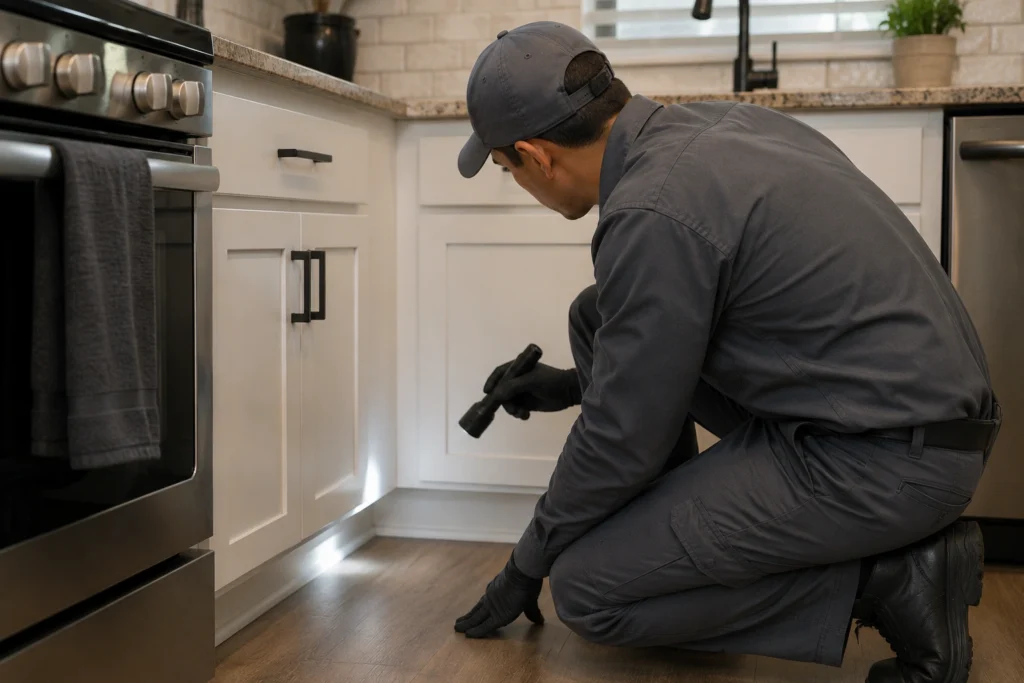
Roaches can be incredibly difficult to control and eliminate. If you have a roach problem, contact a professional pest control company or schedule a free pest inspection now. A pest control technician can thoroughly inspect your home to identify not only where and how roaches are getting into your home, but also the specific type of roaches to better treat and eliminate them, keeping the health of you and your family intact.
You May Also Be Interested In:
Fact or Fiction: Rats Can Make You Sick
Pest Control: Which Pests Are Active in Your Area?
Is Your Hotel on the Bed Bug Registry?
Why Termite Control is Valuable to Your Home
Keep Wildlife in the Wild, Not in Your Home

Jun 26, 2019 | Pest Control
Cockroaches carry many diseases and can cause several health issues in humans including food poisoning and can trigger allergies and asthma attacks. So where do roaches come from?
If you have a roach infestation in your home, there could be several reasons why. Roaches may have already been in your home before you moved in. Roaches are also very good hitchhikers and are easily transported from one place to another. They can get into your home in grocery bags, cardboard boxes, luggage, furniture, or appliances. They can also get in through the plumbing, sewers or drains. They can travel over from your neighbor’s home into yours, too.
But what attracts cockroaches if your house is clean? Like most pests, roaches are looking for three main things: food, shelter, and water. They are year-round pests and are incredibly resilient – making them difficult to control. Different species of cockroaches are attracted to and thrive in different environments.
German cockroaches are the most common indoor roaches. They prefer dark, warm, humid places near food and water, preferably in a temperature range of 70 to 75 degrees Fahrenheit. You can usually find German roaches in kitchens, in cracks and crevices of cabinets, near sinks or appliances, and in food prep and storage areas. They can also be found in bathrooms when the roach infestation is heavy. Early detection and control of german roaches is extremely important as they can be very hard to get rid of.
Oriental roaches prefer dark, damp, cool habitats. Outdoors you can usually find them where there is an abundant supply of organic matter like mulch or wood chips, under patio bricks, or between the soil and your foundation. Once inside your home, they are often found in drains, basements, and crawlspaces. They can also be found near leaky water pipes, under sinks, refrigerators, floors, and washing machines.
Brown-banded roaches prefer warmer, drier places (greater than 80 degrees Fahrenheit). They live in higher areas, usually at eye level or above, like your cabinets, pantries, closet shelves, behind pictures, in books, or under kitchen tables and chairs. They can also be found in warm areas such as near clocks, timers, TVs, and refrigerator motors.
American cockroaches are found in homes, restaurants, bakeries, and grocery stores – anywhere food is prepped and stored. They prefer warm, moist environments and can often be found in boiler rooms, basements, around pipes and water heaters, and in drains and sewers.
Here are some tips to prevent roaches from infesting your home:
Food
Clean up spilled crumbs and food immediately. Don’t leave dirty dishes out overnight. Throw away any food that is left out on the counter. Wipe down the surface of all food prep areas every night. Clean under your appliances and wipe down any that are on your counter. Make sure to clean underneath the refrigerator and stove, also. Rinse out milk jugs, juice cartons, and cans before throwing them away. Empty your garbage can every night and use garbage cans with tight fitting lids. Check kitchen drawers for any food debris and crumbs. Store food in airtight containers. Store pet food in airtight containers and elevate them off the floor. Don’t leave your pet’s food and water bowls out overnight. Roaches communicate through chemical pheromones they secrete as they move. Cardboard and paper are excellent absorbers of these pheromones. Replace cardboard boxes with plastic containers if possible. Don’t bring any cardboard boxes used for storage inside the home. Don’t store piles of newspapers – recycle them instead.
Shelter
Carefully inspect the interior and exterior of your home. Seal any gaps or crevices you find, even the smallest ones. Roaches can squeeze through the tiniest openings to get into your home. Use weatherstripping around all entryways including doors and windows. Declutter as much as possible. Roaches can also get into your home through drainpipes. Use stoppers or metal baskets on all the drains in your sink and shower and make sure to keep your drains clean. Roaches will also hitch rides on firewood. Make sure to only bring in enough wood for one fire and don’t store any extra wood inside.
Water
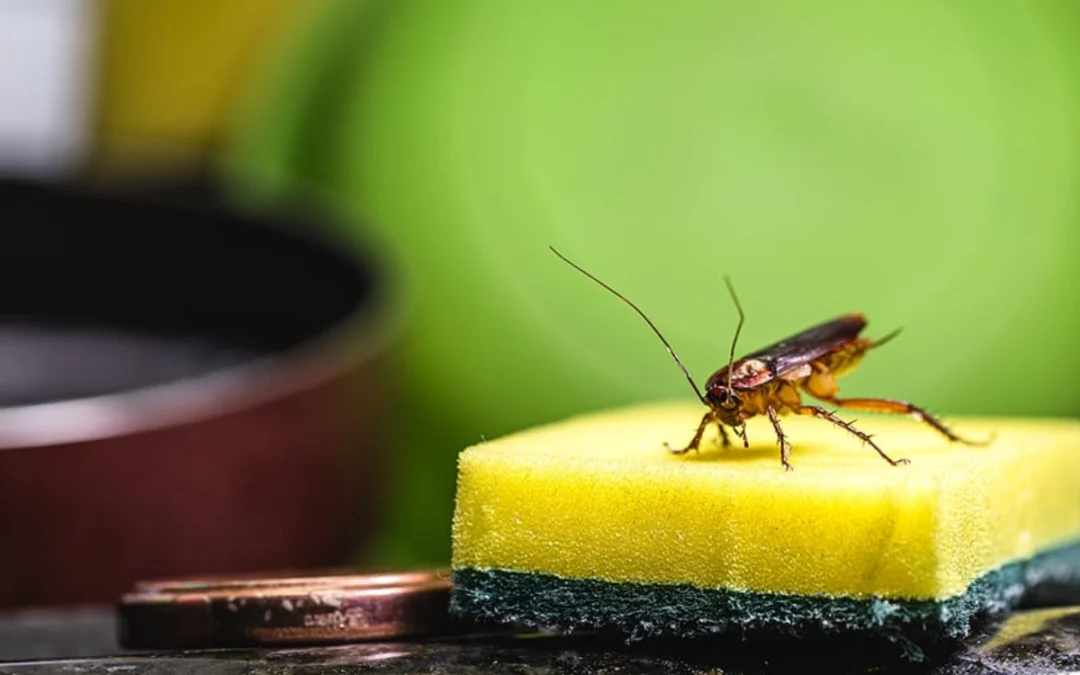
Most species of roaches prefer moist areas so eliminating water is key to helping prevent them. Remove any standing water in and around your home. Check for leaks and repair them promptly. Use caulk to seal gaps around your sink and tubs to keep water out of the walls. Don’t let water stand for long periods of time in plants and flowerbeds. Don’t leave your pet’s water bowls out overnight. Hang any wet towels and mats up to dry after using them. Keep your kitchen sponges dry and don’t store them on the counter.
Call The Professionals
Roaches can be incredibly difficult to control and eliminate. If you have a roach problem, contact a professional pest control company or schedule a free pest inspection now. A pest control technician can thoroughly inspect your home to identify not only where and how roaches are getting into your home, but also the specific type of roaches to better treat and eliminate them.
You May Also Be Interested In:
Why Are There so Many Millipedes in my House?
Is Your Hotel on the Bed Bug Registry?
Lawn Survival Tips for the Summer Heat
What Attracts Cockroaches to a Clean House?
Is Termite Protection Worth It?
Jun 10, 2019 | Bed Bug, Pest Control, Termite Control
Just as the weather changes with the seasons, pest activity shifts to usher in new groups of active pests. Let’s take a look at what pests are active in your area and some tips to keep them away.
Subterranean Termites
The humidity and moisture that come with early summer is what helps to increase subterranean termite activity. “Swarm season” is in full effect, and this can present a problem for your home.
- Avoid water accumulation around your home, specifically around the foundation.
- Invest in a moisture-reducing program to help reduce humidity in your home’s crawl space.
Bed Bug
Summer is the biggest travel time for many. College students are coming back home, and family vacations are planned. This increases the chances of having an incident with bed bugs, and a bed bug infestation is no easy battle.
- When returning from vacation, leave suitcases in the garage or driveway. Remove clothing and take immediately to your laundry room to be washed in warm water.
- Consider packing a large garbage bag to place your suitcase in while on vacation.
- Do not unpack your clothing and place them in the hotel drawers as these can be hiding places for bed bugs.
American Cockroaches
As the summer weather starts to rev up, American cockroach activity will skyrocket. While they live outdoors, if they find themselves low on food or if the weather experiences a drastic change (extreme heat or excessive rain), they will try move indoors.
- Put dirty dishes directly into the dishwasher or wash them immediately after using them instead of leaving them in the sink overnight.
- Make sure to eliminate any sources of standing water around your home.
Pest infestation can be costly and a major hassle. Contact a professional pest control company like Northwest for a free pest control estimate to protect your home from pests year-round.
Feb 1, 2019 | Pest Control
By Anna V., Editorial Lead — Pest Education · Last updated: April 2026
If you’ve spotted roaches in your house and your first thought was but my house is clean, you’re not alone. At Northwest, we hear this exact reaction every week from Georgia homeowners. The conversation almost always starts with embarrassment and a long list of recent cleaning. Then we explain the part most homeowners haven’t heard: cockroaches don’t actually care that much about clean. They care about food, water, shelter, and warmth, in that order. A spotless kitchen counter doesn’t help if there’s grease behind the stove, a slow drip under the sink, or a single cardboard box left in the pantry corner.
Here’s what’s really pulling roaches into Georgia and Alabama homes, why immaculate houses still get them, and the changes that actually keep cockroaches out for good.
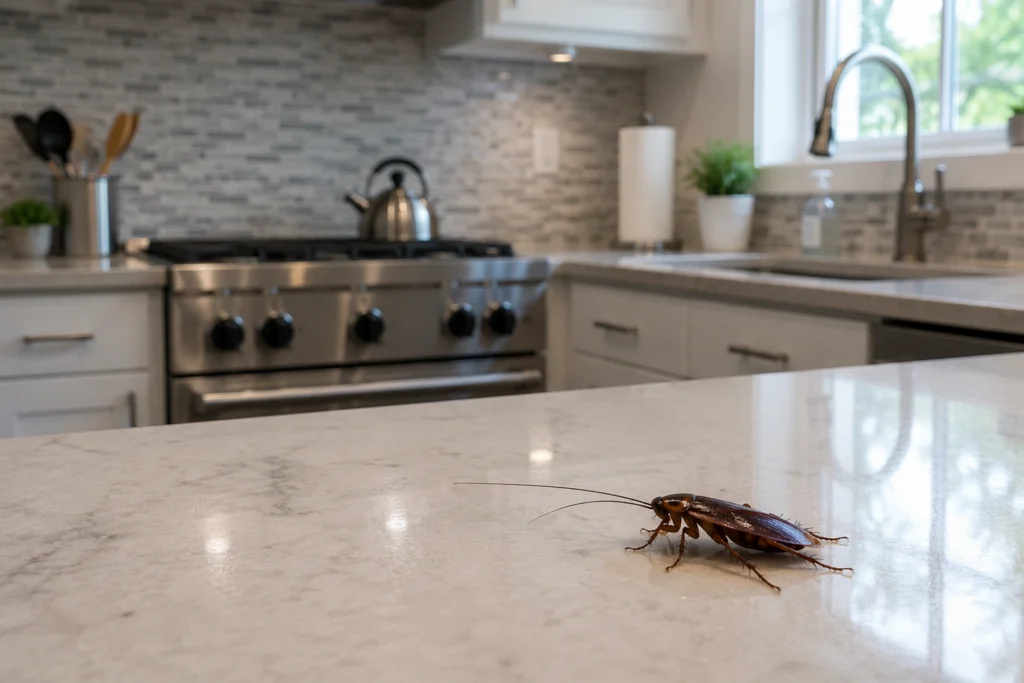
A spotless kitchen counter doesn’t matter to a roach if there’s grease behind the stove or a slow drip under the sink.
Why You’re Seeing Roaches in Your House
Cockroaches are nocturnal. They spend the day tucked into wall voids, behind appliances, inside cabinets, and under flooring transitions. They come out at night to scavenge for food, water, and pheromone trails left by other roaches. If you’re seeing one, it almost always means a small population is already established somewhere you can’t easily look.
The reason “clean” isn’t a roach repellent comes down to biology. A single roach can survive on a few crumbs a day. They eat the residue inside a sink drain. They eat the glue on cardboard boxes. They eat soap, hair, and pet food bowls that look spotless to you. Spotless to a homeowner and spotless to a cockroach are two very different standards.
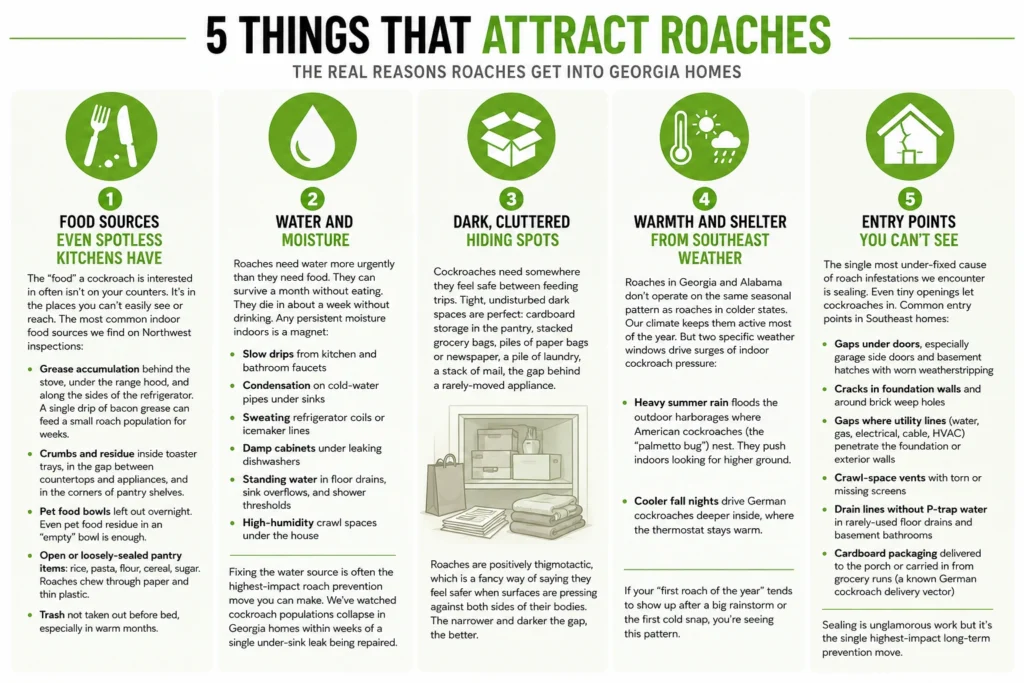
5 Things That Actually Attract Roaches Indoors
The five attractants below are what we look for first when we walk a Georgia or Alabama home for a cockroach inspection. Cleanliness affects only the first one.
Cleanliness is one factor among five, and it’s not even the most important.
1. Food Sources Even Spotless Kitchens Have
The “food” a cockroach is interested in often isn’t on your counters. It’s in the places you can’t easily see or reach. The most common indoor food sources we find on Northwest inspections:
- Grease accumulation behind the stove, under the range hood, and along the sides of the refrigerator. A single drip of bacon grease can feed a small roach population for weeks.
- Crumbs and residue inside toaster trays, in the gap between countertops and appliances, and in the corners of pantry shelves.
- Pet food bowls left out overnight. Even pet food residue in an “empty” bowl is enough.
- Open or loosely-sealed pantry items: rice, pasta, flour, cereal, sugar. Roaches chew through paper and thin plastic.
- Trash not taken out before bed, especially in warm months.
2. Water and Moisture
Roaches need water more urgently than they need food. They can survive a month without eating. They die in about a week without drinking. Any persistent moisture indoors is a magnet:
- Slow drips from kitchen and bathroom faucets
- Condensation on cold-water pipes under sinks
- Sweating refrigerator coils or icemaker lines
- Damp cabinets under leaking dishwashers
- Standing water in floor drains, sink overflows, and shower thresholds
- High-humidity crawl spaces under the house
Fixing the water source is often the highest-impact roach prevention move you can make. We’ve watched cockroach populations collapse in Georgia homes within weeks of a single under-sink leak being repaired.
3. Dark, Cluttered Hiding Spots
Cockroaches need somewhere they feel safe between feeding trips. Tight, undisturbed dark spaces are perfect: cardboard storage in the pantry, stacked grocery bags, piles of paper bags or newspaper, a pile of laundry, a stack of mail, the gap behind a rarely-moved appliance. Roaches are positively thigmotactic, which is a fancy way of saying they feel safer when surfaces are pressing against both sides of their bodies. The narrower and darker the gap, the better.
4. Warmth and Shelter from Southeast Weather
Roaches in Georgia and Alabama don’t operate on the same seasonal pattern as roaches in colder states. Our climate keeps them active most of the year. But two specific weather windows drive surges of indoor cockroach pressure:
- Heavy summer rain floods the outdoor harborages where American cockroaches (the “palmetto bug”) nest. They push indoors looking for higher ground.
- Cooler fall nights drive German cockroaches deeper inside, where the thermostat stays warm.
If your “first roach of the year” tends to show up after a big rainstorm or the first cold snap, you’re seeing this pattern.
5. Entry Points You Can’t See
The single most under-fixed cause of roach infestations we encounter is sealing. Even tiny openings let cockroaches in. Common entry points in Southeast homes:
- Gaps under doors, especially garage side doors and basement hatches with worn weatherstripping
- Cracks in foundation walls and around brick weep holes
- Gaps where utility lines (water, gas, electrical, cable, HVAC) penetrate the foundation or exterior walls
- Crawl-space vents with torn or missing screens
- Drain lines without P-trap water in rarely-used floor drains and basement bathrooms
- Cardboard packaging delivered to the porch or carried in from grocery runs (a known German cockroach delivery vector)
Sealing is unglamorous work but it’s the single highest-impact long-term prevention move.
Why Cockroaches Thrive Even in Clean Houses
Three biological facts explain why a sparkling kitchen still gets roaches:
They reproduce fast. A single female German cockroach can produce up to 400 offspring in her lifetime. Her egg cases each hold 30 to 40 eggs and hatch in three to four weeks. A handful of accidental hitchhikers can become a real infestation in 60 to 90 days. Our guide on whether one roach means an infestation goes deeper on the math.
They eat almost anything. Beyond food, roaches will eat paper, glue, soap residue, hair, dead skin cells, and other roaches. The “no food source” defense doesn’t really exist for them.
They hitchhike in. The most common way German cockroaches arrive in a clean Georgia home is inside a cardboard delivery box, a used appliance, or grocery bags from an infested store. They don’t crawl across the lawn looking for your kitchen. They get carried.
Signs You Already Have a Roach Problem
If you’ve seen one cockroach, the next move is to look for the rest of the evidence. The signs to watch for:
- Droppings that look like coffee grounds or cracked black pepper, usually in pantry corners, drawer backs, or along baseboards
- Egg cases (oothecae): pill-shaped, brown to reddish, found in tight cracks. Each species holds different numbers of eggs (German: ~40; American: ~16; Brown Banded: ~14)
- A musty, oily smell in kitchens or bathrooms that doesn’t go away after cleaning
- Smear marks along the paths roaches travel most often, especially in damp spots
- Live sightings during the day, which usually means the hidden population has outgrown its shelter
For a deeper look at the species you might be dealing with, see our guide to the brown banded cockroach, one of the trickier species to spot because it nests away from food sources.
How to Make Your House Less Attractive to Roaches
Effective roach prevention is a habit, not a product. The five-part move that consistently keeps Northwest customers roach-free:
- Seal entry points. Caulk foundation cracks. Add weatherstripping to door gaps. Replace torn crawl space screens with galvanized ¼-inch hardware cloth. Stuff steel wool into utility-line gaps before sealing with caulk or expanding foam.
- Fix every water leak. Slow drips, condensation, leaky AC condensate lines. Run a dehumidifier in damp basements or crawl spaces.
- Store food in airtight containers. Rice, pasta, flour, cereal, sugar, pet food. Glass or hard plastic, not bags or thin clamshells.
- Take out trash daily in warm months. Wipe down trash can lids and inside the cabinet under the sink.
- Cut clutter in pantries, basements, attics, and garages. Cardboard storage especially. Move to plastic bins where possible. Roaches lose their favorite hiding spots overnight.
(Already seeing roaches in the house? Schedule a free Northwest inspection and we’ll walk the space with you, find the entry points, and lay out a treatment plan.)
When DIY Roach Control Isn’t Enough
Most homeowners who call us have already tried something: traps, sprays, gel baits from the hardware store. DIY can work for very small populations caught early. It generally doesn’t work for an established infestation, for three reasons:
- Over-the-counter sprays often scatter roaches deeper into wall voids rather than kill the colony, which spreads the problem
- Most homeowners can’t access the actual nesting locations (inside electronics, behind cabinets, in wall voids)
- Roach populations rebound from any survivors faster than household products can keep up
Professional treatment uses targeted baits combined with insect growth regulators (IGRs), which interrupt the breeding cycle. Even the egg cases that hatch after the first treatment fail to mature. The EPA’s Integrated Pest Management guidance for cockroaches backs the same approach: target nesting sites, eliminate moisture and food sources, and use targeted bait rather than broad-spectrum spray.
Roaches in House: What’s Different About Georgia and Alabama Homes
Three regional factors stack the deck against Southeast homeowners:
- Climate. Long warm seasons + high humidity = year-round cockroach activity. There’s no real “off-season.”
- Construction patterns. Crawl spaces, slab additions, and unsealed soffits are common in older Atlanta, Birmingham, Macon, and Savannah neighborhoods. Each is a roach access route.
- Shared-wall housing. Apartments, townhomes, and condos let German cockroaches travel between units through plumbing chases. A neighbor’s problem becomes yours without you ever doing anything wrong.
Frequently Asked Questions About Roaches in House
Can roaches live in clean houses?
Yes. Cleanliness reduces some roach attractants but doesn’t eliminate them. Roaches need food, water, shelter, and warmth, and even spotless homes provide all four through hidden sources like grease residue, leaky pipes, cardboard storage, and warm wall voids.
How do roaches get into a clean house?
Most often by hitchhiking inside cardboard delivery boxes, grocery bags, used appliances, or secondhand furniture. They also enter through foundation cracks, gaps under doors, utility line penetrations, and unscreened crawl space vents.
What’s the best way to keep roaches out of my house?
Seal entry points, fix every water leak, store food in airtight containers, take out trash daily during warm months, and cut clutter (especially cardboard) in pantries and storage spaces. For sustained prevention, a quarterly pest control plan keeps populations from establishing in the first place.
How long does it take to get rid of roaches once they’re in?
A small early-stage infestation can be cleared in two to four weeks with targeted bait. A heavy or long-standing infestation typically takes two to three months of monthly treatments to break the egg-laying cycle completely. The faster you catch it, the shorter the timeline.
When should I call a professional roach control service?
If you’re seeing cockroaches during the day, finding egg cases, smelling a musty odor in kitchens or bathrooms, or seeing more than one or two roaches a week. Any of those signs means the population has grown past what DIY can handle.
Northwest’s roach inspections find the entry points and water sources DIY treatments can’t reach.
Stop Roaches Before They Take Over
If you’ve seen roaches in your house and the DIY route hasn’t held, the issue is almost always a hidden water source, an entry point you haven’t found yet, or a population that’s already past what hardware-store products can manage. Northwest’s team handles all three: inspection, targeted treatment, and the prevention plan that keeps cockroaches gone.
About the Author
Anna V., Editorial Lead — Pest Education leads pest education content for Northwest Exterminating, working with senior technicians and service center managers across our Georgia, Alabama, Tennessee, and South Carolina service areas to translate field expertise into homeowner-friendly guides. The focus: accurate, regionally-specific answers to the pest questions Southeast homeowners are actually searching for.
Aug 9, 2018 | Pest Control
Any type of pest infestation is cause for a headache and panic, but no infestation is more difficult and stress-inducing than that of a German cockroach. They amass inside homes in large numbers, making them difficult to contain.
There are plenty of questions homeowners have when dealing with a possible invasion: “How do I know if this is a German roach?”; “Why are they in my home?”; and “What can I do to get rid of them?” Let’s take a moment to answer these questions.
How do I know if this is a German roach?
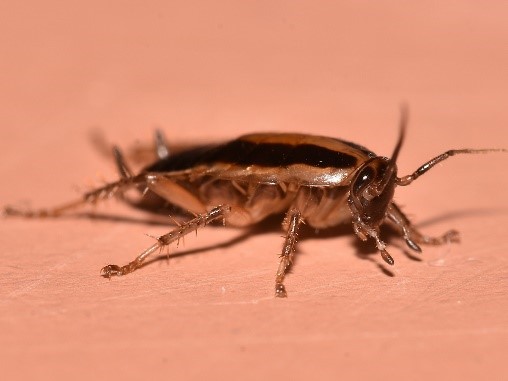
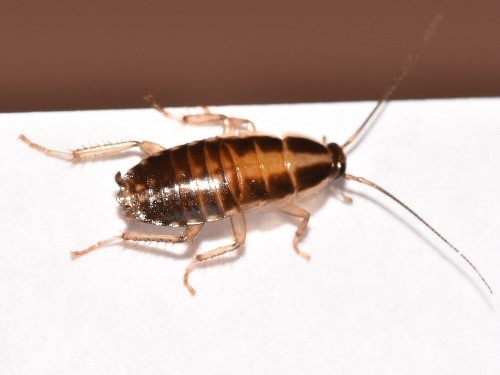
Adult German Cockroach Nymph German Cockroach
German cockroaches are among the smaller of the cockroach species, measuring anywhere between ½” – 5/8” in length. Oval-shaped and light brownish, almost tan, German cockroaches have two identifying, almost parallel, dark lines that run down their back just behind their head.
Why are they in my home?
German cockroaches are very good at hitchhiking and can make their way in to your home by way of grocery bags and cardboard boxes. They prefer dark, warm places where they can hide. While they can be found anywhere in a home, they are primarily found in bathrooms and kitchens.
What can I do to prevent or get rid of them?
Practicing good sanitation is the best prevention to a German roach infestation. Vacuuming often and looking throughout the home for possible entry points to seal are great preventative measures. A properly ventilated crawl space will help prevent the moisture that German roaches seek out. As always, if you suspect you have a German roach problem, contact your licensed pest professional to set up an inspection as soon as possible.