Dec 11, 2019 | Pest Control
As the holidays near, the time you spend in your kitchen increases. However, while you stock up on your holiday baking essentials, you could be providing stored product pests, or “pantry pests”, with their own holiday feast. Here are a few tips to keep your kitchen free of these unwelcome guests:
- Pantry pests, like Indian Meal Moths, are attracted to items such as flour, oats, spices, and dry cereal. When completing your holiday shopping for these types of items, be sure to inspect packages and confirm that they are sealed properly. Once you have opened these items, look to store them in plastic or glass containers with secure lids, cutting off access for pantry pests.
- Rodents can cause major issues for the health of you and your family. They can spread bacteria and viruses and, if their droppings build up within your cabinets, it can cause the air you breathe to become contaminated. To avoid a rodent infestation, keep your cabinets, pantries, and counters clean and free of crumbs and dispose of expired foods.
- Check any existing open items in your pantry for signs of pantry pests before adding new items to avoid spreading an infestation.
No one invited these pests to your holiday party in the first place, so taking these precautions can help you enjoy the holiday baking and time with your loved ones. If you think you are having an issue with stored product pests, call your local licensed pest control company to schedule an inspection so you can get back to the sweet smells of the holidays.

Dec 6, 2019 | Pest Control
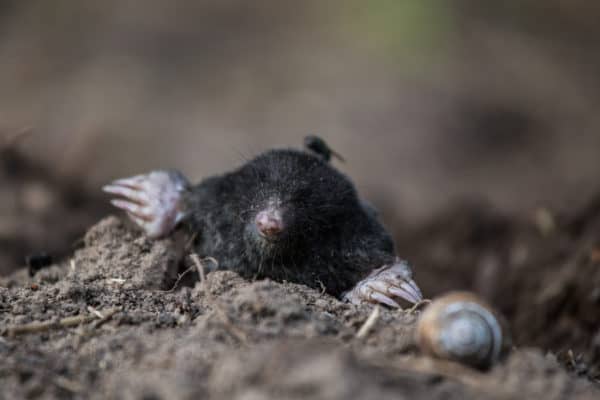
A very common misconception is that moles hibernate during the winter. This is, in fact, not true. Moles do not hibernate and are quite active during the winter months. They actually remain active all winter long, continuing to dig and eat voraciously. Moles are omnivores that prefer to feast on grubs, earthworms, and other bugs. As the soil freezes, moles move from tunneling near the surface to digging deeper in the ground. When the weather starts to warm, the moles will tunnel closer and closer to the surface as the soil thaws and becomes easier to navigate.
Moles can wreak havoc on your lawn and garden. Moles cause dead grass patches because their tunneling disrupts the root system of grass. This creates patches that often start out yellow and eventually turn a light tan color. They also push soil and grass up as they dig, creating random mole hills across your yard. While these are easy to spot in the summertime, they can often go undetected in the winter months, giving you less opportunity to identify and eliminate them early. Because of this, it is important to take precautionary measures early before the winter season sets in. Here are some steps you can take for mole prevention this winter.
Keep It Dry
Overuse of sprinklers and irrigation systems can lead to saturated, loose soil – an ideal environment for moles. This loose soil is much easier to tunnel through and is often rich with earthworms and grubs, making it a literal feast for moles. Heavy rainfall can also create these conditions so it is important to be vigilant after storms. Limit watering unless necessary.
Lay Mulch Later
Mulch is a very effective insulator for plants during cold weather. While we are usually inclined to go ahead and mulch before the cold weather sets in, this creates an insulated environment for moles, as well as your plants. Instead of installing mulch in early fall, try to wait until after the first frost. Hopefully by that point, moles and other pests have established themselves in a more hospitable environment than in your yard.
Install Barriers
Physical barriers can be very effective at preventing more damage to flowerbeds and trees. These barriers can be in the form of hardware cloth liners in the bottom and sides of flowerbeds or across the top of the bed to prevent digging or wrapped around the base of trees. By preventing them from digging you can limit the damage inflicted and hopefully encourage them to move on to another yard.
Utilize Natural Predators
Cats, snakes, and birds of prey are the most common natural predators of moles. Cats are especially notorious for pest prevention and rodent control around properties. If you don’t already have a cat, you may consider adopting one to roam your property and provide you with free pest control. Although it may be difficult, reconsider killing that snake you find on your property as they are also excellent at controlling rodent and other pest populations.
Eliminate Food Sources
As mentioned above, moles prefer to feed on earthworms, grubs, and other insects. In fact, mole problems often arise because of underlying grub problems. Be proactive in eliminating grubs and other pests from your yard to help control mole populations, as well.
Call A Professional
The cliche of “making a mountain out of a mole hill” isn’t far from the truth. Mole problems can manifest quickly into mole infestations and they can be extremely difficult to control and eliminate. Consider contacting a professional pest control company and setting up ongoing pest control services as these scheduled visits can help identify mole problems early and help resolve your mole issue quickly.
You May Also Be Interested In:
Late Fall Pests
5 Reasons To Be Thankful for Pest Control
Deck The Halls Without Pests
Things That Go Bump in Your Crawlspace
Unusual Winter Wildlife
Sep 27, 2019 | Pest Control, Wildlife
Signs of a rodent infestation are pretty easy to spot – droppings in the house, chew marks, gnawed wood, and scratching and squealing sounds at night are all pretty good indicators of a rodent problem. Before deciding on a course of treatment, however, the first step is determining which type of rodent you have. So how do you know if you have a rat or a mouse?
Mice:
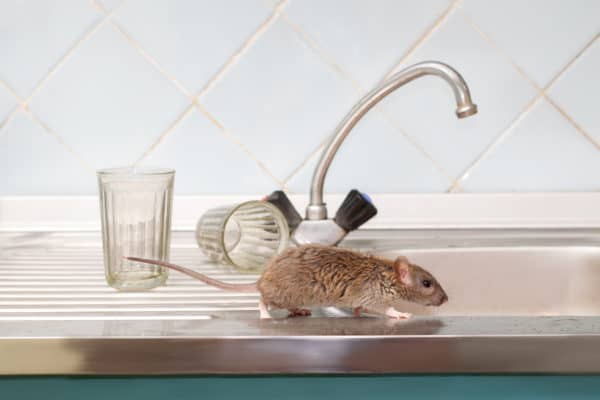
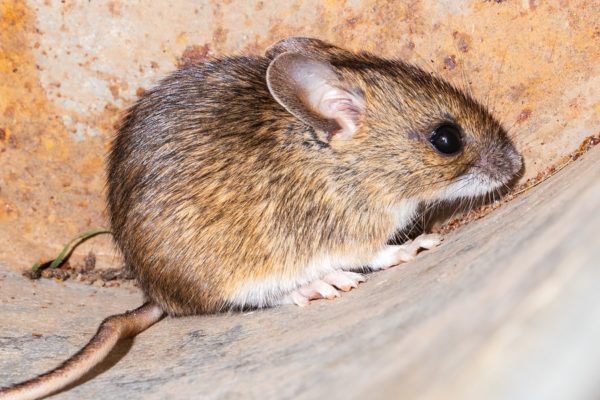
Mice are small rodents, usually about 2 to 4″ in length, with thin, long, slightly hairy tails. They have triangular shaped noses with long whiskers and large floppy ears. Mice can be brown, gray, or white in color. Mice droppings are small and smooth with pointed ends, usually about 1/8 to 1/4″ in length. They leave anywhere from 40 to 100 droppings per day. Mice prefer cereal grains or plants but will eat almost anything. They are nocturnal and tend to be bolder than rats. They are curious and will explore new things, making them easier to trap. They are skillful climbers and their small size allows them to access more areas of your home.
Norway Rats:
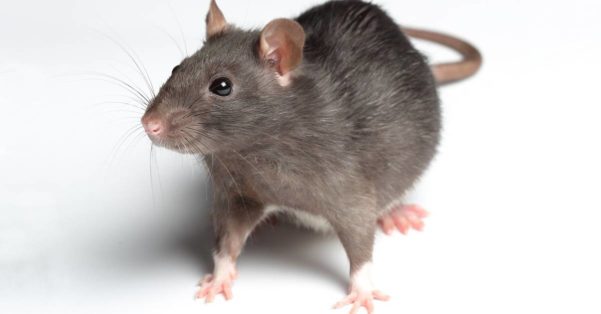
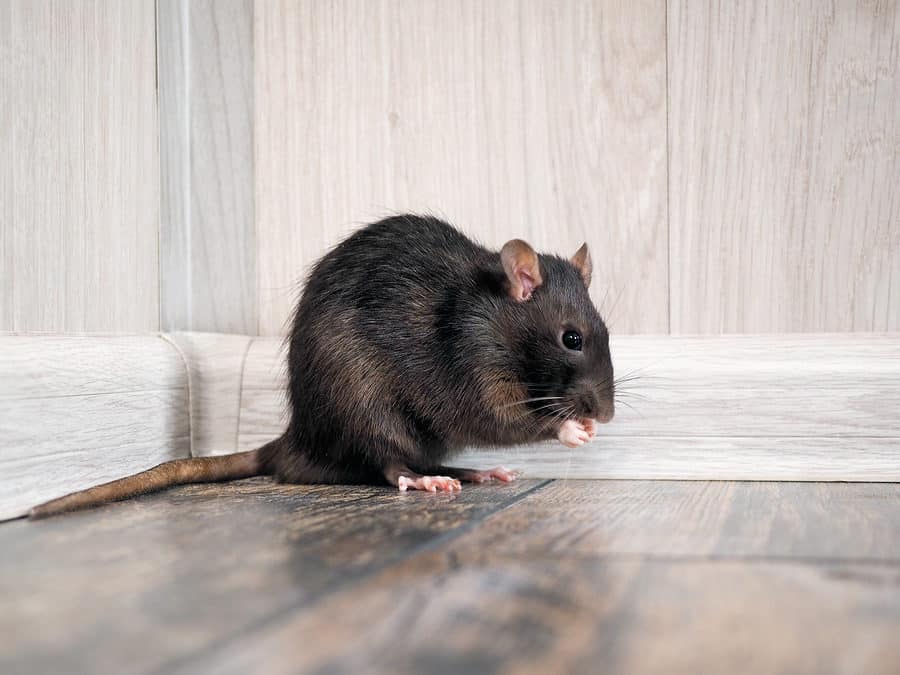
Norway rats are larger rodents, usually weighing about 11 ounces and measuring 7 to 9 inches in length. They have heavy, thick bodies that are brown in color with black shading and shaggy coats. Norway rats have blunt, rounded noses and short ears. Their tails are thick, hairless, and scaly and are dark colored on top and pale underneath. Norway rat droppings are brown and blunt on both ends and they leave anywhere from 20 to 50 droppings per day. They prefer fresh grains and meat but will eat just about anything. These rats typically live in burrows and prefer lower levels of homes and buildings. Norway rats are nocturnal and are more fearful and cautious than mice, making them more difficult to trap. They can climb but prefer to stay closer to the ground.
Roof Rats:
Roof rats are smaller than Norway rats, weighing about 7 ounces. They have light, slender bodies that are gray in color with smooth coats. They have thick, hairless, scaly tails that are dark in color. Roof rats have pointed snouts with large ears. Roof rat droppings are dark with both ends pointed. They will also eat just about anything but prefer fresh grains and meat. They are nocturnal and timid in nature. Because of this, they can be difficult to trap. They are excellent climbers and are more often found nesting in walls, attics, and trees.
Rodent Control:
Regardless of whether you have mice, Norway rats, or roof rats, all of these rodent species can cause damage to your home and property by chewing through wires, pipes, insulation, and drywall. They can also cause damage to furniture and carpets. All rodents can contaminate food and countertops. Serious diseases caused by rat droppings and mouse droppings include Hantavirus, salmonellosis, and more. They all reproduce quickly and a minor problem can become a major infestation in no time.
Keeping these pests out of your home is critical to helping protect the safety of both your family and your property. Here are some rodent control tips you can implement in and around your home:
- Put A Lid On Your Trash: If possible, use trashcans made of metal with snug fitting lids. If you must use plastic, make sure there are no holes in it.
- Don’t Leave Pet Food Out: Store pet food and birdseed in glass or metal containers with tight lids. Make sure to remove them at night and store them away until morning. Make sure to pick up any fallen fruit or nuts off the ground outside your home, as well. Remove standing water from bird feeders.
- Elevate Your Compost: Raise your compost container at least 1 foot off the ground.
- Keep Your Garage Clean: Rodents like to eat lawn seed, tulip bulbs, bone meal, and other items frequently used in gardening. Make sure they are stored in glass or metal containers with tight lids. Keep firewood a good distance from the house. Organize and store boxes in the garage off the ground to eliminate nesting places.
- Clean The Kitchen: Keep food stored in tightly sealed containers. Clean up spilled food and crumbs nightly.
- Keep Your Home Maintained: Make sure openings around your home are properly sealed. Keep your gutters clear of debris and water. Screen your attic vents. Keep screens on windows and doors in good repair and replace when needed.
- Call A Pro: If you suspect you have a rodent problem, call a professional pest control company or a professional wildlife removal company who can evaluate your home and provide you with a comprehensive treatment and exclusion plan.
Aug 15, 2019 | Pest Control
Predictions for the 2019 Atlantic hurricane season have come in from the National Oceanic and Atmospheric Administration (NOAA). During what they are calling a “near-normal” season, the Southeast region could see 9-15 major storms, 4-8 hurricanes, and 2-4 mega-hurricanes. Storms and heavy rains can lead to an explosion in pest populations after these weather systems are long gone. From clogged gutters to excess moisture in and around your home, your property needs protection from storm damage. Follow these tips to prepare and protect your home in case the weather takes a turn for the worst.
- Windows on your property should be reinforced before the impending weather makes landfall. While you’re at it, look to also replace old weather-stripping and seal all cracks and crevices. Pests will seek out your home for shelter after being flooded out of their nests and will use these entry points to gain access inside.
- Once the storm makes its way further inland, your home will be left surrounded by standing water. This is when mosquito populations will thrive as the standing water provides the perfect breeding site. Eliminate all areas of standing water and look to invest in gutter protection to promote proper drainage.
- Should you experience prolonged power outages, all spoiled food should be removed from the home and stored in trash bins as far from the home as possible. Any waste or clutter can attract flies and rodents, so organizing all trash piles away from the home is crucial.
Once the clouds have cleared and you find that you have an issue with pests post-storm, contact your local, licensed pest control company for an inspection of your home. They can pinpoint areas of damage that can lead to more pest issues down the road.
Jul 31, 2019 | Pest Control, Wildlife
FACT. Rats are one of the most common pest issues homeowners face. Rats are known for being destructive by gnawing on structures in and around your home including utility pipes, wood structures, and wiring. In addition to the structural damage rats can cause, it is also possible for rats to pose serious health risks to humans. Diseases caused by rats can be transmitted through bites or scratches. Rat feces illness can be transmitted to humans through rat droppings and urine left around your home. Humans can also get sick through contaminated food caused by rats running across countertops where food is later prepared.
Just how sick can rats make you? Here are some common rat-borne diseases found in the United States.
Hantavirus Pulmonary Syndrome
Hantavirus pulmonary syndrome is a viral illness spread by deer mice, cotton rats, rice rats, and white-footed mice. HPS is spread by direct contact with rodents or their urine and feces, by breathing in dust contaminated with urine or droppings, or by bite wounds. Symptoms in the first phase of the virus include fatigue, fever, muscle aches, headache, dizziness, chills, nausea, vomiting, and abdominal pain. The symptoms then progress to coughing and shortness of breath. HPS is a severe and sometimes fatal respiratory disease with a 38% mortality rate. There is no specific treatment, cure, or vaccine for hantavirus infection.
Leptospirosis
Leptospirosis is a bacterial disease spread by rodents worldwide by either eating or drinking food and water contaminated with urine or contact through the skin or mucous membranes with water or soil that is contaminated with urine. Without treatment, leptospirosis can lead to kidney damage, meningitis (inflammation of the membrane around the brain and spinal cord), liver failure, respiratory distress, and even death. Common symptoms include fever, chills, headache, muscle aches, abdominal pain, vomiting, jaundice, diarrhea, and rash. The symptoms are often mistaken for other illnesses. If not treated, the second phase of symptoms includes kidney or liver failure or meningitis. The disease lasts between 1 and 3 weeks. Leptospirosis is treated with antibiotics.
Rat-Bite Fever
Rat-bite fever is a bacterial illness spread by rats and possibly mice. The disease occurs worldwide and is spread through bites or scratches from an infected rodent, contact with a dead rodent, or eating or drinking food and water that is contaminated by rat feces. If not treated, RBF can be a serious or even fatal disease. RBF is not spread from one person to another. The early symptoms of RBF can be similar to the symptoms of other medical conditions. Common symptoms include fever, headache, muscle pain, headaches, vomiting, joint pain, and rash. If the illness progresses, more severe complication can arise such as abscesses, hepatitis, kidney infections, pneumonia, meningitis, or infections in the heart. RBF is treated with antibiotics.
Salmonellosis
Salmonellosis is a bacterial disease found worldwide that is spread by rats and mice. Salmonellosis is spread through eating or drinking food and water that is contaminated by rat feces. Salmonellosis is an infection caused by the Salmonella bacteria. Although commonly spread when a person eats contaminated food, the bacteria also can be passed between people and animals. Common symptoms include diarrhea, vomiting, fever, and abdominal cramps. Salmonella infections in people usually resolve within 5-7 days, and most do not require treatment other than drinking plenty of fluids. People with severe diarrhea may need to spend time in a hospital getting rehydrated with intravenous fluids.
Rat-borne diseases can cause serious and sometimes fatal illnesses in humans. The best way to avoid these diseases is to prevent rats from infesting your home in the first place. Here are some common home rat prevention tips:
- Put A Lid On Your Trash: If possible, use trashcans made of metal with snug fitting lids. If you must use plastic, make sure there are no holes in it.
- Don’t Leave Pet Food Out: Store pet food and birdseed in glass or metal containers with tight lids. Make sure to remove them at night and store them away until morning. Make sure to pick up any fallen fruit or nuts off the ground outside your home, as well. Remove standing water from bird feeders.
- Elevate Your Compost: Raise your compost container at least 1 foot off the ground.
- Keep Your Garage Clean: Rodents like to eat lawn seed, tulip bulbs, bone meal, and other items frequently used in gardening. Make sure they are stored in glass or metal containers with tight lids. Keep firewood a good distance from the house. Organize and store boxes in the garage off the ground to eliminate nesting places.
- Clean The Kitchen: Keep food stored in tightly sealed containers. Clean up spilled food and crumbs nightly.
- Keep Your Home Maintained: Make sure openings around your home are properly sealed. Keep your gutters clear of debris and water. Screen your attic vents. Keep screens on windows and doors in good repair and replace when needed.
- Call A Pro: If you suspect you have a rodent problem, call a professional pest control company or a professional wildlife removal company who can evaluate your home and provide you with a comprehensive treatment and exclusion plan.
Request a Free Wildlife Control Estimate
You May Also Be Interested In:
The Dos and Donts of Bird Nest Removal
When Should You Be Concerned About A Spider Bite?
Is Green Pest Control Worth The Investment?
Millipedes or Centipedes?
Protect Yourself From Tick Bites and Tick-Borne Disease