Oct 14, 2021 | Termite Control
The first step in termite prevention is to be ready for them. One of the most important things you can do is learn the signs of termites in order to catch them early. Termites can often go undetected for long periods of time, causing significant damage before you are alerted to their presence. The most common types of termites include subterranean termites, drywood termites, and Formosan termites. The type of termite and the location of the infestation help determine the best type of termite treatment to use. Here are four of the most common termite treatments utilized by termite control professionals.
Pretreatments
Pretreatments are termite treatments that are performed during the building phase of new construction. It is also preferable to utilize pretreatments when constructing additions on an existing home, as well. Pretreatments are more effective and affordable when utilized before the physical infrastructure of a home or addition is laid. Pretreatments involve a combination of liquid termiticide (commonly containing borates), termite bait, lumber treatment, and in soil barriers.
Barrier Treatments
Barrier treatments form a literal barrier in the ground between termites and your home. A trench is dug around the perimeter of your home and the soil that is removed is treated heavily with a termiticide. The trench is then refilled with the treated soil. In some cases, a physical wall is also constructed inside the outer wall of the trench made up of rock, sand, mesh, and plastic. This adds an additional layer of protection between your home and termites.
Liquid Treatments
Liquid treatments are the most common termite treatments utilized. These treatments are effective for termite infestations on the interior of your home. In these treatments, holes are drilled strategically in both the foundation and the wood. Termiticide is then injected into the holes which forces the termites to emerge. The termites are then exterminated by spot treatments with termiticides.
Bait Stations
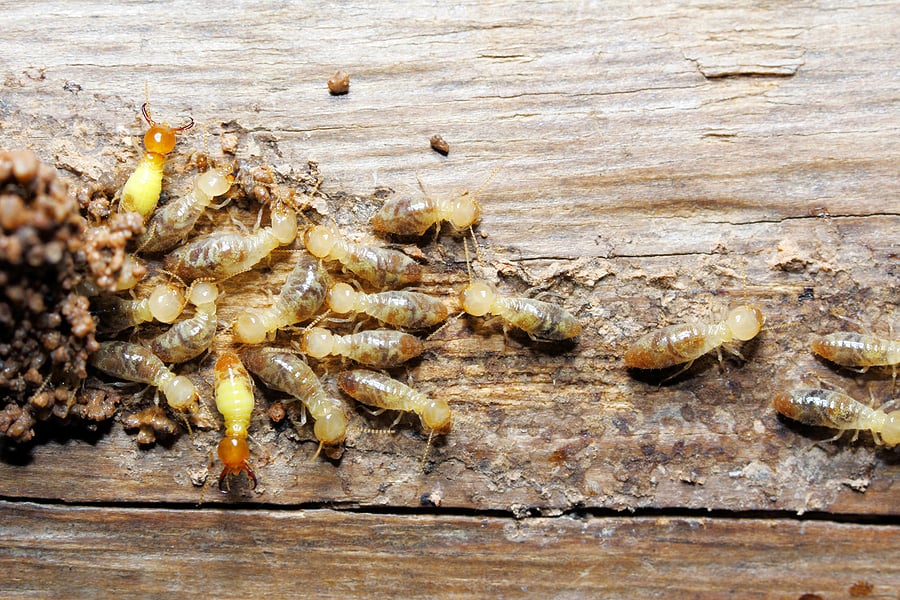
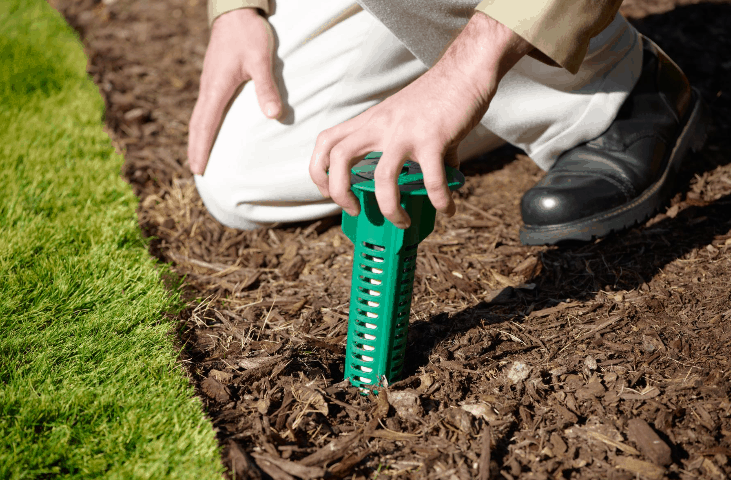
In these treatments, bait stations containing wood, paper, or cellulose that is laced with termiticide are placed in the ground around your home. Termites are attracted to the bait and eat it. The termiticide is slow acting which allows the termites to return to the colony and spread the bait to others, killing off the entire colony. Bait stations can be used in locations where surface treatments can’t, such as near foundation drains and areas that are covered by slabs or flooring. Bait stations are an effective and long-term treatment solution.
Termites can get out of control quickly and be incredibly difficult to eradicate. If you suspect you have a termite problem, contact your local pest control company for a termite inspection to identify the type of termite and recommend the best course of treatment.
You May Also Be Interested In:
Preventing Rats This Fall
5 Pests That Can Destroy Your Lawn
Why Are Cockroaches So Resilient?
Do Snakes Come Out In The Fall?
Which Season is Worst for Bed Bugs?

Aug 19, 2021 | Termite Control
One of the most important things a homeowner must do is protect the wood within their structure. Two of the most common causes of wood damage in a home are wood rot and termites. Both of these can cause significant damage by going undetected for long periods of time. Signs of wood rot and termite damage are similar, often making it difficult to determine what type of problem you have. It is important to know which of these you are dealing with in order to properly resolve it. Here are some signs of termites and wood rot and how to tell the difference between the two.
Wood Rot
There are two types of wood rot: dry rot and wet rot. Dry rot is caused by fungi that attack wood, destroying it from the inside out. Dry rot can affect any untreated wood that has a 20% moisture content. This type of rot spreads quickly and is also known as brown rot. Wet rot is common in homes that have a preexisting moisture problem such as a leak around an air conditioner, a malfunctioning downspout, clogged gutters, leaky faucets, or shrubs that are too close to the house. With wet rot, the surface veneer of the wood is impacted so it is usually easier to spot. Wet rot can affect any unprotected wood. It tends to be more localized than dry rot and doesn’t spread as much.
Some common signs of dry wood rot include:
- Wood that cracks and crumbles when touched
- Fungi blooms on wood
- Musty damp odor
- Yellow tinge to wood color
Some common signs of wet wood rot include:
- Wood that is spongy or stringy in texture
- Wood that breaks off into cube-like patterns
- Wood that looks darker than surrounding areas
- Musty, damp odor
Termite Damage
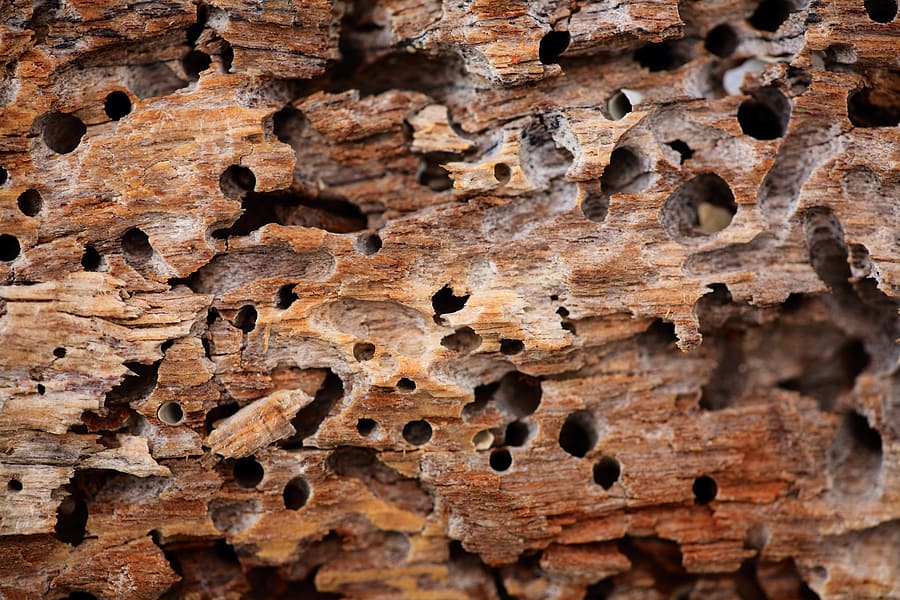
Subterranean termites are one of the most common types of termite, although drywood termites can also cause significant damage. Termites eat cellulose that is present in wood, hollowing them out from the inside out. Termites access your home through cracks in the foundation and walls. Because termites eat from the inside out, they can often go long periods of time undetected.
Some common signs of termite damage include:
- Tunnels and galleries on the inside of wood
- Wavy looking wood
- Small, pinpoint holes in wood
- Peeling paint
- Wood that sounds hollow when tapped
- Buckling floors
- Loose tiles
- Squeaky floorboards
- Discolored drywall
Whether you have wood rot or termites, the most important thing is to recognize the issue and get it resolved as quickly as possible. If you have an issue with termites or any other pests, contact your local pest control company for a free analysis and treatment plan.
You May Also Be Interested In:
Preparing for Fall Wildlife
The Importance of Commercial Pest Control
Fact or Fiction: Mothballs Keep Snakes Away
: Maintaining Through Fall
Does One Cockroach Mean an Infestation?
Jun 4, 2021 | Termite Control
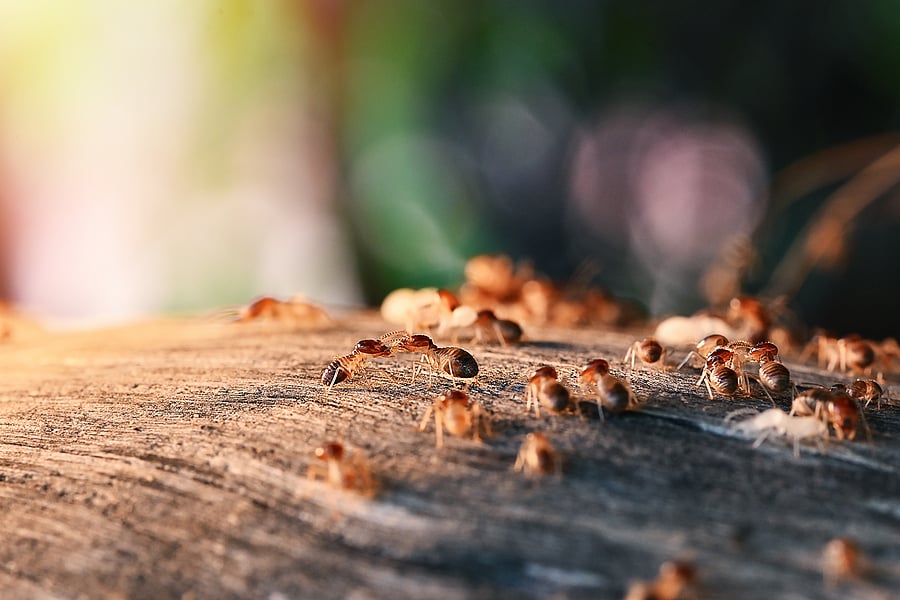
Spring and early summer mark the start of termite swarming season. Swarming termites, also known as alates, are classified as nuisance pests because although they can be bothersome to have around, they cannot bite, sting, or even chew wood. They do, however, signify the presence of an established termite colony nearby which can be problematic for you and your home.
Termites are silent destroyers, often causing significant damage and destruction to your home for long periods of time while going undetected. Learning the signs of termites, including the presence of swarms, is a critical first step in termite prevention.
When dealing with termite swarms, several questions are posed: When is swarming season? Where should I look for swarms? Can these swarms cause damage? Why are they swarming? How can I prevent them?
When Is Swarming Season?
This question depends on what type of termite you are dealing with. Subterranean termites begin their swarming season in the spring, usually during daylight hours. Drywood termites, on the other hand, don’t swarm until late summer and early fall. Dampwood termites tend to swarm during the summer months. The weather also plays a factor into when termites will swarm. Each species has its own set of conditions that are ideal for swarming but most of them will start the day after a rainstorm when the weather is still overcast and there is little to no wind.
Where Should I Look For Swarms?
While termite swarms can be found both indoors and outdoors, they cannot survive indoors because of the lack of soil in which to colonize. Swarming termites can be found anywhere termites colonize. If they do make their way indoors, they can often be found near windows and light fixtures as they are attracted to the light.
Can These Swarms Cause Damage?
Termite swarms themselves usually do not cause damage. Swarming termites cannot bite, sting, or chew. As termites get ready to swarm, they make a tube which they use to launch. When conditions are ideal, they use the tube to launch themselves. After a brief flight of only a few seconds, the termites land and break their wings away from their bodies and pair with a mate. Those pairs that survive then create a chamber underground that they use to breed and the new colony is formed. Swarm launches are usually spread out over a few days with a large release on the first day and smaller launches on subsequent days. Termite swarms can indicate the presence of an existing colony nearby so while the swarmers themselves may not cause damage, the nearby colony can.
Why Are They Swarming?
The primary purpose of termite swarms is reproduction and expansion of the colony. When the original termite colony reaches capacity and needs to expand then the swarming process begins, usually occurring once per year. The number of termites in each swarm varies depending on which type of termite species is swarming and the size of the colony.
How Can I Prevent Them?
In order to prevent termite swarms, one must prevent termite colonies from establishing nearby. Prevent termites by:
- Getting rid of water sources by eliminating or reducing standing water around your home.
- Repairing any leaky faucets, pipes, and air conditioners.
- Diverting water away from your house with properly functioning spouts, splash blocks, and gutters that are clear of debris.
- Repairing and replacing damaged roof shingles, fascia and soffits on your house.
- Replacing weatherstripping on doors and windows.
- Routinely inspecting foundations for loose mortar, uneven or bubbling paint, wood that sounds hollow when you tap it, and for the presence of mud tubes which termites use to reach food.
- Regularly inspecting wood in and around your home for noticeable changes, making sure to check windows, doors, and skirting.
- Making sure there is at least an 18″ gap between the soil and the wood portions of your home.
- When storing items in the attic or basement, using plastic storage containers and metal shelving instead of cardboard or wood.
- During swarming season, keeping doors and windows shut as much as possible. Keep outdoor lights turned off at night also, as they will attract swarming termites.
- Keeping firewood stored at least 20 feet away from your home and elevated off the ground.
- Keeping plants a few feet away from your home.
- Making sure there is at least a 4″ barrier between your mulch and the side of your home. You can also use mulch made of rubber, plastic, or gravel.
- Removing any tree stumps from your property.
- Scheduling an annual termite inspection of your home and property to help detect termite problems early before they can cause significant damage.
Because a termite swarm indicates a nearby colony, homeowners should take precaution when one is spotted nearby. If you suspect you have a termite infestation, contact a professional pest control company who can inspect your property and set up a termite control plan.
You May Also Be Interested In:
Preventing Ticks & Fleas
7 Snakes You May Encounter This Summer
Are Termites Active Right Now?
Turning A Yellow Lawn Green
Is That Spider Poisonous?
Mar 10, 2021 | Termite Control
Termites cause costly and considerable damage to homes and property each year. These pests are known to go undetected for some time, making it more challenging to eliminate them. It’s necessary to know the warning signs of termites and how to prevent them from infesting your home.
Termites need water to survive. They will seek moist, wet areas inside or around your home to build a new colony site and utilize the water to survive. Eliminating unnecessary moisture both inside and outside of your home is a great start to termite prevention. Storm drains should always be directed away from your house, draining at least a few feet from the foundation. Inside, ensure that there are no leaky faucets or water pipes. If there are leaks, fix them as soon as possible. If your home has a crawlspace, consider investing in a crawlspace enclosure which will help eliminate moisture under the house while also preventing mold, wood rot, and other pests.
In addition to searching for water, termites also search for wood. If there is any exposed wood around your house that is easily accessible to termites, they will find it and destroy it. Reducing soil-to-wood contact around your home is essential in preventing them. Get rid of any lumber, mulch, plants, or other wood items that are around your foundation. If you do want to use mulch for landscape purposes, keep at least a 4-inch barrier between the mulch and the side of your home. Always clean up and get rid of fallen branches, dead wood, or old tree stumps throughout your property.
Termites can be extremely difficult to detect, prevent, and eliminate once they are established. If you suspect or discover that you have a termite problem, or even want to get ahead of the prevention game, contact a professional pest control company who can set you up with annual termite inspections and even a termite control plan.
Feb 26, 2021 | Termite Control
Termites cause billions of dollars in damage to homes each year. This irreparable damage can affect both the structure and the integrity of your home. It is projected that homeowners spend upwards of $2 billion on termite treatments each year. Termites eat wood from the inside out, allowing them to go undetected for long periods of time and causing significant damage before you even realize it. Oftentimes homeowners aren’t aware of the presence of termites until they discover this damage.
The most common type of termite in the United States is the subterranean termite, although drywood termites, dampwood termites and Formosan termites can also be found here. Some of the most common signs of termites in your home include termite swarms; mud tubes on or around foundations; piles of discarded wings; drooping or discolored drywall; paint that is peeling; wood that makes a hollow sound when you tap on it; squeaking floorboards; doors and windows that stick; damaged or crumbling wood; loose tile; buckling floors; and even small holes in your drywall.
There are three main methods of termite treatment and the effectiveness of each depends on the type of termite you are dealing with and the severity of the infestation. Here is a breakdown of all three, along with some termite prevention tips to help protect your home from termite damage.
Soil Treatment
Soil treatments are applied to the soil that surrounds your home to create a barrier. The first step is to dig a trench around your foundation. This soil is then treated with a termiticide and the trench is filled back in. By doing this, termites are killed as they pass through the chemicals on their way back to their nests.
Wood Treatment
Wood treatments are used to both kill existing termite colonies and also prevent future ones from starting. There are different types of wood treatments all used with varying effectiveness depending on the type of termite and the severity of the infestation. Surface sprays are treatments that are applied to the surface of wood. Injected sprays and foams are applied to the inside of wood. Borate treated wood is wood that is pretreated with a borate solution. Gas fumigation entails using fumigants that permeate throughout your entire home which disrupts the metabolism of the termites. Surface sprays and borate treated wood are usually used during construction or renovation of homes. Injections, foams, and fumigants are used after a home is built.
Bait Systems
Bait systems are most effective at destroying termite colonies. A termite control professional will come out and install the bait stations around the outside perimeter of your home. These stations are then monitored on a regularly scheduled basis. Bait stations help ensure your home is protected from both a current infestation and a future one. The bait stations contain chemicals that termites eat and then take back to their colonies which allows it to be spread to others. This type of termite treatment is most effective with larger termite colonies.
How do you know which type of treatment is best for you? That all depends on the type of termite you are dealing with. Subterranean termites typically nest underground and enter homes where the wood structure makes direct contact with the soil. They will often squeeze through cracks in the foundation or around utility pipes through mud tubes. The best treatment for these termites is either a soil treatment or a bait station.
Drywood termites don’t require direct soil contact for survival. These termites will colonize anywhere they can find a preferred source of wood. They also don’t need as much moisture to survive like other termite species do. Drywood termites are often found in attics, dead or dying trees and shrubs, utility poles, fencing, and furniture. These termites are most effectively treated with gas fumigation or targeted termiticide.
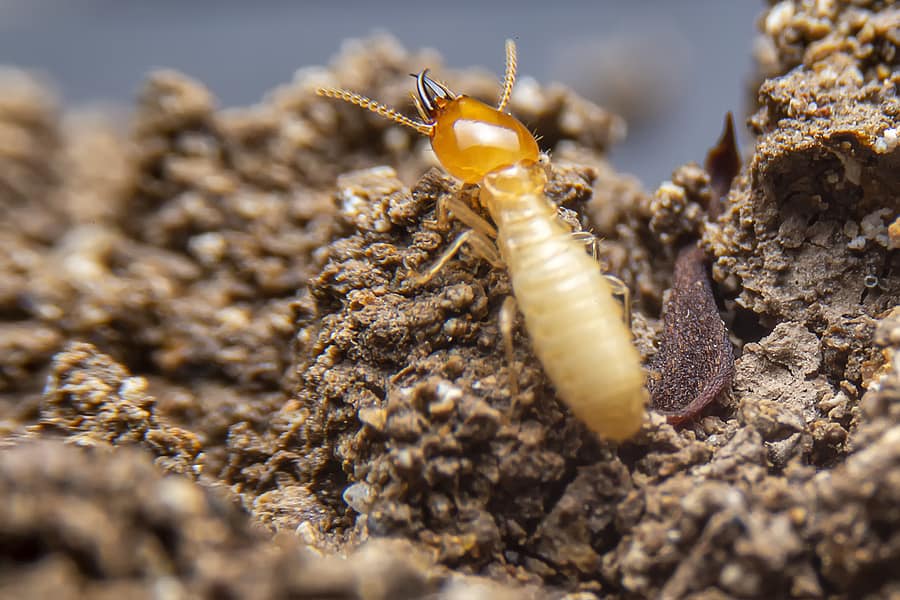
Dampwood termites are much larger in size than their subterranean counterparts. They also have large pincers that they use to fight off predators. They typically colonize damp or decaying wood with higher moisture content like that found in logs and stumps. These termites don’t usually make their nests in the soil or build mud tubes. They are also not usually as destructive as other termite species are. The best treatment for these termites is moisture removal and termiticide application.
Prevention
The best way to get a head start on termite control at home is through prevention. Most homeowners policies do not cover termite damage so keeping them away is critical to protect both your home and your wallet. You can prevent termites by:
- Using concrete foundation during construction and leaving a ventilation space between the soil and the wood
- Covering exposed wood surfaces with sealant or a metal barrier
- Keeping the soil around foundations dry after construction with proper grading and drainage
- Maintaining gutters and downspouts
- Reducing openings that offer access to termites by filling cracks in cement foundations or around gaps where utilities enter the home with cement, caulk, or grout
- Fixing leaks immediately
- Keeping vents free from blockage
- Avoiding landscaping that is too close to the structure and not allowing them to grow against wooden structures
- Not keeping firewood or wood debris piled up next to the house
- Getting an annual termite inspection from a professional
If you suspect you have a problem with termites or you just want to get ahead with a prevention plan, contact your local pest control company who can provide you with a free analysis and set you up with a successful treatment and prevention plan going forward.
You May Also Be Interested In:
The Importance of Mosquito Treatments
How to Prepare for Snake Season
How Each Season Effects Pests
Is Orange Oil Effective As A Treatment For Termites?
Keeping Wildlife Out This Spring