Nov 21, 2018 | Pest Control
Fall is here! Football has started, bonfires are lit, and the weather is bringing more people outside. Though now is the time for all the Fall fun, you aren’t the only one enjoying this weather. Those snakes that slither through the tall grass and the woods of your backyard also appreciate this time of year! They can be intimidating creatures, but they also shouldn’t draw too much concern from the average person.
In Georgia it is illegal to kill certain snakes, punishable with fines of up to $1000 and/or up to one year in jail. This shouldn’t be an issue for most of us, however, because snakes want to avoid us just as much as we want to avoid them. Did you know that most snakes in Georgia are non-venomous with only six being venomous?
Let’s touch on these 6 venomous species of snakes and how you can tell which is which:
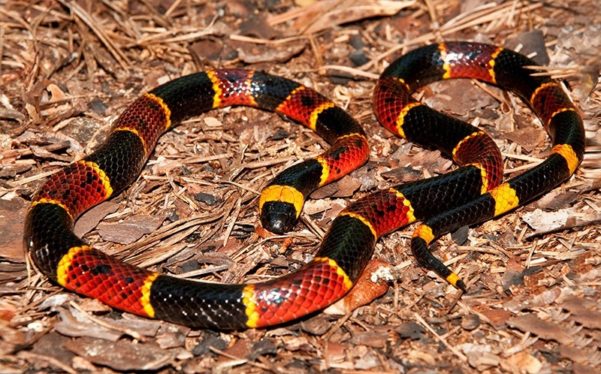
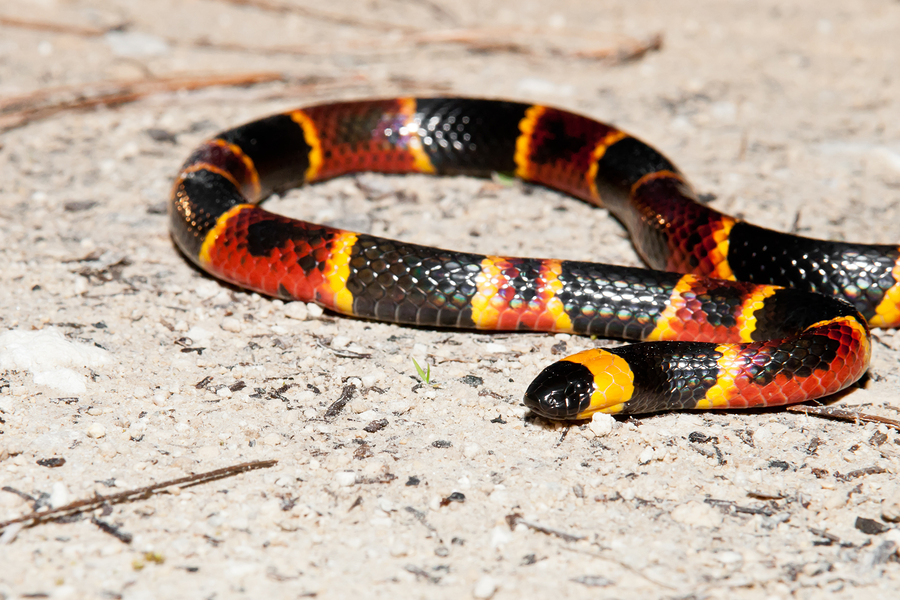
Eastern Coral Snake: This snake is easily recognized. You can tell them apart by the red and black segments on their body separated by yellow rings. Unlike the other snakes on this list, the coral snake has a rounded snout.
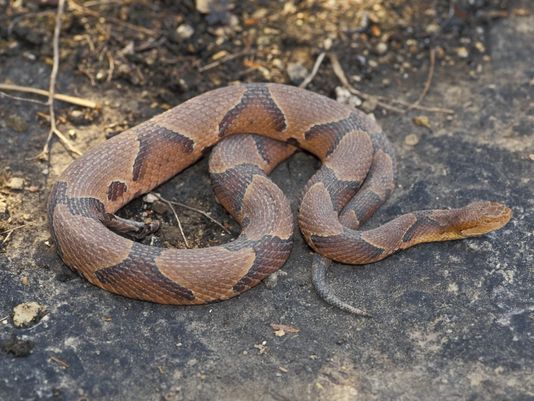
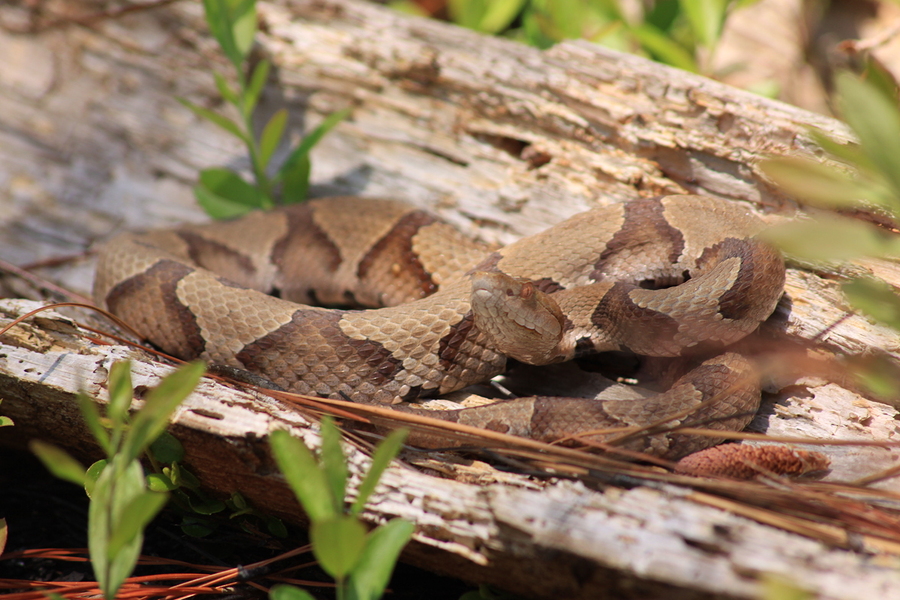
Copperhead: The copperhead usually has a light brown to gray skin color, but they can range from rusty orange to nearly black. You can recognize them easily by the 10 to 21 dark-brown hourglass-shaped crossbands on their body. Look out for their triangular shaped head, as well.
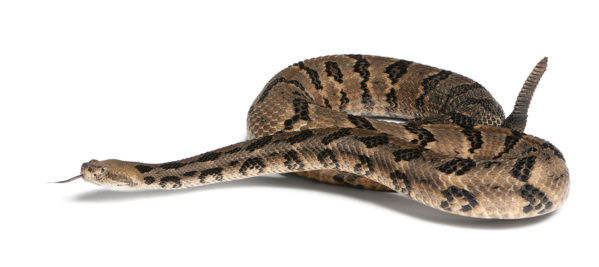
Timber Rattlesnake: They have background skin that can be a variety of different colors, ranging from shades of pink, yellow, gray, brown, or black. It has brown to black V-shaped bands down its body. It has a black tail with a rattle at the tip.
Pigmy Rattlesnake: They are usually gray or tan but can be reddish or black. The pattern on its body resembles blotches or spots that are dark in color. The tip of the tail has a rattle.
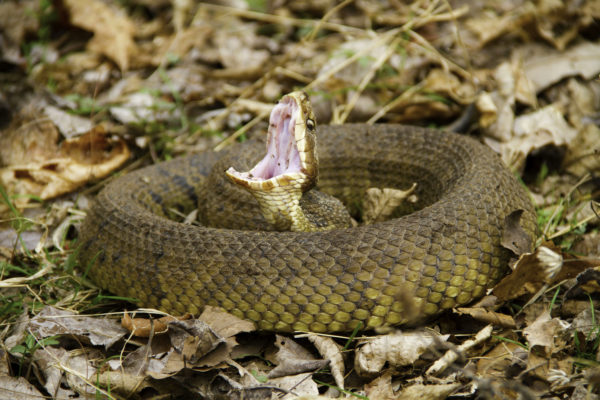
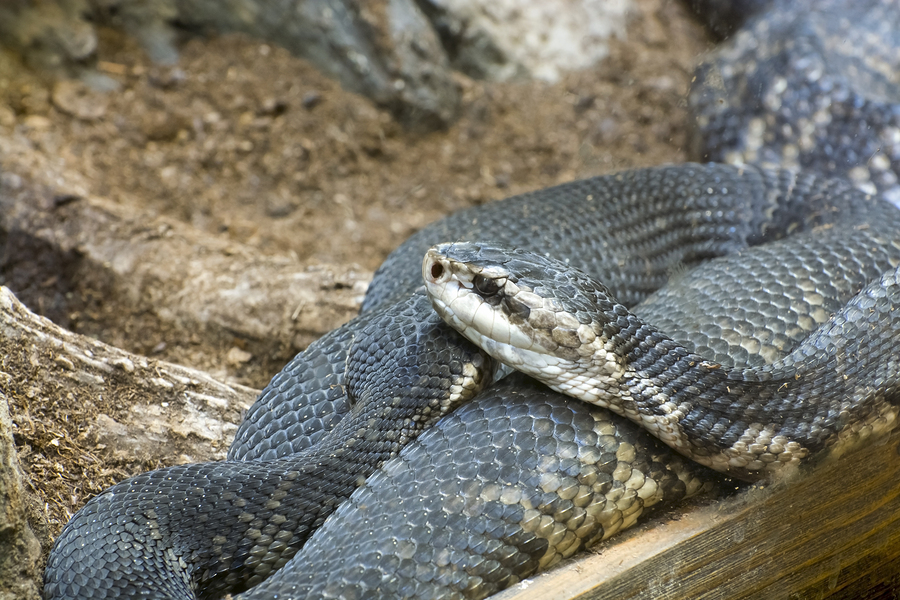
Cottonmouth: The cottonmouth has light brown or olive-colored skin with dark bands along their bodies. When they mature they may become very dark, obscuring the bands completely.
Eastern Diamond Rattlesnake: Its body is patterned with a row of diamond-like shapes that are dark brown in color. Each shape is outlined by a yellowish border. The tail has 3 to 10 brown and white bands and a rattle.
Before snakes go into hibernation, there’s a chance you might see one in your yard or while you’re out for a walk. In a situation like that, avoid the snake, and call your local pest control company to relocate it for you. And remember, it doesn’t want to hurt you, so don’t hurt them.

Sep 7, 2017 | Wildlife
Fall will soon be upon us! As the temperatures cool down we want to get outdoors and enjoy the milder weather at the turn of the season. But BEWARE! Snakes are also active during this time of the year. Most snakebites occur between April and October when the weather is still warm and outdoor activities are popular. Fall is breeding and hatching season which makes males more aggressive as they are trying to get the attention of female snakes. Newly hatched snakes are also aggressive as they are trying to avoid predators. Snakes are also preparing for hibernation or brumation (where they don’t actually sleep but instead slow their metabolism to acclimate to the cooler temperatures) which makes them more active during this time of the year. Here are some common snakes you may encounter in southern states and what you can do to keep them away from your home.
COMMON SNAKES IN THE SOUTHEAST:
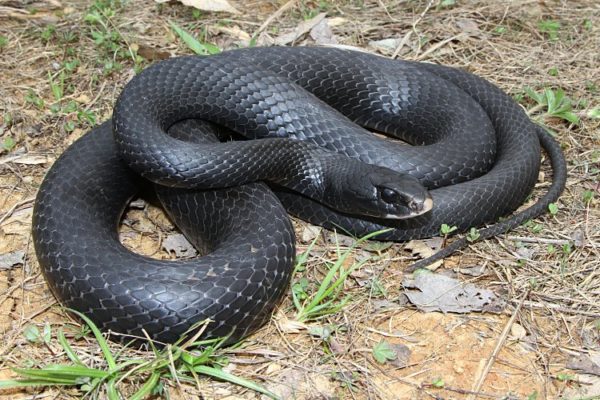
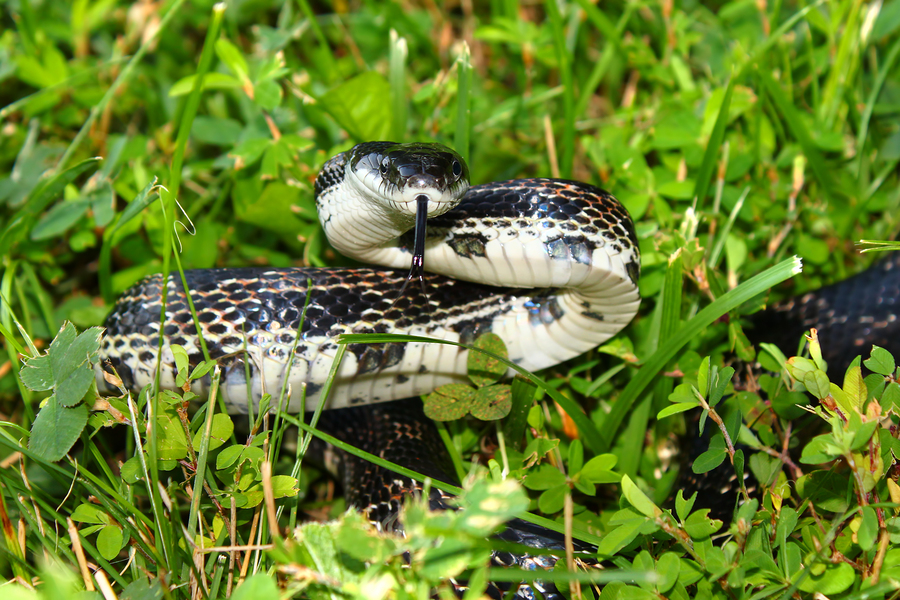
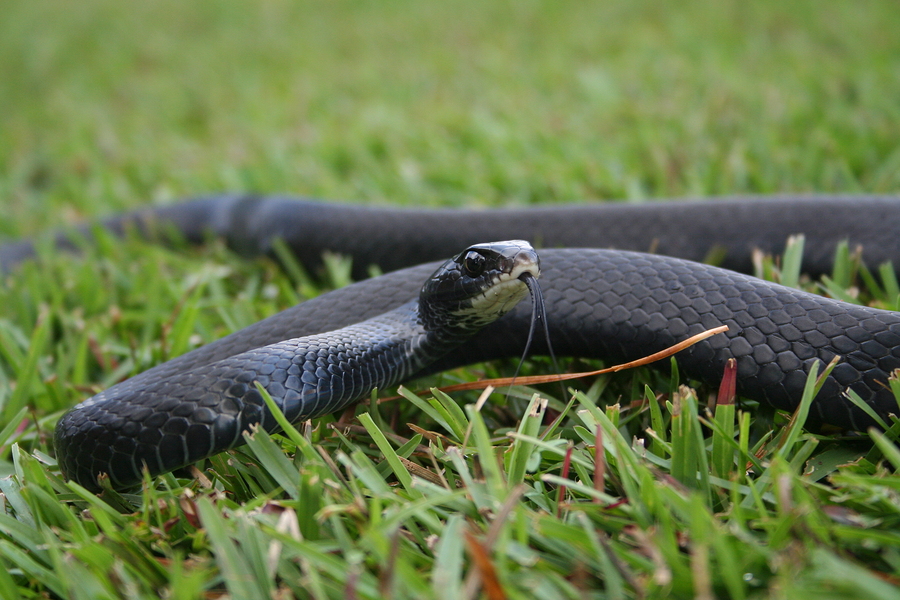
Black racers are large snakes (usually over 5 feet long). They are slender and solid black in color, although some may have a white chin. They are often mistaken for other large, black snakes. Juveniles look completely different, usually gray in color with darker blotches. They tend to flee quickly when threatened. They are found throughout the eastern US. They can be found in any habitat but are more common in old fields, near forest edges, and the edges of wetlands. They are non-venomous but may bite if handled.
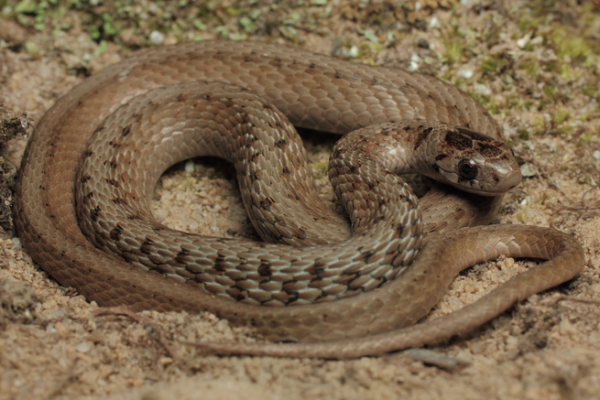
Brown snakes are small (usually only 6-13 inches in length). Most of them are brown in color but they can yellow, reddish, or grayish brown and can have darker spots on their backs. They can be found in wooded areas, near wetlands, and in urban areas. They are not found in areas of high elevation. They like to live under debris in residential areas or any other area with enough groundcover. They are non-venomous but may bite if handled.
Copperheads are large snakes (usually 2-4 feet long). They have a distinctly triangular shaped head. They are tan to brown with darker hourglass shaped bands on their bodies. Juvenile copperheads have a distinct yellow-tipped tail. They are found in semi-protected areas like woods and swamps but may also be found in urban areas. They are found throughout the central and eastern US, with the exception of some parts of South Georgia and the entire state of Florida. They are venomous and may bite if they feel threatened.
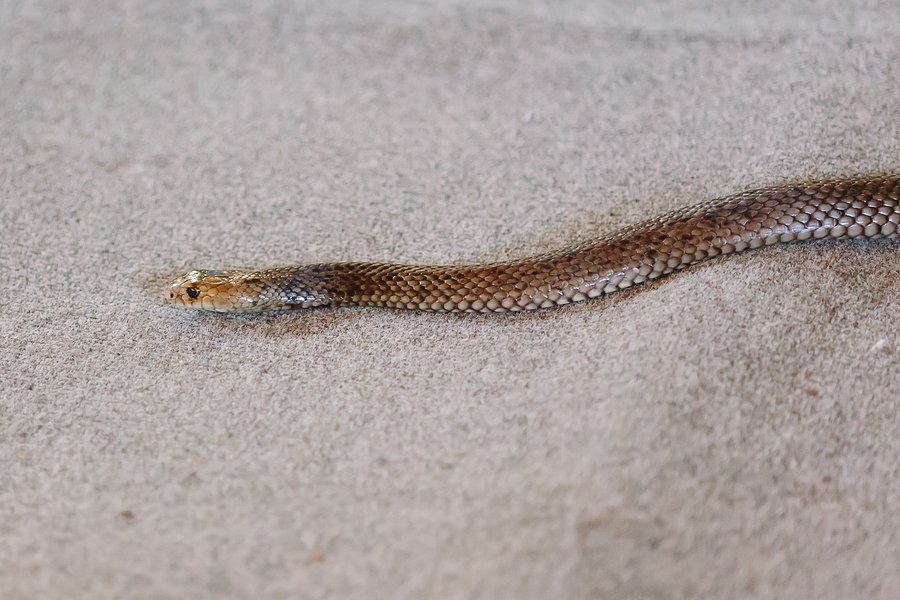
Coral snakes are medium sized (1.5 to 2.5 feet long). They are brightly colored red, yellow, and black. If they feel threatened, they will lift up their tail and curl the tip over. Although they spend the majority of their time underground, they can be found in pine and scrub sandhill habitats, hardwood forests and pine flatwoods, and in suburban areas. They are found throughout much of the southern coastal plain, although they are most common in Florida. They are venomous and may bite if they feel threatened.
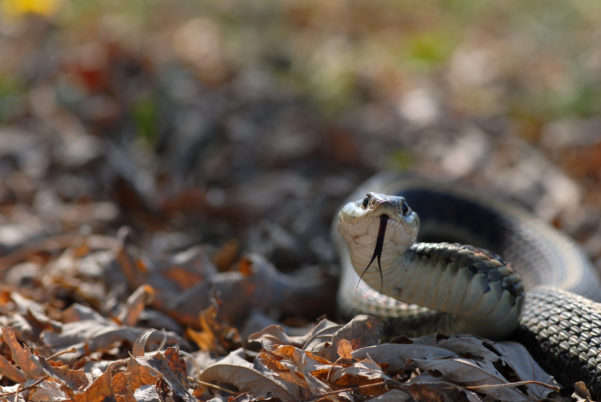
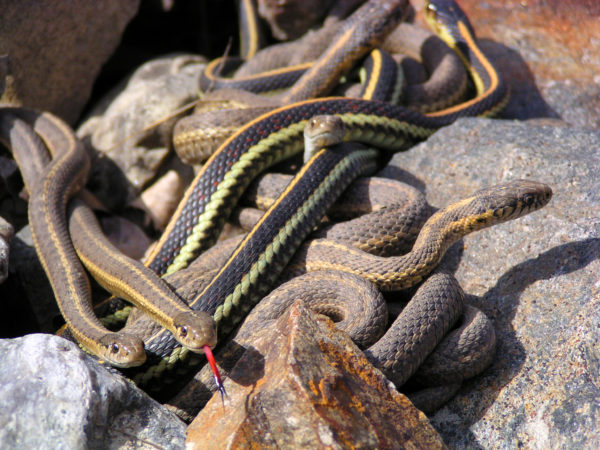
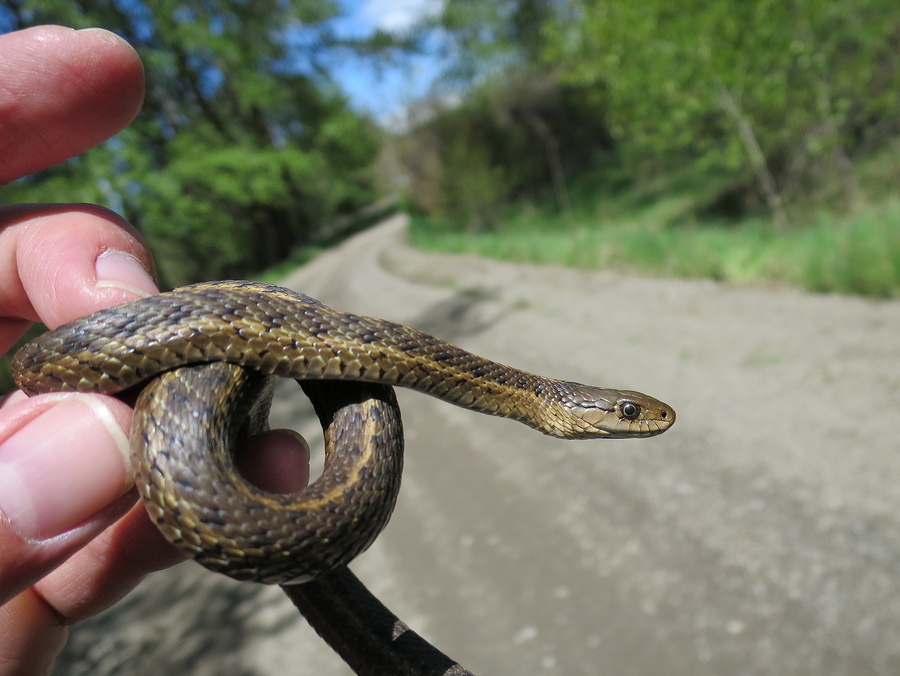
Garter snakes are small to medium sized (1.5 to 4 feet long). They have dark colored bodies with three yellow stripes running vertically. They prefer protected areas such as woods or marshes but are also common in grassy areas and around water. They are very common in suburban areas as long as there is adequate cover for them. They are common throughout the Southeast and most of the US. They are non-venomous but may bite if handled.
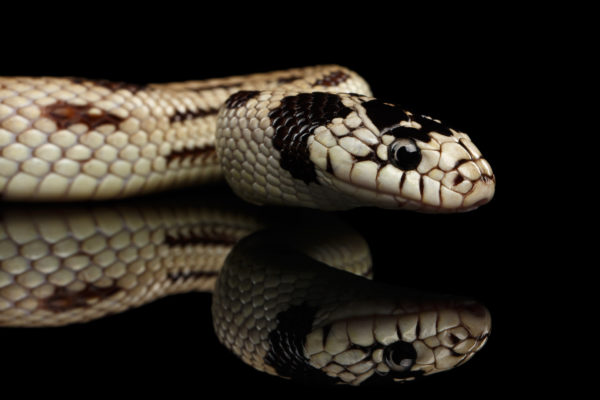
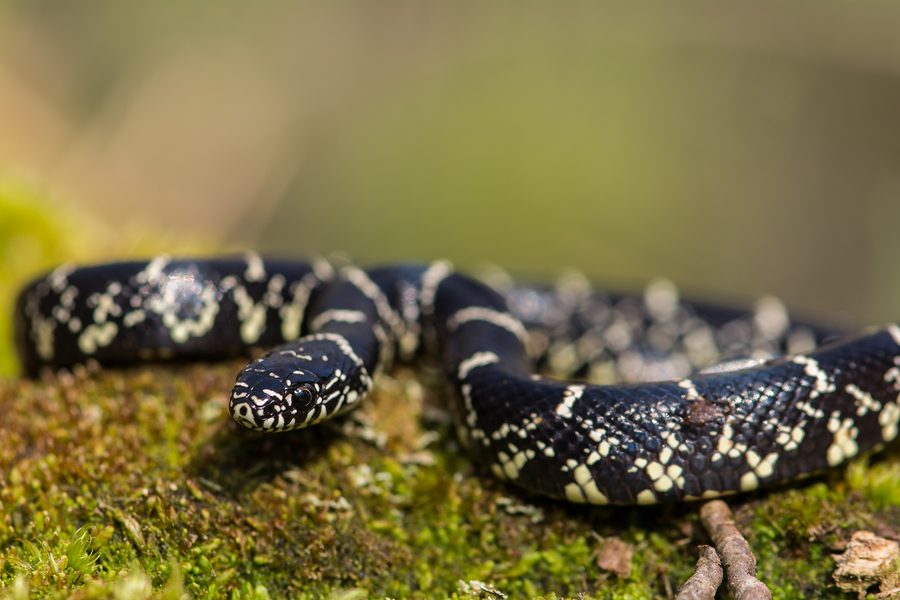
King snakes are large snakes (3-4 feet long). They are a shiny black color with white or yellow bands. They have a rectangular looking head with a short, blunt snout. They are found in protected areas such as woods, overgrown vegetation, and cluttered areas. They are found throughout the southeast US. They are non-venomous but may bite if handled or threatened.
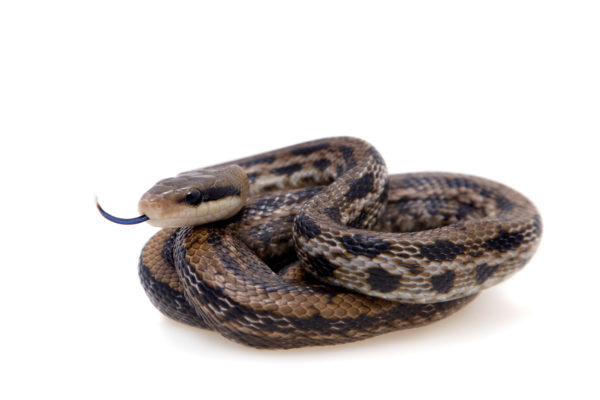
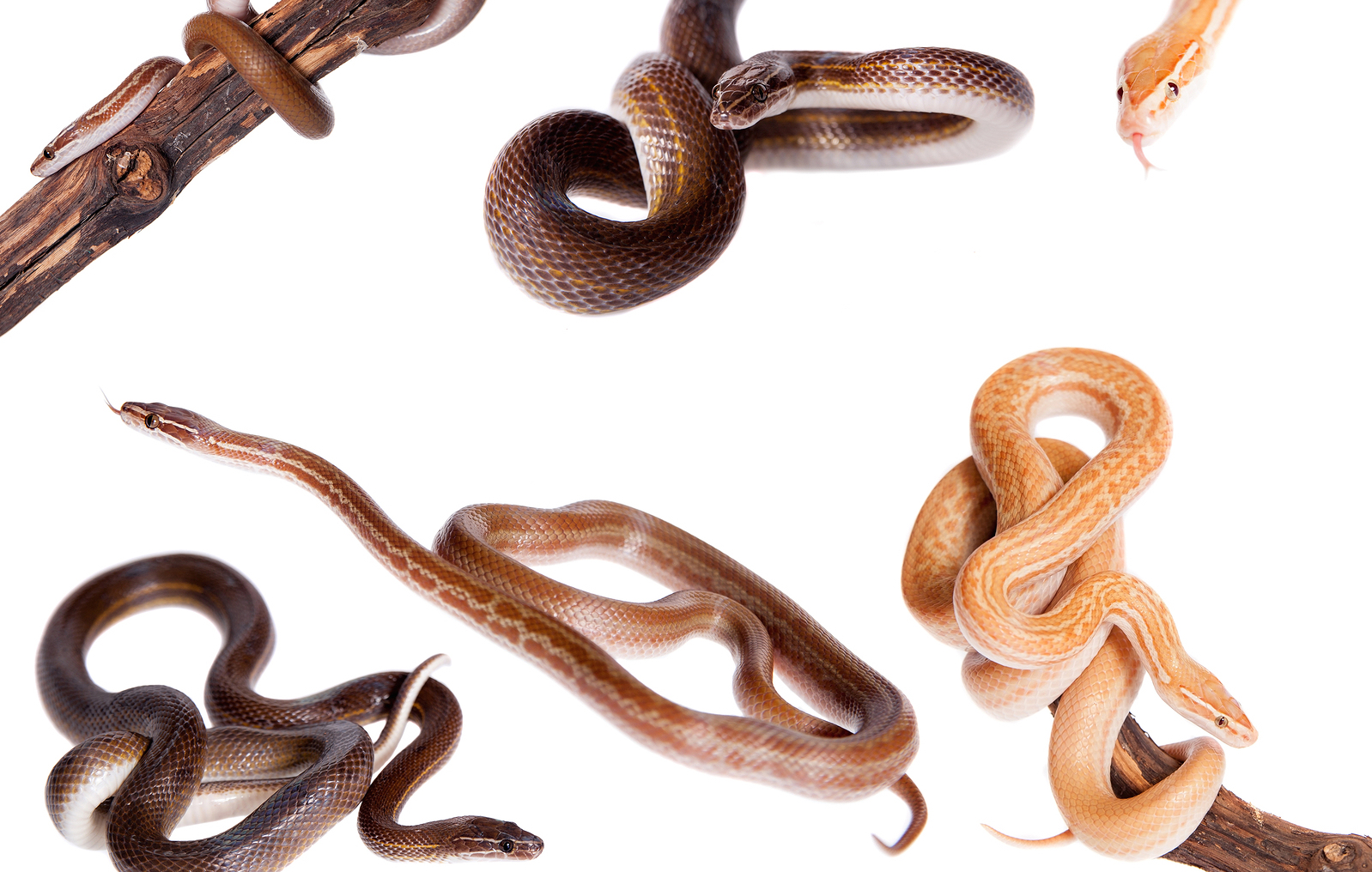
Rat snakes are large snakes (most 3-5 feet long but some longer than 6 feet). Their coloring depends on the region they live in and can be black, yellow with stripes, or gray with darker patches. They are found in semi-protected areas such as woods, overgrown vegetation, swamps, or abandoned and vacant buildings. They are found throughout the southeast US. They may climb for food. They are non-venomous but may bite if handled or threatened.
Water moccasins are also known as cottonmouths. They are large snakes (2-4 feet long). Their color varies from solid brown to yellow with dark crossbands. Juveniles have a yellow-tipped tail. Their head is distinctly triangular. When threatened they have a characteristic display with their head in the middle of their coiled body and their mouth wide open. They are found in freshwater habitats, cypress swamps, river floodplains, and heavily vegetated wetlands. They are found throughout the southeast US but are more common in coastal regions. They are venomous snakes and may bite when threatened.
HOW TO AVOID SNAKES
While it is impossible to prevent snakes, there are things you can do to avoid them and prepare yourself and your family when you are enjoying the outdoors. Check out these 10 tips to avoid snakes:
- COVER YOUR FEET. If you are going to be outdoors in areas that are prone to snakes, don’t wear flip flops or sandals. Wear closed toed shoes, preferably hiking boots and long pants.
- AVOID TALL GRASS. If possible, avoid areas with tall grass when you are outdoors. If you must walk through tall grass, keep your feet and legs protected, keep a vigilant watch around you and make your presence known.
- DO SOME RESEARCH. Check out our snake facts above and try to avoid areas that are likely to have snakes. Do some research ahead of time and find out what snakes are most common in your area, what they look like, and what habitats they live in.
- LOOK UP. Many snakes can climb trees and can move from tree to tree by adjacent branches. Make sure to look up when you are walking in wooded areas and wear a hat if possible. This also applies if you are boating in areas with overhanging trees.
- WALK WITH CONFIDENCE. Snakes respond to vibrations from the ground so they can feel you coming before they can see you. Walk with strong steps to make your presence known. They will often flee before you even see them.
- PAY ATTENTION. Look around. Be aware of your surroundings. Look down when you are walking.
- AVOID HABITATS. Familiarize yourself with habitats common to snakes in your areas and avoid them. Stay away from large rocks, rock and wood piles, areas with heavy overgrowth, or any other area that snakes can use for cover.
- CHECK YOUR CAR. Snakes are known to take cover under cars, especially if you park your car in an area prone to snakes. They seek protection from predators while still having a warm surface to lay on.
- PROTECT YOUR HOME. Seal any cracks and crevices around your home that might allow snakes to come in seeking warmth and food. Remove debris and clutter from your yard and garage. Keep wood piles away from the house. Clear overgrowth from your yard. Remove anything that could potentially be used as cover for snakes.
- USE REPELLENT. There are many commercial snake repellents on the market today, as well as several natural methods of snake repellent. Find the one that works best for you.
Apr 19, 2017 | Wildlife
Common Snakes in the South: Identification, Threats & Snake Control Tips
Eastern Kingsnakes
What do they look like?
- Large snakes, usually 3-4 feet long
- Shiny black color with white or yellow bands
- Short, blunt snout and rectangular looking head
- Small beady eyes
Where do you find them?
- Protected areas such as woods, overgrown vegetation, cluttered areas, etc.
- Prevalent throughout the southeast U.S.
- Most active during summer months in the morning hours
How dangerous are they?
- Strong constrictors
- Non-venomous
- May bite if handled or threatened
How do you prevent and/or control them?
- Keep food sources away from your home – other snakes, lizards, rodents, and birds
- Limit clutter and stored wood near your home
- Use a product that snakes find repellent to prevent them
- Professional snake control by a licensed pest control company
Rat Snakes
What do they look like?
- Large snakes, 3-6+ feet long
- Black, yellow with stripes, or gray with darker patches
Where do you find them?
- Semi-protected areas such as woods, over grown vegetation, swamps, abandoned or vacant buildings, etc.
- Prevalent throughout the southeast U.S.
How dangerous are they?
- Non-venomous
- May bite if handled or threatened
- May climb for food
How do you prevent and/or control them?
- Keep food sources away from your home – rats, mice, squirrels, birds, and bird eggs
- Use a product that snakes find repellent to prevent them
- Professional snake control by a licensed pest control company
Garter Snakes
What do they look like?
- Small to medium sized snakes, 1.5-4 feet long
- Three yellow stripes running vertically down a dark colored body
Where do you find them?
- Protected areas such as woods and marshes, but are also very common in grassy areas and around water
- Suburban areas where areas of cover/shelter are available
- Active day or night and often found under boards or debris
- Common throughout the southeast and most of the U.S.
How dangerous are they?
- Non-venomous
- May bite if handled or threatened
How do you prevent and/or control them?
- Keep food sources away from your home – worms, slugs, frogs, toads, salamanders, fish and tadpoles
- Limit items that can be used as cover/shelter around the home like scraps pieces of wood and debris
- Use a product that snakes find repellent to prevent them
- Professional snake control by a licensed pest control company
Black Racer Snakes
What do they look like?
- Large snakes, 5+ feet long
- Slender, solid black color and may have a white chin
- Often confused for other large, black snakes
- Juveniles look very different from adults; they are grayish colored with darker blotches
Where do you find them?
- Thrive in nearly any habitat, but are more abundant near forest edges, old fields, or wetland edges
- Common throughout the eastern U.S.
- Active during warmer months in the daytime hours
How dangerous are they?
- Usually flee from threats
- Non-venomous
- May bite if handled or threatened
How do you prevent and/or control them?
- Keep food sources away from your home – insects, lizards, snakes, birds, rodents, and amphibians
- Use a product that snakes find repellent to prevent them
- Professional snake control by a licensed pest control company
Brown Snakes
What do they look like?
- Small snakes, 6-13 inches long
- Most are brown but may be yellowish, reddish, or grayish-brown with rows of darker spots on the back
Where do you find them?
- Wooded areas, near wetlands, and urban areas
- Not found in areas of high elevation
- Under wood, leaves and debris in residential areas and any other area with adequate groundcover
- Most common snake in urban environments
- Most active during evening or night hours, occasionally seen crossing roads
How dangerous are they?
- Non-venomous
- May bite if handled or threatened
How do you prevent and/or control them?
- Keep food sources away from your home – slugs, earthworms or other soft-bodied invertebrates
- Use a product that snakes find repellent to prevent them
- Professional snake control by a licensed pest control company
Copperhead Snakes
What do they look like?
- Large snakes, 2-4 feet long with a heavy body
- Head is distinctly triangular shaped
- Tan to brown with hourglass shaped darker bands running across the body
- Juvenile copperheads have a distinct yellow tail tip
Where do you find them?
- Semi-protected areas such as woods and swamps
- May be found in suburban areas
- Throughout central and eastern U.S. except some southern portions of Georgia and all of Florida
How dangerous are they?
- Venomous
- Do not handle or approach, may bite if threatened
- Use caution when outdoors at night in the summer
How do you prevent and/or control them?
- Keep food sources away from your home – mice, small birds, lizards, small snakes, amphibians and insects
- Use a product that snakes find repellent to prevent them
- Professional snake control by a licensed wildlife control company
Water Moccasins (Cottonmouth Snakes)
What do they look like?
- Large snakes, 2-4 feet in length with a very heavy body
- Color varies from solid brown or brown or yellow with dark crossbands
- Juveniles have a yellow tail tip
- Head is distinctly triangular (due to venom glands)
- Characteristic threat display with the head in the middle of the coiled body with the mouth wide open (mouth is white on the inside, hence the cottonmouth nickname)
Where do you find them?
- Freshwater habitats, cypress swamps, river floodplains, and heavily vegetated wetlands
- Throughout the southeast U.S. but are slightly more common in coastal regions
- Active day or night but most often seen foraging at night for food in warmer months
How dangerous are they?
- Venomous
- Do not handle or approach, may bite if threatened
- Use caution when around fresh water habitats
How do you prevent and/or control them?
- Keep food sources away from your home (bodies of water) – amphibians, lizards, snakes (including smaller cottonmouths), small turtles, baby alligators, mammals, birds, and fish
- Use a product that snakes find repellent to prevent them
Coral Snakes
What do they look like?
- Medium sized snakes, 1.5-2.5 feet long
- Brightly colored, red, yellow, and black
- When threatened the tail is lifted up and the tip is curled over
Where do you find them?
- Pine and scrub sandhill habitats
- Hardwood forests and pine flatwoods that flood
- Suburban areas
- Throughout much of the southern coastal plain (most common in Florida)
- Rarely seen, they spend the majority of their time underground
- Most sightings occur in the Spring or Fall
How dangerous are they?
- Venomous
- Do not handle or approach, may bite if threatened
How do you prevent and/or control them?
- Keep food sources away from your home – other snakes and lizards
- Use a product that snakes find repellent to prevent them
Jun 6, 2016 | Wildlife
It’s officially summer! While outside enjoying the warm weather, beware. Snakes are also active this time of year, soaking up the sunshine and in search of abundant food sources – around rocks, in gardens, on stone patios, around brush & vegetation, or even in attics, crawlspaces and basements. Here are some common snakes you may encounter in Southern states and what you can do to keep them away from your home.
Common Types of Snakes
King Snakes
King snakes are usually large, black with white or yellow bands, with a short, blunt mouth and face. They’re commonly found in protected areas such as woods, overgrown vegetation, and cluttered areas. Although king snakes are non-venomous, they may bite if threatened. Keep them away from your home by eliminating food sources (rodents, birds, etc.), wood, clutter, and overgrown vegetation. You can also use a preventative snake repellent product, although these treatments are not always effective.
Rat Snakes
Rat snakes are large, usually ranging from 3-6+ feet in length and their color depends on what region they’re found in – usually black, yellow with stripes, or grey with darker patches. You’ll usually encounter rat snakes in semi-protected areas such as woods, over grown vegetation, swamps, or abandoned/vacant buildings. They’re known to climb if there’s a food source within reach and will bite if threatened (non-venomous). Keep them away from your home by eliminating their favorite food source – small rodents. For rodent control, contact your local wildlife removal company.
Garter Snakes
Garter snakes are small to medium-sized snakes with three vertical, yellow stripes on a dark-colored body. They prefer to hang out around protected areas such as woods and marshes, but are also very common in grassy areas and around water. Garter snakes can be found in mostly any suburban area throughout the southeast and U.S. as long as there is cover for them. Limit food sources around your home to keep them away – insects, lizards, small rodents, etc.
Black Racer Snakes
Black racers are large snakes, usually 5+ feet long, with slender, black bodies (sometimes with a white chin), and are often confused with other black snakes. Black racer snakes can be found throughout the eastern U.S. in nearly any habitat, but are more abundant near forest edges, old fields, or wetland edges. They’re non-venomous snakes but may bite if provoked. Keep them away from your home by reducing potential food sources (insects, lizards, snakes, birds, rodents, & amphibians) with regular pest control or bird control services.
Brown Snakes
Brown snakes are small (6-13″ long), brown or sometimes yellowish, reddish, or grayish-brown with rows of darker spots on the back, and are common in wooded areas, near wetlands, urban areas, under debris in residential areas, and any other area with adequate ground cover (but not found in areas of high elevation). Brown snakes are the most common snake seen in urban environments. Because brown snakes prefer to eat insects like earthworms, snails, and slugs, it’s important to eliminate sources of moisture, debris, and vegetation around your home’s exterior to keep them away.
Copperhead Snakes
Copperheads are large snakes, 2-4 feet long with heavy bodies. They have a distinct, triangular-shaped head, are tan to brown with hour glass shaped darker bands running across the body, while juvenile copperheads have a distinct yellow tail tip. You’ll encounter copperhead snakes throughout central and eastern US, excluding some southern portions of Georgia and all of Florida, in semi-protected areas such as woods and swamps, but also in suburban areas. Copperheads are venomous snakes that will bite if bothered. To prevent copperhead snakes, eliminate potential food sources – mice, small birds, lizards, other small snakes, amphibians, and insects – and use caution when outside at night in the summer.
Water Moccasins
Water moccasins, also referred to as cottonmouth snakes, are large snakes, 2-4 feet long with very heavy bodies, of varying colors – solid brown to brown or yellow with dark cross bands (juveniles have a yellow tip) – with distinctly triangular heads. Water moccasins are venomous snakes known to open their mouths wide when threatened (which is white on the inside, hence the name “cottonmouth”). They’re found throughout the southeast, but are slightly more common in coastal regions, in freshwater habitats, cypress swamps, river floodplains, and heavily vegetated wetlands. It’s unlikely you’ll see water moccasins around your home unless you live near bodies of freshwater.
Coral Snakes
Coral snakes are medium-sized snakes, 1.5-2.5 feet long, brightly-colored red, yellow, and black, commonly found throughout much of the southern coastal plain (most common in Florida), in pine and scrub sandhill habitats, hardwood forests and pine flatwoods that flood, and suburban areas; they spend the majority of their time underground. Coral snakes are venomous and, when threatened, will lift their tail with the tip of the tail curled over.
Jun 6, 2016 | Wildlife
It’s officially summer! While outside enjoying the warm weather, beware. Snakes are also active this time of year, soaking up the sunshine and in search of abundant food sources – around rocks, in gardens, on stone patios, around brush & vegetation, or even in attics, crawlspaces and basements. Here are some common snakes you may encounter in Southern states and what you can do to keep them away from your home.
Common Types of Snakes
King Snakes
King snakes are usually large, black with white or yellow bands, with a short, blunt mouth and face. They’re commonly found in protected areas such as woods, overgrown vegetation, and cluttered areas. Although king snakes are non-venomous, they may bite if threatened. Keep them away from your home by eliminating food sources (rodents, birds, etc.), wood, clutter, and overgrown vegetation. You can also use a preventative snake repellent product, although these treatments are not always effective.
Rat Snakes
Rat snakes are large, usually ranging from 3-6+ feet in length and their color depends on what region they’re found in – usually black, yellow with stripes, or grey with darker patches. You’ll usually encounter rat snakes in semi-protected areas such as woods, over grown vegetation, swamps, or abandoned/vacant buildings. They’re known to climb if there’s a food source within reach and will bite if threatened (non-venomous). Keep them away from your home by eliminating their favorite food source – small rodents. For rodent control, contact your local wildlife removal company.
Garter Snakes
Garter snakes are small to medium-sized snakes with three vertical, yellow stripes on a dark-colored body. They prefer to hang out around protected areas such as woods and marshes, but are also very common in grassy areas and around water. Garter snakes can be found in mostly any suburban area throughout the southeast and U.S. as long as there is cover for them. Limit food sources around your home to keep them away – insects, lizards, small rodents, etc.
Black Racer Snakes
Black racers are large snakes, usually 5+ feet long, with slender, black bodies (sometimes with a white chin), and are often confused with other black snakes. Black racer snakes can be found throughout the eastern U.S. in nearly any habitat, but are more abundant near forest edges, old fields, or wetland edges. They’re non-venomous snakes but may bite if provoked. Keep them away from your home by reducing potential food sources (insects, lizards, snakes, birds, rodents, & amphibians) with regular pest control or bird control services.
Brown Snakes
Brown snakes are small (6-13″ long), brown or sometimes yellowish, reddish, or grayish-brown with rows of darker spots on the back, and are common in wooded areas, near wetlands, urban areas, under debris in residential areas, and any other area with adequate ground cover (but not found in areas of high elevation). Brown snakes are the most common snake seen in urban environments. Because brown snakes prefer to eat insects like earthworms, snails, and slugs, it’s important to eliminate sources of moisture, debris, and vegetation around your home’s exterior to keep them away.
Copperhead Snakes
Copperheads are large snakes, 2-4 feet long with heavy bodies. They have a distinct, triangular-shaped head, are tan to brown with hour glass shaped darker bands running across the body, while juvenile copperheads have a distinct yellow tail tip. You’ll encounter copperhead snakes throughout central and eastern US, excluding some southern portions of Georgia and all of Florida, in semi-protected areas such as woods and swamps, but also in suburban areas. Copperheads are venomous snakes that will bite if bothered. To prevent copperhead snakes, eliminate potential food sources – mice, small birds, lizards, other small snakes, amphibians, and insects – and use caution when outside at night in the summer.
Water Moccasins
Water moccasins, also referred to as cottonmouth snakes, are large snakes, 2-4 feet long with very heavy bodies, of varying colors – solid brown to brown or yellow with dark cross bands (juveniles have a yellow tip) – with distinctly triangular heads. Water moccasins are venomous snakes known to open their mouths wide when threatened (which is white on the inside, hence the name “cottonmouth”). They’re found throughout the southeast, but are slightly more common in coastal regions, in freshwater habitats, cypress swamps, river floodplains, and heavily vegetated wetlands. It’s unlikely you’ll see water moccasins around your home unless you live near bodies of freshwater.
Coral Snakes
Coral snakes are medium-sized snakes, 1.5-2.5 feet long, brightly-colored red, yellow, and black, commonly found throughout much of the southern coastal plain (most common in Florida), in pine and scrub sandhill habitats, hardwood forests and pine flatwoods that flood, and suburban areas; they spend the majority of their time underground. Coral snakes are venomous and, when threatened, will lift their tail with the tip of the tail curled over.