Nov 17, 2023 | Pest Control
Georgia is home to a variety of fascinating arachnids, including the intricate orb weaver spiders. While these eight-legged creatures play a crucial role in controlling insect populations, encountering them in and around your home can be a cause for concern. In this blog post, we’ll delve into the world of orb weavers, exploring how to identify them, where they commonly reside, and essential tips for prevention and control.
Identifying Orb Weaver Spiders: Nature’s Web Artists
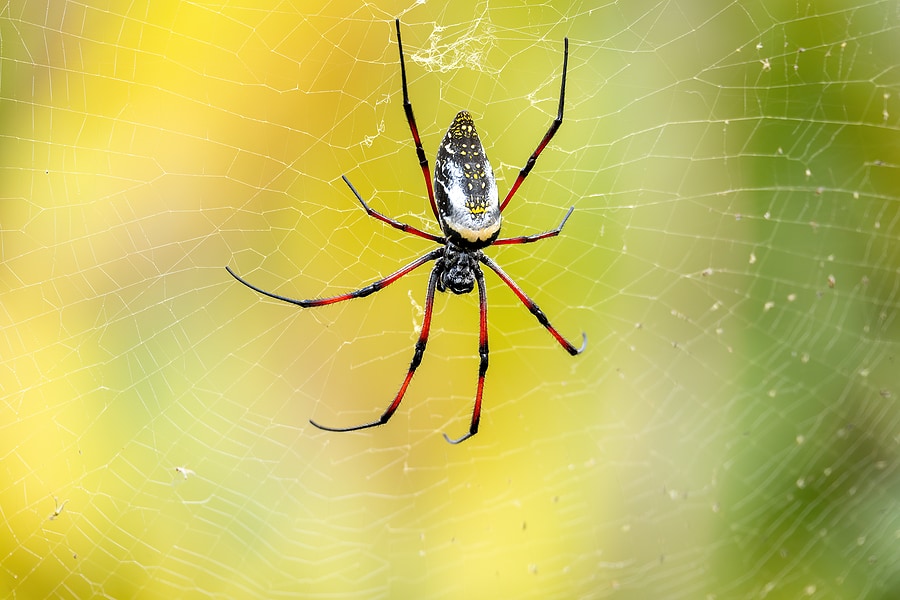
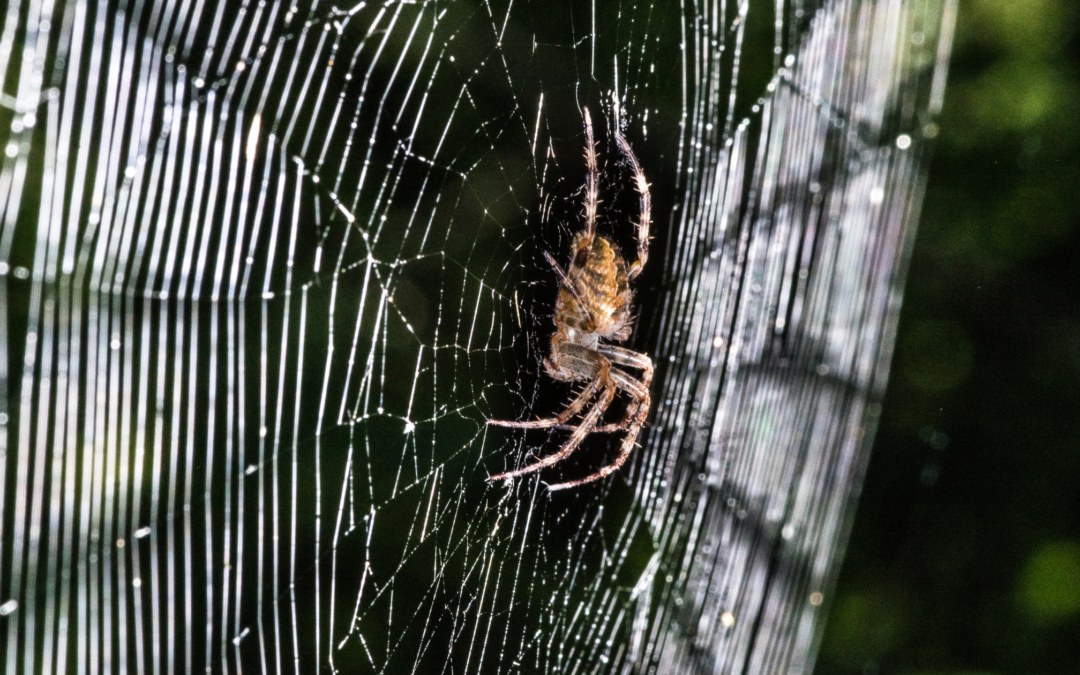
Orb weavers, members of the Araneidae family, are renowned for their distinctive circular webs, meticulously crafted to capture unsuspecting prey. Recognizing these spiders is key to effective pest control. Key features include:
- Web Structure: Orb weavers construct spiral-shaped webs with a hub at the center, creating a classic orb shape.
- Coloration: These spiders come in a range of colors, including brown, black, and vibrant yellows and greens. Some species may have intricate patterns on their abdomens.
- Size: Orb weavers can vary in size, with some species having small bodies, while others can reach sizes of up to an inch or more.
Common Habitats of Orb Weavers in Georgia
Orb weavers are adaptable and can be found in a variety of habitats, both natural and man-made. In Georgia, you may encounter them in:
- Gardens and Yards: These spiders often take residence in gardens, where their webs can capture flying insects like mosquitoes and flies.
- Wooded Areas: Orb weavers thrive in wooded environments, using trees and shrubs to anchor their webs.
- Around Buildings: Structures with outdoor lighting can attract insects, providing a perfect hunting ground for orb weavers.
Prevention and Control Strategies
While orb weavers are generally beneficial, their presence near your home may cause discomfort. Here are some practical tips for prevention and control:
- Regular Cleaning: Keep outdoor spaces tidy by removing debris, such as leaves and tall grass, which can attract insects and subsequently orb weavers.
- Seal Entry Points: Ensure windows and doors are properly sealed to prevent spiders from entering your home.
- Outdoor Lighting: Use yellow-toned outdoor lights, which are less attractive to insects and, by extension, orb weavers.
- Professional Pest Control: If orb weavers become a persistent issue, consider seeking the expertise of a professional pest control service. Trained technicians can assess the situation and implement targeted solutions.
If you find yourself caught in the web of orb weaver spiders, don’t hesitate to take action. Our experienced pest control team is here to help. Request a free pest control quote today to safeguard your home from unwanted arachnid visitors. Let us weave a plan to keep your space pest-free and comfortable.

Oct 16, 2023 | Georgia Blogs, Pest Control
By Anna V., Editorial Lead — Pest Education · Last updated: May 2026
“Is that a cellar spider or a daddy long legs?” is one of the most common questions we get on Northwest spider inspections, and the honest answer is: it’s almost always both at the same time. The term “daddy long legs” is a regional nickname that gets applied to three different creatures depending on where you grew up. The cellar spider (family Pholcidae) is the one most Georgia and Alabama homeowners actually see indoors, and in the Southeast, “cellar spider” and “daddy long legs” usually refer to the exact same spider.
Here’s what a cellar spider actually is, how to tell it apart from the other two creatures sometimes called “daddy long legs,” whether you need to worry about them, and what to do when they keep showing up in your basement, garage, or ceiling corners.
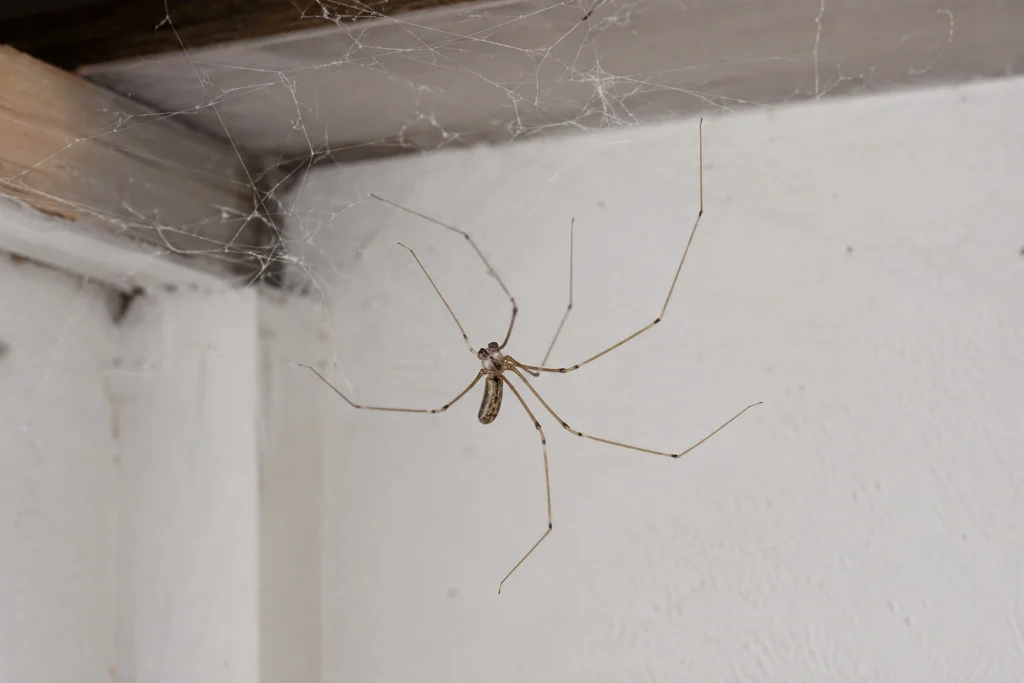
The cellar spider is what most Southeast homeowners actually mean when they say “daddy long legs.”
What Is a Cellar Spider?
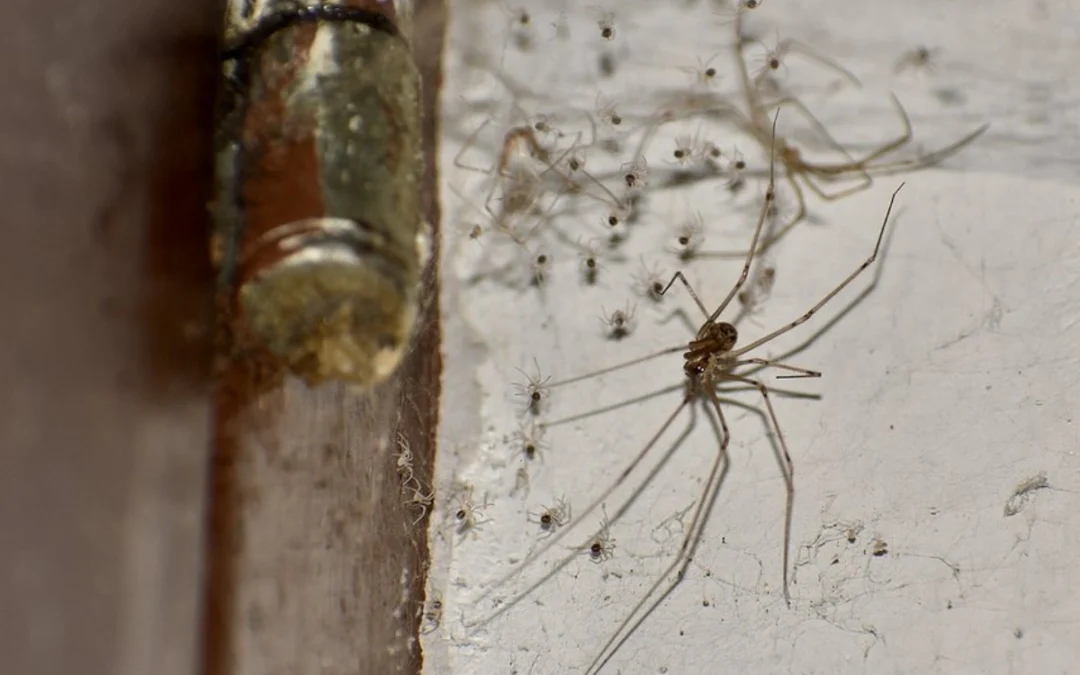
Cellar spiders belong to the family Pholcidae. They have small, cylindrical bodies (typically under half an inch long), but their legs are remarkably long, sometimes spanning two to three inches when fully extended. They’re light tan to gray in color, mostly translucent in some areas, and they hang upside down in loose, tangled webs that look more like a tangle of fishing line than a typical spider web.
Despite their slightly creepy appearance, cellar spiders are skilled predators that help control other household pests. They feed on mosquitoes, fruit flies, gnats, moths, and even other spiders, including larger species like wolf spiders. In a Georgia or Alabama home, a small population in the basement or garage often does more good than harm.
Cellar Spider Identification
Three features make cellar spiders easy to identify once you know what to look for.
Appearance
Small, cylindrical body (about a quarter to half an inch long) with eight extremely long, thin legs. Body color ranges from pale tan to light gray. Adult females are usually slightly larger than males. Both sexes have a distinctive habit of vibrating their entire body in a fast circular motion when their web is disturbed — a defense behavior that makes them harder for predators to grab.
Webs
Cellar spider webs are unmistakable once you’ve seen one. They’re loose, tangled, and irregular — not the neat geometric shapes orb weavers create. Webs are almost always strung across ceiling corners, the angles between walls and shelves, or in undisturbed spots behind furniture and stored boxes. The webs aren’t sticky in the traditional sense, but the tangled structure traps prey by entanglement.
Size
Body length: about 5 to 13 millimeters (under half an inch). Leg span: typically 2 to 3 inches when the spider is fully extended. The dramatic difference between tiny body and very long legs is the visual feature most homeowners remember.
Cellar Spider vs Daddy Long Legs: The Differences That Actually Matter
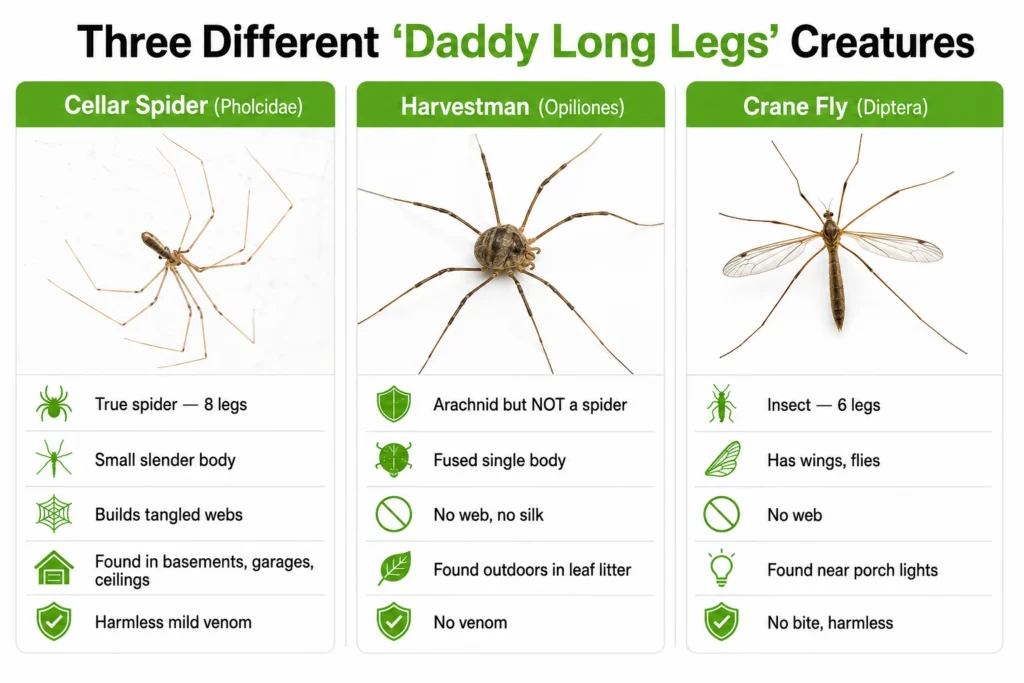
“Daddy long legs” gets applied to three different creatures. Only one is a cellar spider. Here’s the comparison.
Three different creatures, one nickname. Only one is a true cellar spider.
| Feature |
Cellar Spider |
Harvestman |
Crane Fly |
| Classification |
True spider (Pholcidae) |
Arachnid, not a spider (Opiliones) |
Insect (Diptera) |
| Body shape |
Small, slender, two body segments |
Single fused body segment |
Elongated insect body with wings |
| Legs |
8, very long and thin |
8, long |
6, fragile |
| Web? |
Yes, tangled corner webs |
No, no silk |
No, no silk |
| Venom |
Mild, harmless to humans |
None |
None |
| Where you find it |
Indoor corners, basements, garages |
Outdoor leaf litter, stone walls |
Around porch lights at night |
For the full myth-busting overview of how the name “daddy long legs” got attached to three different creatures, see our granddaddy long legs guide. For more on the daddy long legs spider specifically and why it’s so often confused with a crane fly, see our daddy long legs spider guide.
Are Cellar Spiders Dangerous?
The short answer: no. The longer answer addresses the persistent internet rumor that cellar spiders are the world’s most venomous spider but physically can’t bite humans.
That story is almost entirely false. Cellar spiders do produce a small amount of venom to subdue prey, but the venom is not particularly potent, especially not to humans. The few documented Pholcidae bites on humans show only mild, brief irritation — less than a typical mosquito bite. There is no medical record of a serious human reaction. The University of Georgia Extension’s guide to common household spiders classifies Pholcidae as harmless.
For families in Atlanta, Athens, Savannah, Macon, or any of our other Georgia service areas: cellar spiders are a nuisance at worst. The webs look bad, and a heavy population suggests there’s another pest issue indoors, but the spiders themselves are not a threat to people or pets.
Why Cellar Spiders Appear in Homes
If you’re suddenly seeing more cellar spiders in your basement, garage, or ceiling corners, three things tend to be happening:
- Indoor insect populations have grown. Cellar spiders follow their food. Fruit flies in the kitchen, fungus gnats around houseplants, drain flies in bathrooms, mosquitoes inside through open doors — any of these attract Pholcidae.
- Moisture or humidity has increased. Cellar spiders prefer slightly damp environments. Basements after heavy rain, crawl spaces with ventilation issues, and bathrooms with poor airflow are common hotspots.
- Seasonal shift indoors. Late summer through early fall in Georgia and Alabama drives both insects and spiders into homes looking for stable shelter. Activity peaks in September and October.
Cellar Spider Webs: What They Look Like
Cellar spider webs are the easiest way to confirm a sighting. Unlike orb weavers (which build the classic symmetrical “spider web” most people picture), cellar spiders create messy, irregular tangles of silk strung loosely across corners.
Characteristics of cellar spider webs:
- Tangled and irregular, not geometric
- Located in ceiling corners, the angles between walls and shelves, and upper corners of garages and basements
- Often coated in dust over time, making them appear gray or fuzzy
- Can accumulate small dead insects (the spider’s prey) entangled within
- Reappear within 24 to 48 hours of being removed if the spider population is still active
How to Prevent & Control Cellar Spiders
Cellar spiders respond well to environmental changes. Most homeowner control efforts work, given a little patience.
DIY Prevention
- Reduce humidity in basements and crawl spaces. Run a dehumidifier. Fix any plumbing leaks. Address ventilation issues. Drier spaces are less attractive to cellar spiders.
- Seal cracks and entry points. Caulk around windows, foundation cracks, gaps in trim, openings around utility lines. Cellar spiders walk in through the same gaps as other small pests.
- Cut indoor insect populations. Address fruit flies, gnats, mosquitoes, and drain flies. Less food means fewer spiders.
- Reduce clutter. Stable, undisturbed surfaces let spiders build webs unimpeded. Cardboard storage in basements is especially attractive. Plastic bins are less so.
- Clear visible webs regularly. A vacuum hose attachment or long-handled duster handles webs in seconds. Persistent web removal often discourages spiders from rebuilding in the same spots.
When to Call a Professional
For most Georgia and Alabama homeowners, a few cellar spiders in the basement don’t warrant a service call. Consider professional pest control if:
- You’re seeing more than 10 to 15 cellar spiders in a single area consistently.
- Webs reappear faster than you can clear them.
- You’re also noticing other indoor pest activity (small flies, mosquitoes, gnats, moths) — addressing those usually solves the spider issue too.
- You want a full exclusion plan that prevents return activity.
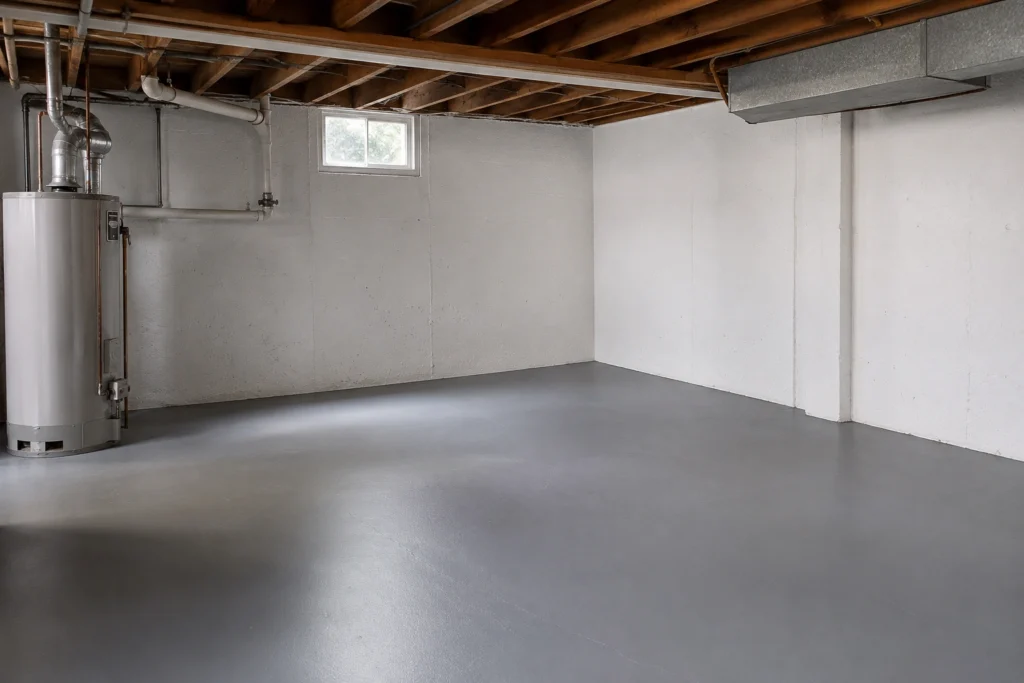
Cellar spiders prefer slightly damp, undisturbed corners, common in older Southeast basements and crawl spaces.
Cellar Spiders in Georgia and the Southeast
Cellar spider activity in Georgia, Alabama, Tennessee, and South Carolina follows a predictable seasonal pattern. Activity is highest in late summer and early fall (August through October), when indoor insect populations peak and outdoor temperatures push pests indoors.
Regional factors that increase cellar spider sightings in Southeast homes:
- Humid summers. Cellar spiders favor slightly damp environments, and Southeast humidity creates ideal conditions in basements and crawl spaces.
- Older home construction. Atlanta, Athens, Savannah, and Birmingham all have significant inventories of older homes with foundation cracks, unfinished basements, and crawl spaces that provide easy entry and ideal shelter.
- Heavy spring and summer rain. Flooded outdoor harborages push both spiders and the insects they feed on indoors.
- Year-round insect activity. Mild Southeast winters mean indoor insect populations don’t fully die back in cold months the way they do further north. Spiders that follow them stay active too.
Frequently Asked Questions About Cellar Spiders
Do cellar spiders bite humans?
Bites are extremely rare and typically only happen if the spider is physically trapped against skin. Symptoms, when they occur, are mild — usually less than a mosquito bite. There is no medical record of a serious human reaction to a cellar spider bite.
Are cellar spiders venomous?
They produce a small amount of venom to subdue prey, but the venom is not dangerous to humans. The persistent rumor that cellar spiders are the most venomous spider in the world is internet folklore with no scientific basis.
How do I know if I have a cellar spider infestation?
Look for tangled, irregular webs in ceiling corners, basements, garages, and around stored items. Regular sightings of small, long-legged spiders hanging upside down in webs are a clear indicator. Webs that reappear within a day or two of being cleared suggest an active population worth addressing.
Do cellar spiders eat other pests?
Yes. Cellar spiders feed on mosquitoes, fruit flies, fungus gnats, moths, and other spiders, including larger species. A small population in a garage or basement is effectively free natural pest control for the insects you don’t want.
How do I get rid of cellar spiders for good?
Reduce indoor humidity, seal entry points around windows and foundation, address the indoor insect populations they feed on, cut clutter in storage areas, and clear visible webs regularly. If they keep returning quickly, there’s almost always an underlying moisture or food-source issue worth a professional inspection.
When cellar spiders keep returning, the underlying issue is usually moisture or another pest they’re feeding on.
Stop Worrying About Cellar Spiders
If you’re seeing cellar spiders in your basement, garage, or ceiling corners and you’d rather not, the good news is they respond well to environmental changes. They’re harmless, they signal another (more fixable) pest or moisture issue 90% of the time, and most cellar spider problems clear up when the underlying conditions change. Northwest’s team has been clearing spider problems out of Georgia and Alabama homes for decades, and the most effective fix is usually addressing whatever the spiders are eating.
About the Author
Anna Vaccaro, Editorial Lead — Pest Education leads pest education content for Northwest Exterminating, working with senior technicians and service center managers across our Georgia, Alabama, Tennessee, and South Carolina service areas to translate field expertise into homeowner-friendly guides. The focus: accurate, regionally-specific answers to the pest questions Southeast homeowners are actually searching for.
Oct 3, 2023 | Pest Control
As the fall season settles in, many homeowners in Georgia are gearing up for the seasonal battle against fall pests. Among the various critters that make their way into our homes and gardens, orb weaver spiders are a common sight. While these eight-legged arachnids may appear intimidating, understanding their characteristics and behaviors is essential to maintaining a pest-free environment.
Identifying Orb Weaver Spiders
Orb weavers belong to the Araneidae family and are known for their distinctive circular webs, which they expertly spin to trap flying insects. These spiders come in various colors, shapes, and sizes, but they all share some common features:
- Web Patterns: Orb weaver spiders create large, intricate, and symmetrical orb-shaped webs. These webs are usually positioned horizontally in gardens, between trees, or near outdoor lights.
- Body Characteristics: Orb weavers typically have round or elongated abdomens and long, slender legs. Their coloration varies but often includes shades of brown, black, yellow, or green.
- Size: These spiders can range in size from as small as 1/8 inch to over 1 inch in body length, depending on the species.
- Distinctive Markings: Some orb weaver species have unique markings on their abdomens, such as zigzag patterns, colorful spots, or distinctive shapes.
Common Places to Find Orb Weaver Spiders
Orb weaver spiders are outdoor creatures, and you’ll most commonly encounter them in the following places:
- Gardens: They often build their webs among plants and shrubs to catch flying insects.
- Wooded Areas: Orb weavers thrive in wooded environments where they can find trees and bushes to create their webs.
- Outdoor Structures: These spiders may spin their webs near porches, decks, or outdoor lights to take advantage of the insects attracted to these areas.
The Benefits and Disadvantages of Orb Weavers
Before rushing to eliminate orb weaver spiders from your property, it’s essential to consider both the advantages and disadvantages they bring.
Benefits:
- Natural Pest Control: Orb weavers are efficient hunters and play a crucial role in keeping insect populations in check. They can help reduce annoying and potentially harmful pests around your home.
- Low Maintenance: Once their web is built, orb weavers require minimal attention and maintenance. They can be considered natural pest control allies.
Disadvantages:
- Aesthetic Concerns: Some homeowners find their large webs unsightly, especially when they are positioned in high-traffic areas.
- Fear Factor: Orb weaver spiders can be intimidating due to their size and appearance, leading to arachnophobia in some individuals.
Fall Pest Control: Preventing and Managing Orb Weaver Spiders
If you wish to minimize orb weaver spider presence around your home, here are some practical tips:
- Regular Cleaning: Regularly clean outdoor lights and remove debris from bushes and shrubs to discourage spiders from setting up shop.
- Seal Entry Points: Ensure that your home’s windows and doors are tightly sealed to prevent spiders from entering your living spaces.
- Professional Pest Control: Consider hiring a pest control expert for thorough fall pest control services. They can assess your property’s unique needs and develop a customized pest management plan.
- Reduce Outdoor Lighting: Reduce outdoor lighting during the night, as it can attract insects that serve as orb weavers’ prey.
Don’t let orb weaver spiders and other fall pests disrupt your peace of mind this season. Take proactive steps to manage and prevent their presence by reaching out to our expert pest control team. Request a free pest control quote today and ensure a pest-free environment for you and your family.
In conclusion, while orb weaver spiders can be beneficial for natural pest control, they may also pose challenges for homeowners. Balancing their advantages and disadvantages and taking preventative measures can help you enjoy a pest-free home during the fall season.
Aug 17, 2023 | Alabama Blogs, Georgia Blogs, Pest Control
By Anna V., Editorial Lead — Pest Education · Last updated: May 2026
If you’d rather keep spiders out of your house without spraying chemicals everywhere, you have real options. At Northwest, we get asked about natural spider repellent methods constantly, especially from homeowners with kids, pets, or asthma in the household. The honest version most homeowners don’t hear: most “natural” spider repellents work somewhat, briefly. The methods that hold up long-term are the ones that change the conditions spiders need to survive indoors, not the ones that try to scare them away with scent.
Here are the natural spider repellent methods worth your time, the DIY sprays that actually do something, and the prevention work that does most of the heavy lifting in a Georgia or Alabama home.
A peppermint and tea tree oil spray is the most common natural repellent and the most effective when used consistently.
Why Use Natural Spider Repellents?
Natural spider repellents have real advantages over conventional pesticides for many Southeast homeowners:
- Chemical-free options. Avoid synthetic pesticide residue indoors, which matters more in homes with kids, pets, or anyone with respiratory sensitivities.
- Safer for pets. Most ingredients (with a few exceptions noted below) won’t harm dogs, cats, or smaller pets if accidentally encountered.
- Eco-friendly. Less impact on beneficial insects, pollinators, and local ecosystems.
- Easier on indoor air quality. No off-gassing of synthetic compounds.
The honest caveat: natural repellents work best for prevention and for managing small, occasional spider activity. They rarely eliminate an established indoor population on their own. For larger infestations or venomous species like black widows or brown widows (see our spiders in Georgia guide for identification), professional pest control is the safer and more effective path.
Common Natural Spider Repellents (and How Well They Actually Work)
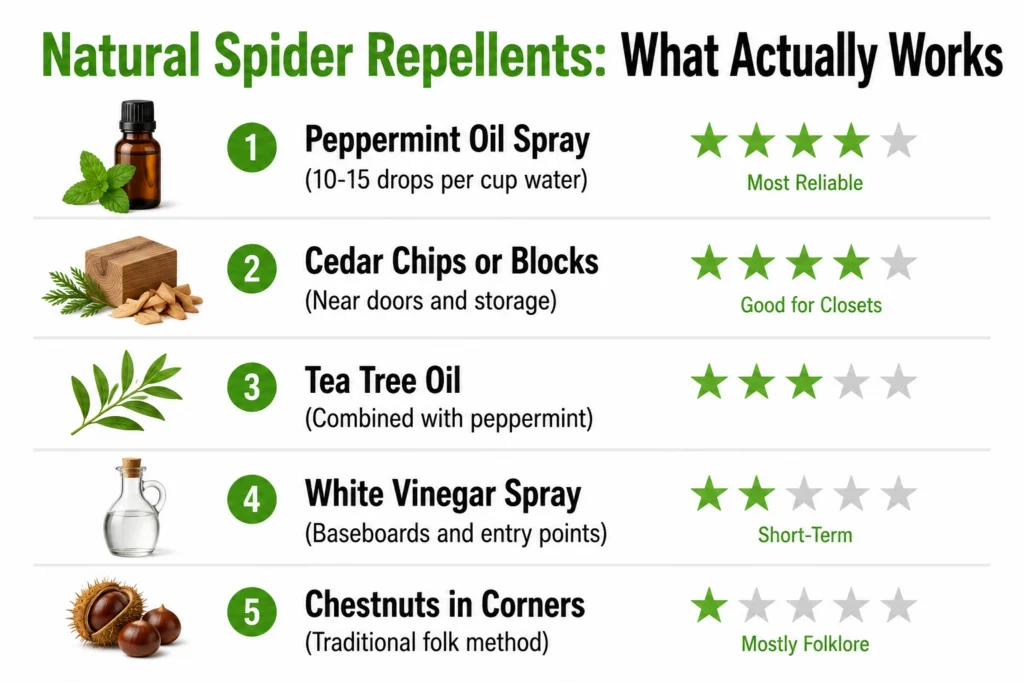
Essential oils and cedar do most of the work. Chestnuts are mostly folklore.
Essential Oils (the Most Effective Natural Option)
Several essential oils show real research-supported spider-repellent activity. The compounds in these oils interfere with spider chemoreception (their ability to navigate using chemical signals), which discourages them from establishing in treated areas.
- Peppermint oil. The most well-studied natural spider repellent. Mix 10 to 15 drops per cup of water in a spray bottle. Apply to corners, windowsills, entry points, and baseboards weekly. Strong scent dissipates within 5 to 7 days, so consistency matters.
- Tea tree oil. Combine with peppermint for a stronger combined effect. Mix 5 to 10 drops per cup of water. Has the bonus of mild antibacterial properties.
- Citrus oil (lemon or orange). Spider-repelling effect is moderate. Some homeowners prefer the scent. Apply same way as peppermint.
- Eucalyptus oil. Repels several arthropod groups including spiders. Use 8 to 12 drops per cup of water.
- Cedarwood oil. Different from cedar chips (below) but works on a similar principle. Spray version is more targeted than physical cedar.
Pet safety note: Tea tree and eucalyptus oils can be toxic to cats and small dogs if ingested directly or applied to skin. Diluted spray on baseboards is generally safe once dry, but don’t spray directly on pets or where they regularly lick. Peppermint and citrus oils are safer pet options.
Household Items
- White vinegar. Mix equal parts water and white vinegar in a spray bottle. Apply along baseboards, in corners, and around entry points. Acetic acid is mildly off-putting to spiders. Effect is short-term (24 to 48 hours per application) and the vinegar smell is noticeable to humans too.
- Cedar chips or blocks. Cedarwood naturally contains compounds that repel many arthropods. Place chips or blocks in closets, near doorways, in storage bins, and in basement corners. Effective for several months per application. Refresh by lightly sanding the surface every 3 to 4 months to release new aromatic compounds.
- Chestnuts. A traditional folk method: placing fresh chestnuts in basement corners and near windows. The active compound (chestnut tannins) does show some spider-repellent activity in laboratory testing, but real-world effectiveness in a home is modest at best. Treat as a supplement to other methods, not a primary strategy.
- Diatomaceous earth (food-grade). Not strictly a “repellent”. It kills spiders that crawl through it by damaging their exoskeleton and causing dehydration. Apply a light dusting along baseboards and at entry points. Reapply after vacuuming or moisture exposure.
DIY Spider Repellent Spray Recipe
The most reliable natural spider repellent recipe we recommend:
- 2 cups of water
- 15 drops of peppermint essential oil
- 10 drops of tea tree essential oil
- 1 teaspoon of dish soap (helps the oils mix with water)
Combine in a glass spray bottle (essential oils degrade plastic over time). Shake well before each use. Apply to spider-prone areas weekly: window frames, door thresholds, baseboards, ceiling corners in basements and garages, and around outdoor entry points.
Adjust for sensitivities: drop the tea tree oil if you have cats. Substitute eucalyptus or citrus oil for variety. Don’t apply directly to fabric, finished wood, or painted surfaces without testing in an inconspicuous spot first.
Home Maintenance Tips to Prevent Spiders
The most effective natural spider control isn’t a repellent. It’s prevention. Three categories of home maintenance work harder than any spray.
Reduce Clutter and Hiding Spots
Spiders need stable, undisturbed surfaces to build webs or hide. Reduce that and the population drops:
- Clear storage areas in basements, attics, garages, and closets.
- Move stored items off the floor onto shelves.
- Transfer cardboard storage to plastic bins (cardboard absorbs moisture and provides ideal spider harborage).
- Regularly vacuum corners, under furniture, and along baseboards.
- Don’t let firewood, lumber, or yard debris accumulate near the foundation.
Seal Entry Points
- Caulk cracks around windows, doors, and foundation.
- Install or replace door sweeps and weatherstripping (especially garage side doors).
- Screen crawl space vents with galvanized 1/4-inch hardware cloth.
- Seal gaps around utility line penetrations with steel wool packed into the gap, then caulk over.
Control Outdoor Lighting
This is one of the most underrated spider-prevention tactics. Bright porch and exterior lights attract flying insects, which attract spiders to feed on them. Two changes that reduce indoor spider pressure significantly:
- Switch white LED bulbs to warm-toned LED (2700K to 3000K) or yellow “bug light” bulbs. They attract far fewer flying insects.
- Move outdoor lighting away from primary entry doors when possible. Mount lights on poles in the yard rather than next to the front door.
Seasonal Considerations for Spider Prevention
Spider activity in Georgia, Alabama, Tennessee, and South Carolina peaks in three windows. Plan natural repellent applications around them.
- Spring (April through May): Spider populations rebuild after winter. Apply repellents weekly during this window. Focus on outdoor entry points.
- Late summer (August): Peak indoor and outdoor population. Most spider sightings happen here. Apply repellents 2 times per week.
- Early fall (September through October): Outdoor spiders migrate toward warmer indoor spaces. Reinforce entry-point sealing and outdoor perimeter sprays.
Winter (December through February) is the low-activity window. Use it for entry-point sealing and structural prevention work.
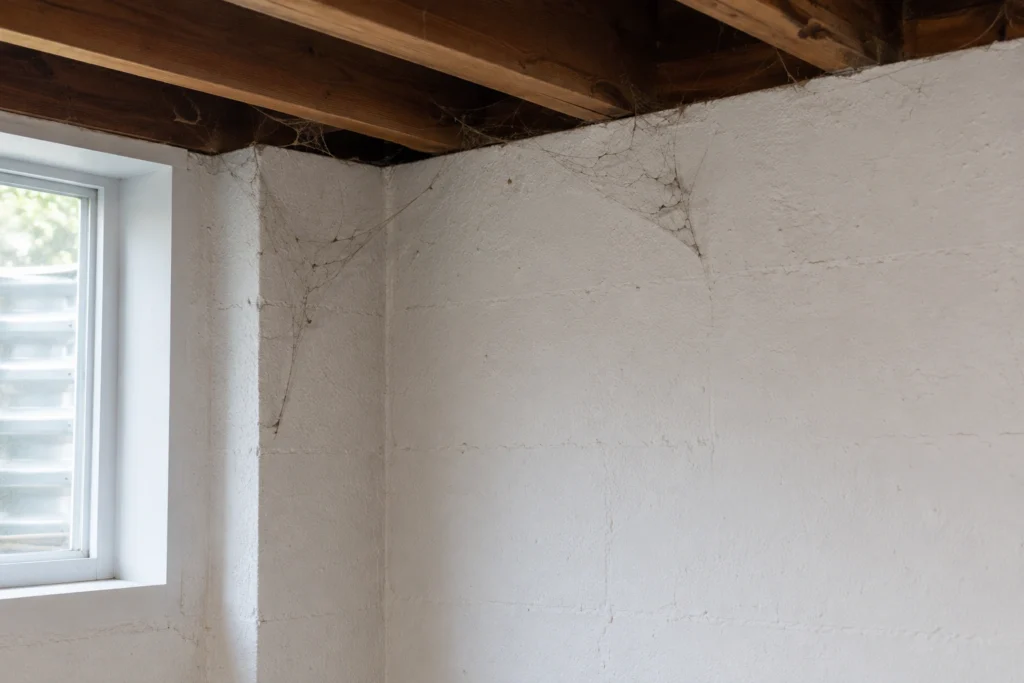
Once webs are visible in multiple corners, natural repellents alone usually aren’t enough.
When Natural Methods Aren’t Enough
Natural spider repellents handle small, occasional spider activity well. They’re not enough for:
- Large or persistent indoor populations. Multiple webs in multiple rooms, spider sightings 3+ times per week, or visible egg sacs suggest an established population that needs targeted treatment.
- Confirmed venomous species. Black widows, brown widows, or any spider you can’t identify and suspect may be medically significant. Don’t use DIY methods near these spiders. Call professionals.
- Recurring problems in living spaces. Spiders in bedrooms, kids’ rooms, or kitchens warrant a faster, more reliable approach.
- Underlying pest issues. If you’re seeing spiders along with other indoor pest activity (small flies, gnats, mosquitoes), the spiders are downstream of a larger problem that needs addressing.
Professional pest control combines exclusion (sealing entry points), targeted treatment at active harborage spots, and addressing whatever’s drawing spiders indoors. The EPA’s Integrated Pest Management (IPM) principles describe the same approach: start with the least-toxic preventive measures (which is exactly what natural repellents are), escalate to targeted treatments when prevention isn’t enough, and address the underlying conditions rather than just the visible pests.
(Tried natural methods and still seeing spiders? Request a free Northwest inspection and we’ll identify what’s around and find the entry points.)
Frequently Asked Questions About Natural Spider Repellents
Do natural spider repellents really work?
Yes, with realistic expectations. Essential oils (especially peppermint, tea tree, and citrus), cedar, and white vinegar all show measurable spider-repellent activity when applied consistently. They work best for prevention and small-scale activity. They rarely clear an established indoor population on their own.
Are essential oils safe for pets?
Some are, some aren’t. Peppermint and citrus oils are generally safe for dogs and cats in dilute sprays applied to surfaces (not directly on the pet). Tea tree and eucalyptus oils can be toxic to cats and small dogs if ingested or applied to skin. Always dilute properly, apply to surfaces (not pets), and let dry before allowing pets in the area. Consult a vet for specific concerns.
How often should I apply natural spider sprays?
Weekly is the general baseline. Apply more frequently during peak spider activity windows (April-May, August, September-October) and after any major cleaning that removes the previous application. Spray formulas typically lose effectiveness within 5 to 7 days as the essential oils evaporate.
Can I prevent spiders indoors year-round?
Yes, with consistent maintenance. Year-round prevention combines weekly natural repellent application during active seasons, ongoing clutter reduction in basements and storage areas, entry-point sealing as a one-time structural improvement, and warm-tone outdoor lighting to reduce insect attraction. Most homes can keep spider activity to occasional sightings rather than ongoing problems with this combined approach.
What’s the most effective natural spider repellent?
A peppermint and tea tree oil spray (15 drops peppermint + 10 drops tea tree per 2 cups water + 1 tsp dish soap) applied weekly to entry points and corners. Combined with cedar blocks in closets and storage areas, this combo handles most residential spider prevention without any chemicals.
When natural repellents aren’t enough, professional treatment addresses entry points and underlying conditions DIY can’t reach.
Try Natural First. Call When You Need Backup.
Natural spider repellents are a smart starting point for most Georgia and Alabama homeowners. They’re safer, cheaper, and effective for prevention. When natural methods aren’t enough (or when you’ve spotted a venomous species), Northwest’s team handles the full spider control workflow with targeted treatment, exclusion, and addressing the underlying conditions that bring spiders in.
About the Author
Anna V., Editorial Lead — Pest Education leads pest education content for Northwest Exterminating, working with senior technicians and service center managers across our Georgia, Alabama, Tennessee, and South Carolina service areas to translate field expertise into homeowner-friendly guides. The focus: accurate, regionally-specific answers to the pest questions Southeast homeowners are actually searching for.
Jun 29, 2023 | Pest Control
While most people associate summer with warmer weather and more time spent outdoors, it also marks peak season for many Georgia pests. Here are 5 of the most common summer pests in Georgia and how to prevent them.
Mosquitoes
Mosquito season peaks in summer (peak months are June to September) with activity at hits highest. Mosquitoes are most active at dawn and dusk. These pests transmit serious diseases to both humans and pets. They also breed in standing water found around your home. You can get rid of mosquitoes this summer by:
- Getting rid of any standing water around your home.
- Wearing mosquito repellent when spending time outdoors.
- Avoiding any outdoor activities at dawn and dusk.
Ticks
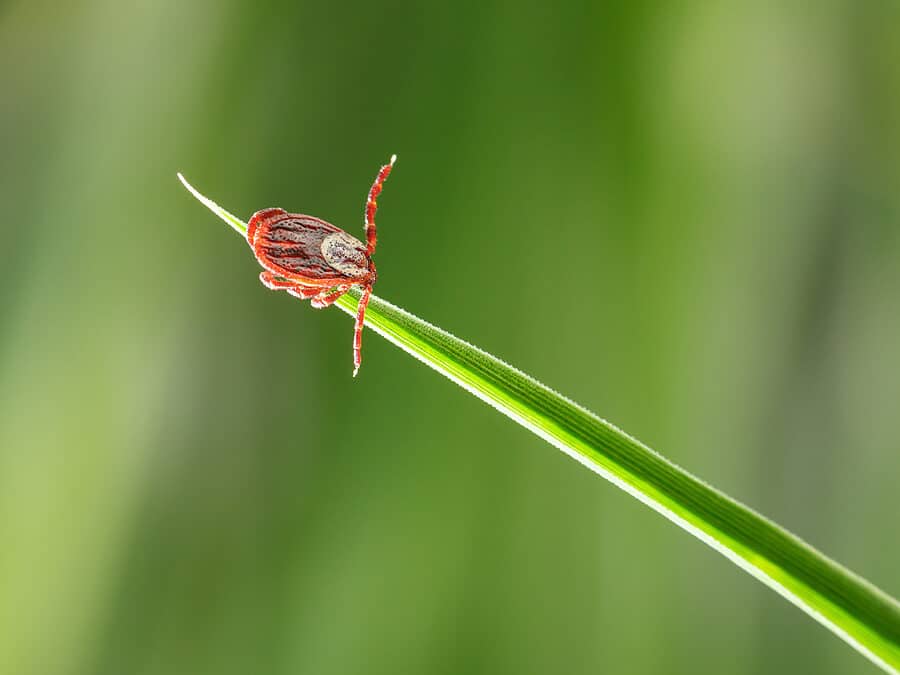
Ticks are active from late spring to early fall. These summer pests are known to transmit serious disease to humans and pets. They are commonly found wooded areas and areas with tall grass. Avoid ticks this summer by:
- Wearing long sleeves and pants.
- Checking for ticks after any time spent outdoors.
- Routinely checking your pets for ticks.
- Using vet approved tick preventatives on your pets.
Spiders
Spiders are common in summer as they are often driven from their hiding places by the warmer temperatures (e.g. your attic). While spiders are beneficial to have around as they eat other common pests found in your home, they can be a nuisance. Keep spiders at bay this summer by:
- Sealing around pipes and under doors.
- Using a dehumidifier to keep moisture out.
- Decluttering your home.
- Sweeping cobwebs down as soon as they appear.
Ants
Ants emerge in the summer in search of food (particularly sweets and grease) that they take back to their colonies. This is why they are often found in kitchens. You can prevent ants by:
- Getting rid of debris around foundations.
- Keeping your kitchen clean and crumb free, especially counters and appliances.
- Storing food in sealed containers.
- Trimming branches back from the exterior walls and roof of your home.
Stinging Pests
Stinging pests, such as wasps, hornets, bees, and yellow jackets, are prominent in the summer months. These pests will often forage for food during the warmer weather. Avoid stinging pests by:
- Covering food and drinks when outdoors.
- Avoiding sweet or flowery smelling perfumes.
- Repairing holes in decking, siding, and screens to eliminate nesting spots.
- Maintaining routine lawn care.
Don’t let summer pests ruin your time outdoors. Contact your local pest control company today for a free evaluation.