Jun 13, 2023 | Pest Control
Summer is a season that brings with it many joys, such as longer days and warmer weather. Unfortunately, it also brings a variety of pests that can invade your home and make life unpleasant. Let’s discover some common summer pests and share tips for preventing them.
Ants
Ants are one of the most common pests found in homes during the summer months. They are attracted to sweet, sticky substances and can quickly become a nuisance if they find a food source in your home.
How to Prevent Ants:
- Keep your kitchen and dining areas clean and free of crumbs and spills.
- Seal all food containers and take out the garbage regularly.
- Locate their entry point and seal it off.
Mosquitoes
Mosquitoes are another common summer pest that can be a serious health concern. They can carry diseases such as West Nile virus and Zika virus, so it’s important to take steps to prevent them.
How to Prevent Mosquitoes:
- Remove standing water from around your home, as this is where mosquitoes breed.
- Use screens on windows and doors to keep mosquitoes out of your home.
- Wear long-sleeved clothing and use insect repellent when spending time outdoors.
Ticks
Ticks are small, blood-sucking pests that can transmit diseases such as Lyme disease and Rocky Mountain spotted fever. They are often found in wooded areas but can also be found in your yard if you have tall grass or brush.
How to Prevent Ticks:
- Continue to mow your lawn and remove any debris or leaf litter where ticks might hide.
- Wear long-sleeved clothing and use insect repellent when spending time outdoors in areas where ticks are prevalent.
Bees and Wasps
Bees and wasps are important pollinators, but they can also be a nuisance and a health concern.
How to Prevent Bees and Wasps:
To prevent bees and wasps, keep your trash cans sealed and dispose of food scraps properly. If you have a nest on your property, call a professional to remove it rather than attempting to do it yourself.
Spiders
Spiders are often found in dark, damp places like basements and crawl spaces. They can be beneficial by eating other pests, but some species can be dangerous if they bite.
How to Prevent Spiders:
- Keep your home clean and free of clutter.
- Seal any cracks or gaps in your home’s foundation, walls, and doors to keep spiders from entering.
If you have a pest problem that you can’t control on your own, contact your local professional pest control company for a customized summer pest prevention plan!
Mar 24, 2023 | Pest Control
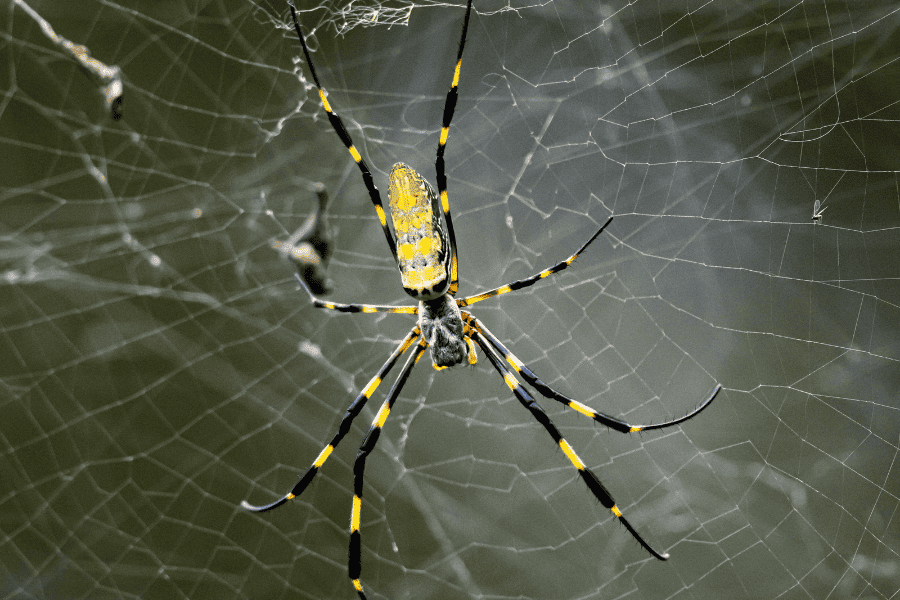
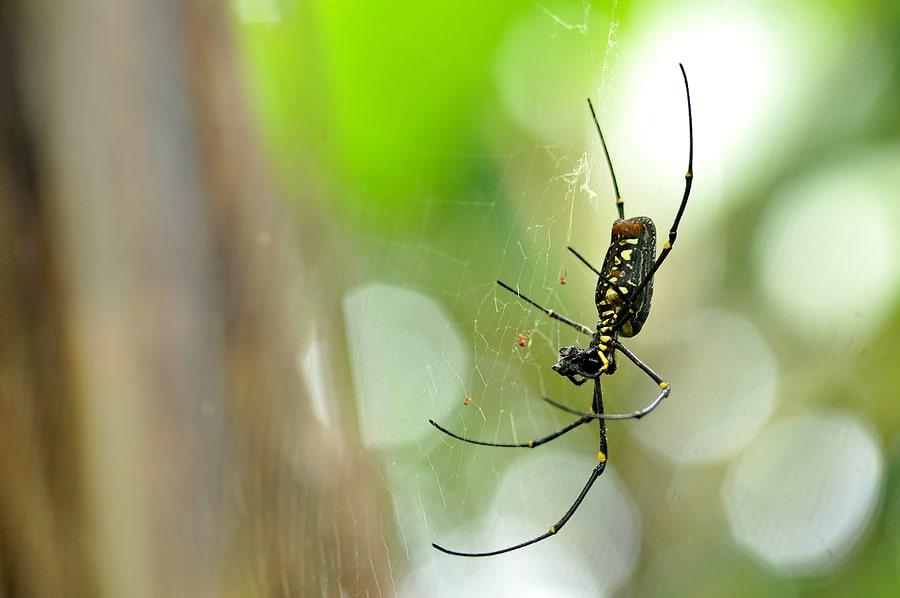
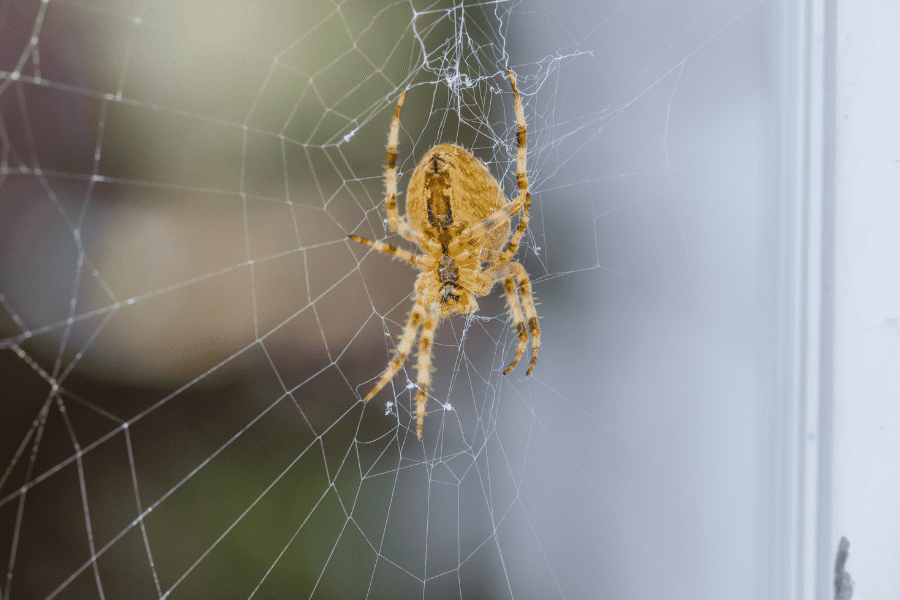
Orb weavers are a broad family of spiders found throughout the United States and Canada. The orb weaver is known for the large, majestic web it weaves. These webs are commonly found on tree branches, in tall grass, bushes, and around light fixtures. They are often found where abundant food sources are available (in your yard or garden, near lights that are on at night, etc.).
Most orb weavers appear in the spring when their eggs hatch, but they aren’t really noticed until late summer and fall (when the males go out in search of their mates). Female orb weavers hang out in their webs, eating and waiting on a male to come find them. Males are always on the move, rarely building webs, searching for a partner. At the end of fall, females will lay their eggs and then die during the first frost. Males typically die after mating. Because of their structure, orb weaver eggs can survive the cold weather of winter. When the weather warms up in the spring, the eggs hatch, releasing a new brood of orb weaver babies.
These spiders are known to be docile and non-aggressive. They rarely bite and aren’t considered dangerous to humans or pets. In fact, they can be beneficial to have around as they trap and eat other pests that can infest your home.
Prevention is unnecessary with orb weavers unless their web is built in an inconvenient location or a location with high human traffic. They cause no structural damage. You can lessen your chances of encountering orb weavers by:
- Removing their food sources by keeping other pest populations under control around your home
- Sealing any cracks, gaps, and crevices in your home’s exterior
- Removing ground litter
- Trimming grass and bushes
If you have a problem with orb weavers or any other pests, contact your local pest control company.
You May Also Be Interested In:
Common Winter Wildlife to Lookout For
How To Identify A Water Moccasin
Keep Ants Out of Your Home this Spring
Is Green Mosquito Treatment Effective?
How to Manage Your Lawn & Prevent Lawn Diseases
Mar 21, 2023 | Pest Control
Spiders are often found in secluded areas where they are rarely disturbed. Your home offers the perfect place to hunker down during the winter and provides them with food, shelter, and even a mate.
Spiders feed off other insects, so they can be beneficial for you over time. If you do begin seeing an influx of other insects, it might mean you have a higher population of spiders as well. Your home offers warmth, which is what these overwintering pests are really in search of once winter hits. They will also enter your home due to how easy it can be for them. Any crack, crevice, or opening is an invitation for these pests to enter your home.
Spiders can be considered a form of natural pest control but can be unsightly if discovered in your home. Check out these tips to keep spiders out of your home:
- Clear Clutter: Messy environments create the perfect oasis for spiders. Be sure to keep clutter at bay to lessen the chances of a hiding spider.
- Seal Doors and Windows: Monitor the exterior of your home for any potential openings and get this fixed as soon as you can. It won’t only keep spiders out, but also any other household pests.
- Trim Bushes: Keeping hedges, tree limbs, or any other plant trimmed away from your home will make it more difficult for these arachnids to gain access to your home.
- Inspect Items: Before bringing any outdoor items inside, inspect them for any hiding pests.
If you suspect a spider problem, then reach out to your local pest control company for a free inspection today!
Feb 21, 2023 | Pest Control
Tennessee Pest Control: Common Spiders
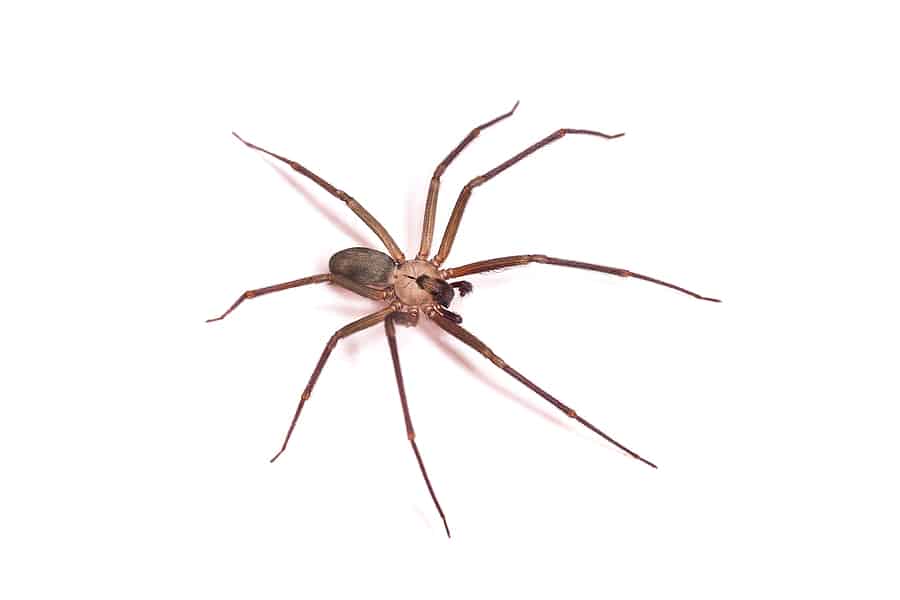
In Tennessee, we have our fair share of spiders we should be wary about. One of those spiders is the feared brown recluse. Luckily for us, most local arachnids don’t want to live in our homes, and they are easily preventable.
These spiders are ¼ to ½ inches in length and are light to dark brown in color. They have a violin-shaped mark behind their heads. They also only have six eyes compared to the usual eight. Like other spiders, they are beneficial in catching other invasive species in your home and keeping their populations down. If they weren’t harmful to humans, then it would all be fantastic.
A single bite from a brown recluse spider can bring on intense pain, swelling, fever, chills, body aches, and an ulcer at the site of the wound. Sometimes their bites can be used as a scare tactic, considered a “dry bite,” and don’t include venom. Don’t ever assume the bite didn’t contain venom and get medical attention right away.
Five Ways to Prevent Spiders in Your Tennessee Home
- Replace old weatherstripping
- Seal gaps, holes, and cracks around the exterior of your home
- Invest in door sweeps for unprotected exterior doors
- Avoid leaving clutter on the floor
- Call a professional pest control company
If you begin seeing an increase in unwanted arachnids, give your local pest control company a call for a free inspection and a pest prevention plan that works!
Jan 20, 2023 | Pest Control
Despite our best wishes, pests don’t just disappear when the weather gets cold. Winter pest control becomes critical to keeping your house protected during the season. Overwintering pests will make their way indoors to escape the cold and have access to a plentiful food supply. Common overwintering pests include roaches, spiders, and rodents.
Overwintering pests pose a threat to both you and your home. They can chew through wires and insulation, contaminate surfaces and food, spread diseases, and trigger allergies and asthma.
Help protect your home with these 14 tips for winter pest control:
- Seal any cracks, crevices, and holes on the exterior of your home.
- Seal around utility pipes that enter your home.
- Replace or repair weatherstripping and screens.
- Elevate your firewood and store it at least 20 feet from your home.
- Declutter, especially in the basement, garage, and attic.
- Repair any leaky pipes to reduce moisture.
- Keep gutters free of debris.
- Install doorsweeps.
- Install chimney vents.
- Keep attics, crawlspaces, and basements dry and ventilated. Consider crawlspace enclosure.
- Keep floors and counters clean daily.
- Dust, sweep, and vacuum regularly.
- Empty the trash regularly.
- Invest in routine pest control throughout the entire year.
If you have a problem with winter pests, contact your local pest control company for a complete evaluation and treatment plan.
You May Also Be Interested In:
How to Prevent Bed Bugs While Traveling
How Do I Prepare For Termite Treatment?
Rodents to Lookout for this Winter
Why Identifying Spiders is Important for Prevention
Do Roaches Die Off In Winter?