Jan 6, 2023 | Pest Control
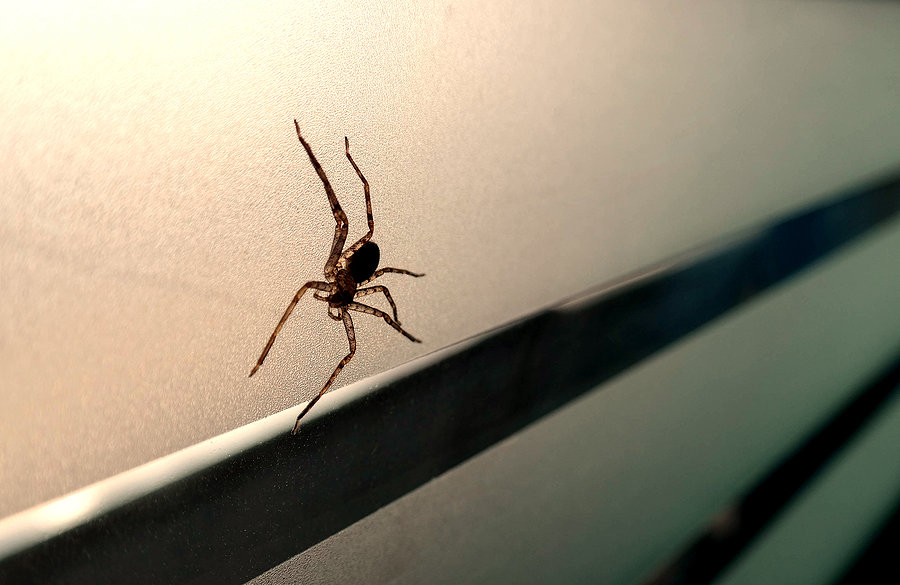
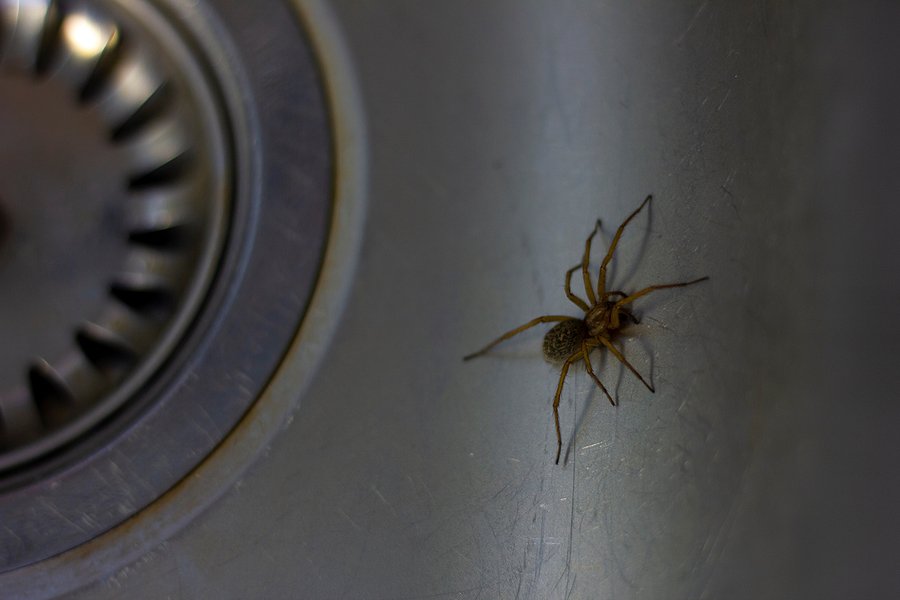
It’s a common myth that spiders come into our homes to overwinter until spring. In actuality, they most likely were already there to begin with. These household pests are more active in fall and early winter for two main reasons: they are preparing winter and the upcoming scarcity of food and they are mating and in search of a partner to reproduce with.
House spiders take up residence in your home year-round. Spiders can be beneficial to have around as a form of natural pest control as they eat other insects (even other spiders) found around your house.
One exception to this is the brown recluse spider. They will seek warmth and food indoors in the winter by hiding out in dark, unused areas of your home. Brown recluses are identified by the distinct violin-shaped mark on their back. They will bite and are considered harmful to humans.
You can prevent spiders in your home by:
- Checking your foundations for cracks and repairing them immediately.
- Checking windows and doors each season. Repairing any cracks and check seals.
- Decluttering, especially in basements, attics, closets, and pantries; this limits the places they can hide.
- Vacuuming and dusting frequently, especially in rooms that are seldom used.
- Checking any items before bringing them indoors, including pets, firewood, plants, boxes, decorations, etc.).
- Investing in routine pest control. Eliminating other pests limits food sources for spiders, leaving them to search other places for a meal.
If you have an issue with spiders, contact your local pest control company for an inspection.
You May Also Be Interested In:
When Does Swarming Season Begin?
Should I Worry About Cockroaches?
What Types of Grasses Work for My Georgia Lawn?
4 Types of Termite Control
Which Season is Worst for Bed Bugs?
Dec 21, 2022 | Pest Control
Spiders are common overwintering pests, coming inside your home in search of food, shelter, and even a mate. They prefer quiet, secluded places where they won’t be disturbed, making your home the ideal place for them to hide out.
Spiders are attracted to households for several reasons. Spiders eat other insects, such as mosquitoes, flies, and roaches; if you have an overabundance of these other household pests, spiders will also come in search of a food supply. Spiders will also come inside for a warm place to stay until warmer weather arrives. During mating season, spiders will also come indoors in search of a mate, especially if you already have spiders present in your home.
Spiders are beneficial to have around your home because they can be a form of natural pest control against other pests. However, if you want to keep spiders out of your home, consider these spider prevention tips:
- Check your foundations for cracks and repair them immediately.
- Check windows and doors each season. Repair any cracks and check seals.
- Declutter, especially in basements, attics, closets, and pantries; this limits the places they can hide.
- Vacuum and dust frequently, especially in rooms that are seldom used.
- Check any items before bringing them indoors, including pets, firewood, plants, boxes, decorations, etc.).
- Invest in routine pest control. Eliminating other pests limits food sources for spiders, leaving them to search other places for a meal.
If you have a problem with spiders or other household pests, contact your local pest control company for an evaluation.
You May Also Be Interested In:
How to Keep Pests Away from Your Stored Holiday Decorations
Termite Bond vs Termite Warranty
6 Winter Essentials
The Essentials of Crawlspace Moisture Barriers
5 Holiday Pest Control Tips
Nov 21, 2022 | Pest Control
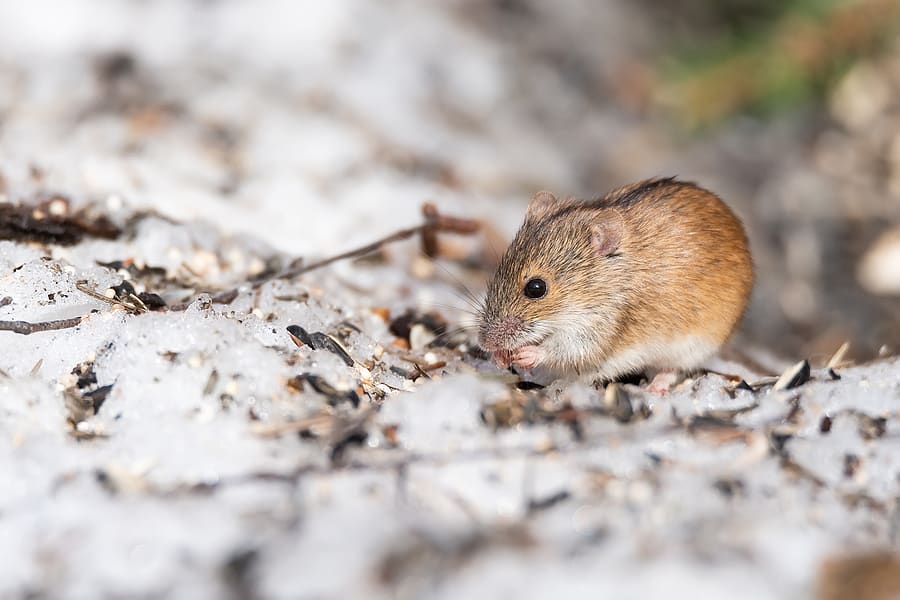
Contrary to popular belief, pests don’t just disappear when colder weather sets in. Overwintering pests are those that find a warm place to shelter during the winter, most often inside your home! Some household pests thrive year-round because the warmth, water, and food supply in your home allow them to survive even in the harshest weather conditions. Some common winter pests include rodents, roaches, spiders, and bed bugs. For this reason, it’s important that you don’t forget about winter pest control! Here are a few of our favorite winter pest control tips you can use to make your home pest-free.
- Seal cracks and crevices outside your home to keep pests from being able to get in, especially where pipes and utility lines come into the house.
- Replace any loose mortar.
- Replace weather stripping around doors and windows.
- Store firewood at least 20 feet from your home and elevate it if possible.
- Keep your home decluttered.
- Use plastic storage instead of cardboard when possible.
- Eliminate moisture and standing water in and around your home (leaky pipes, clogged drains).
- Use door sweeps.
- Repair or replace screens on windows and doors.
- Use chimney screens.
- Ventilate and keep attics, basements, and crawlspaces dry.
- Clean up any food and crumbs.
- Invest in routine pest control from a professional pest control company.
You May Also Be Interested In:
What Causes A Termite Infestation?
Prevent Bed Bugs this Holiday Season
Where Do Rodents Go In Winter?
Why Identifying Spiders is Important for Prevention
Preventing Common Wildlife
Nov 4, 2022 | Pest Control
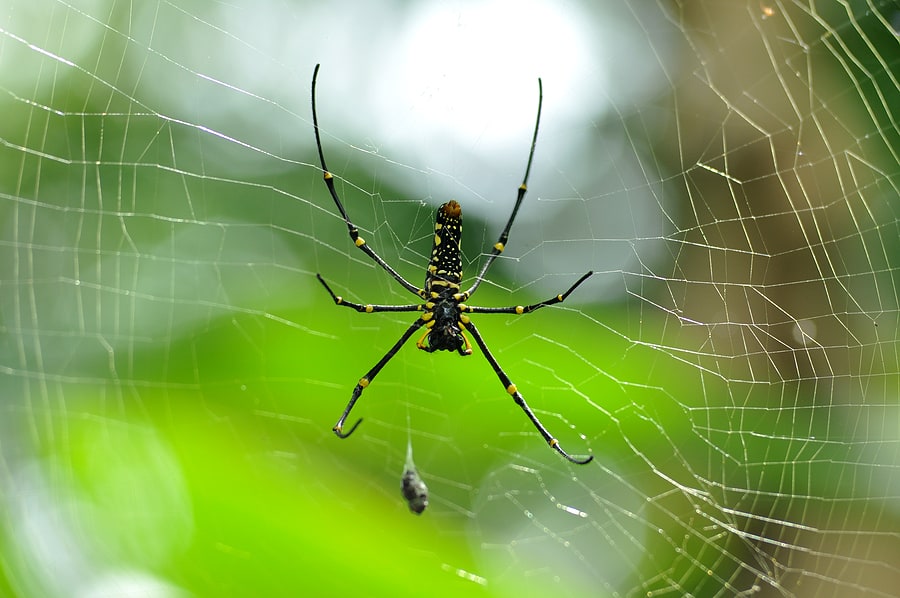
Orb weavers can be scary looking with their large size and the giant webs they weave. But are they dangerous to humans or pets?
The short answer is no. Although these spiders can bite, they lack the potent venom needed to cause serious damage to humans or larger animals. Their bites are comparable to bee stings. These pests are quite docile and usually non-aggressive; they are more likely to flee from you than to attack and bite you if disturbed.
Orb weavers are garden pests, often found in bushes, trees, wood piles, yard debris, under porches, under roofs, and under eaves. They get their name from the large, circular, wagon wheel shaped webs they weave. Because their family is so diverse, these spiders come in a variety of colors and markings, with some of the more common ones being bright yellow and black.
Orb weavers eat a variety of small insects such as mosquitoes, beetles, moths, flies, and wasps. They are quite beneficial to have around as they help keep other pest populations under control.
If you have an issue with spiders or other pests, contact your local pest control company for an evaluation and treatment options.
You May Also Be Interested In:
What To Do If You See Roaches
Add Some Shine to Your Crawl Space
Benefits to Winter Pest Control
Preventing Wildlife in Attics
Where Do Rodents Go In Winter?
Oct 20, 2022 | Pest Control
You might be thinking that since the weather is cooling down, pests won’t be as active. While that’s the case to some, most pests will be making their way indoors to seek warm shelter. Some homeowners even claim to see more pests in their home once the weather cools down. Here are some of the most common questions about winter pest control.
Which Pests Are Most Active?
Surprisingly, there are some pests that survive throughout the colder months. The main ways they stay alive are through hibernation, migration, and overwintering. Overwintering pests are our main issue in the winter. These are the pests that will migrate indoors instead of to a different part of the region.
Some of the most common pests still seen in the winter are cockroaches, rodents, and termites. Most of the time their activity might slow, but they are still nearby and ready to get back into full gear once the weather warms up.
How Often Should Pest Control Be Done?
The goal of pest control is to keep pests away and prevent infestations. Therefore, quarterly pest control is important. If you miss your regular pest control in the winter, it can create an easy opportunity for pests to get inside.
Winter is the best time for a barrier to be put in place. Some pests including spiders, cockroaches, and rodents can be a bigger issue this time of year, so getting ahead of schedule is key.
If you are ready to set up your winter pest control, give your local pest control company a call and they can help you set up a customized plan to prevent these pests.