Aug 26, 2022 | Florida Pest Control, Termite Control
Fort Lauderdale Pest Control: Termite Control & Prevention
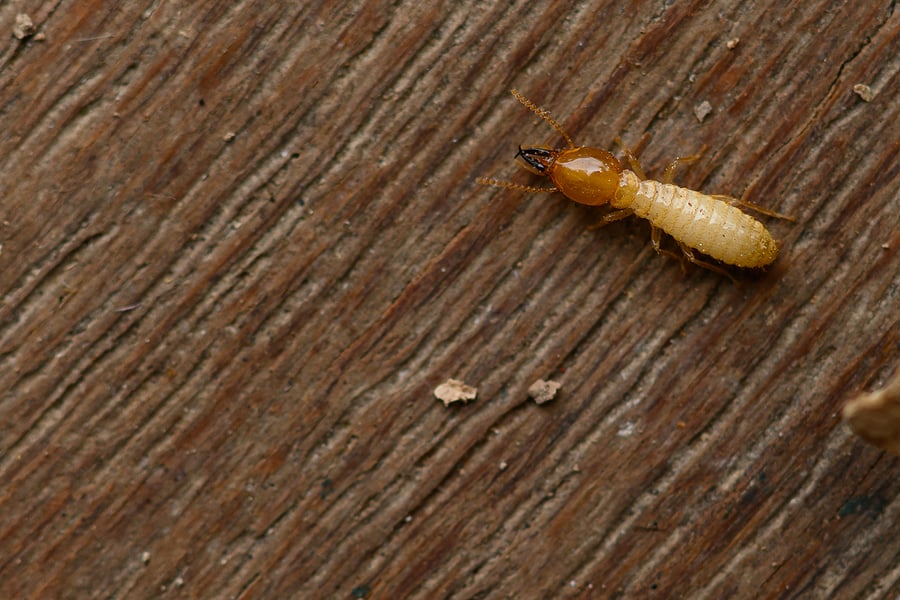
Hot, humid weather is inevitable when you live in the Fort Lauderdale area. Unfortunately, pests like termites thrive in these conditions, looking to our homes for a food source. Termites will eat wood inside out, sometimes going undetected for a long period of time. Some common termite species include drywood termites and subterranean termites. To enhance termite control around your home, it’s important for every homeowner to utilize preventative measures throughout their property.
Improper drainage is one of the most common reasons termites infest. Subterranean termites are looking for moist wood to infest, causing significant structural damage. Our gutters often clog, causing water to pool and create insulation vulnerable to termites. Likewise, the leaves, twigs, and debris can get caught and build up in gutters, softening your roof and causing it to rot. Divert your down-spout away from your home and consider utilizing splash blocks to prevent pooling water.
Showing off your beautiful landscaping and a green, lush yard is ideal for every homeowner. Unfortunately, the materials we sometimes use to create this can be beneficial to termites. Landscaping mulch can be aesthetically pleasing, but unfortunately, it can attract termites into our homes. Try to minimize your use of mulch but if you do utilize it, keep it away from your foundation by at least 15 inches.
Excessive moisture can cause multiple problems for your home, including termites. Leaking pipes or lack of airflow can create an ideal environment for these pests. A major step in preventing termites is eliminating excessive moisture inside the home. Enclosing your crawlspace is a great way to not only prevent termites and other pests, but to also improve the overall health of your home.
If you’ve taken as many precautions as possible to avoid termites but are still looking for extra protection, consider reaching out to your local Fort Lauderdale pest control company. These professionals can provide you with a termite inspection and a treatment and prevention plan customized to your home.

Aug 5, 2022 | Florida Pest Control, Termite Control
Naples Termite Control: The 411 on Termites
Whether you’re a new homeowner or have lived in your home for years, dealing with a termite infestation can be devastating for all. Unfortunately, termite damage can be costly to repair and not covered by homeowners’ insurance policies. Before termites have taken over your home, it’s important to know the basics of termite signs and treatments.
Signs of Termites
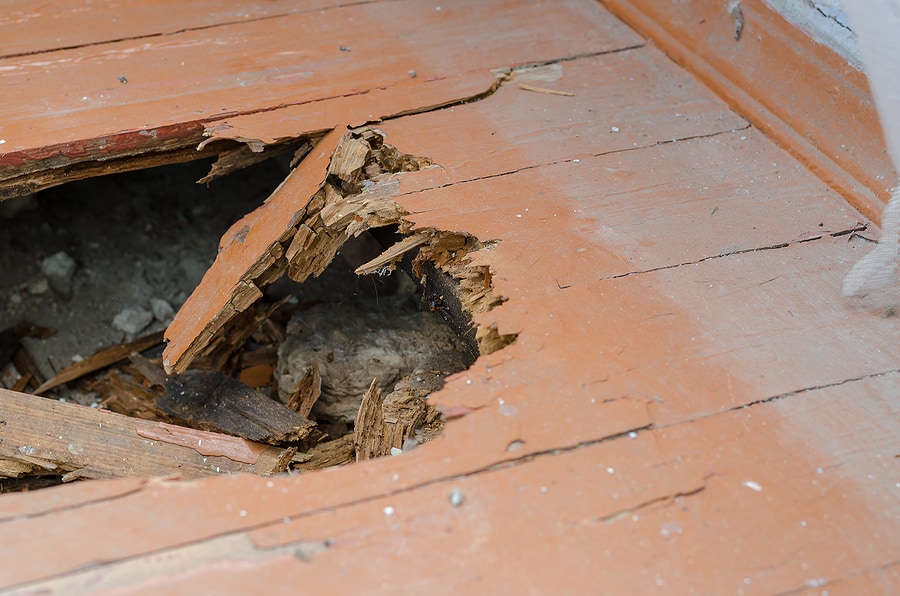
Termites are considered silent destroyers, infesting for long periods without homeowners knowing. However, several factors can indicate you have a termite infestation that you can be on the lookout for. Termites will create tunnels or tiny pin holes while feeding on wood. If you notice your home’s wood buckling or wall paint bubbling, termites are already feeding on your house.
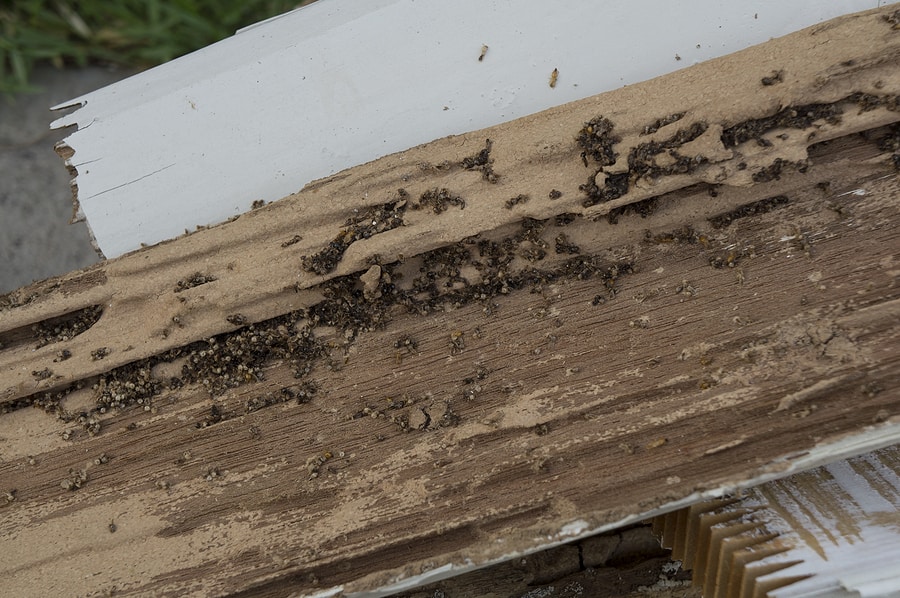
A noticeable indication is finding discarded wings around your window and door frames. This is a sign that termites are already inside the home. Likewise, if you start seeing their droppings, also known as “frass”, you have termite activity. Seeing frass is an indication that the drywood termite species has infested. Frass is pellet-shaped and brown, sometimes it can get mistaken for wood dust or shavings.
Termite Treatment
There are several treatment and prevention options for termite control. Homeowners can choose from three common types of professional treatments offered.
- Wood Treatments: This method is used to treat existing wood structures. Wood treatments utilize either surface sprays/foams or injected sprays/foams. It is sprayed directly onto the wood where it will eliminate existing termites and provide preventative treatment for future ones.
- Liquid-Soil Treatments: This treatment is like a barrier around the outside of your home. A trench is dug around the perimeter and filled with liquid termiticide. When termites travel from your home back to their colony, they pass through the termiticide.
- Bait Stations: Installed outside of the home, bait stations provide a food source to termites where they take it back to their colonies, where it eliminates them. While this treatment takes longer, it does eliminate the entire colony once the termites find it. Bait stations are usually monitored and refilled when needed.
Consider contacting your local Naples pest control company, who can provide a comprehensive inspection and help determine the best plan for you, your family, and your home.
Jul 8, 2022 | Termite Control
Subterranean termites are considered to be the most damaging species of termite of all. These termites can damage the infrastructure of buildings and homes, putting them at risk for catastrophic consequences. Subterranean termites are found in every US state except Alaska.
It can be hard to detect subterranean termites as they eat wood from the inside out, often staying hidden until significant damage is done. They can enter through stucco, slab foundation, or any other hidden area with access to the structure. In order to prevent termites, it’s important to recognize the signs you may have an infestation. Here are 6 signs of subterranean termites:
Swarms
One of the earliest signs of subterranean termites are termite swarms. Termite swarms emerge in the spring or early summer to reproduce and establish new colonies. Seeing a termite swarm indicates the presence of a nearby colony and indicate another colony will be starting up soon, increasing your risk of an infestation inside your home.
Mud Tubes
Mud tubes are another indication of subterranean termites. These are tubes they build to travel back and forth between your home and their nest. They protect them from damage and predators and allow them to accumulate moisture which termites need to survive. Mud tubes are typically about the size of a pencil and can be on walls, ceilings, floors, exterior surfaces, and on the sides of slabs.
Noises
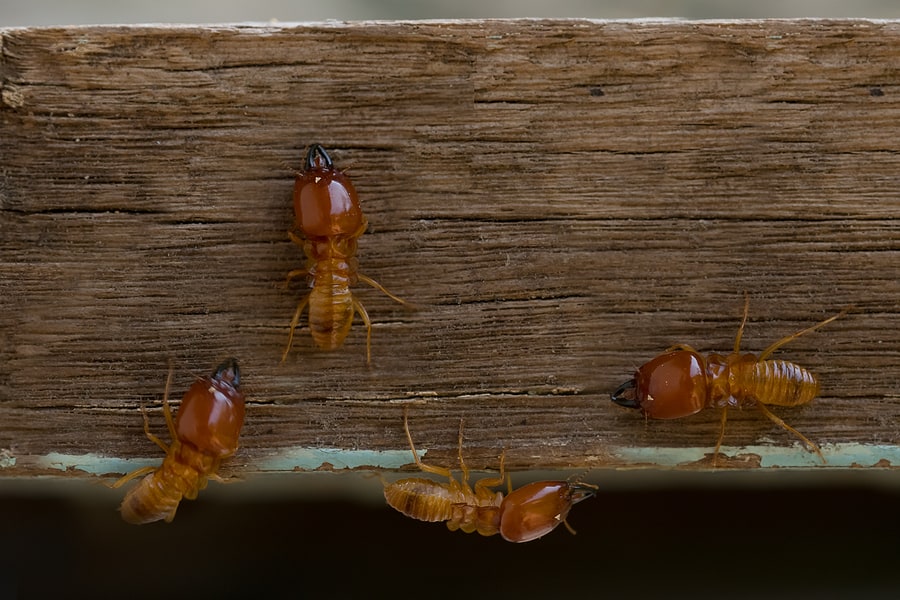
Termites don’t just leave visual clues to their presence – you can also hear them! If a colony is larger and established, you may hear a faint clicking or knocking sound behind your walls or in other voids. The noise is the sound of soldier termites banging their heads against wood or vibrating their bodies to indicate danger is imminent. You can even sometimes hear the worker termites chewing through the wood of your home.
Hollow Wood
During an annual termite inspection, a termite control technician may tap the wooden surfaces of your home. If termite damage is present, you will hear a hollow or paper sound instead of a solid thud when tapped. You can also look for blistering or bubbling paint or other abnormalities in or near wood structures, including window and door trim. Termite damage can often mimic water damage.
Frass
When subterranean termites tunnel through wood, they push debris and waste out behind them through tiny openings. Frass is the name for this waste they excrete. If you notice pin-sized holes with small black marks or dark powdery substance around them, these indicate the presence of kick out holes made by the termites. You may also see piles of sawdust looking material which is the frass.
Wood Damage
Floor, door, and window damage may also indicate a termite infestation. Sagging floors can indicate a well established infestation. Take note of any floors that buckle or sag and have them inspected. Doors and windows are another area that may indicate a problem. When these structures warp or don’t open and close smoothly, it can indicate the presence of termites, as well.
If you have any of these signs of termite damage, contact your local pest control company for a thorough inspection and treatment plan.
Jun 1, 2022 | Termite Control
Termites are considered a year-round pest, causing significant destruction to homes and properties each year. Termite swarming season runs from spring to summer for most species. They use this time to reproduce and establish new colonies. Keep your home safe from termites this summer with these termite prevention tips.
Inspect Wooden Structures
Termite inspections aren’t limited to just your house. Make sure to inspect any wooden structures you have outside, as well, like wood furniture, swing sets, and decks. Termites will make small pinholes in the wood they are eating. If you find evidence of termites in your wooden structures, contact a termite control professional immediately. If your structures are not infested, seal them with an outdoor paint or sealant.
Block Their Entry
Installing a barrier to entry for termites will go a long way towards keeping them out of your home for good. There are two termite treatment options available for the perimeter of your home: bait stations and liquid soil treatments. In addition to these, performing routine inspections of the outside of your home, especially around foundations, is critical. If any gaps or cracks are found, seal or repair them immediately.
Elevate Firewood
Stacks of firewood are an ideal food source for termites. Try not to stack firewood next to your home, shed or garage. Instead, store it several feet away from these structures. You should also elevate it, if possible, on either metal or concrete racks.
Keep Your Yard Maintained
It’s important to keep your yard maintained to help prevent termites and other pests. Keep bushes and trees trimmed back so they are not touching your house or overhanging. Remove any dead or dying shrubs from your yard. Try to avoid using wooden mulch; instead, opt for recycled rubber mulch.
Annual Termite Inspections
Termites don’t take days off so your home is always at risk. They can also go undetected for long periods of time, causing significant damage before you even realize they are there. A pest control professional can perform an annual termite inspection to help spot any signs of termites before they turn into a full blown termite infestation.
If you have a problem with termites or just want to get a head start on prevention, contact your local pest control company for a complete evaluation.
You May Also Be Interested In:
Why Do I Have Ants in My Kitchen?
Mosquito Bites 101
9 Easy Ways to Keep Birds Away
Common Summer Household Pests
7 Snakes You May Encounter This Summer
May 5, 2022 | Termite Control
Termites cost homeowners billions of dollars each year. Known as silent destroyers, these pests eat wood from the inside out, going long periods of time undetected in your home. Treating termites depends on the type of termite you have. The most common are drywood termites, dampwood termites, and subterranean termites.
You can protect your home from termites by having an annual termite inspection performed on your home. A termite technician will come out once a year and inspect the inside and outside of your home for signs of termites. You can also help prevent termites by keeping soil around your home dry, making sure landscaping doesn’t touch foundations, fixing leaks, and using concrete for foundations.
Sometimes despite our best efforts, termites invade our home. Once they get in, professional termite treatments are necessary to completely eliminate the infestation. The type of treatment you use depends on the type of termite you have. The three most common types of treatments include liquid-soil treatments, bait stations, and sprays/foams.
One of the most important questions any homeowner wants to know when treating termites is how long the treatment takes to work.
- Liquid-Soil Treatments: These treatments work as a barrier around the exterior of your home. A trench is dug around the perimeter and filled with liquid termiticide. The trench is then filled back in. As termites travel from your home to their colony, they pass through the termiticide. These treatments can last up to 5 years. Liquid-soil treatments work faster than bait stations, with colonies usually completely eliminated within 3 months.
- Bait Stations: Bait stations are used outside your home to provide a food source the termites take back to their colonies. These treatments take longer to work than liquid-soil because the termites first have to find the bait, then take it back to their colonies and wait for it to be eaten by all members. Eventually the entire colony, including the queen, will be killed off. Bait stations also have to be monitored on a regular basis and refilled when necessary. Bait stations can take up to 6 months to completely eradicate a termite colony.
- Spays/Foams: Sprays and foams are used to treat existing wood structures or new construction. The product is sprayed directly onto the wood, killing existing termites and soaking into the wood to provide preventative treatment for future infestations. When applied, termites usually start dying off within 1 to 2 days. However, it can take longer for the treatment to reach the queen, if it ever does.
Termites can be a big headache for homeowners. If you have a problem with termites or just want to get ahead with prevention, contact a pest control company who can provide you with a thorough inspection and termite control plan that works best for your situation.
You May Also Be Interested In:
What Types of Grasses Work for My Georgia Lawn?
5 Signs You May Need an Exterminator
The Return of Mosquitoes
Avoiding Cockroaches This Spring
A Step-by-Step Guide to Spring