Feb 11, 2020 | Termite Control
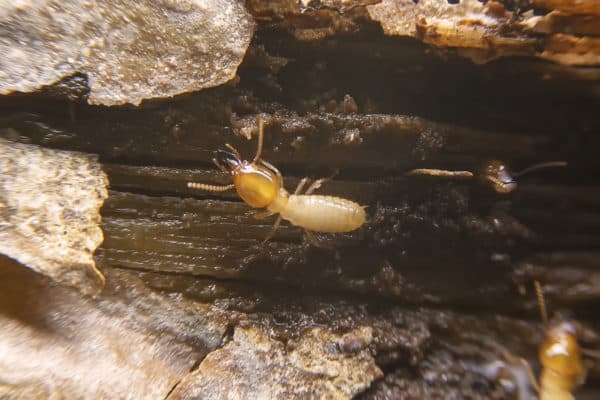
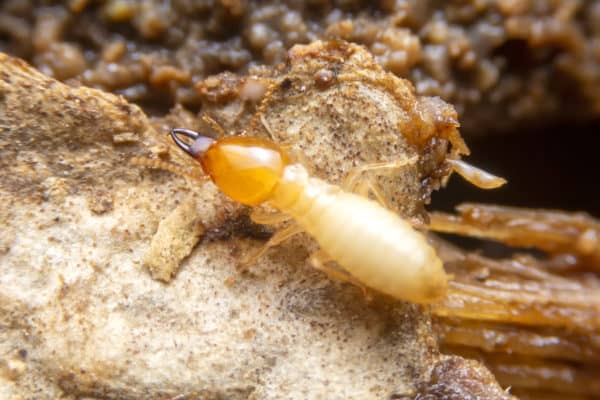
Termites cost homeowners billions of dollars each year in damages, treatments, and repairs. While traditional termite treatments are extremely effective at eliminating and controlling termite populations, environmentally sensitive homeowners often go in search of more green pest control options. One popular trend on the market today is orange oil treatments. Orange oil is an extract from orange rinds and is commonly used in cleaning solutions and food additives. The active ingredient in orange oil treatment is D-limonene which kills termites on contact by breaking down their exoskeleton and destroying their eggs. Orange oil treatments are the most common no-tent, no move out, organic termite control solutions.
Let’s look at some of the pros and cons of orange oil termite treatments:
Pros
- Low toxicity and more environmentally friendly than other termite control options
- Effective against drywood termites, carpenter ants, and wood-boring beetles
- No need to move out at night during treatment
- No need to remove plants or board pets during treatment
- No need to bag up food or medicinal supplies during treatment
- No potential damage from treatment to roof tiles
Cons
- Not effective against subterranean termites
- Although low toxicity, should not be ingested. Prolonged exposure to oil or fumes can cause skin and eye irritation, nausea and vomiting, lung irritation, and other symptoms
- Product is flammable and combustible once wicked into wood
- Only kills termites on contact and will not kill any undetected infestations
- Treatment requires drilling holes into your walls and other wood components of your home
- Multiple treatments are required as the entire colony is usually not exterminated during a single treatment
- Treatment of larger infestations can be more expensive than fumigation methods
- Treatment can only be applied to existing infestations; there is no residual protection against future infestations
Orange oil treatments are only effective against drywood termites because these pests live and colonize the wood they are infesting. They are not effective against subterranean termites as these pests live in the soil and only come up to feed on wood. Orange oil treatments will begin with a termite inspection to determine the type of termite and the extent of the infestation. Once the areas of termite damage and activity are identified, the technician will drill a hole into the wood and treat the infested areas. Orange oil is then injected into these drilled holes where it spreads throughout the wood beams via capillary action, passing through porous cells in all directions. This kills any termites and eggs on contact. This does not, however, kill any termites that don’t come in contact with the oil treatment. After treatment, the holes are then patched and painted.
In summary, orange oil does, in fact, kill termites but it is limited in its effectiveness. It is considered a secondary spot treatment as it is only effective when it is applied to areas with active infestations. Any termites that remain undetected and untreated will continue to eat, continuing the damage to your home. Because of this, multiple treatments are usually required. These treatments don’t eliminate the entire termite colony, leaving your home vulnerable. Whole structure treatment (fumigation) is a guaranteed method of completely exterminating termites from a structure. During fumigation, the whole house is treated at once. Fumigant gas is used to penetrate the walls, floor, lumber, and other surfaces where termites reside. If you suspect you have a termite issue, contact a professional pest control company who can help identify the type of termite you have, the scope of the infestation, and the best treatment options for your home.
You May Also Be Interested In:
How Much Does It Cost To Remove Animals From Your Attic?
Is Mosquito Control Needed in Winter?
Cold Weather Sends Roaches Indoors: 5 Tips to Prevent Them This Winter
Is Green Pest Control Worth The Investment?
Winterize Your Home With TAP Insulation
Jan 9, 2020 | Termite Control
Home projects ramp up with the new year; out with old and in with new renovations. One thing homeowners should consider is pest protection that secures not only those new projects, but also their largest investment: their home.
Termites work in secret: staying out of sight, tunneling underneath homes, or even worse, inside the home’s structure. Depending on the region where the home is located, weather will play a crucial role in the type of termite species that can invade.
Subterranean termites are considered to be one of the most destructive types of termites. Found in every state in the U.S., they use “mud tubes” from the ground reaching up to the structure. They work to damage structures, weakening them bit by bit by eating 24 hours a day, every day.
Formosan termites are the most destructive of the subterranean species. Working and invading from the ground up, Formosans make up large colonies. Found mostly in the southeast, they can chew through insulation, utility poles, and even wires and cables.
Drywood termites are the sneakiest species as they do not need soil to survive. They are brought into homes in wood furniture, so caution and careful inspection should be taken when purchasing secondhand furniture.
Homeowners should take special care to eliminate areas of moisture as this is a huge attractant to the home for termites. An annual termite inspection with a licensed pest control company is highly recommended to find areas of damage and potential infestation sites and determine a proper prevention and treatment plan.
Dec 30, 2019 | Pest Control
It’s the end of the year and as you put together your list of New Year’s resolutions, some simple home repairs might need to make the cut. What you may not realize is that pests could have been quietly chipping away at your home’s value throughout the year. Here are some things to look for and steps to take to preserve the integrity of your home.
- Decks/Foundations/Roof: Decks can attract wood-boring and wood-destroying insects like beetles, carpenter bees, and termites. Lumber should be pre-treated to prevent pests from compromising the safety of your deck. Inspecting the exterior of your home is essential to keeping your home safe from pest damage. Seal all cracks found and talk to your pest professional about a preventative treatment plan. Branches close to your home’s roof can present an opportunity for pests such as termites and carpenter ants to enter your home. Trimming the branches back will not only help cut off access but also help prevent future damage.
- Wires & Vents: Rodents pose the biggest risk to the integrity of the electrical wiring in your home. According to investigative reports, rodents may be responsible for up to 25% of house fires that end up labeled as an “unknown origin”. Work with your pest professional to locate entry points and seal them. Insects and wildlife will look to make use of ducts that lead to exterior vents. In the case of dryer vents, a damper opens for exiting air and then promptly closes, cutting off access. For an added precaution, caulk around vents to further prevent invasions.
- Chimneys & Gutters: Delaying the cleaning of your home’s gutters could lead to pest harborage sites. Investing in gutter guards to prevent clogs and standing water will help to cut down on breeding sites and eliminate access points into your home. All chimneys need an exit for smoke; while this is good for the health of your home, this exit presents an opportunity for pests and wildlife to make their way inside. Installing a chimney cap allows for smoke to escape and keeps any unwanted visitors from coming in.
Making these adjustments can help you enjoy your home without the pests and the critters. Reach out to your local pest control company to schedule an inspection and to work out a preventative treatment plan to help keep your home safe.
Dec 20, 2019 | Termite Control
When it comes to protecting your home from termites, your best bet is not to rely on just luck – termite prevention is critical to minimizing or completely avoiding the costly destruction termites can cause to your home. In fact, some cultures consider termites in the home bad luck. These cultures see termites as an omen of death in the near future for the homeowner; the only way to escape this ill fate is to eliminate the termite colony or abandon the infested home.
If prevention fails, early detection is the next best thing. Termites can cause significant damage to your home while remaining undetected for years. For this reason, annual termite inspections can help identify these pests early, saving you from costly long-term damages.
Prevention is key. Here are a few tips for termite prevention in your home:
Keep Landscaping Neat
Termites will look for any way possible into your home in search of food. Try to reduce any soil to wood contact around your home by getting rid of any lumber, mulch, plants, or wood from your foundation. Try to also keep at least a 4 inch barrier between any mulch used in your landscaping and the side of your home. If possible, use pine straw instead of mulch as it is less appetizing for termites. Keep shrubbery trimmed back at least 12 inches from the walls of your home and get rid of any fallen branches, dead wood, or old tree stumps on your property.
Dry It Out
Make sure your storm drains are directed away from the foundations and that they drain at least a few feet from foundations. Check for and repair any leaky faucets, pipes, or appliances and eliminate any other sources of excess moisture in your home. Keep sprinkler heads pointed away from foundations. If you have a crawlspace, consider crawlspace enclosure to not only help eliminate moisture under your home, but prevent mold, mildew, wood rot, and pests from getting into your home.
Be Mindful of Swarming Season
Most subterranean termites swarm during spring while drywood termites usually swarm in late summer and early fall. Be mindful of termite swarming season and make sure your outdoor lights are turned off at night. If possible, try to relocate any exterior lights to recessed areas away from doors and windows as swarmers are attracted to light.
Do Your Own Inspections
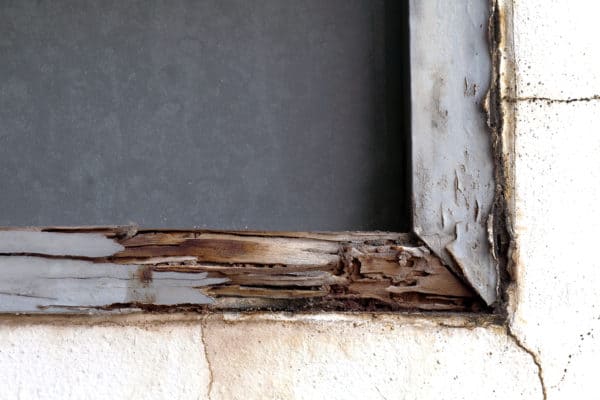
Keep an eye out for signs of termites in your home. Discarded wings and evidence of frass are sure signs you have termite tenants. Other signs include blistering sheetrock, mud tunnels, cracks in your foundations, and a hollow sound when tapping on wood. Make sure the exterior of your home is well maintained to prevent these by inspecting and repairing wood siding and window frames.
Call the Pros
Termites can be difficult to detect for long periods of time and even more difficult to get rid of once they are established. If you suspect you have a termite problem or if you want to get a step ahead of the prevention game, contact a professional pest control company who can set you up with annual termite inspections and, if necessary, a termite control plan.
You May Also Be Interested In:
Energy Saving for the Holidays
Should You Enclose Your Crawlspace in Winter?
Keeping Pests Away From Your Holiday Treats
What Are These Little Black Ants?
5 Ways to Avoid Bed Bugs For The Holidays
Oct 7, 2019 | New Construction, Termite Control
When you purchase your new home, you have hundreds of things to consider and decide on: What furniture do you need? Are any renovations needed right away? Does your home insurance cover everything? There is a lot to take in!
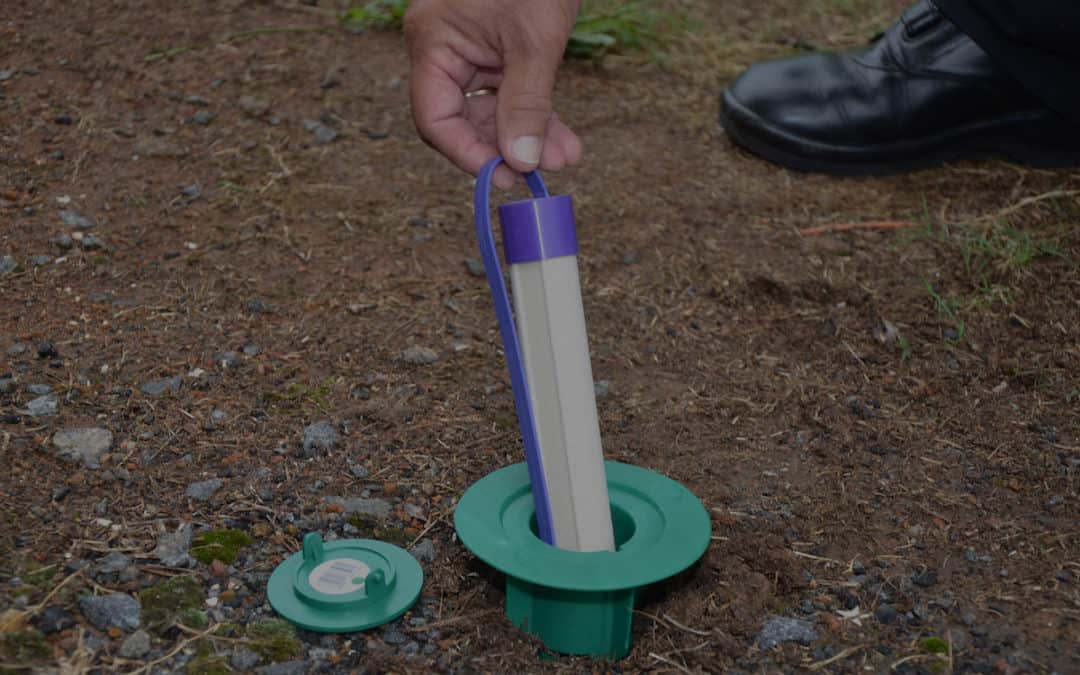
One thing that typically doesn’t come to mind until a few months after you’ve moved in is, “What about termite protection?” Termites are something that can cause damage to your home, and that damage is often not covered by home insurance policies. Sometimes, you won’t think about it until the damage has already occurred, but there are steps you can take to prevent termite damage. With the Sentricon Termite Colony Elimination System and a termite provider’s inspection, your home can be protected.
So, what are the benefits of Sentricon Termite Protection?
- With Sentricon, your home is protected every day, the moment it is installed. This is because the bait is always active; once the termite finds the bait, they will bring it back to their colony, essentially eliminating the colony before it can reach your home!
- Another benefit of the Sentricon System is that it allows you to choose a termite warranty for your home through your provider! With Northwest, we offer a Retreat or a Repair and Retreat Warranty. With the warranty, your home is protected even if the termites do cause damage.
- The third benefit of the Sentricon System and a termite provider’s protection is the annual inspection! This inspection allows your home to be checked for any signs of termite activity, which should allow your provider to catch any activity or damage before it begins. Termites prefer the bait that Sentricon provides to other competitors, so you can sleep well at night knowing your home is protected year-round.
Termite protection may not be at the top of your list, but when you think about the $5 Billion in damages that termites cause every year, it is something to highly consider! If you’re considering purchasing a new construction home, connect with your builder about what they offer your home for termite protection!
If you have questions about the right type of termite protection or warranty for your home, give your local termite provider a call; they’ll be able to answer all your important questions so you can make the right decision for your home and family.